The Grammar of Being
Posted: October 3, 2025 Filed under: Art & Healing, consciousness, What is an Art Farm 1 Comment
Two score and three years ago, to discipline my young mind I enrolled to study Latin. Nothing in my past forecast that choice; it was a decision wholly without precedent. My father having just died, I was given the gift of education – anywhere on any topic – and Classical Languages & Literatures was the choice that I made.
Because it was close to my childhood home, I enrolled at Northwestern University. I studied there beside wizened and wise men of letters. Stuart Small taught me Greek and Latin literature, while Erich Heller – a lion among the European literary cognoscenti – and I broke bread, and discussed German literature. Erich made a comment once that is marked indelibly upon my mind, “There is a mysterious link between grammar and the mind.”
In this year 2025, at our Art Farm Academy, my son explores this link as he learns to parse sentences, grammar’s deep structure, whereby thoughts are made manifest. This week’s topic was “The Verbs of Action and the Predicate” wherein my son thought deeply upon verbs transitive or intransitive; objects direct or of prepositions; simple versus complete predicates; adverbs and adverbial phrases. He marked a line dividing the subject from the predicate, determined whether a verb was transitive or intransitive, identified the direct object – when applicable – and demarcated the prepositional phrase. Intellectual heavy lifting, he stayed the course.
In homeschooling, a student cannot hide in a classroom of 20 fidgeting students. This is one-on-one, face-to-face, question and answer. For a young man coming of age, who feels anxious in social settings, his Language Arts class presses buttons. His teacher, the Magister, is firm but fair and it is probable that nothing could benefit him more.
The mysterious link between grammar and the mind is like a yoke, focusing the mind, as it frames our thoughts. For millennia yogis have regarded the yoke as a symbol of union, of body, mind and spirit, which is the “being” at grammar’s root, an inlet to consciousness.
In this age when AI will override STEM, at the dawn of a post-literate society shaped by videos and memes on a screen more than words on a page, nothing could be more salient. The power to focus the mind and to frame thoughts is the power to articulate and to question authority.
Let us parse from among the greatest speeches in American history:
- “Four score and seven years ago…” is but a phrase, not even a clause, but has a poetry that most every American can repeat from memory;
- “We have nothing to fear, but fear itself” wherein “fear” is both verb and noun;
- “I have a dream…” uses subject verb and object to drive the essence of simplicity, clarity and hope;
- “Ain’t I a Woman?” changes the syntax to verb and subject but no object, using the vernacular, for emphasis;
- “Give me liberty or give me death!” is an impassioned hortative, in binary form: two independent clauses of verb, subject, object using a coordinating conjunction as fulcrum;
- “…stay hungry, stay foolish.” repeats an imperative verb, with contrasting adjectives, using parallelism to form an inspirational slogan [delivered by Steven Jobs, 2005, to graduates of Stanford University (but which slogan he lifted from the Whole Earth Catalog)].
At this art farm, our core curriculum centers upon “the grammar of being.” We go forward, building confidence, into the future.
____________________________________
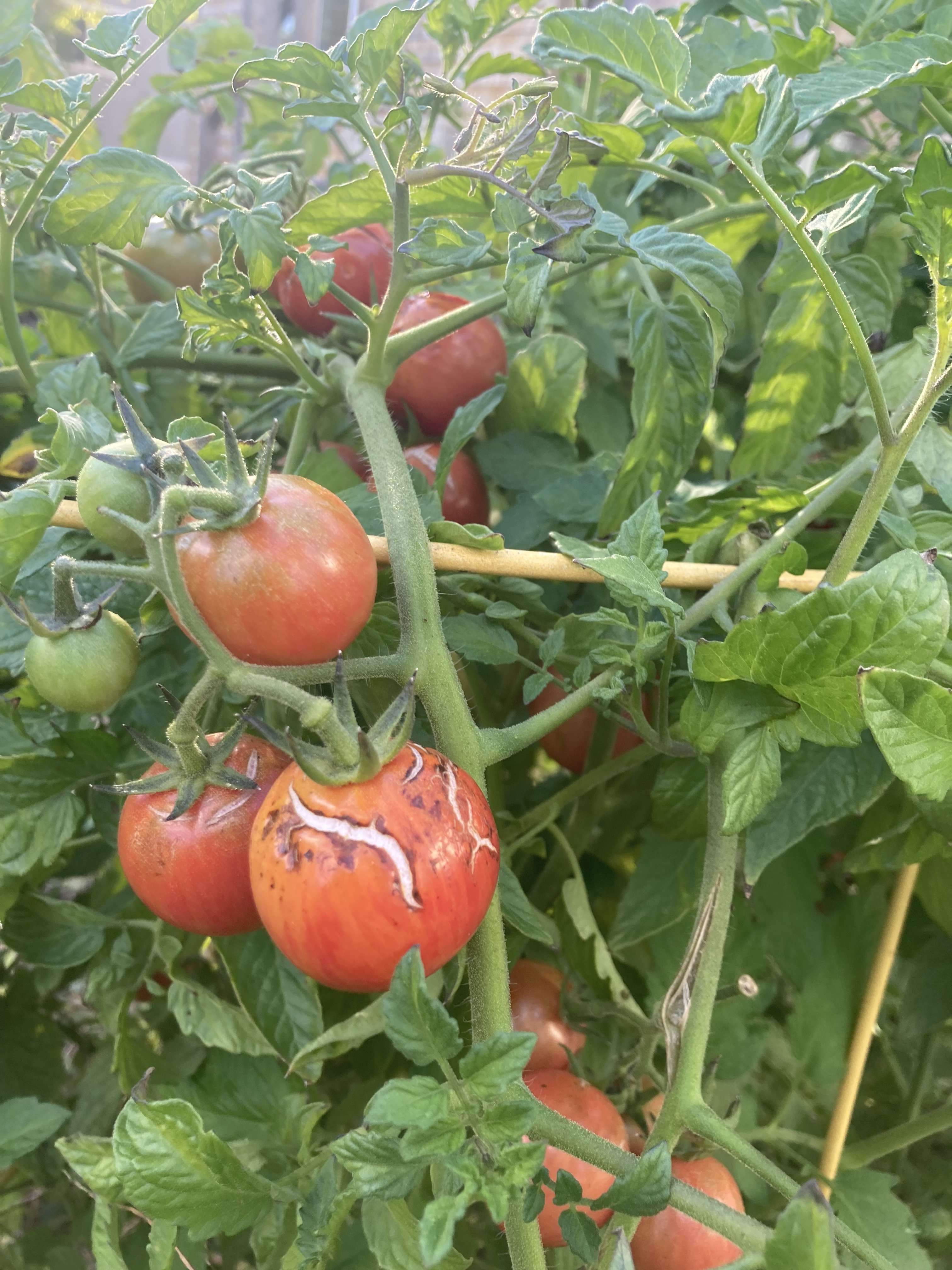
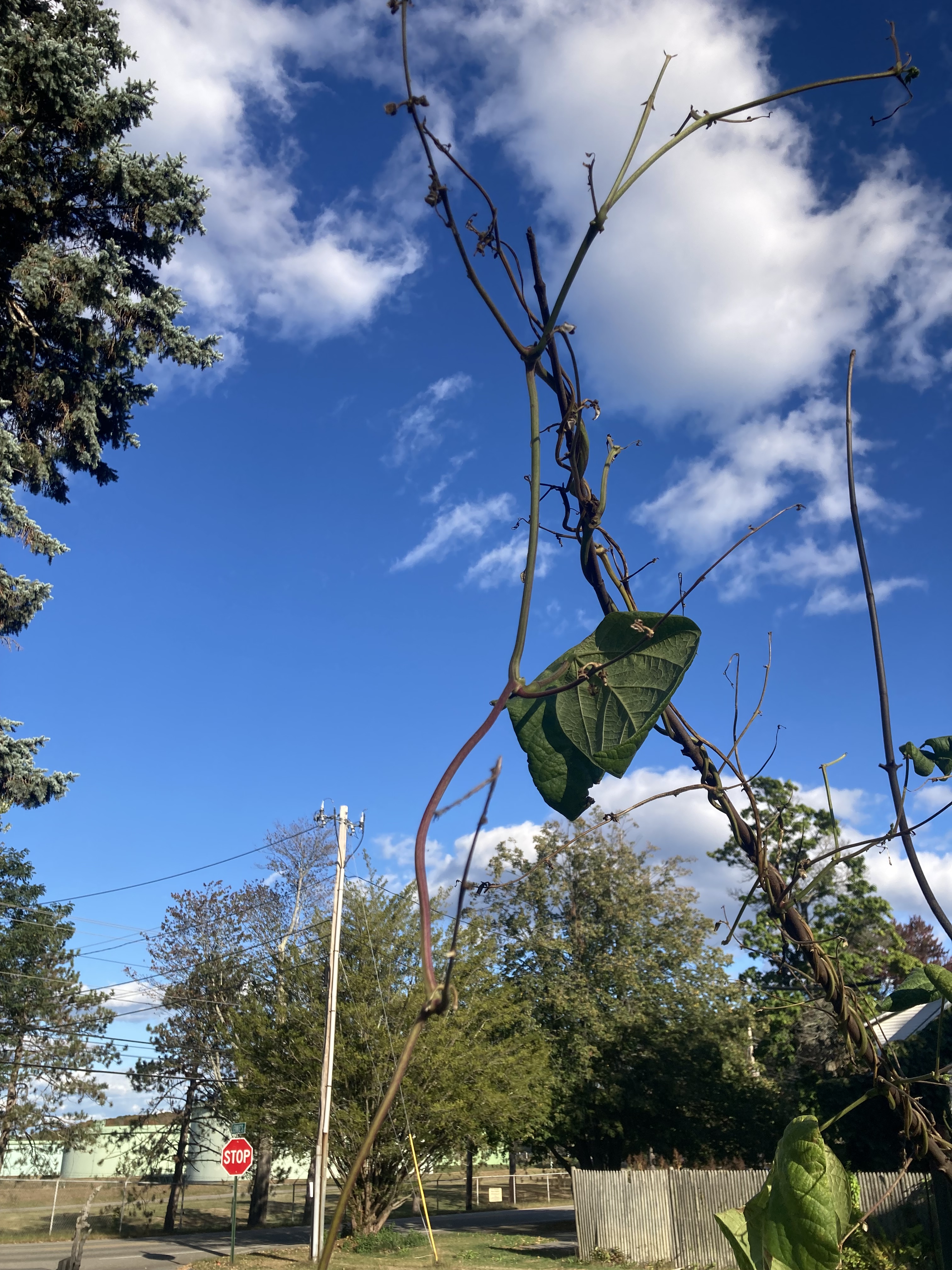
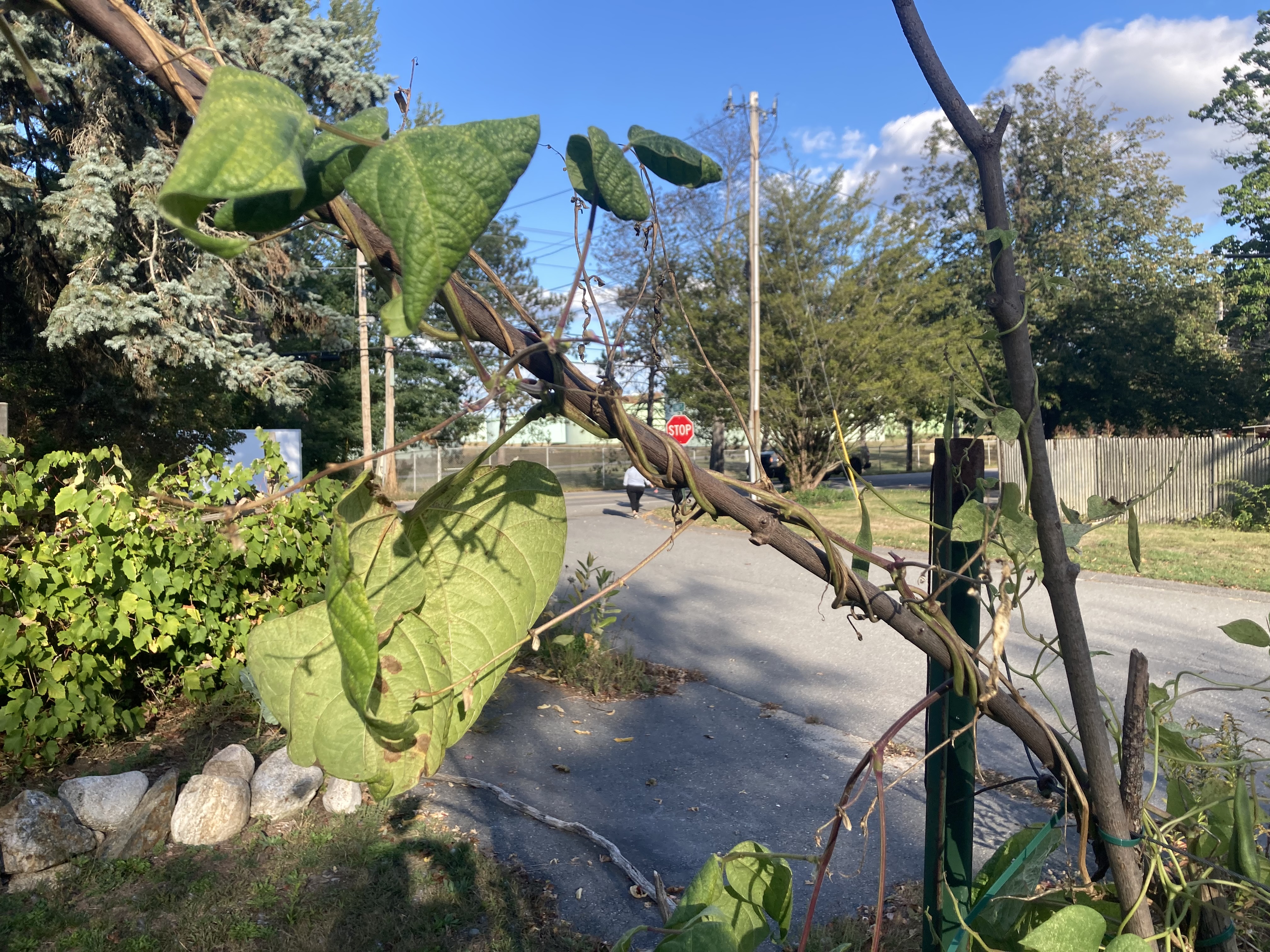
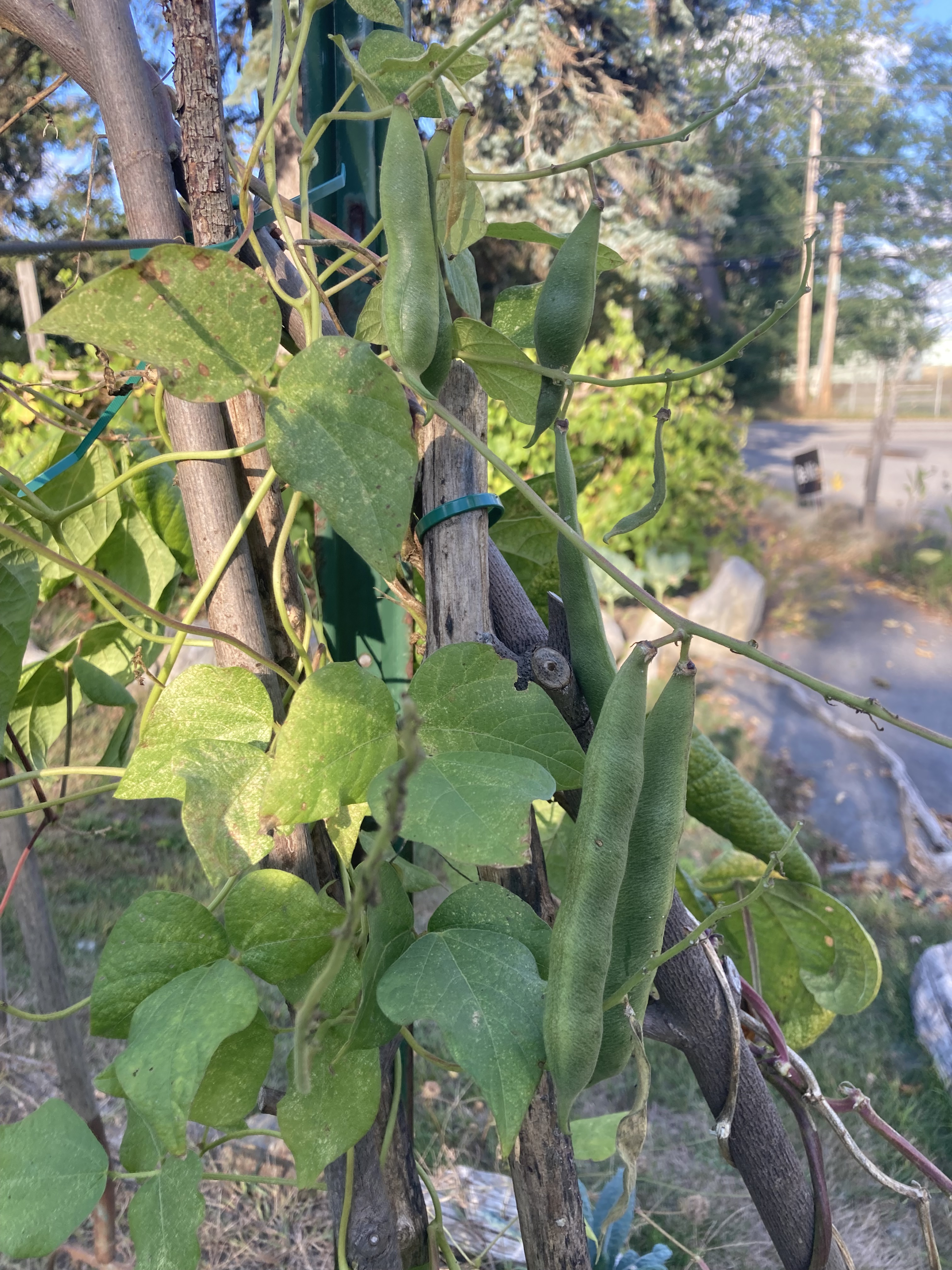
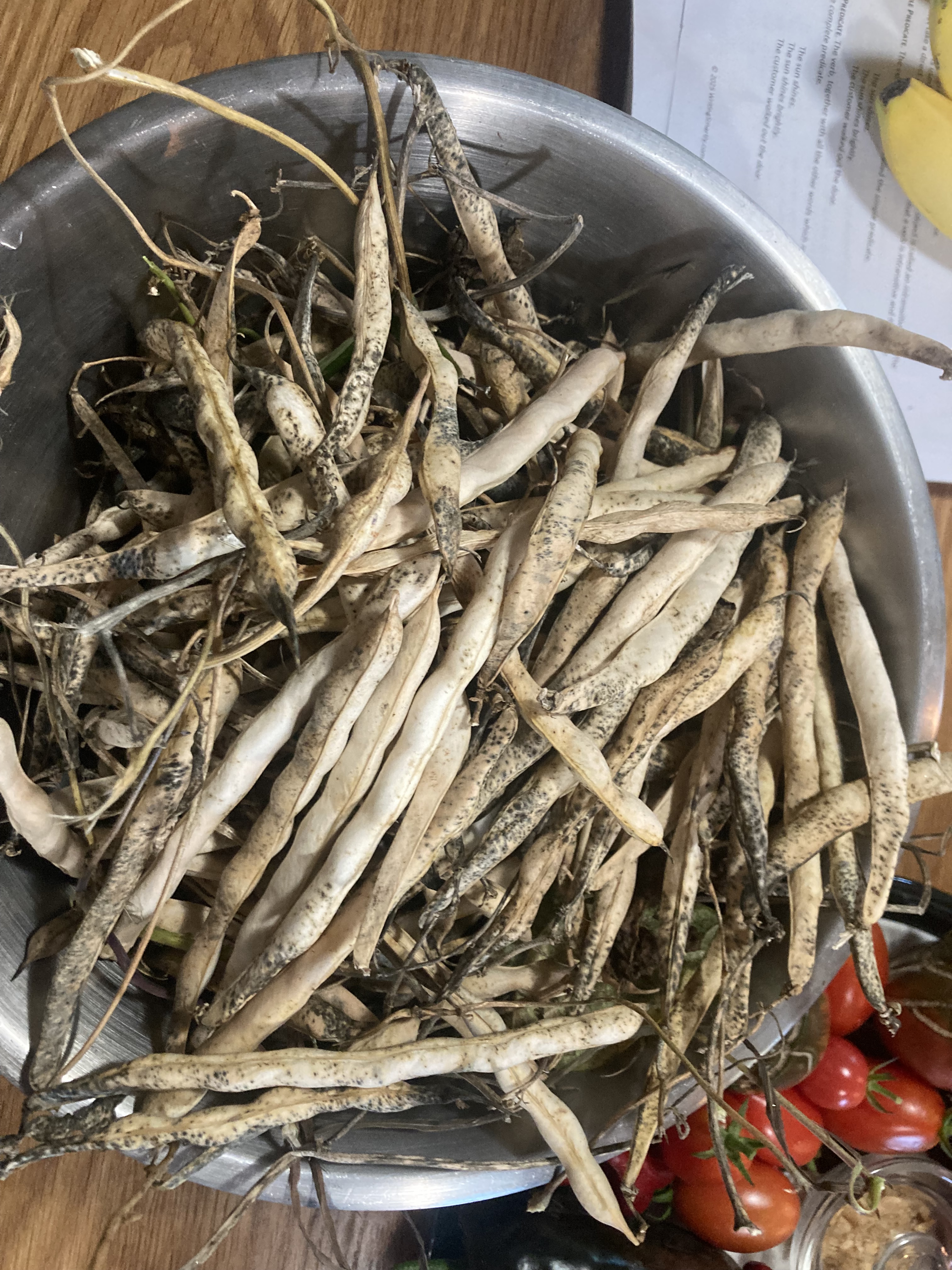
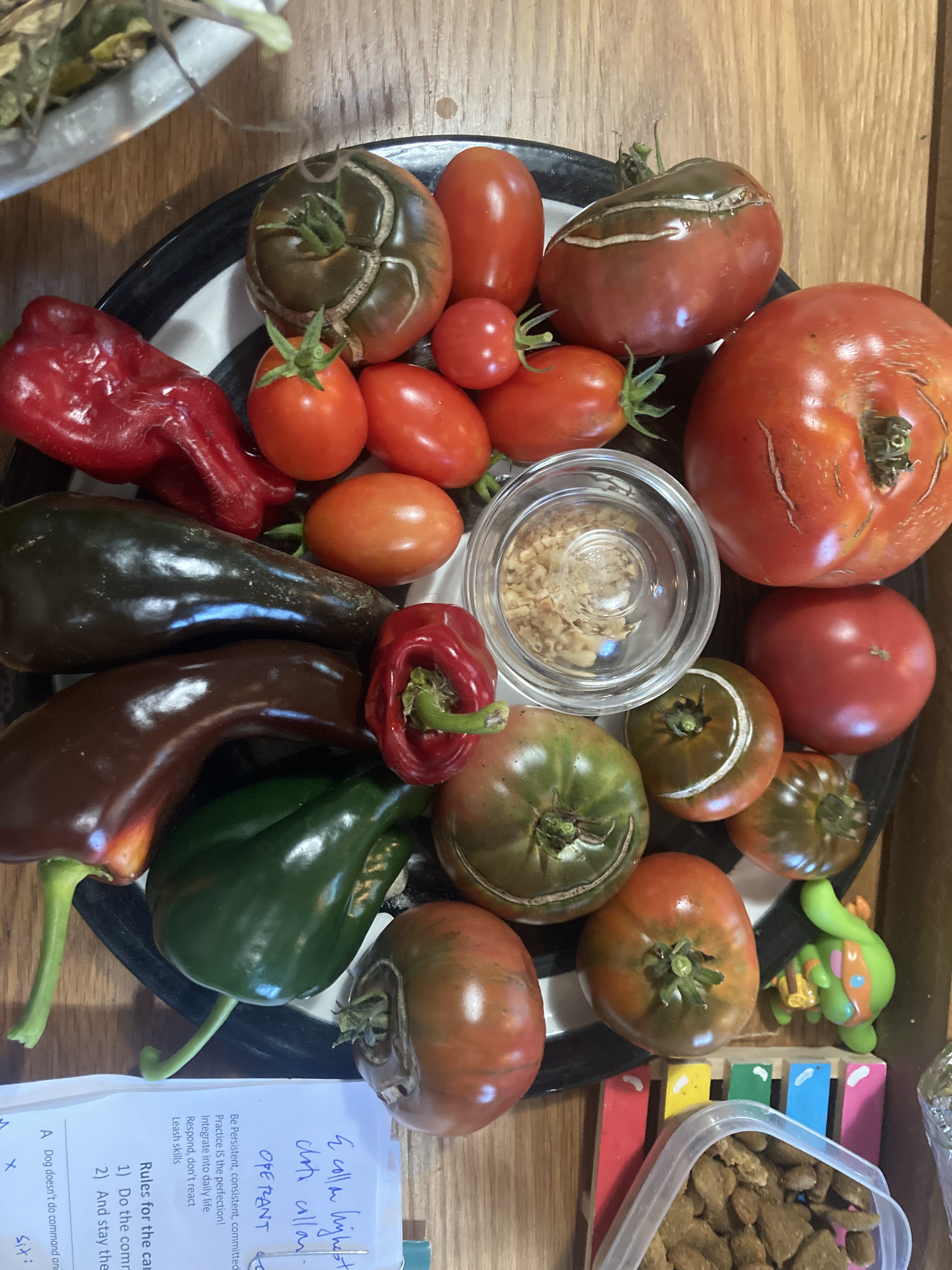
It is October and we glean the garden. Beans harvested, are shelled, put up for winter.




 an Art Farm
his is an envious and rare education. thank you for the grammar lessons here. academy, indeed.