Building Models to a T
Posted: March 13, 2026 Filed under: Chronicles of a First Time Parent 4 Comments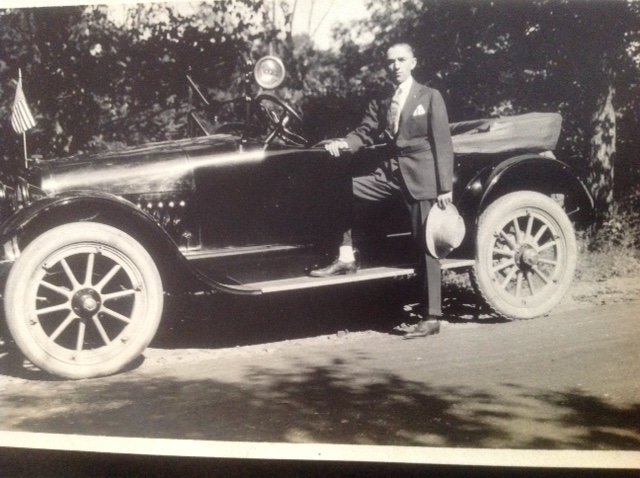
The son of a carpenter, he had an 8th grade education. Then he took night school classes for business and stenography, until at age 17, began work as stenographer for the Pocachontas Fuel Company in Cincinnati, Ohio. He described his boss as “the dean among smokeless coal producers and the local distributors never took decisive action without first consulting him.”
With the Dean’s approval, he moved to the Queen City Coal Company as stenographer and part-time salesman, riding the electric rail lines to make his sales calls. On his first day, he boarded the 6:00 am train and, at the Mers Coal Yard, sold a carload of New River Mine coal on his very first call.
In 1914, at age 19, he paid $675 to buy his first car, a Ford Model T. Ohio had license plates then but no drivers licenses until 1918. His sales territory expanded to southern Indiana towns along the Baltimore & Ohio railroad, and as far east as Columbus, Ohio. Roads were occasionally paved with bricks, but the vast majority of intercity roads were made of gravel, crushed stone or dirt. With a cruising speed of 20 miles per hour, sales calls were an all day odyssey beyond the reach of any telephones.
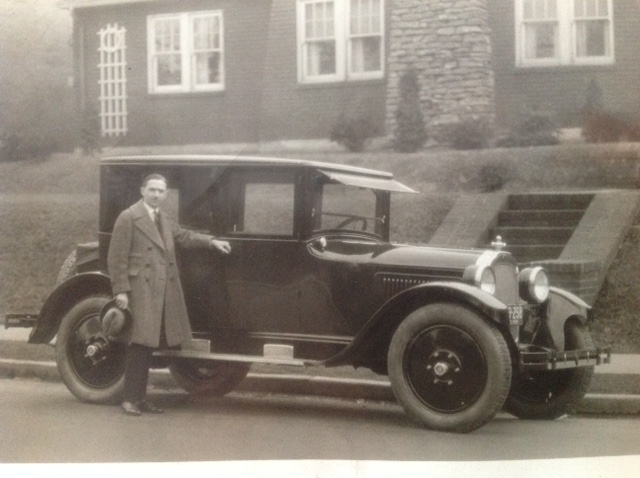
In June 1914, Archduke Ferdinand was assassinated and the “War to end all wars” began. Our 19-year old hero drove 140 miles – which took more than 7 hours – to Camp Sherman to enlist in the US Army. While at Camp Sherman, Edwin Forbes Glenn, Chief of Staff of the Department of the East, asked, “Can anyone write shorthand?” Our hero, named John, rose his hand and was put to work. Upon completing the task, General Glenn dictated a letter to Newton D. Baker, Secretary of the War in Washington DC whereby he appointed John as his personal secretary with the title of “Army Field Clerk.”
Edwin Forbes Glenn was soon promoted to rank of Brigadier General, and subsequently a two-star Major General as commander of the 83rd Infantry Division. John was stationed in Le Mans, France and became Chief Clerk for the American Military Training Center with duties of entertainment and shipment of troops to the Western front line. During the War, the 83rd Infantry Division supplied over 195,000 officers and enlisted men as replacements in France without seeing action as a complete formation.
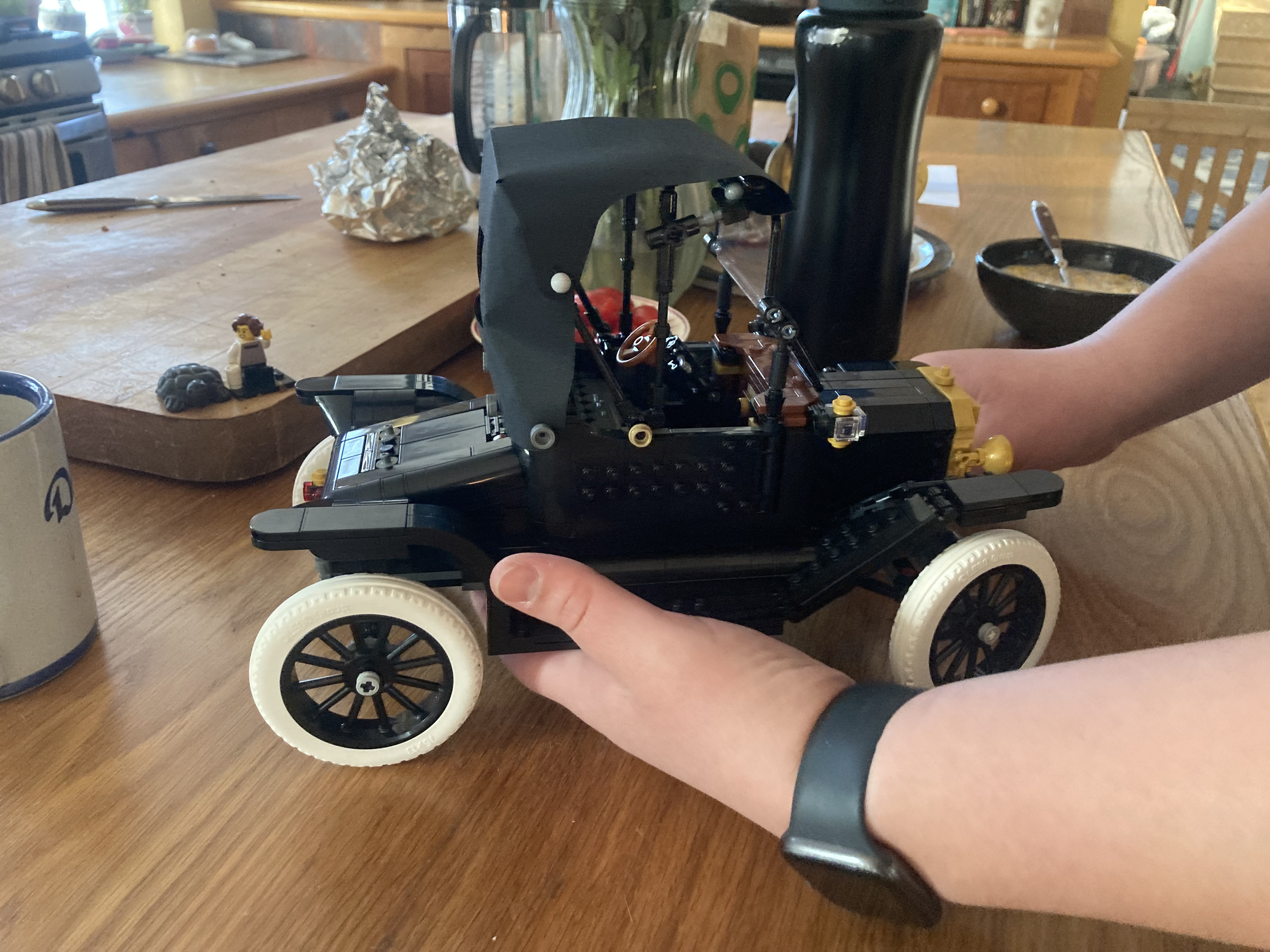
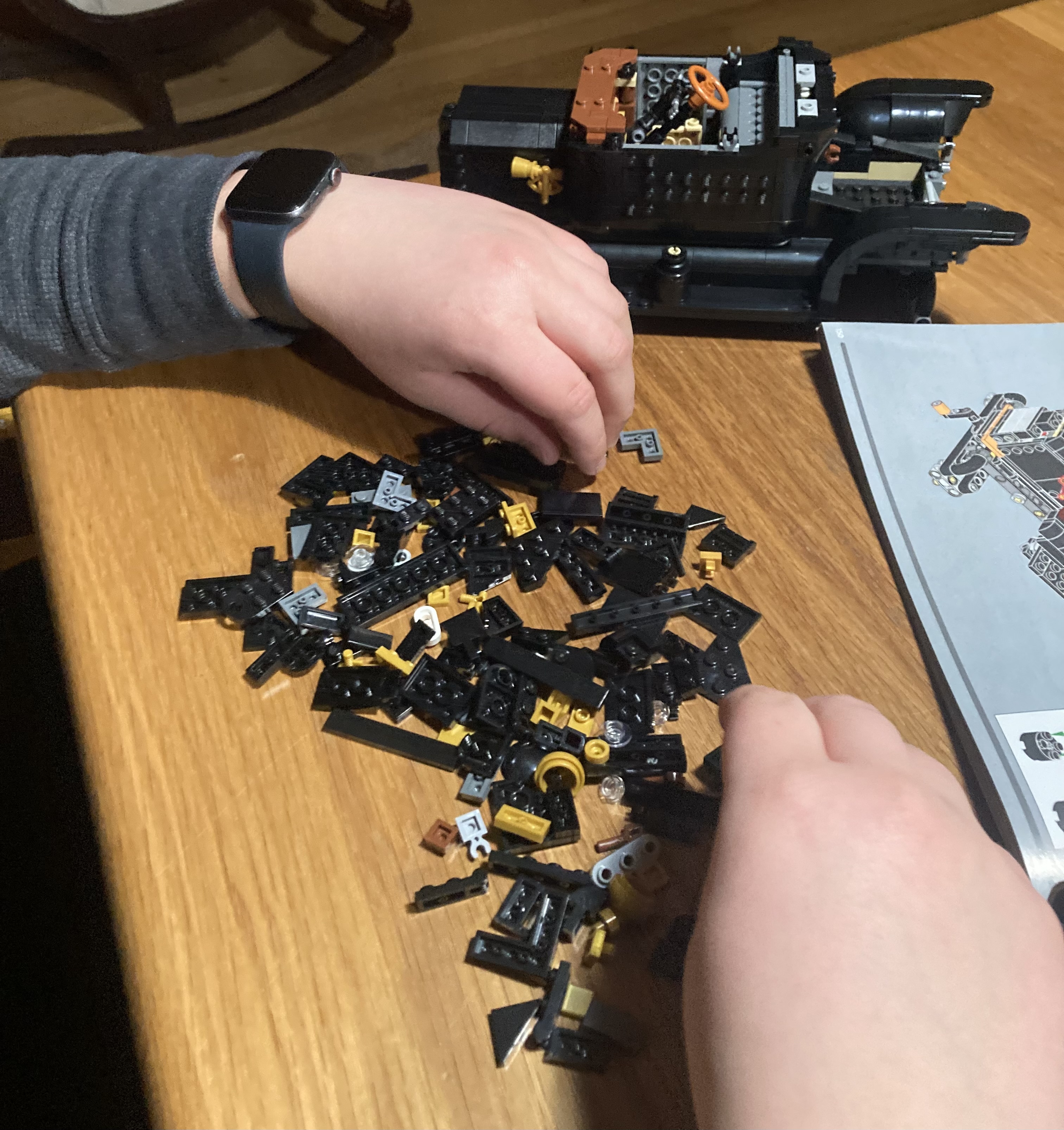
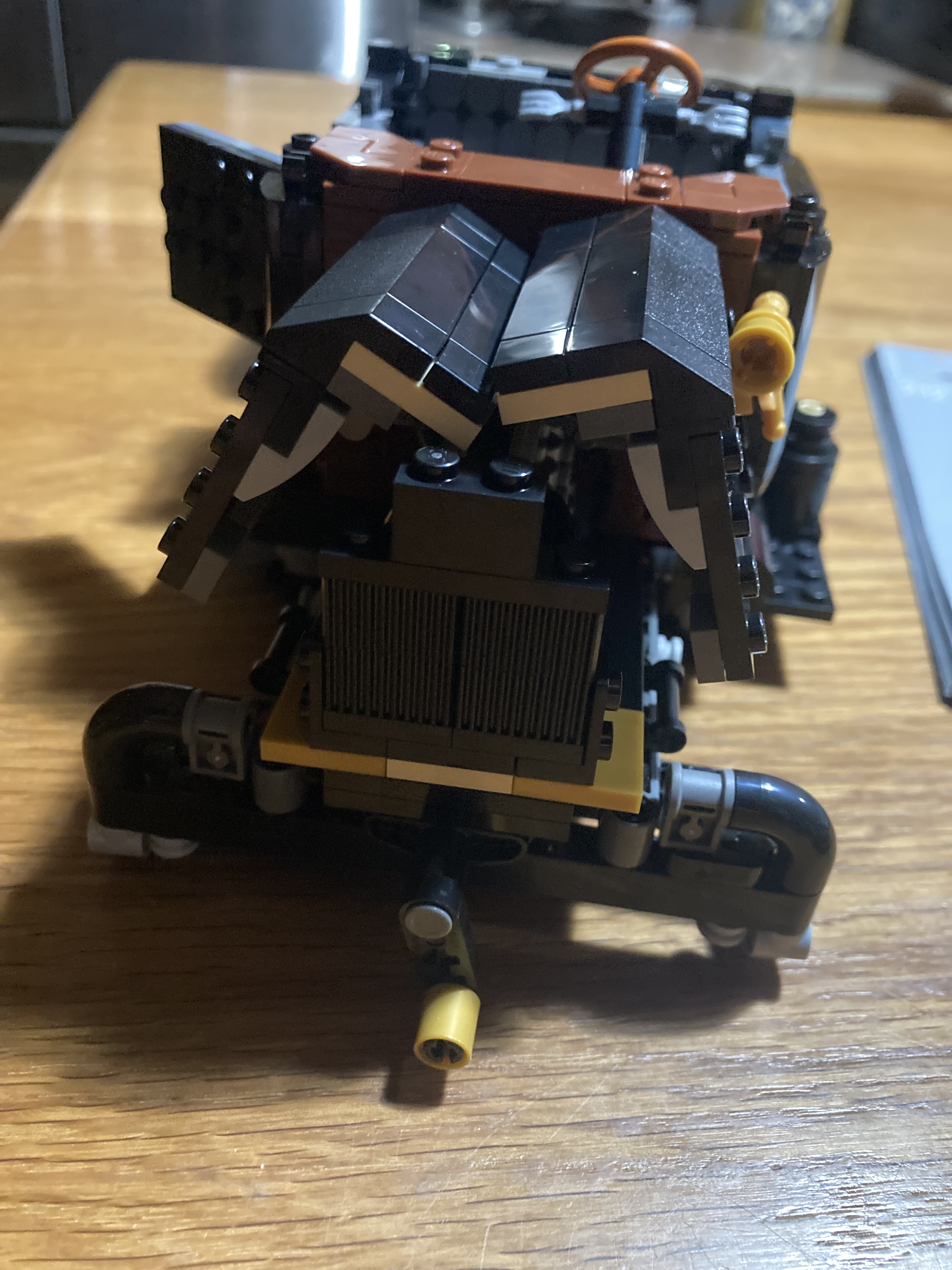
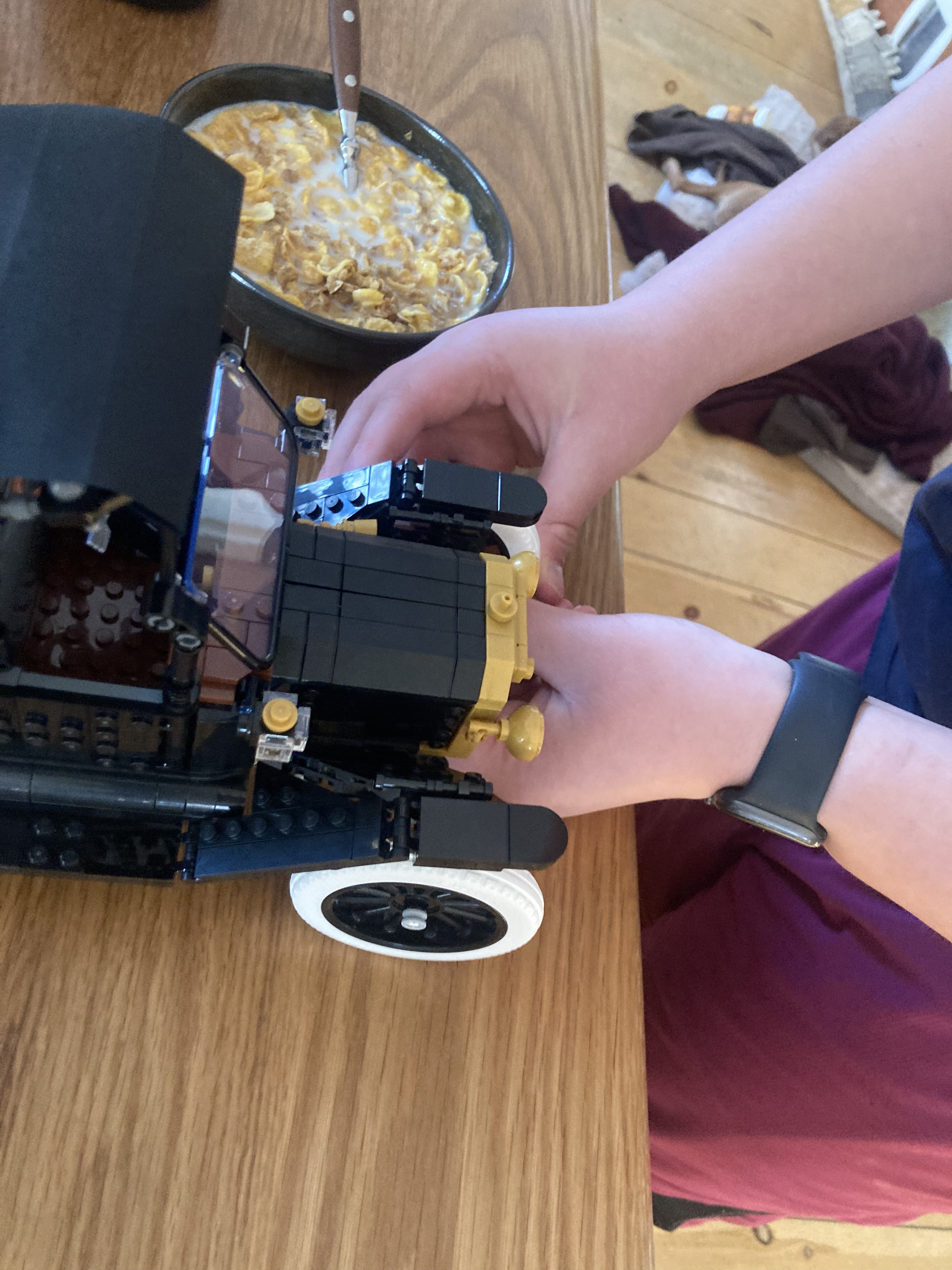
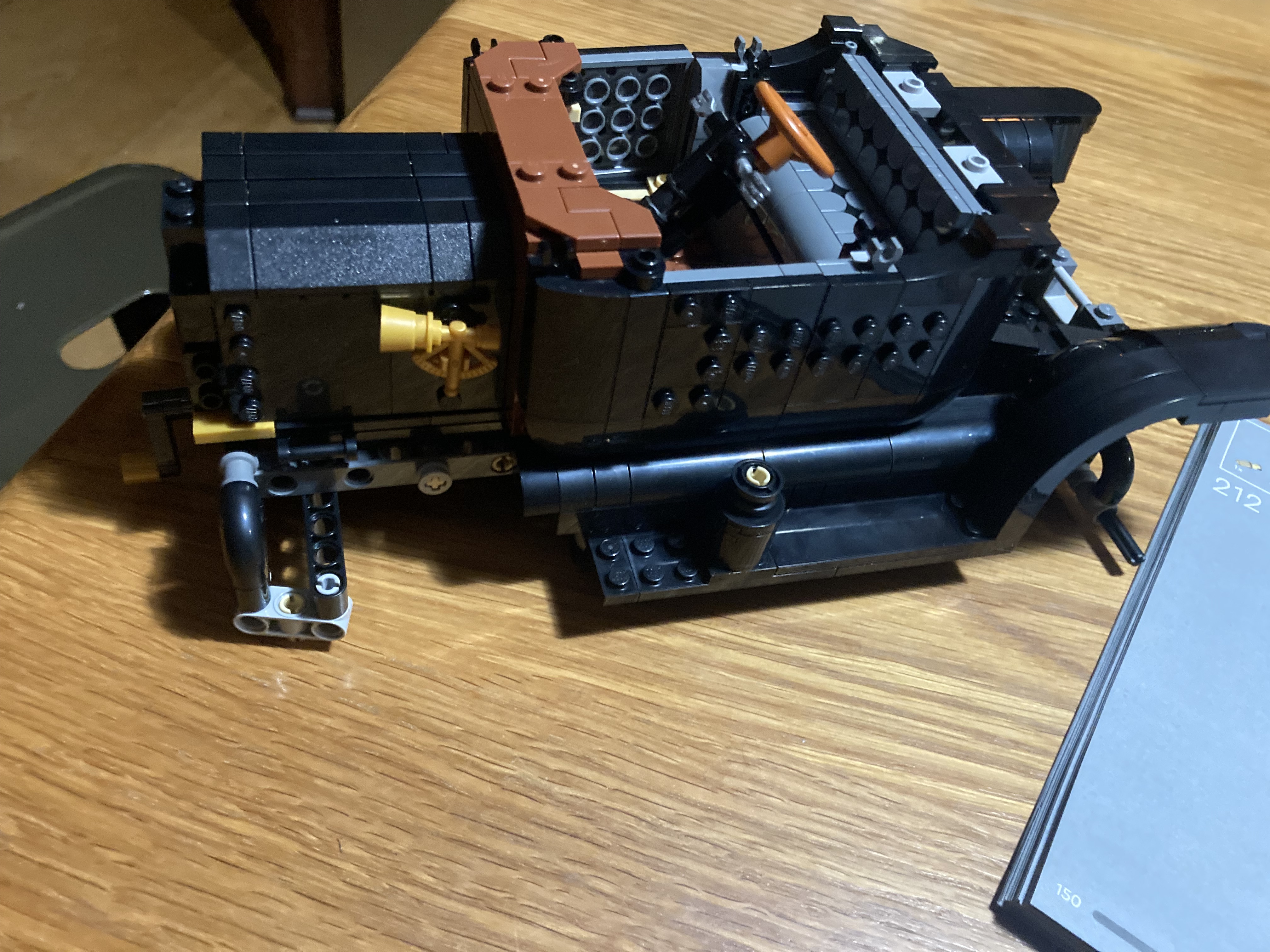
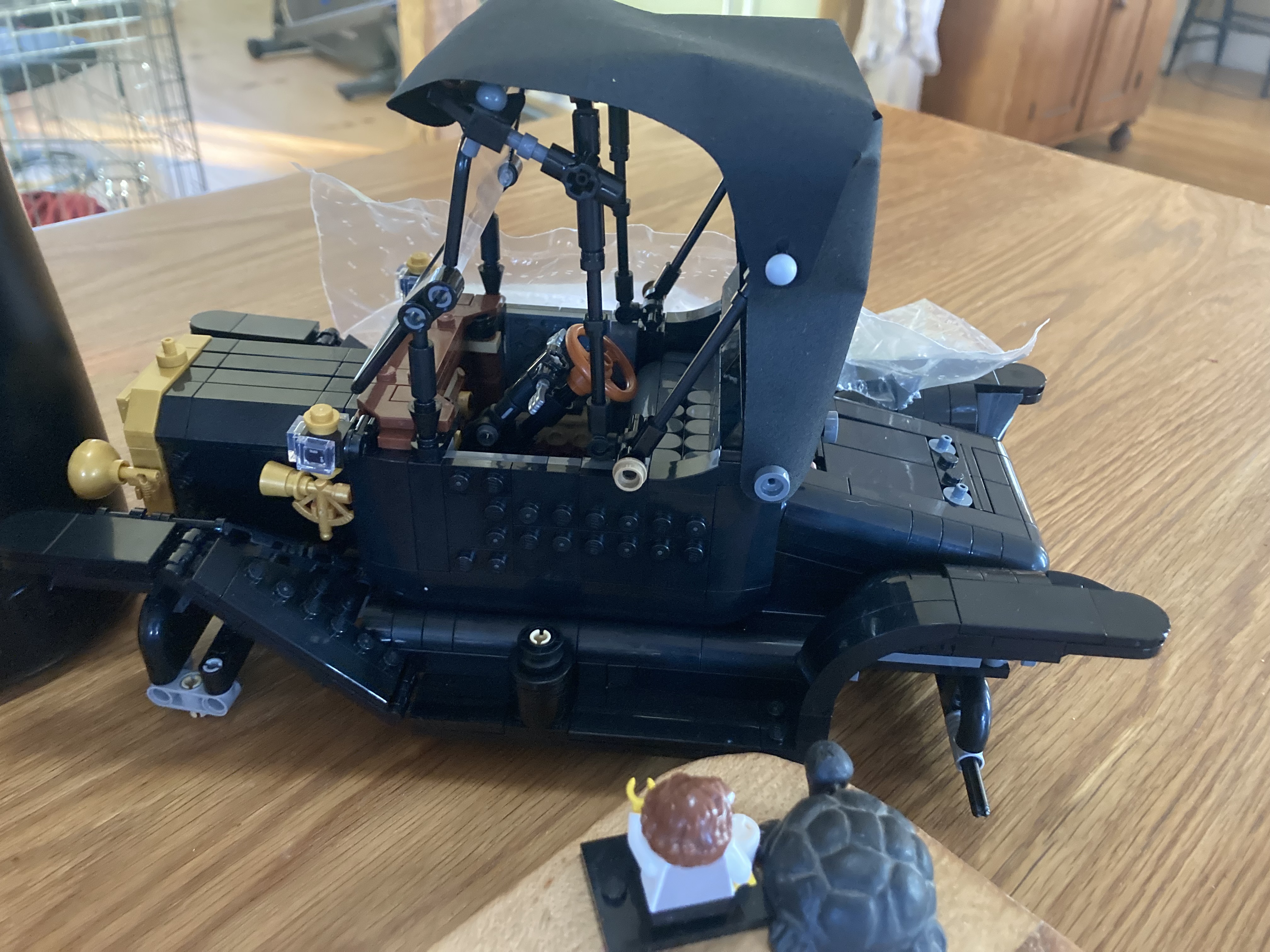
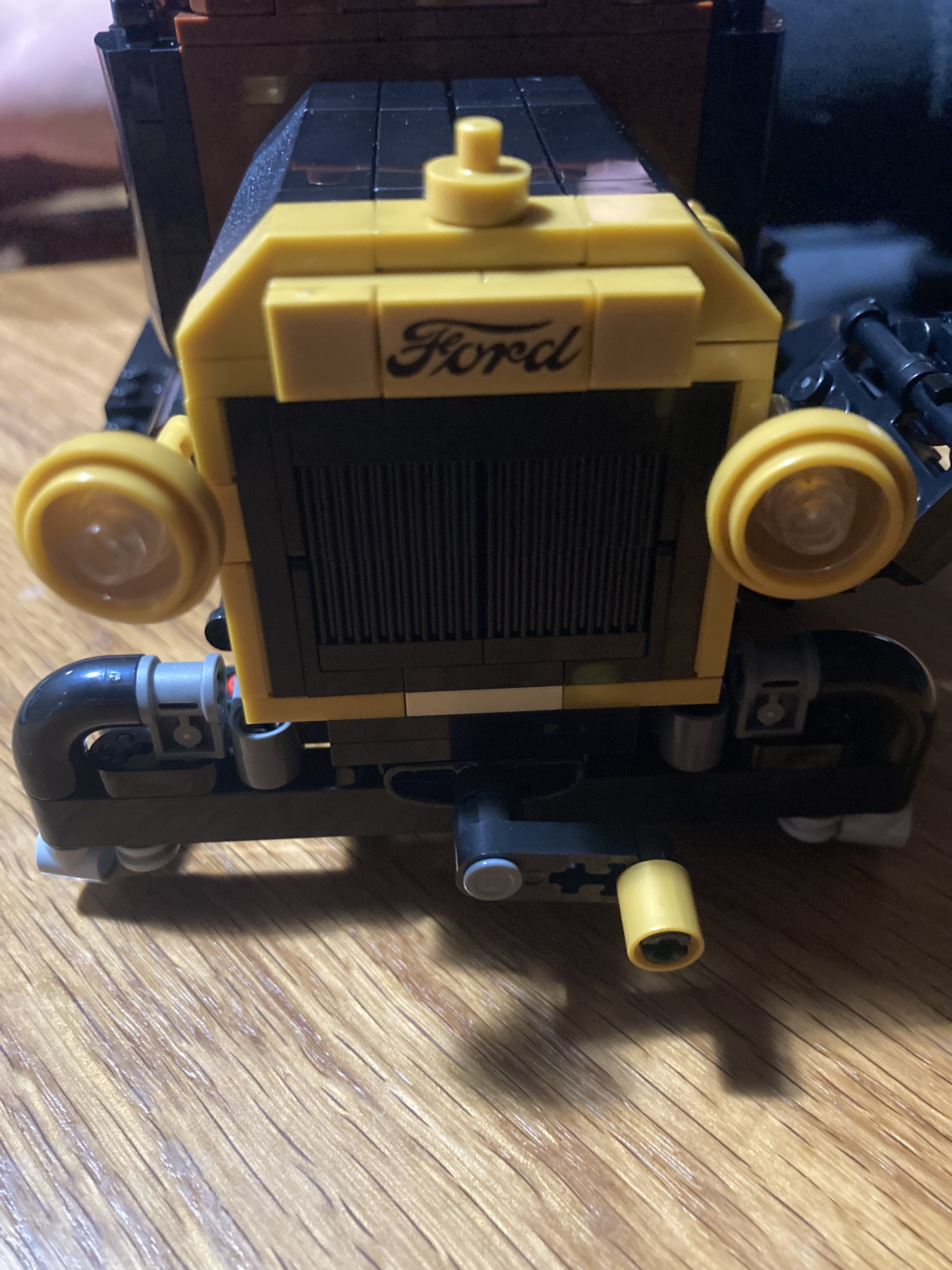
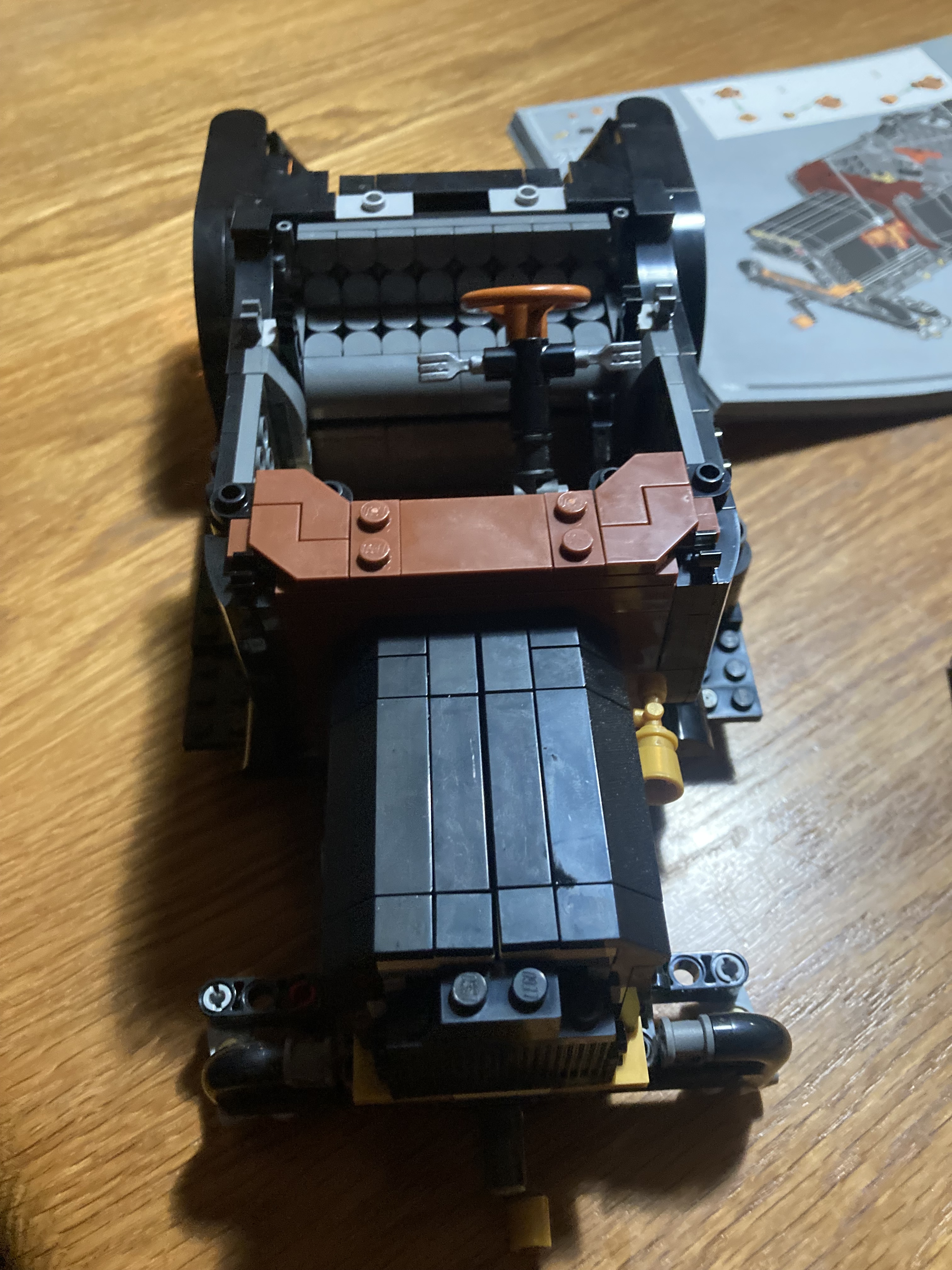
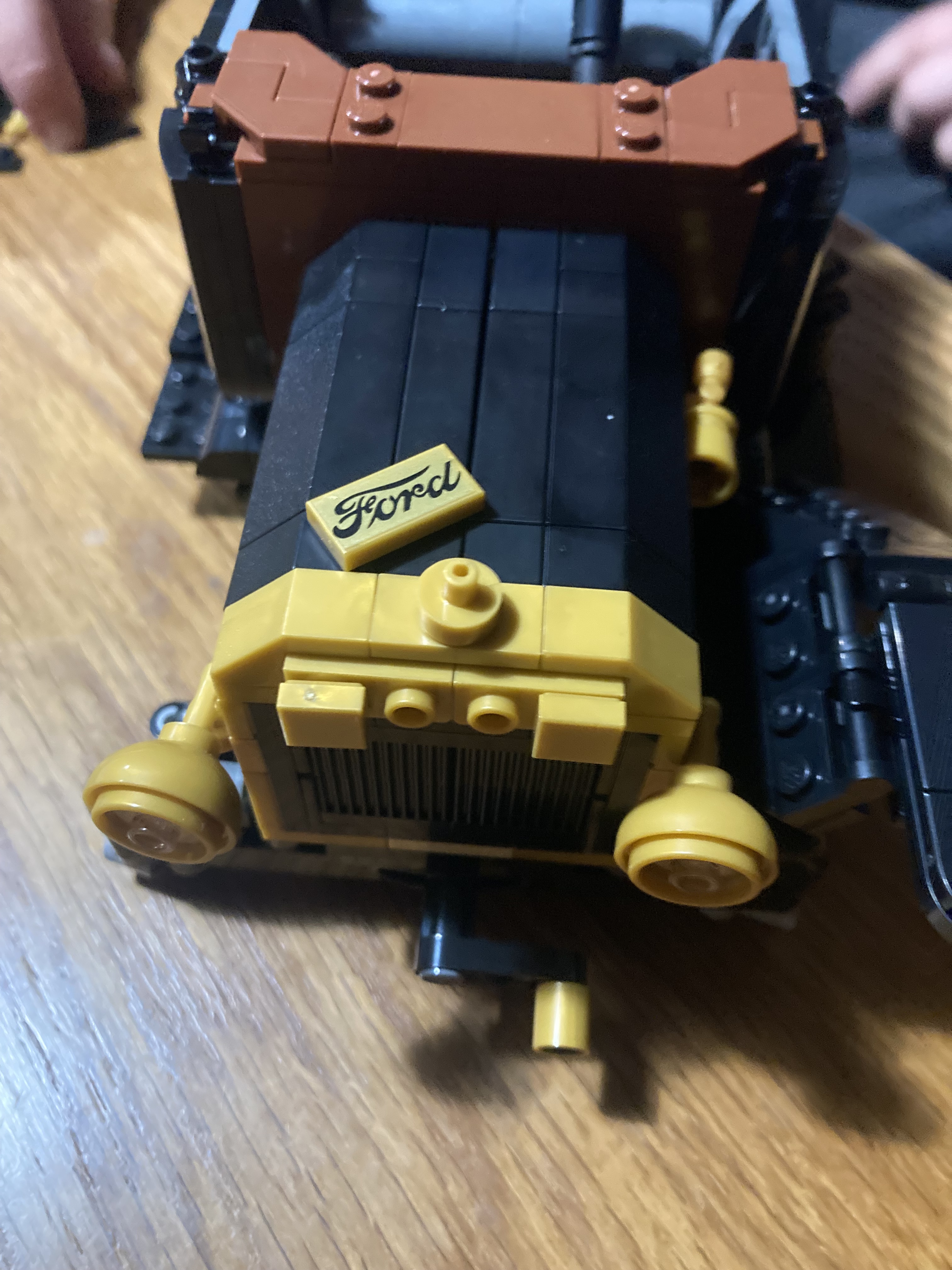
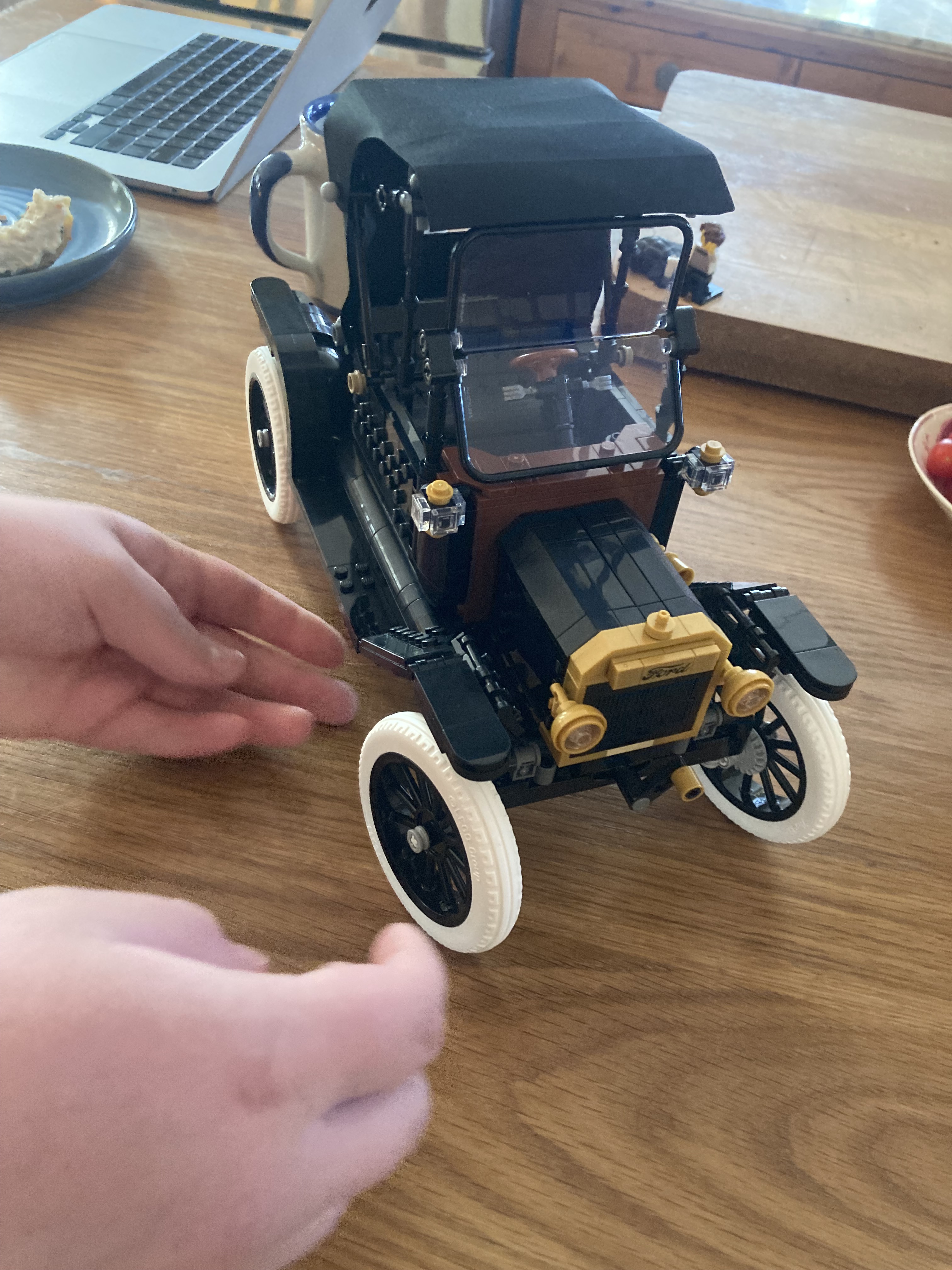
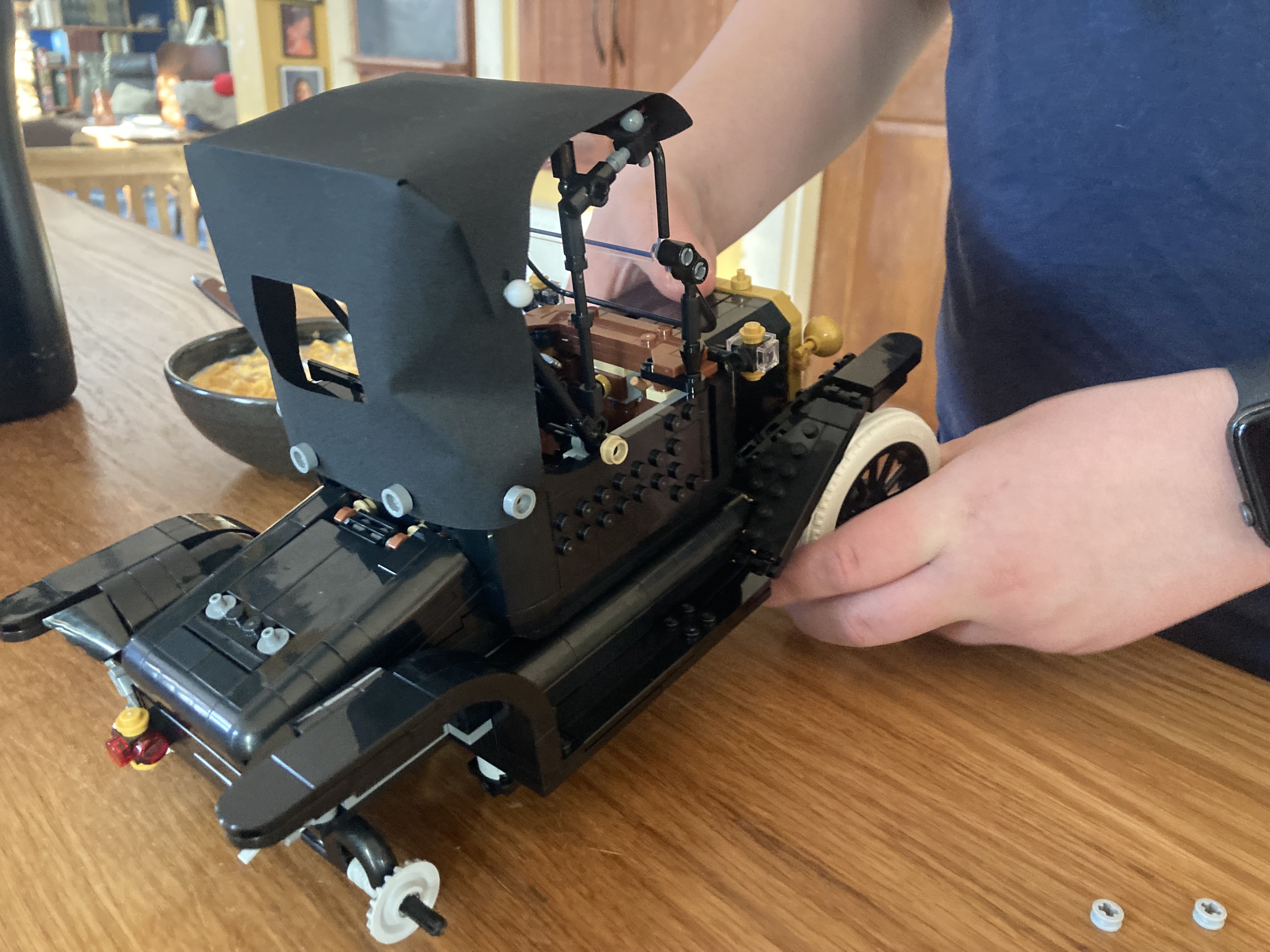
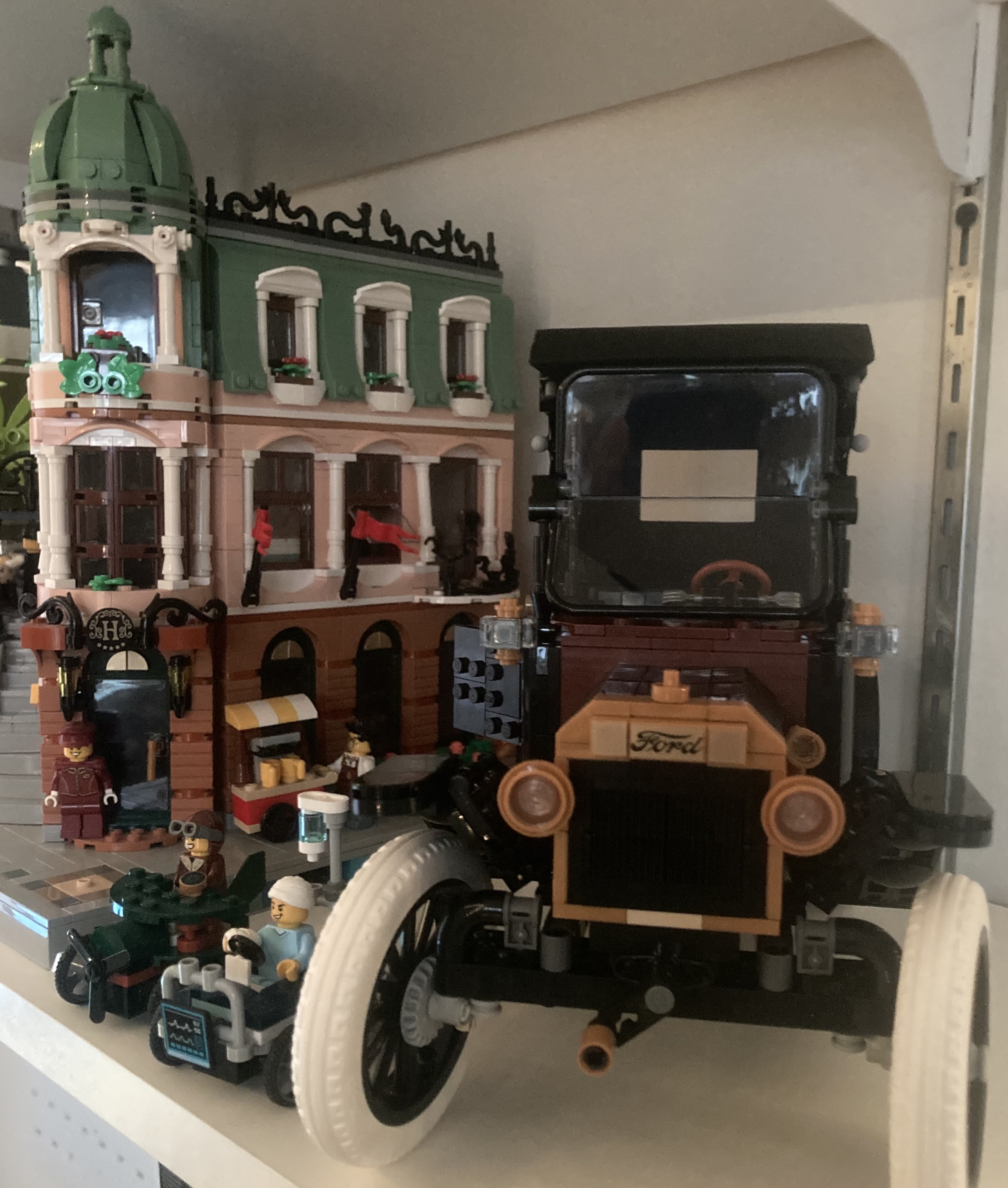
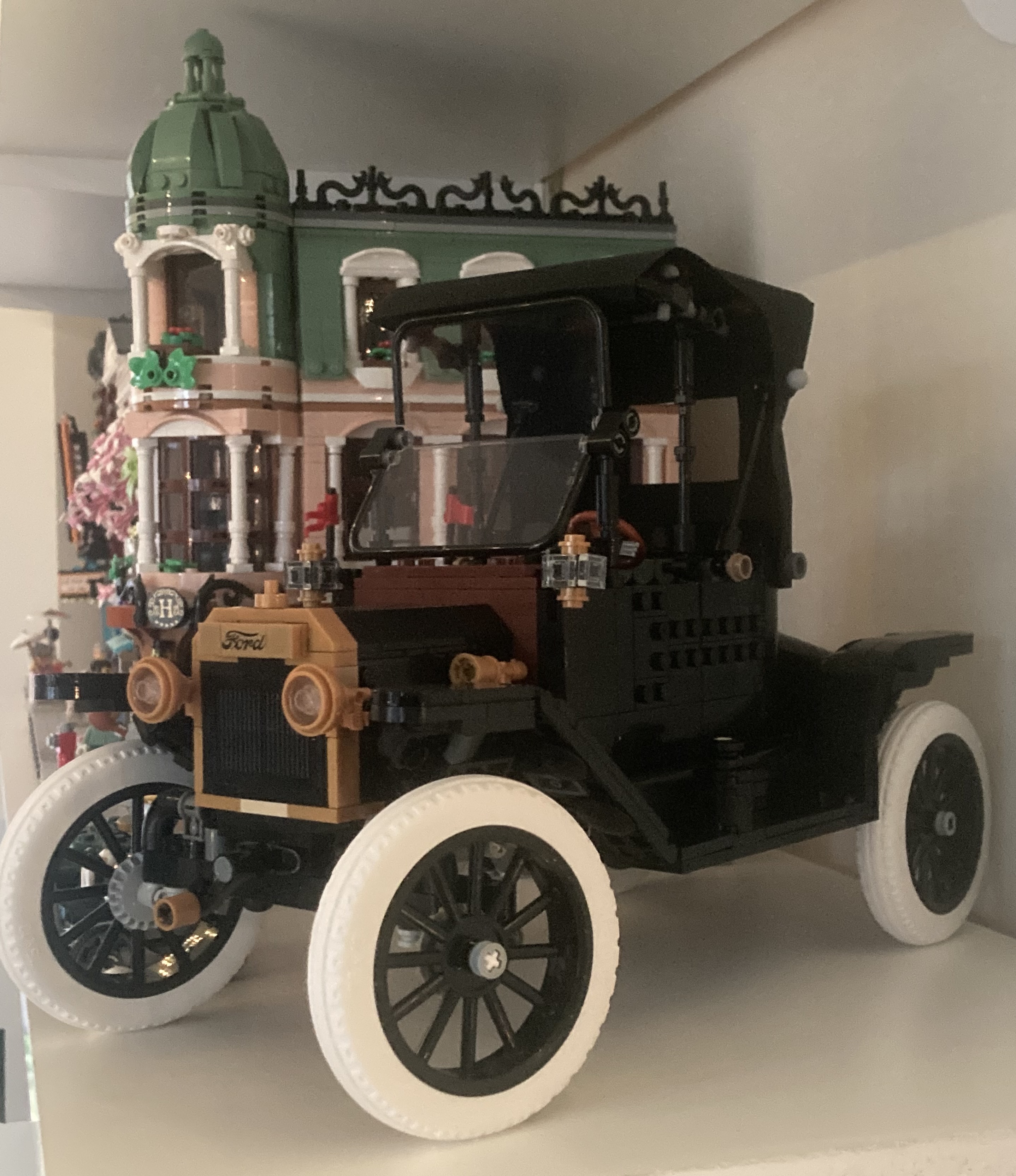
John is my son’s Great Grandfather, and this week’s homeschool history topic is coal, automobiles and Detroit. LEGO released, last week, a 1,060 piece kit for a Ford Model T measuring 7.5” high by 11” long by 5” wide, with a fold back fabric roof, split windshield, spoked rim wheels with white rubber tires. The rear trunk opens, the driver’s cab has working steering, the hood panels open to reveal the engine, while the front crank spins the fan. My son pined for that model, which he easily earned laying the tiles. This history lesson became part of the deal.
World War 1 ended with the Armistice of 11 November 1918. John returned from the war and was offered a job with the Atlas Coal Company, his territory Ohio and Indiana. The company’s “Red Comet” coal was mined in Harlan, Kentucky, a center of labor strife between coal mine owners and union workers, especially during the Harlan County War of the 1930s. Harlan County would become the poorest county in the USA.
491 miles north, in Detroit, Henry Ford – also with only an 8th grade education – had been busy during the “War to End All Wars.” The River Rouge Complex was built in 1917 and became the world’s largest vertically integrated factory. During the war it produced 42 Eagle-class antisubmarine patrol boats, more than 38,000 Model T cars, ambulances, and one-ton trucks, 7,000 Fordson tractors, two types of armored tanks, and 4,000 Liberty airplane engines for the Allies.
Henry Ford did not need John’s coal – Henry sourced his own – but John knew that Detroit would need vast amounts of Kentucky coal to boil the water to create the steam, to spin the turbine to activate the generator, to create electromagnetism to drive the industrial machine. John would become known as “The King of Coal” in the Ohio River Valley region. By the late 1940s he was buying the entire output of mines, shipping trainloads of coal north to fire the turbines of Detroit Edison. When held “as goes GM, so goes the US economy,” the King of Coal of the Ohio River Valley was among legions of salesmen shipping upwards of 3.2 Million metric tons per year to Detroit.
Both the King of Coal and Henry Ford had only an 8th grade education. That is pretty much where my son is now. Henry Ford famously “learned by doing” which increasingly seems the direction of our homeschooling. When my son learned small engine repair, the Professor taught electromagnetism. Welding as chemistry has been one facet of our teaching, while even Language Arts teaches that grammar is a construction of thought, a process of assembling words, phrases, sentences to map form to meaning. While “hands on” is a key here, this week’s lesson taught that history has sharp edges.
Cadiz, Ohio, in far eastern Harrison County, is the Appalachian town where Clark Gable was born. For our lesson about coal, Harrison County was a top producing county in Ohio, driven heavily by massive strip mining operations, with total production reaching 55 million tons per year by 1970. Cravat Coal was founded in Cadiz in 1951 by a Yugoslavian immigrant, whom John helped launch, co-signing a $100,000 note to underwrite the business. Over the years John sold their coal, and the company passed to his sons, pistol-packing union-busting coal operators.
John was old school, born in 1895, and always did business on a handshake. But the Puskarich boys used contracts, aggressive tactics, and were less than forthright. By the 1970s they were moving to push John out, and they tricked him to sign away his rights.
My now-deceased Cousin told the story, “I called grandpa in either 1975/76 and asked if I could go with him [to Cadiz]. He said he didn’t think it was such a good idea (probably because he was in the process of being let go, as I understand, they didn’t want to pay him anymore).… We stayed at a little motel. “Big” Mike Puskarich, the President, was larger than life…De Niro in Casino…8 of us sat down for dinner and he ordered “steaks for the table”…let’s just say he wasn’t Opa’s cup of tea…actually more like Rodney Dangerfield…the bill came and Mike pulled out a hundred or two and said “keep the change.” Next morning we went to the coalfields. After lunch Gramps hired the receptionist to check in on me while I watched TV. I remember Gramps coming home rather despondent. We were supposed to stay another day, but late that afternoon we checked out and returned to Cincinnati in his Grand Prix.”
In June of 1980 John wrote to Big Mike and his brothers: “Your $600,000.00 profit on this order alone was five (5) times my total salary for the 10 years I was Vice President, Sales. Your greed in taking $9,000.00 from my salary in 1977 and 1978 and rewarding me with a pension of $4.00 per day was incredible, ungrateful and dishonest. May I remind you it was I who co-signed your $100,000.00 note starting you on the road from rags to riches, and my dedicated services to a net worth of $7,000,000.00 as of December 31, 1976. Shame on you!”
John had been cut out. Five days after sending the letter, he suffered a stroke, from which he never recovered.
This week’s history lesson has many aspects, but at its most basic teaches how complex history can be. Henry Ford was an iconic industrialist, as well as committed to racist and anti-semitic views, including supporting the Ku Klux Klan.
The surface mining in Harrison County, and throughout Appalachia, has caused profound degradation, with barren un-reclaimed land and severe air and water contamination leading to higher risks of lung, respiratory, digestive, and kidney cancers due to exposure to toxins. Harrison County has higher mortality rates compared to both the Ohio state average and the United States national average.
The coal industry was dominant in the Ohio River Valley and Appalachian region from the late 19th century through the 1980s, which is exactly John’s life. At its peak, in 1923, 863,000 were employed in the mines, so more than four generations found steady employment, but at great cost. It is no surprise that an enterprising 8th grade drop out could leverage shorthand into a significant career selling coal. But to his great grandson, of the Zoomer generation, that way of life seems incredibly outdated and dangerous.
Cravat Coal, in fact, has gone out of business. John’s searing experience there brings to mind the proverb “gentle as a dove and wise as a serpent.” Both are needed.
Perhaps the ultimate lesson is that life is not a black and white story, but grey; not simple like the old western cowboy movies, where the good guy, in the white hat, rides into town and wins. Coal powered a war time industrial machine that battled and defeated fascism. America was dominant. That legacy now fades, and the Zoomers come of age in an increasingly complex, deeply interconnected, possibly anti-democratic future.
 an Art Farm
I very much enjoy your writings
Cool model! And fascinating how it ties in with industrial and your own family history.
I just finished reading The Gales of November: The Untold Story of the Edmund Fitzgerald. It’s not just a shipwreck story, but the story of another piece of industrial history: how the metals that Detroit used for cars–and that all of middle America’s industries needed–got there. All told in short, easy to read, chapters. I learned so much about geology and life in a part of the country I knew little about.
sooo powerful that you’ve pieced this story together and put it down in ink. The timing of the letter, the letting-go, and the stroke is crushing. He was SUCH an honorable man……
thank you.
What an amazing story to read! i had no idea about some of this. Just reading it for the first time, here. Wow. Douglas had stories, of which i only knew some. Yes, JFG was an honorable man, and he was clearly taken advantage of.
And Milo’s homeschooling is QUITE an education! i know of many who home school there children but i seldom hear any details about how it goes, etc.
Thank you for sharing.