The Page, part 1
Posted: April 10, 2026 Filed under: Child Centered Activities Leave a comment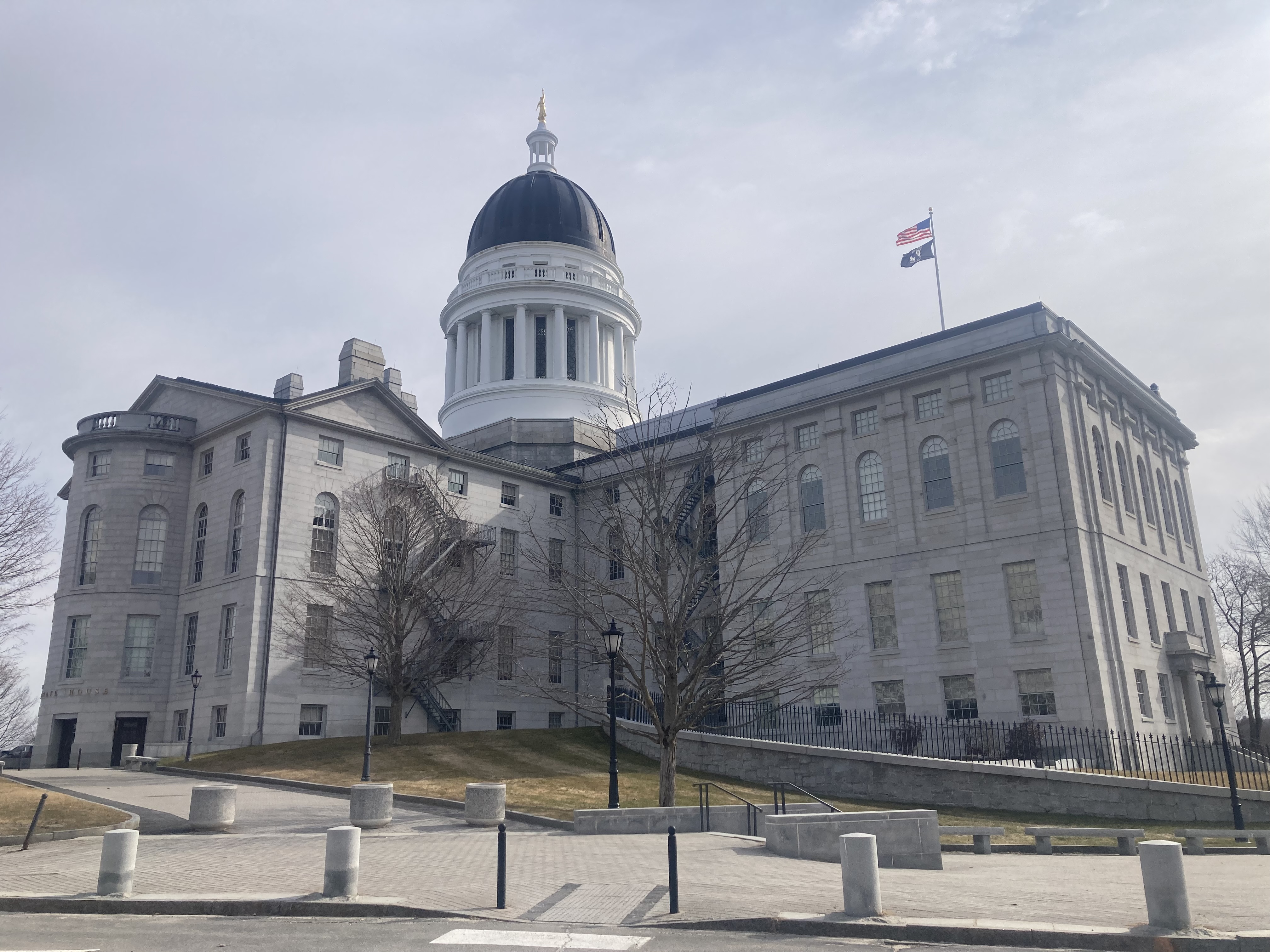
In the Tarot, a Page represents youth, curiosity, beginnings and messages. On the floor of the State of Maine Senate, Pages are curious youths, beginning their path, who carry messages among Senators while the legislature is in session. To some, this may indicate politics is an occult practice, but I suggest that archetypes are omnipresent. Let’s choose the encompassing inclusive rather than the narrow argumentative.
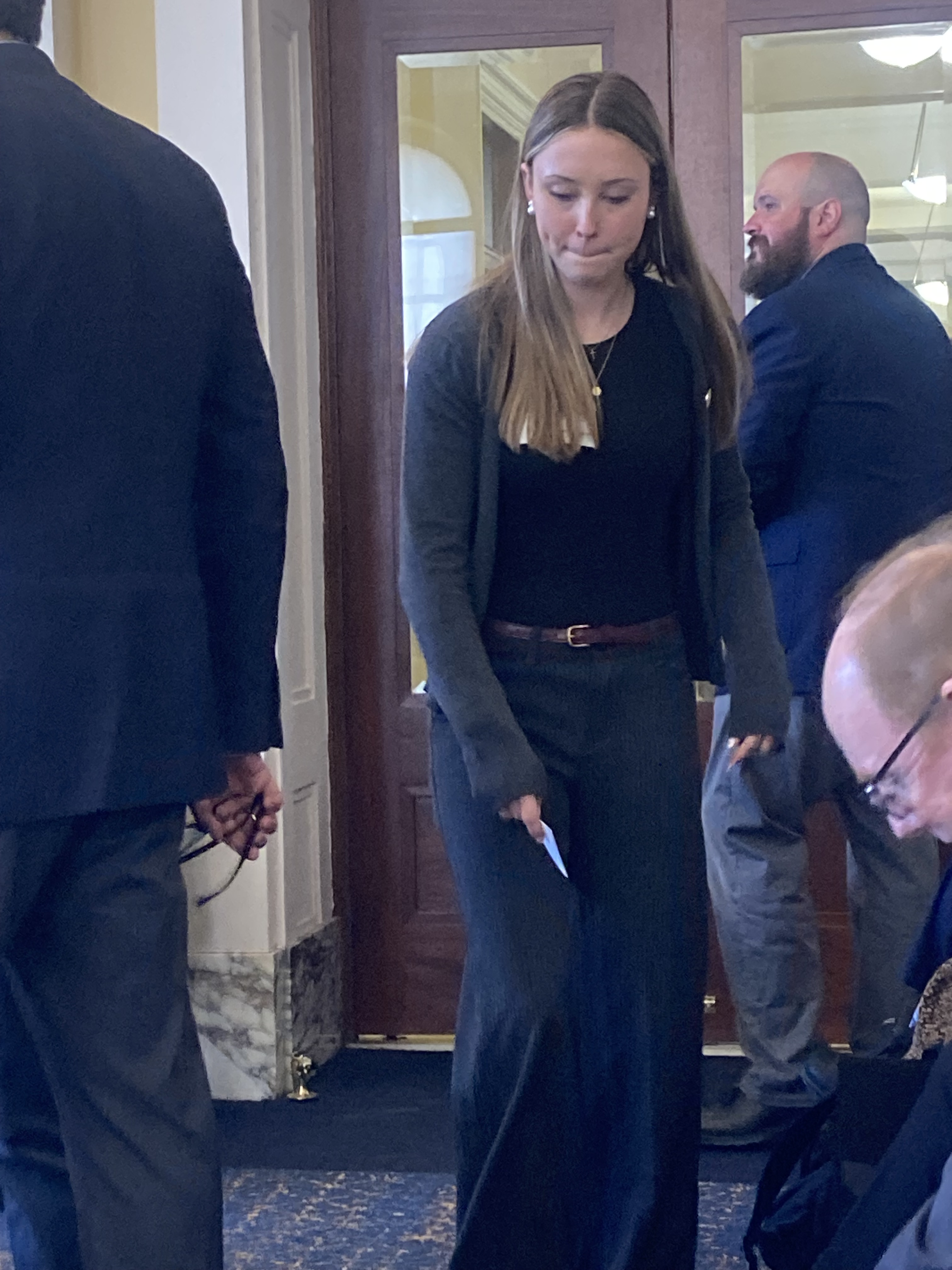
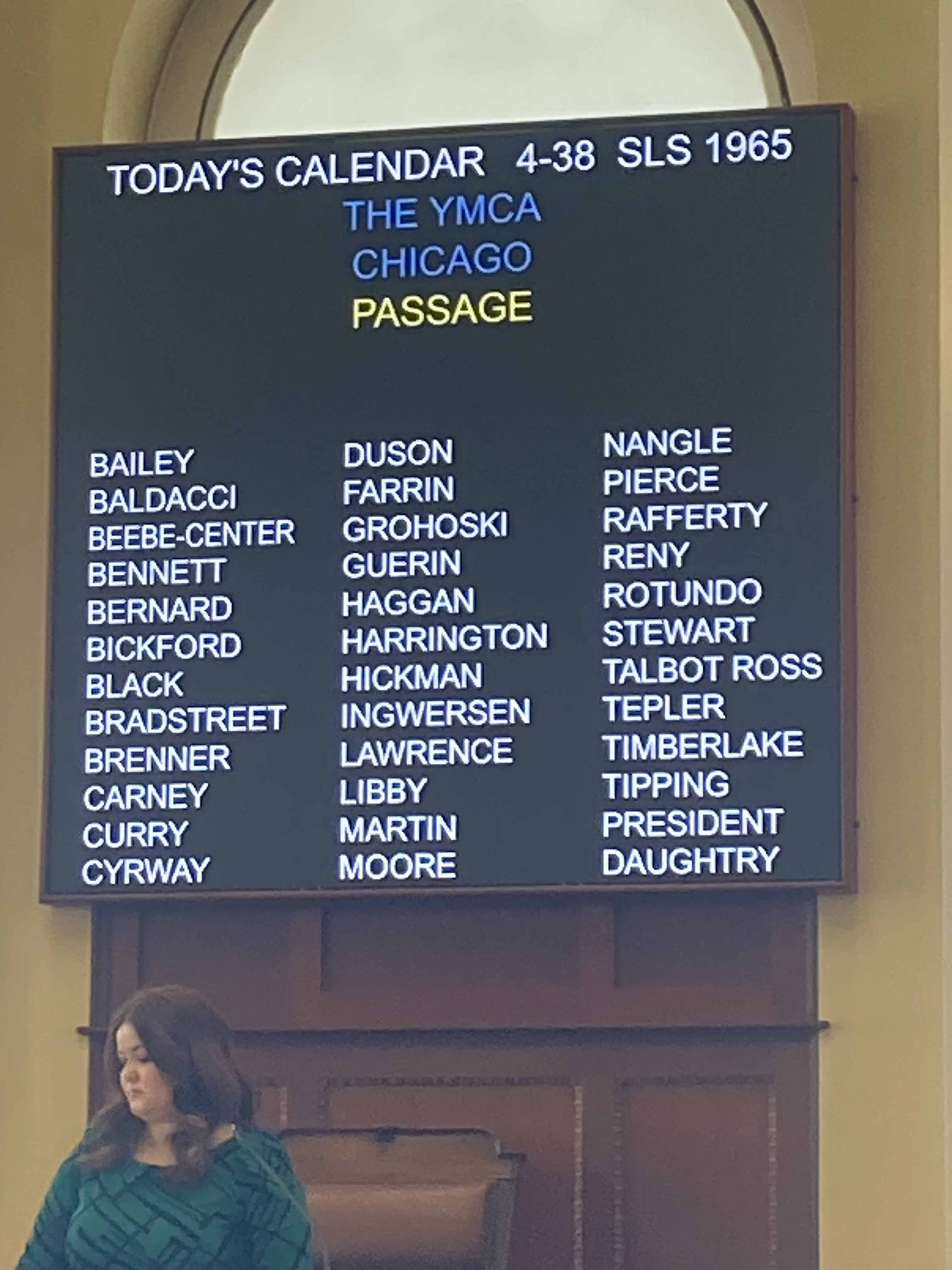
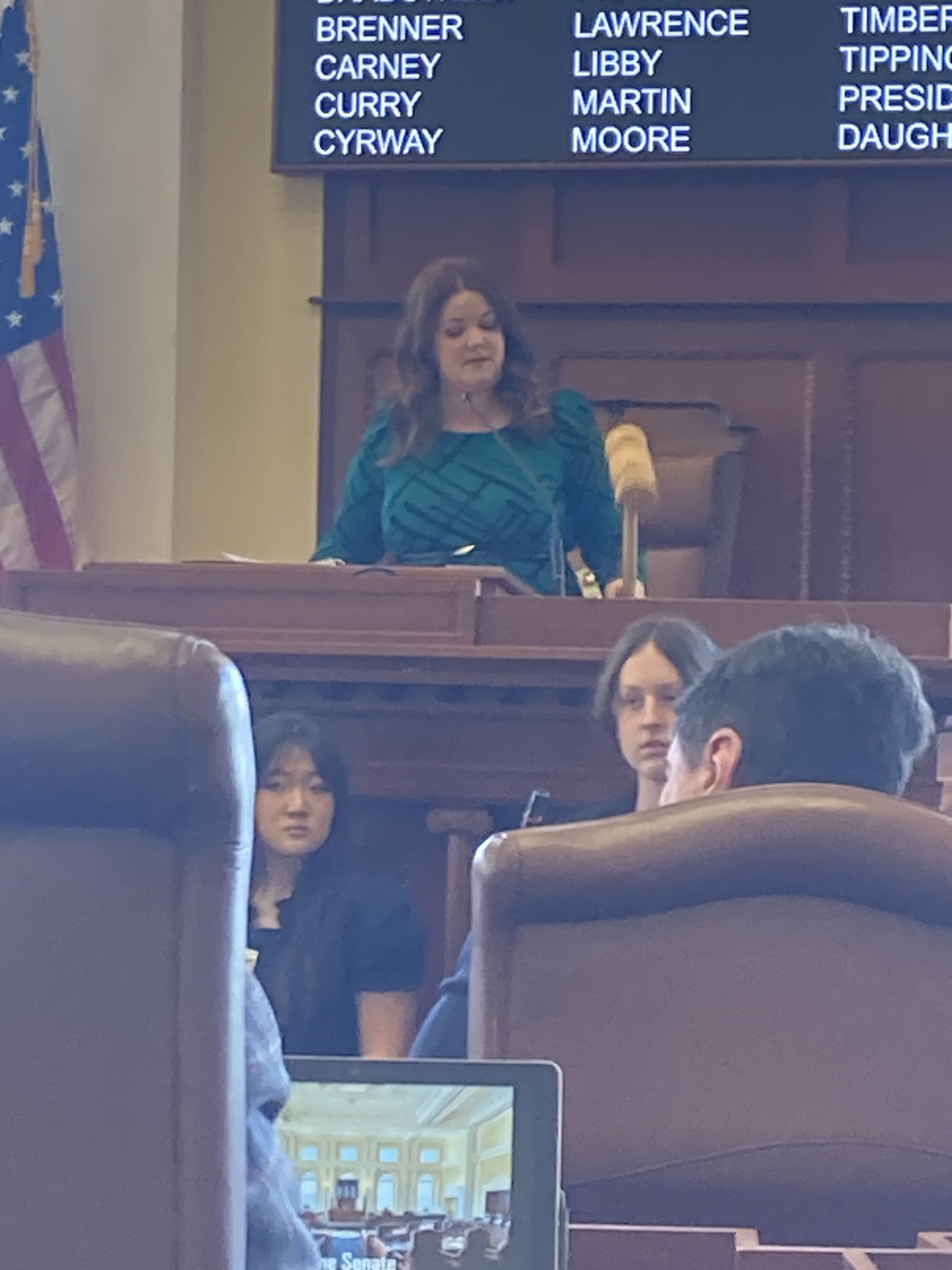
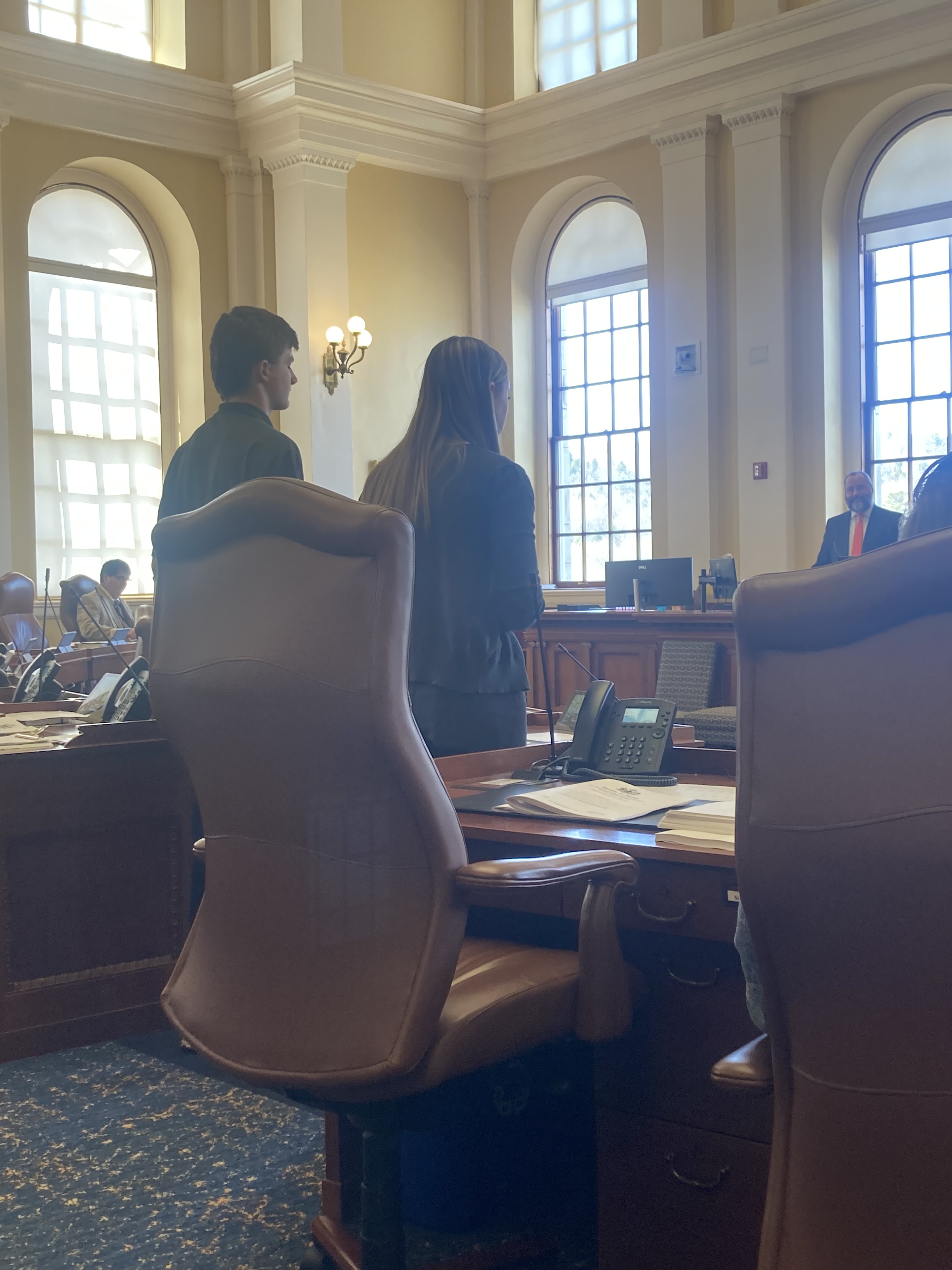
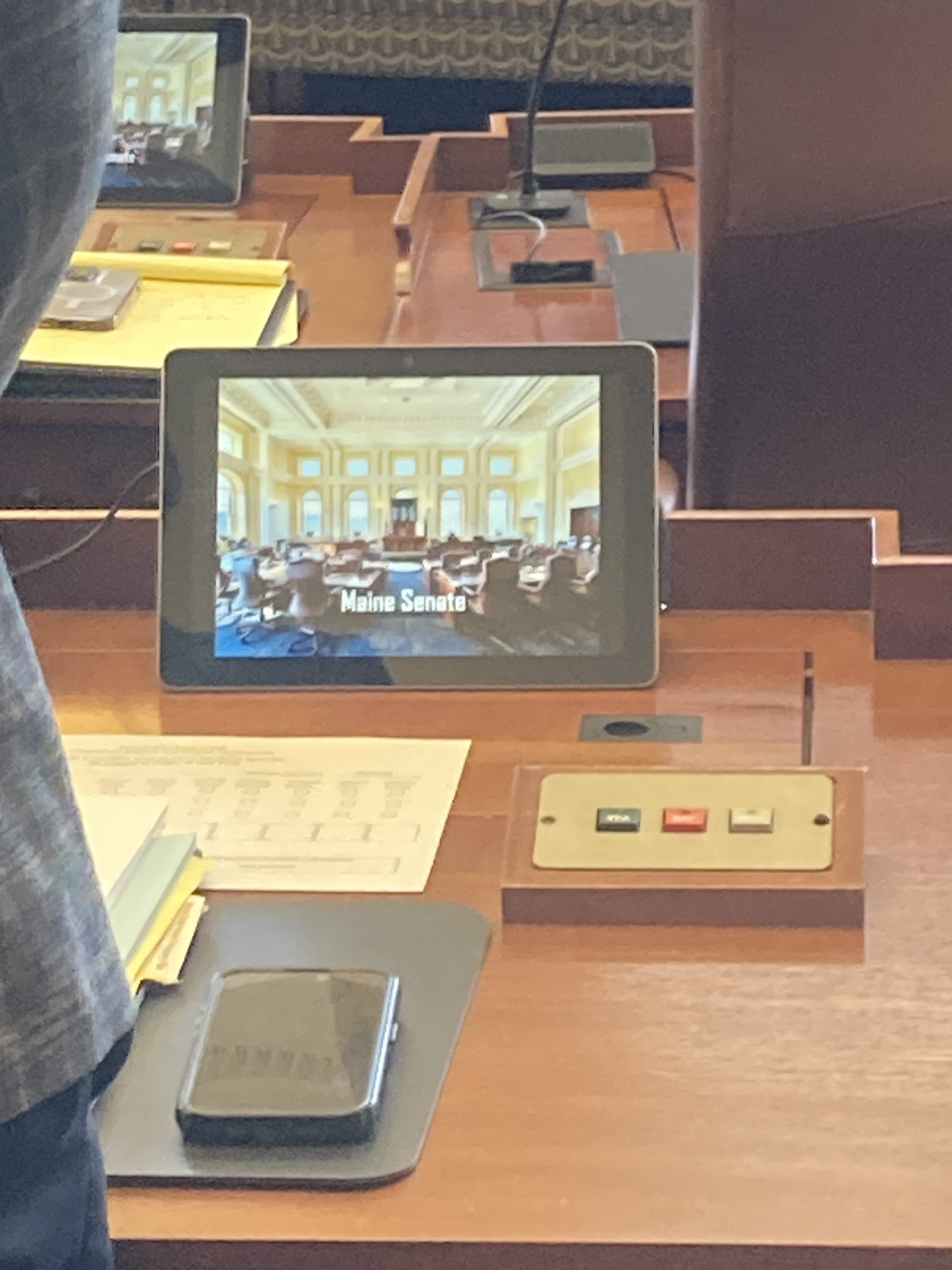
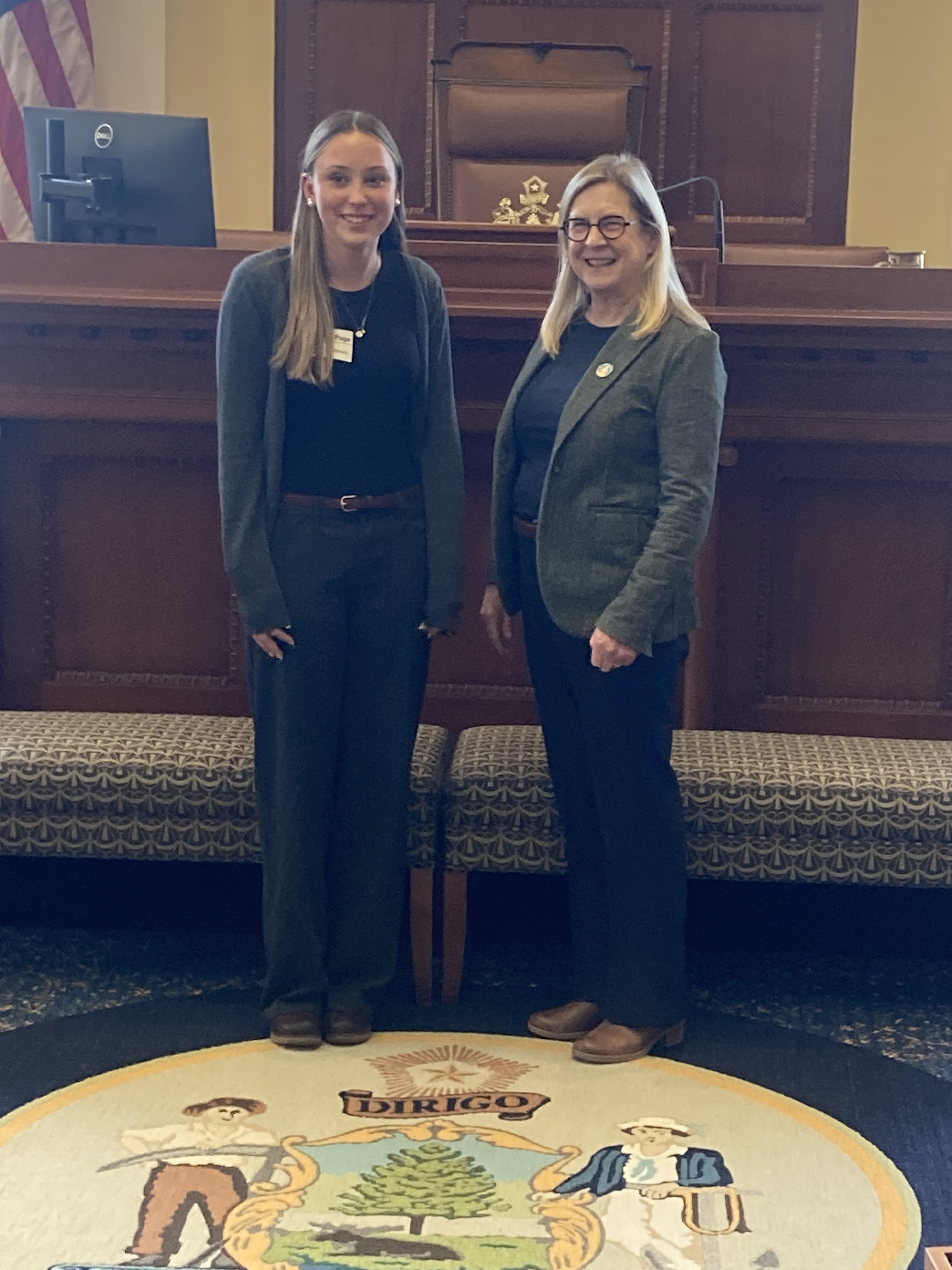
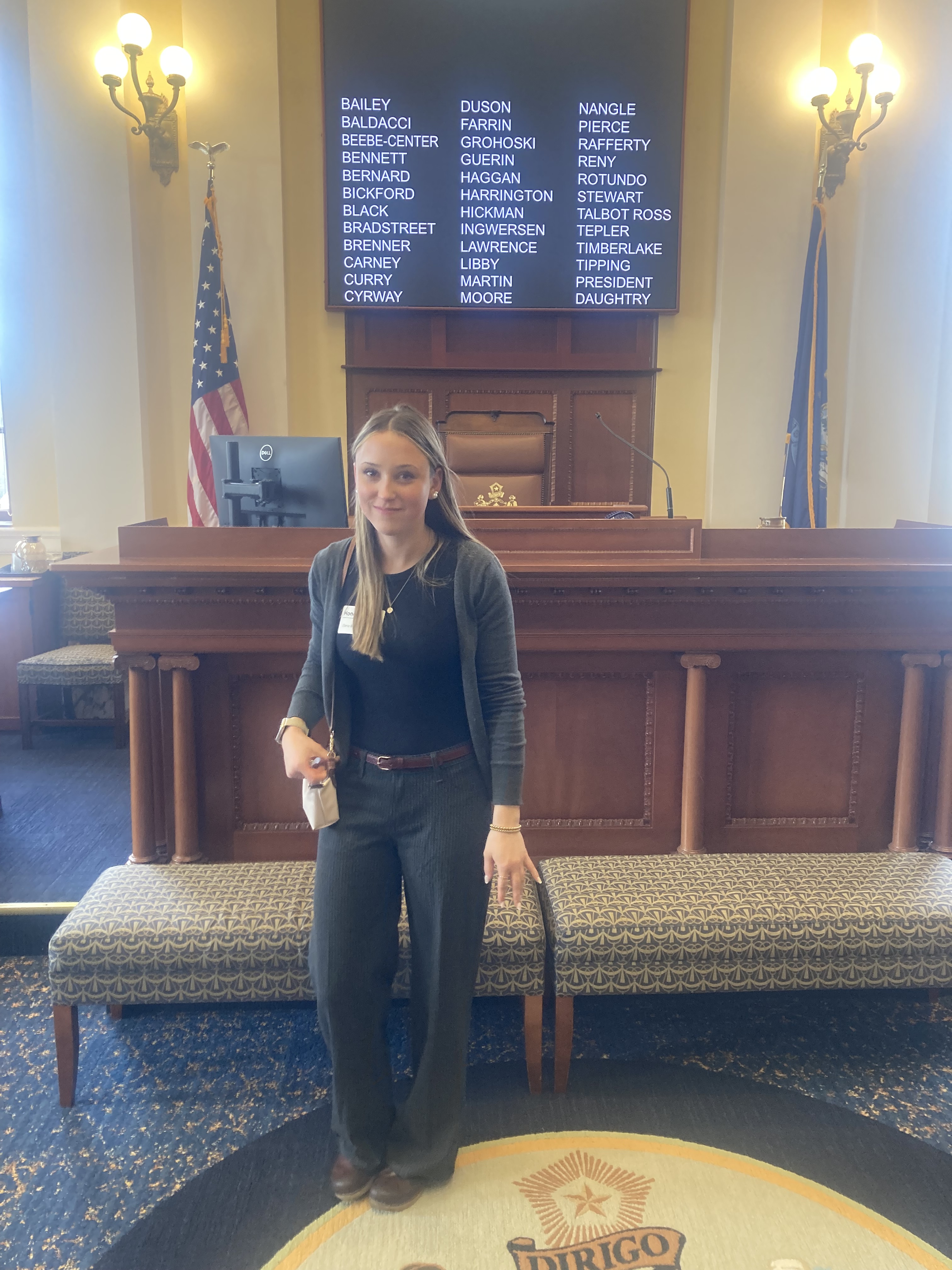
My daughter was an Honorary Page, recently, on the floor of the State of Maine Senate. At times boring, other times riveting, the Honorable Senators gave speeches extolling these or those constituents, but also argued over Digital Privacy laws, ICE and immigration, SNAP benefits and equal rights to food for all Mainers. The YMCA Chicago was honored. The YMCA was founded in Boston, so it was hard to understand why Chicago was celebrated, but the Senators’ praise was unceasing.
Anne Carney – Senator for our South Portland District – chose my daughter because of her academic performance. The dress code was “business casual” which my daughter nailed, in a style all her own. I wore not the Carhartts of my day labor, but “family of origin” clothes: dress slacks, collared shirt, belt and a blazer. But no tie.
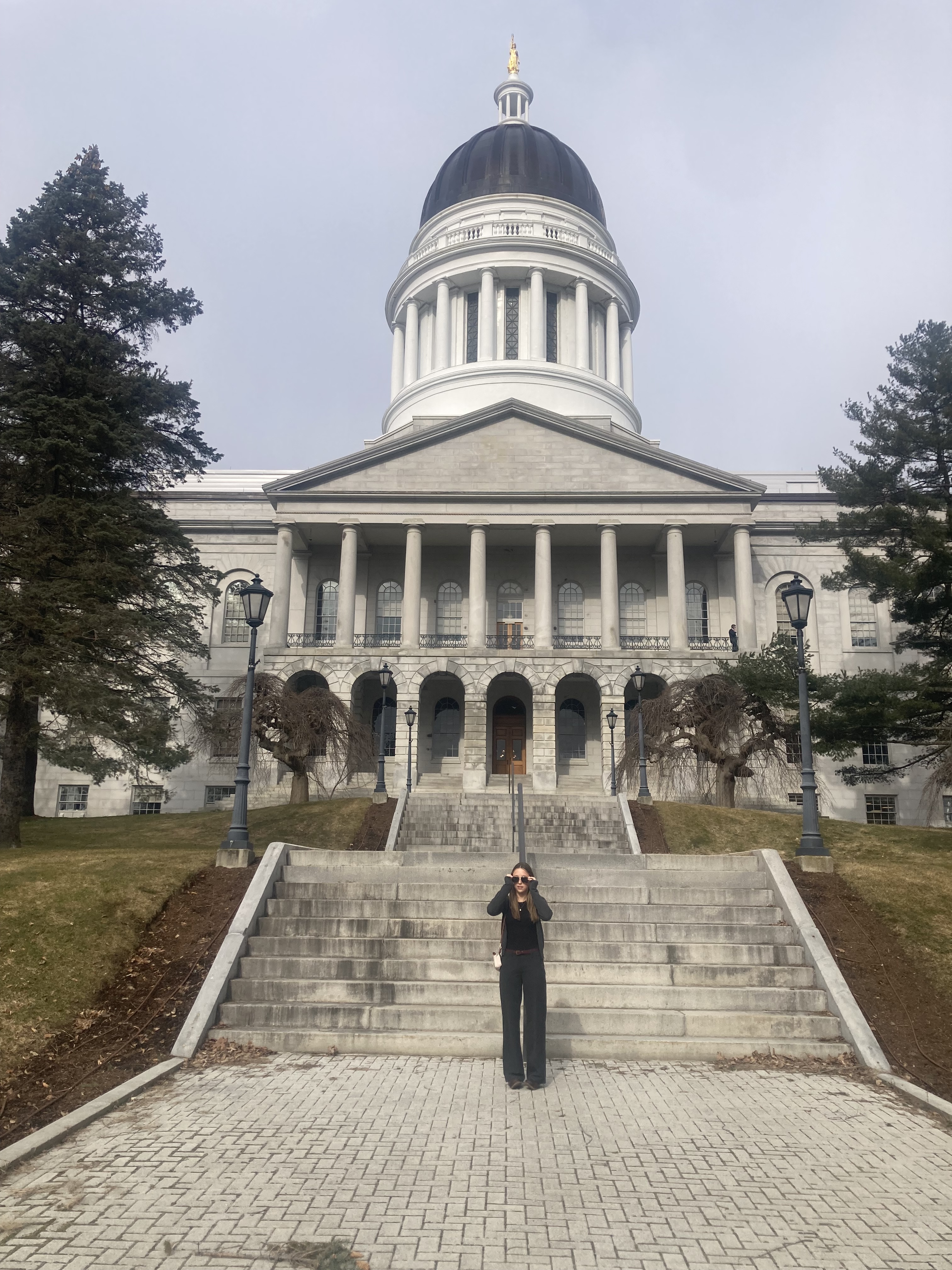
8am we drove north. We made the obligatory stop at Starbucks, which speaks a foreign language: “Venti iced chai with brown sugar syrup and brown sugar cold foam” is lost on me, so I ordered black coffee. We arrived at the capital Rotunda by 9, went through security, then found the Senate chambers. The Senators entered more or less around 10:15am. The decorum was pure British, the gavel absurdly large, the session went for hours, until we left about 2pm to get pizza. All-in-all a grand day.
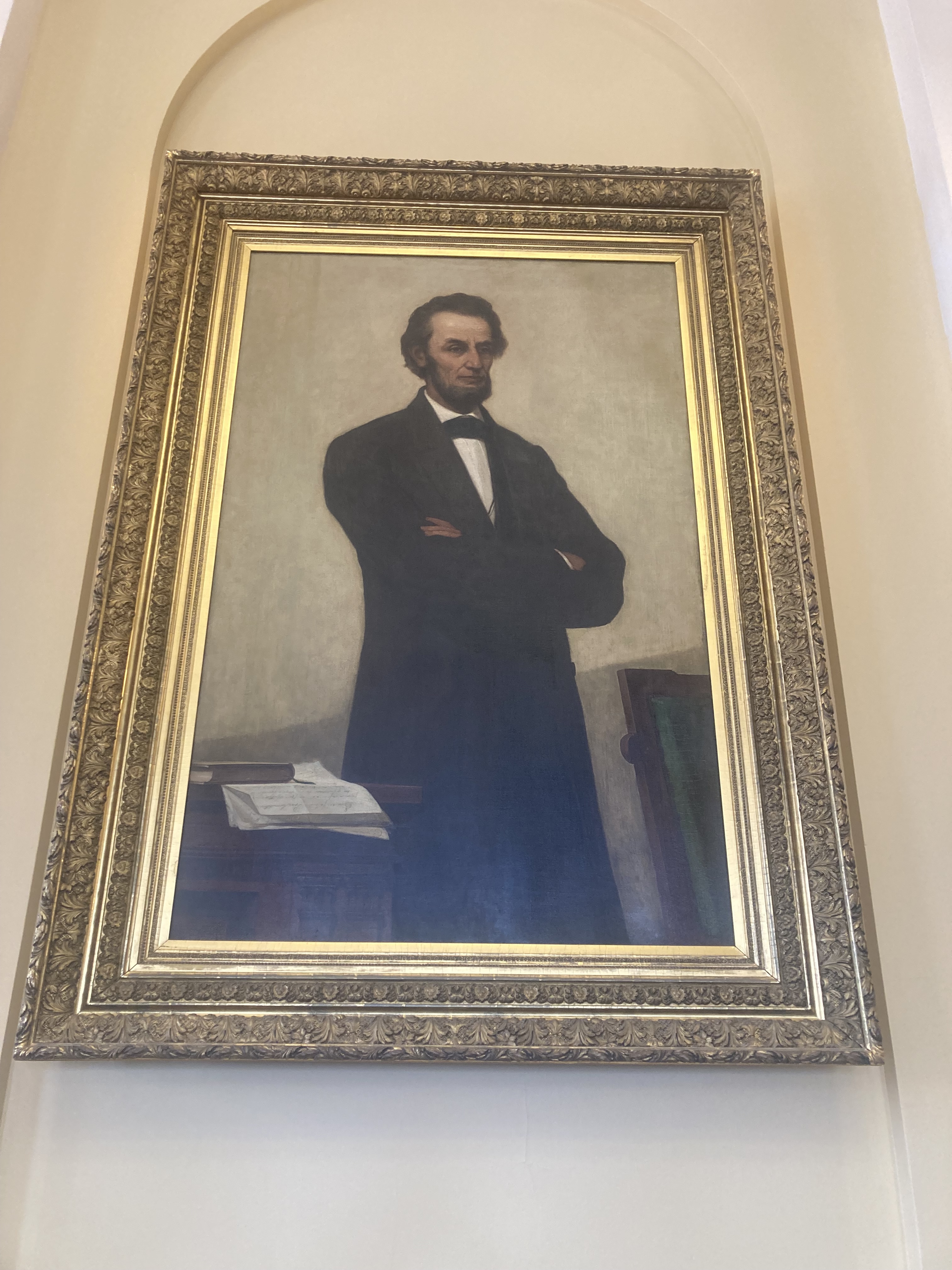
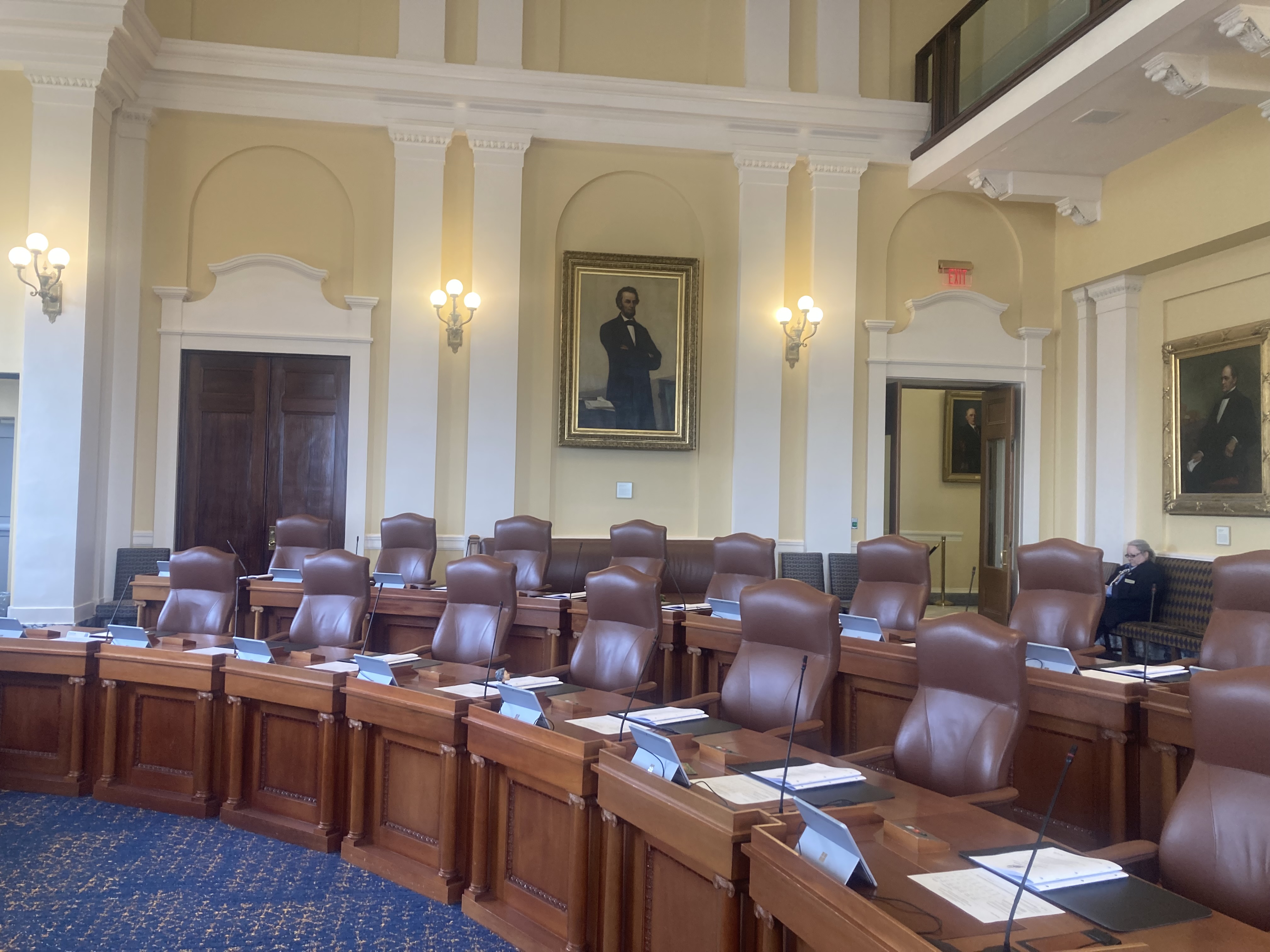
A painting of Abe Lincoln towers over the chambers, and quite a story lies behind that painting. In 1819, Maine was the northern district of Massachusetts and petitioned for statehood. But the slave states refused to allow a free state – one not allowing human enslavement – to enter the union. A deal was made.
Missouri would allow slavery. Not for plantations but as small-scale farming and “hiring out” day laborers to urban St. Louis. The enslaved labor grew hemp and tobacco along the fertile river counties of the mighty Mississippi, and worked as laborers, blacksmiths and domestic workers but were prohibited from marrying, learning to read or write, or testifying against white people. Missouri as a slave state counter balanced Maine, as a free state holding firm the 12-12 balance on the floor of the United States Senate.
Thomas Jefferson expressed deep alarm and described the Missouri question, “like a fire bell in the night, awakened and filled me with terror. I considered it at once as the knell of the Union. It is hushed indeed for the moment, but this is a reprieve only, not a final sentence.”
Heather Cox Richardson, a historian from Yarmouth, Maine writes, “Mainers were angry that their statehood had been tied to the demands of far distant slave owners, and that anger worked its way into the state’s popular culture. The opening of the Erie Canal in 1825 meant that Maine men, who grew up steeped in that anger, could spread west.”
West went the young men from Maine. Elijah P. Lovejoy, from Albion, moved to Alton, Illinois, to launch an abolitionist newspaper. A pro-slavery mob murdered him and threw his printing press into the Mississippi River. His younger brother, Owen moved west and was elected, in 1854, to the Illinois state legislature, then became friends with an up-and-coming lawyer from Kentucky, the rail-splitter, Abraham Lincoln.
Elihu Washburne, from Livermore, Maine went west to become a pivotal Illinois congressman, known as the “Indispensable Man” aiding Lincoln’s campaigns from 1854 until 1860. Elihu’s brother Cadawallader moved to Wisconsin, and served three terms in the United States House of Representatives, while the youngest brother – William Drew – moved to Minnesota and served eight years in the state legislature, six years in the United States House of Representatives, and six years in the Senate. Republicans all, the Washburns are the only family ever to send four sons to Congress, each representing a different state.
At the birth of the Republican Party, Maine men served on its front lines. Again, Heather Cox Richardson explains:
In 1859, Abraham Lincoln would articulate an ideology for the party, defining it as the party of ordinary Americans standing together against the oligarchs of slavery, and when he ran for president in 1860, he knew it was imperative that he get the momentum of Maine men on his side. In those days Maine voted for state and local offices in September, rather than November, so a party’s win in Maine could start a wave. “As Maine goes, so goes the nation,” the saying went.
So Lincoln turned for his vice president to Hannibal Hamlin, who represented Maine in the Senate (and whose father had built the house in which the Washburns grew up). Lincoln won 62% of the vote in Maine in 1860, taking all eight of the state’s electoral votes, and went on to win the election. When he arrived in Washington quietly in late February to take office the following March, Elihu Washburne was at the railroad station to greet him.
The Grand Old Party spoke for equality for all, while the Democrats argued for white supremacy and oligarchy. When Honest Abe was assassinated on 14 April, 1865, his Vice President, the Southern Democrat Andrew Johnson assumed command. He vetoed the Civil Rights Bill to ensure Americans Black, Irish, Mexican, Italian, Chinese and Indigenous all should face discriminatory state laws. Congress overrode his veto, but the words of Andrew Johnson ring true to some, still today:
- “It is upon the intelligent free white people of the country that all Governments should rest, and by them all Governments should be controlled.” (U.S. Senate speech on July 27, 1861)
- “I am for a white man’s government, and in favor of free white qualified voters controlling this country, without regard to negroes.” (speech on January 21, 1864)
- “The blacks of the South are … so utterly ignorant of public affairs that their voting can consist in nothing more than carrying a ballot to the place where they are directed to deposit it.” (Third Annual Message to Congress, December 3, 1867).
- “I wish to God every head of a family in the United States had one slave to take the drudgery and menial service off his family.”
The Democrats then, the Republicans now, more than 150 years later we battle still the either-or of race consciousness. Maine, where my children come of age, was forged and fought for on the ideal that all people are created equal. Such was the cornerstone of my Daughter’s day as a Page, when she walked onto the floor of the State of Maine Senate, where Abe Lincoln towers overhead.
In terms of the balance of power, there are 35 Democrats, 14 Republicans and 1 Independent Senators in the One Hundred and Thirty-Second Legislature. On our day, there was vigorous debate between corporate rights and civic responsibility over LD 1822 “An Act to Enact the Maine Online Data Privacy Act.” That shall be next week’s story.
 an Art Farm