The log splitter
Posted: January 30, 2026 Filed under: Portfolio - Elena's work, What is an Art Farm 1 Comment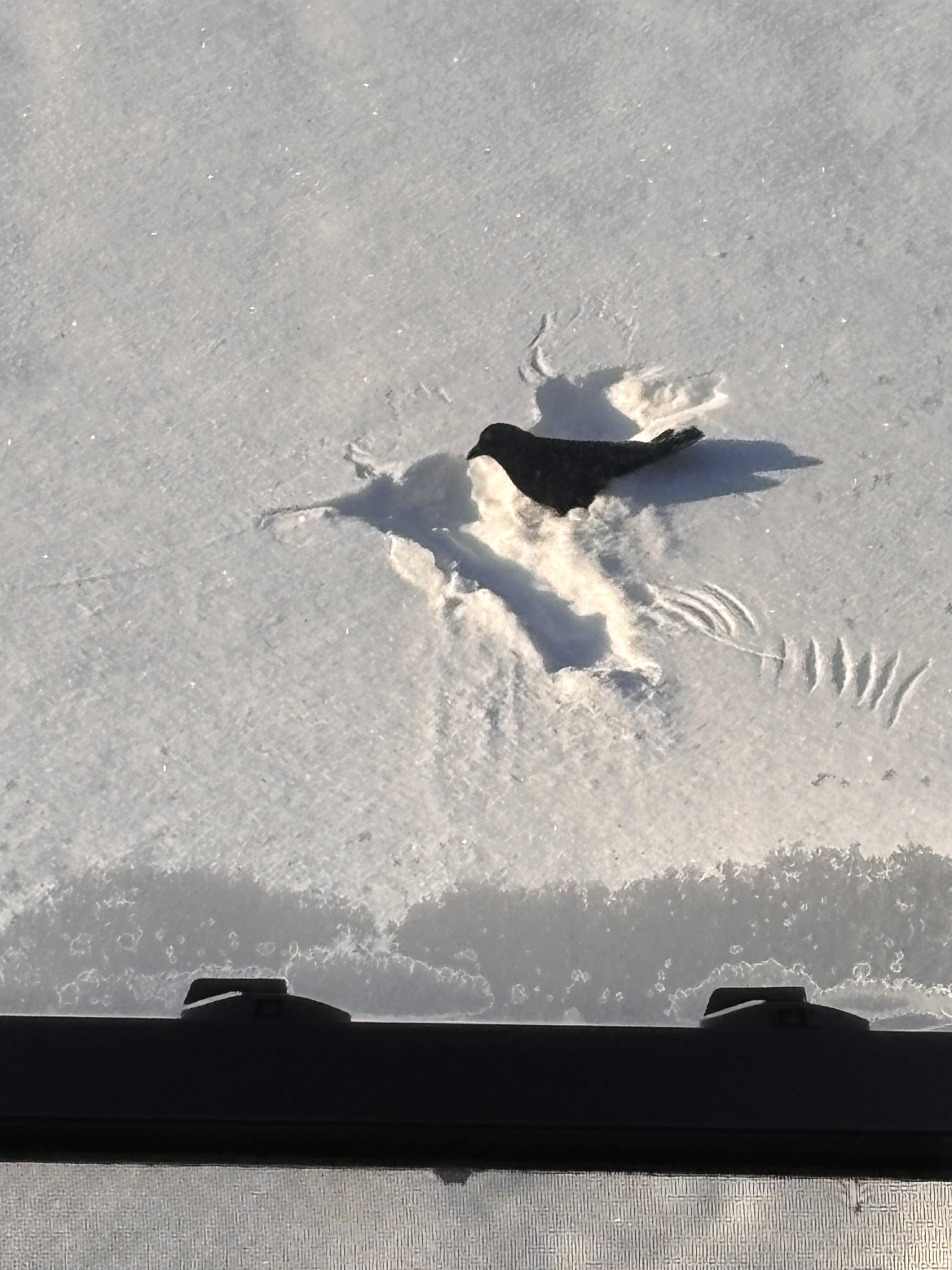
Growing up in Illinois, a “log splitter” was not a tool but a moniker for the young man downstate who later became the “Great Emancipator.” Honest Abe, known by many names, did in fact work as a young boy clearing fields and splitting logs by hand.
Here in Maine almost half of the homes are heated by wood stoves so log splitters are a tool – not a nickname – used everywhere. My son has learned how to swing an axe, and in homeschooling he has been learning the hydraulics of a log splitter.
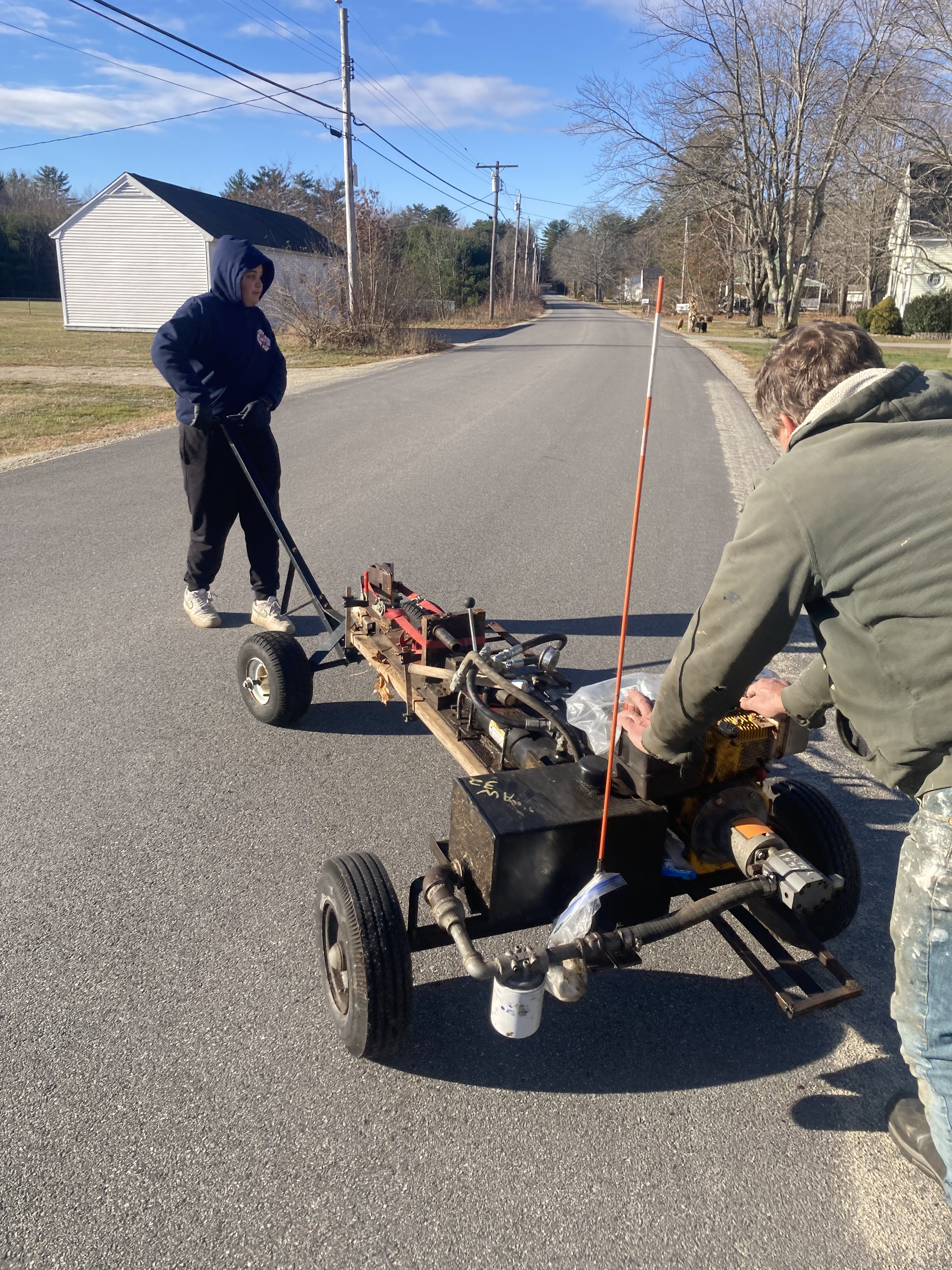
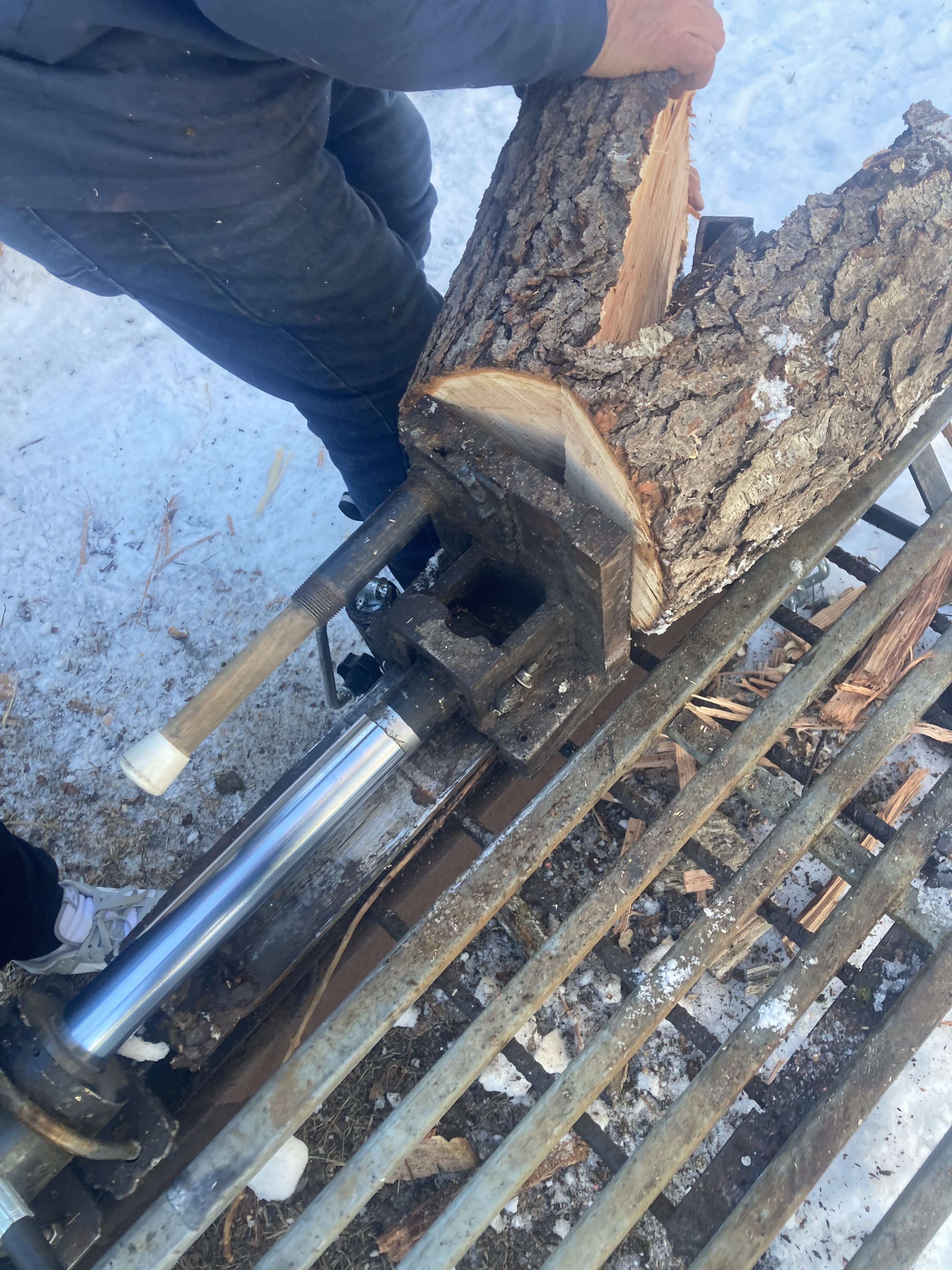
The Professor built his log splitter with a hydraulic ram able to push 30 tons, enough to move a semi-trailer. That power proved too strong for a weld on the chassis and so, when splitting a black elder log, the weld cracked before the log split. Black Elder is a hardwood indeed!
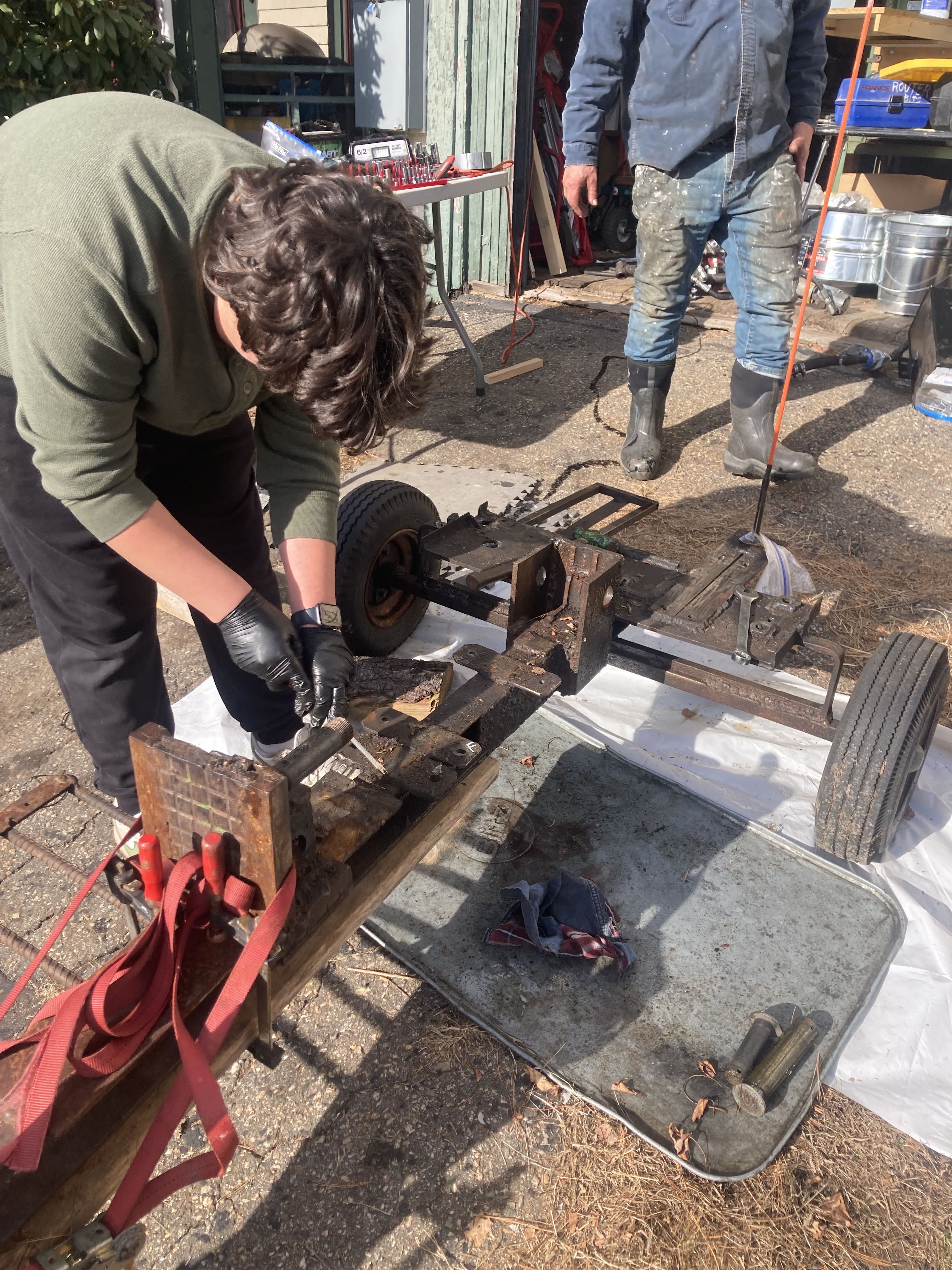
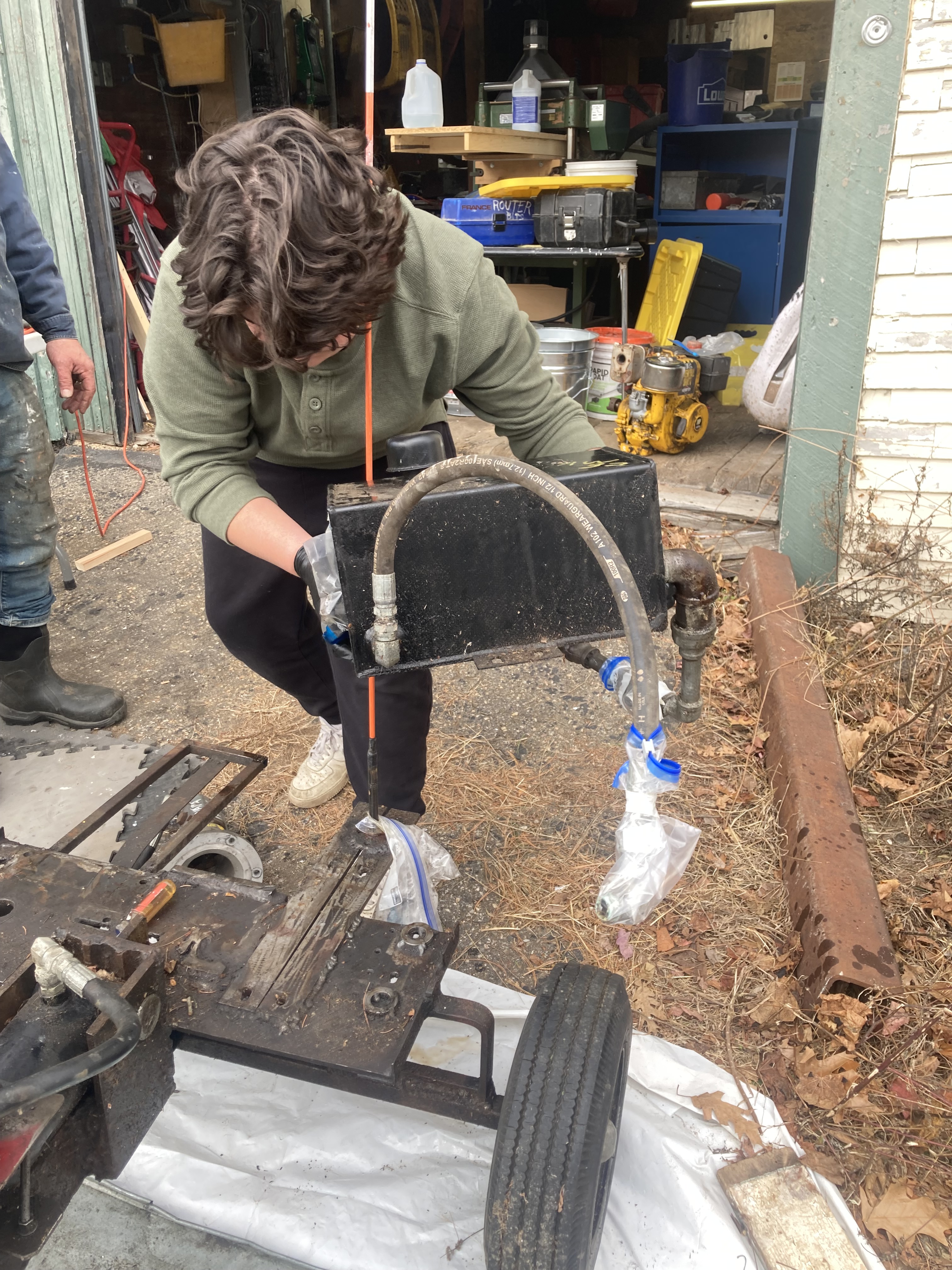
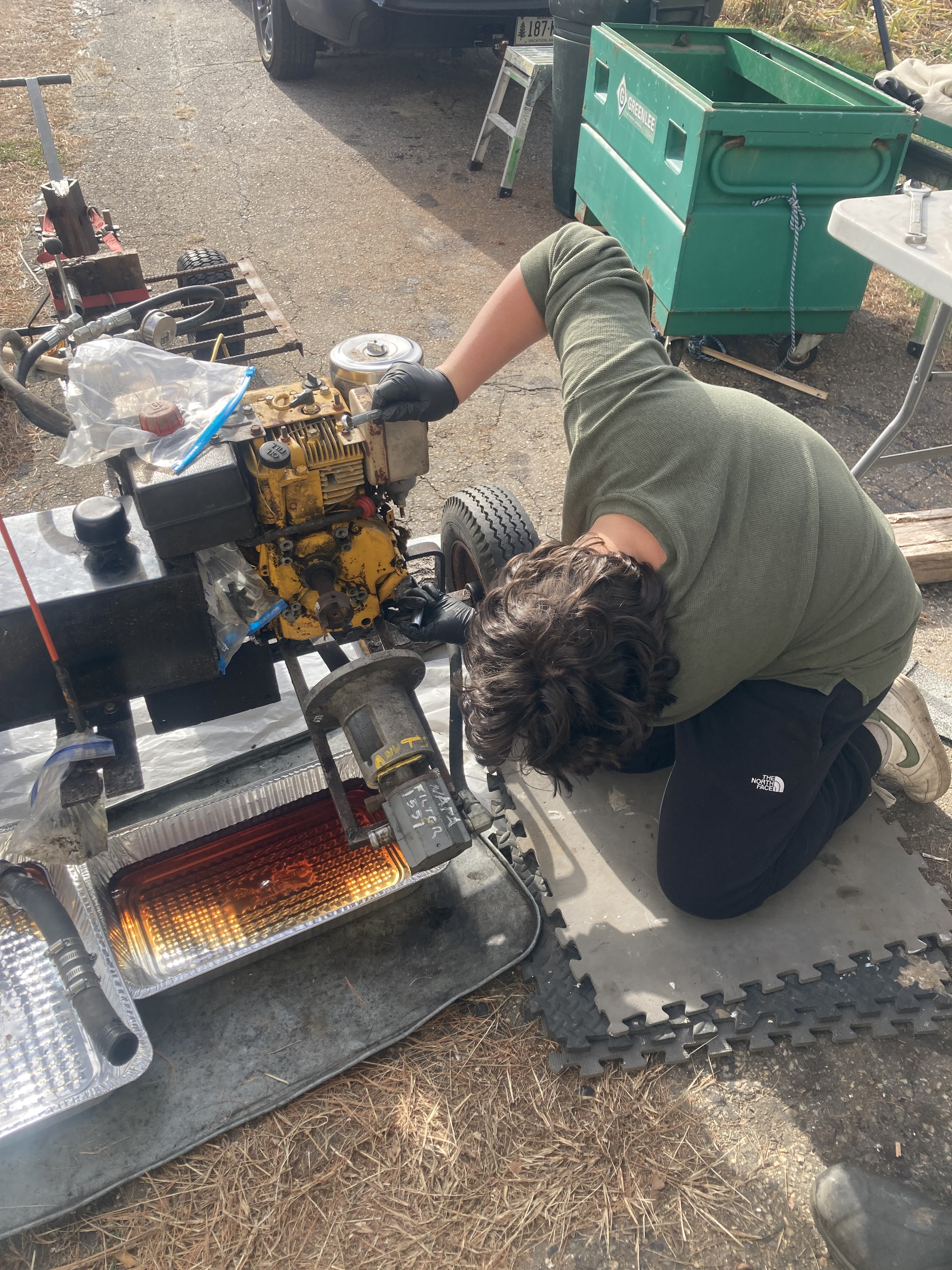
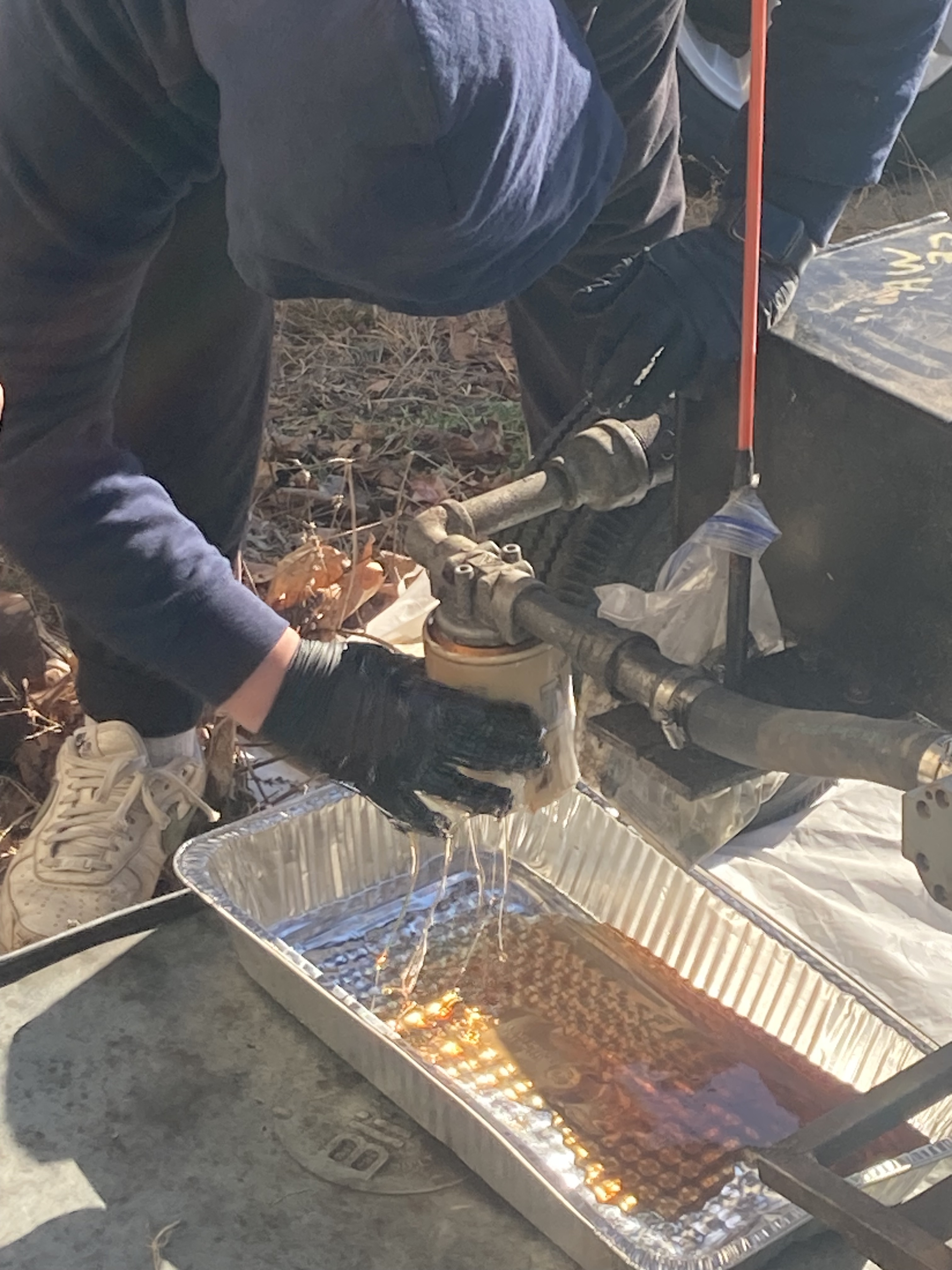
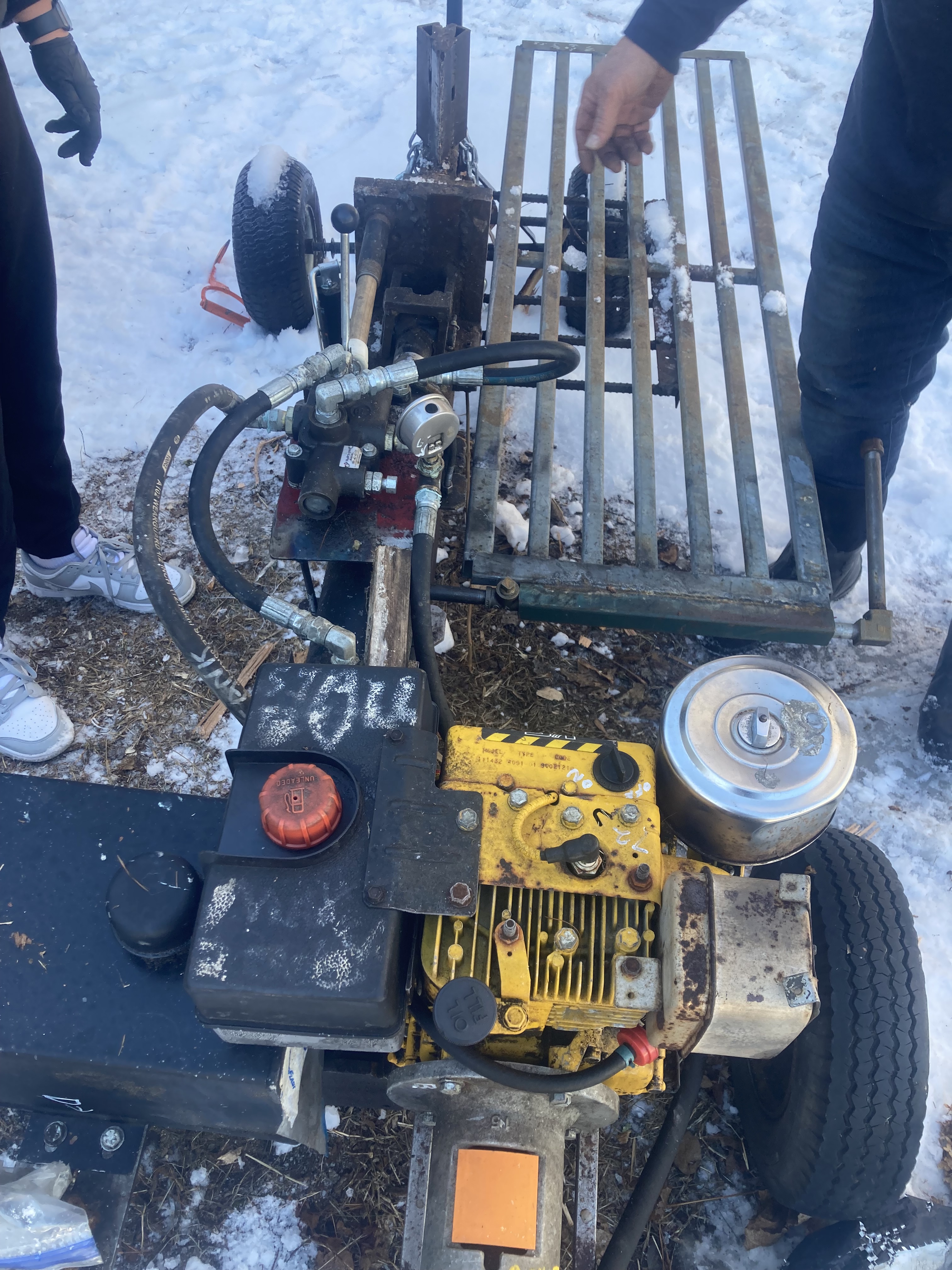
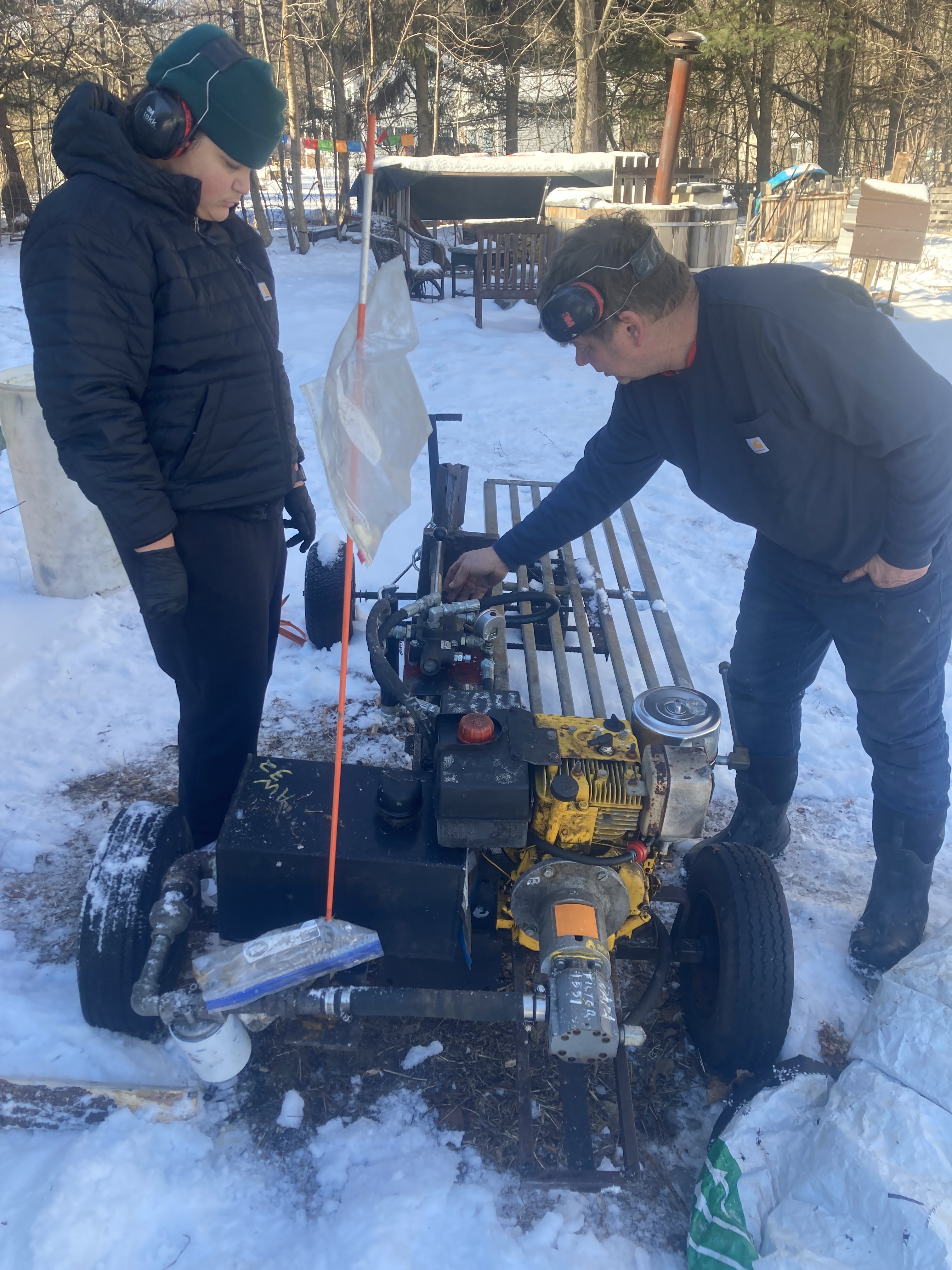
The Professor invited my son to disassemble the log splitter; a “shade tree science class” on small engines and fluid mechanics. The math of fluid dynamics gets very complex quickly, so we focused on the basic principles and how hydraulics work.
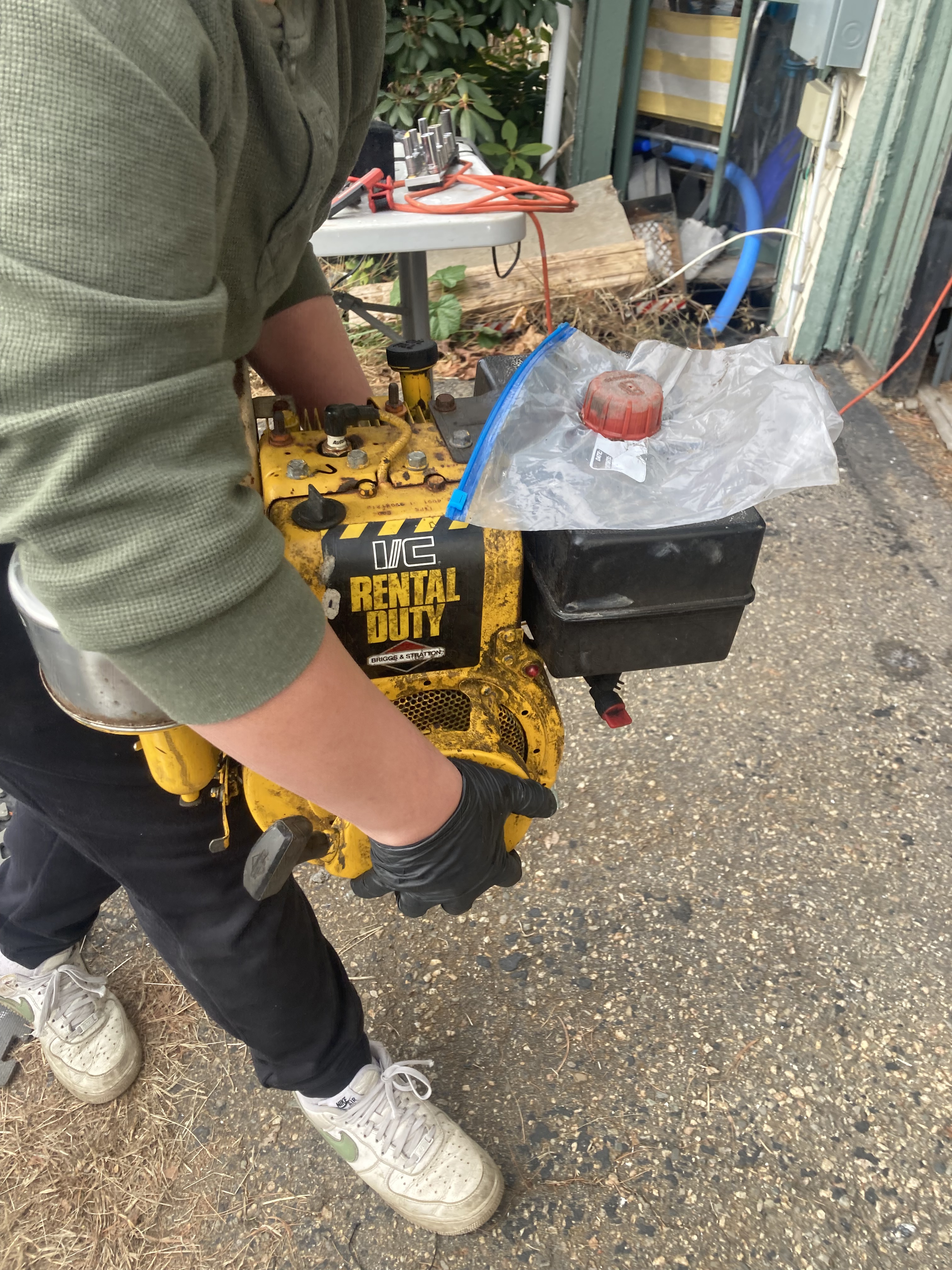
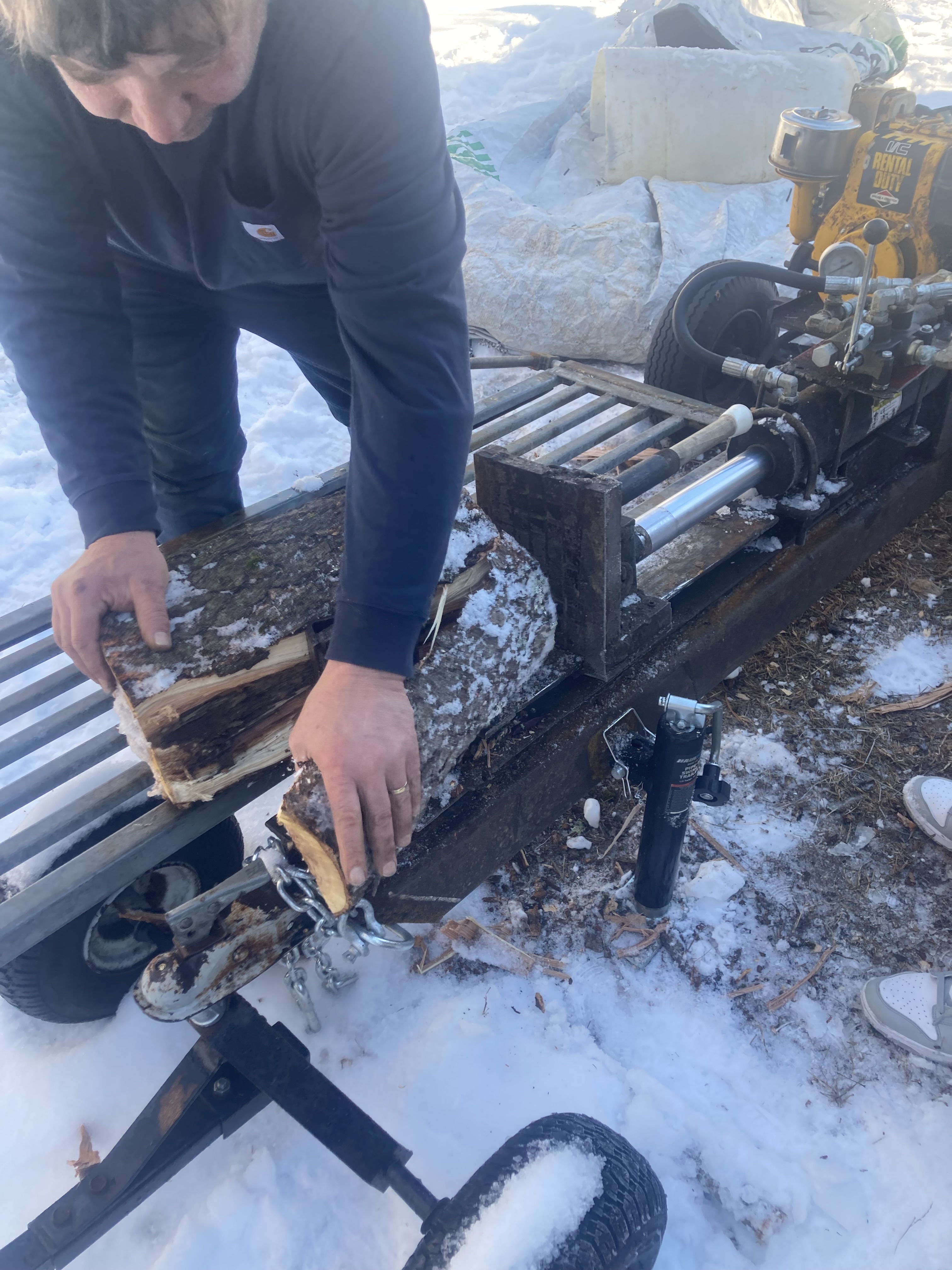
The motor is a 4-stroke internal combustion engine, which means the piston completes four rotations while turning the crankshaft. The four strokes are (1) intake, (2) compression, (3) combustion, (4) exhaust. The 4-stroke offers higher fuel efficiency, lower emissions and better durability.
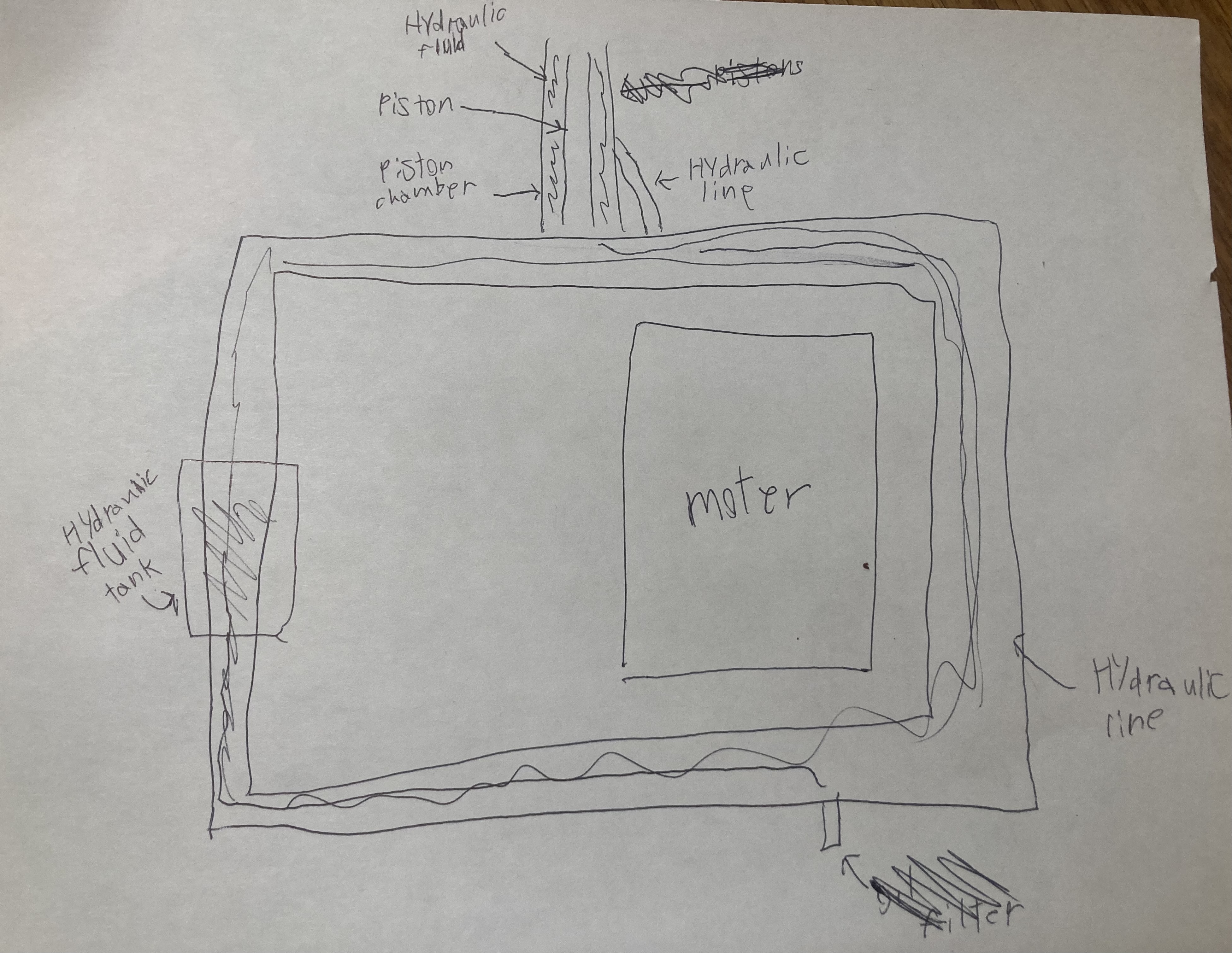
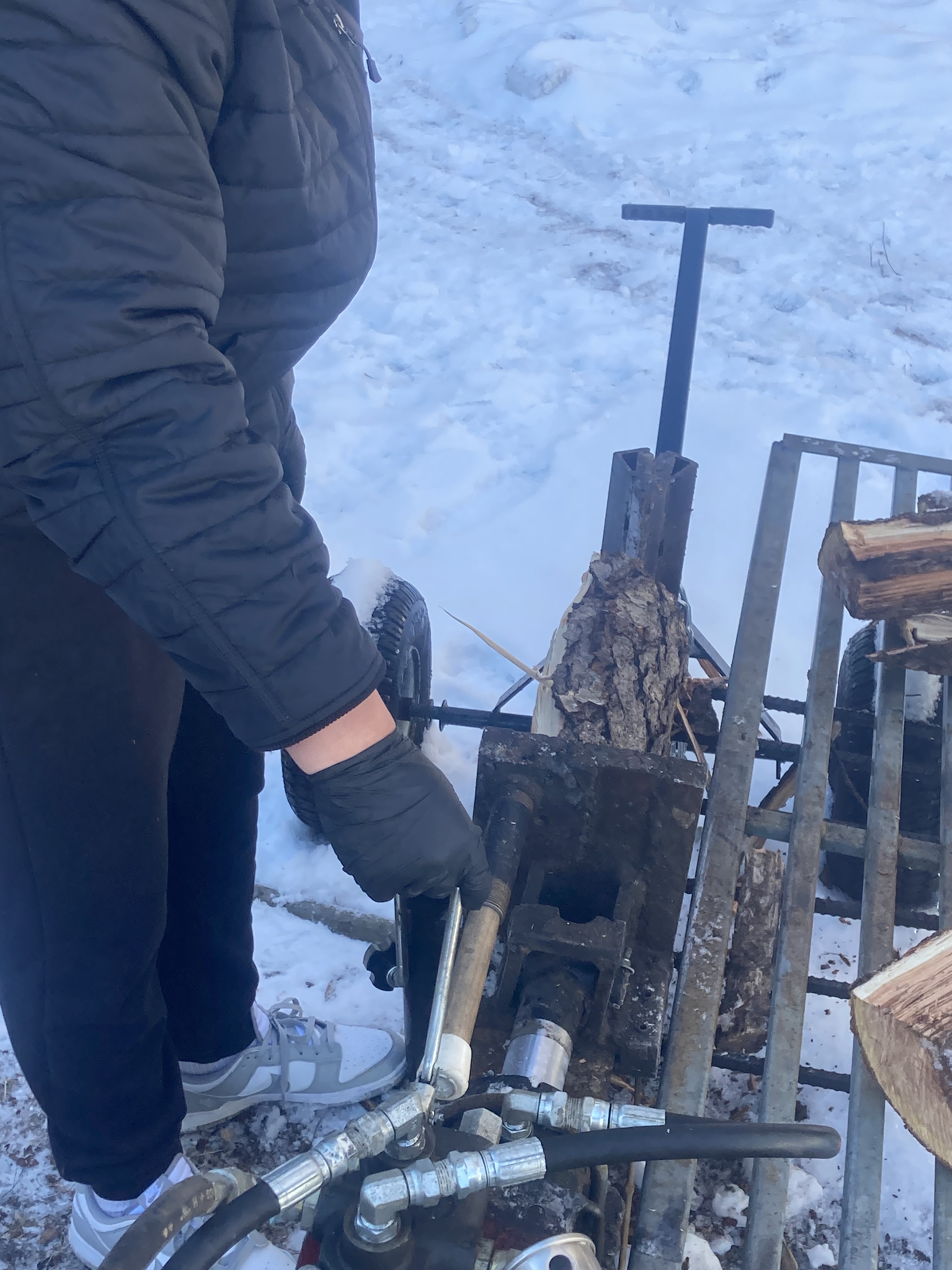
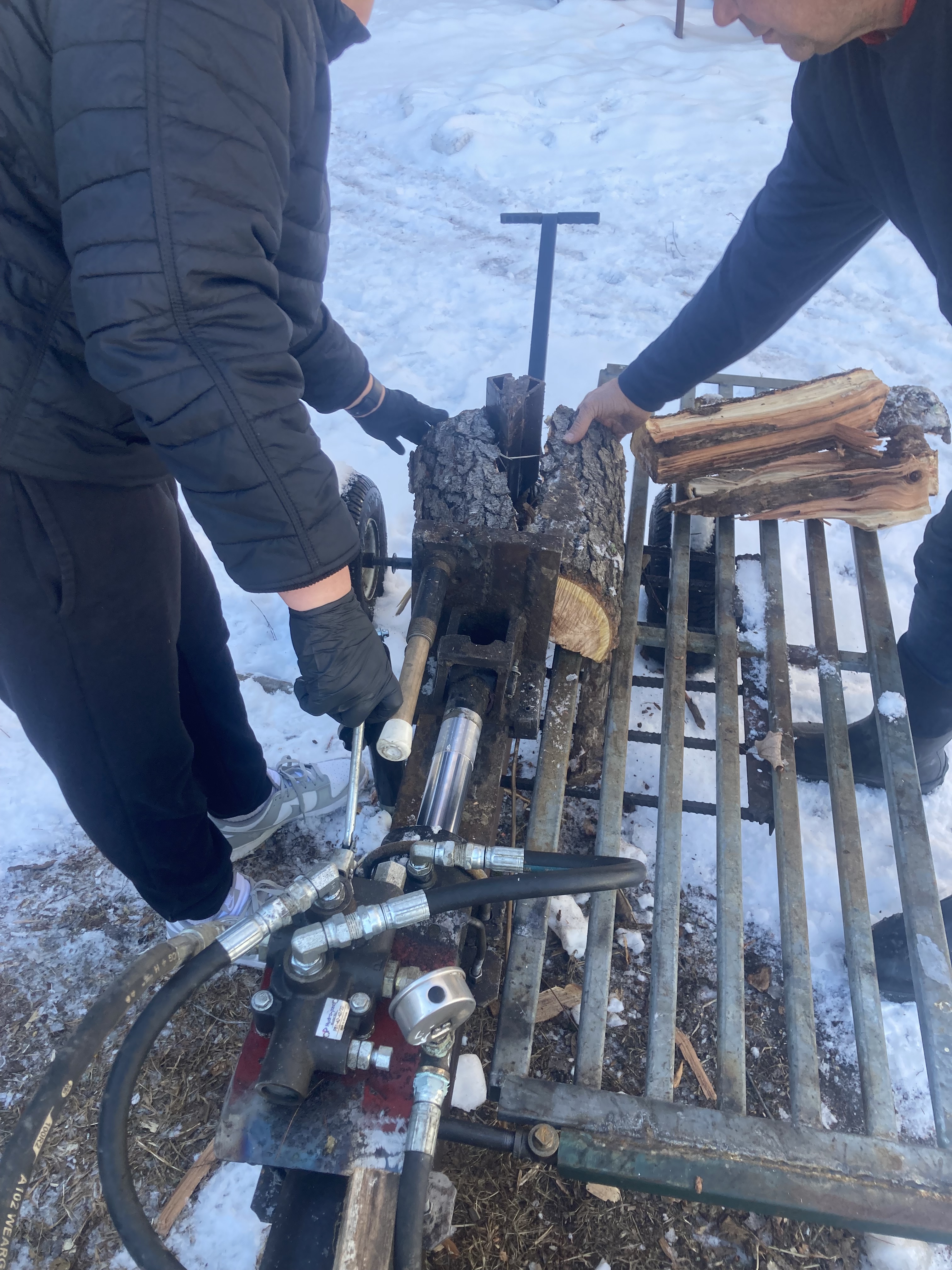
To explain how the hydraulics work my son drew a diagram then described the hydraulics like this: “It is like a big rectangle. When you turn the motor on, the hydraulic fluid moves through the lines…around the edge of the rectangle, and then it goes into the piston chamber with a diameter about 5”. As you open the lever, the fluid fills the chamber, where the piston is centered, and the piston begins to move forward, in the path of least resistance. When you toggle the switch back, the piston retreats. It is something like that.”
The process was for my son to reverse engineer the log splitter, taking it apart and carefully numbering every part in the process. The Professor taught my son how to measure the size of a nut by using your finger. My son’s finger is about 1/2”. My finger is about 3/4”. When looking for a socket, you can use your finger as a rough gauge. My son mastered this quickly.
After the chassis was stripped bare, the Professor welded a new metal frame beneath the old chassis. He doubled the strength. He then reassembled the machine following my son’s carefully numbered plan.
In early January we drove to his house, and beneath the shade tree split wood using the log splitter. We had come full circle. And the Professor has split wood to heat his home during this bitter cold winter.
________________________________________________
Credit where credit is due: Lead photo, “Black bird, White snow” by Elena.
 an Art Farm
even simple mechanics are somewhat beyond me, but “go!” to the one with the half-inch finger!!!