Alma Mater’s Daily Bread
Posted: September 5, 2025 Filed under: Child Centered Activities, Farming off the Farm, Little Green Thumbs, Portfolio - Elena's work, What is an Art Farm | Tags: Social ecologies 1 Comment
The often repeated phrase, “Give us this day, our daily bread” must be about soil fertility as much as about hope. The common collegiate phrase “alma mater” is Latin for “nourishing Mother” and so we turn our attention to Gaia, one wise soul herself, the Earth as our nourishing Mother, whose fertile soil gifts freely an abundance beyond compare.
Many soulful stewards of Gaia have I crossed paths with, one of whom was the “Corn Cart Queen.” The common cliche is “know your food, know your farmer,” but the Corn Cart Queen brought that to the fore in Chicago, during the summer season 2003, when she planted Golden Bantam in a shopping cart, then organized people to push the corn cart around the town: Meet your food, meet your farmer.
The Chicago Tribune wrote, “A woman of quiet dedication and passion, she initially planned to push the corn around the city by herself…. However, as word spread about the project, she happily surrendered the cart to a growing community of corn stewards, some of them artists or gardeners themselves. They water it, push it and distribute, if they choose, the small packets of blue corn seeds (three each)… taped to the cart. The seeds are pre-Depression-era corn, which she bought directly from a farmer when she visited Cuernavaca, Mexico.”
The Tribune quoted her, “When people talk about the environment in the city, they always see it as outside themselves. They talk about the lake or whatever. . . . I really want people to see how we consume nature, how we consume corn, how we eat, how we do things — it all has an effect on homelessness, on loss of farms, on history. There’s a 10,000-year history of the domestication of this grass called corn.”
Sandor Katz, the New York Times best selling author, in “The Revolution Will Not Be Microwaved,” wrote about this, “Cornography…was a sort of performance art installation featuring a few stalks of this corn growing in a shopping cart and many different people taking turns, walking it across Chicago.” Katz quoted the Queen, “The corn cart has visited community gardens, toured supermarkets, politicized a street fair, gone out for coffee, and rested in many backyards. When you give someone a seed, it’s such a small gift, but it entails a responsibility to interact with the land.”
Nance Klehm is the “Corn Cart Queen.” As art predates agriculture, her work unfolds at those fertile crossroads; she teaches of our connection, our utter reliance upon, the earth, the sacred ground beneath us. She is a muse among us, having lectured and taught at Chicago’s Museum of Contemporary Art, the Hammer Museum in Los Angeles, the University of Cincinnati, and the Canadian Centre for Architecture in Montreal. She has taught at the University of California – Los Angeles, Northwestern University in Evanston, Illinois, and Dartington College in the United Kingdom, as well as for countless community groups worldwide. This Queen was honored in 2012 as one of Utne Reader’s “Twelve Visionaries Who Are Changing Your World.”

It can be lonely at the vanguard, but Nance always works in community, teaching others the art and science of the soil. Along her path she worked with Flordemayo, a Mayan Elder, who founded The Seed Temple in Estancia, New Mexico. Nance helped assemble the “sacred heritage seeds for future generations.” My family was asked to grow heirloom beans and then give some back to help keep the Temple’s stock alive. For many years now we have grown those seven varieties annually, whereby my children learn first hand that food does not come from a grocery store, that harvesting is harder than consuming but the wild abundance of a fresh grown tomato or peach picked in late August is a joy beyond compare.
Flordemayo herself is one of the 13 Indigenous Grandmothers, all of whom are “committed to supporting all people in reclaiming their relationship with Mother Earth, advocating for a shift toward a more conscious and harmonious connection with nature and all living beings.” The International Council of Thirteen Indigenous Grandmothers come from around the world – Nepal, Brazil, South Dakota, Gabon, Montana, Mexico, Japan, France – as “a collective of women devoted to restoring and uplifting the sacred feminine wisdom that nurtures balance and harmony in the world. [They] stand for peace, justice, human rights, environmental protection, food sovereignty, and the health and welfare of children and the elderly, for today and generations to come.”
Nance and I crossed paths almost 30-years ago, both on Chicago’s west side, and in the LaSalle Street canyons of the financial district; she was outbound to WWOOF in Australia (Worldwide Opportunities on Organic Farms), while I was headed to Manila, the Philippines on a humanitarian finance quest to establish a currency based upon humans’ ability to communicate. Nance’s path always has been more rooted, more practical.
Among her challenges has been pursuing community-based work during the 50-year period – 1975 to 2025 – when American culture shifted dramatically towards rampant consumerism, free market ideology, and unchecked individualism. Talking about my generation – the Baby Boomers – Bill McKibben wrote, “So what the hell happened? How did we go from an America where that kind of modest [suburban] paradise seemed destined to spread to more and more of the country to the doubtful nation we inhabit fifty years later: a society strained by bleak racial and economic inequality, where life expectancy was falling even before a pandemic that deepened our divisions, on a heating planet whose physical future is dangerously in question?”
How did the forward thinking Civil Rights Act of 1964 and the Voting Rights Act of 1965 give way to the radical gerrymandering of our era? Money, banking, free markets and power politics are the domain of mankind, human invention, while the Grandmothers and Queens of Gaia speak of the ground beneath our feet, the soil, everywhere beneath everyone all of the time.
Nance’s 2019 tome, “The Soil Keepers,” makes plain, in her preface, our path forward: “To the entire menagerie of animal, fungal, and plant beings, both the seen and unseen, thank you for your unflinching love and core teachings. I am forever your student.”
All life is one. Life calls to us. We are wise to heed her call.
_____________________________________
A Corn Cart video is here: https://youtu.be/iTKbrO7ZTzk?si=5wnScRsxE3OZmlSo
Nance Klehm’s “Social Ecologies” is here: https://socialecologies.net
Grandmothers’ Wisdom is here: https://www.grandmotherswisdom.org
Grandmother Floredemayo is here: https://www.grandmotherflordemayo.com
_____________________________________
Credit where credit is due, Elena’s photographs appear here.
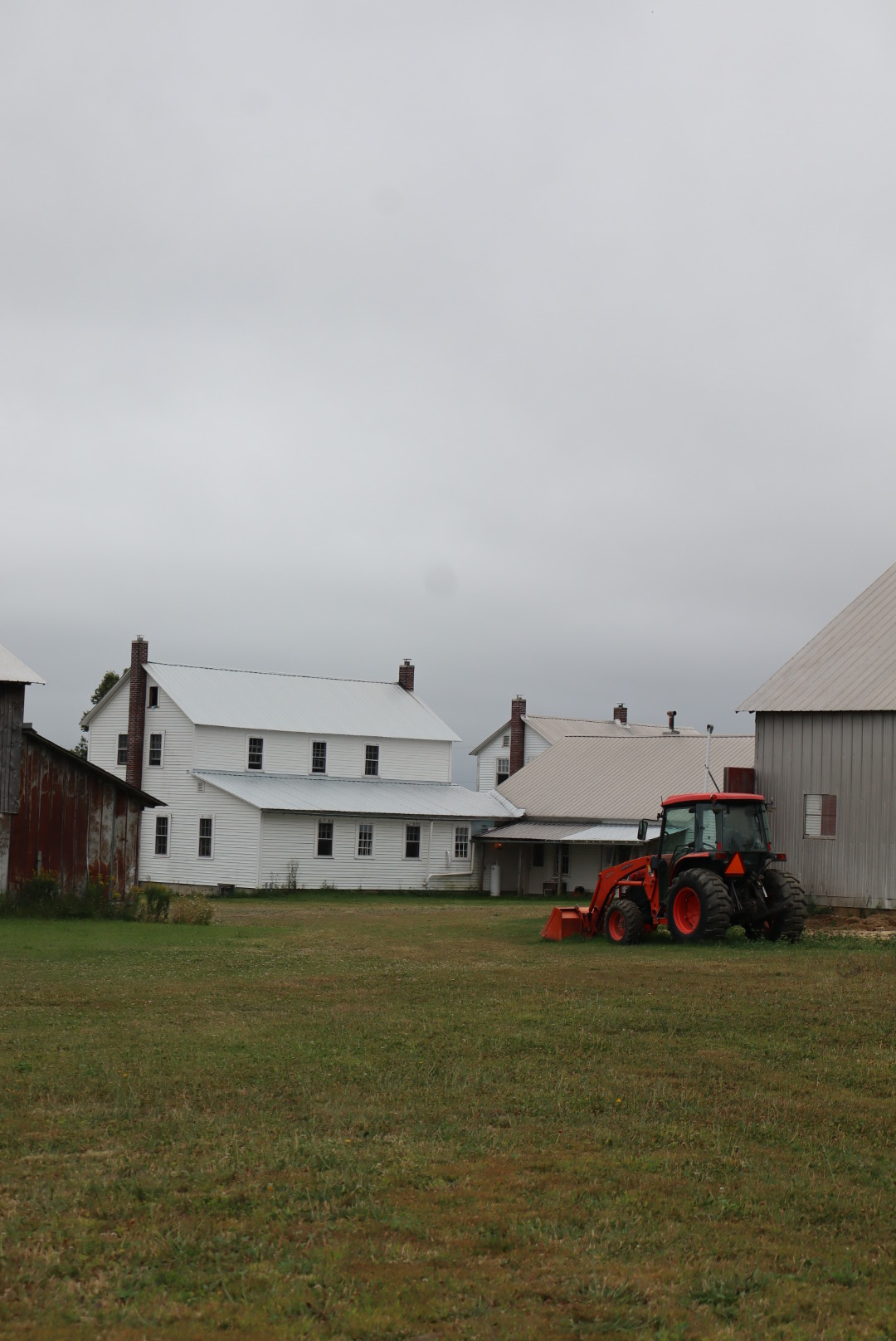
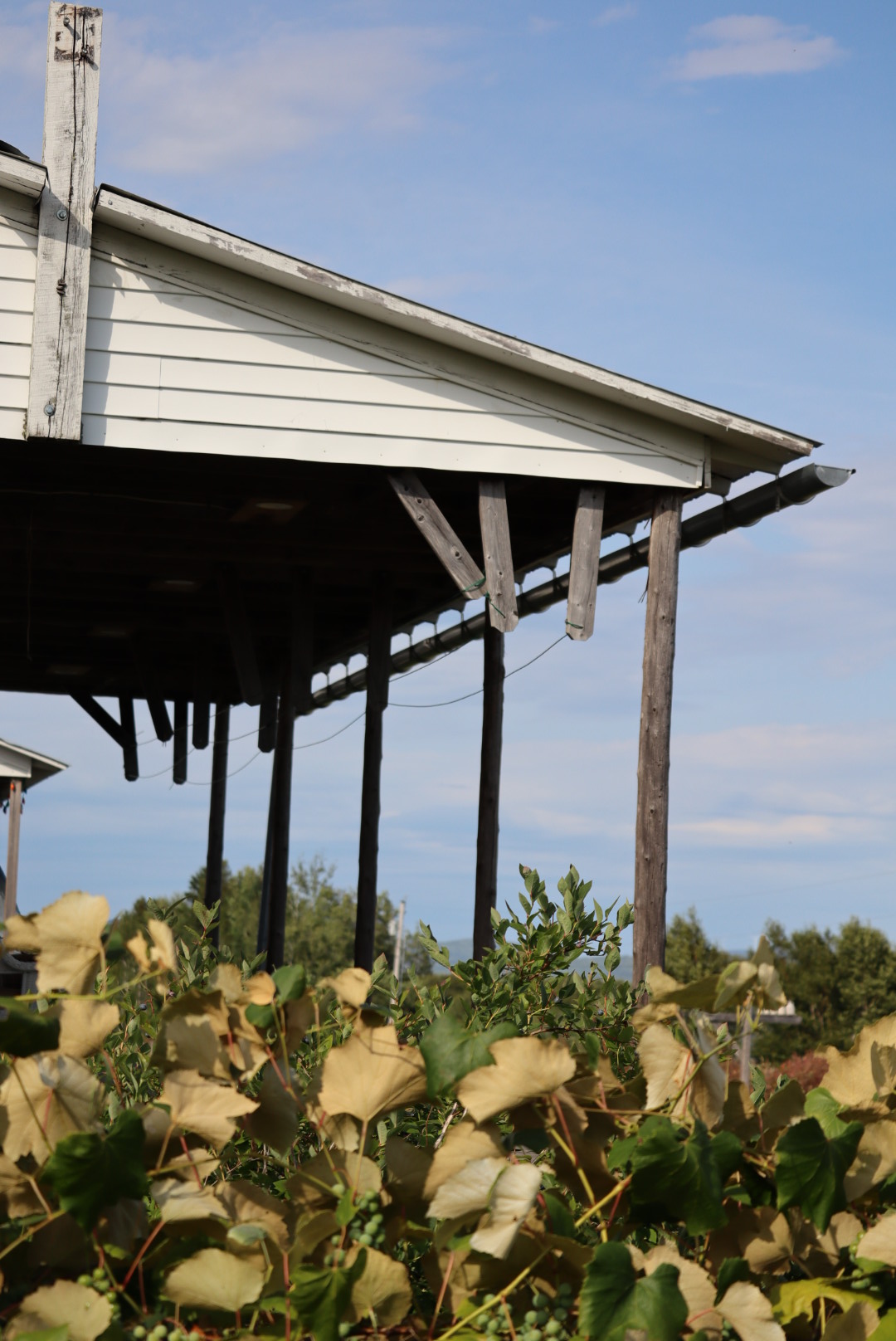
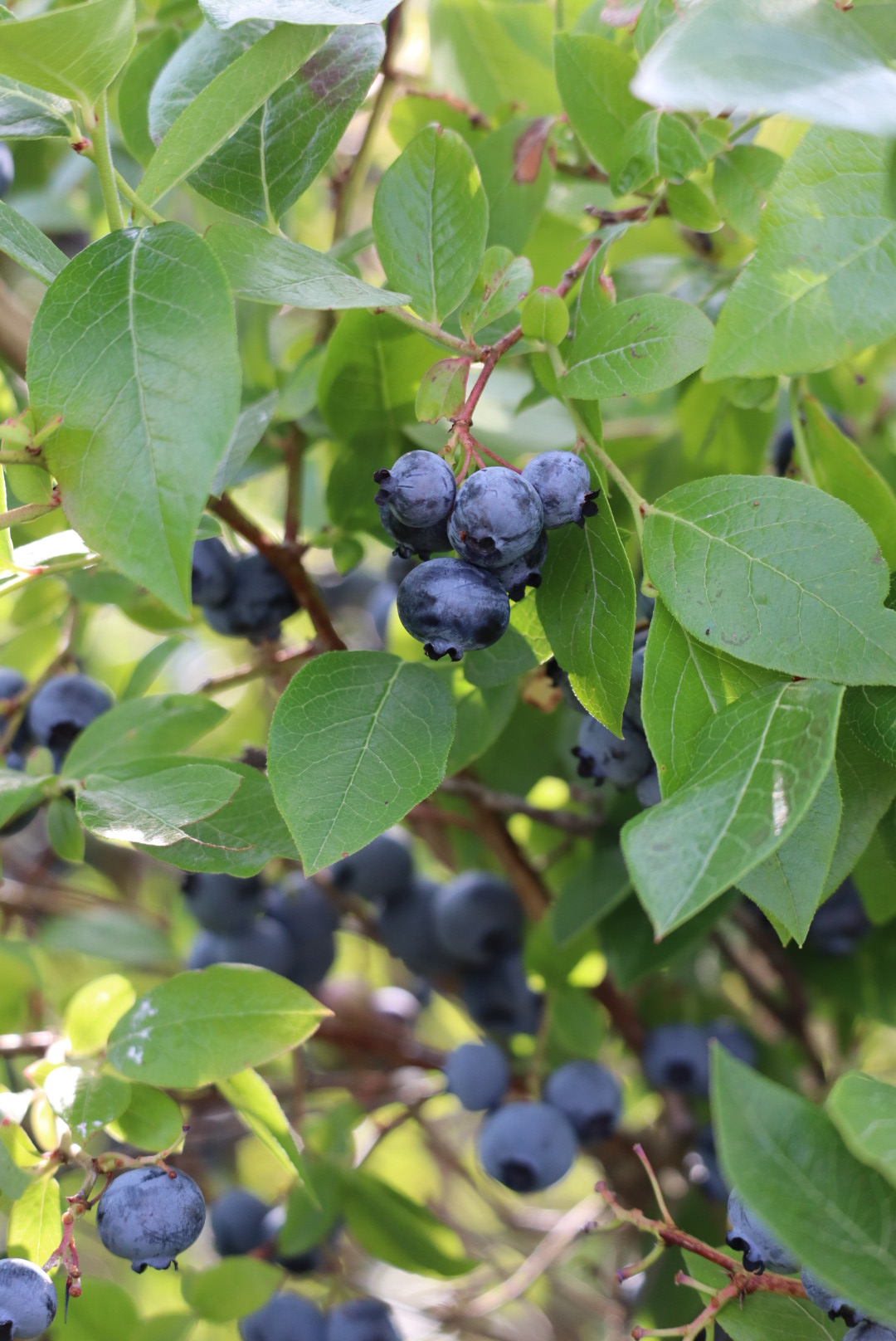
Recently we drove north to nowhere, Cold Brook Road in Southern Aroostook County, Maine. Between 1793 and 1815 Northern Maine was a major producer of wheat, known as “the breadbasket of New England.” In the 1940s and 1950s Aroostook County was the top producer of potatoes in America. Big skies, open vistas, quiet abounds there. Our friend Kirk, a Master Electrician, Master Cabinetmaker, Builder and Humble Farmer welcomed us to his 157 acre-farm in Amish country.













Emmy
Posted: August 28, 2025 Filed under: Child Centered Activities, What is an Art Farm 2 Comments
Among soulful females, Emmy stands alone.
Rescued in West Virginia, she joined our home in September 2014 and helped us raise our children.

Extraordinarily gentle, she welcomed other rescue pets into our home.


Now, she has passed on and the loss is profound.

Seven Sages
Posted: June 27, 2025 Filed under: consciousness, Little Green Thumbs, What is an Art Farm | Tags: akpallu, Hammurabai, hokmah, kwan yin, saptarishi, Solon 1 Comment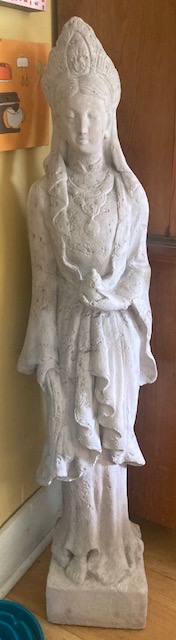
The tradition of the Seven Sages is common to ancient China, India, Persia, Mesopotamia, Greece and Rome. The sages, although different to each culture, always are the enlightened souls who brought wisdom.
To the Chinese, they were the “Seven Sages of the Bamboo Grove,” a group of scholars, writers and musicians of the 3rd century CE. In India, the “Saptarishi” are seven of semi-immortal status, the seers extolled in the Vedas, the sacred texts “not of a man, superhuman…authorless,” revelations of sacred sounds and texts heard by ancient sages after intense yogic meditation. To the Hindu, the seven stars of the Big Dipper represent these seven sages; the Dipper’s handle points to the North Star by which countless wise men have traveled the globe.
The “Apkallu” were the sages of Mesopotamia, the primordial beings, demigods, part man and part fish or bird, associated with human wisdom. In the 7th century BCE Greece, the seven were the philosophers, statesmen, poets and lawgivers renowned for their wisdom. Solon of Athens, a statesman and poet, is honored for his legal reforms, which shaped democracy. Pittacus of Mytilene governed Lesbos where he reduced the power of the nobility, to govern with the support of the common people. Thales of Miletus was a mathematician and astronomer, credited with predicting a solar eclipse, is said to have coined the aphorism “Know thyself,” which was engraved on the Temple of Apollo in Delphi.
The “Seven Wise Masters” is a cycle of stories of Sanskrit, Persian or Hebrew origins, which through the “Seven Sages of Rome” was passed down to German, English, French and Spanish in the form of popular street literature published throughout early modern Europe.
A modern version of this tradition resides above the doors of the House Chamber in the U.S. Capital, known as the “Relief Portrait Plaques of Lawgivers.” Seven (sic) sculptors carved bas relief plaques, using white Vermont marble, to honor 23 governing figures across world culture: Hammurabi, Justinian, Solon, Suleiman, Napoleon and Thomas Jefferson rank among these lawmakers, while Moses holds center court.
Of note, across all of these cultures, all of the sages are men.
In my experience, women rank among the sages who have helped shape my path. It is rather stunning to pause and consider the inherent bias, among world cultures, over millennia, that males alone are the sages. Wisdom, as an abstract concept, would be considered gender-neutral. But grammatically, the word “wisdom” – “hokmah” in Hebrew and “Sophia” in Greek – is feminine. Personified in literature, such as in the Book of Proverbs, wisdom is depicted as a female, referred to as “She” and “Lady Wisdom.
I should like to undertake a summer project to compile a list of the “Seven Women Sages.” It seems a Herculean task to select only seven, but such could be a worthy first pass at this project.
I should like to invite my readers to weigh in on this topic. Over coming weeks I shall endeavor to find stories of great women who have walked among us. Some may be a grandmother, or school nurse, others may be dominant figures of their times, but all shall be told as a counterpoint to the conventional wisdom of the Seven Sages.
In these chaotic times we do well to restore balance.
Note: Thanks go out to David Purpur who helped with information on the Vedic rishis.
______________________________
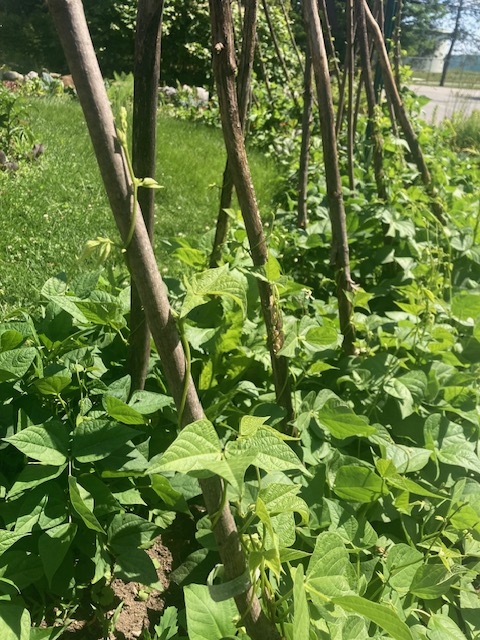
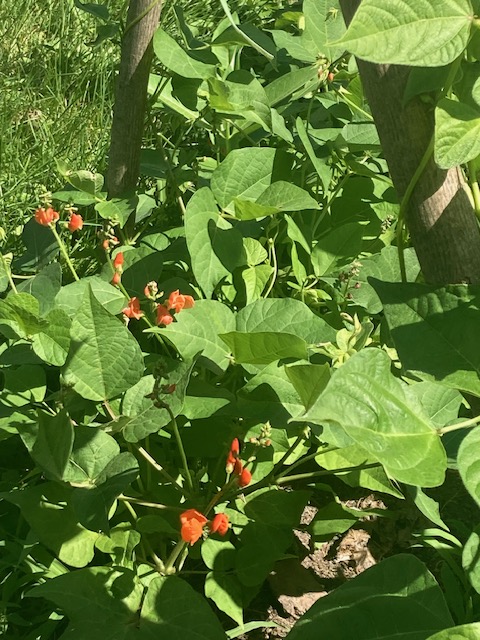
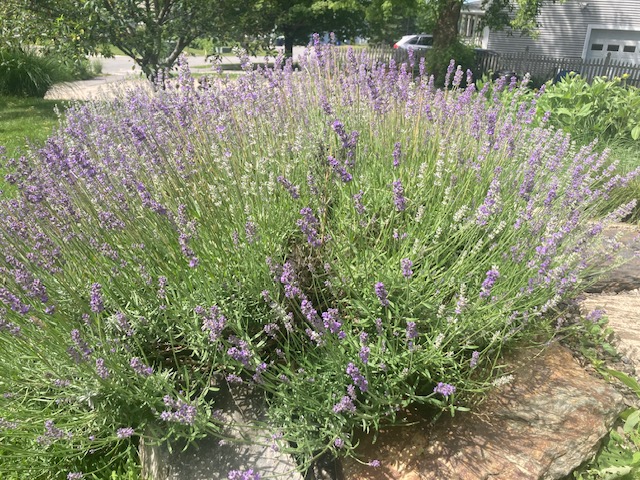
Our garden pushes ever higher: the Cuke climbs its trellis, fruit forms on the vine, pole beans push tendrils ever higher, greens come daily, grapes reach outward, lavendar is lush, potatoes have been hilled.





Concrete π
Posted: June 6, 2025 Filed under: Child Centered Activities, Chronicles of a First Time Parent, What is an Art Farm | Tags: archimedes, concrete, habeas corpus, pi 2 Comments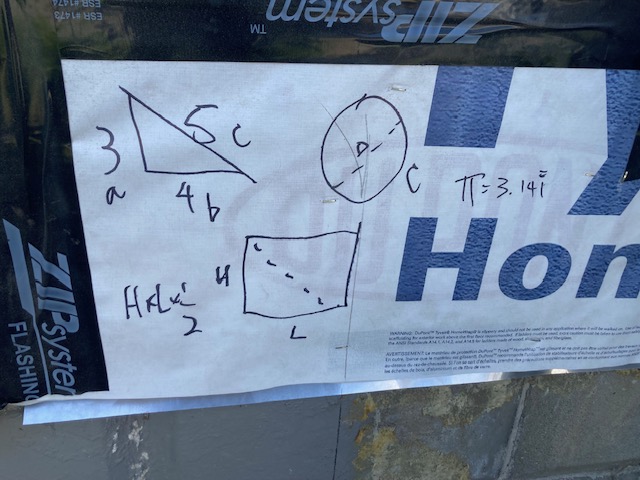
This week’s homeschool question was “How many US Presidents have suspended Habeas Corpus?” The answer, of course, is 7:
- Andrew Jackson at the Battle of New Orleans, by his sole order declared martial law (he was the commanding General, not yet the 7th USA President)
- Abraham Lincoln, by Executive Order, to rein in the “Cooperheads” a/k/a the Peace Democrats
- Ulysses S Grant, by Congressional act, suspended in nine counties in South Carolina
- Theodore Roosevelt, 1902, by Congressional Act, suppressed civil unrest in the Philippines
- Franklin Delano Roosevelt, 1941, by means of the Hawaiian Organic Act authorized suspension of habeas following the attack on Pearl Harbor, but in 1942, by Executive Order allowed a military tribunal to try and convict eight German saboteurs
- Bill Clinton, following the Oklahoma City bombing, signed the Antiterrorism and Effective Death Penalty Act of 1996
- George W. Bush, in 2001, by the Presidential Military Order authorized enemy combatants to be held indefinitely at Guantanamo Bay. But in Hamdi v. Rumsfeld (2004) the U.S. Supreme Court re-confirmed the right of every American citizen to access habeas corpus even when declared to be an enemy combatant.
All of these were in times of a crisis, and several of them included martial law. Given the dense history, my son’s Cousin, the Professor, zoomed in for a chat. The Professor has been published in the Stanford Law Review, where he argued that habeas is “a tool for We the People to insist that when our agents in government exercise our delegated penal powers, they remain faithful to our sovereign will.”
He went on to explain, “Given widespread consensus that English history should and does drive American habeas jurisprudence, and that the sovereigntist account of that history should now be treated as authoritative, it is puzzling that American courts and scholars have continued to cling to libertarian frameworks. Meanwhile, American habeas law is in crisis, with an ideologically cross-cutting array of scholars and jurists criticizing it as intellectually incoherent, practically ineffectual, and extravagantly wasteful. Over the Supreme Court’s past three Terms, Justice Neil Gorsuch has led a charge to hollow out federal postconviction habeas almost entirely, arguing that habeas courts should ask only whether the sentencing court was one of general criminal jurisdiction—and not whether it violated federal constitutional law en route to entering the petitioner’s judgment of conviction.”
My son and the Professor discussed all of this, at length. They compared the crisis of the Civil War to the current immigration brouhaha. My son reasoned that Mr. S Miller, “wants it to be really simple, immigrants get picked up, and locked up.” The Professor concurred, describing a “logistical simplicity.” My son continued, “There are many immigrants, some are illegal, but it is not like Abe Lincoln at the Civil War, now [suspension of habeas] is not really necessary. Suspending habeas should be a last resort. I don’t know what problems – it is about people’s free will – but on a large level it would fill up the jails.” The Professor concluded by speaking of Aristotle’s concept of the good.
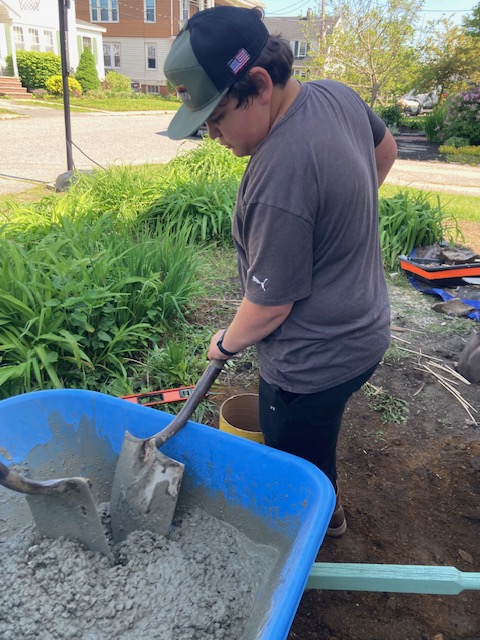
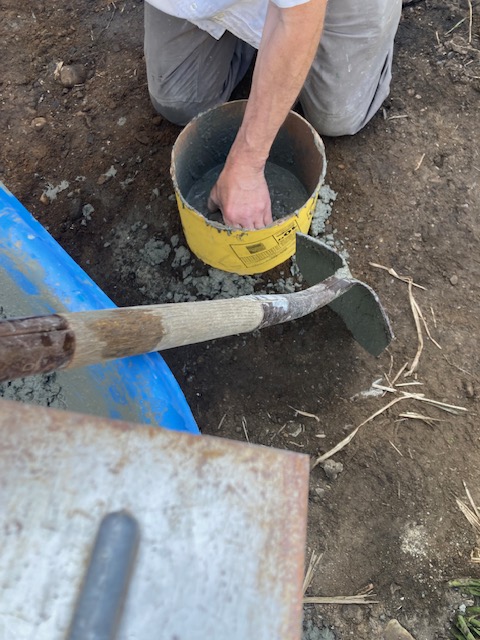
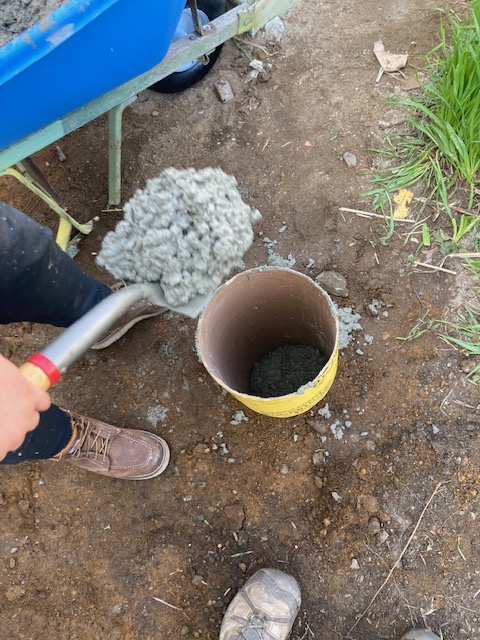
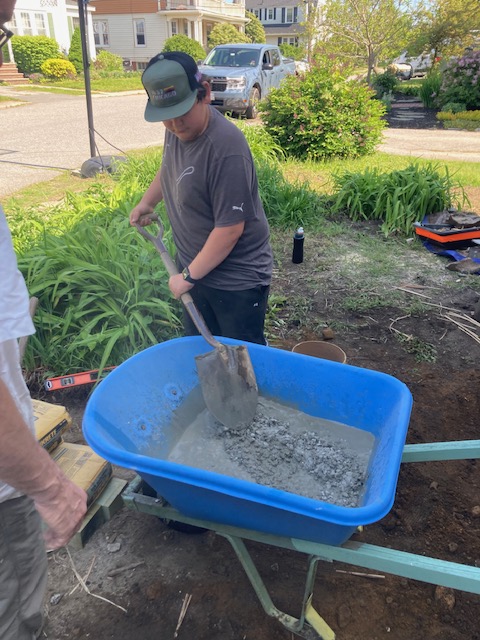
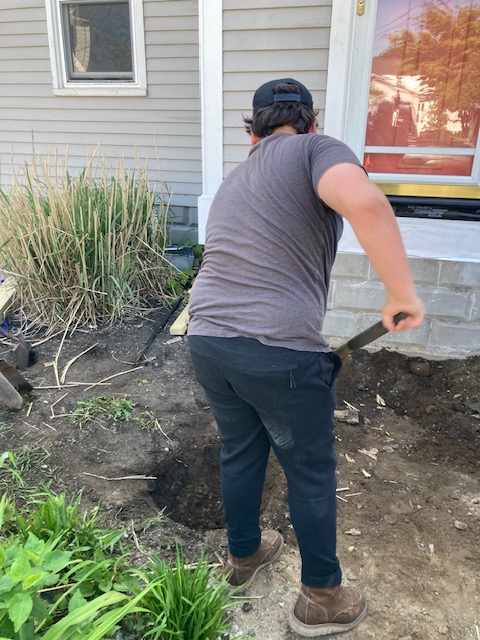
As a counterbalance to these abstractions, we poured concrete. The front entry of a friend’s home was demolished when his neighbor drove her car backwards, at a very high speed, into the front of his home. Remarkably, the driver avoided the house but smashed the stairs. Insurance paid little – no surprise there – so our marching orders are to be frugal. We are making it work, and my son is part of the crew. Child labor laws do not pertain in our homeschooling.

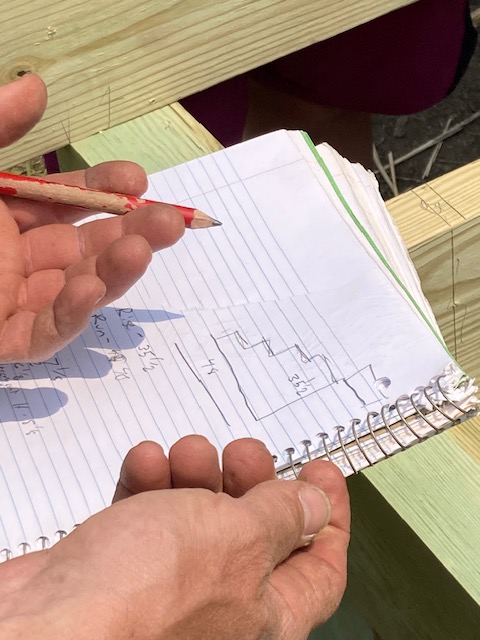
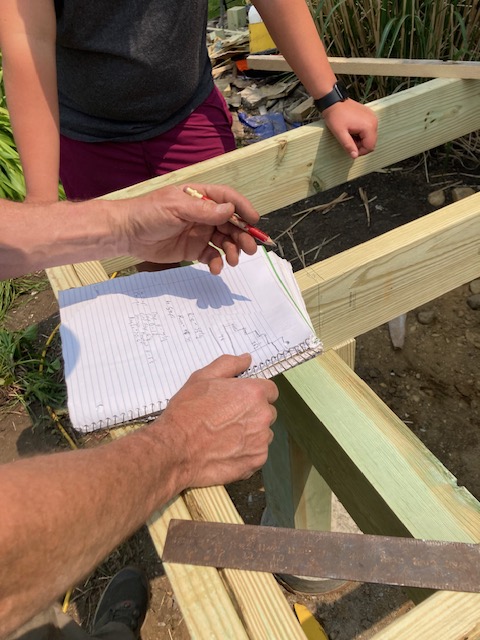
The new entry will have a platform about 4’ high, with four steps to it. This is applied geometry and we discussed the area of a rectangle [width x length], the area of a triangle [1/2(width x length)] and the volume of a column [V=π r2 * h]. We needed to calculate the volume to know how much concrete to buy. To place the footings, we located two points at right angles and parallel to the house. Pythagorus solved that question. We used the 3,4,5 triangle; given a2 + b2 = c2 then 9 + 16 = 25 marked the exact locations where we would dig.
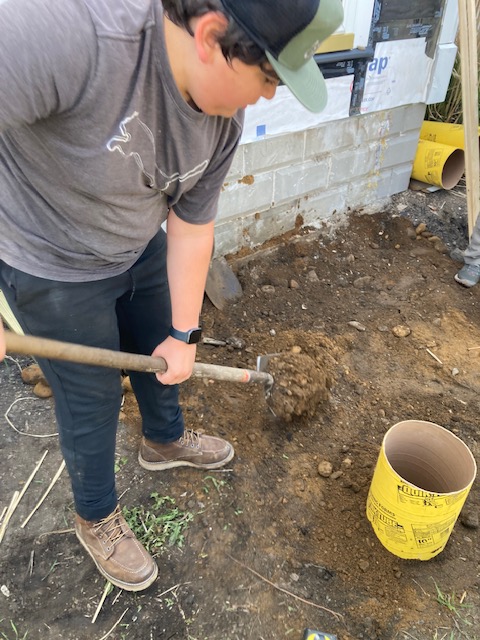
Like construction, learning requires a solid foundation. We began at the bottom and dug holes. We discussed the history of “Pi”, and its application to our task. “Pi” is the ratio of a circle’s circumference to its diameter. The Babylonians approximated Pi at 3. The Egyptians refined it to 3.1605, and then Archimedes of Syracuse hit the mark by using the Pythagorean Theorem. He drew a circle and two boxes; one box fit inside the circle and one circumscribed the exterior. He reasoned the area of the circle was between the area of the polygons and thus Pi would be between 3.1408 and 3.14285. The Chinese mathematician Zu Chongzhi took a different route, performing lengthy calculations with hundreds of square roots to calculate the ratio at 355/113, which is 3.14159292035. Centuries later, in 1706, the Englishman William Jones decided to name the ratio “π” which is the first letter of the Greek word “perimetros”, which means “circumference”.
Our project’s head carpenter is a journeyman Master Carpenter, who has built homes on the islands of Maine for decades. Building on an island requires the ultimate resourcefulness; everything used is carried by boat to the job site and so waste is minimal. A calm and wise teacher, he explained use of a sight level, how to square the platform, how to measure and cut stair risers. The platform he built is remarkably strong and the client is pleased. My son hopes to handle the landscaping that follows.
Driving to and from the job site, my son spoke of the satisfaction of helping people using practical problem solving. My son also commented that jobs based upon information pay higher than jobs in physical labor. I will not sugar coat that truth: the annual salary of an average Professor of Law is $173,000 while the most skilled carpenter earns around $80,000 per year. Such are the values of this society (although AI looms large). My son’s path is unknown and we expose him to the yin and the yang, the full range of ideas and labor, as he comes of age.
About that volume, my son correctly calculated that each column was 2.8 cubic feet, which required 480 pounds of concrete. A heavy load, I was thankful for a young assistant.







True or False ?
Posted: May 23, 2025 Filed under: Child Centered Activities, Chronicles of a First Time Parent, What is an Art Farm | Tags: history, Magna Carta, philosophy, Plato, Socrates 1 Comment
This week in homeschooling, a true/false question arose: Is habeas corpus “…a constitutional right that the president has to be able to remove people from this country”? We have, by coincidence, been studying habeas corpus for the past seven weeks so this question did not come out of the blue. What has been wildly surprising is to see the topic so hotly discussed in the news.
Our humanities seminar has been titled “Habeas Corpus, Habeas Vox,” which I described in my blog dated 11 April. We began by considering those words. My son knows that a hearse carries a dead body, which is a “corpse,” so the Latin word corpus was readily understood. Habeas corpus, he knows, has something to do with a body, rather than a Presidential right.
But what to make of that Latin verb habeas? We approached that by studying the Ancient Greeks. The Spartans governed by a combination of diarchy (two kings ruled), oligarchy with limited democracy. The Athenians, however, invented direct democracy, not representative democracy like our modern form. From Athens we jumped to Medieval England to read about the Magna Carta. In his “end-of-week” essay on 2 May my son wrote:
This week in Humanities we studied the legacy of Greece. Greece is located on the Mediterranean Sea. In Classical Greece, Athens was a city state that created democracy, but only the men citizens could vote; slaves and women could not vote.
The Greeks were known for the arts, architecture and philosophy. In Athens there was a teacher named Socrates, known for teaching by the “Socratic Method” which was asking questions to engage his students. Socrates was put to death by the courts because they thought he was corrupting his students. One of his students was Plato, who wrote the Republic, which is his views of democracy.
Something else we studied was English history. I read about the Magna Carta, a document that gives liberties granted to the English people. The English Barons and Nobles argued and threatened a Civil War unless King John granted those rights. King John was very greedy and selfish. The Magna Carta was settled on June 15, 1215 when King John affixed his seal.
The Magna Carta gives guarantees for the people as a whole. The people could not be convicted of their crimes unless they were lawfully convicted. The Barons (Nobles) had the right to declare war upon the King. The Magna Carta is considered one of the basic documents of British law.
Next week we will do studying more on English history!
We next proceeded to study the English Bill of Rights, and then the USA Constitution. Last week, my son wrote:
This week, Harvard University discovered they had an original copy of the Magna Carta. There are seven original copies, and Harvard just happened to have one. In 2007 an original copy of the Magna Carta sold for $21.3 Million Dollars. This could not have come at a better time!
The Magna Carta was written in cursive script on a sheepskin parchment 810 years ago. It is a legal document that gave power from the King to a small group of Men. What the Magna Carta did was similar to the Greek direct democracy, by including people in political discussion, instead of the King alone.
The British Bill of Rights, signed in 1689, which is 336 years ago, was a sort of New Age version of the Magna Carta. For nowadays, the new age of the Magna Carta would be the Declaration of Independence. The British Bill of Rights basically gave everyone a fair trial and banned cruel and unnecessary punishment.
All of these political texts – the Magna Carta, the British Bill of Rights, the American Declaration of Independence, and all other that I have not mentioned – have slowly but surely lead up to what we have today; having “freedom,” a fair trial, and due process. Whether you like the current President of the United States or not, he continues to challenge these monumental, historic and foundational concepts.
Next week we will study the 1st Amendment and Abraham Lincoln’s Habeas Corpus Suspension Act. Harvard University’s discovery of an original copy of the Magna Carta is a wild coincidence as we are studying all this!!
I should mention that the essays are entirely my son’s concepts and phrasing, but together we edit them. As his scribe, I raise questions of grammar, word choice and structure; using the Socratic method, I challenge him but he decides as he dictates. We use library books as primary sources to frame the concepts, which he rephrases into his own words. If he does not know the word “plagiarism” he most certainly knows to avoid the practice.
As the school year draws to its close, we are preparing for a debate – 6th grade version – on the essential nature of government. Plato, the Athenian philosopher, argued that democracy is not viable, and the ideal form of government is a “benevolent dictator” more politely referred to as the Philosopher King. This is an argument for absolute strength in the Executive branch. In the current American moment, the occupant of that office is reviled by some as a dictator, and praised by no one as benevolent. My son shall argue in the affirmative that the strong leader must not only be unchecked and absolute in his control, but guided by good will, even compassion.
My son’s cousin, a Professor of Law, shall present the challenging argument, that “We the people” is a most radical proposition, but ultimately, an essential truth. We shall leave to him to define precisely how the many can actively support the one well being of the state. He shall argue that habeas corpus, which is due process, which is the rule of law, is the key to that functioning: the “Great Writ of Popular Sovereignty.”
My son clearly knew the answer to the true/false question, and summed the matter up well, saying, “Do you know how embarrassing it is when a 12-year old knows habeas corpus better than an adult?!! That is really embarrassing! It just makes Americans look really dumb!” He shall be fully prepared to debate what is good, what is benevolent, what is effective leadership for the state.
______________________________
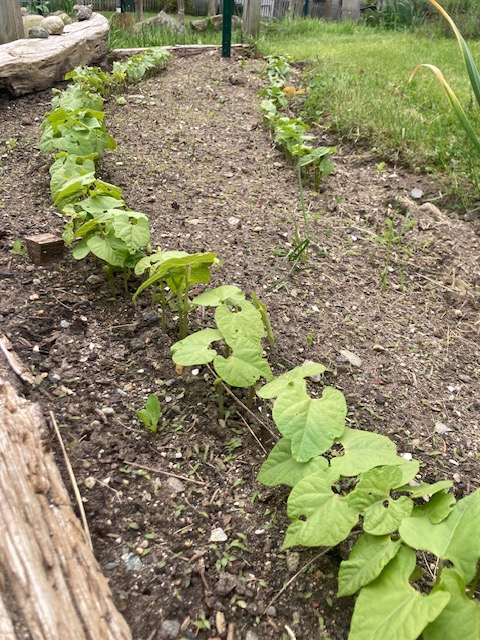
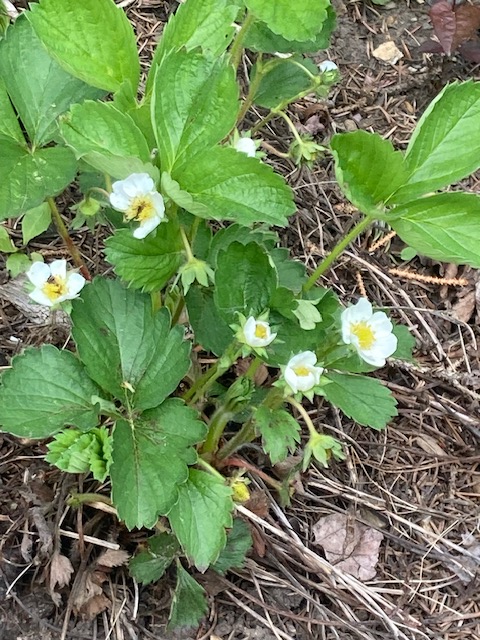
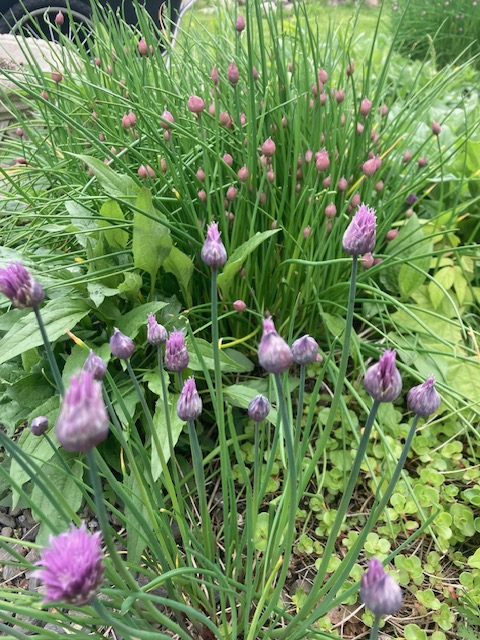
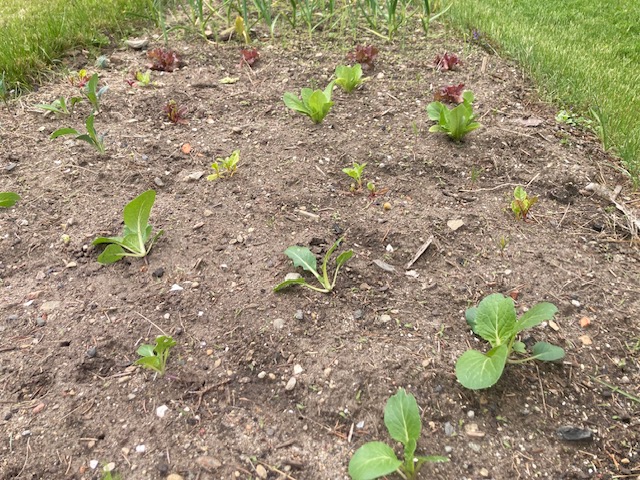
Summer is upon us! Our warm weather starts are ready to go into the ground: tomatoes, peppers, cucumbers, basil, and potatoes. Our cold weather starts do well and grow ever upright.



Ice Cream Revelations
Posted: May 2, 2025 Filed under: Child Centered Activities, Chronicles of a First Time Parent, consciousness, What is an Art Farm | Tags: Carl Jung, creativity, dreams, Mayan Long Count Calendar, Primate of Ireland, psychology, Revealtion 17, saint malachy, semi dwarf apple tree, spirituality, writing 1 Comment
I recently went driving at night with my children to go eat ice cream. Pope Francis having died, my daughter mentioned Tik Tok talk of the prophecy of Saint Malachy. As it were, I’m familiar with those prophecies, having heard about them almost 30 years ago.
Saint Malachy lived in Northern Ireland in the 1100s. Born Máel Máedóc, he served as Archbishop of Armagh and was the Primate of All Ireland – the highest ranking position in the Catholic and Episcopalian Church of Ireland. His predecessor was no less than Saint Patrick, known as the “Apostle of Ireland,” venerated as a saint in the Catholic Church, the Lutheran Church, the Church of Ireland, and in the Eastern Orthodox Church. ‘Tis no small role to be the Primate of All Ireland.
Malachy’s prophecy presaged 112 more popes before the Last Judgment. Pope Francis happens to be that 112th pope. The prophecy is widely debunked, but on social media it seems to be generating great interest.
My daughter explained the conventional view, that following the last Pope will come the rapture, when the dead and living believers will be lifted up in the air, ascending to heaven at the Second Coming of Christ. My son, a deep thinking Sagittarean, questioned, “what about the others?” I clarified, “…the Buddhist, the Muslim, the child of Indigenous parents…?”
My son questioned more deeply, “How can a God of love exclude half of the world’s population?” My daughter repeated the factual statement that the faithful believe theirs alone shall be redemption. When she spoke of the risen Christ, I queried about John 14:12 “These and greater deeds ye shall do” which means to raise the dead, to walk on water, to feed loaves and fishes to the masses…come one come all – he says – we the people all have that power. Who among us shall believe, and act?
And so we drove, into the dark night, eating our ice cream.
I reminded them that the world in fact came to an end on 12/12/12, just over 12 years ago. Such was the popular view, pre-Tik Tok. I spoke of the Mayan Long Count calendar, the end of a 5,126 year-long cycle. 250-950 AD was the Mayans’ Classic period, the peak of their large-scale construction, urbanism, monumental inscriptions, and significant intellectual and artistic development. Their flowering has been likened to that of Renaissance Italy or Classical Greece. Everyone reading this essay today knows that the world did not end on 12/12/12; the Mayan calendar’s end marked only a new beginning. In Hindu terms, this is Shiva’s cosmic dance, his never ending destruction creation cycle.
A friend has read the Book of Revelations and suggests that the current Commander in Chief is the 8th King of the Roman Empire, Revelation 17, “destined for destruction,” the Antichrist. Indeed we can read the “two beasts” as representing opposing forces of evil: one from the sea (Manhattan and Florida) is a political power that dominates the world, a healed gash to its head, seeking to establish himself as a pagan deity, while releasing scorpions. The beast from the earth (Africa), the False Prophet, helps the sea beast gain global control, sends fire from heaven and promotes the worship of the beast from the sea and works to deceive people through signs and wonder.
Carl Jung came to mind, in Psychology and Alchemy his observation that religions perfectly coopted the archetypes to their narrative. Scriptural writing to my mind seems symbolic more than a factual narrative. The end of one narrative is but the beginning of another.
Talk of the end of the world is not for the faint of heart. As we drove, as we ate our two scoops of ice cream in waffle cones, the popular song from 40 years ago by the band REM came to mind, “It’s the end of the world as we know it, and I feel fine.”
And so we ate our ice cream. We will figure it out in the light of day. The sun will rise, life will go on, world without end, amen.
__________________________________
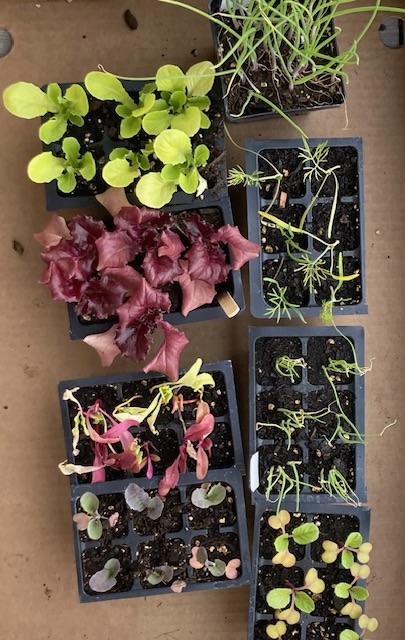
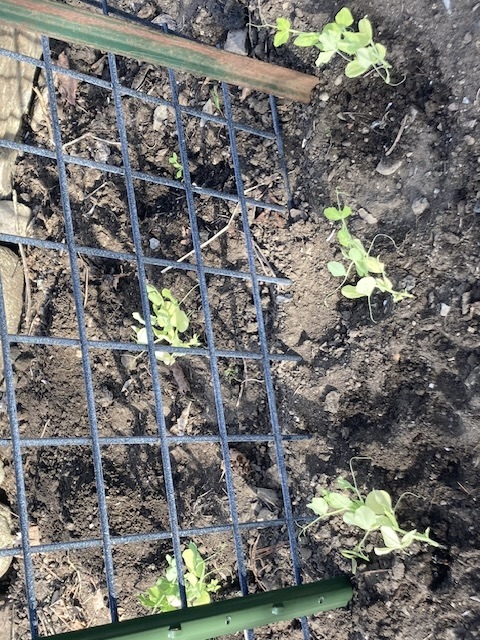
Gaia pushes up the Garlic while cold weather starts go into the ground: Kale, Chard, Lettuce, Pac Choy, Snap Peas, Fennel, Shallots, Scallions, Rosemary, Parsley and Thyme.

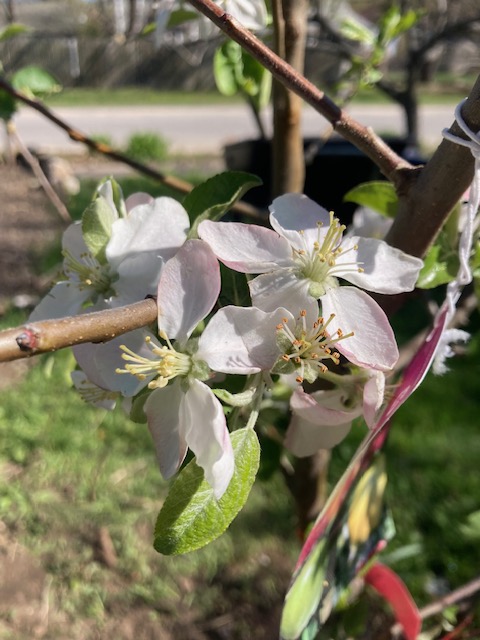
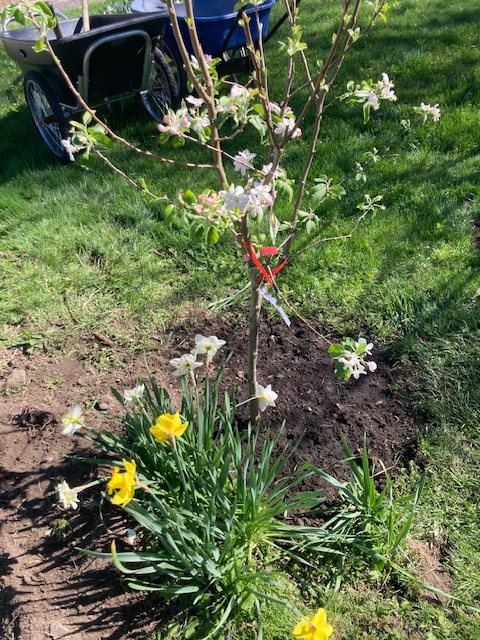
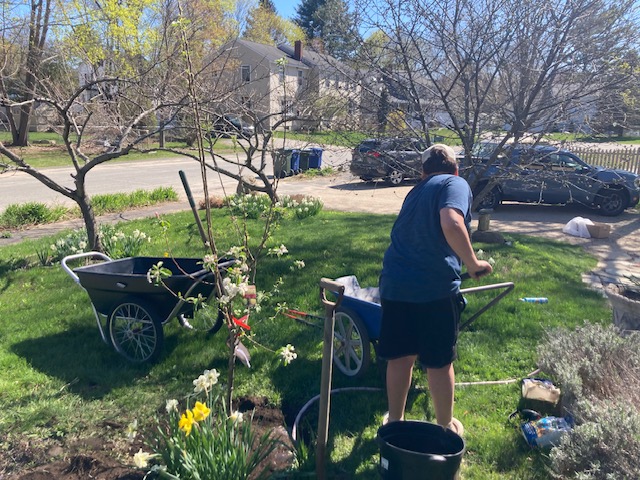
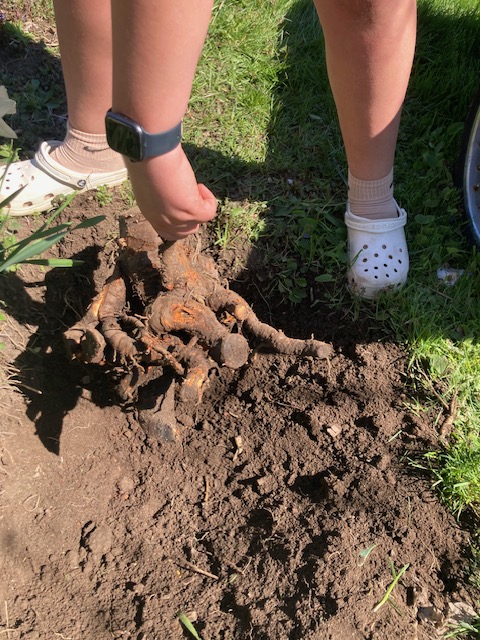
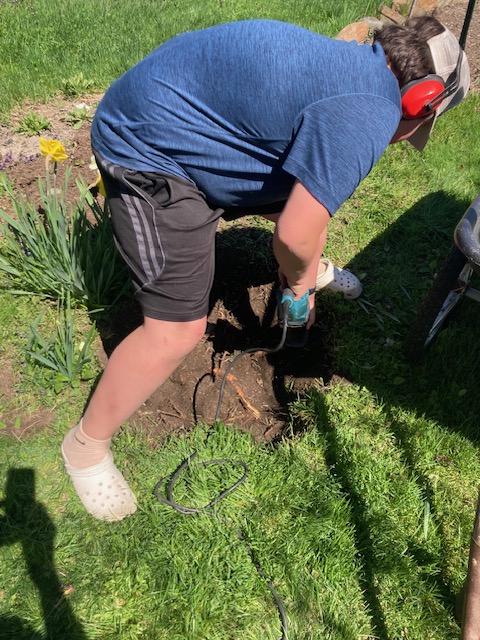
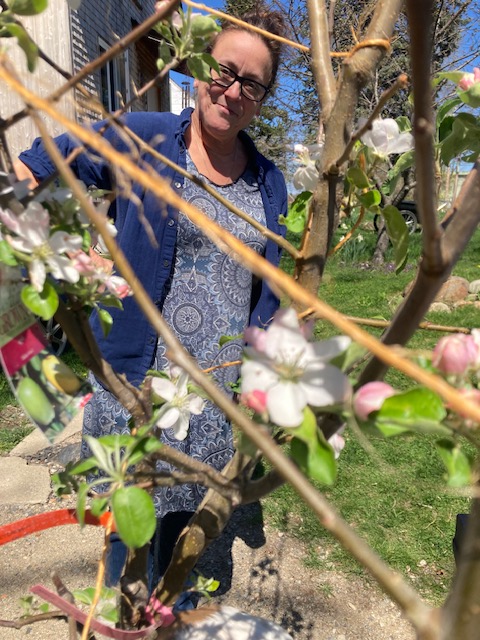
And most importantly, Eve has come to our garden! A 4-in-1 semi-dwarf apple tree, a gift from Grammy Moana to Becca, with four varieties grafted onto the root stock: Fuji, Pink Lady, Honeycrisp, and Ginger Gold. Something for everyone! She joins our two peach trees and a sour cherry tree. I cannot tell a lie, my son cut down our sweet cherry tree last summer, at my instruction. The trunk had a serious gash and its time was ended. Every end is a new beginning, the circle of life, and Eve has taken its place!


Swashbuckling Swamp Tales
Posted: April 25, 2025 Filed under: Child Centered Activities, Chronicles of a First Time Parent, Portfolio - Elena's work Leave a comment
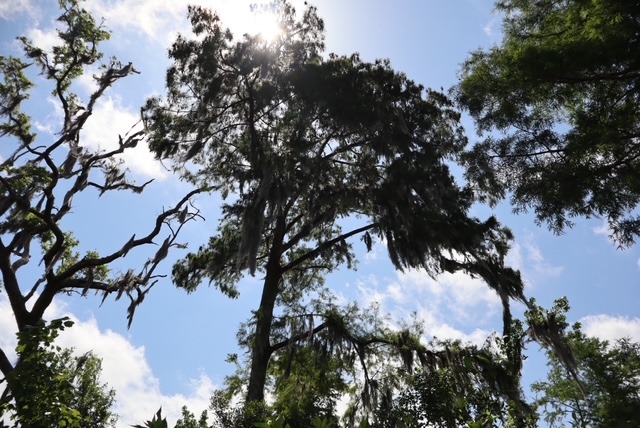
The children and I recently walked the swamp trails at 29°56’33” N by 89°59’39” W, the Barataria Preserve in the Mississippi River Delta of Louisiana. Long ago this was the land of Jean Lafitte, a swashbuckling rogue of French or Spanish or Haitian descent, a pirate and slave trader, as handsome as he was cunning and shrewd, who played all sides against the others in the era when Thomas Jefferson purchased Louisiana from the French in 1803.
During the war of 1812, King George III of England offered Lafitte and his men citizenship and land grants if they would fight for the British. Lafitte shrewdly leveraged that offer to form an alliance with the Americans – his piracy was easier against US Revenue agents than the British Navy – but then after Andrew Jackson agreed to a full pardon for all of his men, Lafitte’s troops fought with Jackson to defeat the British at the battle of New Orleans. The pirates’ skill with artillery was greater than the British Navy and Andrew Jackson praised their “courage and fidelity.”
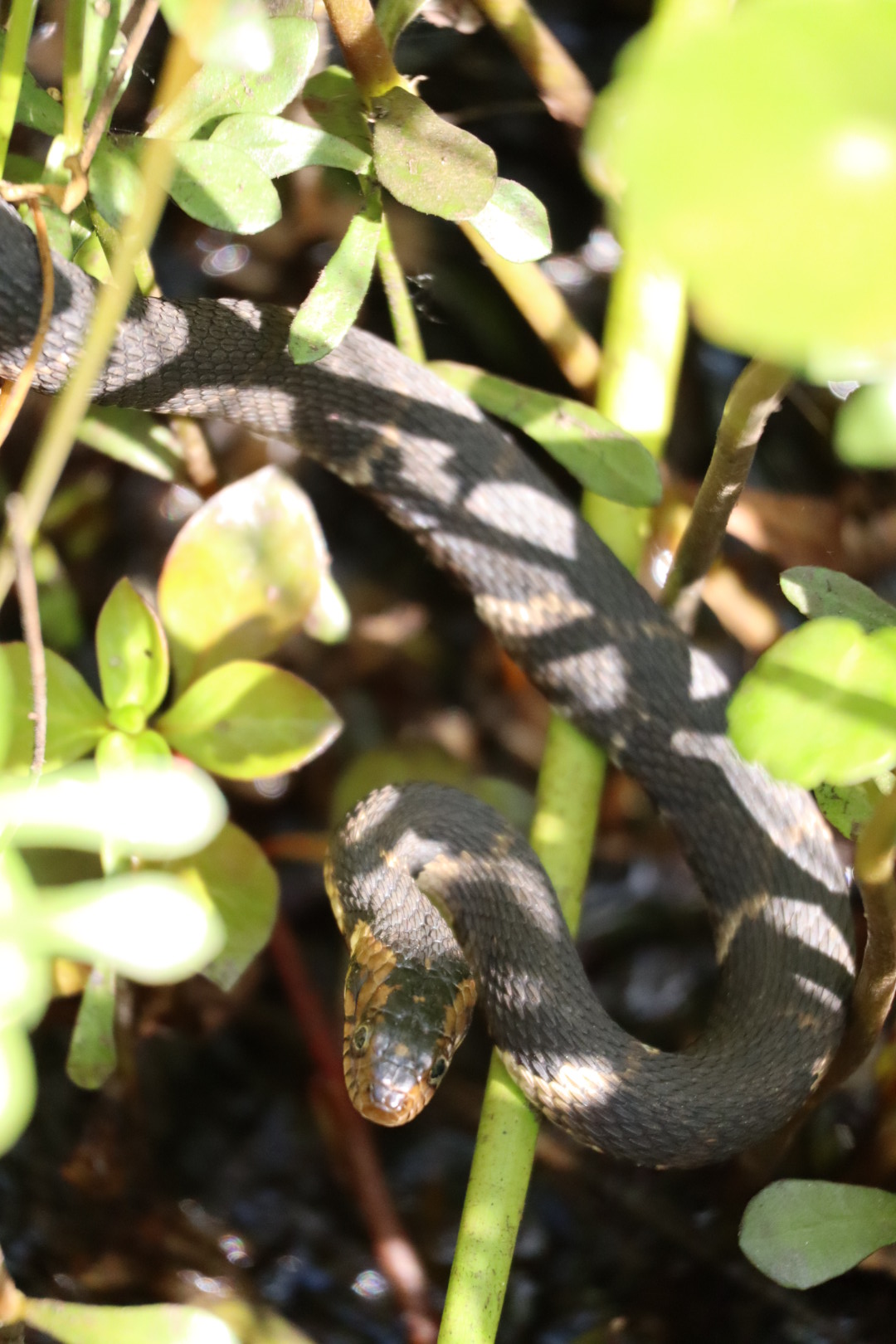
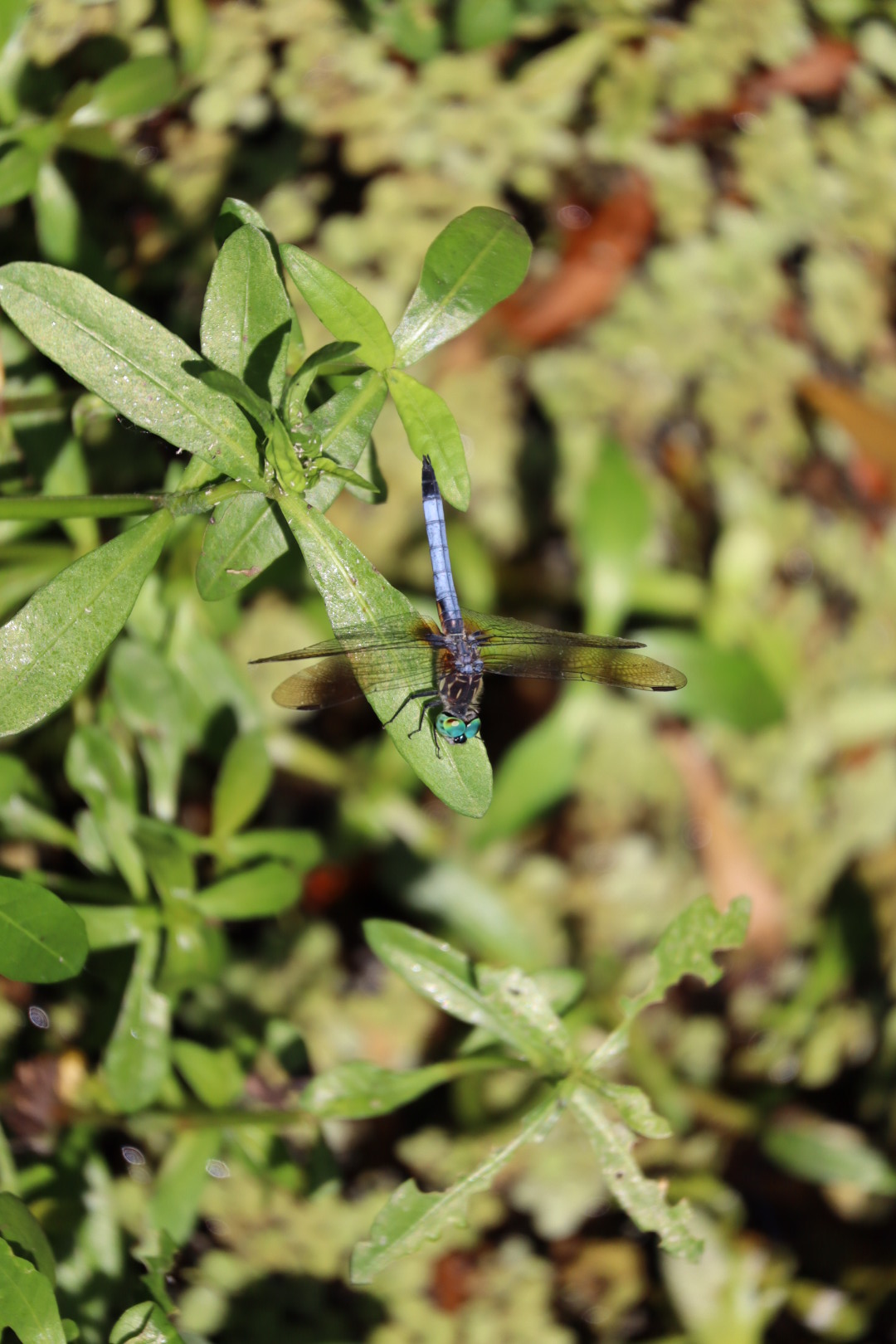
During the Mexican War of Independence in 1815, Lafitte and his brother acted as spies for Spain, which allowed them to develop Galveston Island as another smuggling base outside the authority of the United States. The swashbuckling history was of great interest to me, but my children only wanted to see an alligator. To no avail though, as the temperatures were warm enough that the gators laid low, hidden in the water to stay cool from the sun’s heat. We saw no gators, but plenty of snakes, frogs and spiders.








Isaac in Isolation
Posted: April 18, 2025 Filed under: Child Centered Activities | Tags: alchemy, books, consciousness, history, Isaac Newton, philosophy, rational mind, science 1 Comment
In 1665 the plague descended upon London, forcing all the residents to go into isolation. The COVID-19 of its day, in an age before plumbing or electricity, before iPhones and apps, the isolation was complete to a degree that we can barely fathom today.
A 22-year old named Isaac used his solitude well, conceiving the laws of infinitesimal calculus. Leibniz is credited with developing Calculus but young Isaac was 8 years ahead of him. Einstein has hailed the insights as “perhaps the greatest advance in thought.”
At the age of 44 Isaac walked in the gardens of Cambridge University and observed an apple falling straight down to the earth. So he surmised and proceeded to publish, in 1687, Principia which established the foundation for classical mechanics. A manuscript from the Royal Society retells this conversation of 15 April 1726, when Isaac told a colleague how the idea came to him:
“we went into the garden, & drank thea under the shade of some appletrees, only he, & myself. amidst other discourse, he told me, he was just in the same situation, as when formerly, the notion of gravitation came into his mind. “why should that apple always descend perpendicularly to the ground,” thought he to him self: occasion’d by the fall of an apple, as he sat in a comtemplative mood: “why should it not go sideways, or upwards? but constantly to the earths centre? assuredly, the reason is, that the earth draws it. there must be a drawing power in matter. & the sum of the drawing power in the matter of the earth must be in the earths center, not in any side of the earth. therefore dos this apple fall perpendicularly, or toward the center. if matter thus draws matter; it must be in proportion of its quantity. therefore the apple draws the earth, as well as the earth draws the apple.”
By the age of 55 Isaac had been named, by the British Crown, the Warden of the Mint, and then served as the Master of the Mint for 30-years. In contemporary terms, the Master was essentially the Chairman of the Federal Reserve, responsible to ensure the value and to assay the gold content of the King’s coins.
At the age of 62 the King bestowed upon him Knighthood, which is why we universally refer to him as Sir Isaac Newton, one of the towering figures in history, a paragon of rational thought.
What is less well known of Sir Isaac is that he was a leading alchemist of his day. The irony is almost mind-boggling: when alchemy was a crime punishable by death by public hanging the Master of the Mint was busy trying to turn base metals into gold. It is said of more than 10 million words of notes taken by Newton, 1 million at least pertained to alchemy. His interest was more than just a passing curiosity. By any conventional thought, that is an idea laughably hard to grasp.
What if alchemy is not about base metals turned into gold, but rather a symbolic language for the pursuit of higher consciousness? In the three-dimensional realm of conventional thought, where the laws of physics and Darwinian materialism reign supreme, what better symbolism could there be than “base metals” and “gold” referring to the path to wisdom of a greater whole.
Carl Jung in his Alchemy and Psychology and Fabricius in Alchemy: The Medieval Alchemists and Their Royal Art suggest that this is, in fact, the more accurate understanding. In The Foundations of Newton’s Alchemy, B.J.T. Dobbs argues that “Newton’s primary goal was not the study of nature for its own sake but rather an attempt to establish a unified system that would have included both natural and divine principles.” Newton was a critical link between the Renaissance Hermeticism and the rational chemistry and mechanics of the scientific revolution; in moving the scientific world forward, he looked back upon Neoplatonism, which in turn drew upon the writings of Hermes Trismegistus, the towering Hellenistic sage.
History teaches that higher consciousness threatens conventional thought. In 33 AD the self-righteous Pharisees had the radical street preacher put to death by public hanging. Martin Luther King had an FBI file and was assassinated for arguing that “all people are created equal.” In the year 2025, the pious among us ban books from libraries that challenge their narrow minded sense of self. The orthodox, it seems, are not expansive but restrictive and limiting.
Newton was wise never to publish his alchemical writings. In fact, many of them were burned by a fire; the story told that a dog knocked over a candle in his study, but one wonders what was the risk to his reputation for that intellectual pursuit. He remained, in a sense, in isolation throughout his life for his pursuit of alchemy.
The record shows that when Newton stepped down from the 2nd Lucasian Professorship of Mathematics – considered the single most prestigious professorship in the world – his replacement, William Whiston excoriated Newton publicly for his highly unorthodox views. No doubt Professor Whiston was smug in his self righteous words and considered the case closed. But in fact, it may be that he had simply locked himself, and his peers, inside the box of self limiting, rational thought.
The world is more vast than we tend to conceive. It would seem the challenge of our times now is to expand our collective higher consciousness, to awaken and more fully hear and embrace those “mystic chords…of our better angels.”
________________________________




Habeas Corpus, Habeas Vox
Posted: April 11, 2025 Filed under: Child Centered Activities, Chronicles of a First Time Parent, consciousness | Tags: constitution, history, politics 2 Comments
One recent morning, my son stood in the kitchen, riveted, listening to the radio. Briskly he spoke, “Dad, how can the President deport citizens for what they say? Isn’t this a violation of their First Amendment rights? When someone enters the country legally, they gain the right of free speech!…upon entry, but they are being deported for saying things the President does not like! They have the right to speak! I don’t understand this!!?” My son’s concern for Free Speech coincides with the right of Due Process.
Knowing it takes a village, I reached out to his cousin WMMK – my nephew – a young law professor who, as it were, is an expert in habeas corpus, which is to say Due Process. WMMK has been published, arguing that habeas corpus is the “…Great Writ of Popular Sovereignty — a tool for We the People to insist that when our agents in government exercise our delegated penal powers, they remain faithful to our sovereign will.” WMMK argues “…the implications for the law of habeas are profound…Paradoxically, shifting from a libertarian to a popular-sovereigntist conception of the writ might yield habeas doctrine more capable of protecting individual liberty.”
My son having raised questions of individual liberty, and given his cousin’s strong clear voice, I decided to create a homeschool Humanities Seminar. Habeas corpus in Latin means “you should have the body.” And where there is a body, there is a voice. Thus we prepare to homeschool “Habeas Corpus, Habeas Vox: Due Process and the 1st Amendment.”
All roads do not lead to Rome. Plato and Aristotle taught that justice within the state held civic virtue (“arete”) as its key; they did not teach specific legal mechanisms to protect individual liberties.
It would take a peasant boy, born in Dardania (present day Balkans) to craft those mechanisms. Justinian – Emperor of the Byzantine Empire – not only built the Hagia Sophia but codified the great Roman jurists; his Corpus Juris Civilis (“Body of Civil Law”) (529-534 AD) endures as the basis of European and International law. But the heavy lifting came in medieval England.
King John was arbitrary and autocratic, and so his Barons spoke up and rebelled. They forced him, in 1215, to sign the Magna Carta which guaranteed “No freeman shall be taken or imprisoned or disseised or exiled or in any way destroyed…except upon the lawful judgement of his peers or the law of the land.” Given habeas vox, so then habeas corpus; the Habeas Corpus Act was codified in 1679 and remains on the statute book to this day: prisoners cannot be held indefinitely without a judicial review of their detention.
The origins of free speech – in the Western tradition – go back to Athenian democracy, in the late 6th or early 5th century BC. They had two concepts of free speech; isegoria was “equality of speech” where all freeborn males had a direct voice in debating and passing laws, while parrhesia was “uninhibited speech,” a culture of tolerance and the free exchange of ideas and criticisms. Erasmus (circa 1500) and Milton (1644) weighed in, but again it was the English Parliament, whose Bill of Rights in 1689 established the constitutional right of freedom of speech. On that recent weekday morning, my son honored that tradition, arguing on behalf of individual liberty.
What then shall our seminar entail? I have begun assembling a reading list to include:
- In Classical Greece justice was the proper functioning of the state as a whole, with community and mutual respect valued higher than individual liberties. The greatest punishment was for the intransigent to be exiled, which is to say to have their voice taken away.
- Justinian’s reign occurred at a hinge point of history. Considered among the greatest, and the last, of the Roman Emperors, his achievements marked the apex of Roman expansion, until a flea carrying the bubonic plague brought massive death: between 25 and 100 Million deaths and the downfall of the empire. The armies of Mohammad easily ransacked both Rome and Persia, and history moved from late antiquity to the medieval world.
- The Magna Carta was foundational to British Common Law, as developed through judicial decisions rather than written codes; “Stare Decisis” means that courts shall follow earlier rulings in similar cases, with precedent as the governing basis. Stability is a virtue. The British Bill of Rights built upon this tradition and became the basis for much of American law.
- The Judiciary Act of 1789 established the American judiciary – the mechanism of due process – and was followed by Amendment One to the USA Constitution, ratified on December 15, 1791: “Congress shall make no law respecting an establishment of religion, or prohibiting the free exercise thereof; or abridging the freedom of speech, or of the press; or the right of the people peaceably to assemble, and to petition the Government for a redress of grievances.”
- Abraham Lincoln suspended the right of habeas corpus at his sole discretion when he signed The Habeas Corpus Suspension Act of 1863. He argued the public safety required it, such as during rebellion or invasion of the Civil War.
- And finally, we will come to the present day, to discuss the fundamental meaning of freedom of speech with American habeas as the vindication not of individual physical liberty, but of popular sovereignty. How does the state protect the voice of “We the People”? WMMK will lead this discussion.
We need pay heed to the fact that for every minute we ponder such noble thoughts, in El Salvador, Kilmar Abrego Garcia is detained wrongfully, without due process, by an administration driven not by justice but reptilian id, anger and revenge for its own gratification; how frail is the law to those who shall not heed its calling. The Magna Carta is but words on paper in the face of any regime that abuses human rights, and these rights must belong not to the privileged few, but to all people created equal.
We study the past to inform our future; patterns of discrimination are the reality against which this philosophy need be understood, in order to raise my son with both an intellectual understanding and the emotional intelligence of a 21st Century global citizen.
______________________
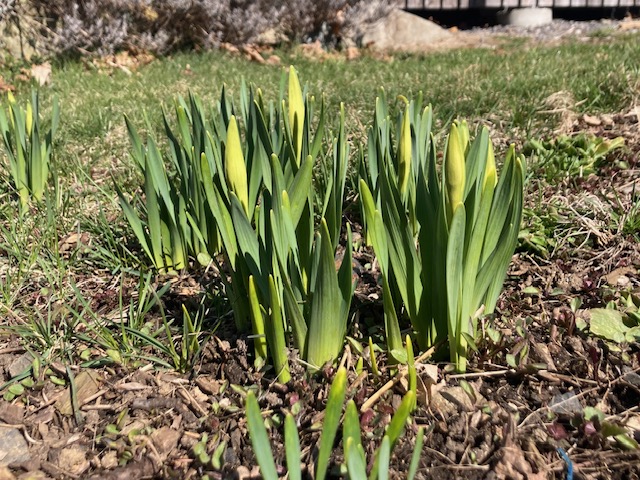
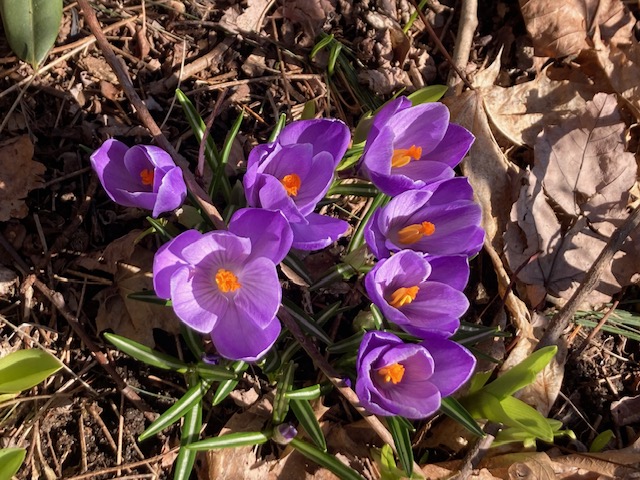
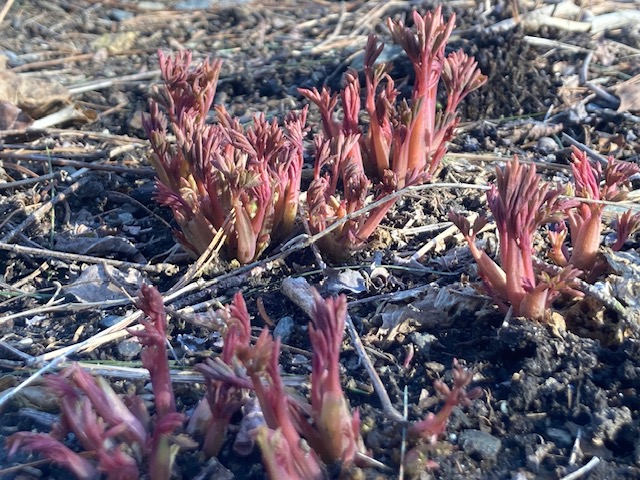
Persephone returns…




Beyond the Rubicon
Posted: April 4, 2025 Filed under: Child Centered Activities, Chronicles of a First Time Parent | Tags: education, family, homeschool, homeschooling, Khan Academy, parenting, the trades 2 Comments
And so it came to pass, on the 10th day of March I delivered to the Superintendent my Notice of Intent to Home School. Life’s newest adventure began with a flurry of last-minute decision making.
On that same day the local School Department announced a $5 Million budget shortfall, and the Department of Education began to be decimated. Change abounds; our timing providential.
There is no turning back.
A world of materials is available online. Khan Academy is one not-for-profit free site with a goal “to create online tools that help educate students.” The site has 168.7 registered users, 58.7 Billion total learning minutes, and annual revenues of $107.3 Million. My son had used the platform at school, so we adapt that to our needs.
With DOGE-like efficiency, we pare the day down to its most basic form. The result is productive. The conventional middle school day lasts 6.25 hours, of which half is spent in homeroom, lunch, recess, “Jobs For Maine Graduates,” plus walking the halls between classes; thus about 3 hours for straight line study of Math, Science, and Humanities but a portion of classroom time is lost in the quotidian, explanations and questions, the general bustle. The essential learning reduces further toward 1.5 hours. At home we easily do that much, then add in outings, exercise, and hands-on experience. Bottom line: my son is engaged.
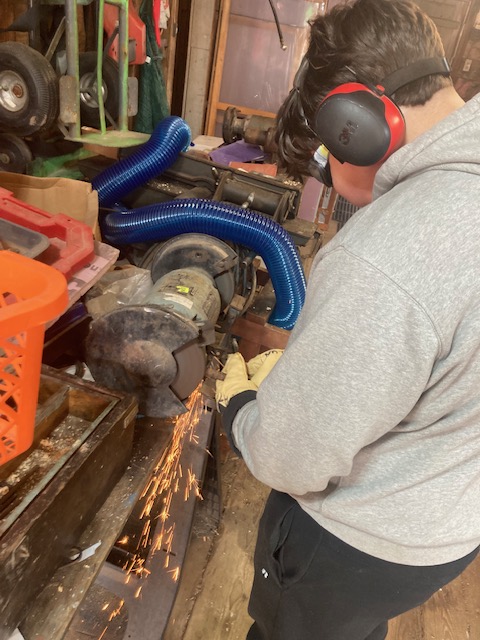
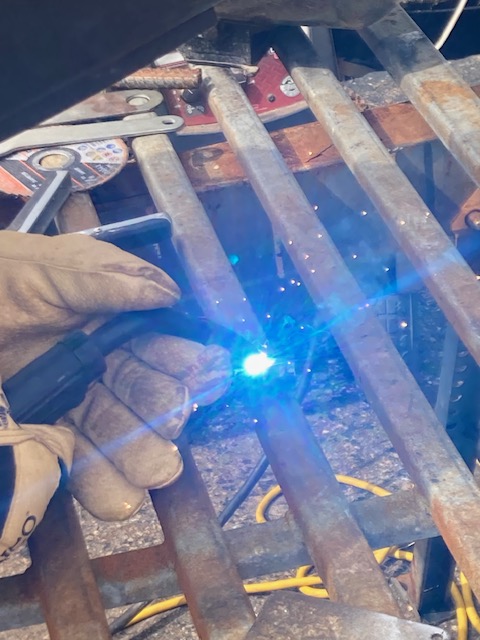
For Science, we have been using the Periodic Table of Elements to learn welding. I hired a friend, the “Pema Professor,” a journeyman philosopher/carpenter to teach this course. We drive to his home in Lyman, Maine. The first week’s homework was to circle the elements Hydrogen, Helium, Argon, Iron and Carbon. We also discussed the Noble Gases and Noble Metals. The practicum was MIG welding, an electric arc between a continuously fed wire electrode and the metal, melting both to create the weld – a pool of molten metal – protected by a shielding gas. Argon prevents water from entering the weld, which would lead to rust, to failure.

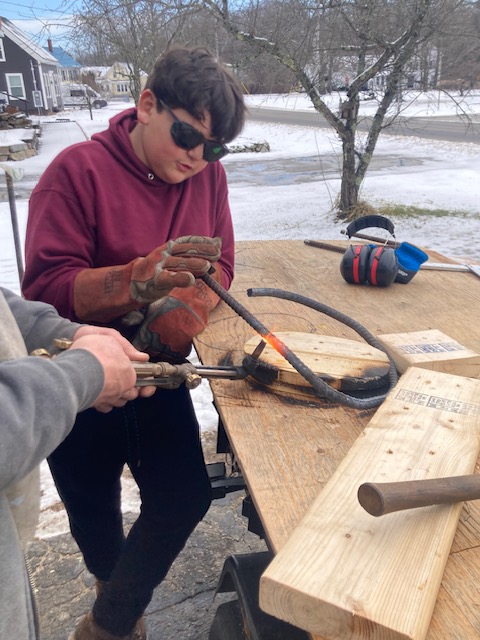
The second week focused on the difference between an element and a molecule. My son used an acetylene torch to bend metal. Acetylene gas is mixed with oxygen to create a high-temperature flame, reaching well over 1,000 degrees. The metal turned cherry red then bent as the heat increased the energy, electrons moving freely, expanding, creating a pliable rather than rigid structure. My son held the torch, set hot metal into a wooden jig, his weight laid against the rod, it bent. He is forming the letters of his name. Making his mark.
For math we are doing online exercises and learning the Pythagorean Theorem. Hidden in plain sight, Pythagorus resides in every corner of every room. As we design and build a trapezoidal bookcase, he can measure and calculate the legs and hypotenuse, help prepare the measured drawing and then build. Stay tuned on that one!
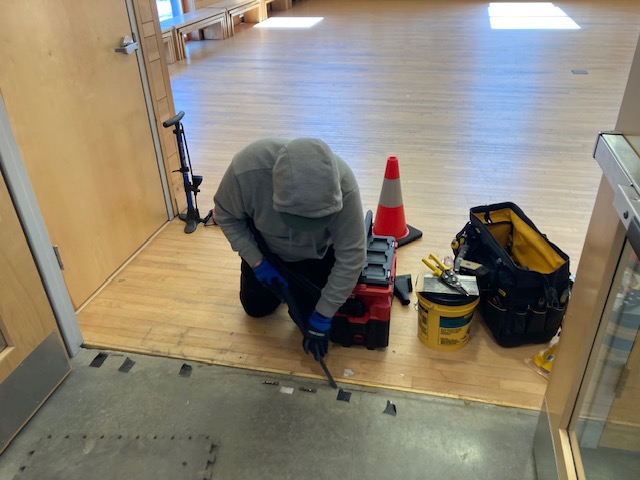
He has asked to be more challenged, and so I expand our repertoire; more math handouts and more reading materials to come. He is cooking meals, which brings a chance to study weights and measures, even converting metric to standard. As the growing season erupts we will dig into the earth at friends’ farms. My son helps with repairs at the Friends School of Portland; as a private religious school OSHA and Child Labor Laws do not pertain.
To assist in our holy experiment and to handle the annual assessment I have hired a State of Maine Certified Teacher. Alexander the Great, at the age of 13, was tutored by Aristotle; I shall refer then to this teacher as “Our Aristotle.” A young man, he was my son’s student teacher last year in the 5th grade; a keen and passionate observer, dedicated to his students’ needs. He was fired when the Assistant Principal told him – at the last hour of the last day – to change classrooms. “Our Aristotle” declined, reasoning that his students would benefit from closure, while an abrupt change would abrogate their experience while giving worthless time to engage new students. The Assistant Principal issued an ultimatum but “Our Aristotle” called the bluff; escorted out of the building, his dignity was in tact. The Administrator lost on all counts and all the students were left wanting.
My son, born of the “Anxious Generation,” comes of age during an epidemic of mental illness and teen suicide. Social media is a black hole, its focus upon other, not self. Grounding must come from within. Such is the tradition of New England: Henry David Thoreau, “Go confidently in the direction of your dreams! Live the life you’ve imagined,” or the Bard of Concord, “Trust thyself: every heart vibrates to that iron string.” Our Aristotle exemplified same in his refusal to acquiesce. He spoke truth to power.
Such then is the temperament we want to shape our son’s bearing and so our team grows. Life has no dress rehearsal. My son comes of age now, I am charged with his education. Schooled to the standards of the state, he will be educated to all of life.
In March we crossed the Rubicon. Now we go forward daily. We shall see where all this leads.









 an Art Farm