Eugenius
Posted: March 27, 2026 Filed under: Art & Healing, Child Centered Activities 4 Comments
The sine qua non of my childhood, Eugenius and I grew up together in the era when Steve McQueen was a motorcycle riding bad-boy grey-sweatshirt-wearing prisoner-of-war locked in the “Cooler” of a Nazi POW camp. The sweatshirt was plain grey, no logo; the 1960s an era long before branding became “merch.”
Waking at dawn, Eugenius and I would eat non-sugared cold cereal in 2% white milk, lace up our black Stride Rite sneakers, pull grey sweatshirts over our head, then dash off, running until well past dark, endlessly in the woods and along the creek of our childhood home. Our mates were the Aiston brothers – Chris and Kevin – who went barefoot, even in winter. The youngest of 10 children, plus more than 20 cats, Rudy the Rooster and his flock of hens, and a Great Dane named Mukhuba, a name of African origin which means “strength or resilience;” life at the Aistons was at the vanguard of the counter culture. Our home was centrist-conservative, but we were allowed to run free, so long as we were home for dinner, hands scrubbed and seated at the table at 6pm, sharp.
We were joined at the hip. Touched by the muse, he learned the piano, so I taught myself the drums. Eventually I went to Art School and drummed with a Ghanian Tribesman Master Drummer, then dropped out, so when our Father, two months later, dropped dead suddenly, at age 52, I moved north to Milwaukee to run with Eugenius again.
He was in college. Following the centrist-conservative path, he studied Business Administration – Marketing at Marquette University. Following his heart, he rode the bus across town to study jazz theory at the Milwaukee Conservatory of Music.
At Marquette, I audited a Philosophy of Aesthetics class, read James Joyce’s “Ulysses” with a Knight of Malta (from West Allis, WI), discussed theology with a radical Benedictine monk, who taught freedom, simplicity and the enjoyment of sensory creation, “Desire is not sin. Desire is love waiting to happen.”
Eugenius’ jazz teacher was a man named King, a pianist-educator-mentor regaled as “avuncular and oracular.” King, who co-founded the degree-granting jazz studies program at the Conservatory, was widely known as a child-prodigy who became a harmonic genius. He grew up in Southern Illinois, received a Masters in Music in Nashville, Tennessee, then, during Jim Crow, emerged from the tradition of Earl “Father” Hines, bridging early jazz with bebop. A traveling jazzman, by night the King would get the white WASPs dancing, then slept in his car; no room at the Inn, the era of “separate but equal.” As if.
Seated beside the 5 packs-per-day chain-smoking King, Eugenius drank of the mysteries of harmonic theory, how to build chords, the conceptualization of “common tones,” the Circle of Fifths: the inner workings of the Muse and her music. Mante Ellis, a jazz guitarist and cofounder of that jazz program, remembers the King this way:
[He] would teach you all about everything, why it works like that. He was a monster wasn’t he?… he’d pick like F# lydian or something and make a kid go, ok, “F#”, you know, and he’d go through it and when you’d stumble he’d laugh. And he’d go up to you, because he wanted everyone to know everything. But the line he kept coming back to was, “The human mind tolerates what gives it pleasure, and what gives it pleasure is what it can do without thinking.”
And when he taught, he taught thorough. It wasn’t just a scale, he taught you why the scale, and why each note in that scale became a part of a family and the whole world was harmonious. Each tone in every scale is harmonious with itself. That’s why, you know… I thought about that. You go back and little simple shit that he taught, if you know that, man, it’s easier at the top.
What is sound? Well, sounds are vibrations that are controlled. If he asked anything about it, he’d ask what does 440 mean? 440 vibrations per second. Anything that vibrates is going to produce that sound. And what he meant by harmonious, you got even numbers and uneven numbers of vibrations. The even numbers won’t conflict. Uneven numbers and even numbers (hits fists together). Common sense. So, you studied with him, man you learned everything. The overtone series and all of that shit. Aw, man, he taught me all of that shit.
Eugenius as pupil, the King’s parting advice was, “You need to go break your heart. Then you will return to what you love.” In Milwaukee, we were kids “chasing the voodoo down” but as life moves on, so did we.
After Milwaukee, I studied Classical Literatures and Languages, while Eugenius moved to Kansas, a traveling salesmen hawking medical supplies. He was accepted into the Kellogg School of Business, Northwestern University’s world-ranking MBA program, but on the seventh day, walked into the legendary Dean Donald P. Jacobs’ office and announced, “I am going to drop out.” “To do what?” “To study classical piano,” Eugenius replied. Caught off guard, the imperious Dean Jacobs said, “No one has ever told me that. I wish you well.”
Having dropped out, west went the young Eugenius, and I rode along, his small Honda pulling a U-Haul trailer. We crossed the Rocky Mountains, the New Mexico desert by night, our destination the mile-high desert plains of Prescott Valley, Arizona. He found a studio apartment, bought a Steinway B, then slept under it because there was no room for a bed. He followed his heart.
Eventually I too moved west, lived with him again but then moved to Hootenanny Holler, Arizona, on my vision quest to create a currency based upon people’s ability to communicate. That was 1993, when the internet was young, a wild future was nascent. Data fuels the internet, and peoples’ communicating drives the data. What I saw was upwards of $300 Billion per year in profits, which if owned by the community, rather than capitalists, could become a vital force for the common good. I flew too close to the sun, crashed and burned. As the King had said, “You need to go break your heart. Then you will return to what you love.”
Decades have passed. I picked myself up, moved to Maine, worked as a carpenter and public art fabricator, but now homeschool my son at the “dawn of the post literate age.” I am increasingly convinced that rational self interest is self-limiting; that world culture is reaching a Copernican moment, when the mere rational needs to expand and embrace the intuitive, the heart, and its underlying motivations rather than the mind and its ego. So who better to call than Eugenius, to co-create a class “Math as Music: the Liminal Edge of the Rational and Intuitive.”
In the first class, Eugenius introduced the mechanics of the piano: 88 keys at 200 pounds of pressure per string, so >220 strings = 18 tons of stress, approximately 163.64 pounds of pressure per string. The lowest note, A0, needs a string 6’8” while the highest note, C8, is 1”; the physics of sound – discovered by Pythagorus, the Greek philosopher – states pitch is inversely proportional to a string’s length.
My son knows that when a vehicle passes, it emits a sound; not the engine noise, but the “whooshing” sound of displacement, an object moving through space. Pythagorus also knew that. So when Eugenius taught about harmonic overtones, the infinite sequence of harmonic pitches whose frequency is an integer multiple of any fundamental, originating tone, it was no stretch to talk about the “Music of the Spheres.”
Pythagorus intuited that the “whooshing” sound of celestial bodies – the sun, moon, and planets – produce a sound proportional to their motion, speed and size; Pythagorus saw perfect mathematical ratios creating a cosmic celestial harmony bathing the universe. Human life on Planet Earth seems chaotic, but the Music of the Spheres posits the cosmos is divinely ordered and harmonic.
It is only a hop, skip and jump from Pythagorus to Johannes Kepler’s Third Law of Planetary Motion, known as the “law of harmonies:” the square of a planet’s orbital period is directly proportional to the cube of the average distance from the Sun. Simply put, planets further from the sun take longer to orbit the sun. Kepler, strongly influenced by Pythagorus, was both a mathematician and a musical theorist, and his master work is known as Harmonice Mundi (The Harmony of the World).
So it this math or is it music? Is it jazz, or classical? Is life both-and rather than either-or? To an engineer coincidence is not correlation, but to a jazz musician coincidence can be inspiration. We are chasing that voodoo down. “Math as Music” is a playful exploration of pattern recognition, which is fundamental to intelligence.
Eugenius put it this way, “Curiosity plus repetition creates discovery and awareness. And the LOVE of LIFE instills a wonder and awe to understand the whole jiggling universe of which we are a quantum particle.”
__________________________
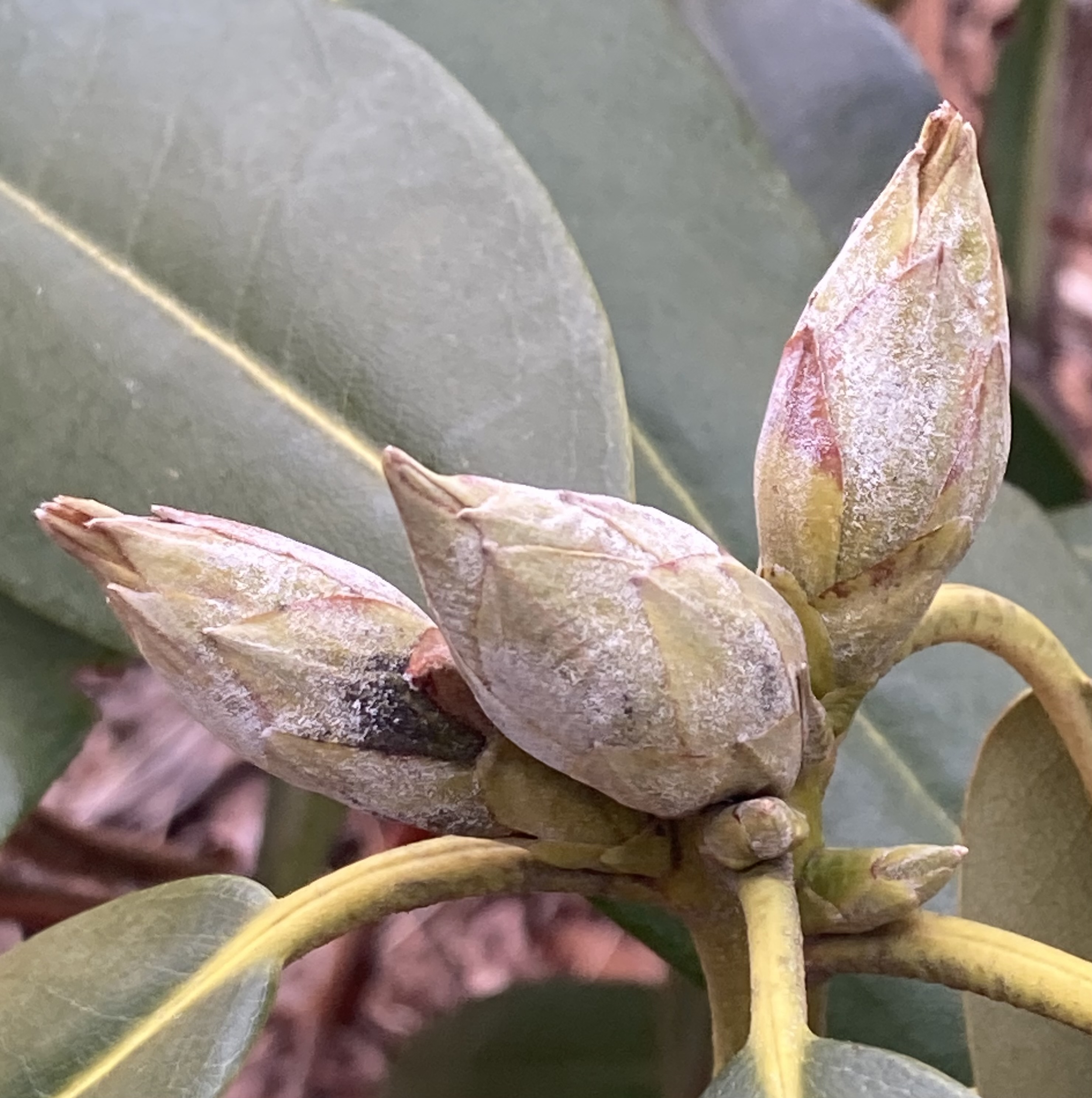
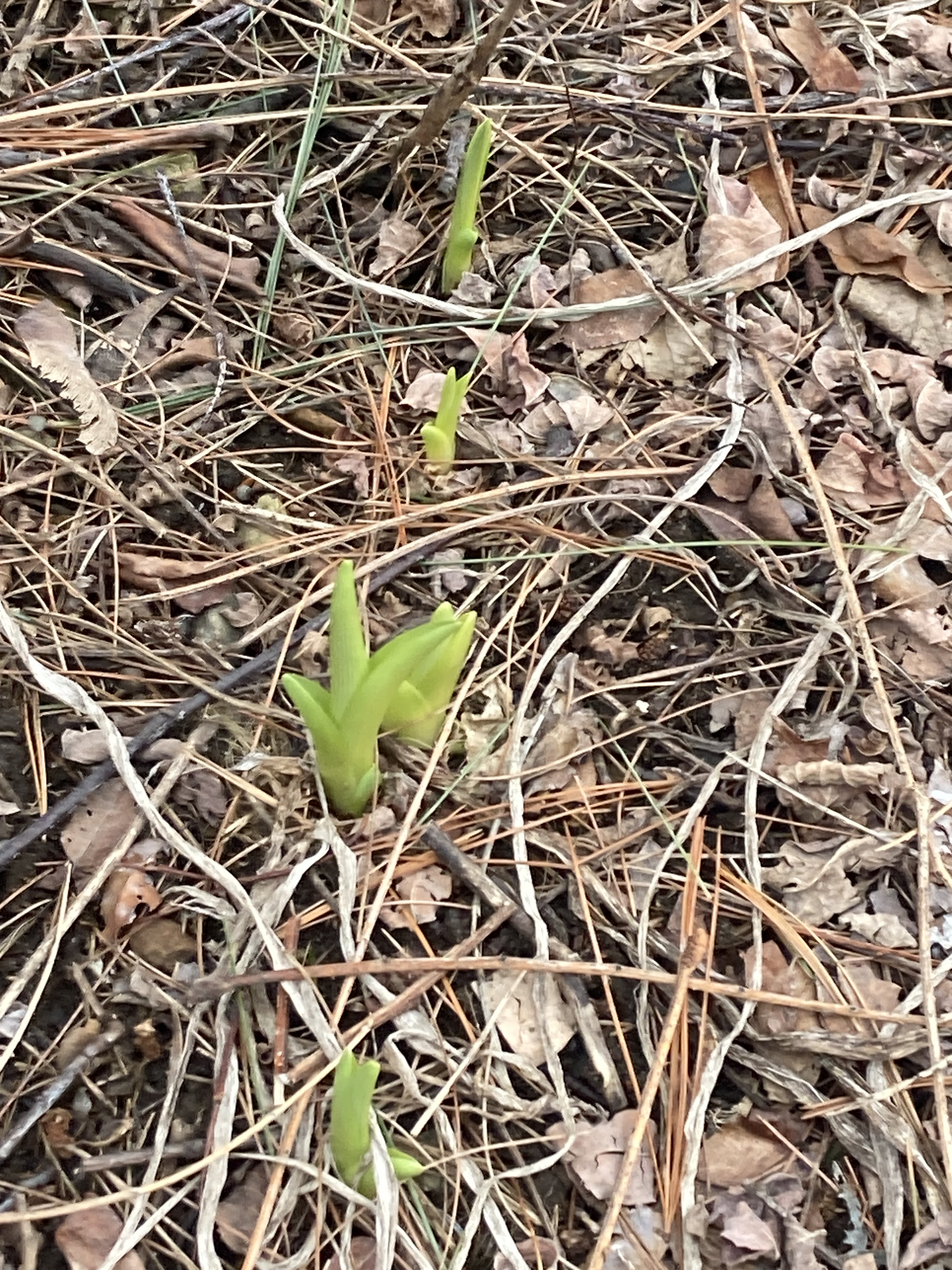
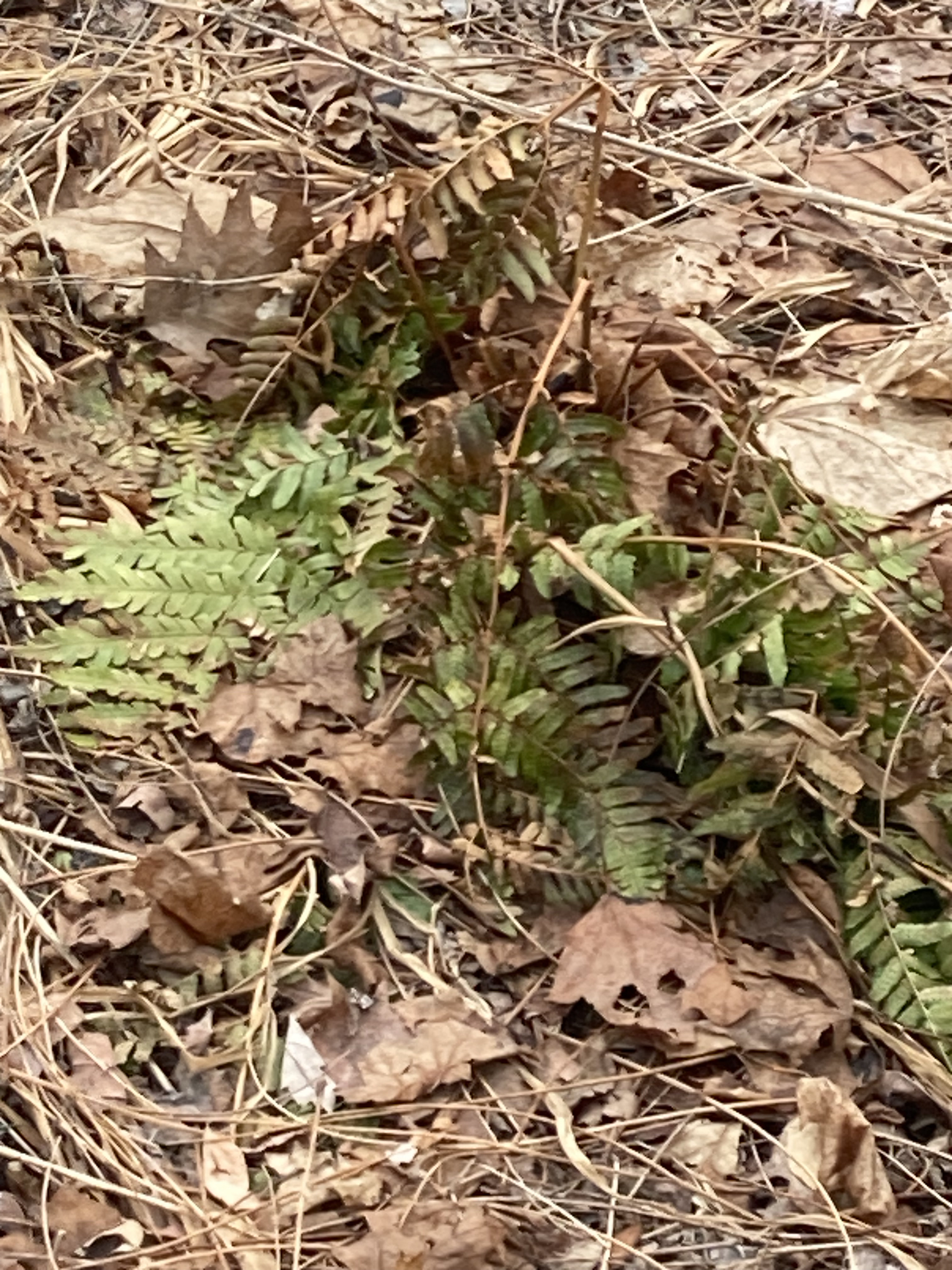
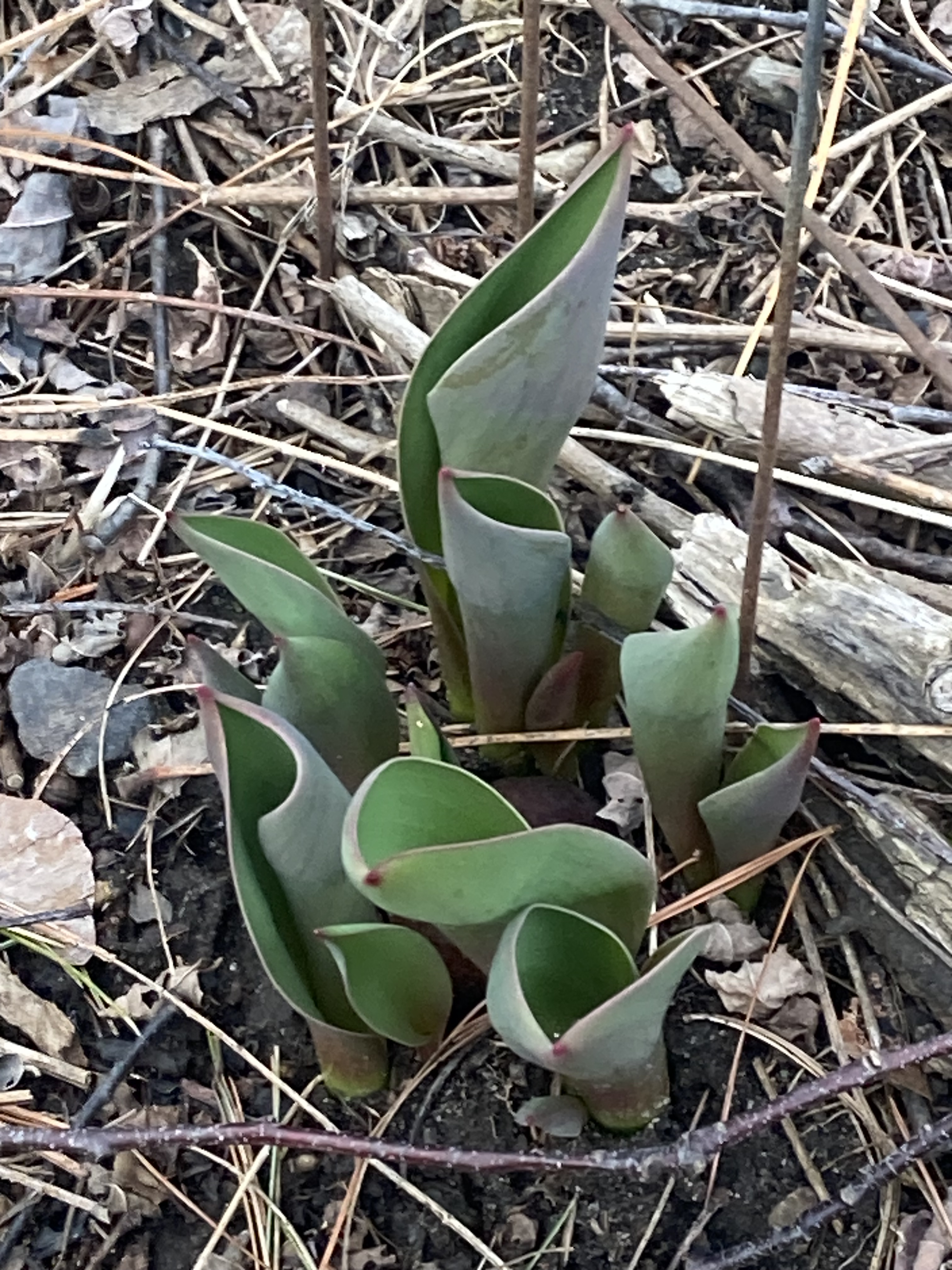
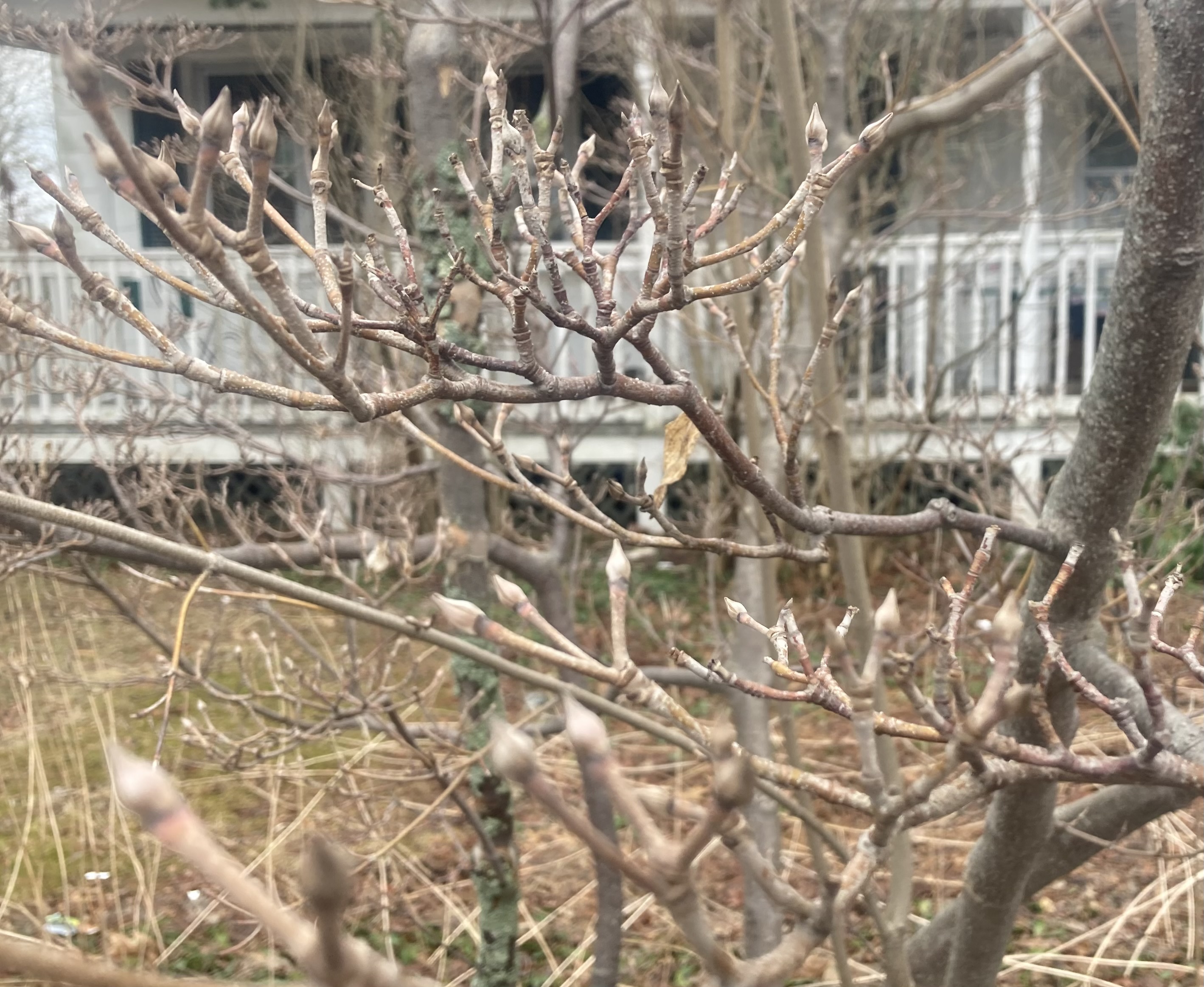
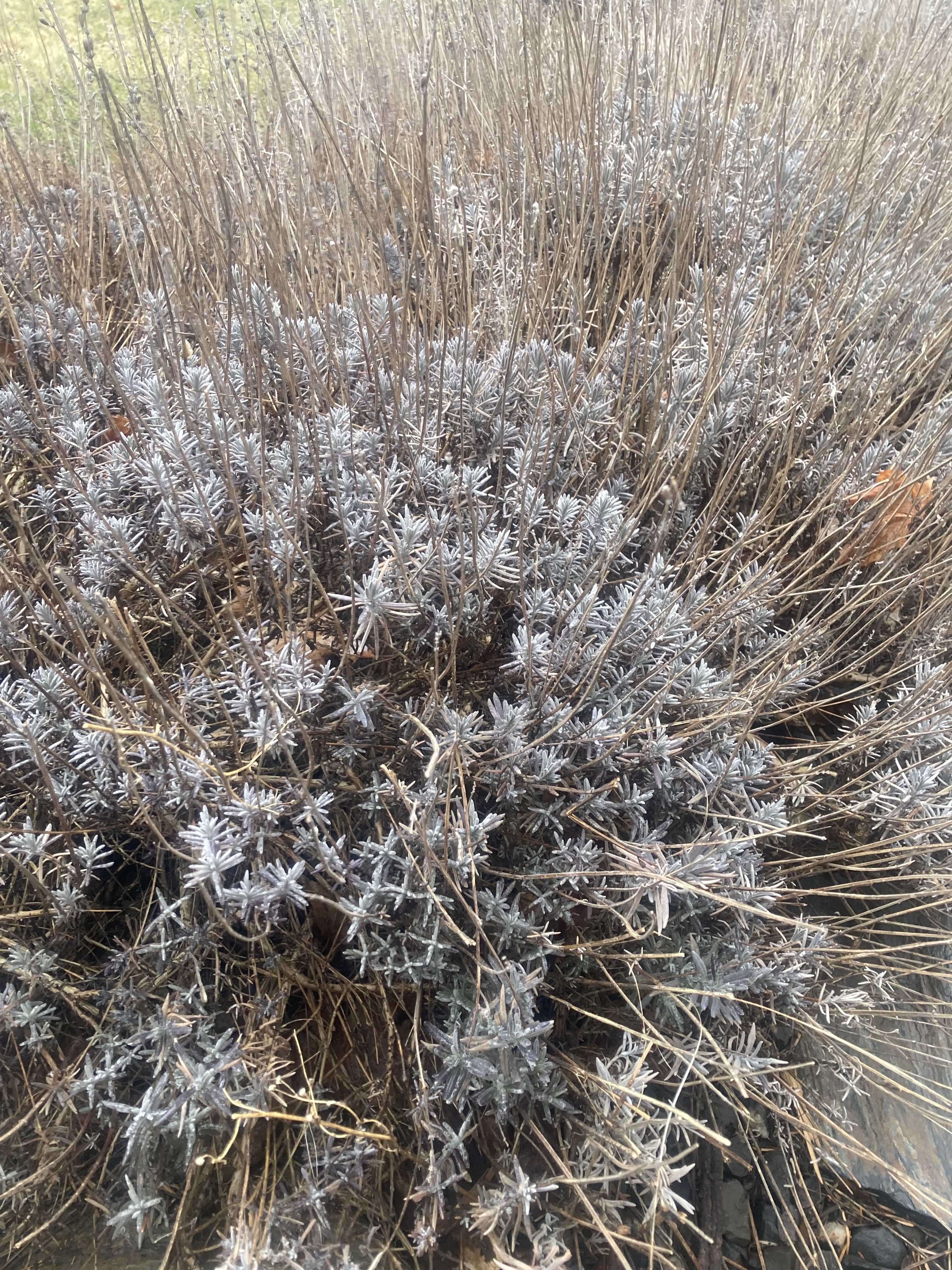
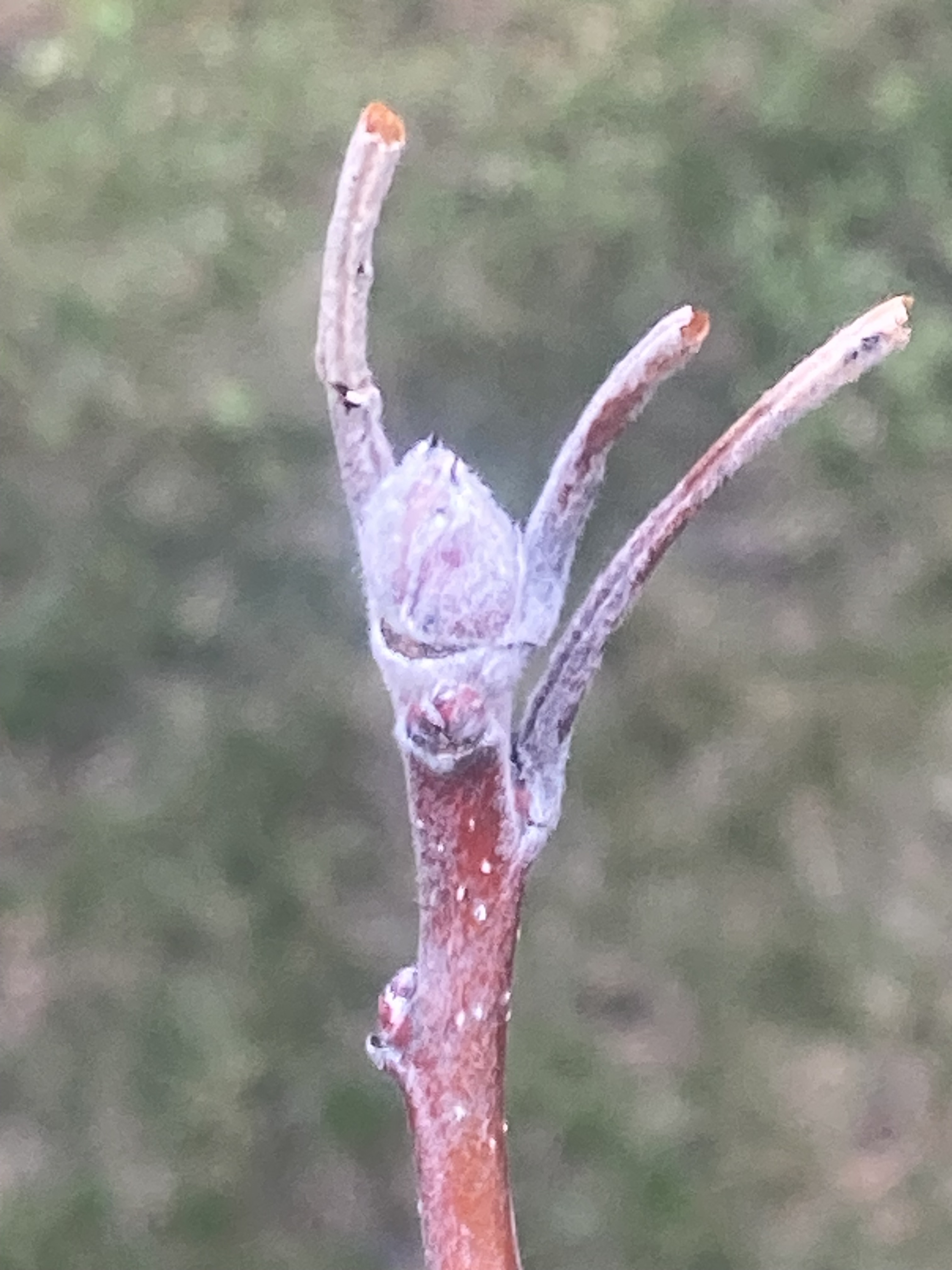
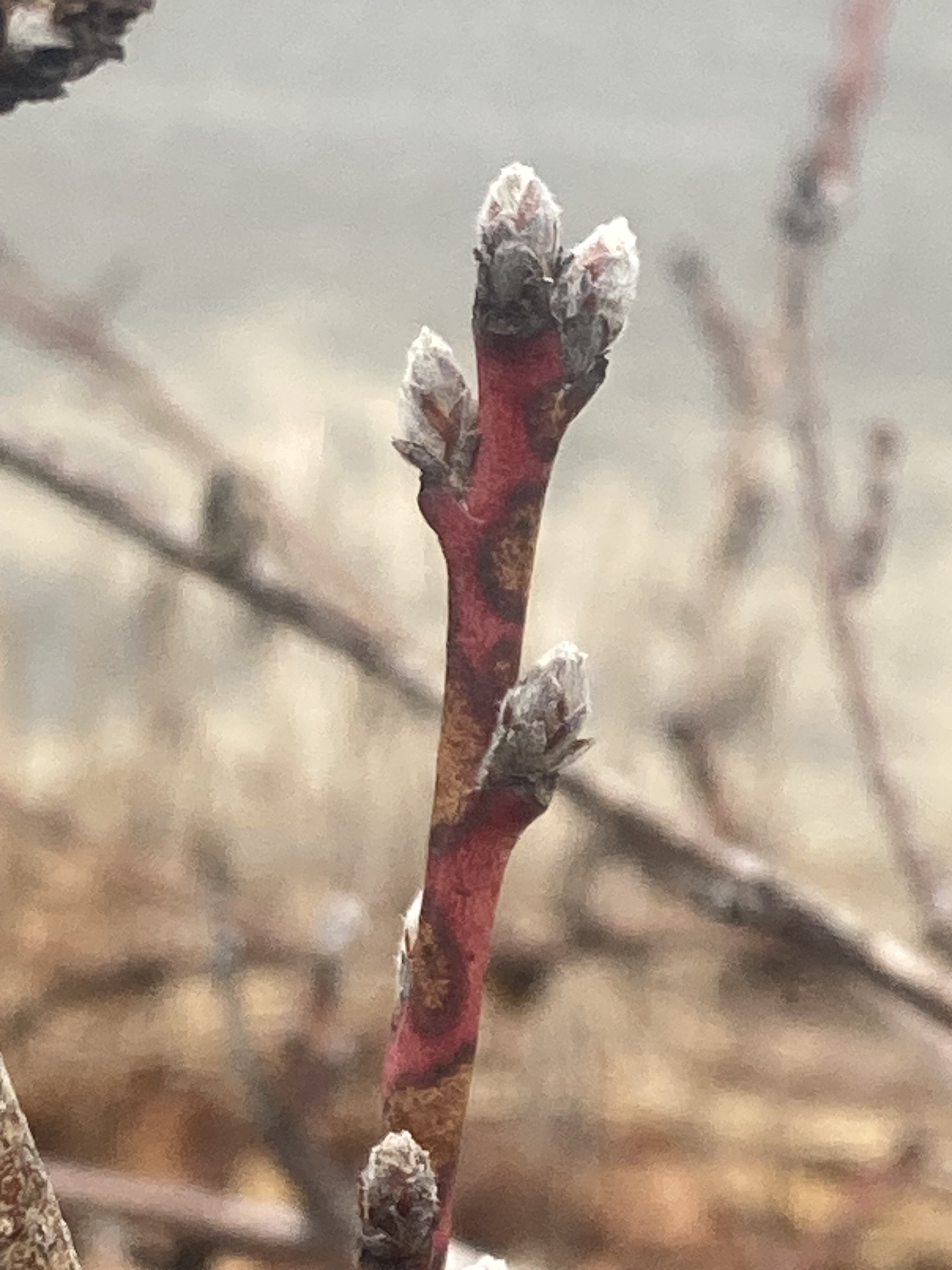
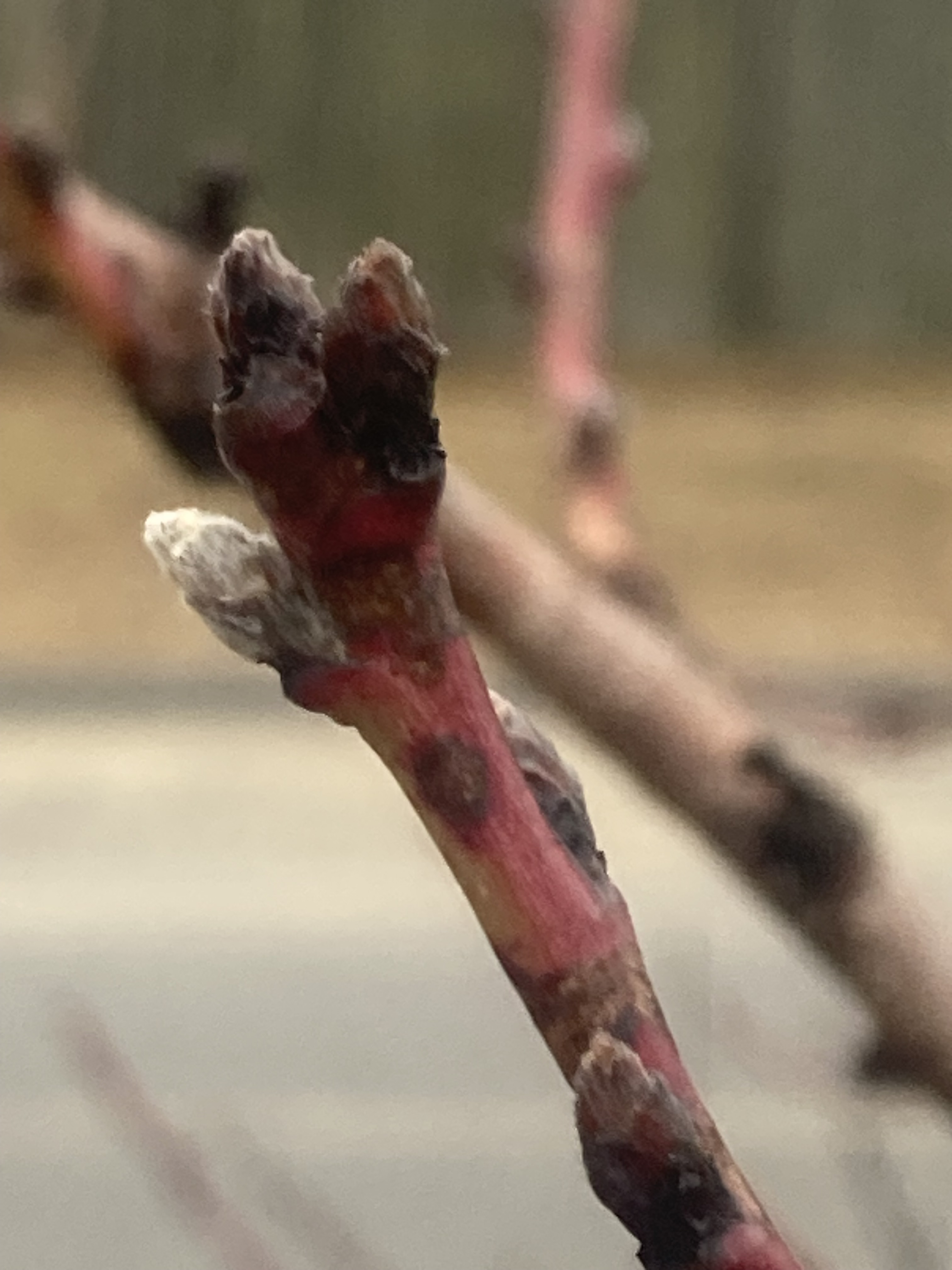
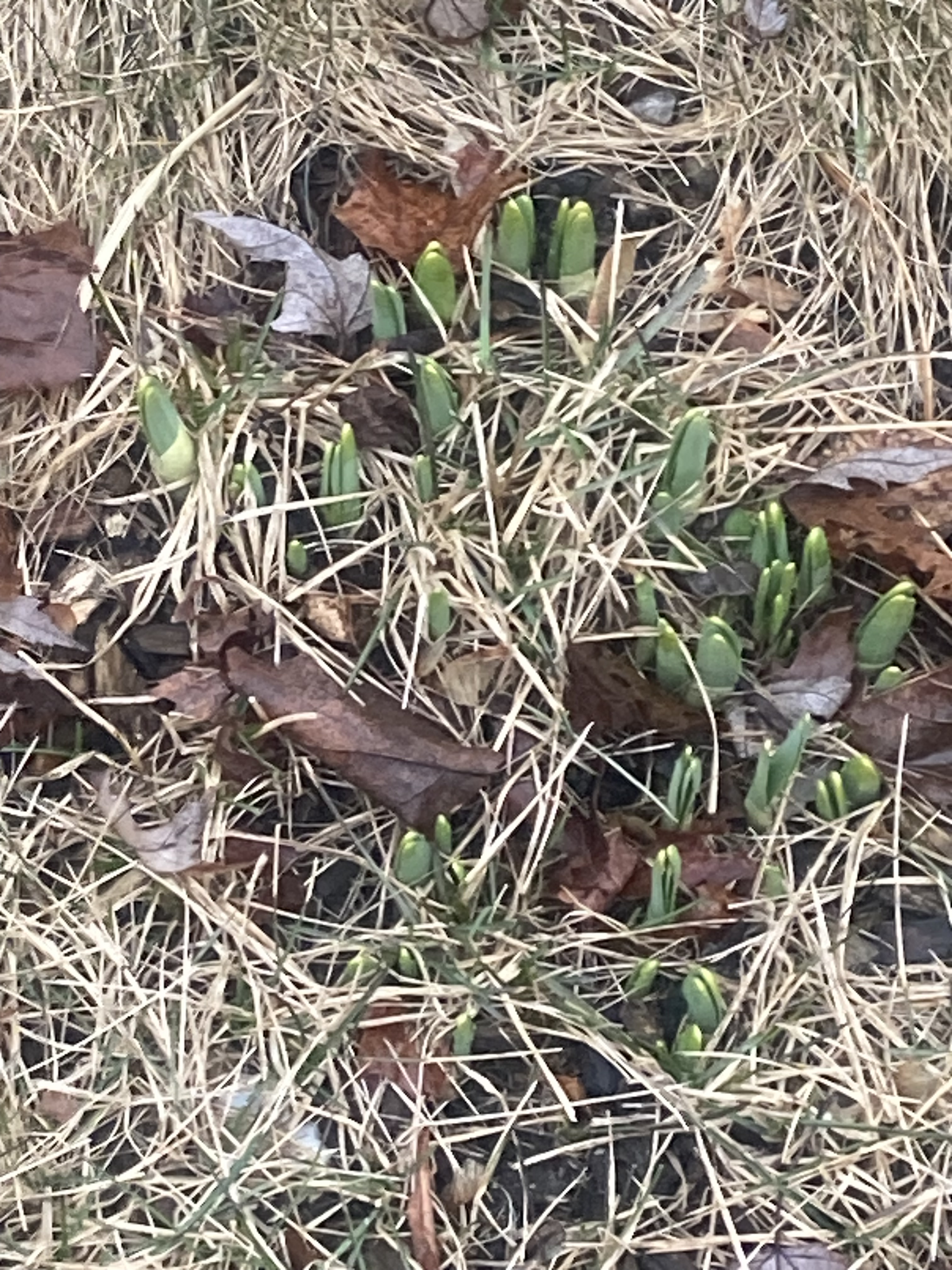
late spring, buds begin to push up…

Love Languages
Posted: February 20, 2026 Filed under: Art & Healing, Child Centered Activities, consciousness | Tags: mental health 1 Comment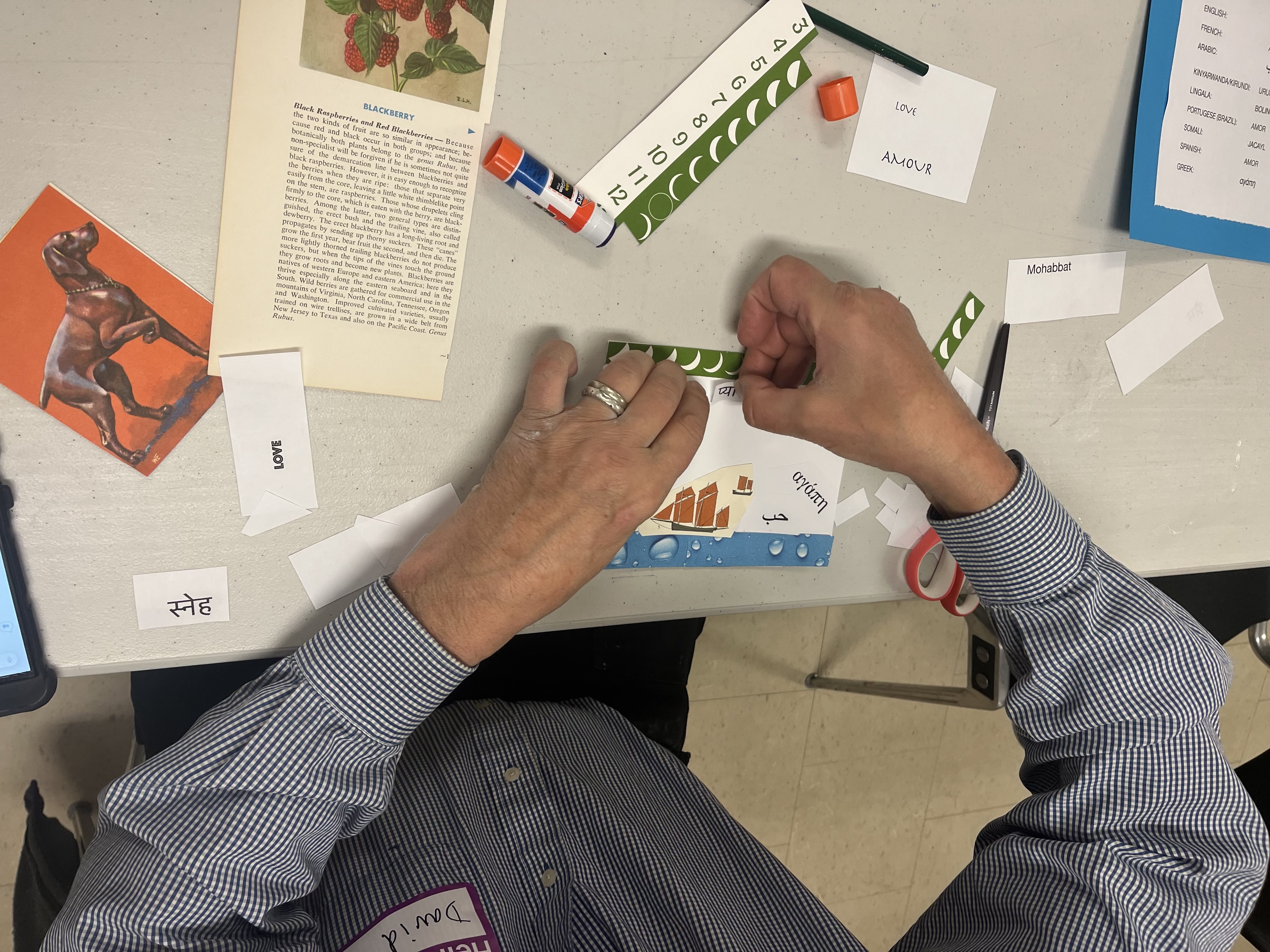
Greek has 8 distinct words for love. Sanskrit has 96. English, 1.
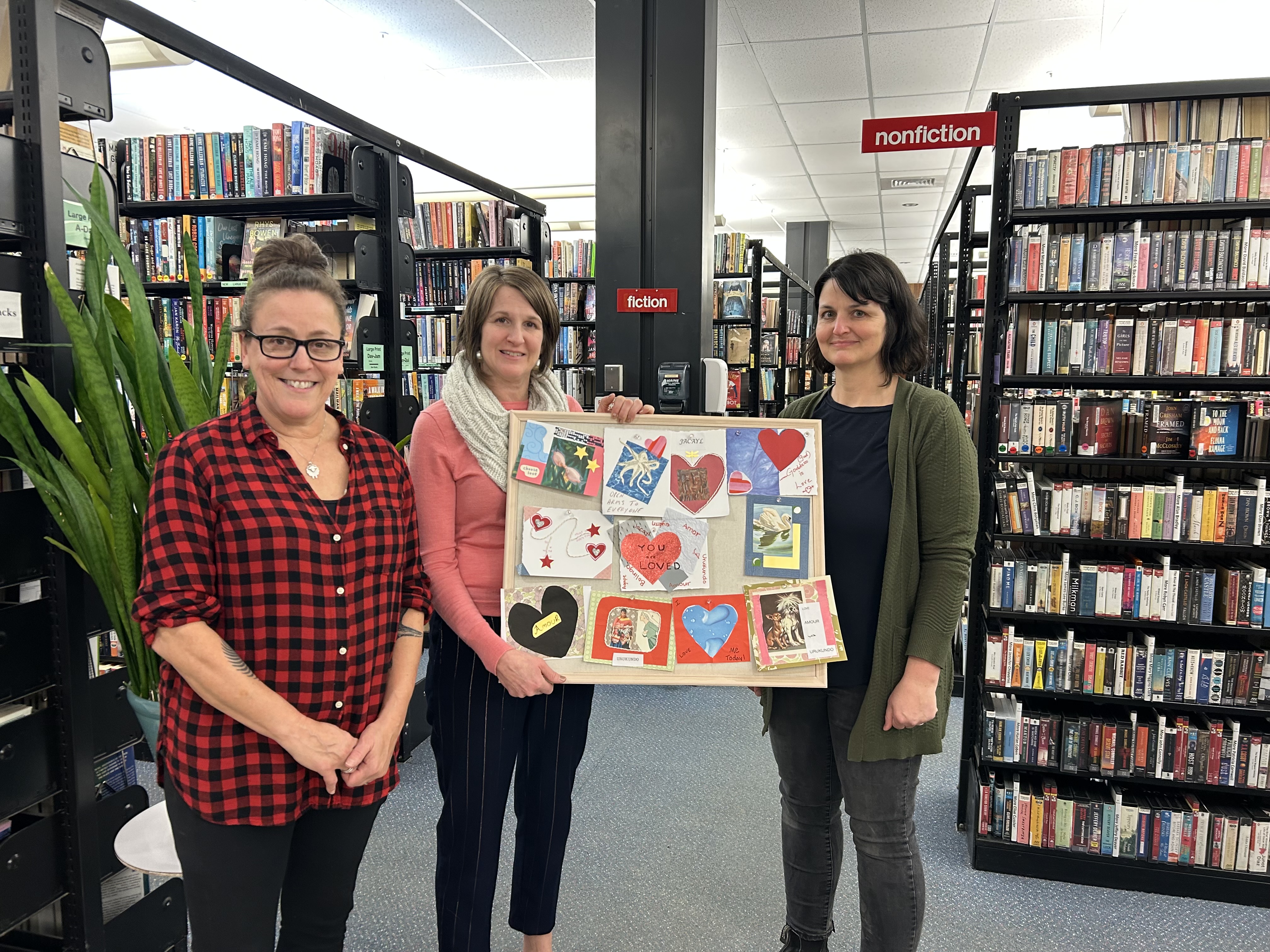
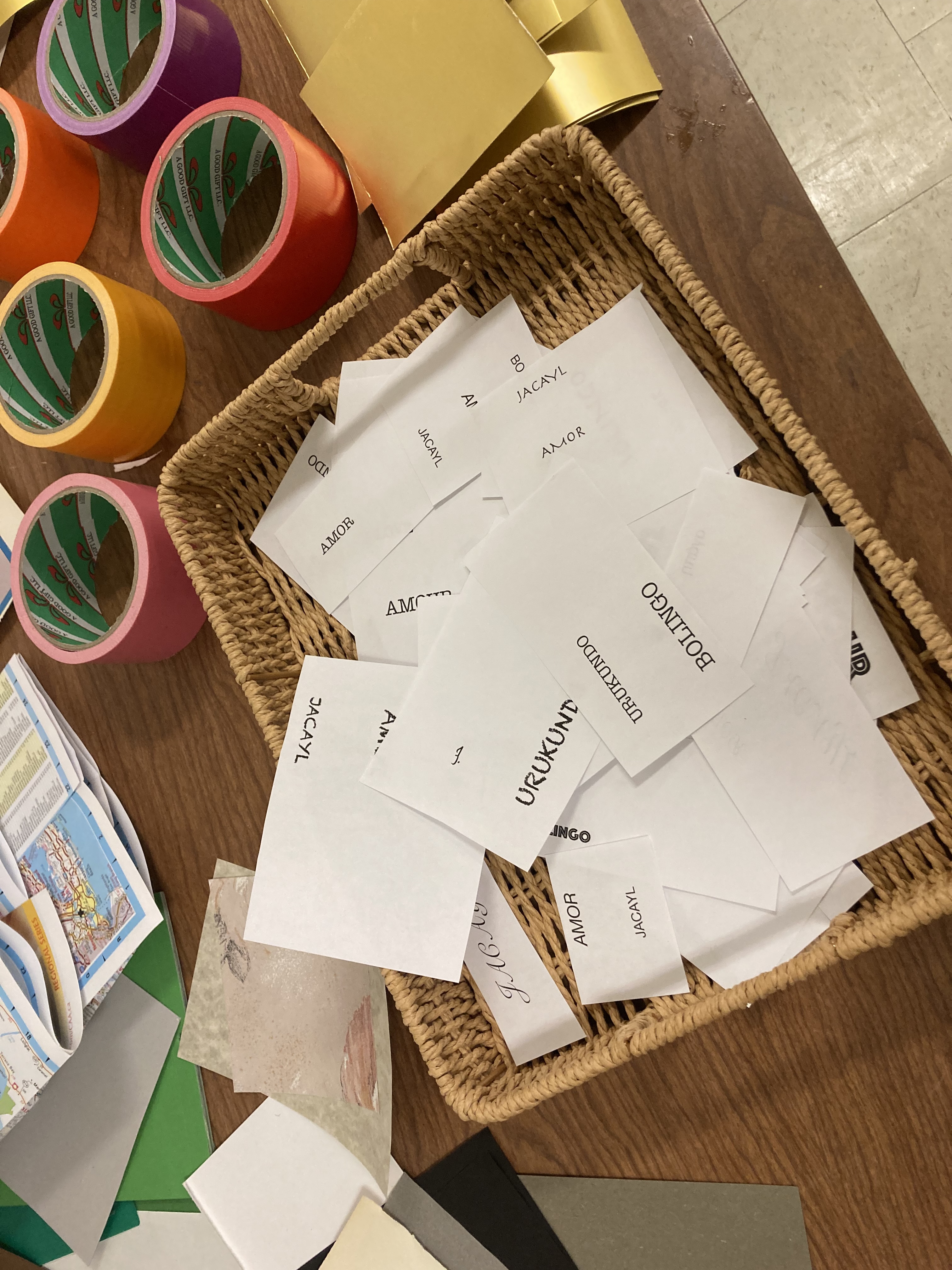
In South Portland Public Schools over 35 different languages are spoken, with the primary languages being Arabic, French, Kinyarwanda/Kirundi, Lingala, Portuguese, Somali, Spanish and English. Love here is most frequently spoken as Amour, حب, Urukundo, Bolingo, Amor, Jacayl, Amor and αγάπη. Adding in Sanskrit and Hindi we have प्रेम, प्यार, Mohabbat, and स्नेह. All saying the same, merely different vowels and consonants.
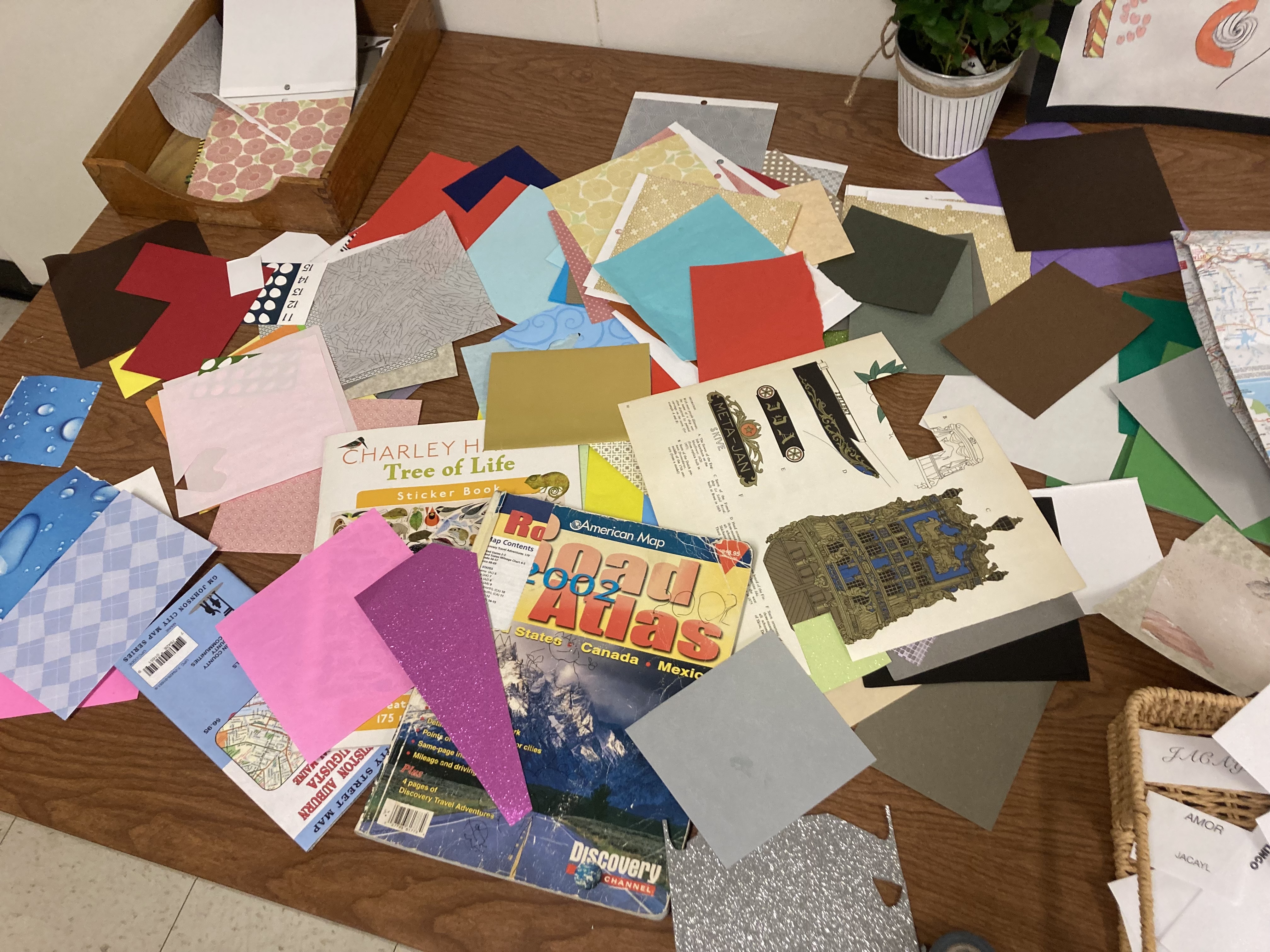
Valentines Day presented an opportunity to underscore the many languages of love through a “Postcards from the Heart” art-making experiential held at the South Portland Public Library. The curly haired Goddess with whom I live developed the idea with colleagues and then served as the leader for this life-affirming response to the masked jackals rampaging our communities locally and nationally. Love is an antidote to fear, or as the Governor of Illinois said this week, “love is the light that gets you through a long night.”
The small minded Christian Nationalists argue that English is the one and only “pure” language of these United States. But we “the tired, the poor, the huddled masses, yearning to breathe free” know the truth is far more varied, nuanced and beautifully complex. The Postcards quietly acknowledged this, and gave people a chance to express themselves in a non-violent and compassionate way.
When authoritarian anger rips our communities asunder, when protests rightfully organize, and food drives bring meals to those unable to go to work or school, art-making might seem a trivial pursuit, but its healing power is unquestioned and clinically proven. The process of non-verbal expression creates a safe space to explore feelings, especially for trauma survivors. The act of creation triggers the release of “feel good” chemical messengers – dopamine and serotonin – which are uplifting and promote resilience. Externalizing our emotions offers perspective and empowers the maker.
Open to the public, 27 people participated with ages ranging from elementary school age children to elderly. One group of 15 from a women’s shelter wanted to attend but that would have overwhelmed the space.
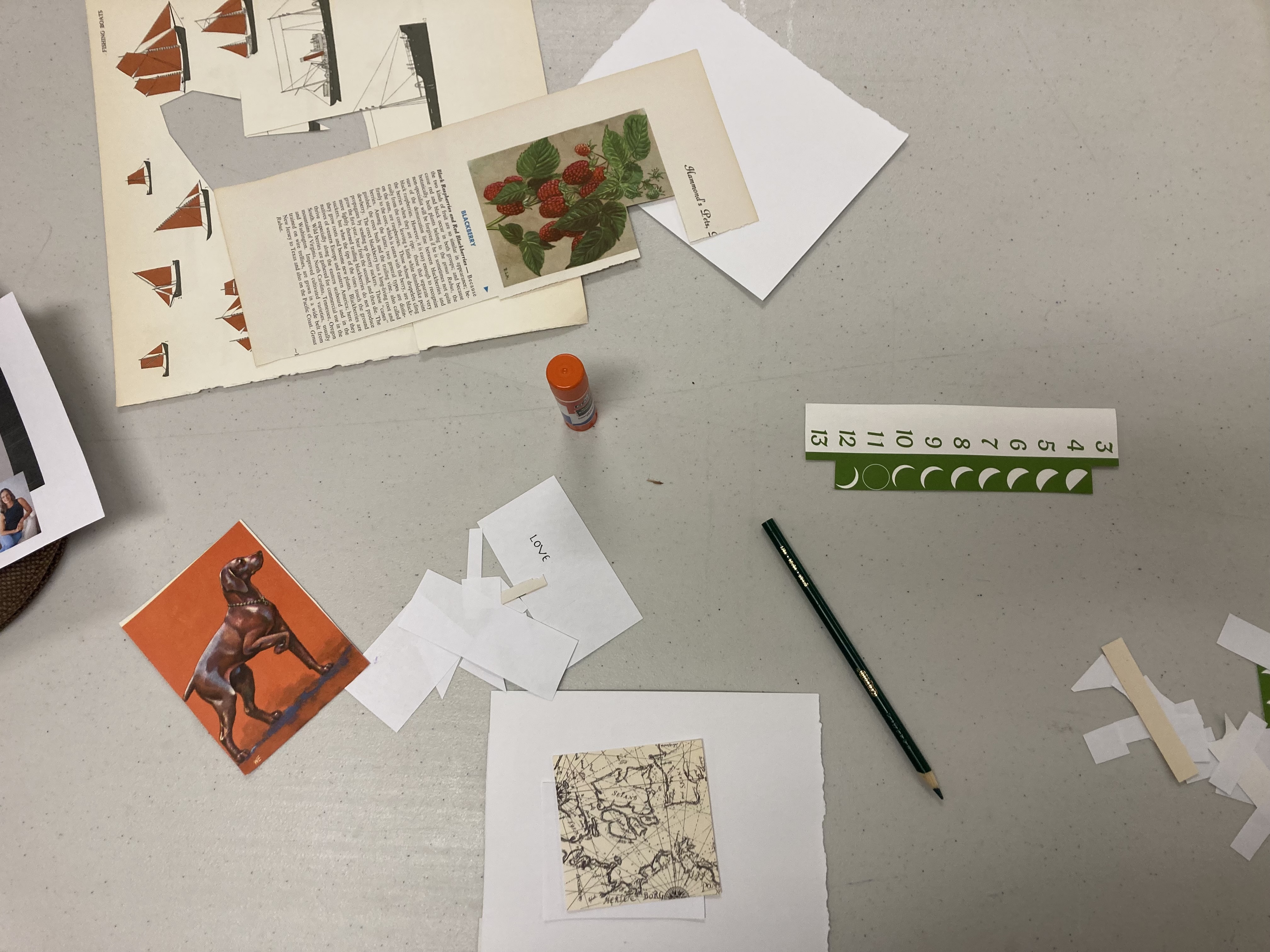
I participated in one 45-minute session, gluing images of the Moon cycle, cutouts from old picture books, and “love” from 10 different languages. 7 other women participated, one of whom was older and wore delightfully eccentric glasses, while the other 6 were young women from a “sober house.” Everyone was engaged, focused silently on their work. At the end we walked about looking at each others’ creations, all of which were as varied and diverse as the forms and expressions of love. There was a deep sense of connection in a non-verbal form.
A friend, who works with immigrant women, strongly wanted to invite those women but feared they would not want to risk coming out in public. The idea has been raised about creating art-making kits that can be delivered to homebound people so that they also might give voice to their love, in any language. A local group, Maine Needs, appears to be doing something along these lines.
The City of South Portland has a wellness program for its staff, and a librarian pondered whether art-therapy could be engaged for them. The idea is scalable and replicable, and the need for healing only grows in these times of Mammon and the cult of personality.
the Why Cheap Art? manifesto
Posted: January 23, 2026 Filed under: Art & Healing, What is an Art Farm | Tags: bread & puppet theatre Leave a comment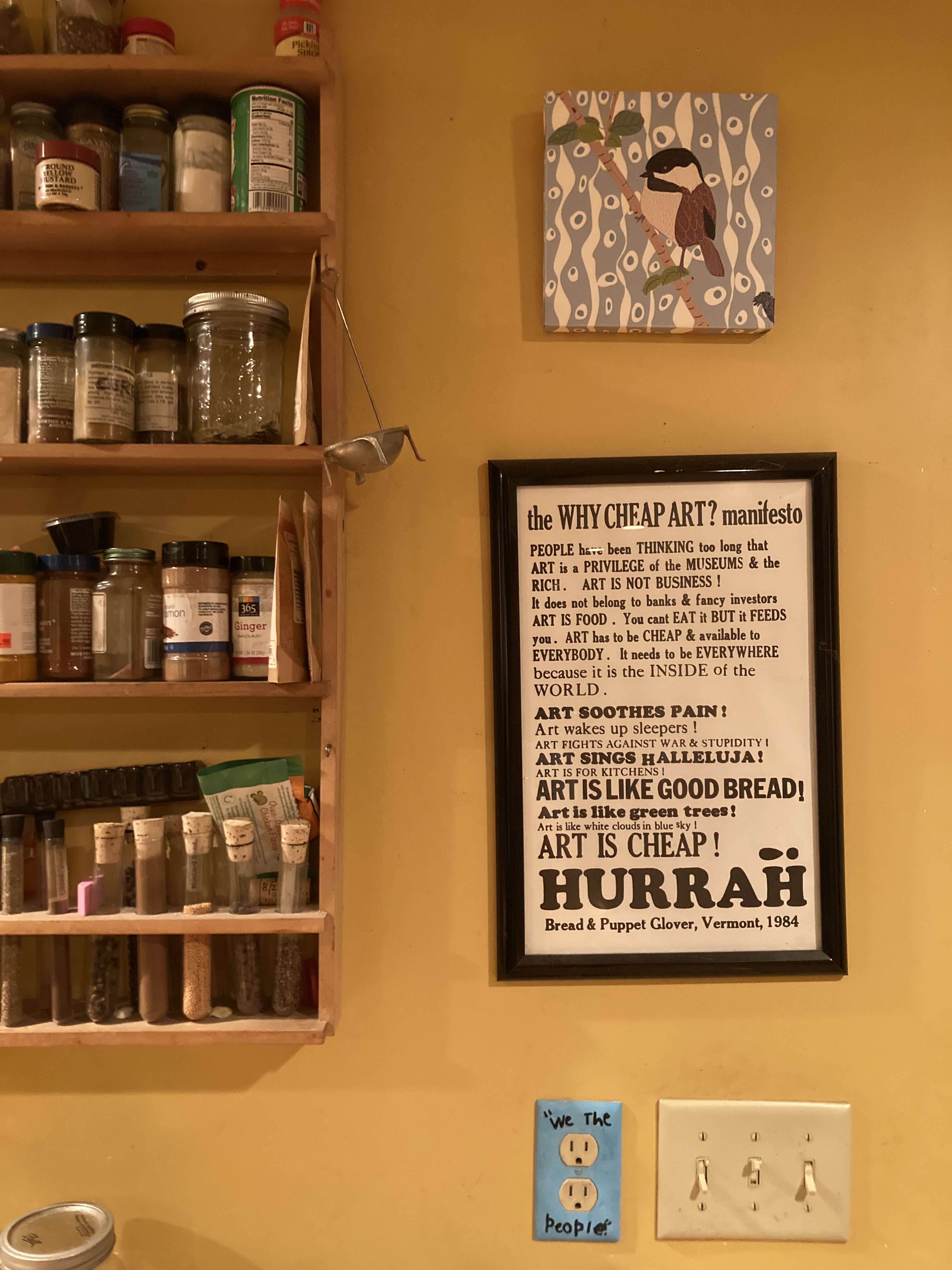
McSweeney’s Manifesto contains 25 manifestos, two of which were penned in the hamlet of Glover, Vermont. Statistically that is a “non-zero probability” meaning that is incredibly unlikely to occur. And yet Glover, Vermont ranks among the titans of 20th century Manifestos!
Clare Dolan set down “The First Manifesto of the Museum of Everyday Life” which is (a) a theoretical museum, (b) celebrating “…mundanity, and the mysterious delight embedded in the banal but beloved objects we touch every day…the secret, ordinary objects that make up the vocabulary of common lives!” (c) heralds “its mission of glorious obscurity!” while (d) located in Glover, of the Northeast Kingdom of Vermont.
The Bread & Puppet Theatre was founded in 1963 on Manhattan’s Lower East Side kingdom of overcrowded tenements, that housed the dense wave of immigrants during the late 19th and early 20th century. The puppeteers embraced sculpture, music, dance and language as well as baking sourdough bread to share with (to break bread with) their audience. In 1974 the company moved to a 140-year old hay barn in Glover. In 1984 the founder, Peter Schumann wrote the “Why Cheap Art?” manifesto.
Shortly after moving to Maine, I was given a copy of the manifesto, which hangs prominently in our kitchen. For this week, I present the manifesto in its full graphic glory.
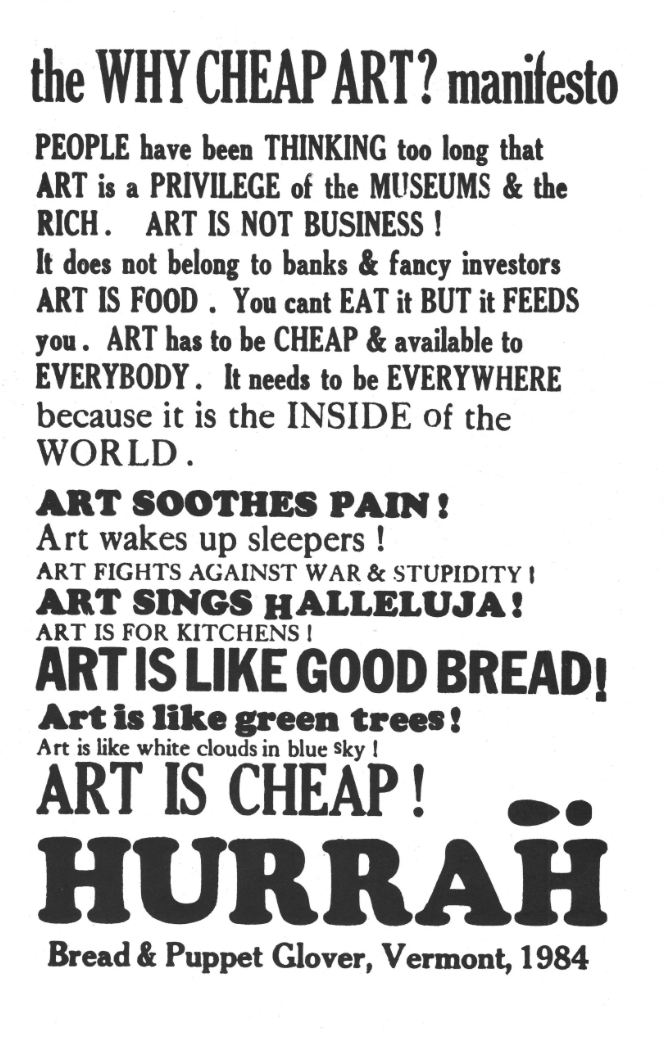
Manifesto #1
Posted: January 16, 2026 Filed under: Art & Healing, consciousness | Tags: McSweeneys, Zoe Leonard 1 Comment
The history of the 20th century was declared largely by manifesto: The Manifesto of Futurism 1909; Dada Manifesto 1918; Manifesto of Surrealism 1924; John Cage’s Manifesto 1952; The Russell-Einstein Manifesto 1955; Second Declaration of Havana by Fidel Castro 1962; The Ten-Point Program of Huey Newton (Black Panthers) 1966; The Gay Manifesto 1970.
Derived from the Latin manifestus which means “plainly apprehensible, clear, evident” by the 1640s in the Italian it had come to mean “public declaration explaining reasons or motives.” At its root it is derived from manus which means “hand” and a manifesto arguably is a physical object – words on paper – easily grasped or held, say, nailed upon the doors of a 16th century church or plastered on store fronts or tenement homes of 20th century inner cities.
McSweeney is a nonprofit publishing house founded in 1998 by Dave Eggers. To honor its 25th anniversary, the house published Manifesto, a hard bound compendium of the 20th century as declared by bold forward-thinking authors. The book was given to me over the holidays, a cherished gift, which I am devouring slowly.
The Introduction states, “[Manifestos] are often strange, ill-considered, and regrettable. They are just as often brilliant and pivotal in changing government, art, and the direction of the human animal. But always manifestos are passionate, always they command attention and use language for perhaps its most urgent purpose – the rattling of complacent minds.”
The books presents twenty-five manifestos. “I want a president,” written in 1992 by Zoe Leonard, is strikingly powerful and refreshing, especially in these times where power is exercised as domination, in a culture increasingly split between the Have Much and the Have Nots.
“I want a dyke for president. I want a person with aids for president and I want a fag for vice president and I want someone with no health insurance and I want someone who grew up in a place where the earth is so saturated with toxic waste that they didn’t have a choice about getting leukemia. I want a president that had an abortion at sixteen and I want a candidate who isn’t the lesser of two evils and I want a president who lost their last lover to aids, who still sees that in their eyes every time they lay down to rest, who held their lover in their arms and knew they were dying. I want a president with no air conditioning, a president who has stood on line at the clinic, at the dmv, at the welfare office and has been unemployed and laid off and sexually harrassed and gaybashed and deported. I want someone who spent the night in the tombs and had a cross burned on their lawn and survived rape. I want someone who has been in love and been hurt, who respects sex, who has made mistakes and learned from them. I want a Black woman for president. I want someone with bad teeth and an attitude, someone who has eaten that nasty hospital food, someone who crossdresses and has done drugs and been in therapy. I want someone who has committed civil disobedience. And I want to know why this isn’t possible. I want to know why we started learning somewhere down the line that a president is always a clown: always a John and never a hooker. Always a boss and never a worker, always a liar, always a thief and never caught.”
In Memoriam
Posted: January 9, 2026 Filed under: Art & Healing, consciousness 3 Comments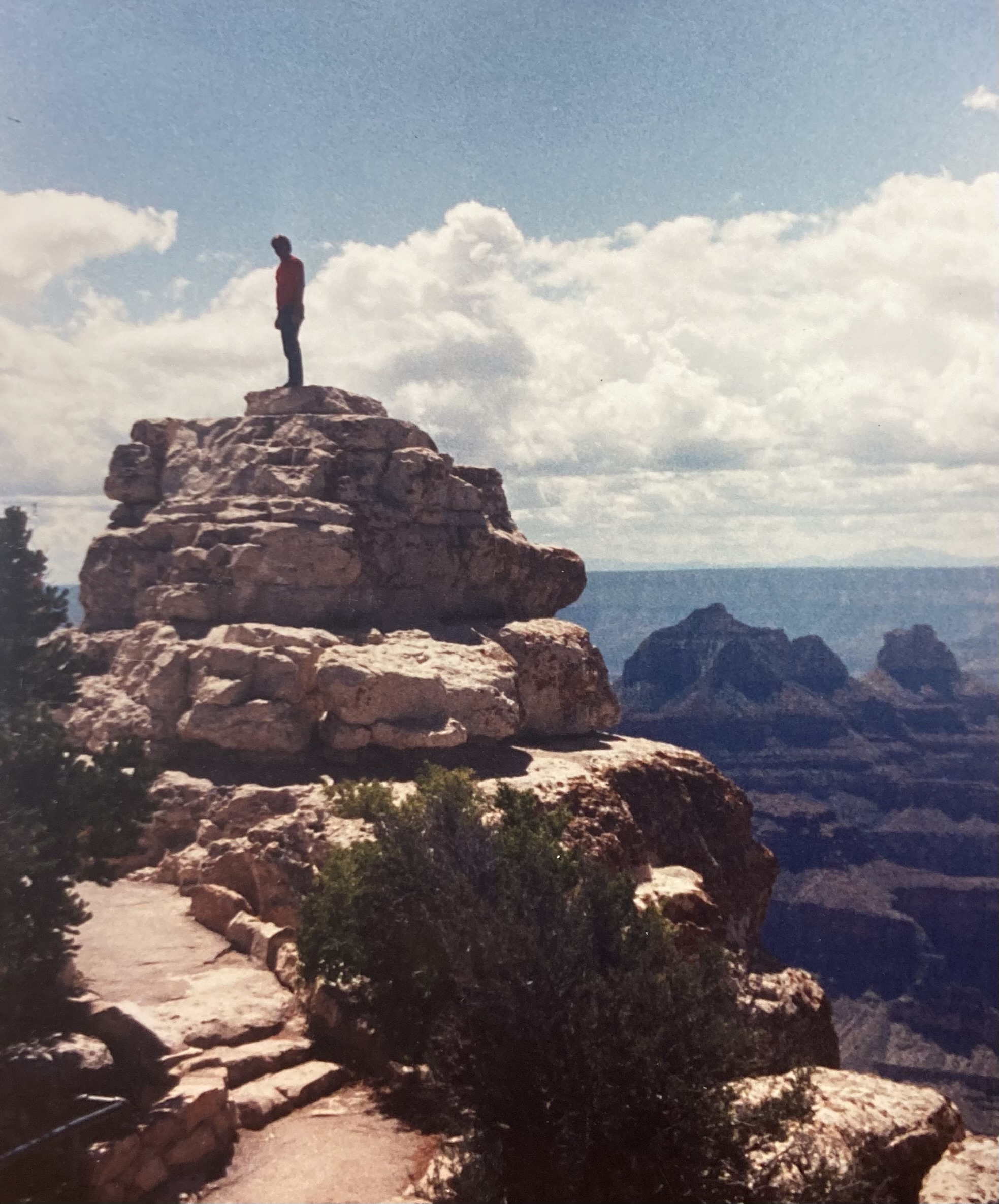
Remembering and honoring Douglas Lee Woodhouse
July 9, 1964 born, died January 6, 2025
rest in peace, Brother.
Oneness
Posted: January 1, 2026 Filed under: Art & Healing, Chronicles of a First Time Parent, consciousness, What is an Art Farm | Tags: anagarika govinda, consciousness, philosophy, science, spirituality, Thomas berry 2 Comments
Having built a whale, we decided to make a movie on the topic “all life is one.”
Having finished the short film, I sought funds from the Maine Arts Commission.
Having to substantiate my body of work as an artist, I referenced “An Art Farm.”
Whereupon, I realized our art farm had been mostly inactive since 2015 and so on 31 March 2024 I wrote “Crossing the Rubicon” about delivering the Whale north to the Wabanaki nation. I did not win the grant, but I did continue to write, and for 94 continuous weeks now I have posted short essays.
In a sense these are weekly postcards to my Mother, a chance to share thoughts that otherwise would not come up in our occasional phone conversations. More importantly, they allow me to mine thoughts that arise at 2am, to chase down loose threads and weave them, as if into tapestries, at best like those of the Renaissance rich in detail and color, telling stories of this strange and troubling moment in time.
An overarching theme seems to be Spiritual Ecology, a field of inquiry of which I only recently became aware. Rudolf Steiner is considered a visionary, having described a “co-evolution of spirituality and nature.” I learned of Steiner back in my Chicago days from a Gaia-centric friend at the vanguard. Pierre Teilhard de Chardin, also considered a founder, almost one century ago, wrote of a ”consciousness of the divinity within every particle of life, even the most dense material.” In “The Phenomenon of Man” he foresaw that “Science, philosophy and religion are bound to converge as they draw nearer to the whole.”
My Mother actively discussed de Chardin in her college days, and within the social circle of her childhood in Clifton of the Queen City, Cincinnati, Ohio, as well as at our dinner table. Father Sullivan, elder of Holy Cross Parish, once described my Mother as a “pantheist;” I suspect he meant that as a criticism but which she rightly took as a compliment! Perhaps, what the Father actually meant was panentheist (God in all things) not pantheist (God is all things), but regardless, since my childhood the tenets of Spiritual Ecology have been laid down as plain common sense.
On a family road trip west to the Grand Tetons, my Mother handed me a copy of John Muir’s biography. I was enthralled, in the backseat, while crossing the endless great plains. Decades ago I read Thomas Berry, also considered at the vanguard, who emphasized “returning to a sense of wonder and reverence for the natural world.” More than my share of Thoreau and Wendell Berry have I read, as well as David Abrams’ “The Spell of the Sensuous.” Joanna Macy has been celebrated among the Wise Women here at the art farm, while Emergence magazine is on my subscription list, the product of Emmanuel Vaughan-Lee, a Sufi trained multi-media maven on topics of a collective evolutionary expansion toward oneness.
But what would be this consciousness of oneness? The Renaissance is an historic example of a shift in consciousness, the “awakening” or “rebirth” of Europe, away from the Church-dominated Medieval era to embrace humanism, scientific inquiry, individualism, a flourishing of arts and culture. Rene Descartes, living at the end of the Renaissance, is considered foundational to modernity, his “cogito, ergo sum” defining the thinking rational self. But “cogito” is only one part of the whole self, and it can easily fall into the binary, mono-dimensional thinking of either-or, rather than both-and.
Newton’s Laws of Physics state an object is either at rest or in motion, but quantum mechanics allows an object to inhabit two states at once. Our logic has lead to AI which is a massive accomplishment, but it might either destroy us or bring far-reaching benefits. The “us versus them” is endlessly argued by politicians, the strongman’s lever using fear to divide and conquer. A spiritual ecology pursued only through the rational seems destined to failure. An expansive and inclusive approach is needed to embrace the breadth, depth and interconnectedness of both the natural world and ourselves.
“Creative Meditation and Multi-Dimensional Consciousness,” by Lama Anagarika Govinda, is insightful toward this life-affirming goal. He describes the “one-dimensional logic which…cuts the world apart with the knife of its ‘Either-Or,’” and then introduces “…a new way of thinking, an extended multi-dimensional logic which is as different from the classical Aristotelian logic as Euclidian geometry is from Einstein’s theory of relativity.” He presents this using the coordinates of an x-y axis. “If we regard the horizontal as the direction of our time-space development (unfolding), then the vertical is the direction of our going within, toward the universal center of our being and thus the realization of the timeless presence of all potentialities of existence in the organic structure of the whole of the living universe. This is what the poets call the ‘eternity of the moment’ which can be experienced in the state of complete inwardness…such as happens during meditation and creative inspiration.”
It is no small undertaking, a 21st century renaissance awakening to multi-dimensional consciousness not among the few, but ultimately we, the people, of the planet. Small-minded politicians and capitalists will pursue their goals of domination, and so this seems a necessary path out of the madness, deeper within. It is beyond the scope of one short essay to speak to such fullness, but this seems a direction for our art farm to pursue in the new year.
…and here is a link to the short film on the topic that we are part of the ecosystem, that all life is one, which set this ship – which is an art farm – to sail on this oceanic odyssey:
https://www.picdrop.com/claytonsimoncic/C39UK57ncx
The short film was produced with Anna Dibble. Clayton Simoncic was the photographer and editor.
_________________________________
Since it is written “the last shall be first,” I shall end this post and honor the Benham Family tradition, that good things come to those who begin a new month, on the first day with the first words: “Rabbit, Rabbit.”
May good things come to all people in the new year.
Well dressed, on the Porch
Posted: November 28, 2025 Filed under: Art & Healing, consciousness, What is an Art Farm 1 Comment
In early September, during our Language Arts class, two young Christian women came to the door, dressed in their “Sunday-go-to-meeting clothes.” To avoid disruption, I hopped up to answer the door.
They politely asked, “We are doing volunteer work and wonder if you would like to hear some good news from the Bible?” I replied, “That is worthy but I am not interested now. I am homeschooling my son. But I ask you this question: what is the true understanding, the meaning of John 14:12?” They thoughtfully began to open their Bibles and I stopped them, saying “Do not answer this now but consider this as you go.”
Two months passed and recently one of the women returned with her father (younger than me), again dressed in their best clothes. The daughter wore the fashionable full length “Little House on the Prairie” style dress with burgundy flats. The father wore a tad-too-bright blue suit, crisply starched white shirt and a natty woven – not silk – tie. They were radiant in their wholesome goodness.
Standing on the front porch, we discussed grammar of the Bible passage: “Verily, verily, I say unto you, He that believeth on me, the works that I do shall he do also; and greater works than these shall he do; because I go unto my Father.”
I explained that “…because I go unto my Father…” is a subordinate clause. They did not see it that way. But grammatically it simply is subordinate to the independent clause, “…the works that I do he shall do also; and greater works than these shall he do…”. I focused on the verb “do” which they exhaustively counseled meant “to preach.” I countered that it referred to actions such as “raise the dead, walk on water, multiply loaves and fishes.” Flabbergasted, he laughed. Who ever heard of such a thing?!!
He opened his tablet and read from the prepared script that missionaries having gone to the ends of the earth – traveling farther than that street preacher ever could – and having reached countless millions of people means the “preaching” is “greater than.” I respectfully averred that the inverted sentence structure is complex; the object “greater works than these” comes first while the subject “he” comes last. But both the demonstrative pronoun “these” and its antecedent “works” are plural so more than just preaching is going on here.
I discussed Isaac Newton – paragon of the rational scientific mind – who also was an alchemist. He (the father) had never heard of alchemy. His daughter remained silent. We were heading into uncharted territory but my point was the deeper insight is needed, not the narrow rational. In fact, alchemy arguably is a symbolic language of higher consciousness, “base metals” turned into gold a perfect metaphor during the time when alchemy was considered heresy, punishable by death. Higher consciousness clearly does threaten the orthodox, and the street preacher – who was an avatar of consciousness – is revered not because he preached but because of what he did, which includes – as the story is told – raising the dead, walking on water, feeding the masses. Later that evening I asked my Daughter her thoughts and she readily said “works means accomplishments.” Preaching may be one of the accomplishments but “greater than” clearly speaks to something far more substantial.
We spoke about translations – from the Aramaic, to the Greek into Latin and now English; multiple languages over millennia – but he said “God guides all the translations” thus “the word is sacred.” An interesting point, but which renders the grammar moot. Even if the word is sacred, our understanding is not automatic. We need to think for ourselves, with grammar the means to insight; “these” is plural.
We briefly discussed Buddhism, which is to say alternate paths to wisdom. “All roads lead to Rome” is the saying but they held firm in their belief that the “King of kings and Lord of lords” reigns supreme.
Alas, our porch chat came to an end. They asked if they could return and I said, “Of course.”
The Grammar of Being
Posted: October 3, 2025 Filed under: Art & Healing, consciousness, What is an Art Farm 1 Comment
Two score and three years ago, to discipline my young mind I enrolled to study Latin. Nothing in my past forecast that choice; it was a decision wholly without precedent. My father having just died, I was given the gift of education – anywhere on any topic – and Classical Languages & Literatures was the choice that I made.
Because it was close to my childhood home, I enrolled at Northwestern University. I studied there beside wizened and wise men of letters. Stuart Small taught me Greek and Latin literature, while Erich Heller – a lion among the European literary cognoscenti – and I broke bread, and discussed German literature. Erich made a comment once that is marked indelibly upon my mind, “There is a mysterious link between grammar and the mind.”
In this year 2025, at our Art Farm Academy, my son explores this link as he learns to parse sentences, grammar’s deep structure, whereby thoughts are made manifest. This week’s topic was “The Verbs of Action and the Predicate” wherein my son thought deeply upon verbs transitive or intransitive; objects direct or of prepositions; simple versus complete predicates; adverbs and adverbial phrases. He marked a line dividing the subject from the predicate, determined whether a verb was transitive or intransitive, identified the direct object – when applicable – and demarcated the prepositional phrase. Intellectual heavy lifting, he stayed the course.
In homeschooling, a student cannot hide in a classroom of 20 fidgeting students. This is one-on-one, face-to-face, question and answer. For a young man coming of age, who feels anxious in social settings, his Language Arts class presses buttons. His teacher, the Magister, is firm but fair and it is probable that nothing could benefit him more.
The mysterious link between grammar and the mind is like a yoke, focusing the mind, as it frames our thoughts. For millennia yogis have regarded the yoke as a symbol of union, of body, mind and spirit, which is the “being” at grammar’s root, an inlet to consciousness.
In this age when AI will override STEM, at the dawn of a post-literate society shaped by videos and memes on a screen more than words on a page, nothing could be more salient. The power to focus the mind and to frame thoughts is the power to articulate and to question authority.
Let us parse from among the greatest speeches in American history:
- “Four score and seven years ago…” is but a phrase, not even a clause, but has a poetry that most every American can repeat from memory;
- “We have nothing to fear, but fear itself” wherein “fear” is both verb and noun;
- “I have a dream…” uses subject verb and object to drive the essence of simplicity, clarity and hope;
- “Ain’t I a Woman?” changes the syntax to verb and subject but no object, using the vernacular, for emphasis;
- “Give me liberty or give me death!” is an impassioned hortative, in binary form: two independent clauses of verb, subject, object using a coordinating conjunction as fulcrum;
- “…stay hungry, stay foolish.” repeats an imperative verb, with contrasting adjectives, using parallelism to form an inspirational slogan [delivered by Steven Jobs, 2005, to graduates of Stanford University (but which slogan he lifted from the Whole Earth Catalog)].
At this art farm, our core curriculum centers upon “the grammar of being.” We go forward, building confidence, into the future.
____________________________________
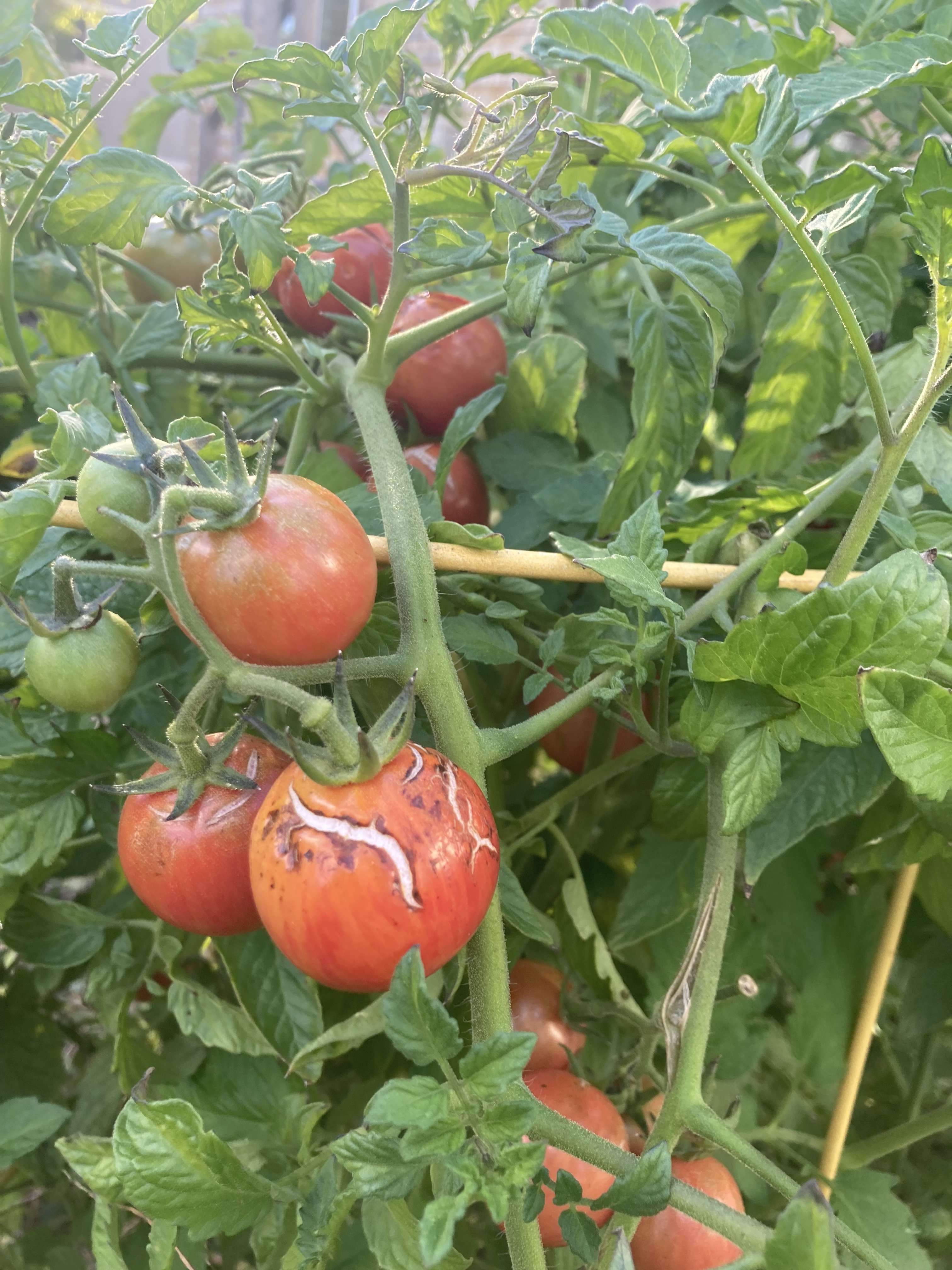
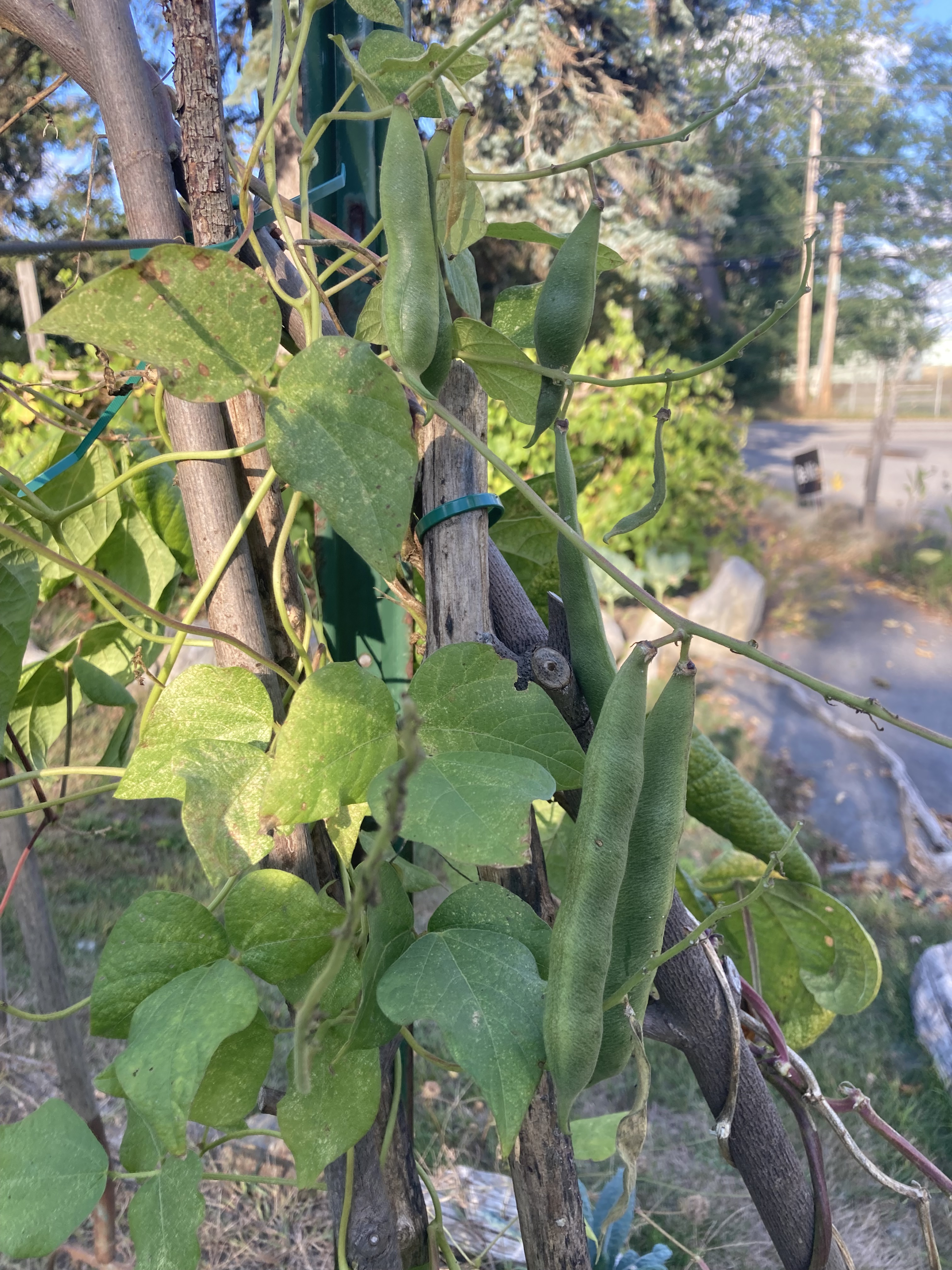
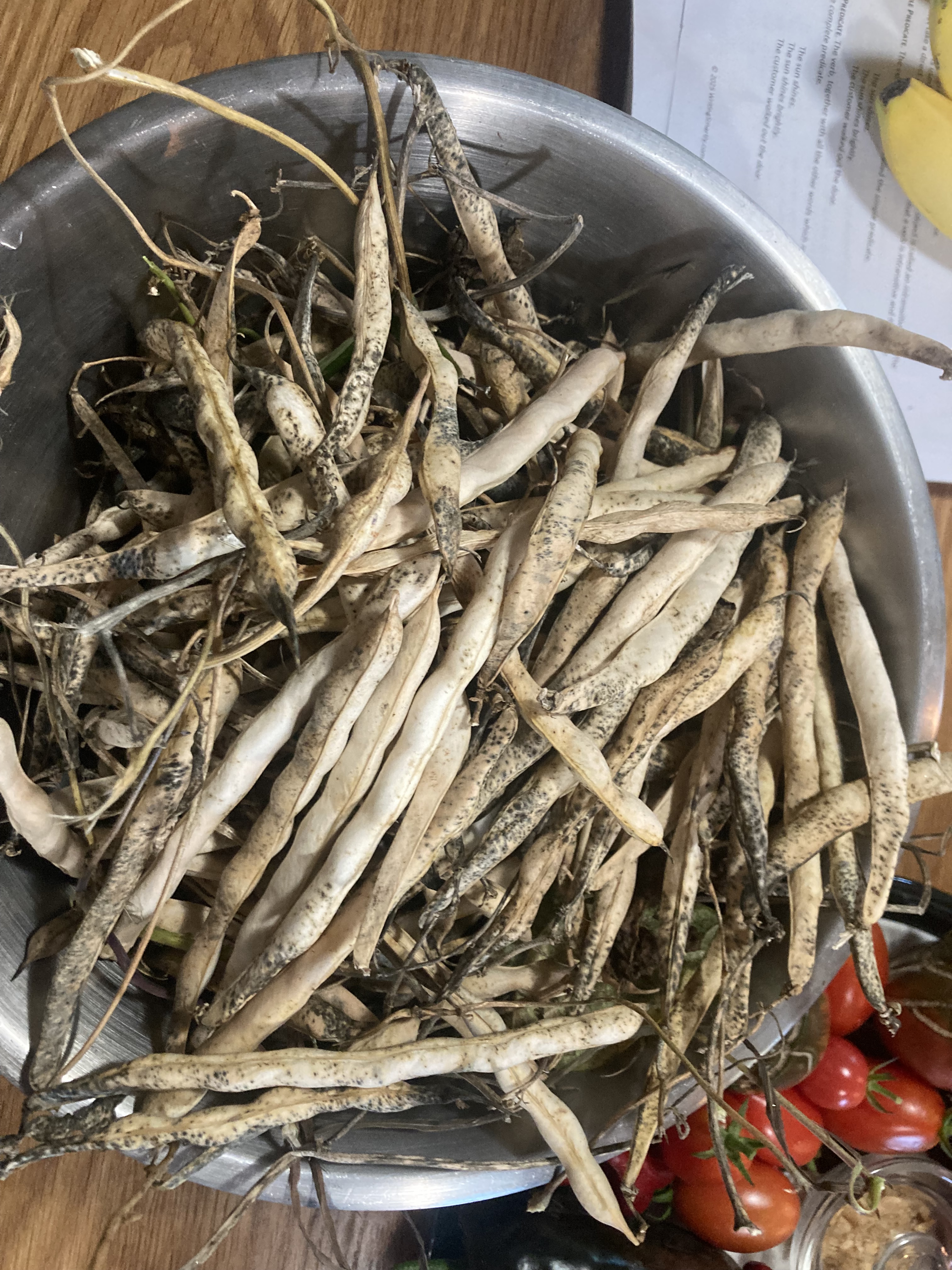
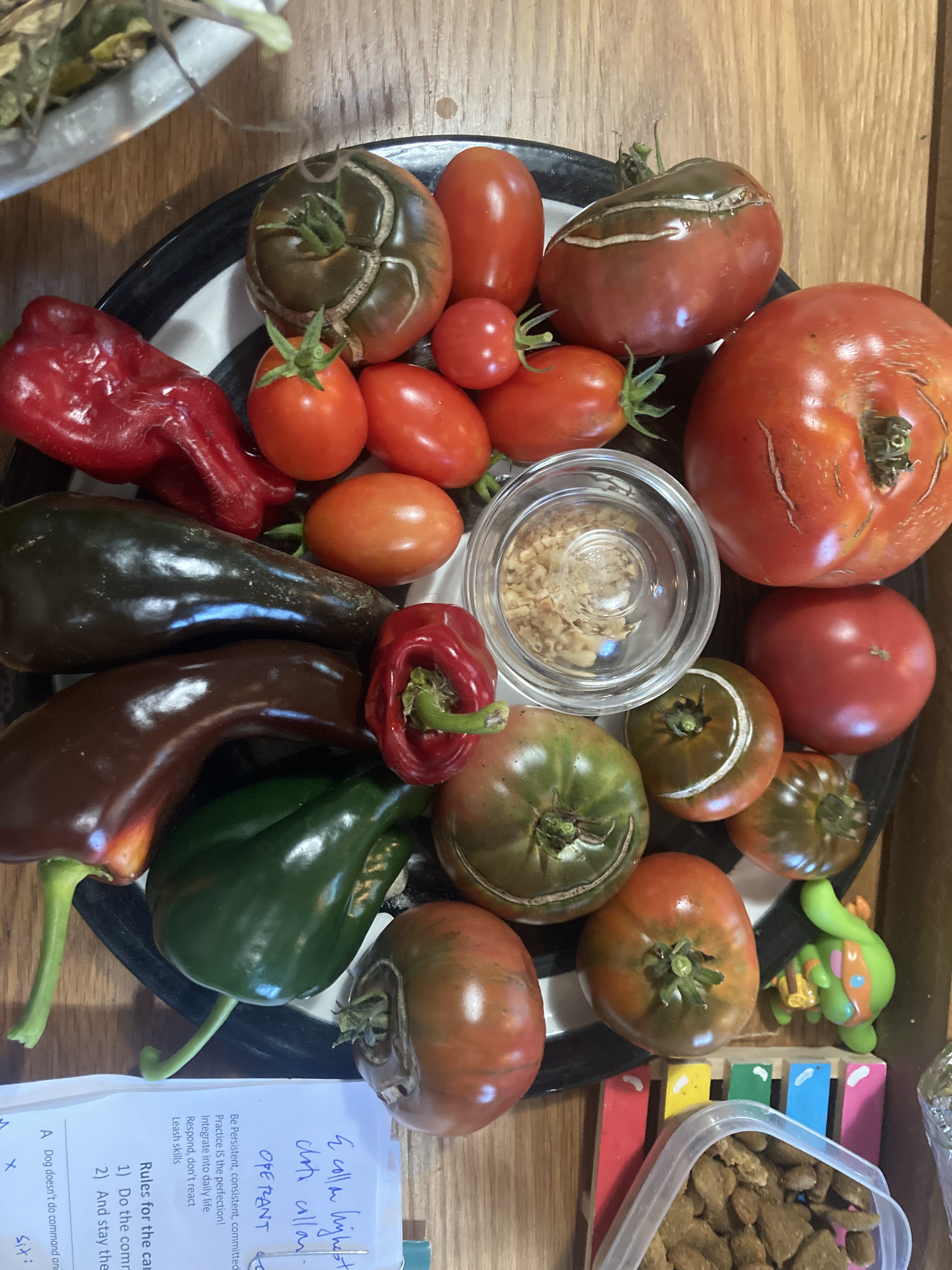
It is October and we glean the garden. Beans harvested, are shelled, put up for winter.




God of the Vine
Posted: September 19, 2025 Filed under: Art & Healing, consciousness, In the Kitchen, Little Green Thumbs, What is an Art Farm | Tags: ancient-greece, Dionysus, feminism, Lou Salome, Neitzsche, Rodin 1 Comment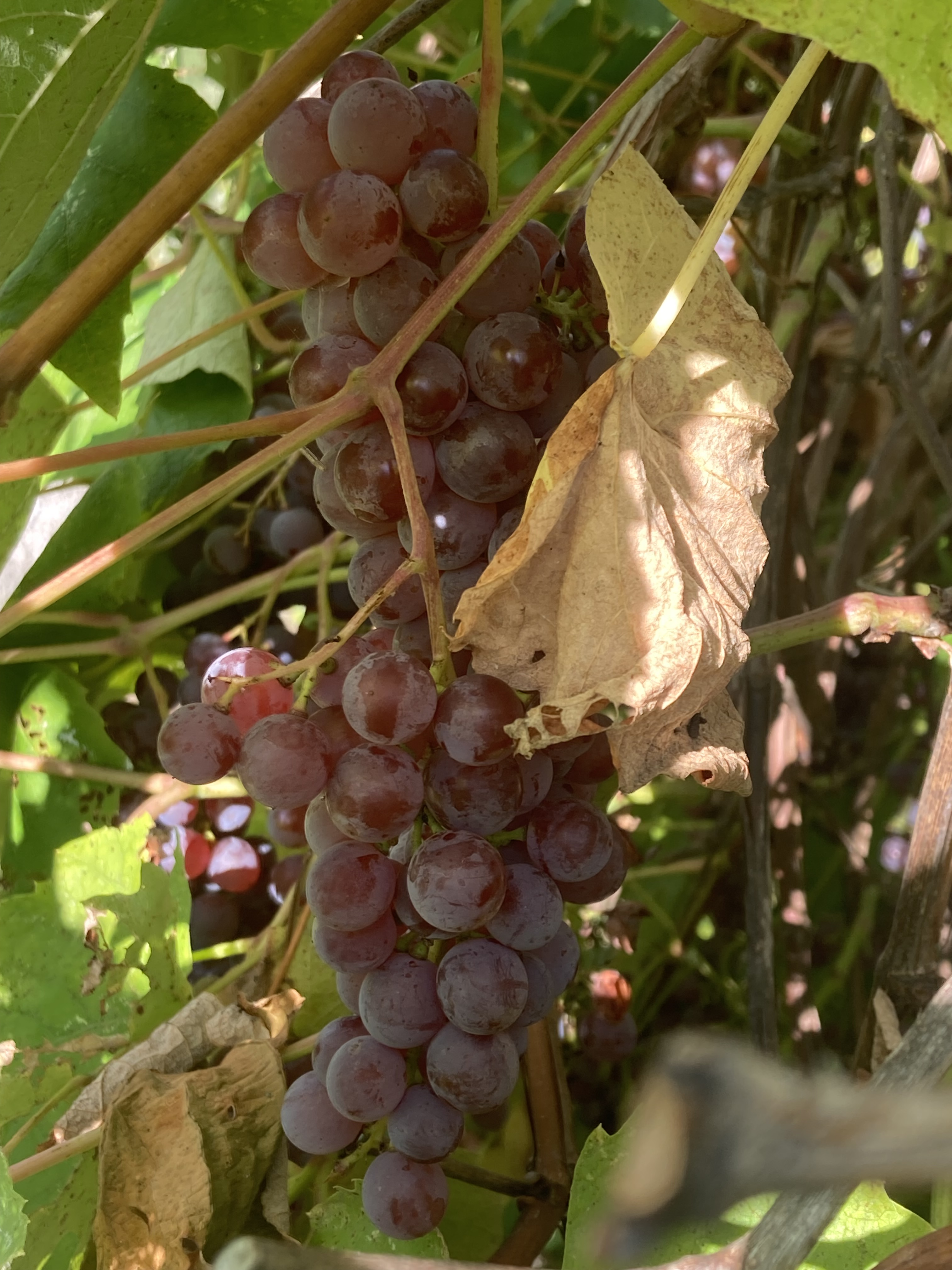
In the annals of wise women, Lou Andreas-Salomé’s name is writ large. Born February 1861 in St. Petersburg, Russia to parents of French Huguenot and Northern German descent, she was the youngest of six children, the only girl. She attended her brothers’ classes learning Russian, German and French, rejected the orthodoxy of her family’s Protestant faith but embraced philosophy, literature and religion. She attended the University of Zurich – one of the few schools then accepting women – and studied logic, history of philosophy, ancient philosophy, psychology and theology.
At the age of 21 she met Friedrich Nietzsche, who immediately fell in love with her. But she rejected his advance, instead wanting to live and study as “brother and sister” and form an academic commune along with Paul Ree, a German author. Nietzsche accepted and they toured Italy with Salomé’s Mother.
One of the titans of German Philosophy, at the age of 24 Nietzsche had been named the Chair of the Department of Classical Philology at the University of Basel. He remains among the youngest tenured professors of Classics in the history of academia. His brilliance was to an extreme.
Walter Kaufmann, in his classic work “The Portable Nietzsche” wrote, “There are philosophers who can write and those who cannot. Most of the great philosophers belong to the first group. There are also, much more rarely, philosophers who can write too well for their own good – as philosophers.” Plato, he says is one example while “Nietzsche furnishes a more recent and no less striking example.”
Lou Salomé was his muse, which she later became to Rainer Maria Rilke – the great German poet – when he was the Personal Secretary to Auguste Rodin, one of the greatest stone carvers of all times, easily a peer of Phidias and the Ancient Greeks. In rarified artistic and intellectual circles, Lou Salomé was at the top of the game.
Dionysus is our subject, Salomé is our guide, but Nietzsche holds the key. Kaufmann wrote, “…few writers in any age were so full of ideas – fruitful, if not acceptable – and it is clear why [Nietzsche] has steadily exerted a unique fascination on the most diverse minds and why he is still so eminently worth reading.”
At the age of 25, Nietzsche wrote “The Birth of Tragedy” which is considered foundational, a revolutionary work of philosophy, aesthetics, and cultural criticism. His groundbreaking thesis argued that the greatest works of art – which define a society – combine the Apollonian (order, reason and form) with the Dionysian (chaos, ecstasy and raw emotion) into one complimentary whole. An example of the Apollonian would be Johann Sebastian Bach’s “Well Tempered Clavier” while Jimi Hendrix’s “Voodoo Chile” is Dionysian. The Burning Man festival is pure Dionysian.
Classical Greek Tragedy, he reasoned, reached the apex of artistic expression by using an ordered beautiful form to give voice to the primal, universal unity. Nietzsche wrote, “The two creative tendencies [Apollo and Dionysus] developed alongside one another, usually in fierce opposition, each by its taunts forcing the other to more energetic production, both perpetuating in a discordant concord that agon which the term art but feebly denominates: until at last, by the thaumaturgy of an Hellenic act of will, the pair accepted the yoke of marriage and, in this condition, begot Attic tragedy, which exhibits the salient features of both parents.”
The result was cathartic; life’s meaninglessness overcome through art. Aesthetics became more central than rationalism, with art and psychology moved to the core pushing metaphysics and science to the side. Nietzsche forged a new paradigm, and his writing influenced Sigmund Freud, who also happened to be a close friend of Lou Salomé.
Greek tragedy came to my mind when a young friend, she herself on the path to wisdom, recently brought fresh home-pressed grape juice to our house. Grapes are the symbol of Dionysus and the connection was clear: her grape juice was the elixir of the God.
Having picked Concord grapes by the bushel with our other friends Rebekah, Peter and Mason, she explained, “We picked the grapes individually, sent them through a masher, then Peter heated them up before sending them through the juicing machine. He tried in the press but it kept sending the juice everywhere so he switched to a tomato juicer. That seemed to operate more like a standard juicer.” In other words the must was strained into juice rich, dark and sublime. With our children, we all broke bread and drank of the vine, the form of the Last Supper transformed as testimony to the raw and primal essence which is the end of summer; a new tradition born.
Truths held self-evident at our Art Farm include “art predates agriculture” and “the purpose of life is healing.” The Dionysian speaks to that, which simple truth the grape juice made manifest.
Fecundity abounds and we are blessed.
Wild Maybes
Posted: September 12, 2025 Filed under: Art & Healing, Portfolio - David's work, What is an Art Farm 2 Comments
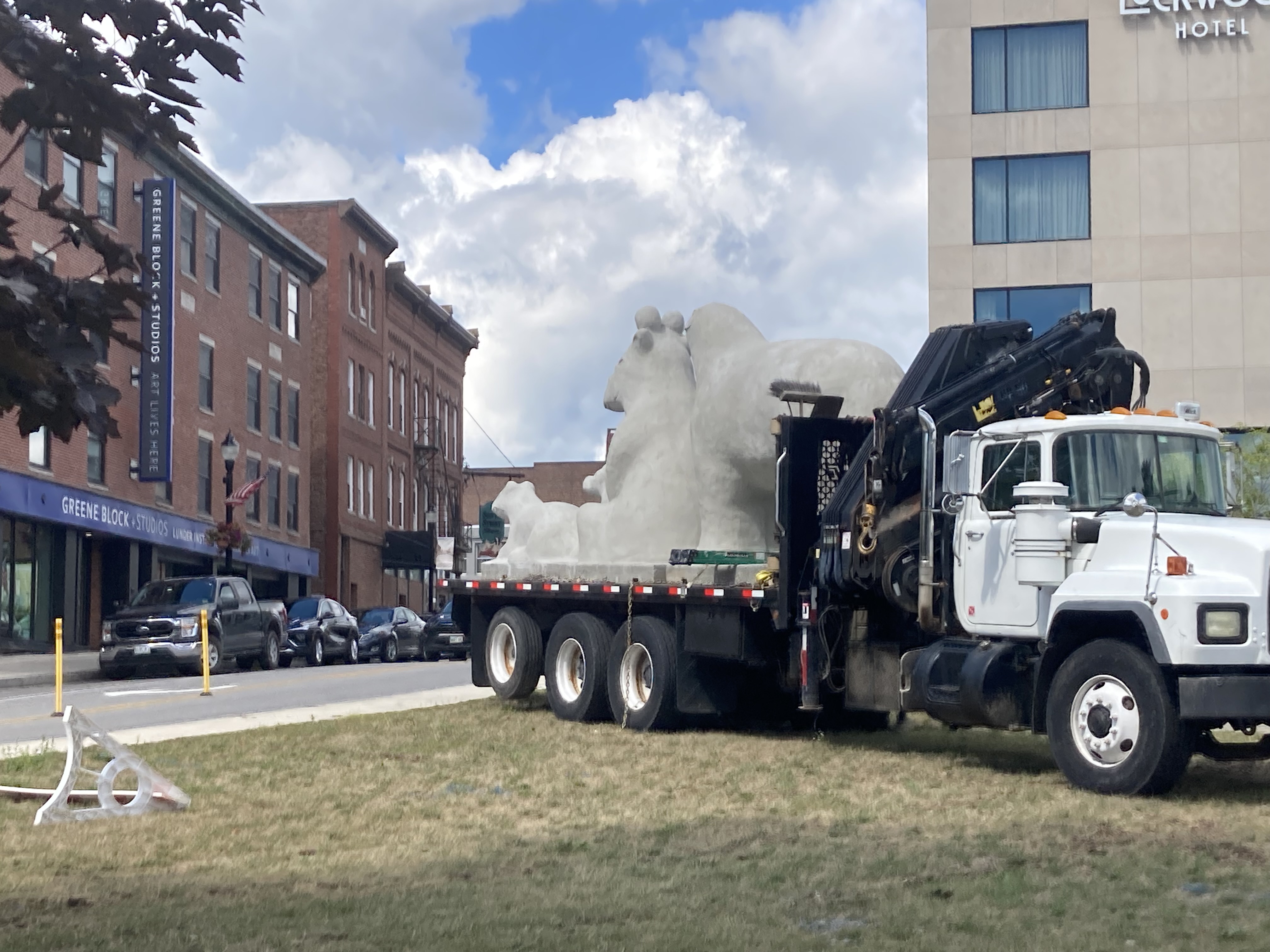
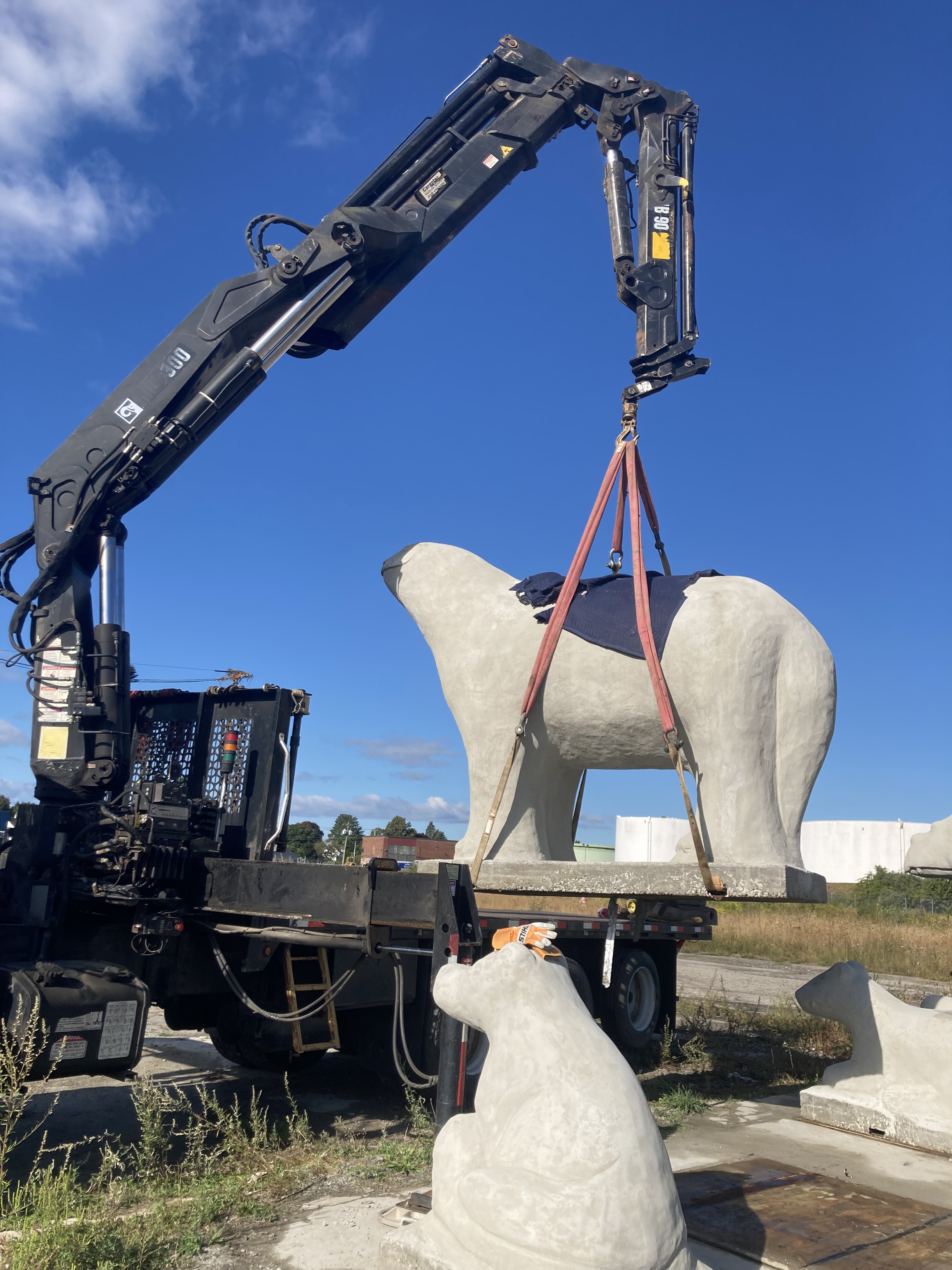
We interrupt our regular “Wise Women” programming to bring this special report of the “Wild Maybes of the Long Green Between.” The polymath maker, Chris Miller, has struck again, siting “visitors from an ancient Earth, as unknowable as the far future,” on the grassy knoll of Levine Park, in Waterville, Maine.
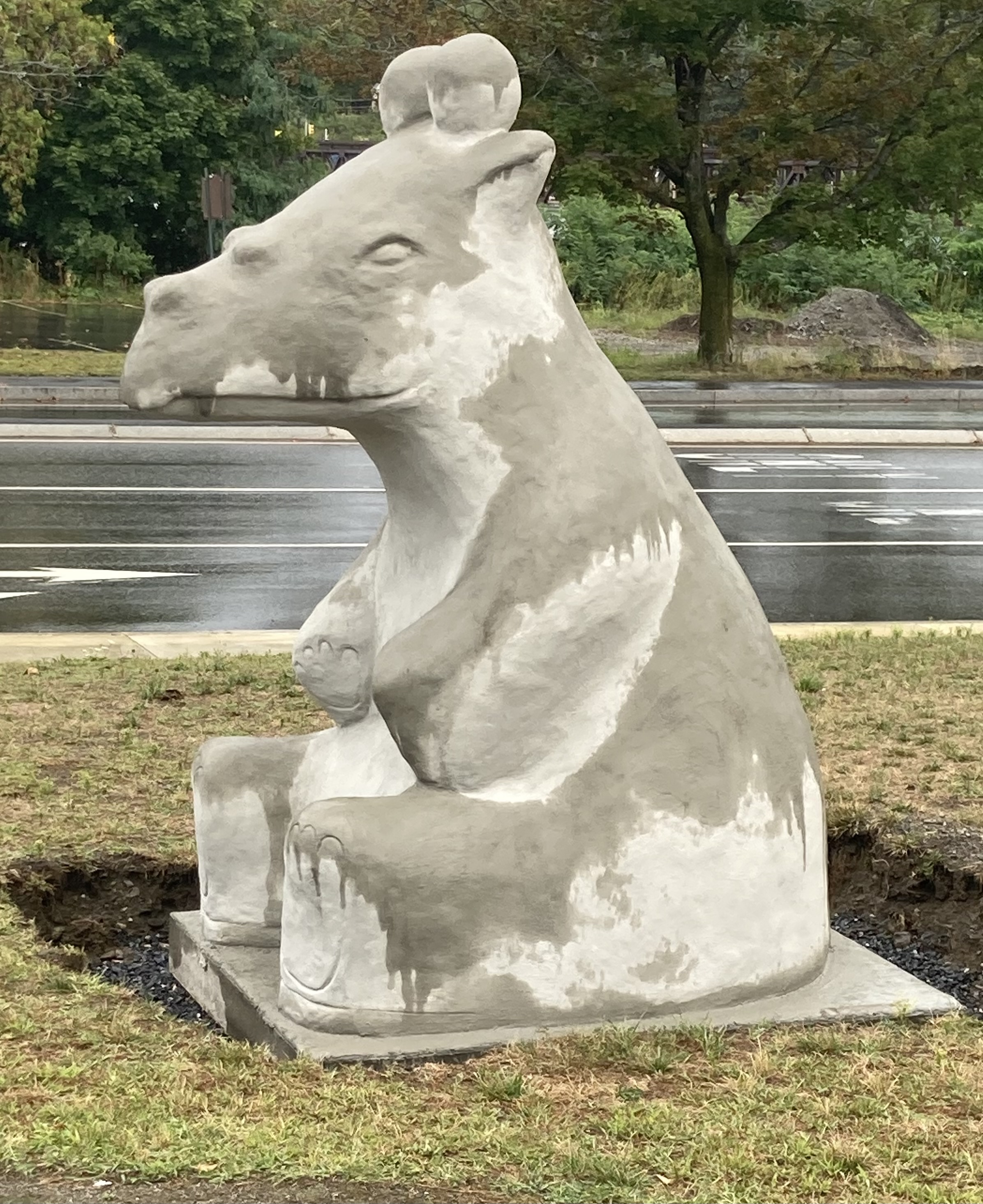
The Wild Maybes are “honorary crossing guards where the deep past and far future meet.” The public welcomed to roam “…in the richness and vastness of time beyond reckoning.” The four Maybes face the cardinal directions of North, East, South and West proudly beside the mighty Kennebec River as it flows ever to the Gulf of Maine.
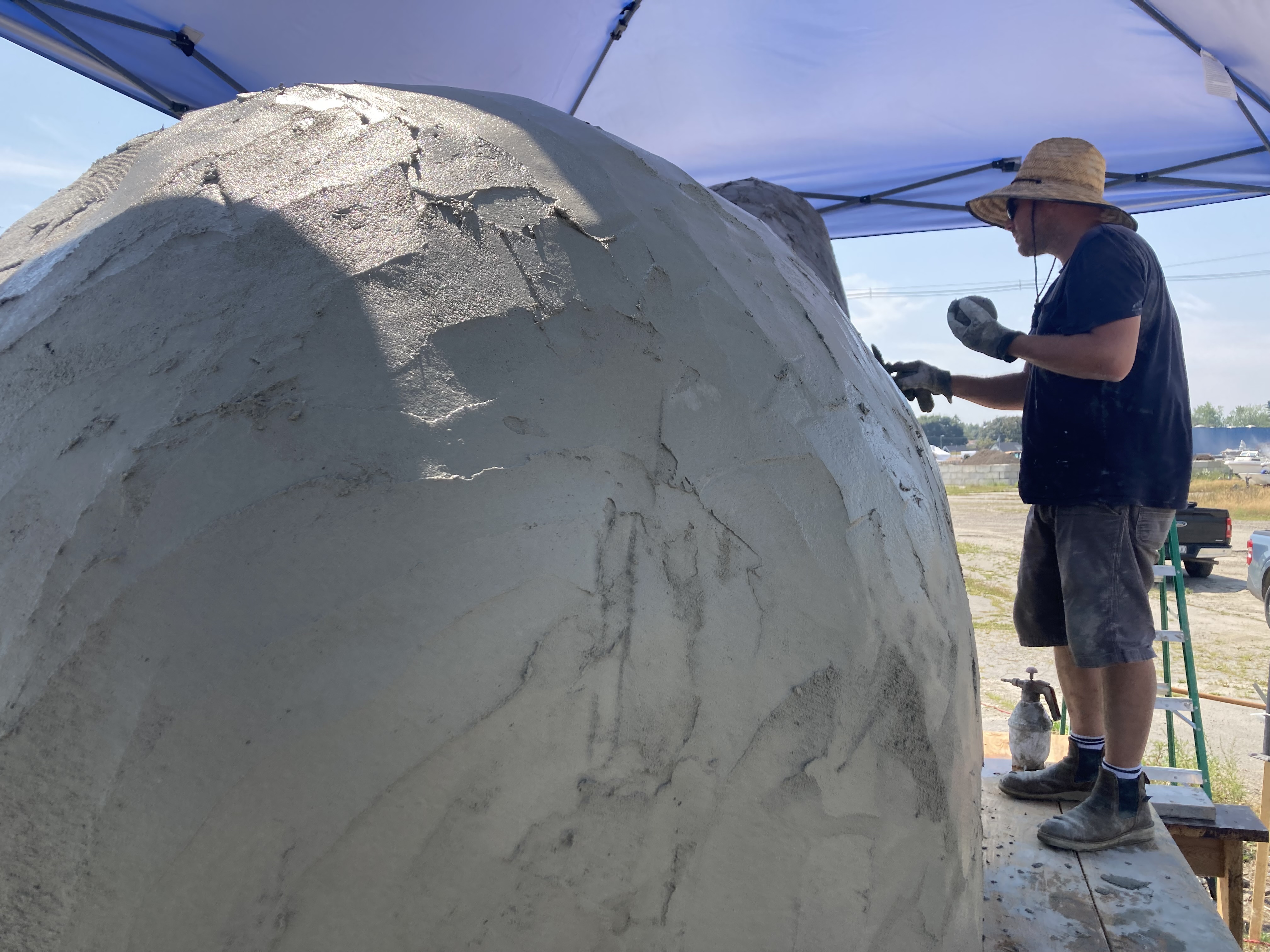
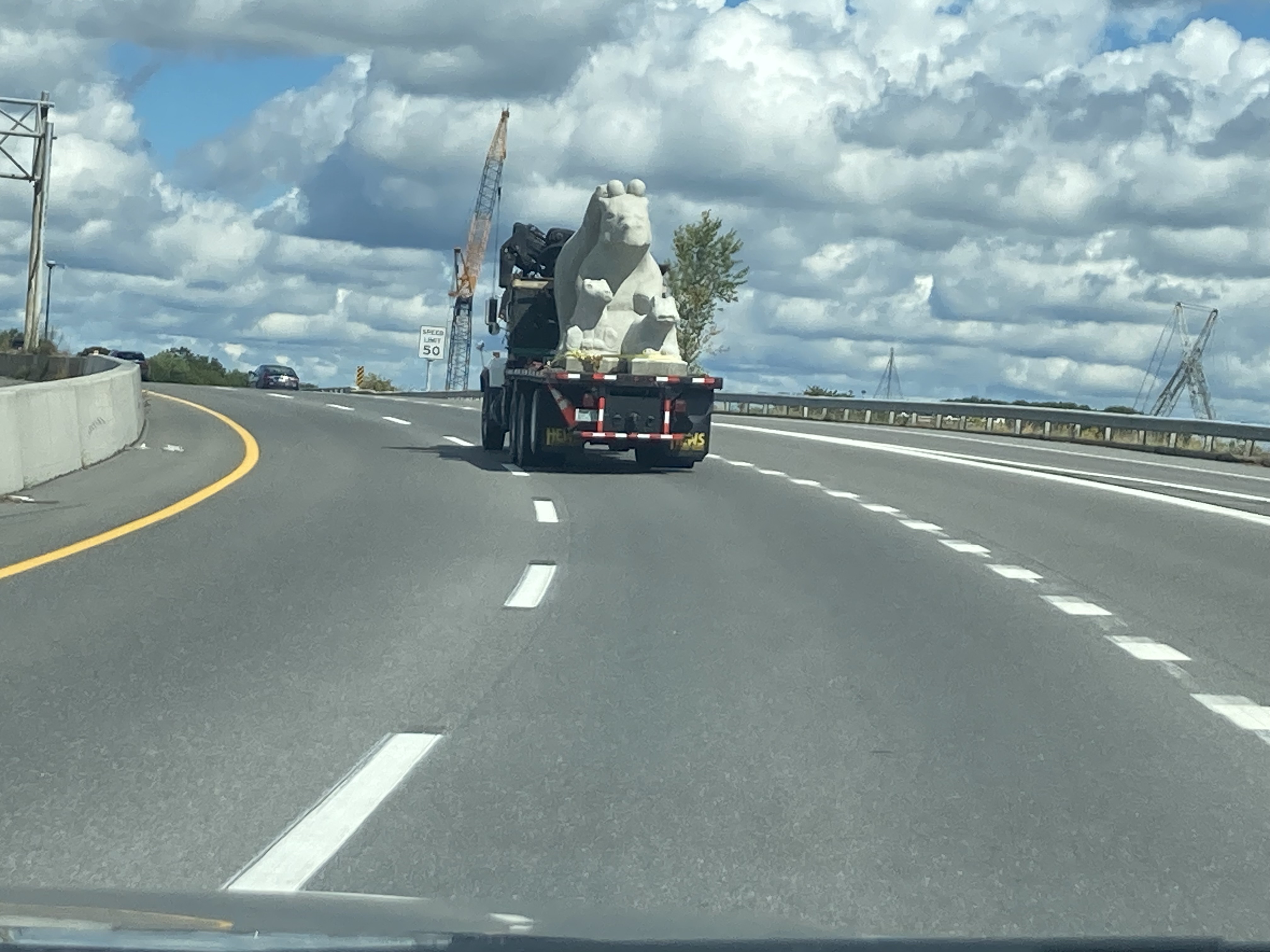
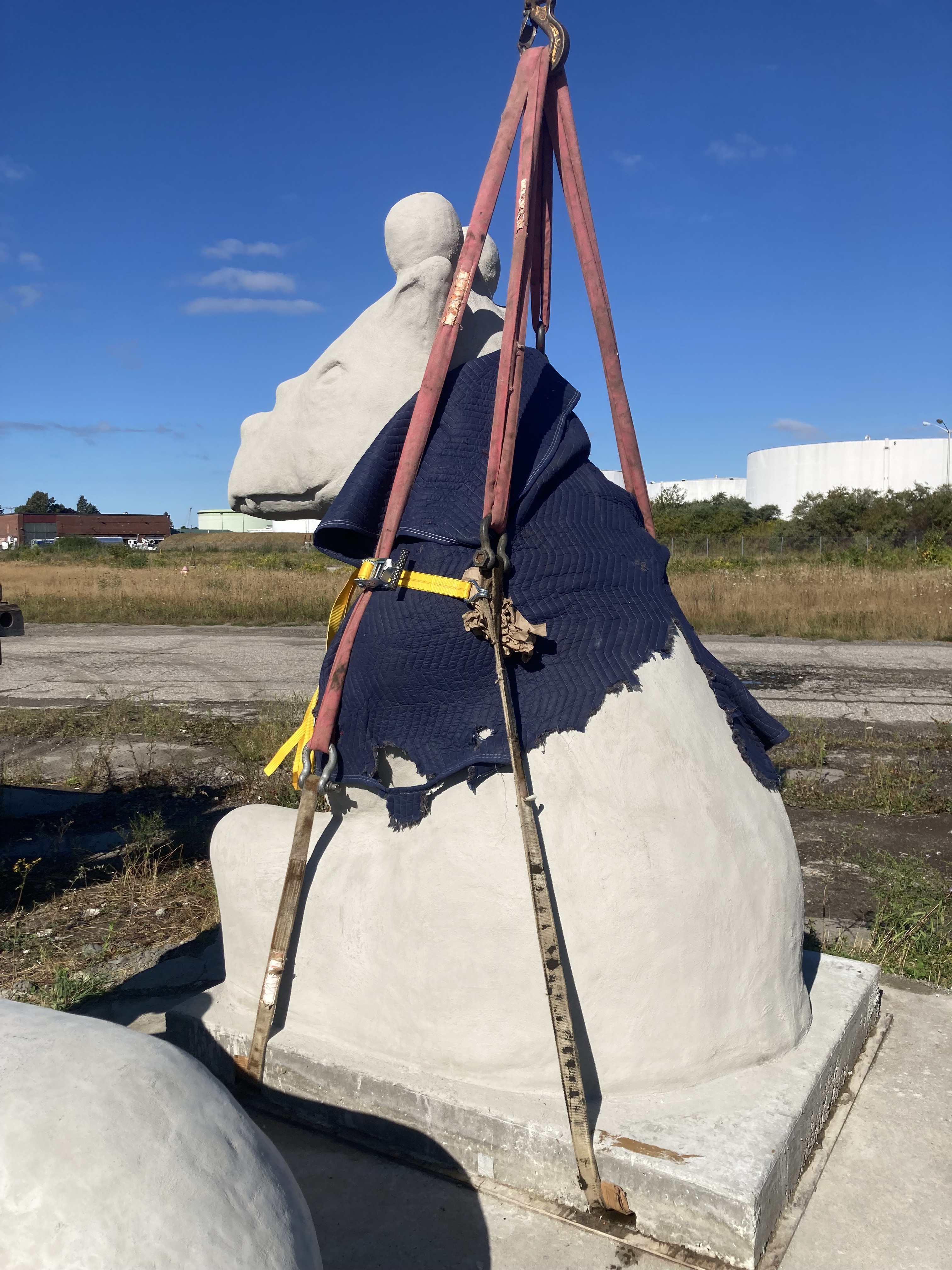
Modeled upon the earliest mammals, just post the dinosaur age, Chris conceived this public art installation as “a puzzle…based on shaky assumptions about dusty old bones.” They were made using a welded steel armature, foam, and structural concrete. I am honored to have been mere fabricator: building forms, cutting and stacking foam, mixing mud, troweling concrete, helping to load and then install: 15,000 pounds hauled 96 miles north.
There are four Maybes:
- Uni, the Uintatherium, a beast of the herbivorous Dinocerata mammal that lived in the now United States during the Eocene period;
- Eo, the Eocondon, of the triisodontid mesonychian genus that existed in the early Paleocene of Turtle Island (North America);
- Cory, a Coryphodon, named from the Greek “peaked tooth” an extinct genus of pantodont mammals, also local, speaking in terms of continents;
- Barry, a towering Barylambda, also of the pantodonts, from the middle to Late Paleocene era.

Tick-tock clock time is of man’s making, while Natura moves in other orbits. Chris wrote, “When 2.8 billion seconds ago (in 1934), historian Lewis Mumford pronounced that ‘…the clock, not the steam engine, is the key-machine of the modern industrial age,’ he went on to point out that there are still many other ways to mark time, and surely better ways to experience it. This long, narrow strip of grass, for instance, is a between place. It is the perfect kind of place to escape from the kind of time that is measured in seconds and minutes. Here in this long green between, time flows in seasons and eons, in eras and generations.”
And so Waterville is transformed, and kudos to them for stepping up, underwriting the permanent installation. What a marvelous life unfolds along the rocky coast, Northern terminus of the lower 48.
For more information about the Wild Maybes, click here: https://npdworkshop.com/wild-maybes








 an Art Farm