“Hermis at a Wedding”, Sappho
Posted: August 10, 2012 Filed under: Art & Healing, Gallery - Quotes Leave a commentThere a bowl of ambrosia
was mixed, and Hermis
took the jug and poured wine for the gods
and then they all
held out cups and poured
libations and prayed for all blessings
for the groom.
“Of a Young Lover,” Sappho (fragment)
Posted: August 9, 2012 Filed under: Art & Healing, Gallery - Quotes Leave a commentWhen I was young I wove garlands
“Songs” Sappho
Posted: August 8, 2012 Filed under: Art & Healing, Gallery - Quotes Leave a commentto the Groom:
What are you like, lovely bridegroom? / You are most like a slender sapling.
for the Bride:
O bridegroom, there is no other woman now / like her
“Song to Groom and Bride”, Sappho
Posted: August 7, 2012 Filed under: Art & Healing, Gallery - Quotes Leave a commentIt is common these days to speak of your “partner” or your “significant other.” Very practical. I wonder, though, if we haven’t traded bliss for the quotidian, and lost much in the exchange.
Isn’t the essence of love to melt and merge, to reach bliss, even an enduring and seasoned bliss, where “other” is lost? To be sure, balance requires the distinction of two, while endurance demands the solidity of one. It is love, pure and simple, that soaring arrow, aimed high, which arches gracefully toward the apex.
When did we let go of a “love affair?” How have we lost use of that glorious phrase? Let us travel that path now, and let Sappho be our guide. Over the next few blogs, we will listen to her songs, beginning here with “Song to the Groom and Bride.”
Happy groom,
your marriage you prayed for
has happened.
You have the virgin bride
of your prayer.
You the bride
are a form of grace,
your eyes honey.
Desire rains on your exquisite face.
Afroditi has honored you exceedingly.
Bringing a Moose to Bear Mountain
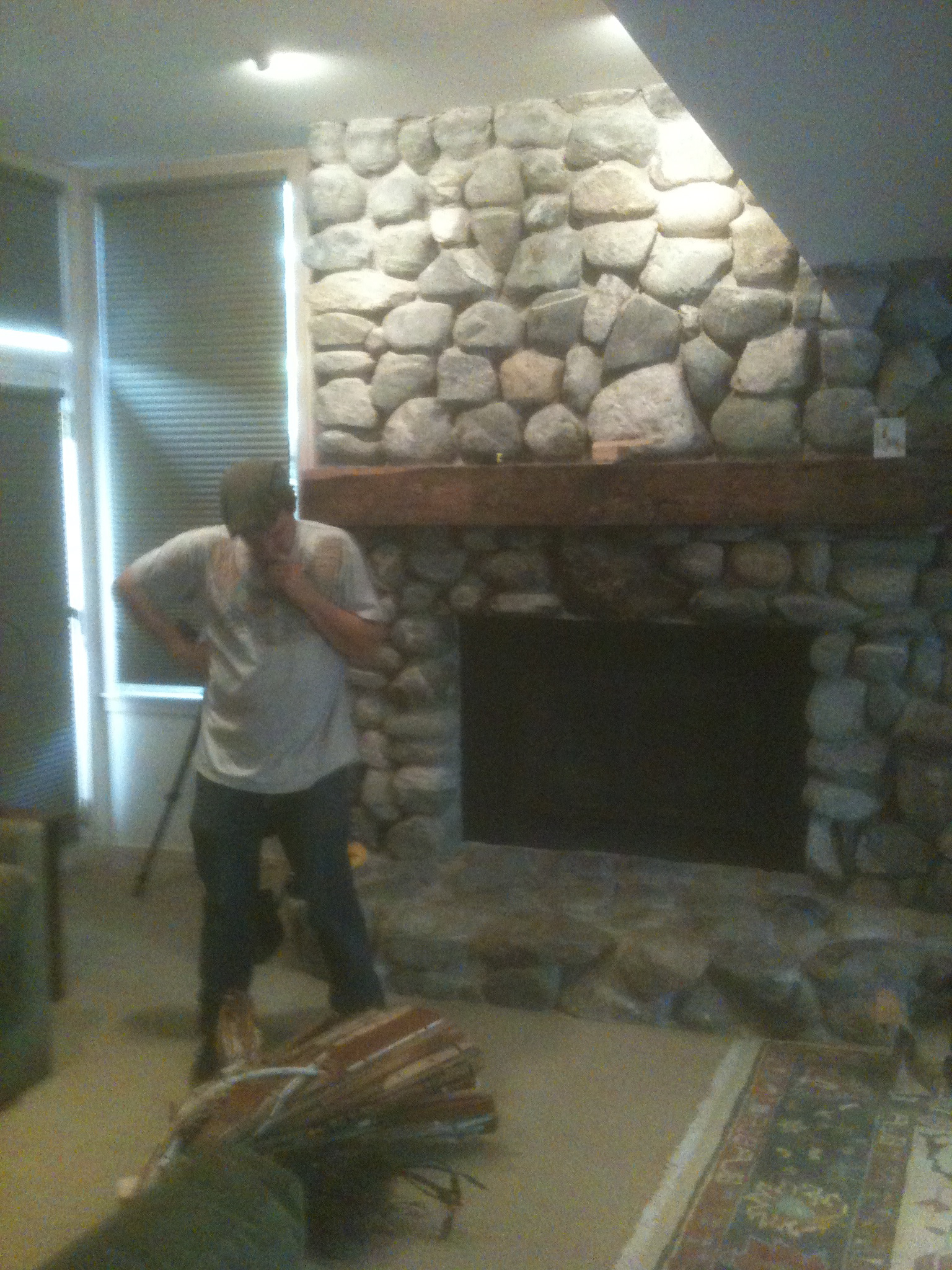
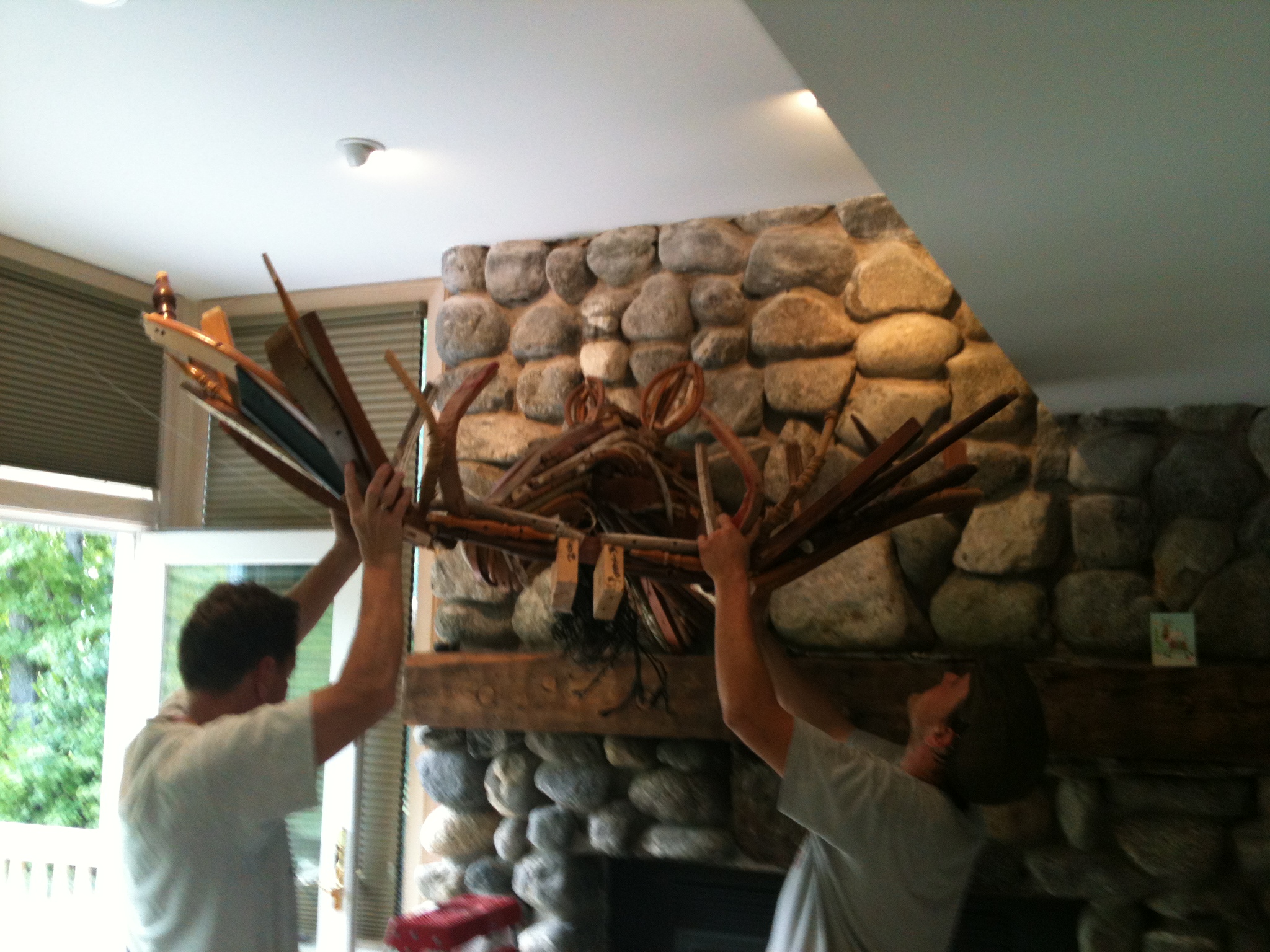
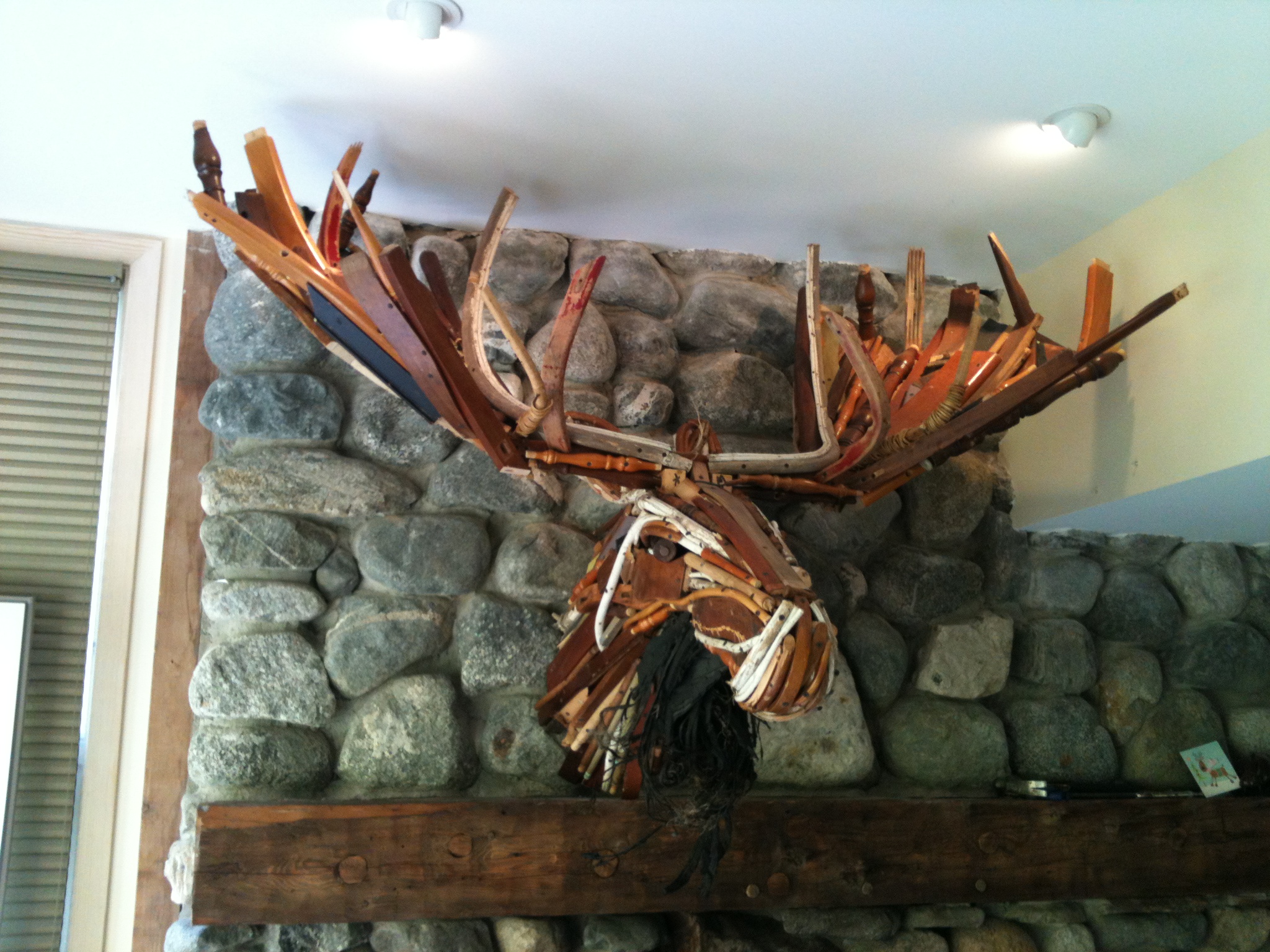
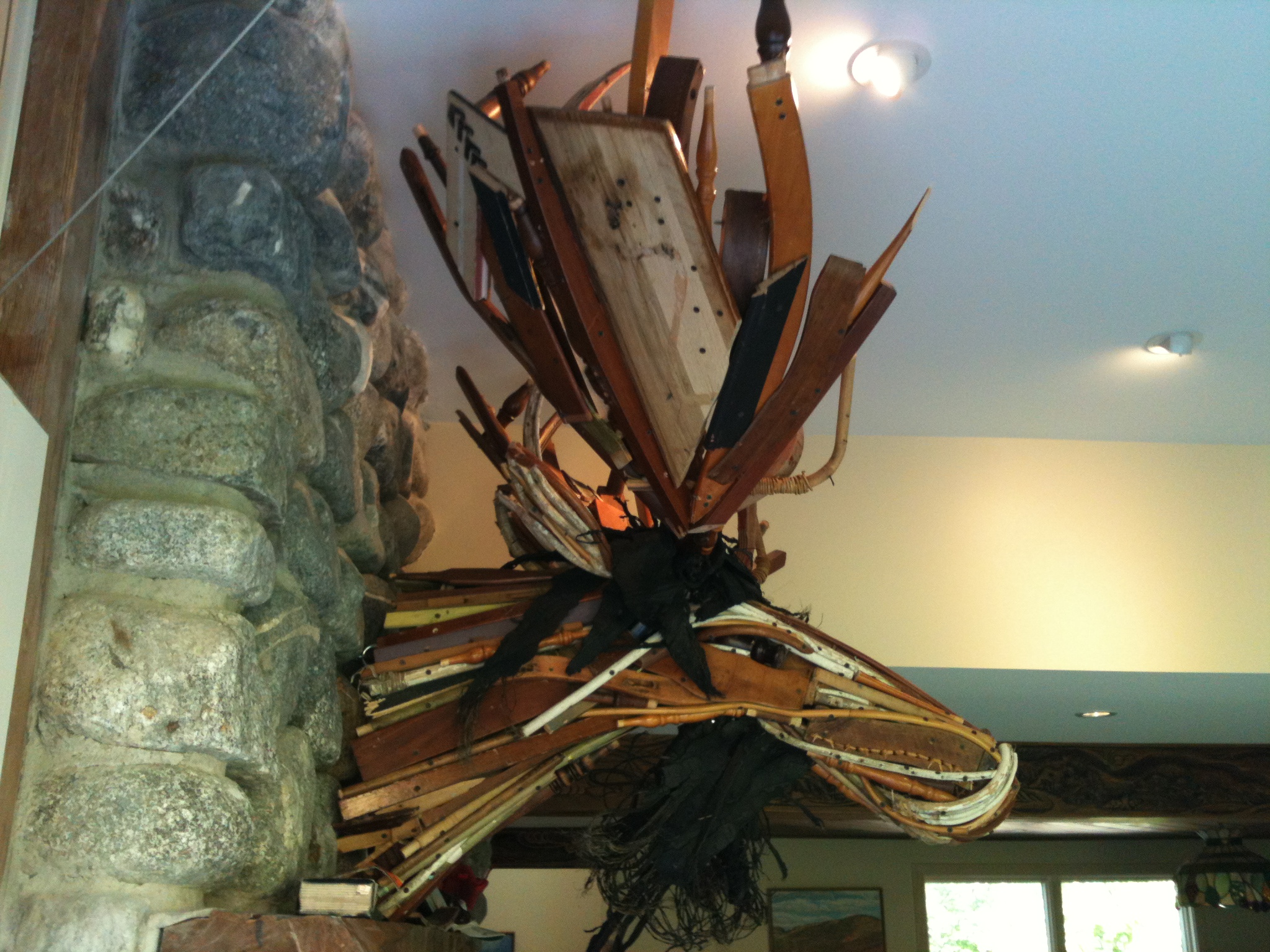
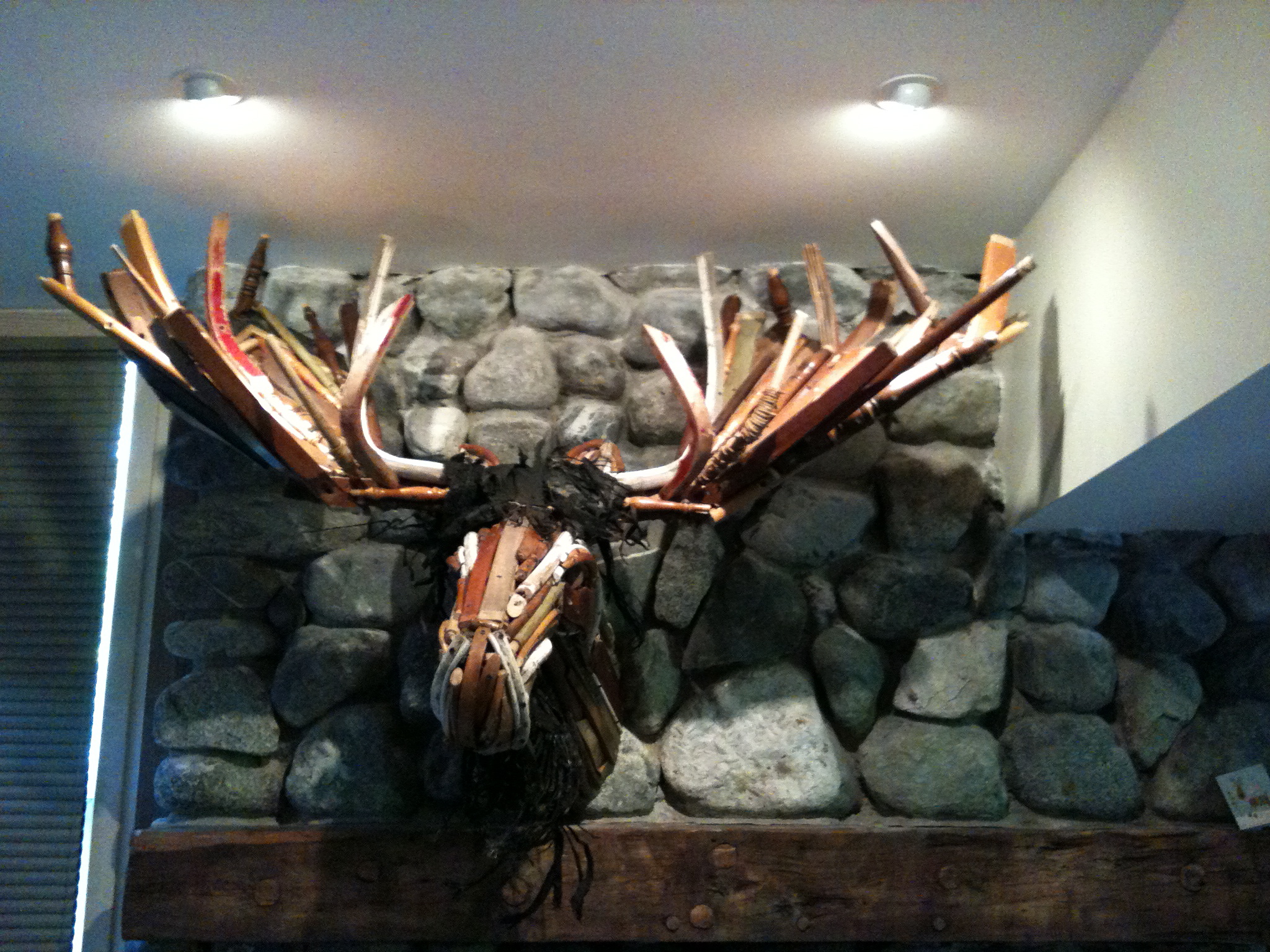
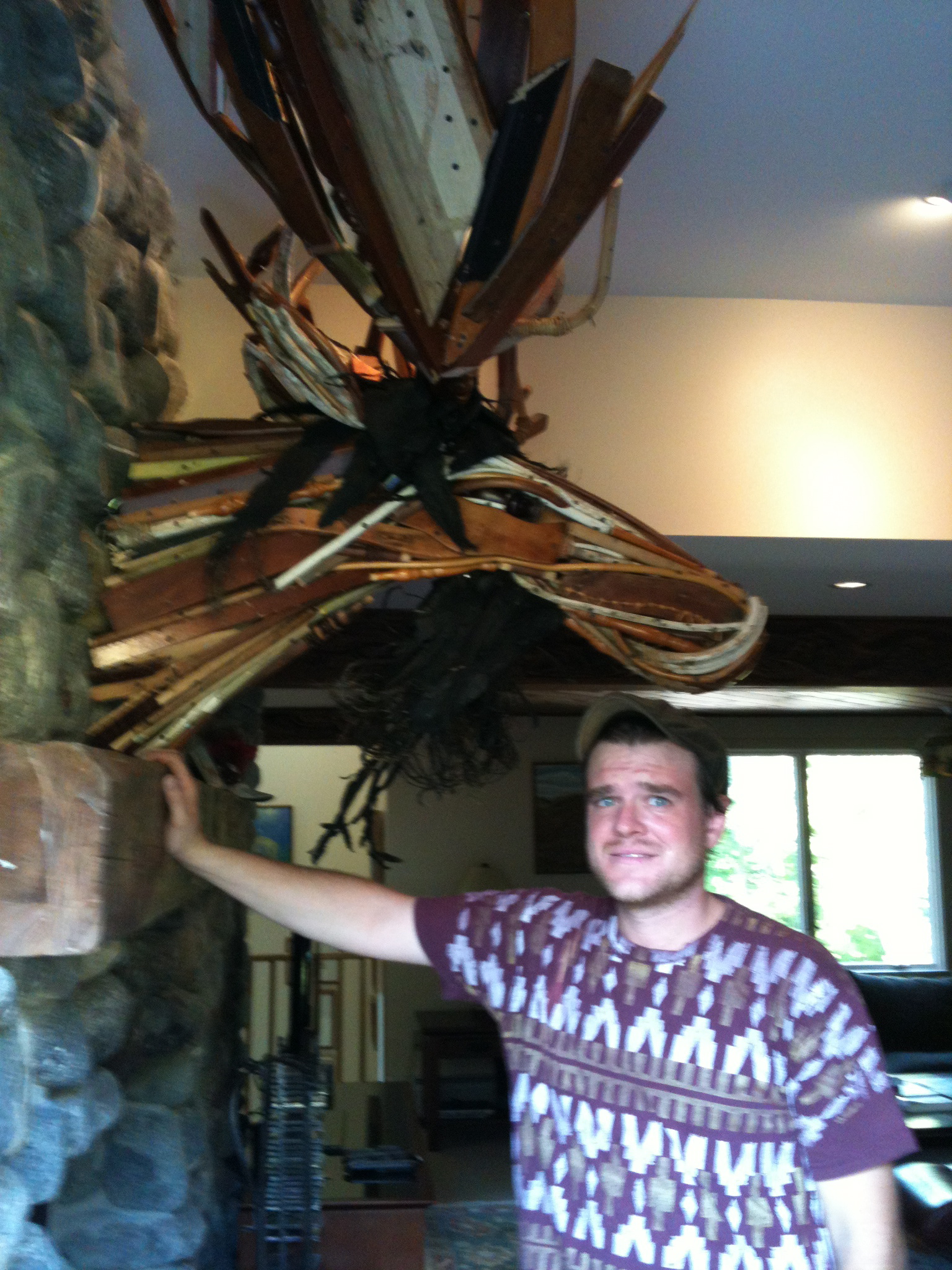
Posted: August 5, 2012 Filed under: Art & Healing Leave a commentRecently I had the great pleasure of working with Johnston Foster, hanging his Moosehead Trophy sculpture on a mantle on Bear Mountain Road in Carrabassett Valley, Maine.
Johnston is immensely talented. His sculptures are made of detritus gathered along highways and back alleys, then transformed into powerful images. This piece measures 4′ high x 6′ wide. It was quite a challenge to hang that piece, but we figured it out.
“Habitation,” Margaret Atwood
Posted: August 3, 2012 Filed under: Art & Healing, Gallery - Quotes 2 CommentsMarriage is not
a house or even a tent
it is before that, and colder:
the edge of the forest, the edge
of the desert
the unpainted stairs
at the back where we squat
outside, eating popcorn
the edge of the receding glacier
where painfully and with wonder
at having survived even
this far
we are learning to make fire
Line & Shape
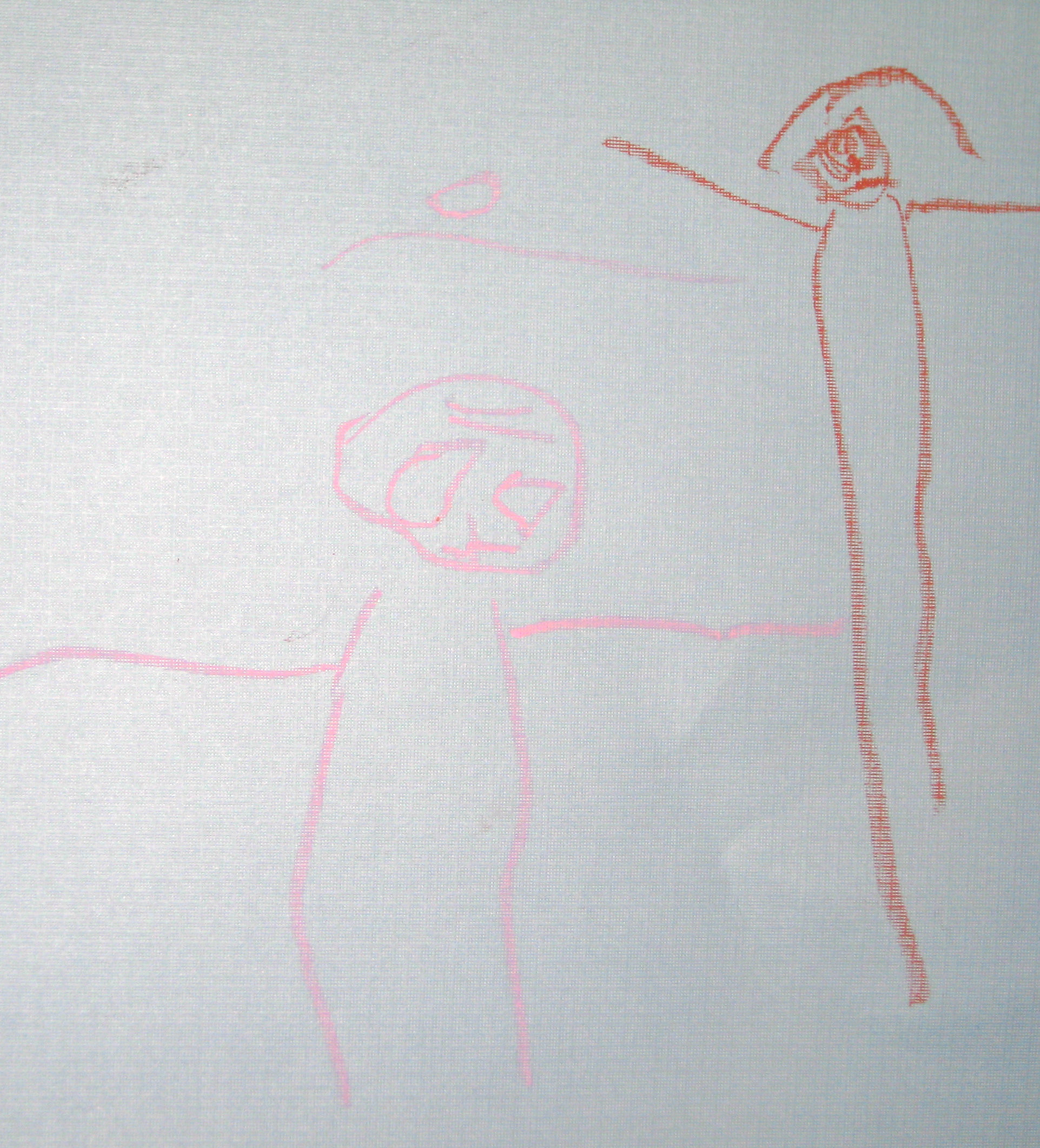
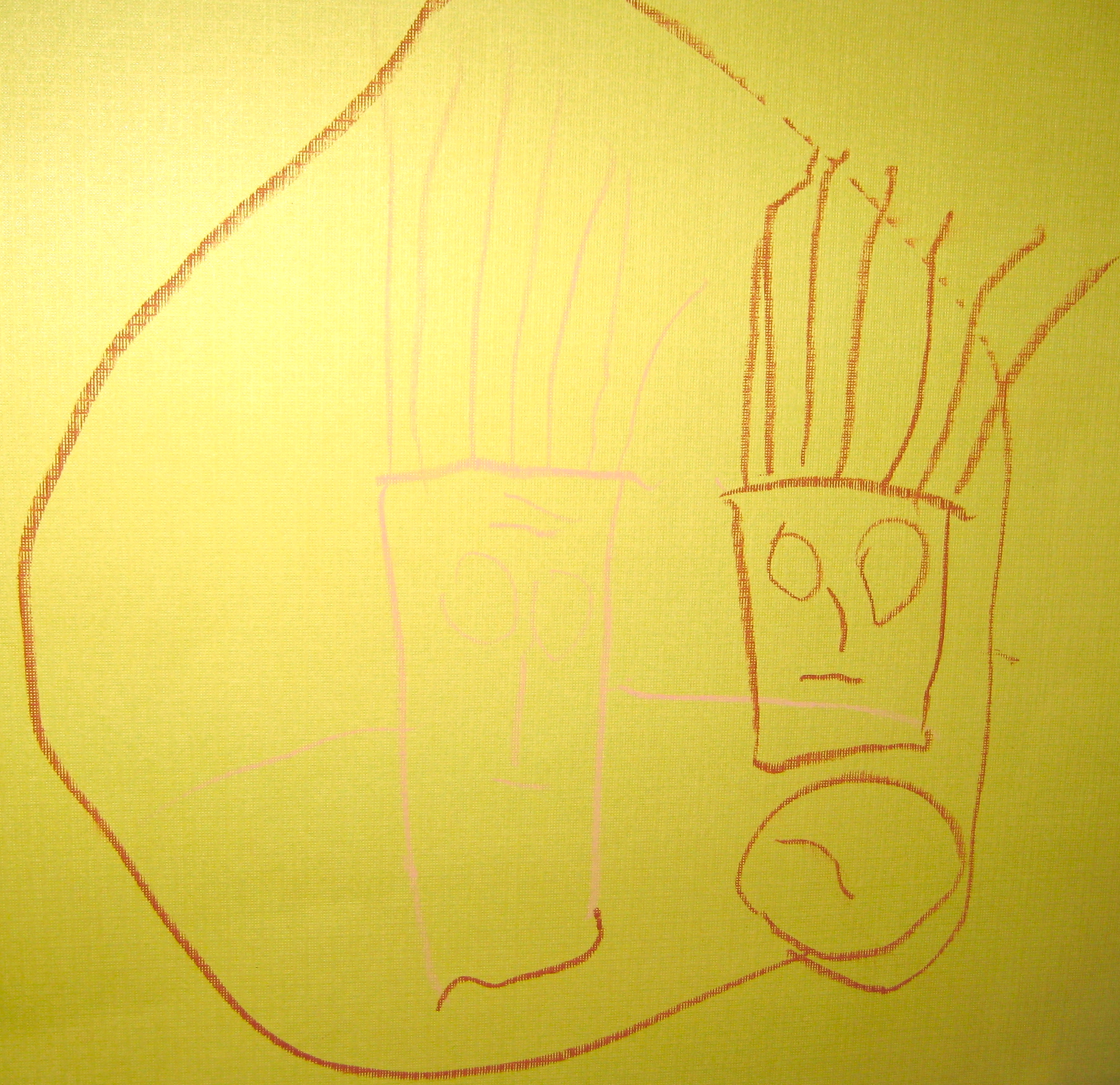
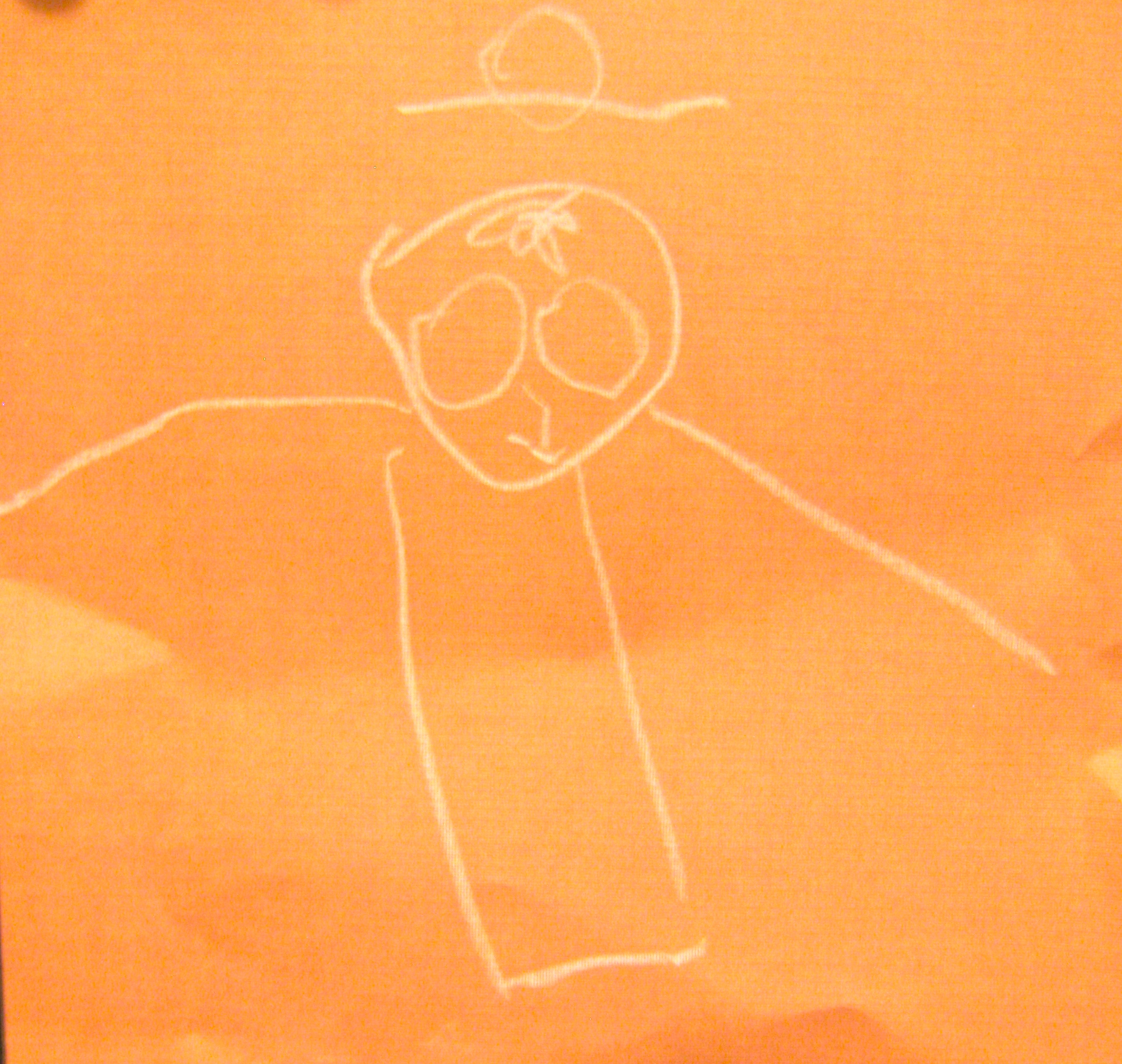
Posted: July 23, 2012 Filed under: Art & Healing, Child Centered Activities 3 CommentsAren’t all images made up of lines and shapes? Our 3 year old has been more and more engaged in mark making in the last few weeks. We’ve been talking about how everything can be broken down into lines and shapes. You can see how the ongoing dialog is helping her to organize her ideas. I notice a greater concentration and focus as well. So cool!! I post the images in the sequence in which they were created, over a several day period.

 You’ve gotta love the “hair” in this one…
A Cathedral of Trees
Posted: July 12, 2012 Filed under: Art & Healing, What is an Art Farm 4 Comments
In the State of Maine, I am now a Notary Public and authorized to wed beloveds. Notaries are also authorized in Florida and South Carolina, and the latter caught my eye, for an anecdote once I heard.
A man from the low country told me that in South Carolina, when two beloveds stand beneath a Live Oak tree and give voice to their shared love, then that tree is their witness. They are legally wed.
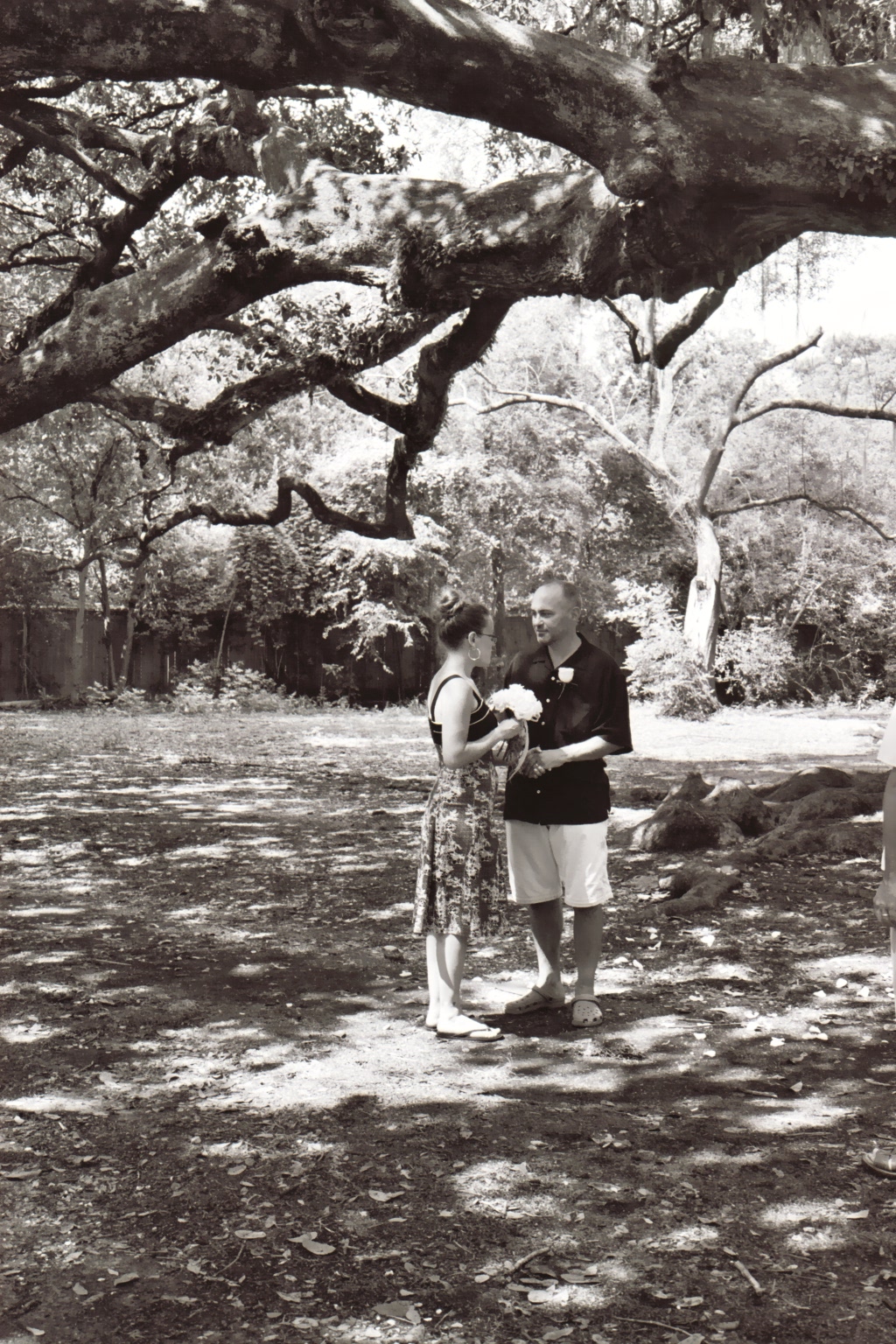
I cannot vouch that law stands, but I can vouch that Quercus virginiana – the southern Live Oak, known to live more than 1,000 years, with a trunk circumference of 40 feet or more, and a crown spread of 90 feet or more – has a powerful draw to couples seeking to give voice to their vows.
The fact is, our blog of June 16, 2011 “Thomas Berry and the Tree of Life” wrote about marriage beneath the live oak tree – that would be my elopement with Becca in August 2004 – and that blog has received the highest number of hits on our Art Farm. Couples have pulled quotations from our text and shown links to our ceremony under the Tree of Life, in Audubon Park in New Orleans. Couples are drawn to that spot, and our experience stands as a marker now along their path.

To be sure, the draw is that tree, more than my prose, and that power is undeniable. To the ancient Greeks, the oak tree was the domain of Zeus, a lightning god and their principal deity. Its rustling leaves, the voice of Zeus.
But more than just elemental power, the oak provides habitat for hundreds of insects and invertebrates, not to mention birds and animals. It is no wonder that the Gauls and Romans associated the tree with the god of agriculture and healing. Healing, perhaps, drew me to the tree.
In Northern New England, Pine trees abound and in Breton legend, that was the tree Merlin climbed, had a revelation and never returned to mortal life; in this sacred tree the soul of Merlin awaits his return. A tree of vitality and continuity, the Pine symbolizes the life force, death and resurrection.
Maine is the Pine Tree state. In colonial days, all Pine trees of a certain girth belonged, by fiat, to the King of England, as masts for the ships of His Majesty’s Navy. But before the English arrived the Indigenous Americans were calling trees, all trees, “our standing brothers,” the quiet center of being.
And if you look around you start to notice that in the ancient wisdom trees were at the center of many traditions: the Tree of Life; the Tree of Knowledge; the “Assembly Tree of the Gods”; the axis mundi of the cosmos; in pre-hieroglyphic script of Egypt, the word for “giving birth” is derived directly from the word for tree. The Tree it seems is the great mother of creation.
They are the yeomen of the oxygen factory but photosynthesis is only one small aspect of their abundance. They gift to us food, clothing and shelter and have informed the architecture of our great spaces. Both Egyptian and Greek temples had columns originally made of trees, later stylized in stone, and from those buildings columns came to adorn places of worship, including banks and government buildings.
It has been argued that the arches and vaults of Gothic cathedrals represent the interlacing branches of trees; the path down the nave becoming a symbolic path among “our standing brothers.” Chartres Cathedral, it has been claimed, was built upon the site of a grove sacred to the Druids.
It is hard to fathom how vast the symbolism may be, and yet easy to understand why lovers are ever drawn, nestled safely among the trees, to give voice to their love.

“The Owl and the Pussy-cat” by Edward Lear
Posted: July 1, 2012 Filed under: Art & Healing, Child Centered Activities, Gallery - Quotes 2 CommentsRecently, while reading this to little E, she asked me, “Daddy, will you be the Turkey?” Why, yes, indeed, and this classic surely belongs in our summer’s reading list of love.
“Wedding of Andromache and Hektor:” Sappho
Posted: June 27, 2012 Filed under: Art & Healing, Gallery - Quotes 1 CommentSappho’s is the sun-drenched voice of the first female poet in the Western corpus. She lived on Lesbos, an island in the Aegean Sea, a place of grains, grapes, olive groves and orchards.
Her lyric poems, written during the 7th century BCE, largely exist in fragments yet her voice rings bold with passion and candor, an ecstasy of the senses. In this telling of a wedding feast you can feel the excitement, envision the coming together of family and friends, hear the heavenly songs of love.
Wedding of Andromache and Hektor
The translation is by Willis Barnstone.
 an Art Farm