As Above, So Below
Posted: December 26, 2025 Filed under: consciousness, Little Green Thumbs, Portfolio - Elena's work | Tags: hildegard-von-bingen, mother-trees 1 Comment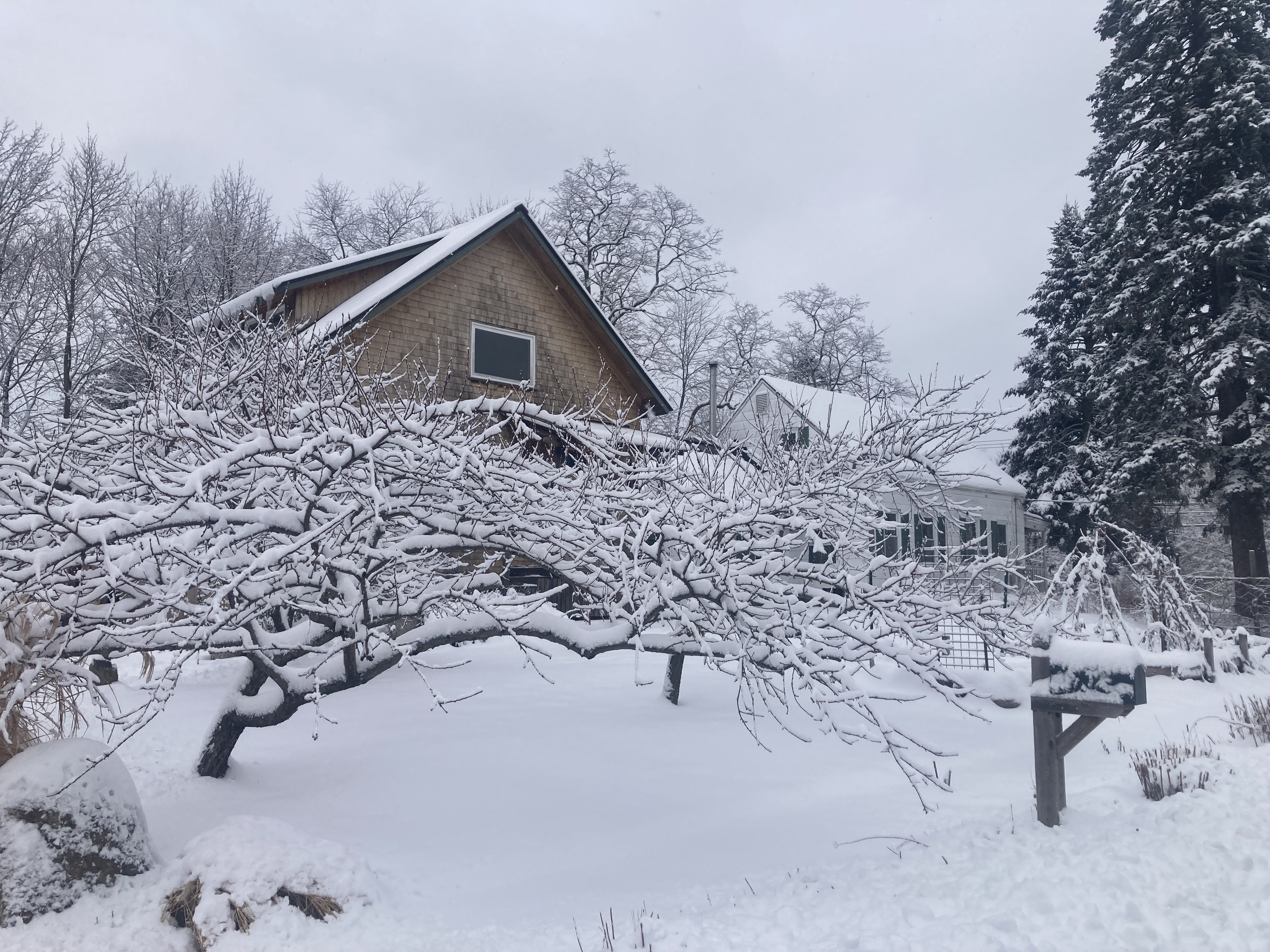
Two wise women demonstrate the ancient wisdom, passed down millennia, of the Emerald Tablet: “That which is above is from that which is below, and that which is below is from that which is above,”
The “Sibyl of the Rhine” is our first wise woman, the polymath writer, composer, philosopher, mystic and visionary of the High Middle Ages. The Abbess of several Benedictine monasteries, the breadth of her intellect included being a founder of scientific natural history in Germany. A truly remarkable and wise woman was Hildegard van Bingen.
Hildegard’s central theme was Vriditas, a Latin term meaning “greenness” but with added nuance of vitality, growth and lushness; the creative life-giving force of nature and spirit. Simply stated, physical well-being is the “greening power” of Gaia, that relates both to the physical and to the spiritual. As above, so below; all life is one, all is connected.
Her scientific master work is the Book of the Subtleties of the Diverse Nature of Creatures. Divided into two sections, the Physica is a comprehensive treatise and medicinal catalog of plants, fish, birds, insects and minerals, while the Causae et Curae emphasized the causes of disease and their corresponding natural treatments.
Hildegard closely observed the plants in her monastery’s garden and how – as Babs Mahany wrote – “stem and bud absorbed the sunlight [which] brought the fronds’ unfurling.” Her closely observed empirical observations combined with mystical visions detailed that which is above ground.
The “wood wide web” scientist, the forest ecologist and professor of the underground, is our second wise woman. Dr. Suzanne Simard is a titan among modern scientists, who challenged the conventional view that ecosystems are competitive and forests are simply the source of timber or pulp. Over decades she researched and discovered the cooperative nature of forests through roots and fungal networks, the mycorrhizal, that facilitate nutrient, water, sugar and carbon exchange; a chemical signaling between trees communicating stress and providing a network for communal support.
Dr. Simard identified century old “Mother Trees” that nurture younger seedlings, sending nutrients outward to feed and sustain the weaker, baby trees. Her Mother Tree Project is rooted in the idea that forests are deeply interconnected ecosystems, social creatures demonstrating traits of cooperative civil society.
Soil is not “dirt,” but a vital and complex life source of sharing and exchange, the basis upon which life unfurls. The soil maven Nance Klehm in her book, “The Soil Keepers,” described it: “When we stand on land, we stand on the ones who have come before us. We stand on our ancestors. We realize we have inherited their legacy, the way they perceived land, the way they lived with the ground, the way their hands worked the soil, or didn’t.”
As above there is light, so below there is darkness;
As above vriditas unfurling, so below nutrients and sugars flow;
As above oxygen creation, so below communication and exchange;
As above the lotus flower, so below the mud.
All is interconnected, the cosmic dance of Gaia.
The Emerald Tablet is a foundational text, attributed to the Hellenistic figure Hermes Trismegistus, who integrated Greek and Egyptian wisdom into a body of knowledge on the interrelationship between the material and the divine. The teachings influenced both Pythagorus and Plato, formed the basis of Gnosticism and Neoplatonism, were key to Renaissance humanists.
The Emerald Tablet was most likely written in the Syriac language of the Fertile Crescent, but the first extant text appeared in the Arabic, during the Islamic Golden Age, written by Jābir ibn Ḥayyān, the “Father of Chemistry.” From the 12th century onward multiple Latin translations followed, introducing the text to Europe and then in 1680, seven years before publishing his magnum opus The Principia, Isaac Newton made an English translation. More recently, it significantly influenced the work of Madame Blavatsky, William Butler Yeats, and Carl Jung.
And two wise women, 900 years apart, exemplify the enduring truth of “as above, so below,” the essence of the Emerald Tablet. Here is the full text in English from the Arabic of Jābir ibn Ḥayyān:
Truth! Certainty! That in which there is no doubt!
That which is above is from that which is below, and that which is below is from that which is above,
working the miracles of one [thing]. As all things were from One.
Its father is the Sun and its mother the Moon.
The Earth carried it in her belly, and the Wind nourished it in her belly,
as Earth which shall become Fire.
Feed the Earth from that which is subtle,
with the greatest power. It ascends from the earth to the heaven
and becomes ruler over that which is above and that which is below.
حقا يقينا لا شك فيه
إن الأعلى من الأسفل والأسفل من الأعلى
عمل العجائب من واحد كما كانت الأشياء كلها من واحد
وأبوه الشمس وأمه القمر
حملته الأرض في بطنها وغذته الريح في بطنها
نار صارت أرضا
اغذوا الأرض من اللطيف
بقوة القوى يصعد من الأرض إلى السماء
فيكون مسلطا على الأعلى والأسفل
________________________________________
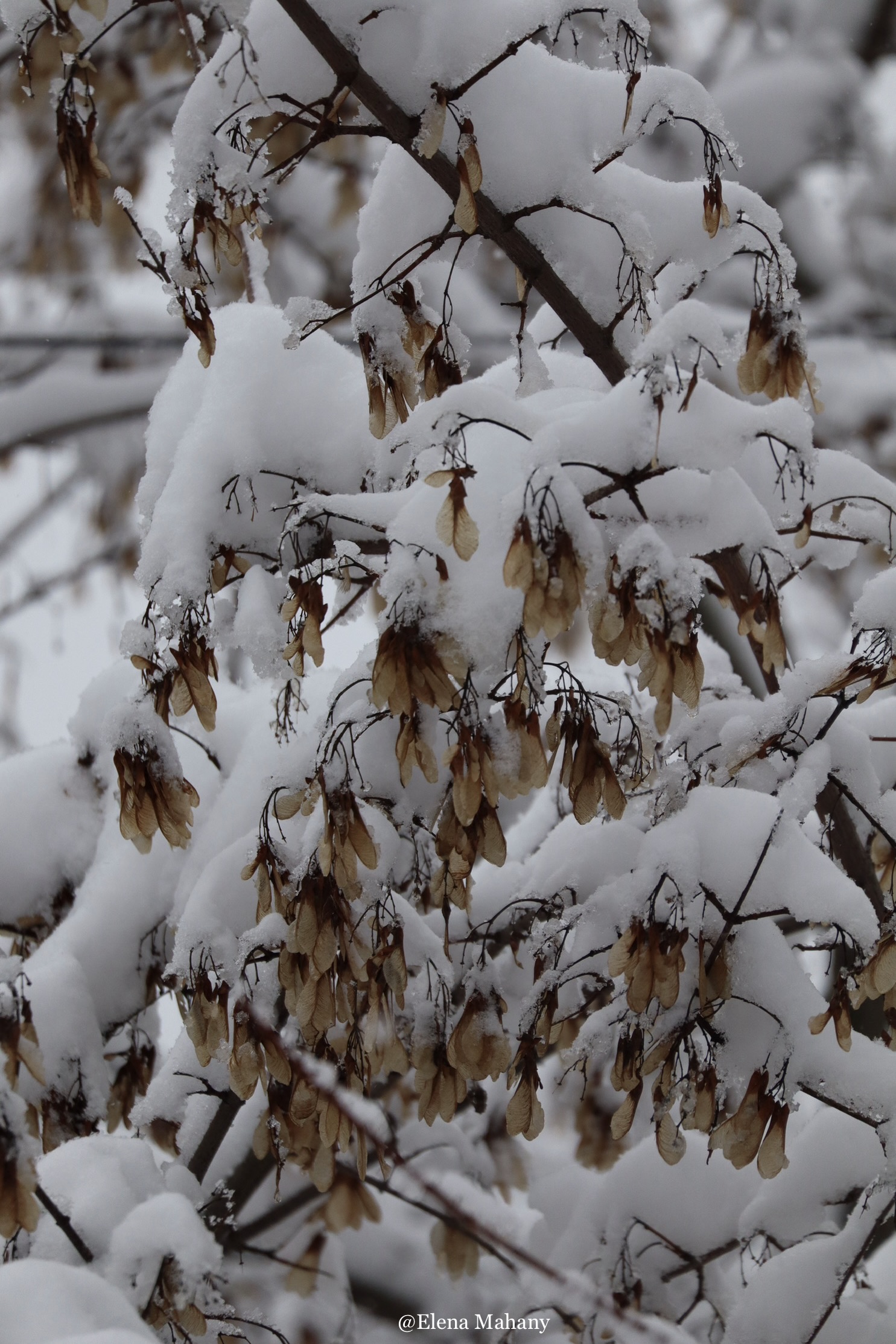
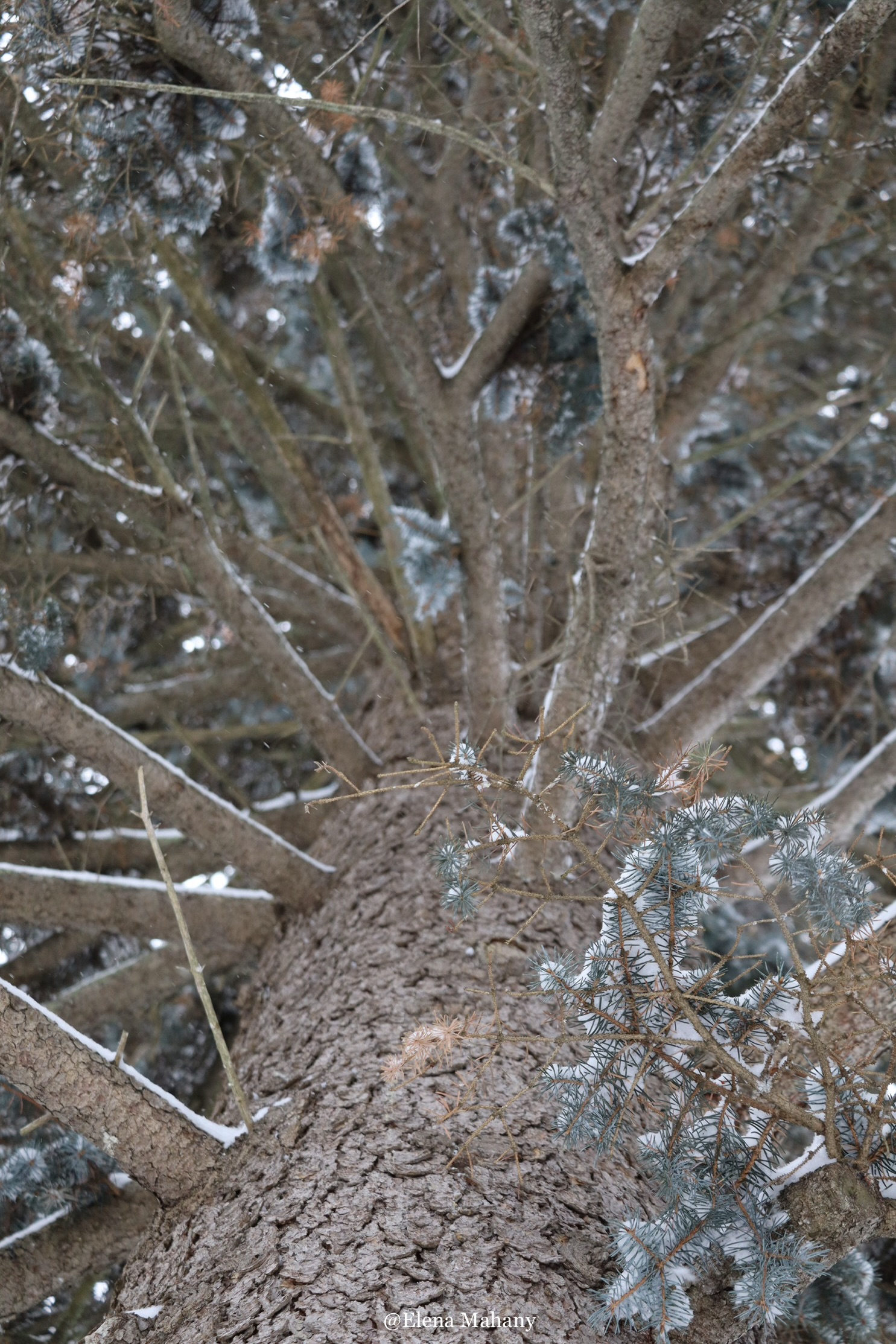
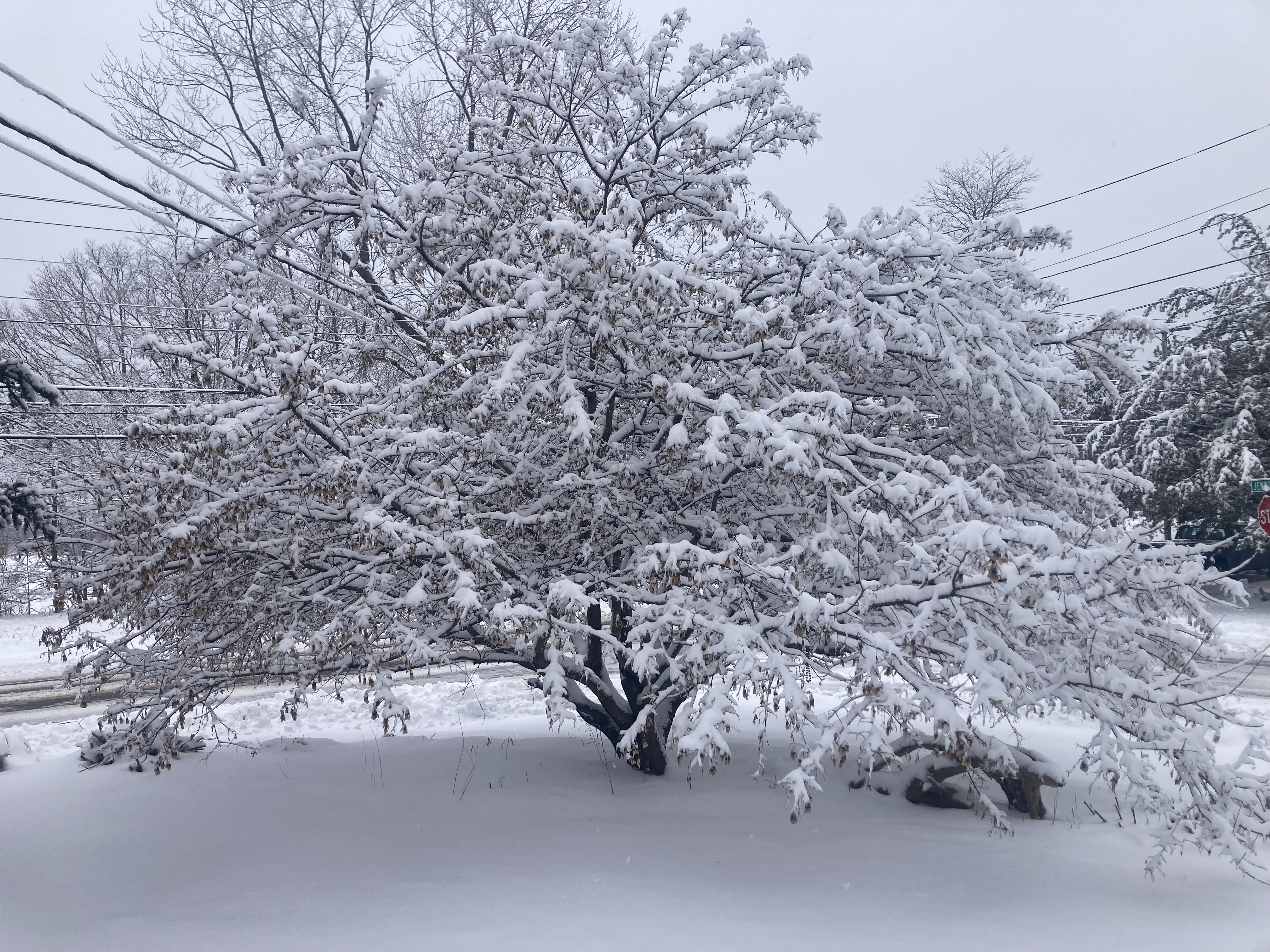
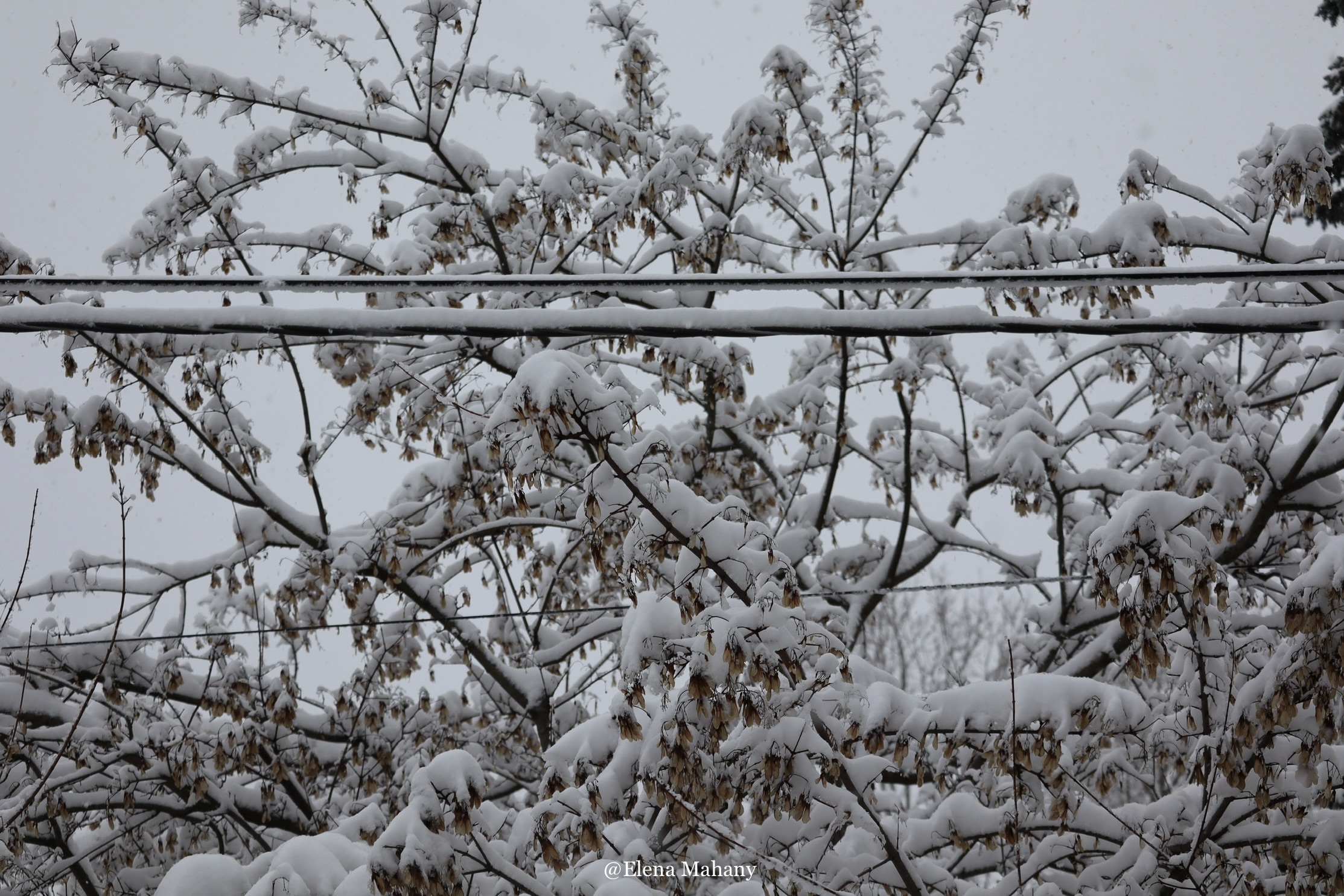
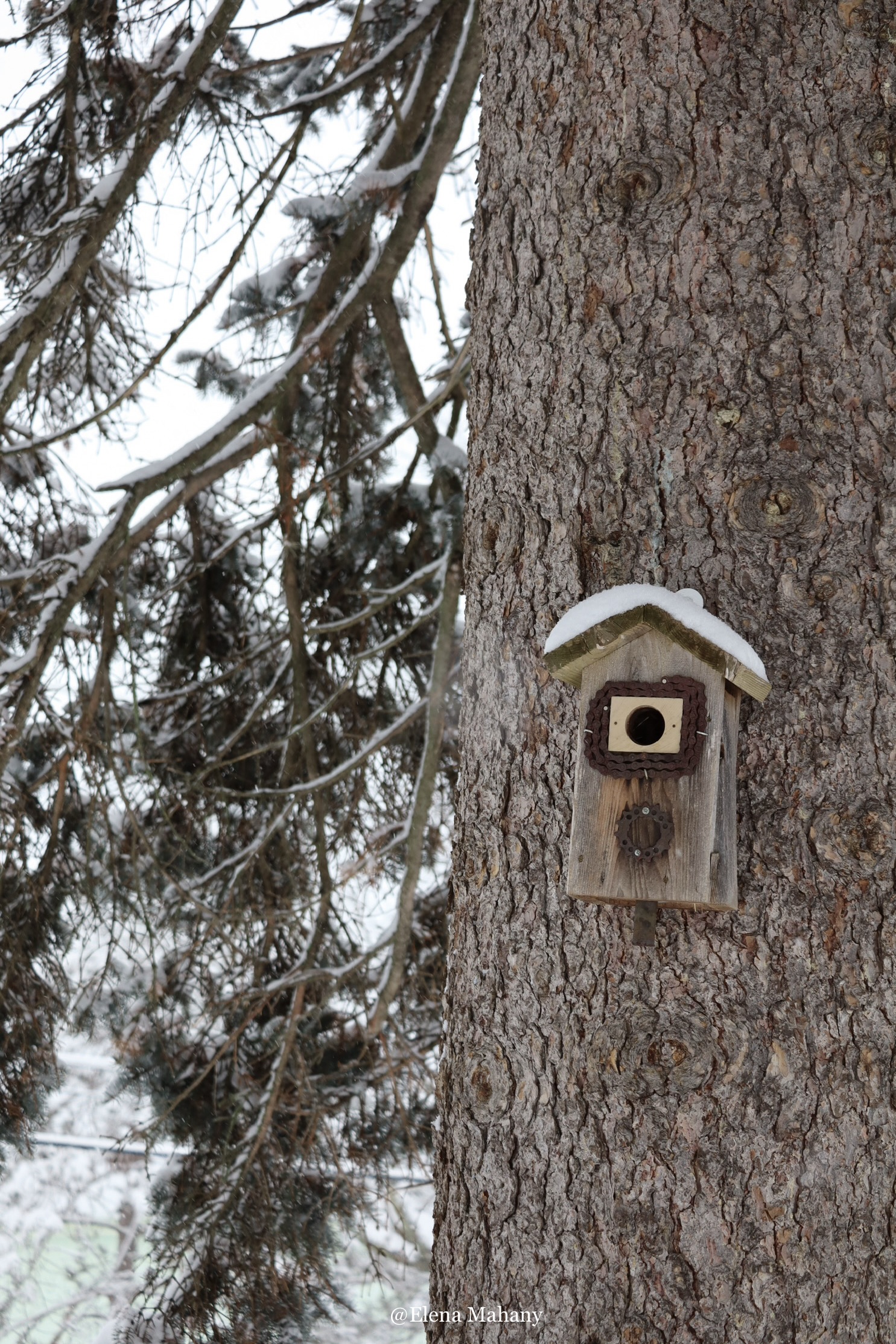
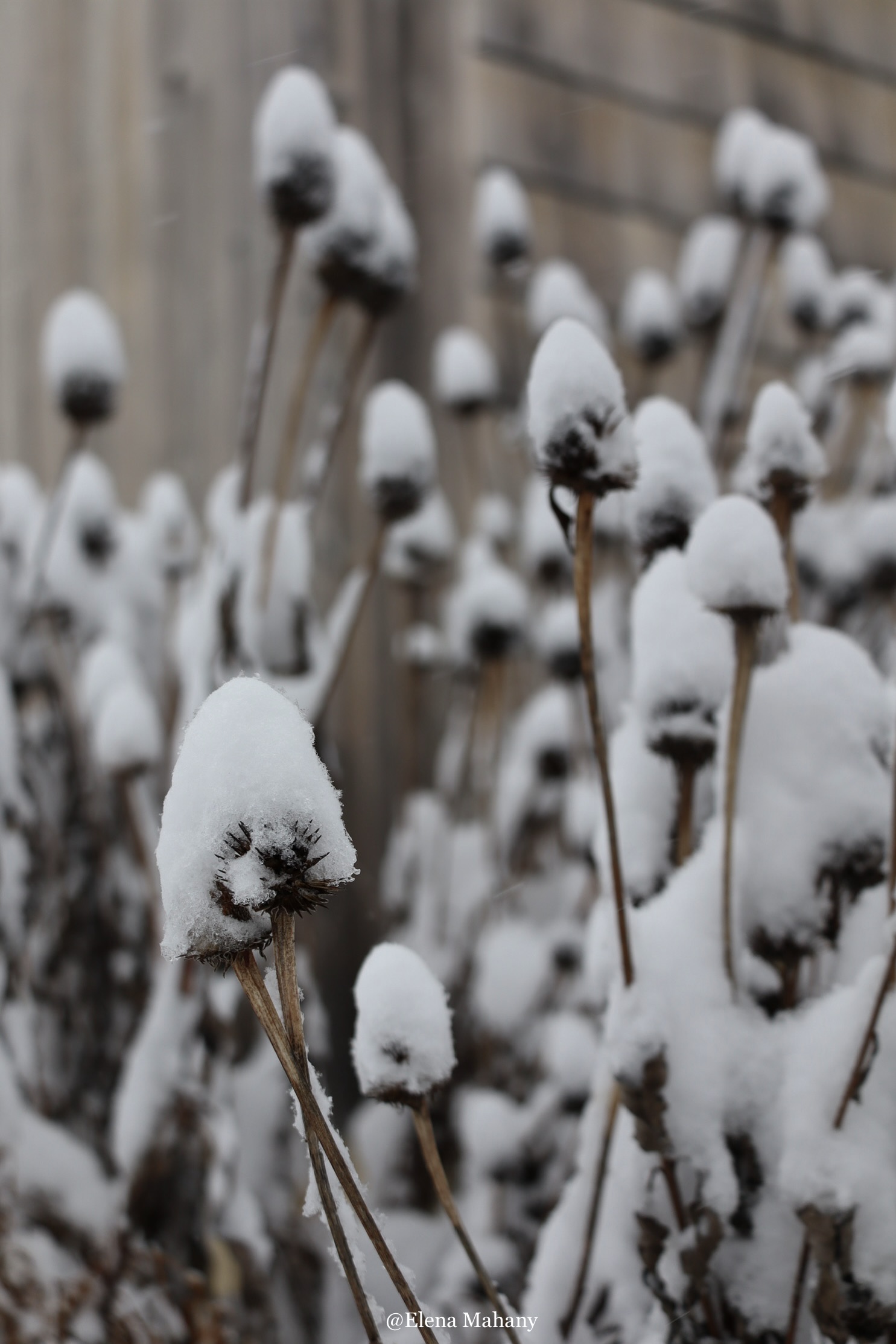
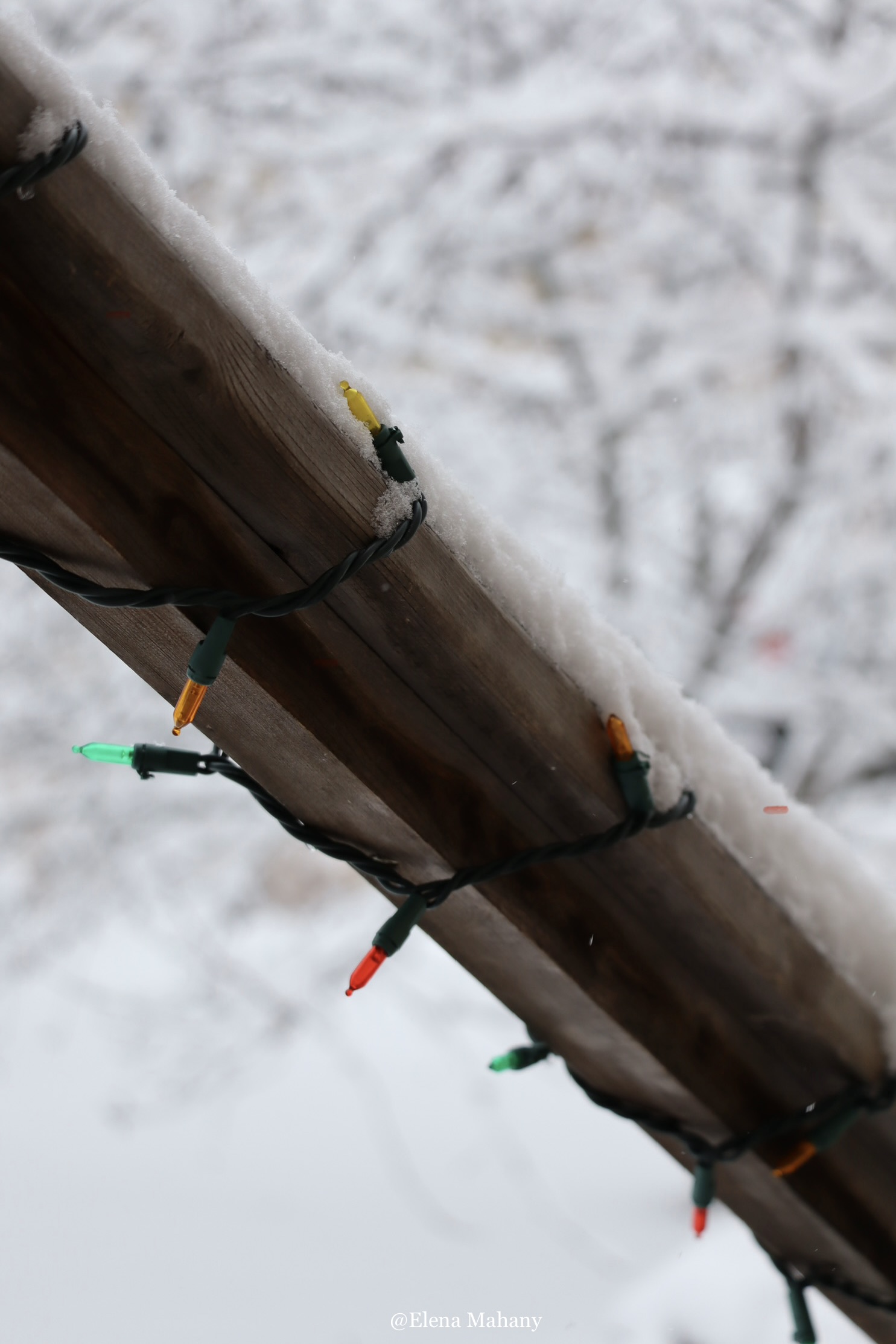
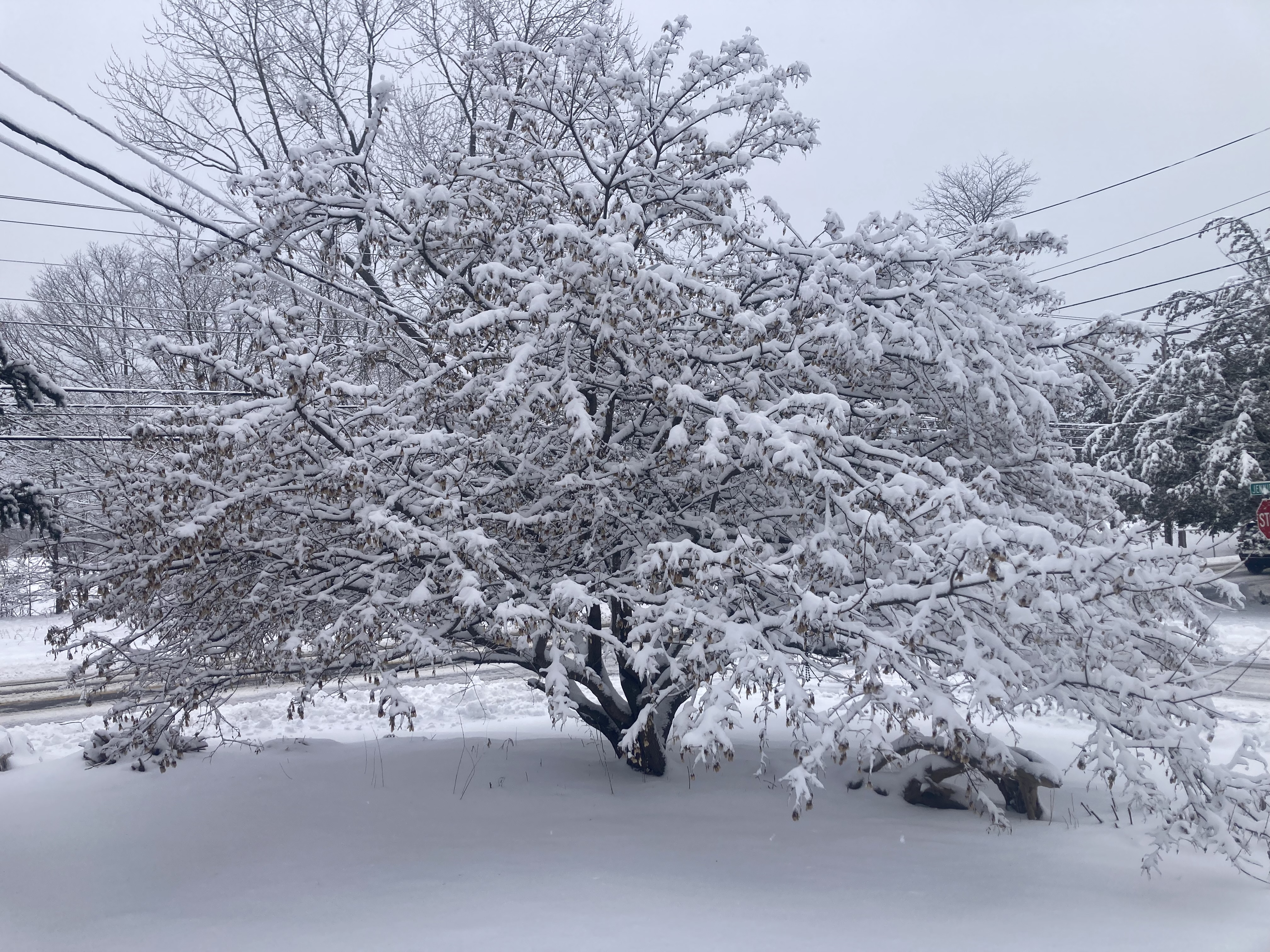
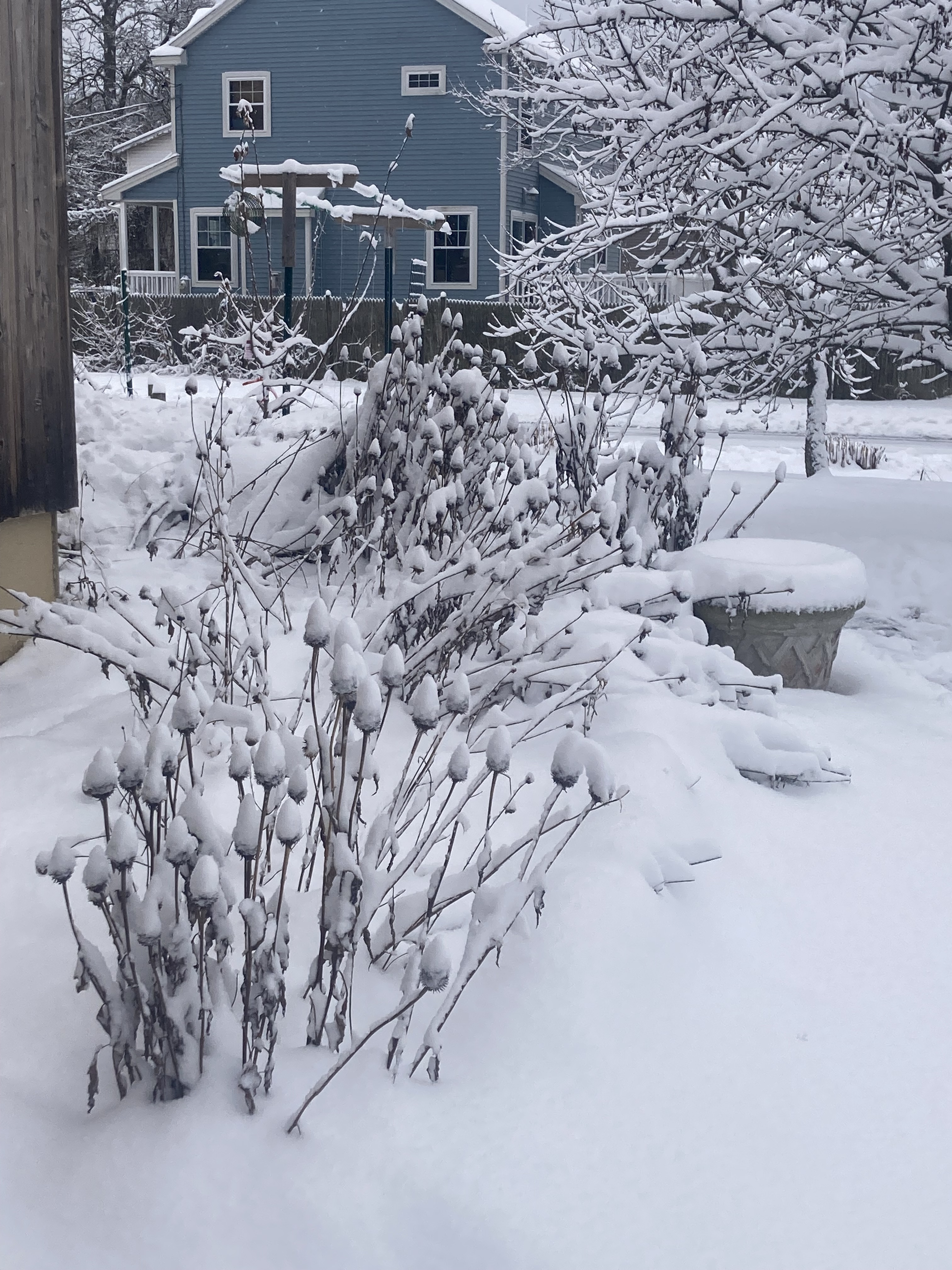
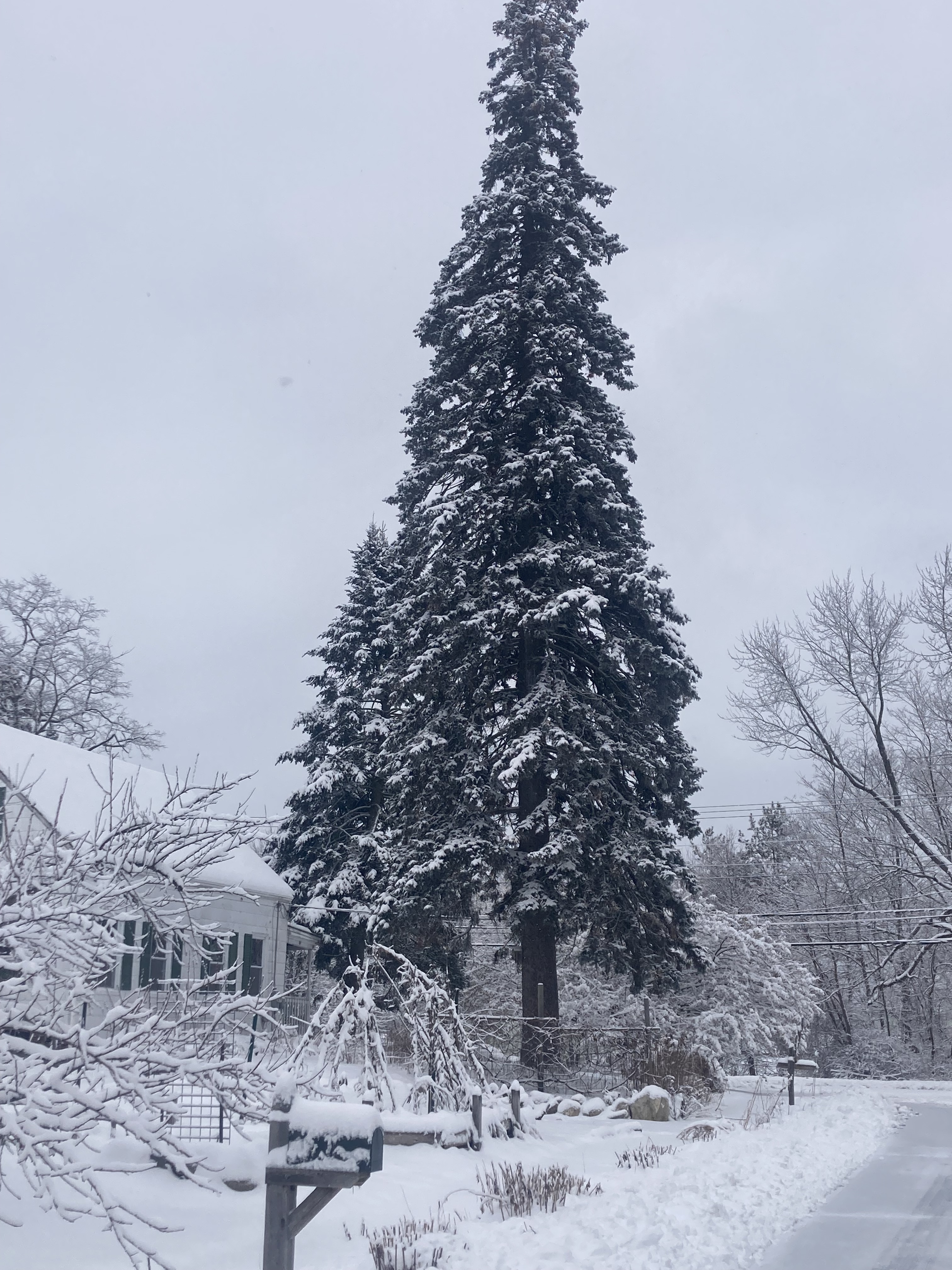
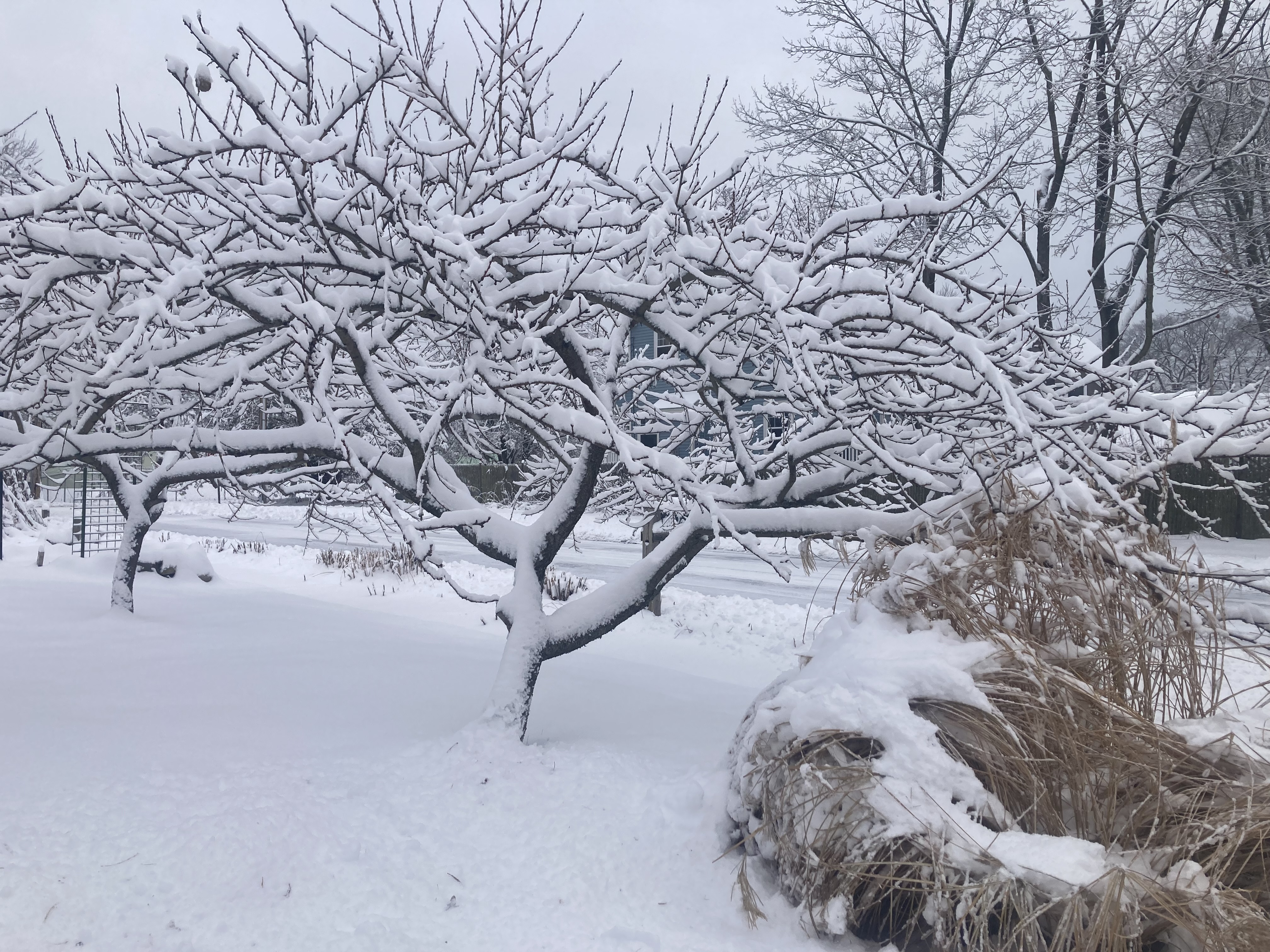
Snow here, photos by Elena where marked.














God of the Vine
Posted: September 19, 2025 Filed under: Art & Healing, consciousness, In the Kitchen, Little Green Thumbs, What is an Art Farm | Tags: ancient-greece, Dionysus, feminism, Lou Salome, Neitzsche, Rodin 1 Comment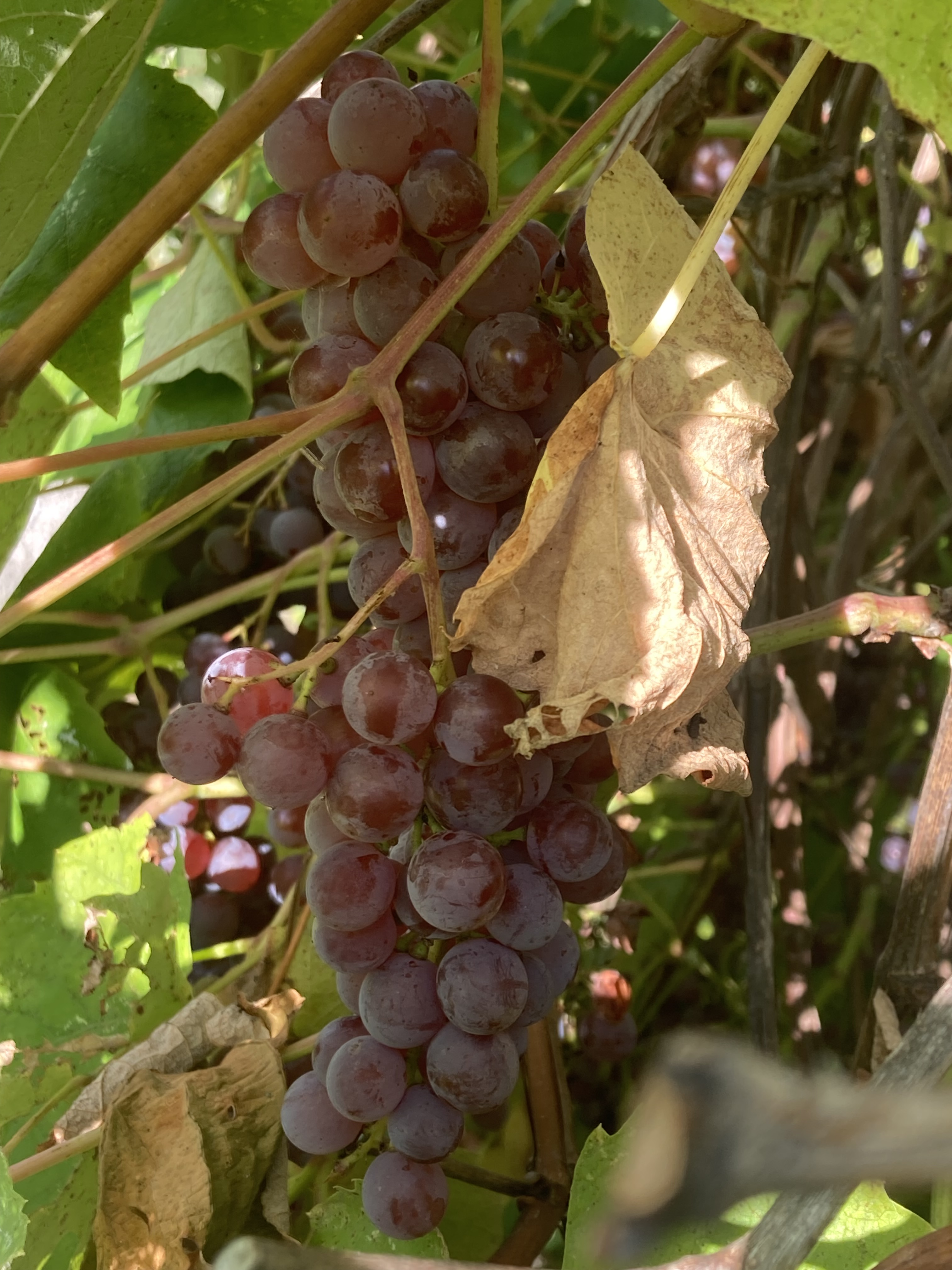
In the annals of wise women, Lou Andreas-Salomé’s name is writ large. Born February 1861 in St. Petersburg, Russia to parents of French Huguenot and Northern German descent, she was the youngest of six children, the only girl. She attended her brothers’ classes learning Russian, German and French, rejected the orthodoxy of her family’s Protestant faith but embraced philosophy, literature and religion. She attended the University of Zurich – one of the few schools then accepting women – and studied logic, history of philosophy, ancient philosophy, psychology and theology.
At the age of 21 she met Friedrich Nietzsche, who immediately fell in love with her. But she rejected his advance, instead wanting to live and study as “brother and sister” and form an academic commune along with Paul Ree, a German author. Nietzsche accepted and they toured Italy with Salomé’s Mother.
One of the titans of German Philosophy, at the age of 24 Nietzsche had been named the Chair of the Department of Classical Philology at the University of Basel. He remains among the youngest tenured professors of Classics in the history of academia. His brilliance was to an extreme.
Walter Kaufmann, in his classic work “The Portable Nietzsche” wrote, “There are philosophers who can write and those who cannot. Most of the great philosophers belong to the first group. There are also, much more rarely, philosophers who can write too well for their own good – as philosophers.” Plato, he says is one example while “Nietzsche furnishes a more recent and no less striking example.”
Lou Salomé was his muse, which she later became to Rainer Maria Rilke – the great German poet – when he was the Personal Secretary to Auguste Rodin, one of the greatest stone carvers of all times, easily a peer of Phidias and the Ancient Greeks. In rarified artistic and intellectual circles, Lou Salomé was at the top of the game.
Dionysus is our subject, Salomé is our guide, but Nietzsche holds the key. Kaufmann wrote, “…few writers in any age were so full of ideas – fruitful, if not acceptable – and it is clear why [Nietzsche] has steadily exerted a unique fascination on the most diverse minds and why he is still so eminently worth reading.”
At the age of 25, Nietzsche wrote “The Birth of Tragedy” which is considered foundational, a revolutionary work of philosophy, aesthetics, and cultural criticism. His groundbreaking thesis argued that the greatest works of art – which define a society – combine the Apollonian (order, reason and form) with the Dionysian (chaos, ecstasy and raw emotion) into one complimentary whole. An example of the Apollonian would be Johann Sebastian Bach’s “Well Tempered Clavier” while Jimi Hendrix’s “Voodoo Chile” is Dionysian. The Burning Man festival is pure Dionysian.
Classical Greek Tragedy, he reasoned, reached the apex of artistic expression by using an ordered beautiful form to give voice to the primal, universal unity. Nietzsche wrote, “The two creative tendencies [Apollo and Dionysus] developed alongside one another, usually in fierce opposition, each by its taunts forcing the other to more energetic production, both perpetuating in a discordant concord that agon which the term art but feebly denominates: until at last, by the thaumaturgy of an Hellenic act of will, the pair accepted the yoke of marriage and, in this condition, begot Attic tragedy, which exhibits the salient features of both parents.”
The result was cathartic; life’s meaninglessness overcome through art. Aesthetics became more central than rationalism, with art and psychology moved to the core pushing metaphysics and science to the side. Nietzsche forged a new paradigm, and his writing influenced Sigmund Freud, who also happened to be a close friend of Lou Salomé.
Greek tragedy came to my mind when a young friend, she herself on the path to wisdom, recently brought fresh home-pressed grape juice to our house. Grapes are the symbol of Dionysus and the connection was clear: her grape juice was the elixir of the God.
Having picked Concord grapes by the bushel with our other friends Rebekah, Peter and Mason, she explained, “We picked the grapes individually, sent them through a masher, then Peter heated them up before sending them through the juicing machine. He tried in the press but it kept sending the juice everywhere so he switched to a tomato juicer. That seemed to operate more like a standard juicer.” In other words the must was strained into juice rich, dark and sublime. With our children, we all broke bread and drank of the vine, the form of the Last Supper transformed as testimony to the raw and primal essence which is the end of summer; a new tradition born.
Truths held self-evident at our Art Farm include “art predates agriculture” and “the purpose of life is healing.” The Dionysian speaks to that, which simple truth the grape juice made manifest.
Fecundity abounds and we are blessed.
Alma Mater’s Daily Bread
Posted: September 5, 2025 Filed under: Child Centered Activities, Farming off the Farm, Little Green Thumbs, Portfolio - Elena's work, What is an Art Farm | Tags: Social ecologies 1 Comment
The often repeated phrase, “Give us this day, our daily bread” must be about soil fertility as much as about hope. The common collegiate phrase “alma mater” is Latin for “nourishing Mother” and so we turn our attention to Gaia, one wise soul herself, the Earth as our nourishing Mother, whose fertile soil gifts freely an abundance beyond compare.
Many soulful stewards of Gaia have I crossed paths with, one of whom was the “Corn Cart Queen.” The common cliche is “know your food, know your farmer,” but the Corn Cart Queen brought that to the fore in Chicago, during the summer season 2003, when she planted Golden Bantam in a shopping cart, then organized people to push the corn cart around the town: Meet your food, meet your farmer.
The Chicago Tribune wrote, “A woman of quiet dedication and passion, she initially planned to push the corn around the city by herself…. However, as word spread about the project, she happily surrendered the cart to a growing community of corn stewards, some of them artists or gardeners themselves. They water it, push it and distribute, if they choose, the small packets of blue corn seeds (three each)… taped to the cart. The seeds are pre-Depression-era corn, which she bought directly from a farmer when she visited Cuernavaca, Mexico.”
The Tribune quoted her, “When people talk about the environment in the city, they always see it as outside themselves. They talk about the lake or whatever. . . . I really want people to see how we consume nature, how we consume corn, how we eat, how we do things — it all has an effect on homelessness, on loss of farms, on history. There’s a 10,000-year history of the domestication of this grass called corn.”
Sandor Katz, the New York Times best selling author, in “The Revolution Will Not Be Microwaved,” wrote about this, “Cornography…was a sort of performance art installation featuring a few stalks of this corn growing in a shopping cart and many different people taking turns, walking it across Chicago.” Katz quoted the Queen, “The corn cart has visited community gardens, toured supermarkets, politicized a street fair, gone out for coffee, and rested in many backyards. When you give someone a seed, it’s such a small gift, but it entails a responsibility to interact with the land.”
Nance Klehm is the “Corn Cart Queen.” As art predates agriculture, her work unfolds at those fertile crossroads; she teaches of our connection, our utter reliance upon, the earth, the sacred ground beneath us. She is a muse among us, having lectured and taught at Chicago’s Museum of Contemporary Art, the Hammer Museum in Los Angeles, the University of Cincinnati, and the Canadian Centre for Architecture in Montreal. She has taught at the University of California – Los Angeles, Northwestern University in Evanston, Illinois, and Dartington College in the United Kingdom, as well as for countless community groups worldwide. This Queen was honored in 2012 as one of Utne Reader’s “Twelve Visionaries Who Are Changing Your World.”

It can be lonely at the vanguard, but Nance always works in community, teaching others the art and science of the soil. Along her path she worked with Flordemayo, a Mayan Elder, who founded The Seed Temple in Estancia, New Mexico. Nance helped assemble the “sacred heritage seeds for future generations.” My family was asked to grow heirloom beans and then give some back to help keep the Temple’s stock alive. For many years now we have grown those seven varieties annually, whereby my children learn first hand that food does not come from a grocery store, that harvesting is harder than consuming but the wild abundance of a fresh grown tomato or peach picked in late August is a joy beyond compare.
Flordemayo herself is one of the 13 Indigenous Grandmothers, all of whom are “committed to supporting all people in reclaiming their relationship with Mother Earth, advocating for a shift toward a more conscious and harmonious connection with nature and all living beings.” The International Council of Thirteen Indigenous Grandmothers come from around the world – Nepal, Brazil, South Dakota, Gabon, Montana, Mexico, Japan, France – as “a collective of women devoted to restoring and uplifting the sacred feminine wisdom that nurtures balance and harmony in the world. [They] stand for peace, justice, human rights, environmental protection, food sovereignty, and the health and welfare of children and the elderly, for today and generations to come.”
Nance and I crossed paths almost 30-years ago, both on Chicago’s west side, and in the LaSalle Street canyons of the financial district; she was outbound to WWOOF in Australia (Worldwide Opportunities on Organic Farms), while I was headed to Manila, the Philippines on a humanitarian finance quest to establish a currency based upon humans’ ability to communicate. Nance’s path always has been more rooted, more practical.
Among her challenges has been pursuing community-based work during the 50-year period – 1975 to 2025 – when American culture shifted dramatically towards rampant consumerism, free market ideology, and unchecked individualism. Talking about my generation – the Baby Boomers – Bill McKibben wrote, “So what the hell happened? How did we go from an America where that kind of modest [suburban] paradise seemed destined to spread to more and more of the country to the doubtful nation we inhabit fifty years later: a society strained by bleak racial and economic inequality, where life expectancy was falling even before a pandemic that deepened our divisions, on a heating planet whose physical future is dangerously in question?”
How did the forward thinking Civil Rights Act of 1964 and the Voting Rights Act of 1965 give way to the radical gerrymandering of our era? Money, banking, free markets and power politics are the domain of mankind, human invention, while the Grandmothers and Queens of Gaia speak of the ground beneath our feet, the soil, everywhere beneath everyone all of the time.
Nance’s 2019 tome, “The Soil Keepers,” makes plain, in her preface, our path forward: “To the entire menagerie of animal, fungal, and plant beings, both the seen and unseen, thank you for your unflinching love and core teachings. I am forever your student.”
All life is one. Life calls to us. We are wise to heed her call.
_____________________________________
A Corn Cart video is here: https://youtu.be/iTKbrO7ZTzk?si=5wnScRsxE3OZmlSo
Nance Klehm’s “Social Ecologies” is here: https://socialecologies.net
Grandmothers’ Wisdom is here: https://www.grandmotherswisdom.org
Grandmother Floredemayo is here: https://www.grandmotherflordemayo.com
_____________________________________
Credit where credit is due, Elena’s photographs appear here.
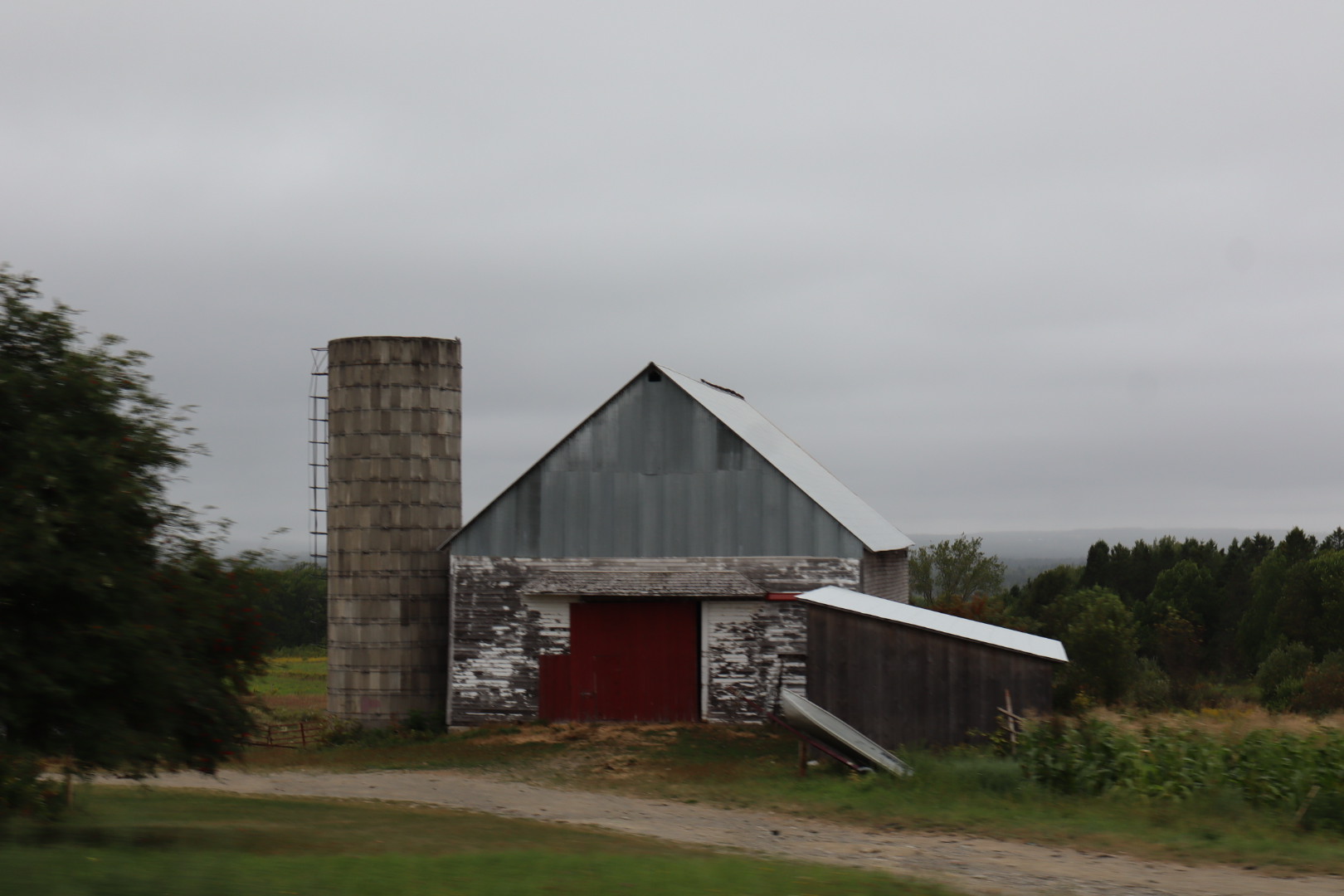
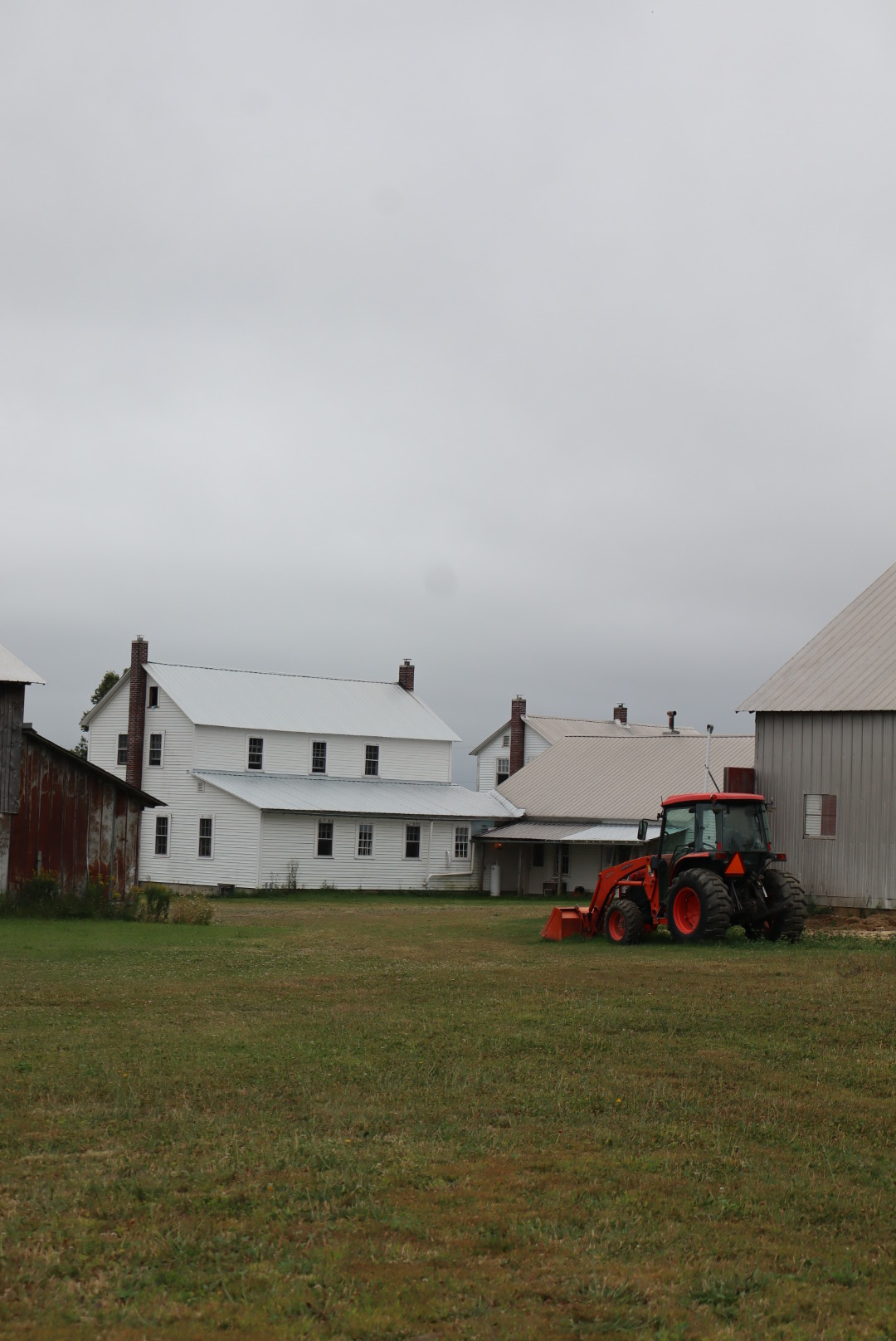
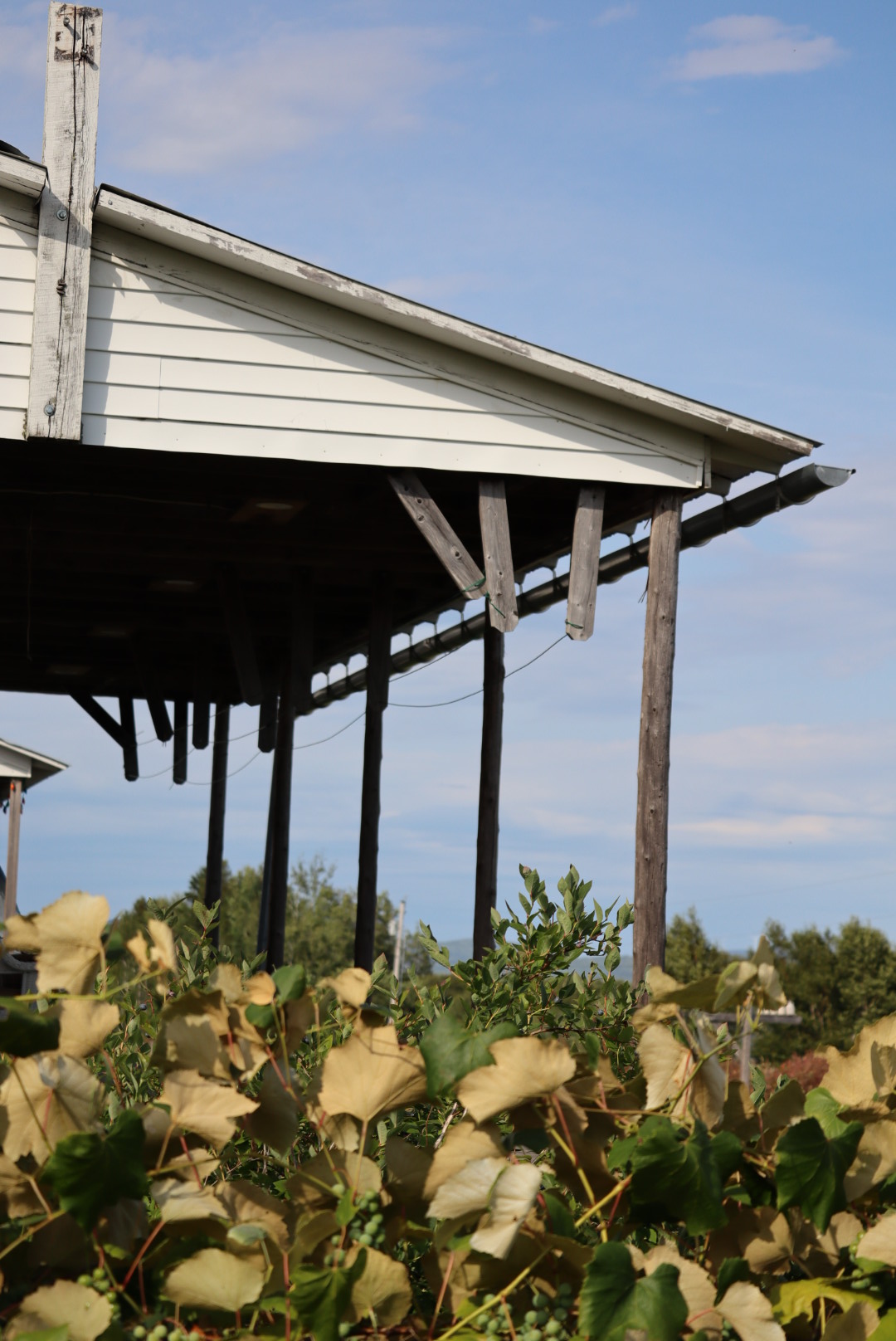
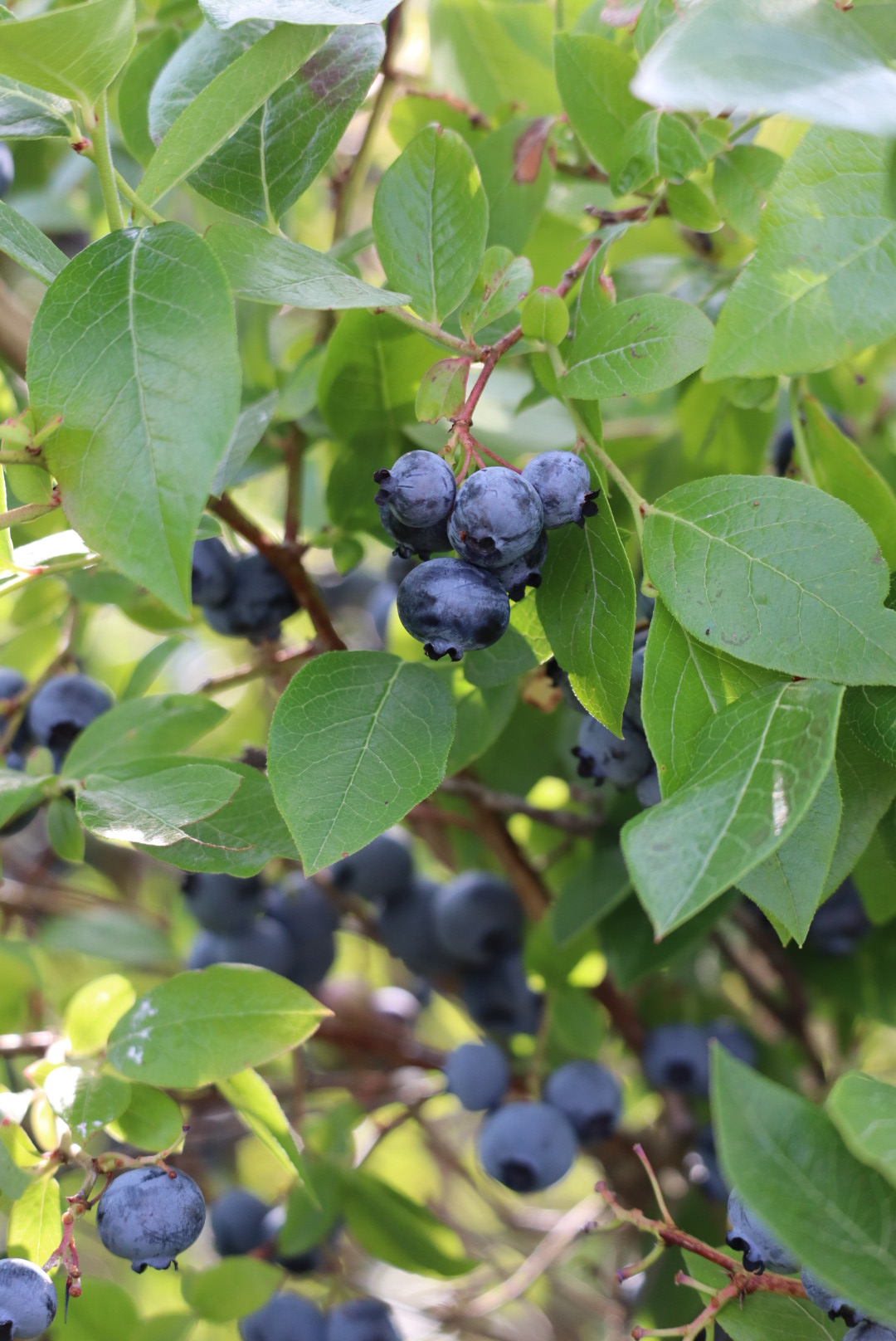
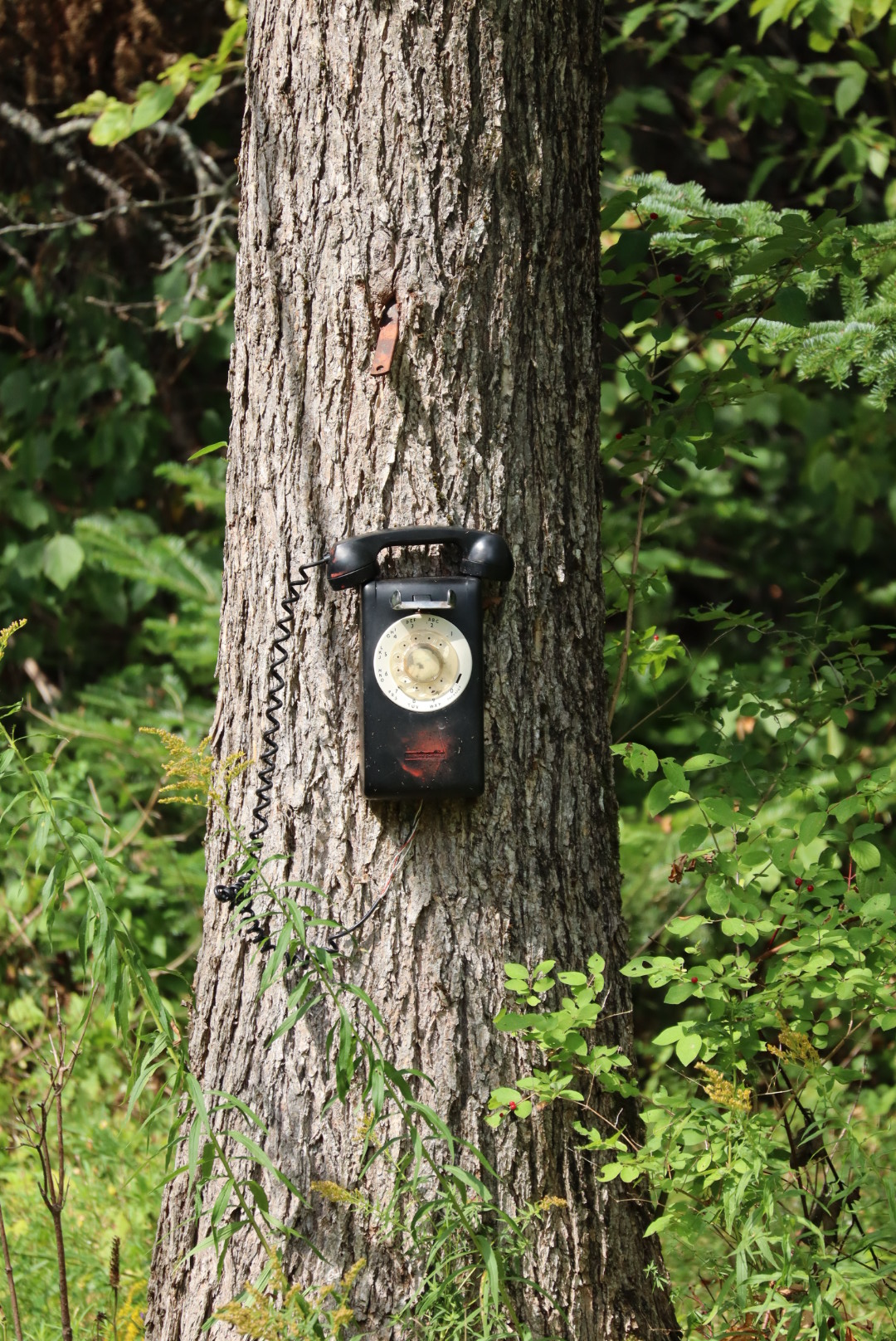
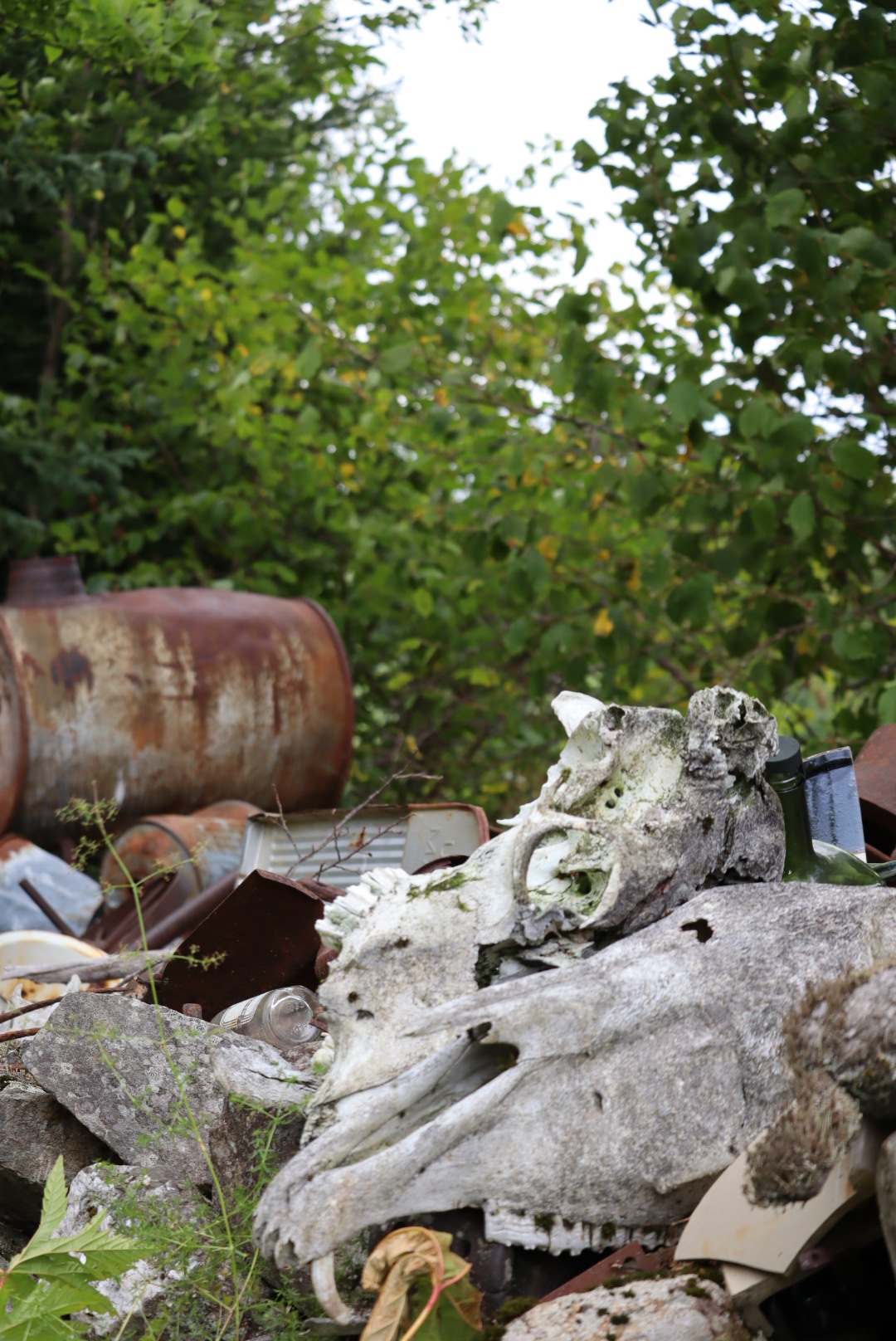
Recently we drove north to nowhere, Cold Brook Road in Southern Aroostook County, Maine. Between 1793 and 1815 Northern Maine was a major producer of wheat, known as “the breadbasket of New England.” In the 1940s and 1950s Aroostook County was the top producer of potatoes in America. Big skies, open vistas, quiet abounds there. Our friend Kirk, a Master Electrician, Master Cabinetmaker, Builder and Humble Farmer welcomed us to his 157 acre-farm in Amish country.










Seven Sages
Posted: June 27, 2025 Filed under: consciousness, Little Green Thumbs, What is an Art Farm | Tags: akpallu, Hammurabai, hokmah, kwan yin, saptarishi, Solon 1 Comment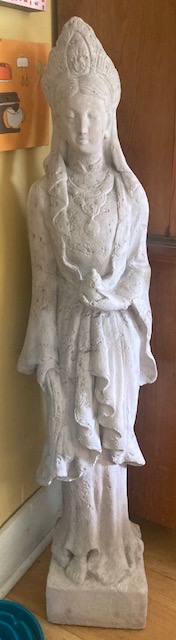
The tradition of the Seven Sages is common to ancient China, India, Persia, Mesopotamia, Greece and Rome. The sages, although different to each culture, always are the enlightened souls who brought wisdom.
To the Chinese, they were the “Seven Sages of the Bamboo Grove,” a group of scholars, writers and musicians of the 3rd century CE. In India, the “Saptarishi” are seven of semi-immortal status, the seers extolled in the Vedas, the sacred texts “not of a man, superhuman…authorless,” revelations of sacred sounds and texts heard by ancient sages after intense yogic meditation. To the Hindu, the seven stars of the Big Dipper represent these seven sages; the Dipper’s handle points to the North Star by which countless wise men have traveled the globe.
The “Apkallu” were the sages of Mesopotamia, the primordial beings, demigods, part man and part fish or bird, associated with human wisdom. In the 7th century BCE Greece, the seven were the philosophers, statesmen, poets and lawgivers renowned for their wisdom. Solon of Athens, a statesman and poet, is honored for his legal reforms, which shaped democracy. Pittacus of Mytilene governed Lesbos where he reduced the power of the nobility, to govern with the support of the common people. Thales of Miletus was a mathematician and astronomer, credited with predicting a solar eclipse, is said to have coined the aphorism “Know thyself,” which was engraved on the Temple of Apollo in Delphi.
The “Seven Wise Masters” is a cycle of stories of Sanskrit, Persian or Hebrew origins, which through the “Seven Sages of Rome” was passed down to German, English, French and Spanish in the form of popular street literature published throughout early modern Europe.
A modern version of this tradition resides above the doors of the House Chamber in the U.S. Capital, known as the “Relief Portrait Plaques of Lawgivers.” Seven (sic) sculptors carved bas relief plaques, using white Vermont marble, to honor 23 governing figures across world culture: Hammurabi, Justinian, Solon, Suleiman, Napoleon and Thomas Jefferson rank among these lawmakers, while Moses holds center court.
Of note, across all of these cultures, all of the sages are men.
In my experience, women rank among the sages who have helped shape my path. It is rather stunning to pause and consider the inherent bias, among world cultures, over millennia, that males alone are the sages. Wisdom, as an abstract concept, would be considered gender-neutral. But grammatically, the word “wisdom” – “hokmah” in Hebrew and “Sophia” in Greek – is feminine. Personified in literature, such as in the Book of Proverbs, wisdom is depicted as a female, referred to as “She” and “Lady Wisdom.
I should like to undertake a summer project to compile a list of the “Seven Women Sages.” It seems a Herculean task to select only seven, but such could be a worthy first pass at this project.
I should like to invite my readers to weigh in on this topic. Over coming weeks I shall endeavor to find stories of great women who have walked among us. Some may be a grandmother, or school nurse, others may be dominant figures of their times, but all shall be told as a counterpoint to the conventional wisdom of the Seven Sages.
In these chaotic times we do well to restore balance.
Note: Thanks go out to David Purpur who helped with information on the Vedic rishis.
______________________________
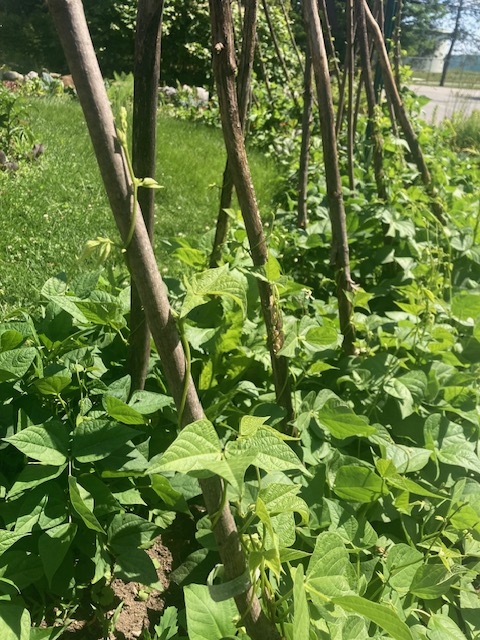
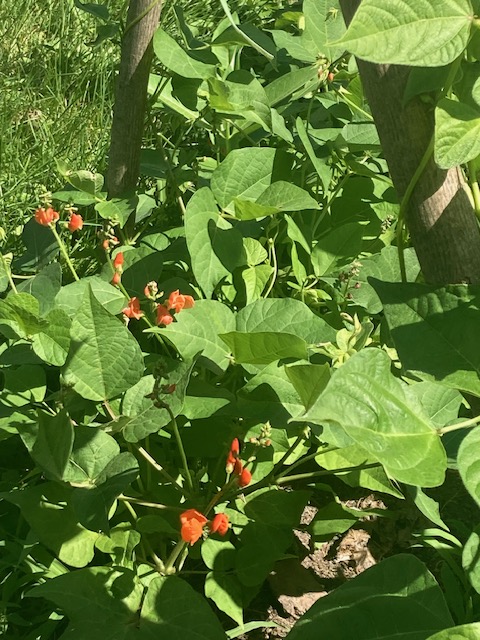
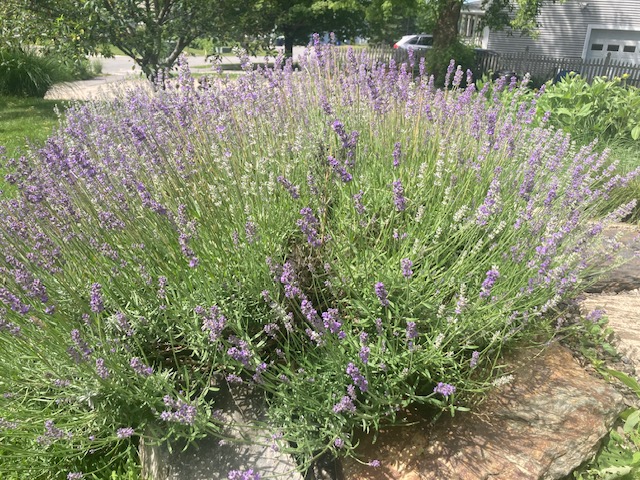
Our garden pushes ever higher: the Cuke climbs its trellis, fruit forms on the vine, pole beans push tendrils ever higher, greens come daily, grapes reach outward, lavendar is lush, potatoes have been hilled.





Volts and Arc
Posted: November 22, 2024 Filed under: Chronicles of a First Time Parent, Farming off the Farm, Little Green Thumbs, Permaculture & Home Renovation | Tags: Factory 3, line welds, MIG welding, tap welds, weld pool, welding 1 Comment
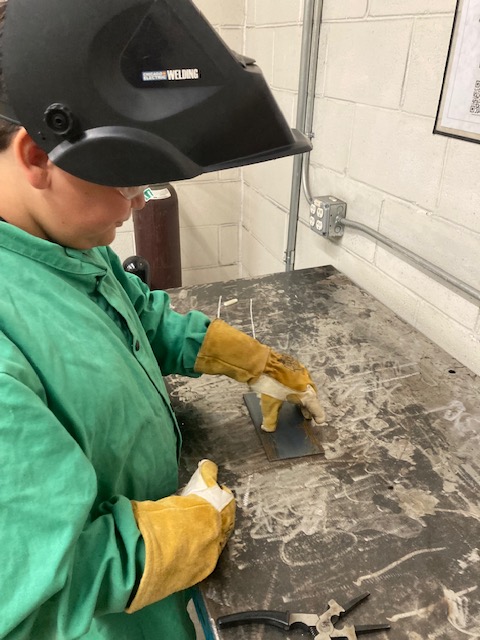
Recently my son and I took a MIG Welding class. Having no experience with welding we were absolute novices, eager to go.
We took the class at Factory 3, a local makerspace that provides work studios for artists, classes for the general public, a community to local makers. A vast open space, exceptionally well appointed with tools and equipment. Beau, the teacher, was superb, answering my many questions. Quickly arcing light was in our hands! There is no looking back.
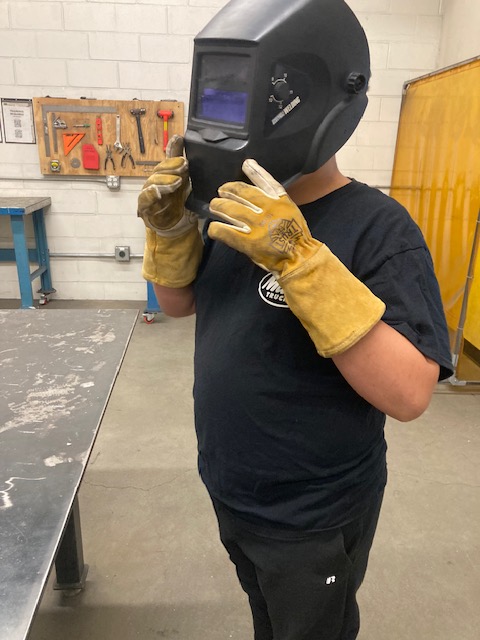
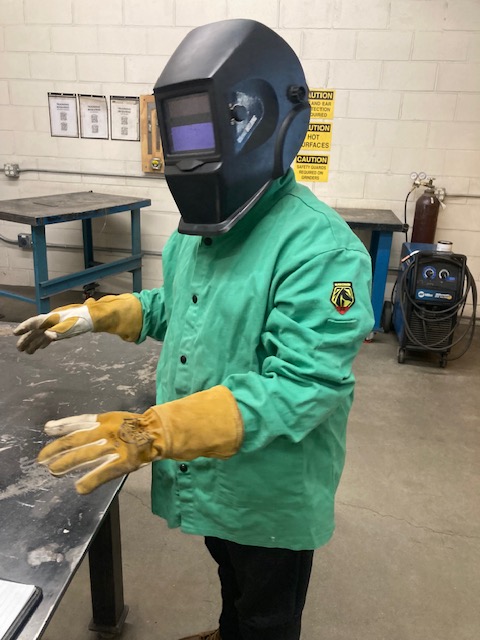
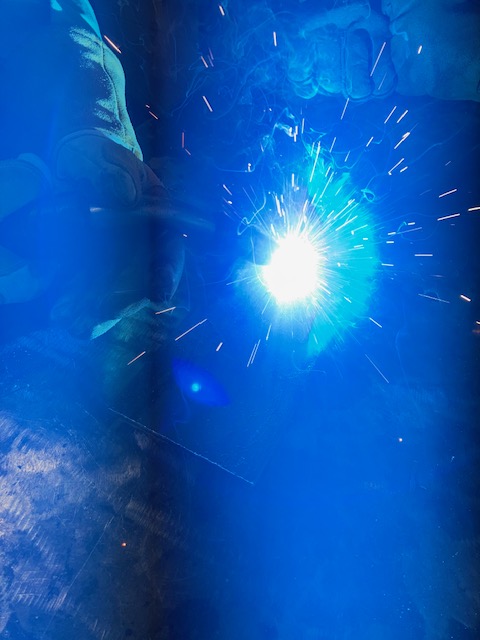
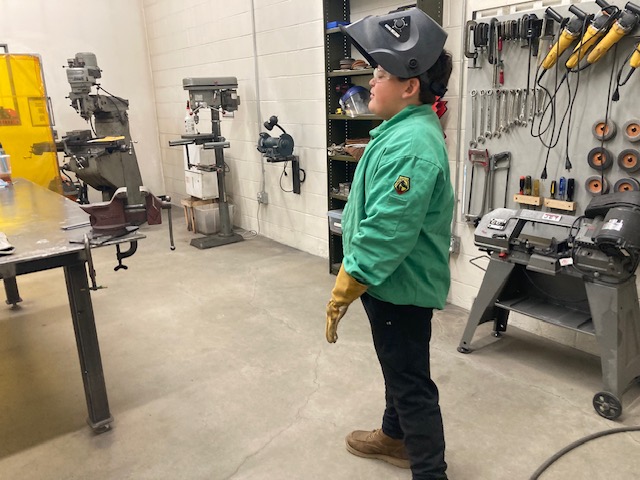
MIG welding uses an electric arc, not fire. The arc is intense, so intense that it could cause sunburn or severe damage to the eyes; to protect our skin we wore a welding jacket and long pants, to protect our eyes an auto darkening helmet.
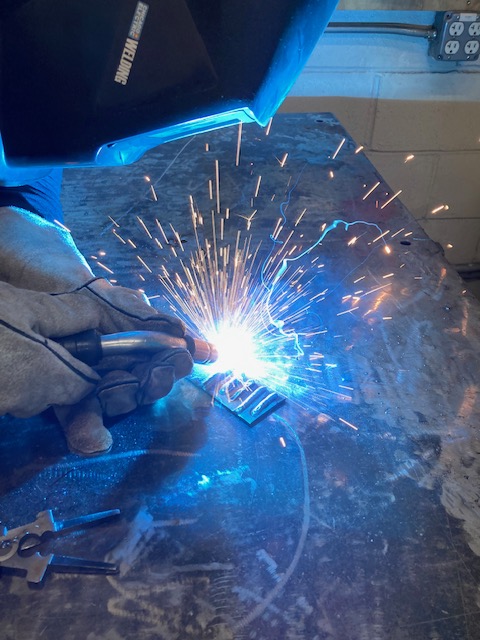
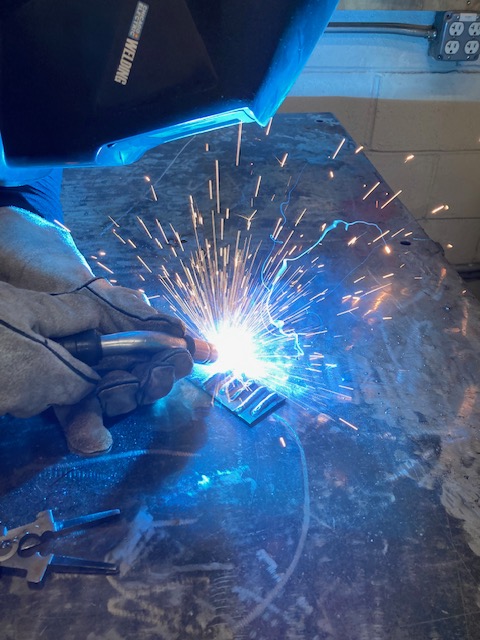
MIG stands for Metal Inert Gas, which is a process that fuses two pieces of metal together using 240 volt electricity and a steel alloy wire with copper coating. A constant voltage power supply creates an electric arc between the base metal and a wire electrode that is continuously fed through the welding gun, into the weld pool. A ground cable was clamped to the metal work table, and then positive electricity flows from the welding gun through the table.
The metal inert gas was 75% argon and 25% C02. The gas is non-flammable and serves to create a shield around the arc, preventing oxygen and water vapor from getting into the weld pool. Water would cause rust, which would make the weld fail over time.
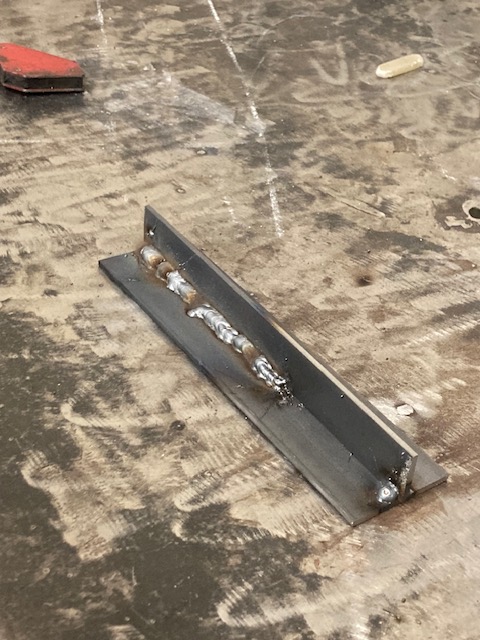
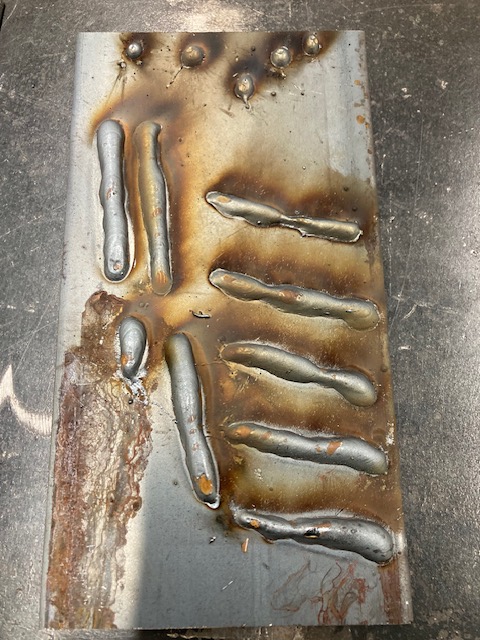
Our tasks were basic, a series of “tap welds,” a temporary weld to hold the two pieces in place and a “line weld” which is the continuous weld along a joint, permanently fusing the two pieces of metal together.
The one hour class opened a new world of material and technique. Project ideas came flooding in. We have two staircases that need railings. Another class seems in the offing. A local friend who welds has offered to teach us more.
New materials. New techniques. Much to be made.



_________________________________
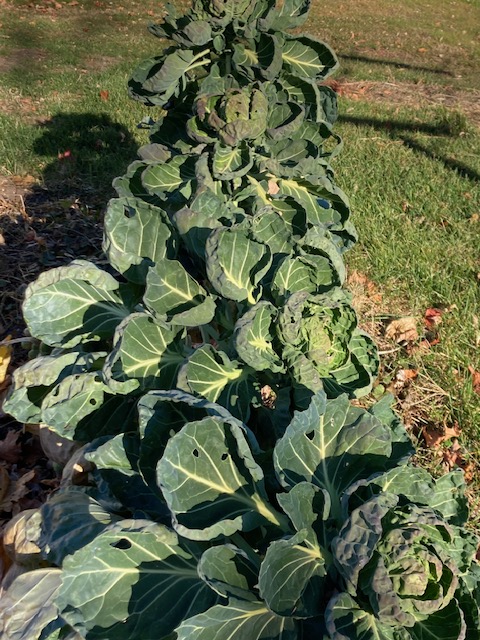
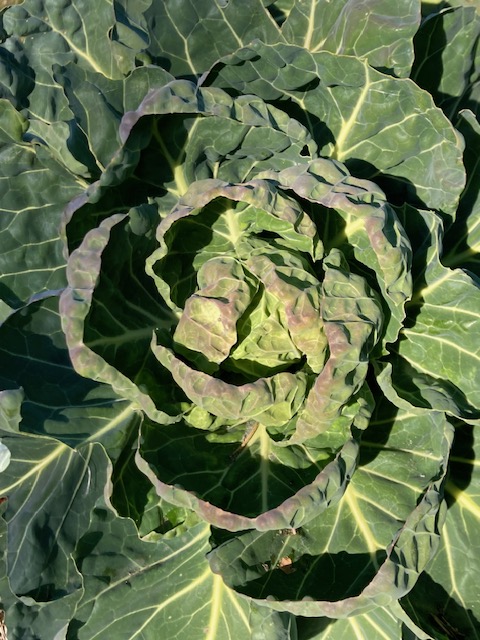
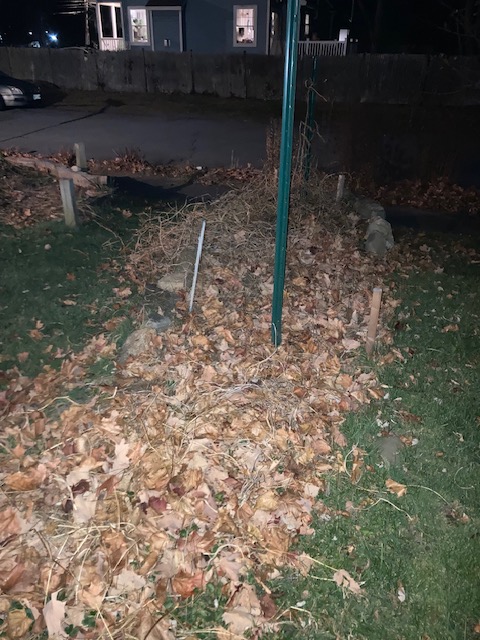
Gardens are gleaned, emptied, final cabbage harvested, Brussel Sprouts alone remain. Soon we plant garlic, for a late spring harvest. A season of abundance has come to its end. We pause now for winter.



0, 1, 1, 2, 3, 5, 8…
Posted: July 4, 2024 Filed under: Farming off the Farm, Gallery - Visual, Little Green Thumbs, Permaculture & Home Renovation | Tags: fibonacci sequence, golden ratio, phi 2 Comments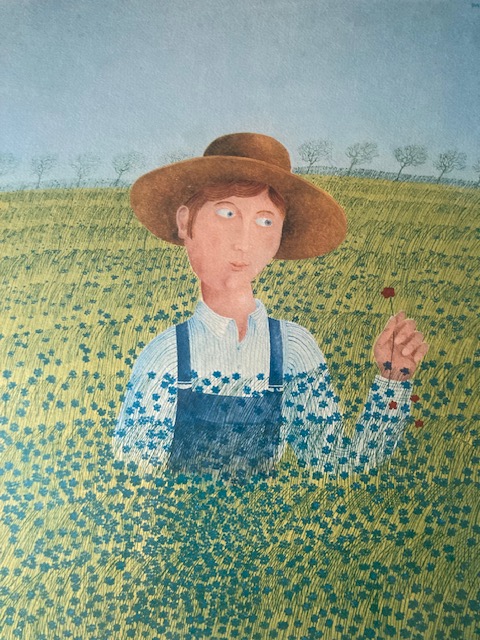
Donald J. Glaser was a rare bird, a beautiful soul, who loved beauty, and traveled the world in its search. My uncle, he was born in August 1924, studied at the Parsons School of Design in NYC, then entered the seminary but dropped out, remained a “permanent bachelor” and in 1951 found his calling as a buyer of art and antiques. In the golden age, when department stores were locally owned paragons of regional taste, at Stewart Dry Goods, in Louisville, Kentucky, he ran the home furnishings boutique.
For more than 45 years he circumnavigated the globe, annually, from East to West buying the best: silks in Hong Kong, brass in Bombay, furniture in Italy, paintings in England. “Good things last” was his motto. In 1972 Associated Dry Goods bought the regional company, and Don became the buyer, and had furniture made, for an entire national chain.
He was my Godfather, and sometime in the 1970s while traveling in the South of France, Don saw in a gallery a portrait that reminded him of me. It arrived at our house, an unannounced surprise from afar.
A truer portrait never was made. How many times I have pondered its meanings. It hangs now in the stairs to my son’s room. The young boy gazes into a flower, and what does he see in his hand, but the universe in stunning mathematical order. I speak, of course, of the Fibonacci sequence.
The Fibonacci numbers were first described in Asian Indian mathematics circa 200 BC by Pingala on possible patterns of Sanskrit poetry formed from syllables of two lengths. The Italian mathematician Leonardo of Pisa, also known as Fibonacci, introduced the sequence to Western European mathematics in 1202. Because the West has been dominant, his name has reigned supreme.
The Fibonacci sequence is a pattern wherein each number is equal to the sum of the preceding two numbers. The sequence begins 0, 1, 1, 2, 3, 5, 8, 13, 21, 34, 55, 89, 144, 233 … and goes on to infinity.
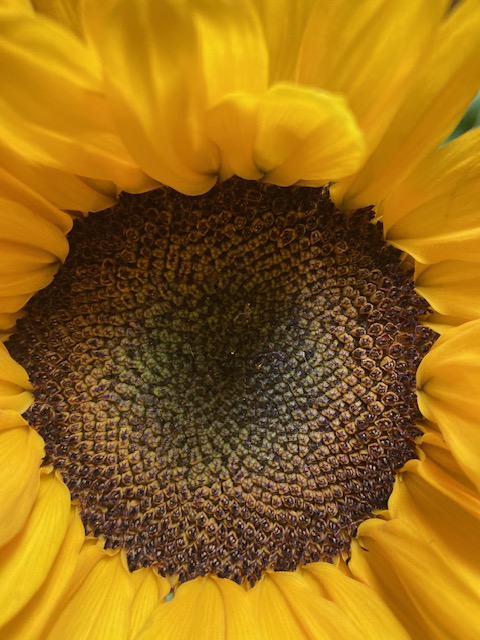
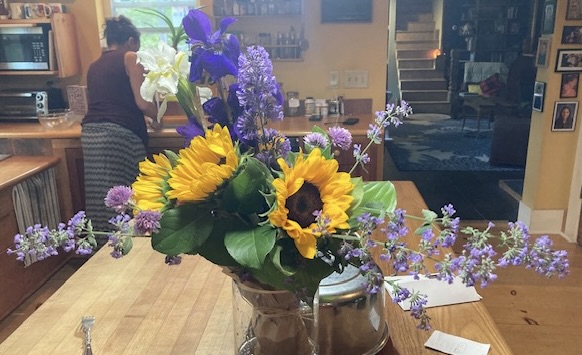
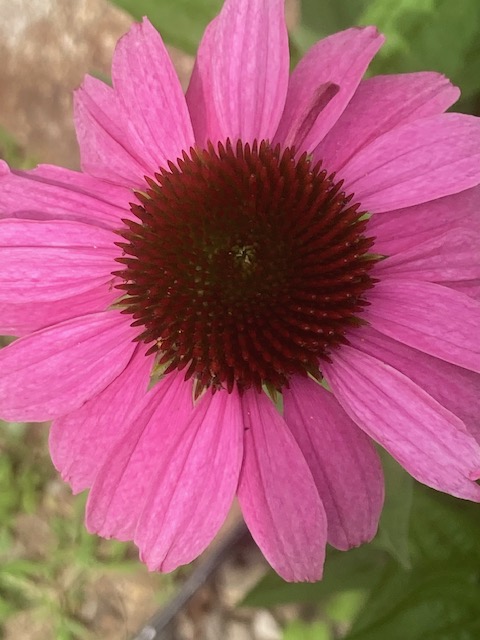
The Fibonacci sequence is manifest throughout nature, prominently in the spirals of Sunflower seed heads, that radiate from the center. The numbers of these spirals, when counted in opposite directions, are often consecutive Fibonacci numbers. The sequence also appears in the branching of trees, the arrangement of leaves on a stem, fruit sprouts of a pineapple, an artichoke, in pine cone bracts; a tiling of Fibonacci squares forms the nautilus shell, which appears also in the spiral of a hurricane and galaxies across the cosmos. The sequence does not appear everywhere but its presence is abundant.

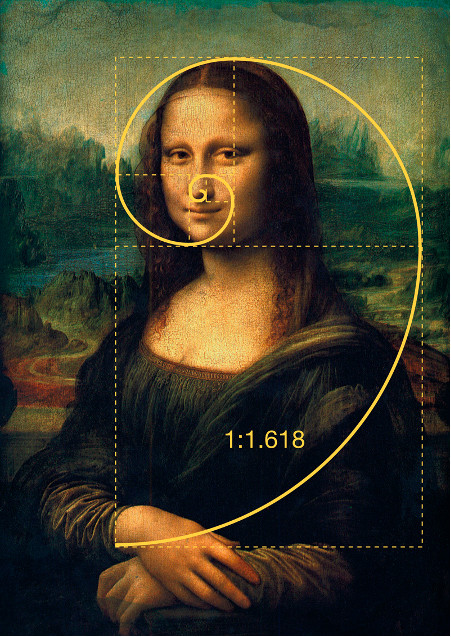
Fibonacci is related, mathematically, to the golden ratio – 1.618 – which is ubiquitous, though hidden in plain sight; credit cards and every drivers license replicate this rectangular form, based on reciprocal numbers of height to width.
The Golden Ratio, also known as Phi, is found throughout art and architecture. Many find the ratio in the Great Pyramid of Giza, and the Greek Parthenon in Athens (although a mathematician at the University of Maine has challenged that). In Renaissance art it was present among many of the master works, notably in Leonardo de Vinci’s Mona Lisa. In the modern era, the golden ratio has informed the art of Seurat, Picasso, Gris, Duchamp, Debussey, Le Corbusier, and Mondrian, to name but a few.
When gathering flowers for a bouquet, pause to ponder the breadth of universal beauty, ever present, bundled within your arms.
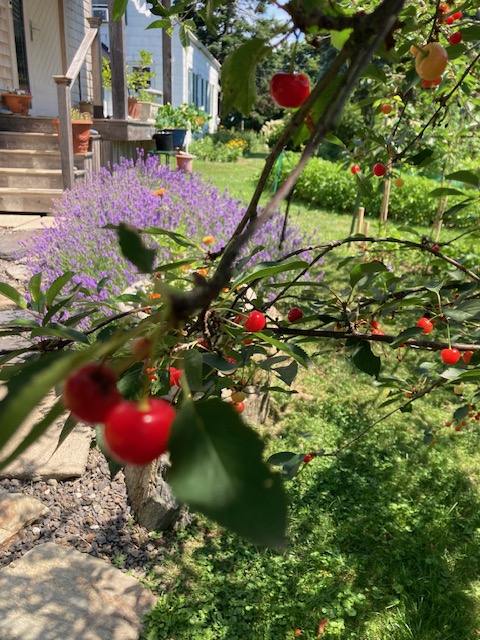
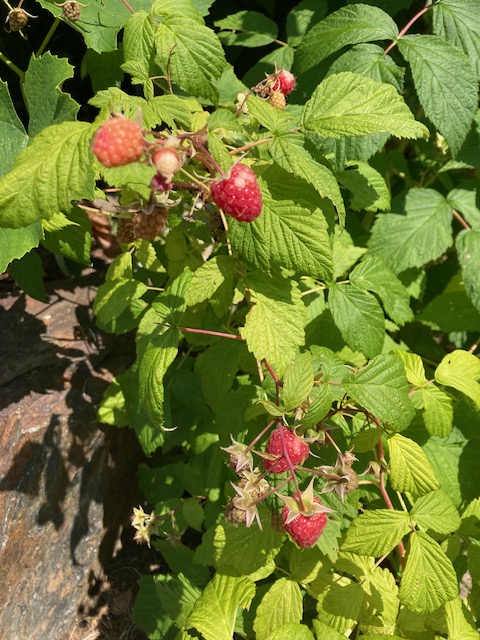
Here at an art farm, our gardens are lush and due to the heat, fruits ripen almost two weeks ahead of schedule.
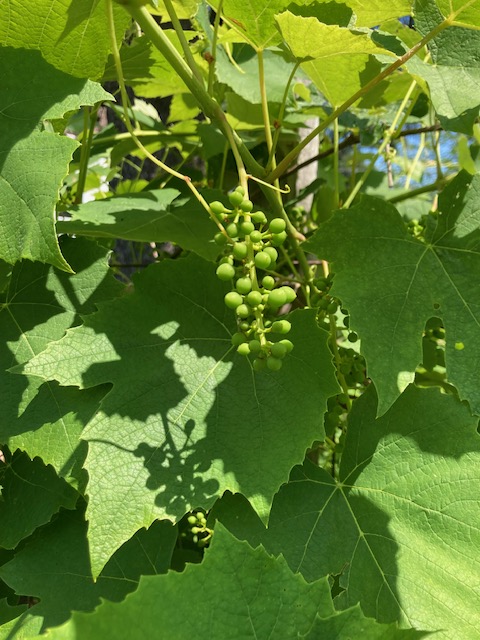
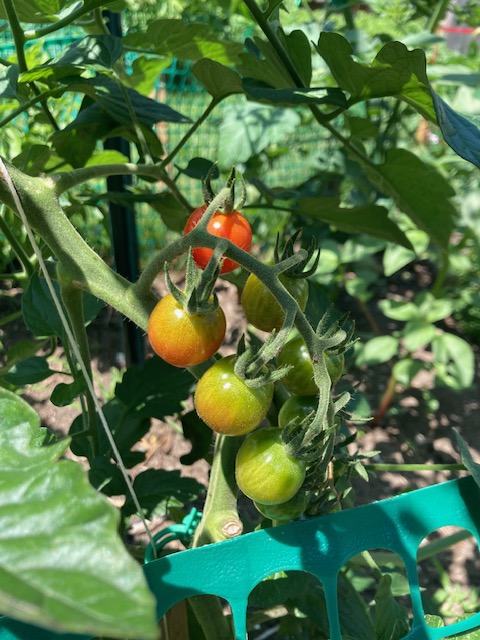
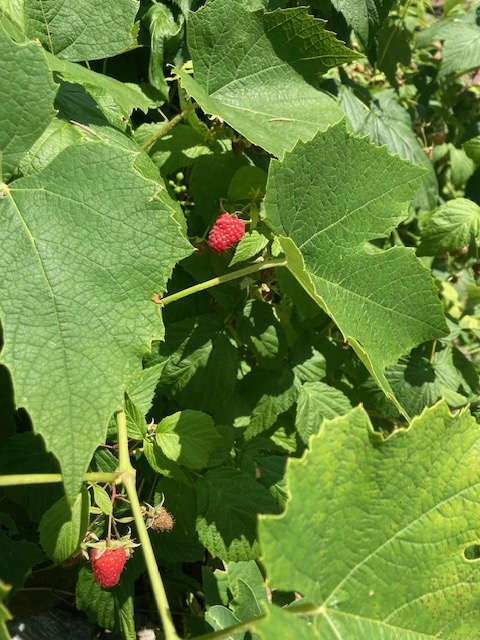
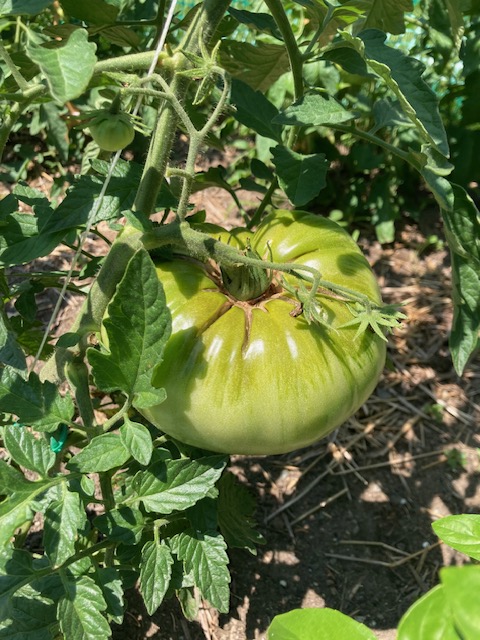
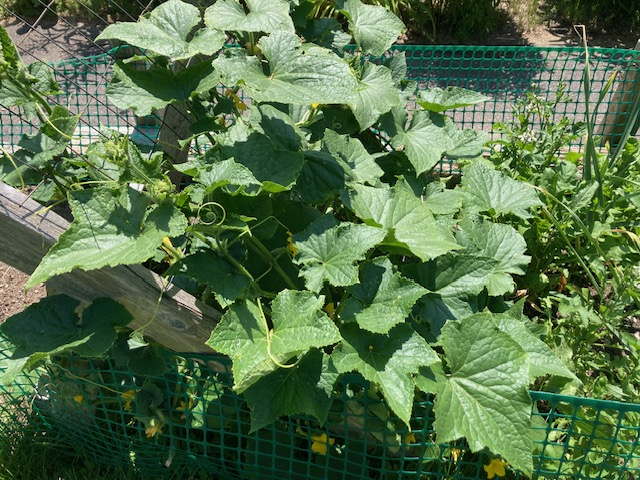
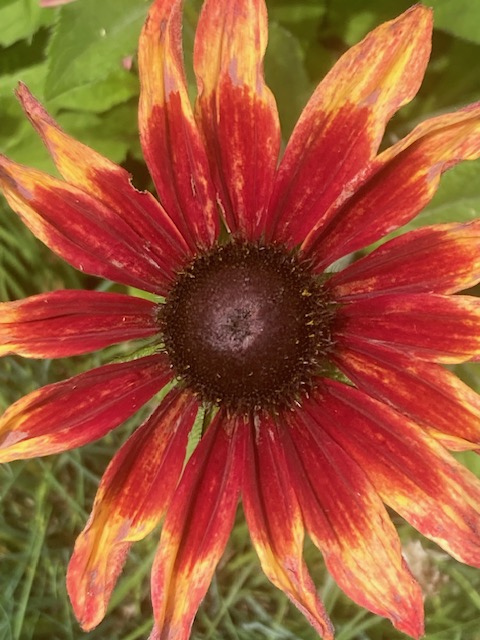
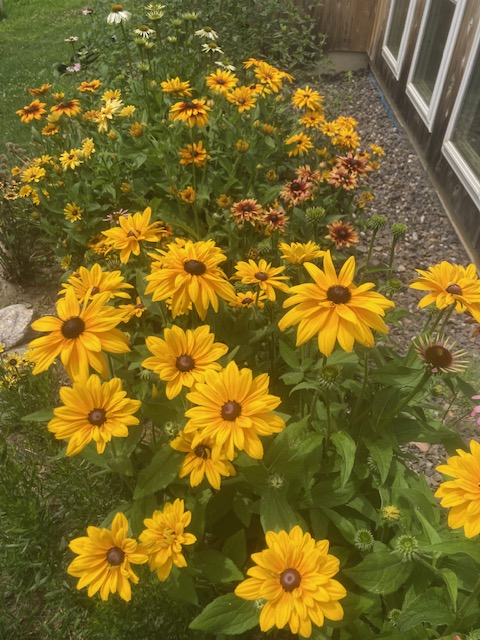
Growing up, the Midwestern mantra was corn “knee high by the 4th of July.” In Zone 5 coastal Maine, the snap peas tower at 5′ tall, tomatoes ripen, cucumbers flower while the grapes fatten; raspberries and cherries – radiant red – hang for the picking, while the coneflower and echinacea proudly display their Fibonacci ways.

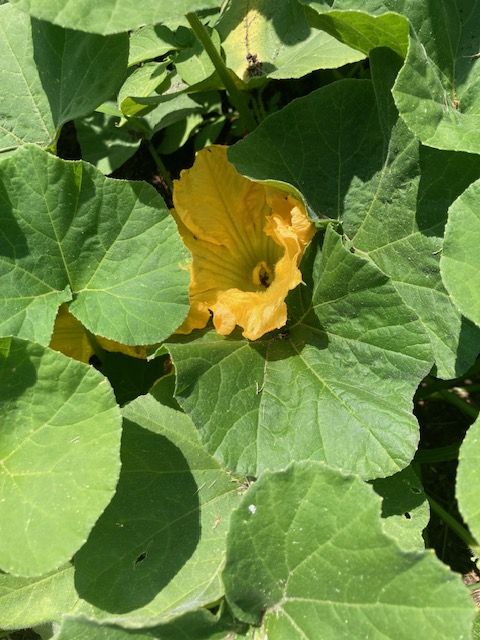
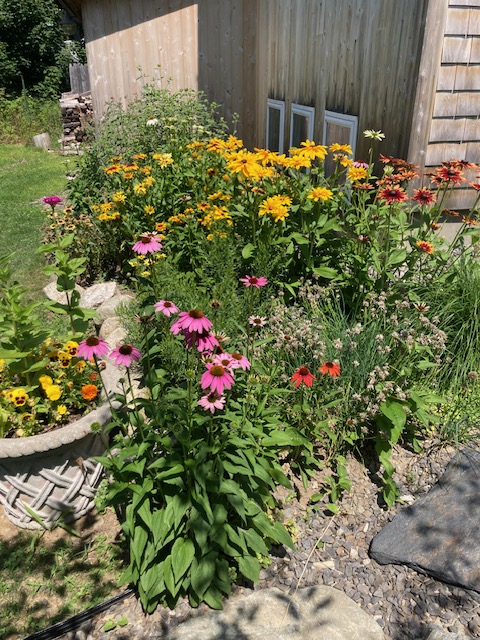
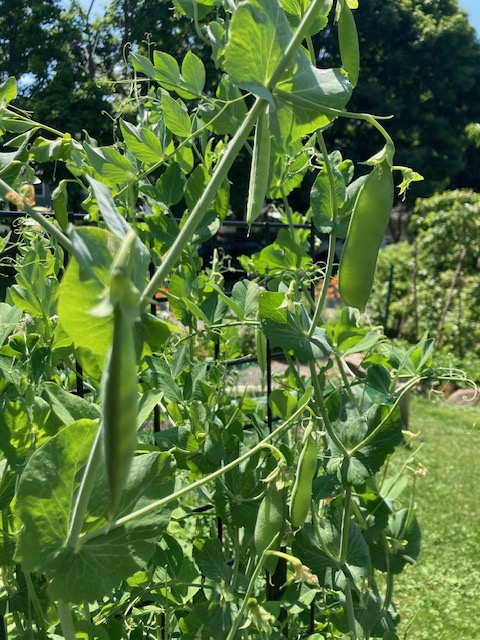

NOTE: Credit here need be shared with Richard M. Neumann, a mensch and lover of mathematics, who shared valuable insights to Fibonacci and phi, including gifting me the book “The Golden Ratio: the story of phi, the world’s most astonishing number” written by Mario Livio, (c)2002.
Hope springs eternal…
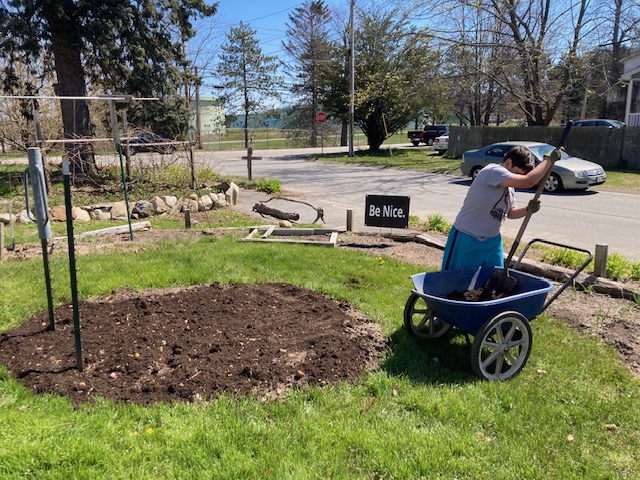
Posted: May 5, 2024 Filed under: Farming off the Farm, Little Green Thumbs 1 CommentHere at 43.6415° North, 70.2409° West, on 5 May, spring is in full bloom..


Last year a late overnight freeze killed all the buds on the stone fruit trees. For the first time in nine years we had neither peaches, nor sour cherries. This year’s temperatures are warmer, and the prospects seem fine.

Our strawberry patch has been weeded and flowers bloom.


Garlic planted last fall is pushing up. Compost has been spread on the vegy beds. Lettuce and sweet peas have been planted.


Persephone returns
Posted: April 7, 2024 Filed under: Farming off the Farm, Little Green Thumbs 2 CommentsPersephone returns, and thoughts turn to Gaia and the garden.
For many years, we have grown several varieties of heirloom beans (none of which seem to be locally available). This is our beans’ story.
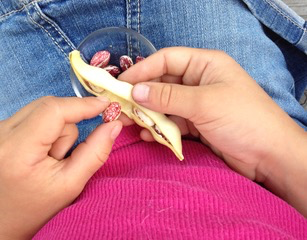
A few years back, during the spring term, I had the opportunity to teach English to refugees and immigrants. There was neither a curriculum nor textbook. I was given a classroom at the SoPo High School and told to figure it out. After a few classes I decided to focus on food – something universal – using children’s stories as a reader.
I brought our beans to the class and chose to read “Jack and the Bean Stalk.” Even though they did not speak English, they recognized the story; the single Mother from Venezuela nodded, smiled and whispered “Si, Juan y frijoles!” Another student, a young man from Angola – who walked 5 miles to and from each class, having walked north from Brazil, across the Darien Gap, to reach the USA southern border – this young man, not to be denied, nodded earnestly in recognition. Of note, the children’s story did not insult them; they craved the chance to learn.

Wikipedia contains an entry titled “Jack (hero)…Jack is an English hero and archetypal stock character appearing in multiple legends, fairy tales, and Nursery rhymes.” Fairy tales proved an effective cross cultural learning tool with pole beans central to one of the most famous of Jack stories.
Considering how nutrient-dense are beans it seems not coincidental they are central to an archetypal story. And beyond the archetype, they can manifest as daily nutrition in our diet. Frances Moore Lappe proselytized the protein-rich nutritional value of beans and her 1971 seminal book Diet for a Small Planet has been called, by the Smithsonian’s National Museum of American History, “one of the most influential political tracts of the times.”
As a protein source, beans are beneficial to the environment, whereas production of red meat generates substantial carbon dioxide, methane and nitrous oxide. Beans require minimal water and lower greenhouse gas emissions because they “fix nitrogen” by converting nitrogen from its molecular form (N2) in the atmosphere then converting into nitrogen compounds useful for other biochemical processes; the NH3 they produce is absorbed by the plant. The nitrogen fixing enriches the soil, decreasing the amount of fertilizer needed by the crop planted after them in the rotation. Soil fertility is increased as a result of having grown the beans.
The beans we grow came to us through Nance Klehm, a steward of the Earth working at the vanguard of art and the Earth. She has lectured at the Museum of Contemporary Art, the Hammer Museum in Los Angeles, the University of Cincinnati, and the Canadian Centre for Architecture in Montreal. She has taught at the University of California – Los Angeles, Northwestern University in Evanston, Illinois, and Dartington College in the United Kingdom, as well as for countless community groups worldwide. Her web site is: https://socialecologies.net/spontaneous-vegetation/.
As part of her work, Nance helped organize the Seed Temple, a seed bank located in Estancia, New Mexico, founded by Flordemayo, a Curandera Espiritu, or a healer of divine spirit. Flordemayo is one of the 13 Indigenous Grandmothers. https://www.grandmotherswisdom.org/ The grandmothers “…are committed to supporting all people reclaiming their relationship to Mother Earth, calling for a profound transformation in the heart, mind, and spirit. The Grandmothers Wisdom Project is an Earth-based community actively building a bridge to support the living legacy of ancient traditions that gives us deeper insight into the mystery of life and the importance of honoring the connection that exists among all beings, nature and the cosmos.”
Know your food
Know your farmer
Know your seeds’ provenance
About ten years sago, Nance asked us to grow the beans and then return a portion back to the seed bank; a seed bank need be a living library, and we were happy to help.
We currently grow eight varieties:
- Wild Goose
- Rwanda
- Appaloosa
- Deseronto Potato
- Beauty’s Way
- Good Mother Stollard
- Turkey Craw
- Corn Planter

2023 was a challenging year in our garden. From Georgia north to Maine there were virtually no stone fruits, a late deep freeze having killed the blossoms. We had no peaches, a mainstay from our orchard. Many gardeners commented on the challenges. In our garden a varmint devoured all of the sprouts, including our bean crop. I was slow to replant, and watched with growing fascination as many of the beans sprouted a second time. Having planted less than one cup, we still harvested several quarts – in the most challenging season on record.
On Wall Street the Masters of the Universe, the glassy-eyed bankers, Homo Economicus and the Prudent Person battle for yields of 1/10th of a percent. In our garden just outside the kitchen, Gaia – in her majestic repose – provided an annual yield of breathtaking proportions, which continues to feed my family and our friends. There is something profound here.
Great Mother, indeed !!
Mid Summer Garden
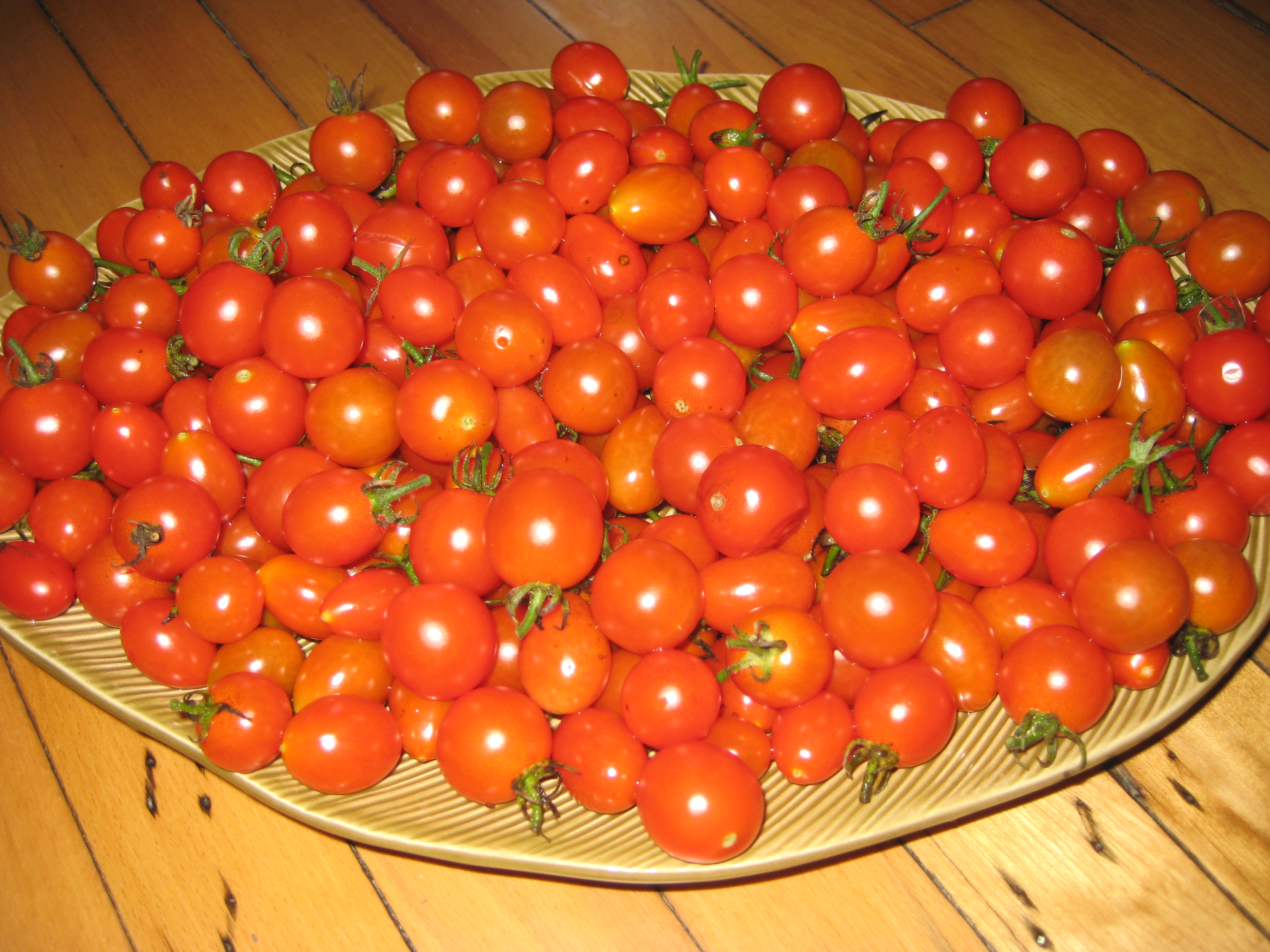
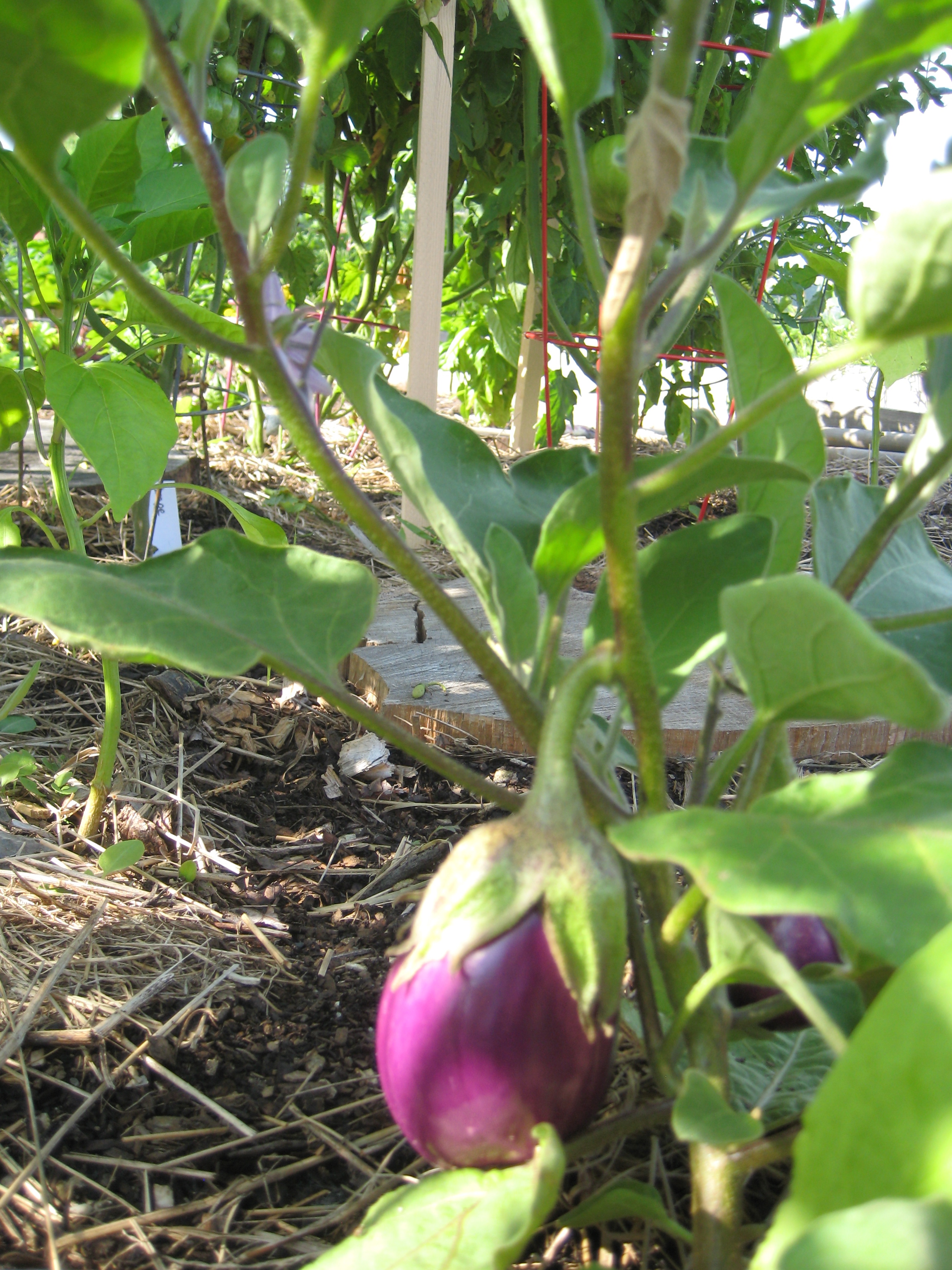
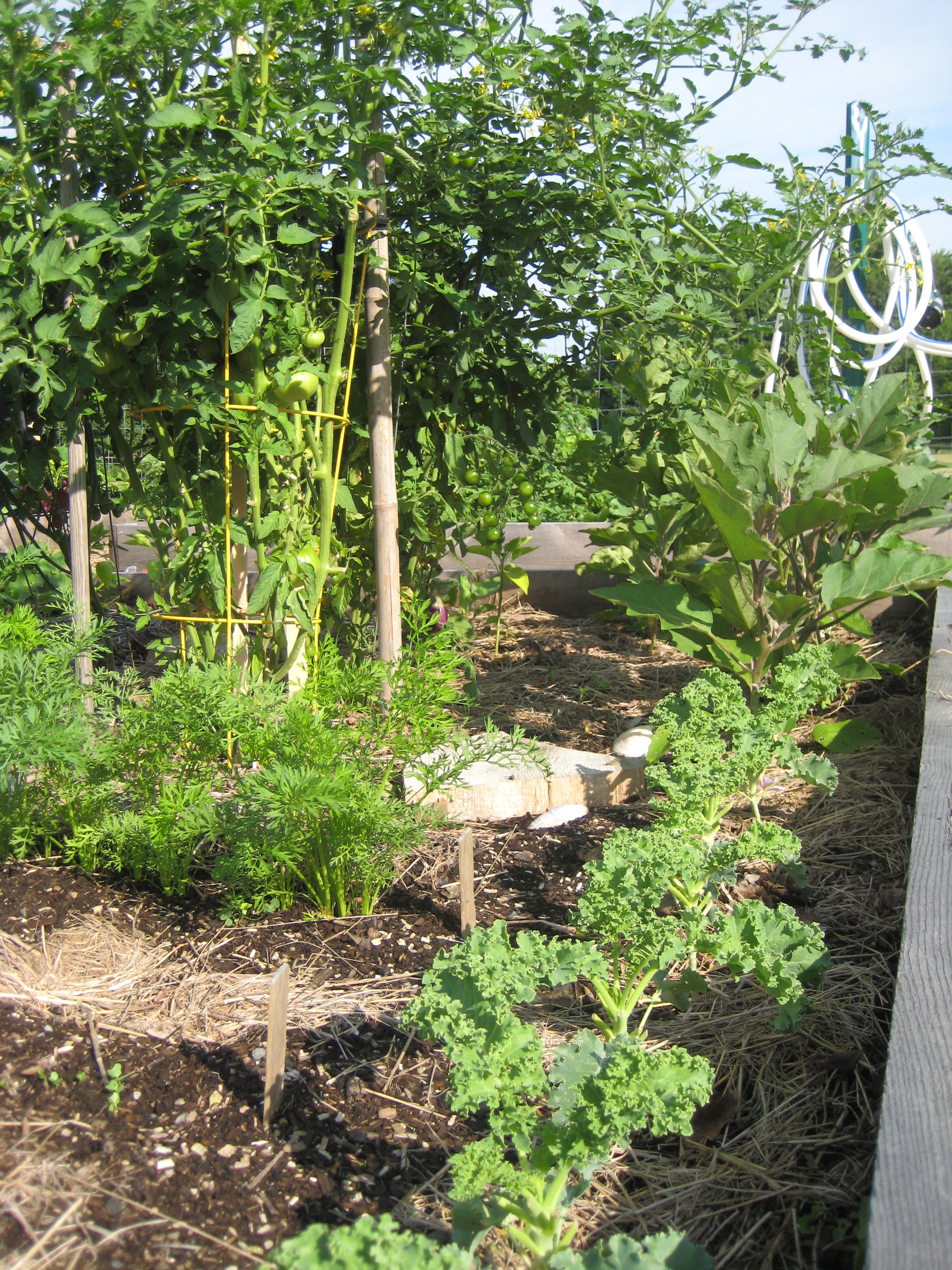
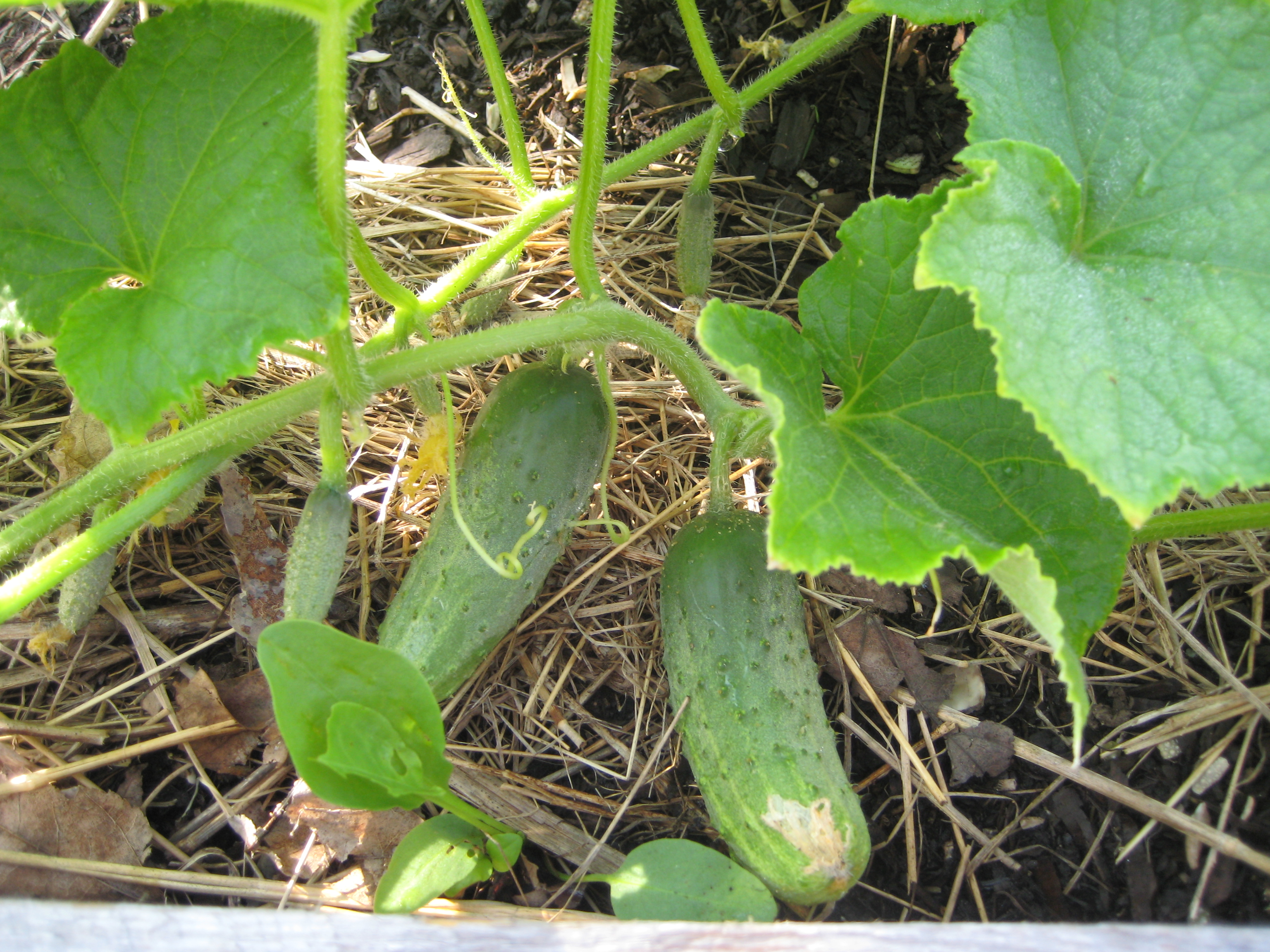
Posted: July 28, 2012 Filed under: Farming off the Farm, Little Green Thumbs 3 CommentsThe garden is nicely producing with not too much work on our part at this point. We’ve harvested probably close to 8 maybe 9, gallon size bags of mixed greens, arugula and kale. We’ve had 2 rounds of radishes and expect to plant another group soon. The tomatoes are coming along well and the eggplants and cucumbers are starting to take off. So much abundance to be thankful for!!!!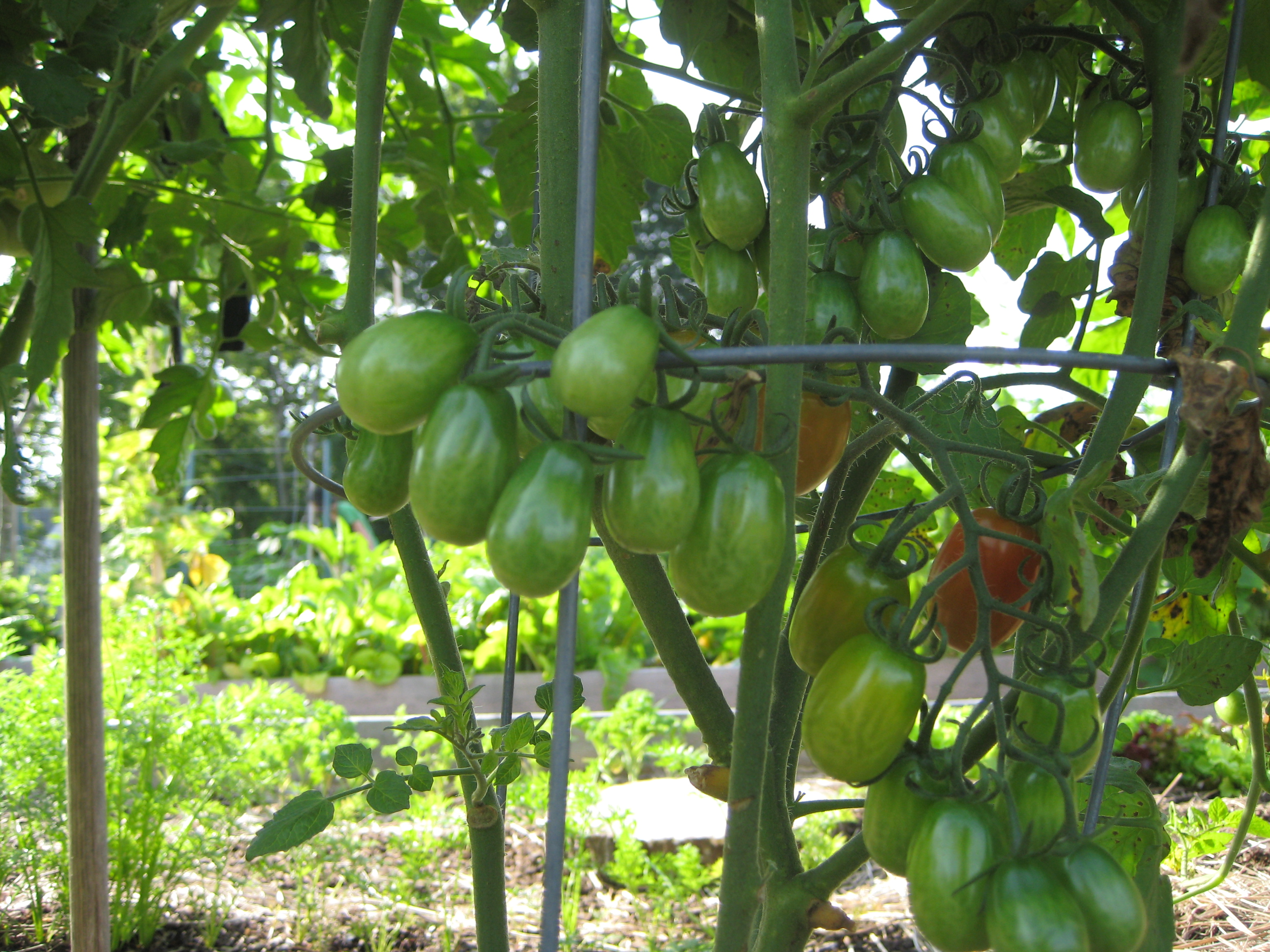
 an Art Farm