Spring blossoms
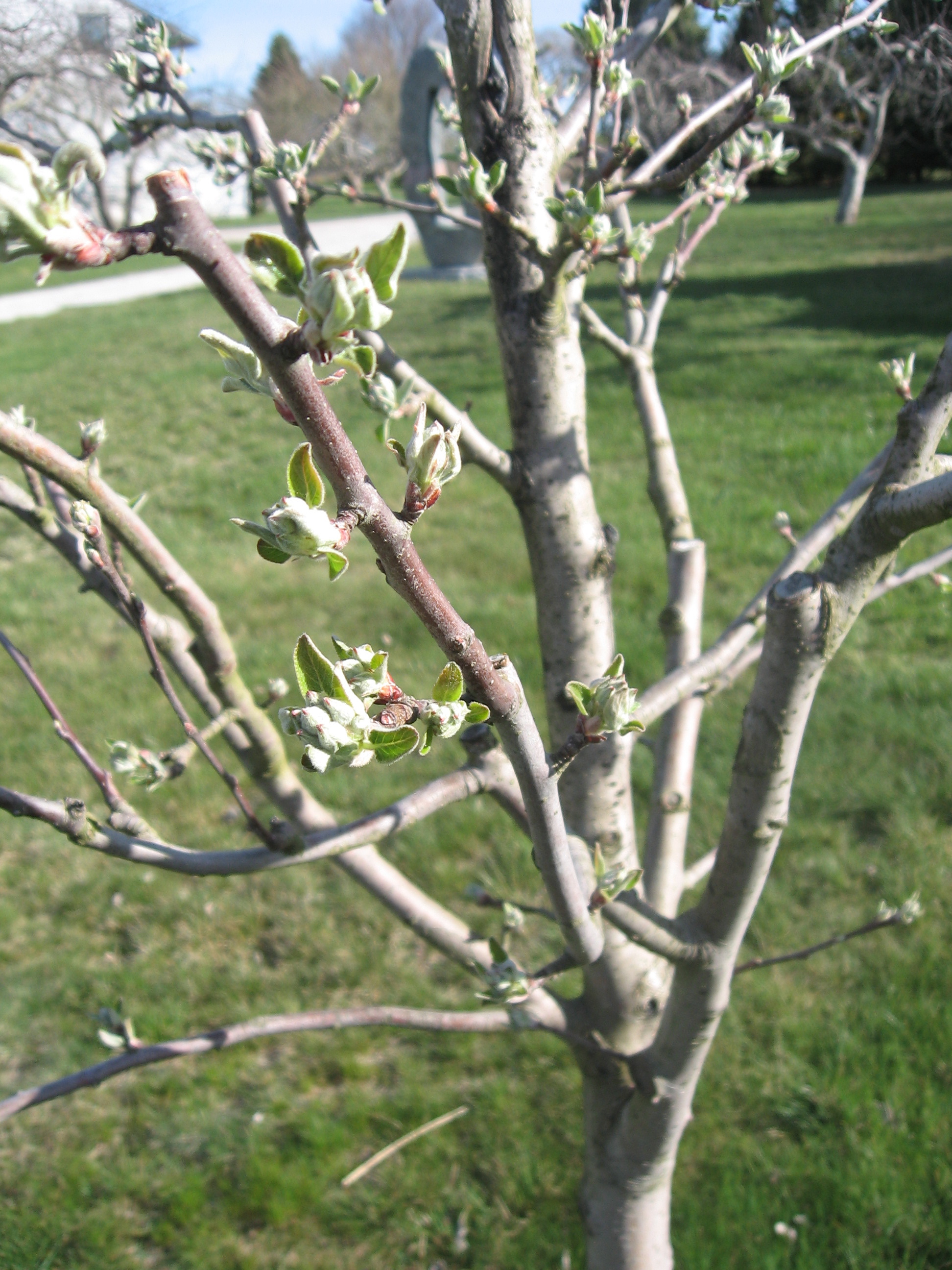
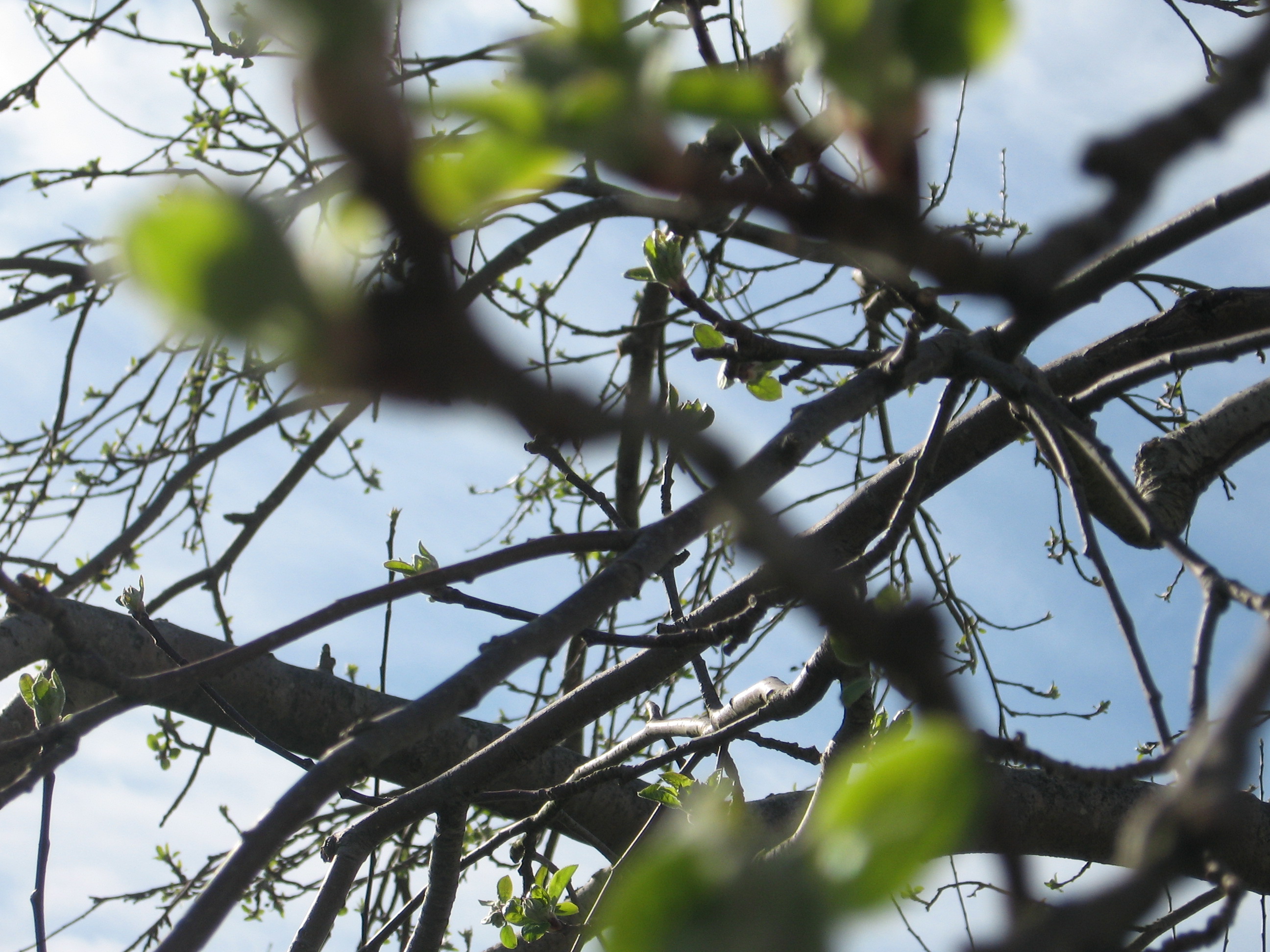
Posted: April 21, 2012 Filed under: Farming off the Farm, Gallery - Visual Leave a commentHere are photos of the apple orchard, taken April 18th. With the very warm March weather, we are about three weeks ahead of a “normal” spring. The buds are currently in the “half inch green” and “tight cluster” stages.

Blue Oysters
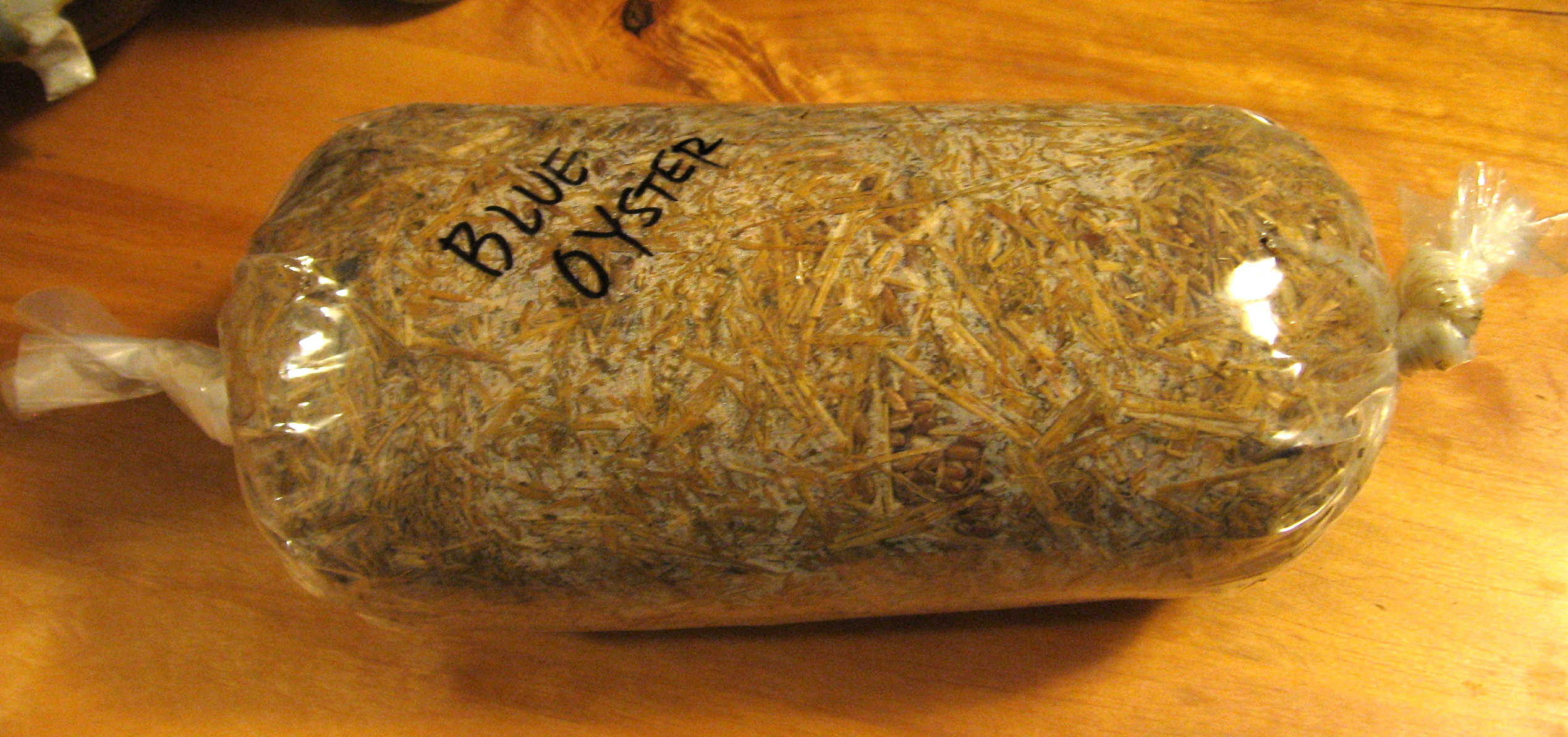
Posted: January 25, 2012 Filed under: Farming off the Farm, In the Kitchen 5 CommentsI went to a mushroom cultivation class today at the Urban Farm Fermentory and came home with a “log” of straw inoculated with spores of a Blue Oyster Mushroom.
It is all new to me…but E loves to eat mushrooms, (and truffles someday, I’ll bet!) so I thought, why not try growing our own?
At the class we learned about sterilizing winter rye berries in a pressure cooker, then, inside an air-sealed glove box, using a syringe to inoculate the berries with spores. Within a few days the spores will develop, and within a few weeks you have a jar full of mycelium – the vegetative part of a fungus – using the berries as a host. After the mycelium develops, the berries are packed, along with pasteurized straw, into a plastic bag poked with a series of small holes to allow the fruit – the Blue Oyster Mushrooms in our case – to emerge.
So home I arrived with the straw filled bag, which I am storing in the basement – a dark warm, preferably humid place. In a few weeks I expect (hope, may be more like it) the bag will become engorged with tiny white strands of mycelium. At that point I will bring it out into the light, and keep it plenty moist, and it should form a fruiting body: the edible mushrooms.
Fungi are a separate kingdom, distinct from both plants and animals, with an estimated more than 5 million species. With over 32,000 sexes of spores (don’t ask) only need two to combine to grow into a mycelium mat. Paul Stamets, in “Mycelium Running” describes a “2,400-acre site in eastern Oregon had a contiguous growth of mycelium before logging roads cut through it. Estimated at 1,665 football fields in size and 2,200 years old, this one fungus has killed the forest above it several times over, and in so doing has built deeper soil layers that allow the growth of ever-larger stands of trees. Mushroom-forming forest fungi are unique in that their mycelial mats can achieve such massive proportions.”
Seems like science fiction to me, but it’s just another part of the wild world of nature. Incredible. And edible. For the most part.
Community Garden
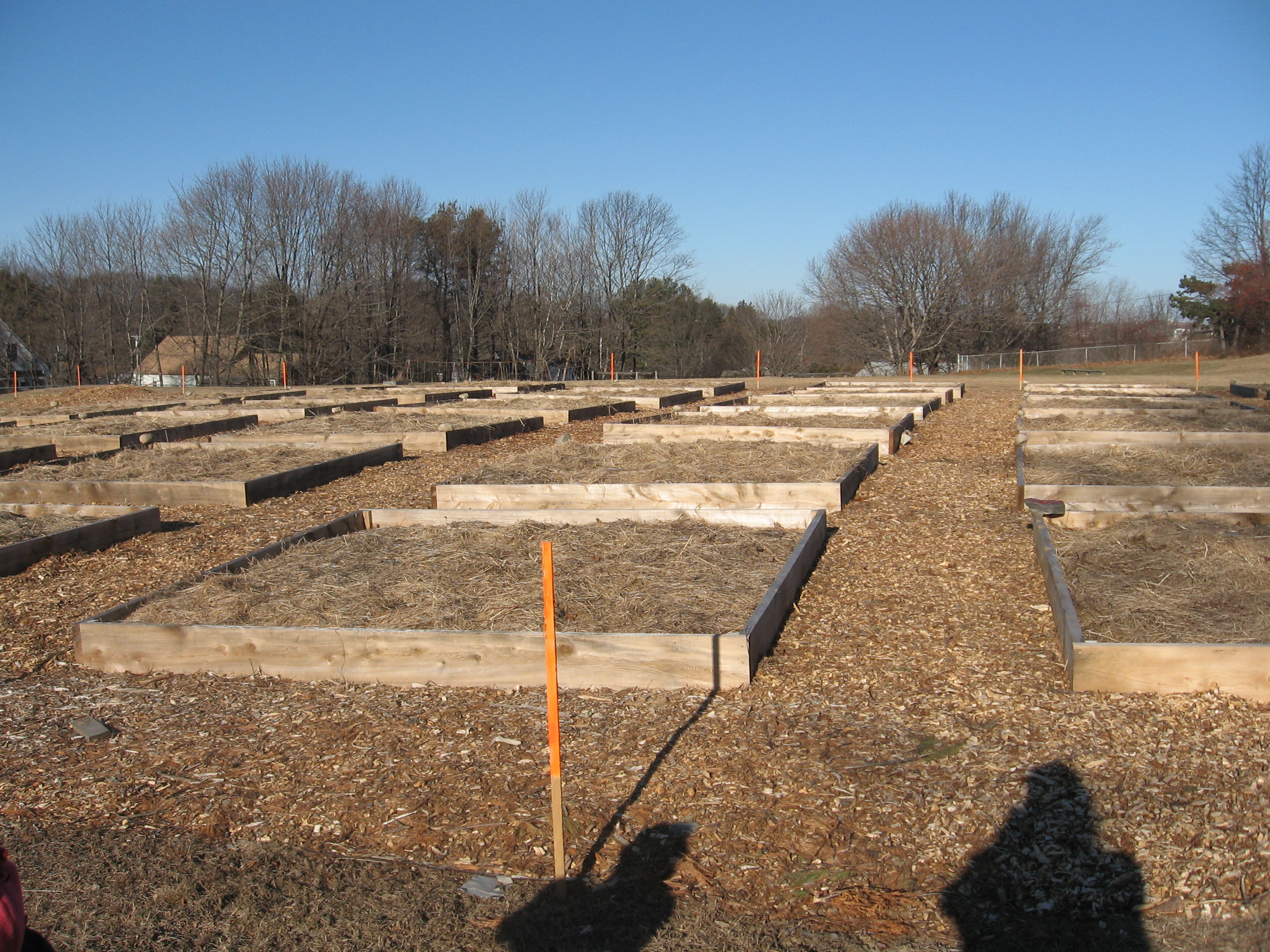
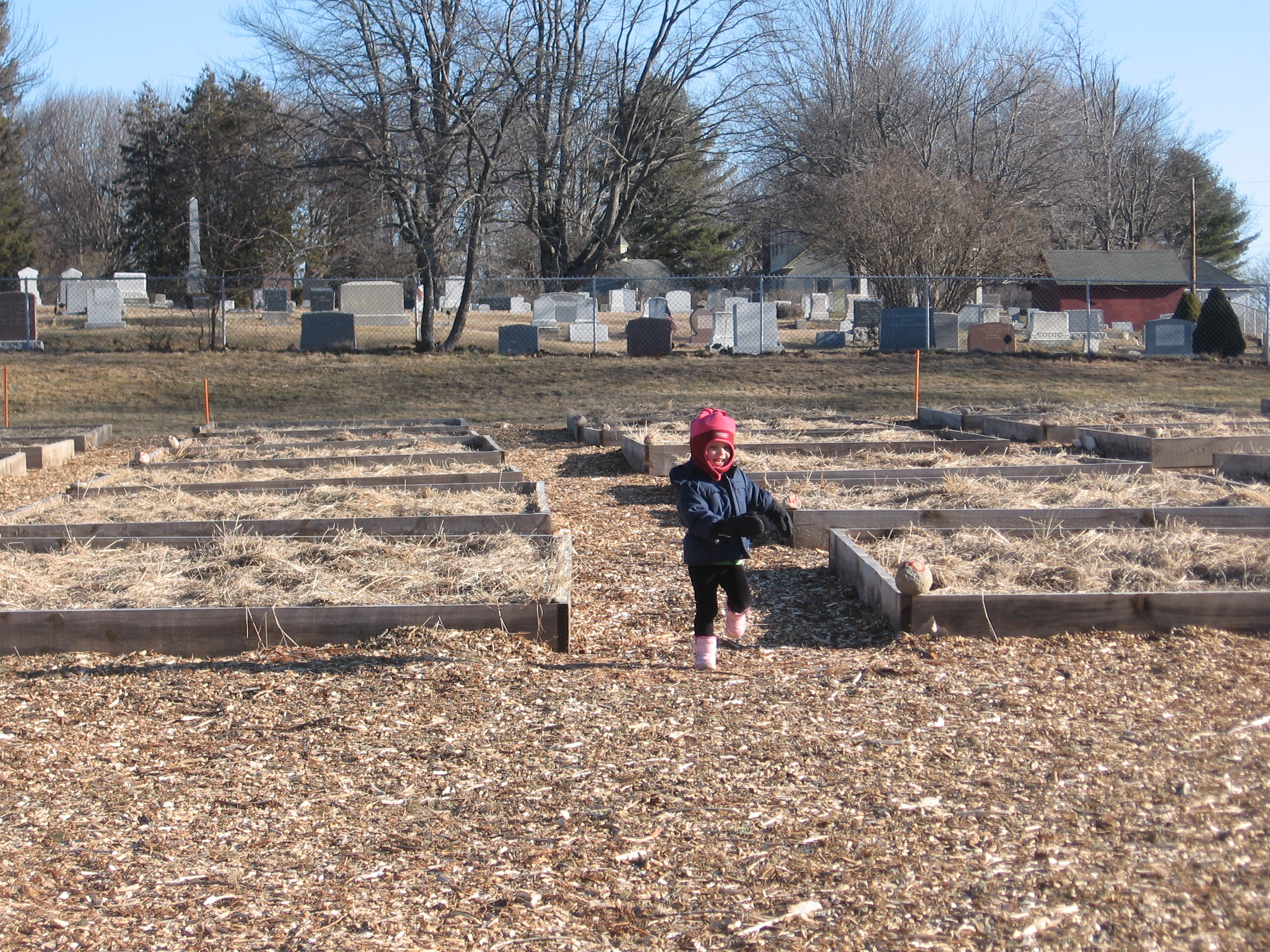
Posted: January 16, 2012 Filed under: Child Centered Activities, Farming off the Farm, Little Green Thumbs 5 CommentsOur family has one of 35 plots at the new community garden site in town. This summer we helped build the beds for the 10′ x 10′ plots. In addition there will be 2 handicap beds, a children’s garden and 3 sites for composting.
We expect to plant carrots, tomatoes, kale, spinach, arugula, eggplant, snap peas, cucumber, and patty pan squash. I took E to visit the site as it’s important for her to see it during the different seasons and phases.
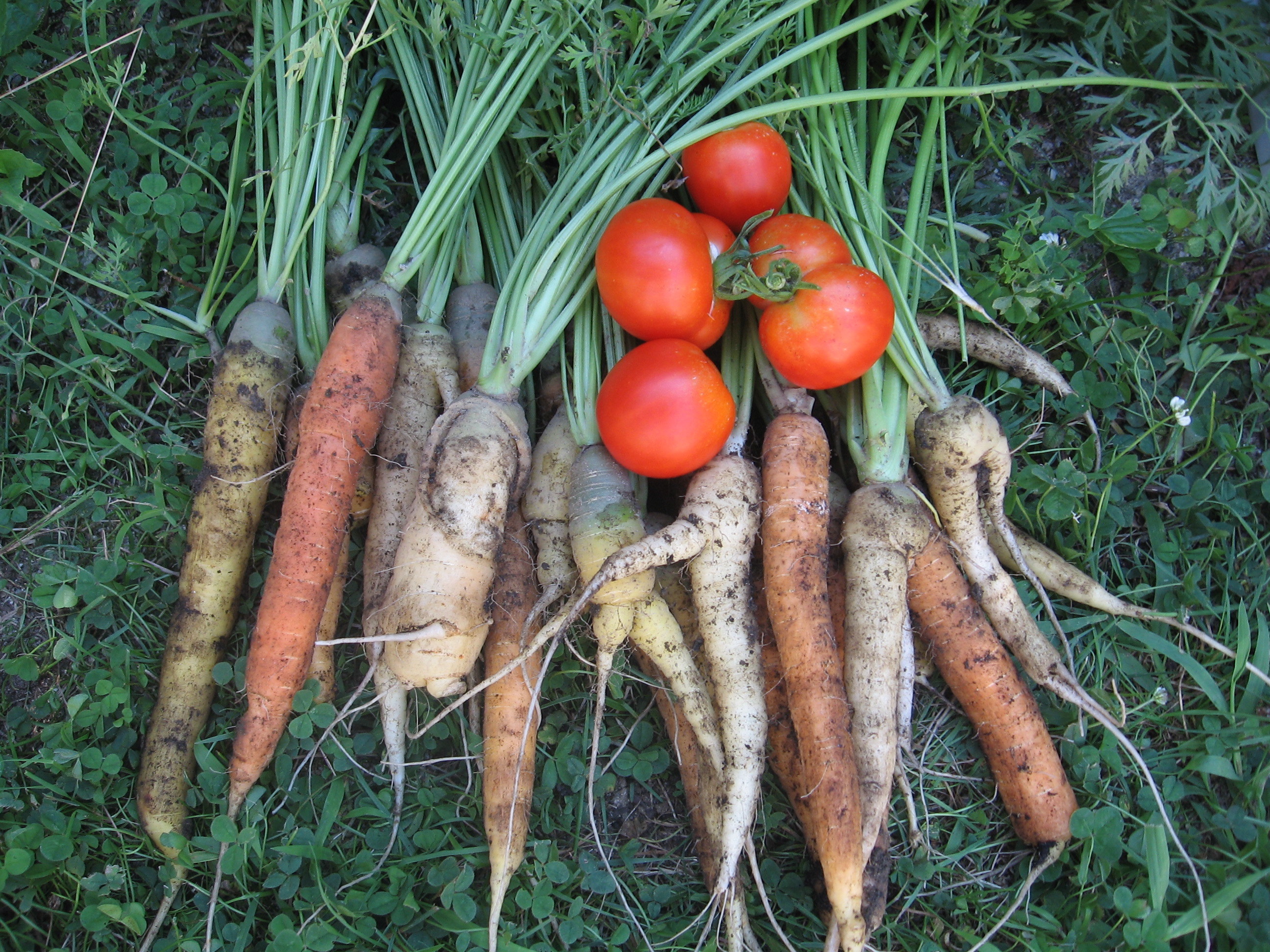
Today’s Harvest
Posted: September 27, 2011 Filed under: Farming off the Farm, Gallery - Visual, In the Kitchen Leave a comment
Thanks Farmer Dan
Posted: September 7, 2011 Filed under: Farming off the Farm, In the Kitchen Leave a comment
a gift from a good farming friend – rosemary, parsley and basil
a batch of pesto and loaves of potato/rosemary focaccia bread coming soon!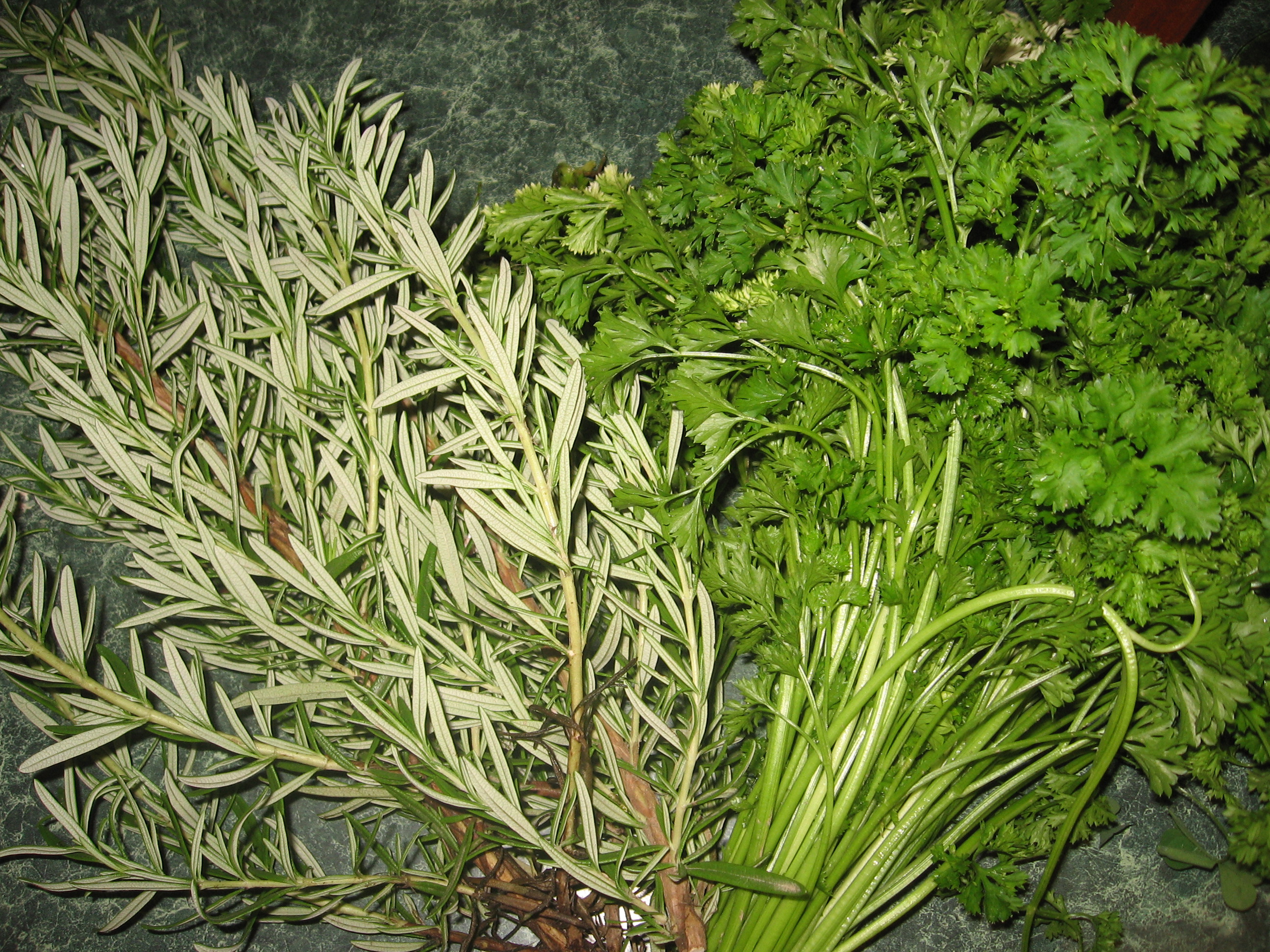

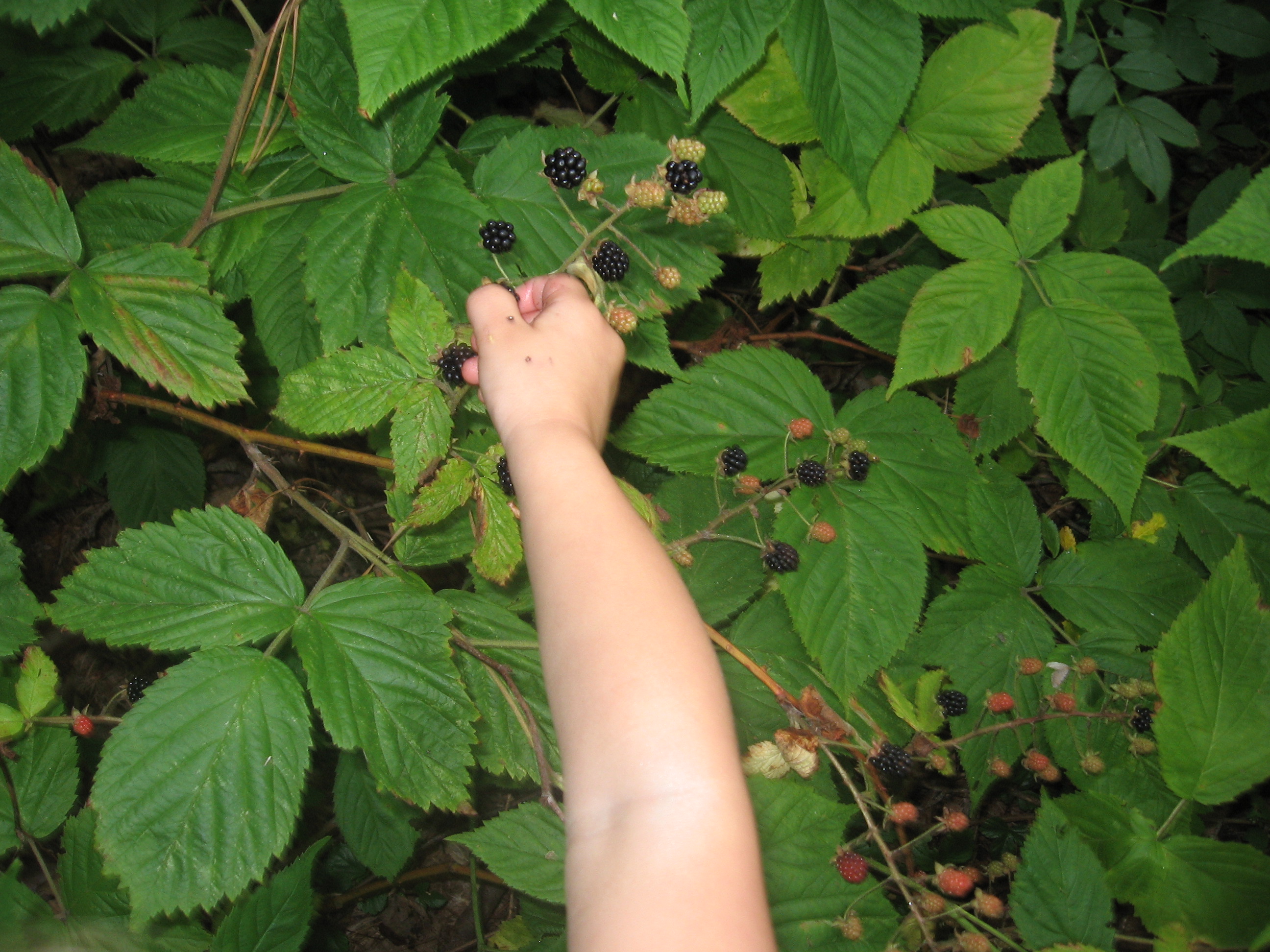
August means Blackberries
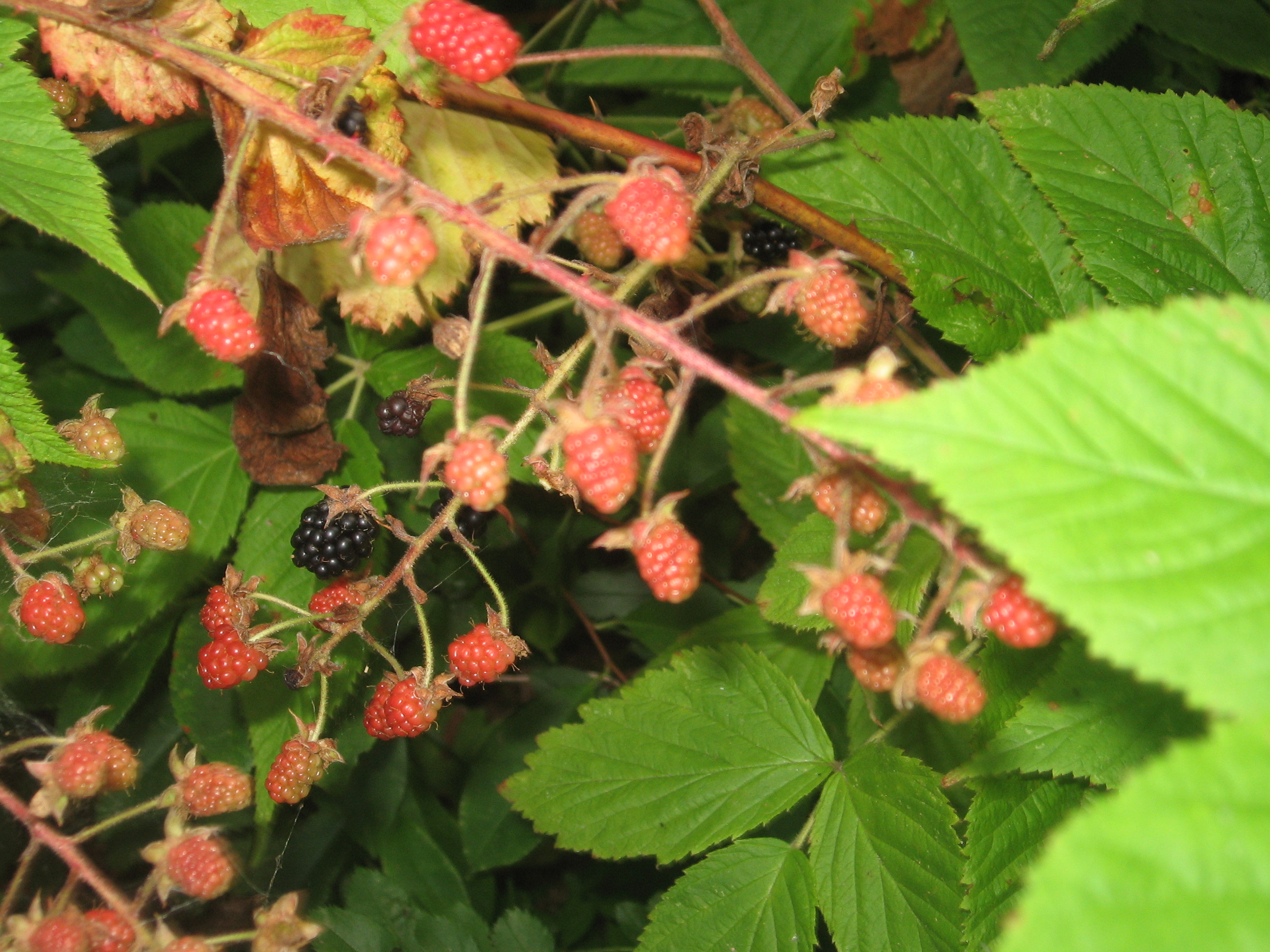
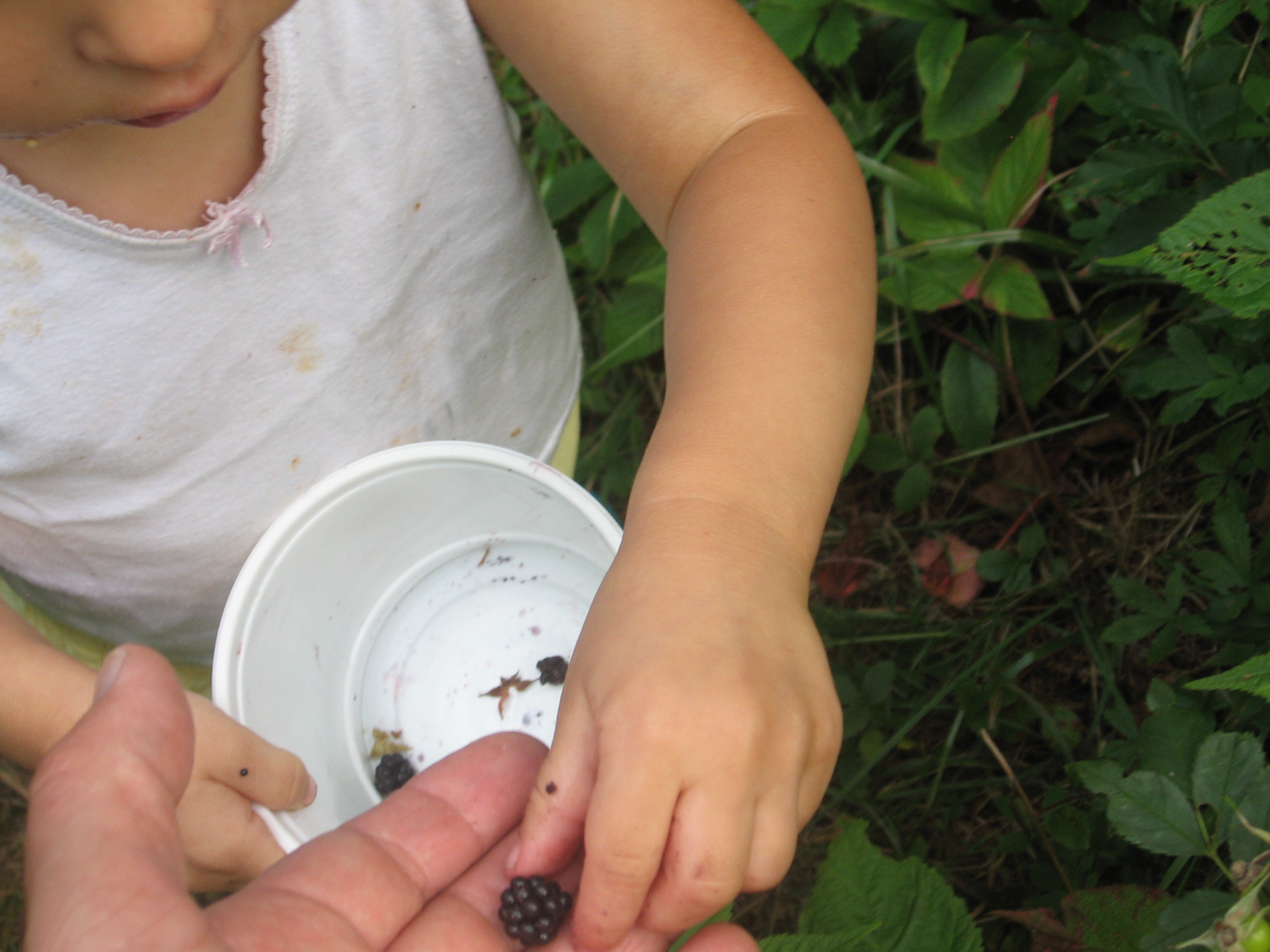
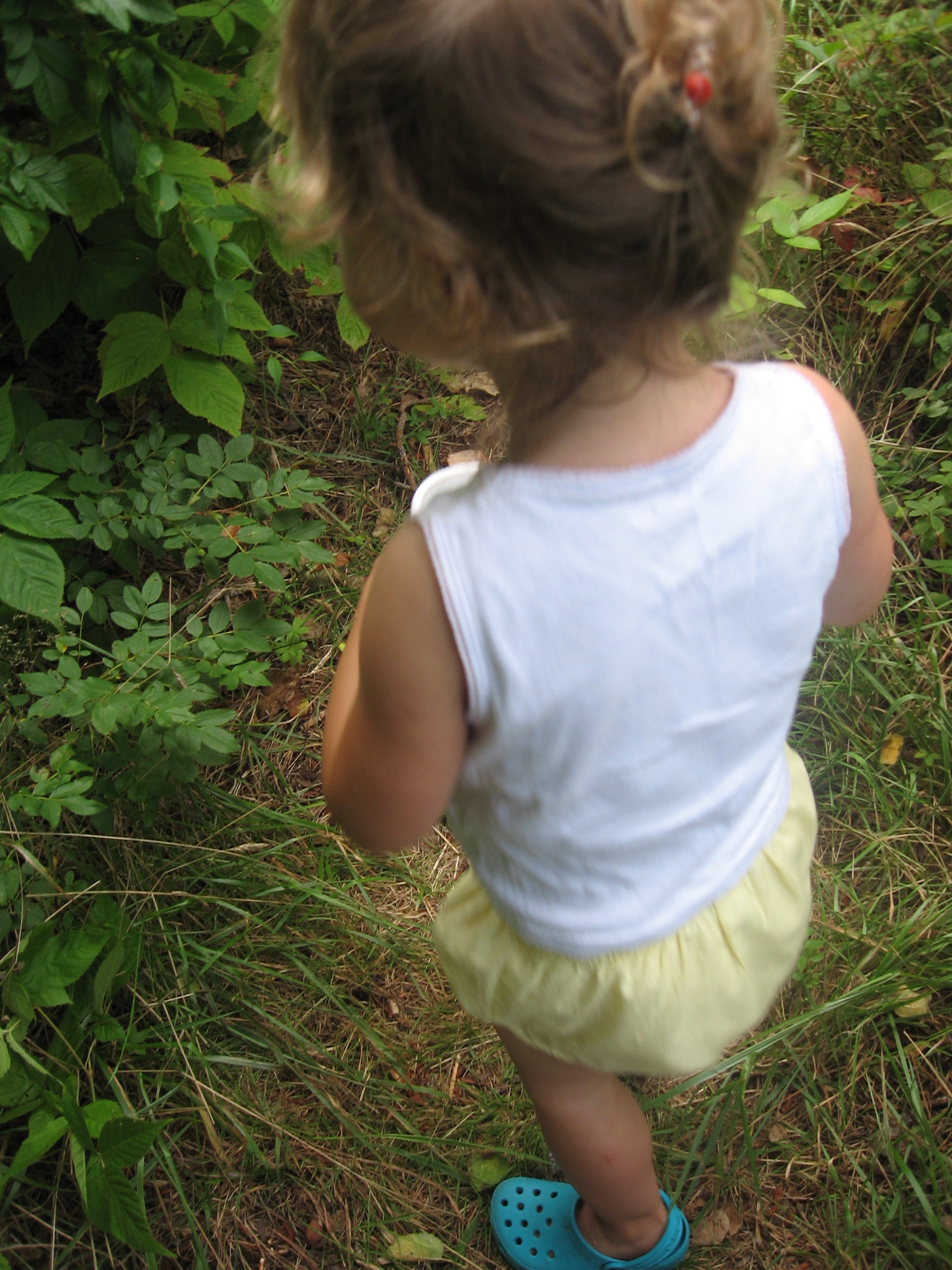
Posted: August 20, 2011 Filed under: Farming off the Farm, Gallery - Visual, Little Green Thumbs 1 CommentOn our way to the beach we foraged…

Little Helpers
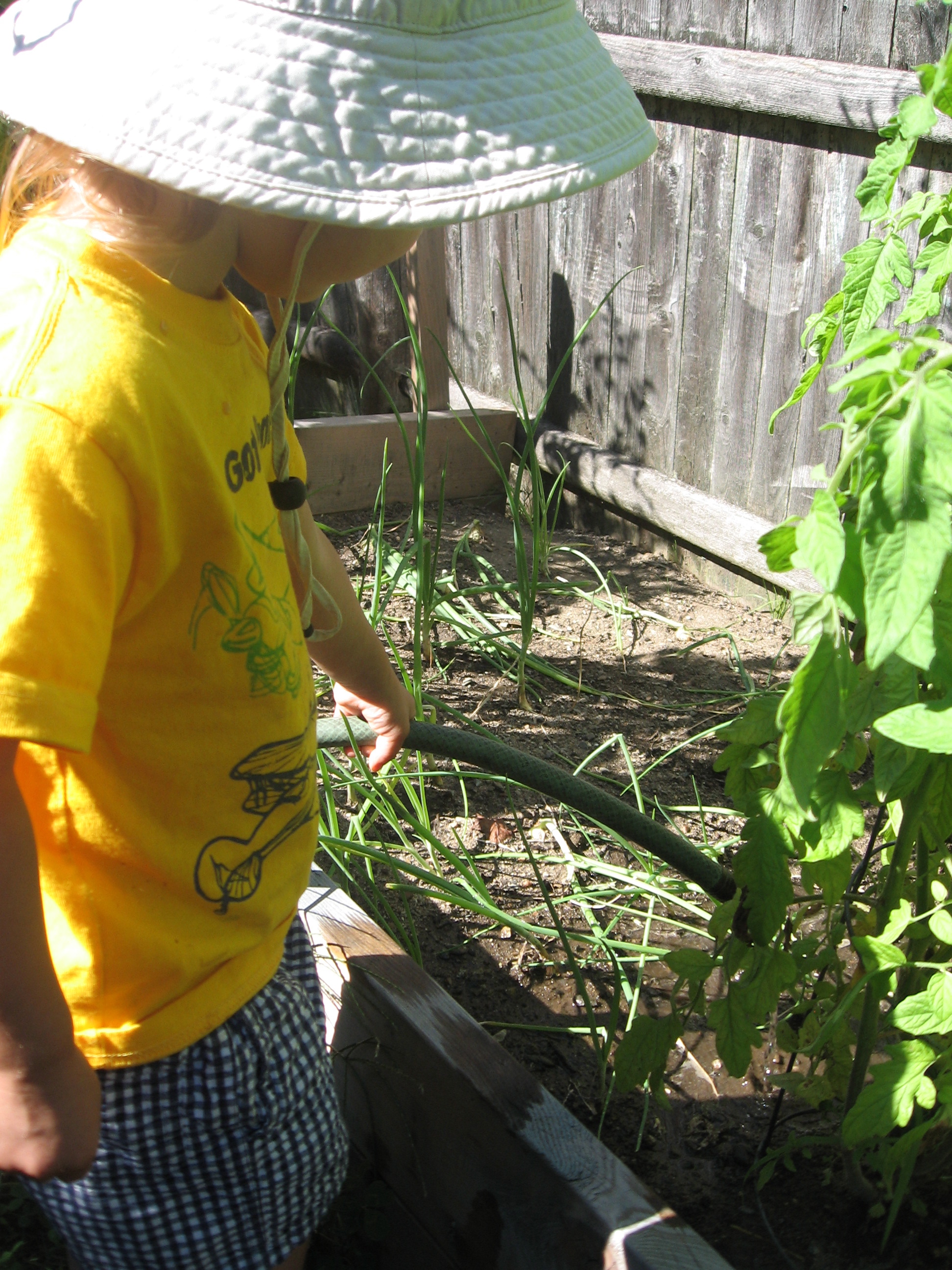
Posted: August 19, 2011 Filed under: Child Centered Activities, Farming off the Farm, Little Green Thumbs 1 CommentThree little helpers tended garden today.


Mid August
Posted: August 15, 2011 Filed under: Child Centered Activities, Farming off the Farm, Little Green Thumbs Leave a comment

Greens!
Posted: July 23, 2011 Filed under: Child Centered Activities, Farming off the Farm, Gallery - Visual, Little Green Thumbs Leave a comment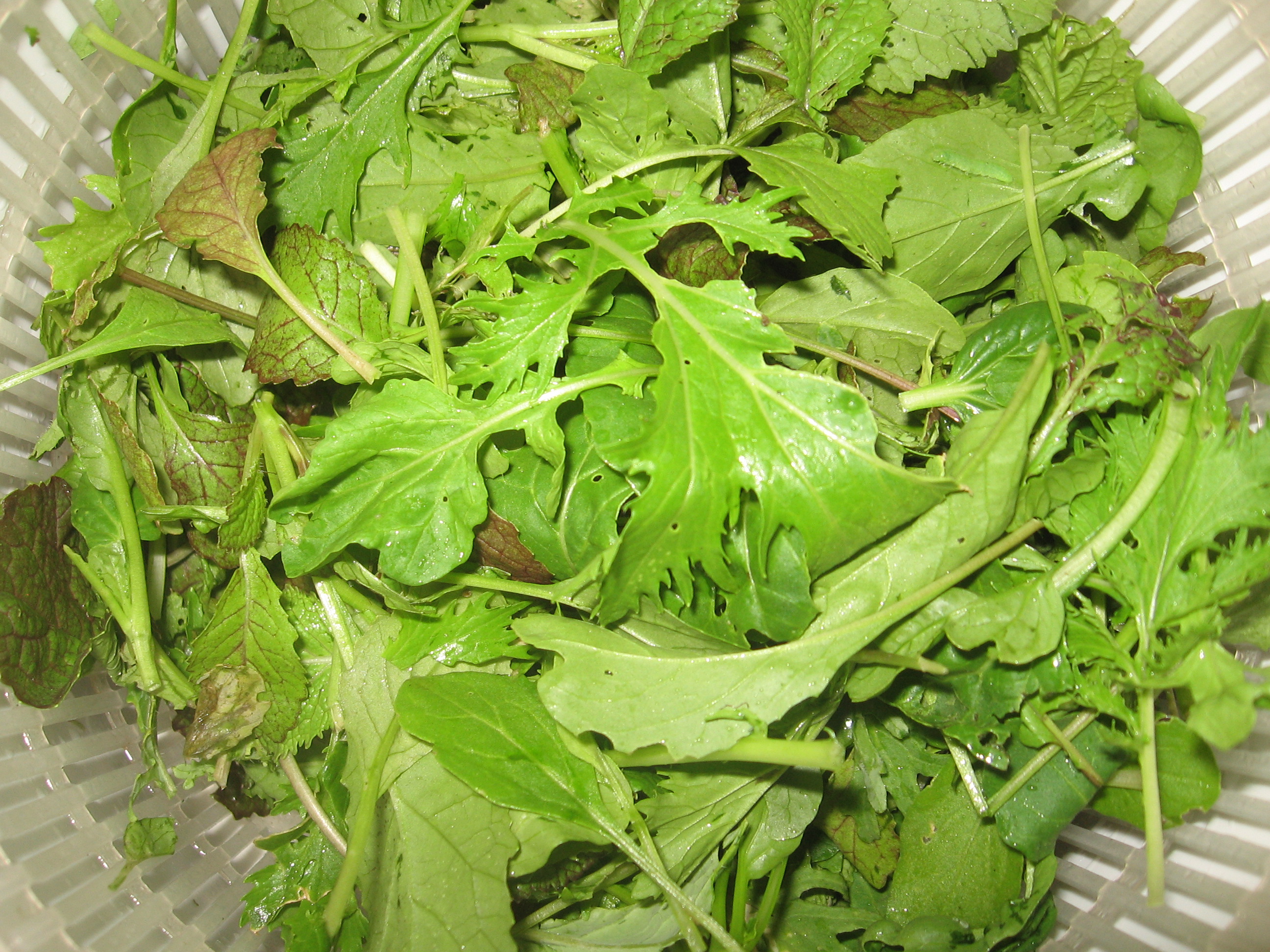
Mid July
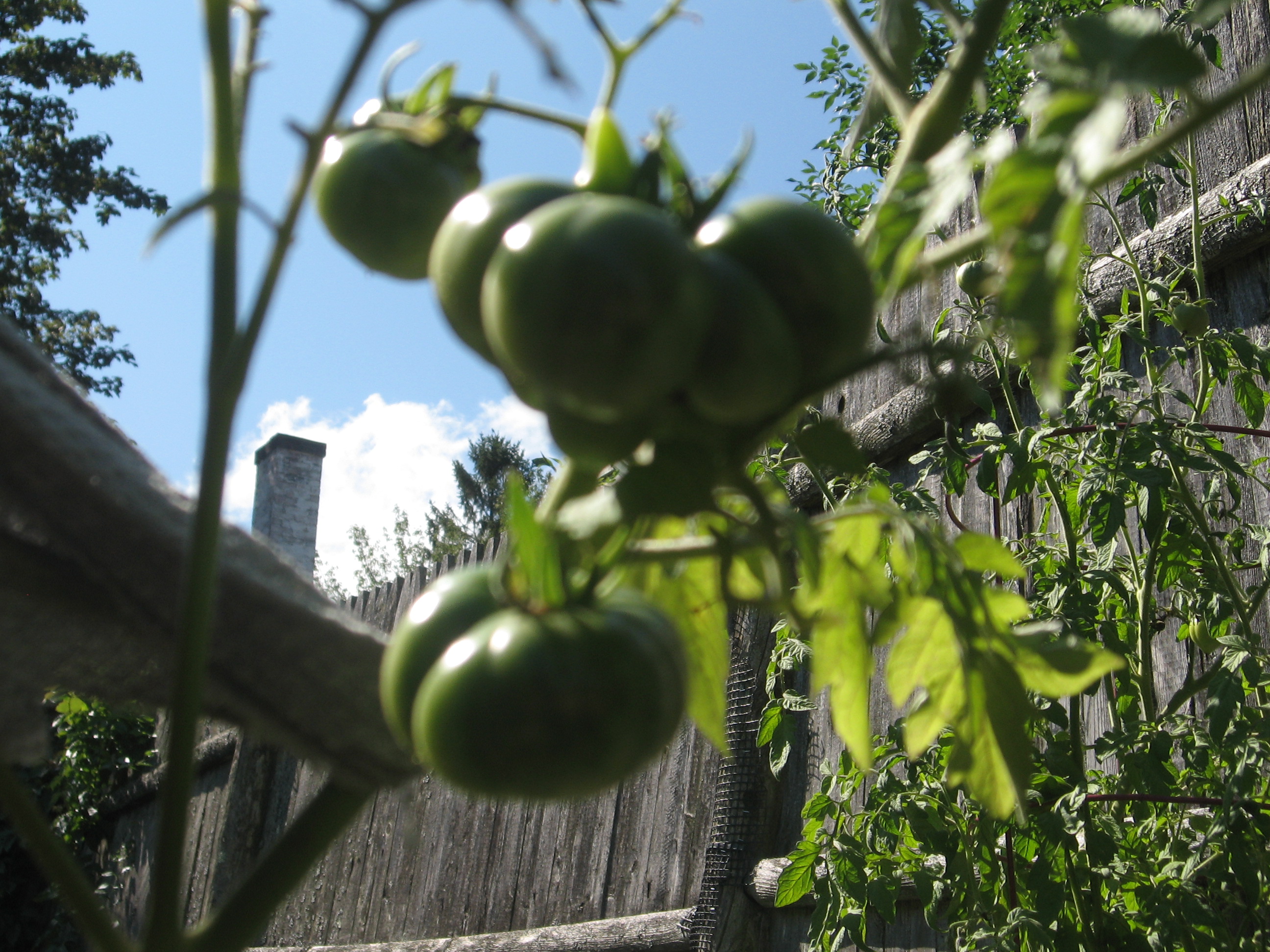
Posted: July 21, 2011 Filed under: Child Centered Activities, Farming off the Farm, Little Green Thumbs 2 Comments TOMATOES
 ONIONS
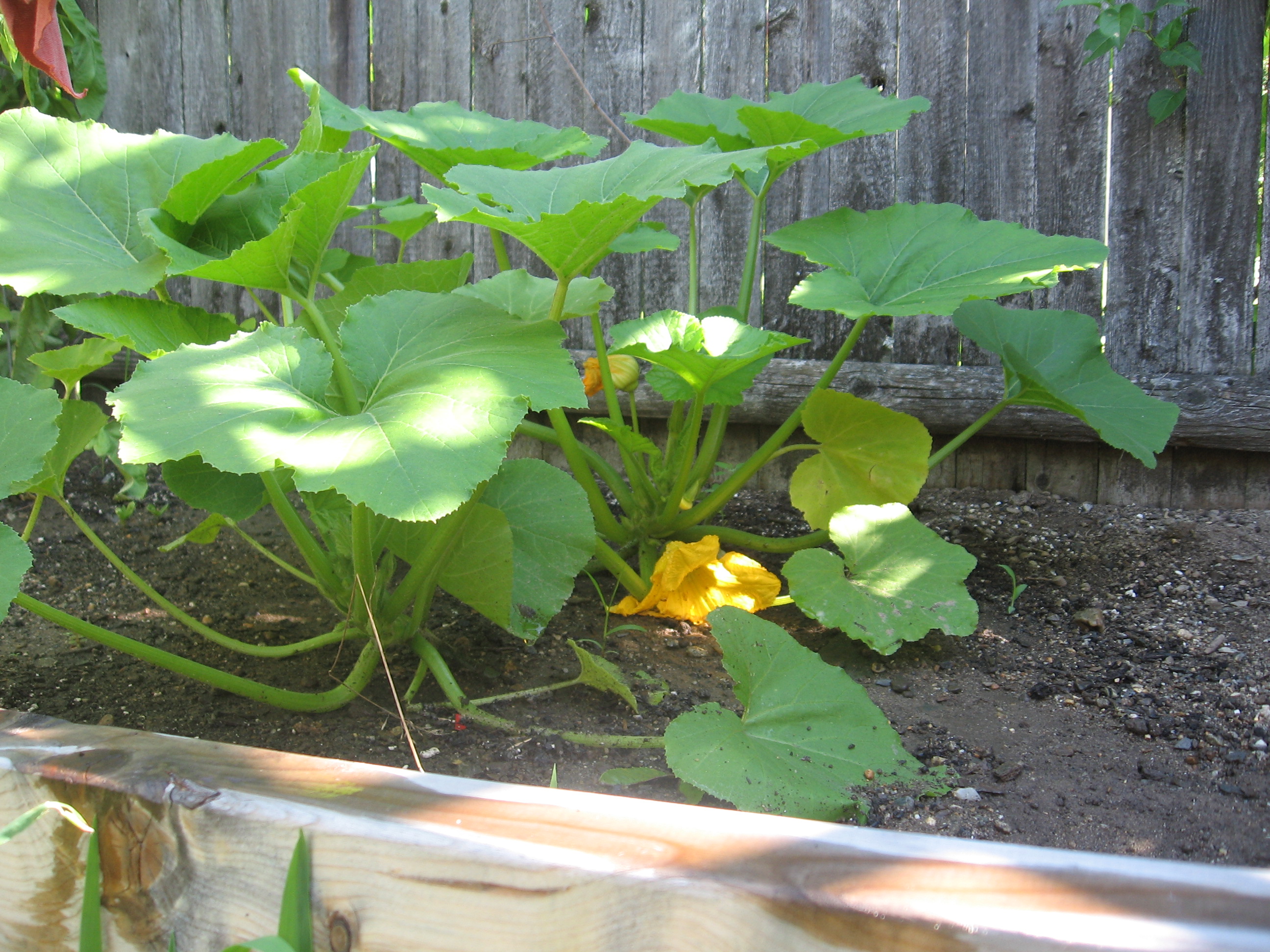
 PATTY PAN SQUASH
 MORE TOMATOES
 CARROT GREENS TO THE RIGHT and NEW BRUSSEL SPROUTS IN CENTER

