The Anti-Readymade
Posted: May 30, 2025 Filed under: Chronicles of a First Time Parent, Farming off the Farm, Gallery - Visual, Portfolio - David's work | Tags: Baroness Elsa von Freytag-Loringhoven, brancusi, dada, duchamp 2 Comments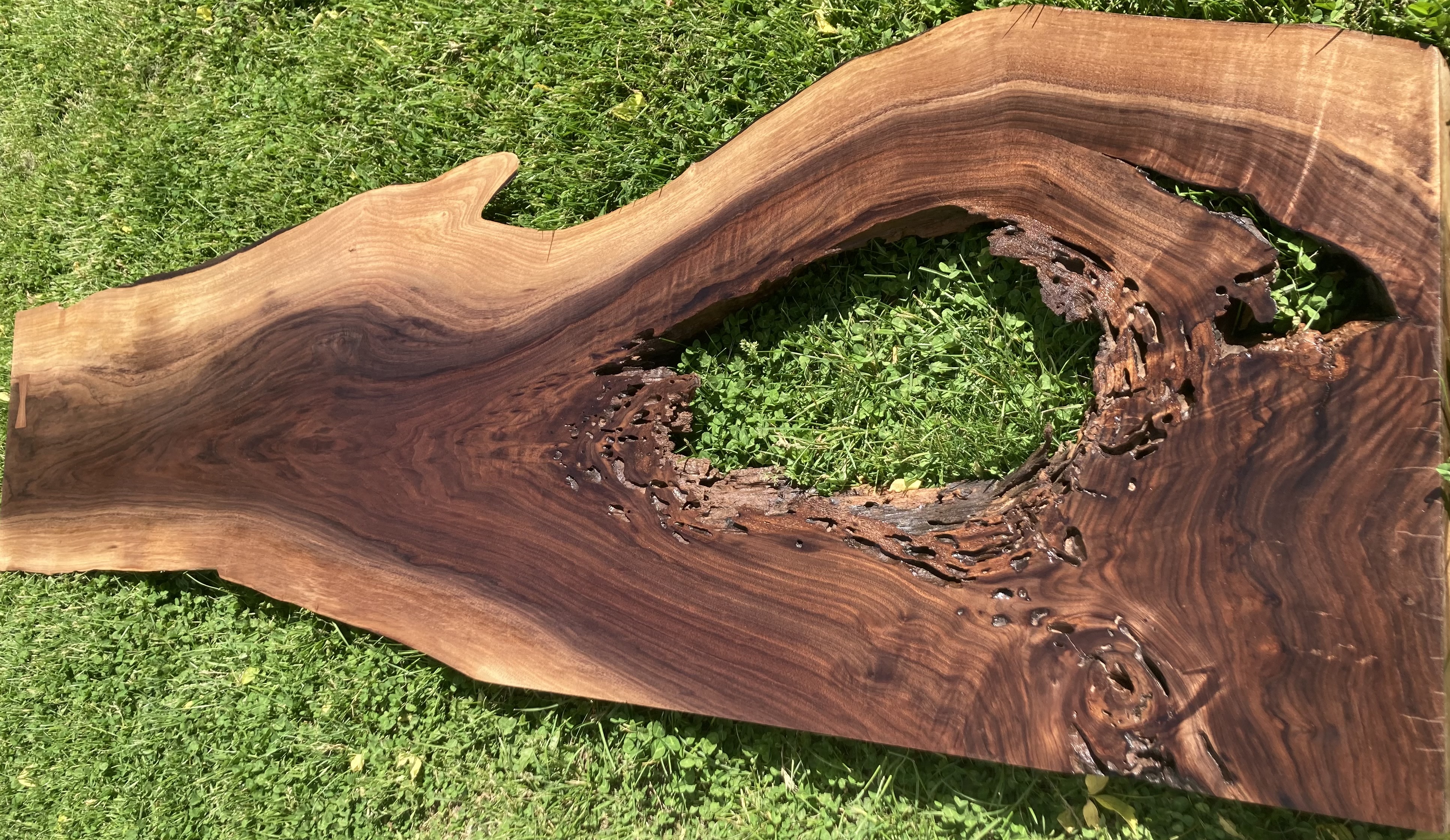
Marcel Duchamp, arguably the most influential artist of the 20th century, turned the art world upside down, in 1917, when he submitted a porcelain urinal as art for the inaugural Independent Artists’ exhibition in the Grand Central Palace of New York City. “Fountain” signed by R Mutt was rejected, which only drove that readymade sculpture to define the dada movement.
But wait…the Baroness Elsa von Freytag-Loringhoven more likely was its actual creator. R Mutt, a/k/a Duchamp elbowed her out. The Baroness embodied Dada, fought at the vanguard of the avant-garde to expose the irrationality of conformity and capitalism. Jane Heap, a publisher active in the development of modernism, described the Baroness as “the only one living anywhere who dresses Dada, loves Dada, lives Dada.” The Baroness Elsa appears to have been R Mutt.
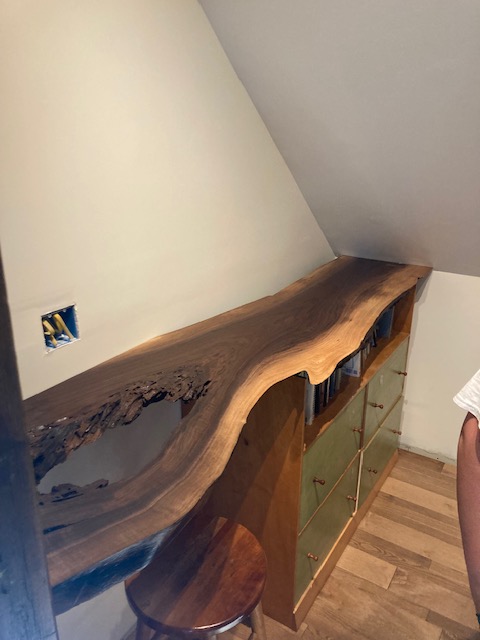
108 years later, when social media breeds conformity and capitalism reigns supreme, we are proud to present the Anti-Readymade: an object of exquisite natural beauty rendered into a utilitarian object of limited practical use. A countertop in my new office.
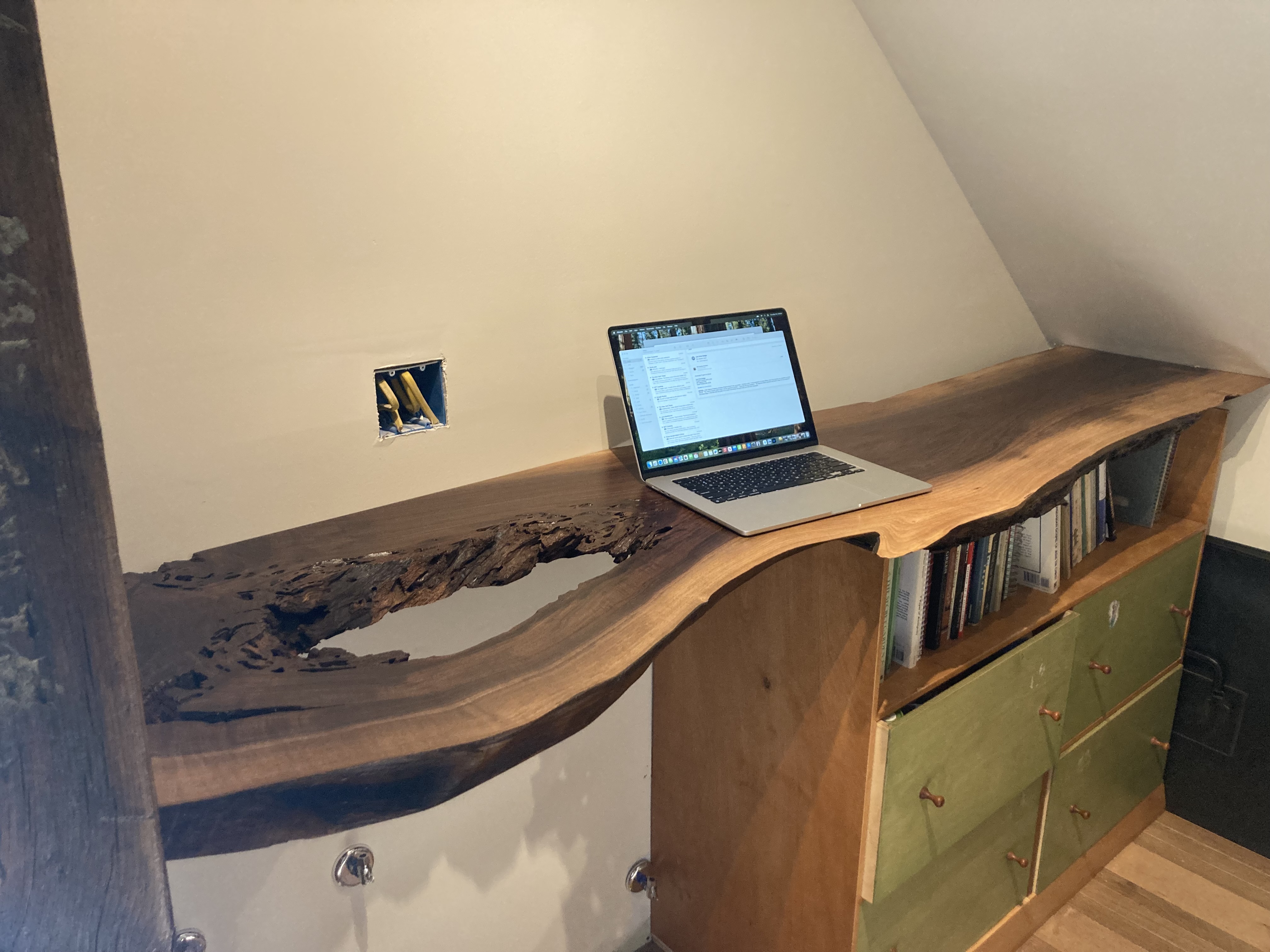
The slab is 2.25” thick American black walnut, which I happened to espie last December while at a lumberyard buying odd-lot flooring for our loft’s “charcuterie board” floor. I was seized by its commanding poetry, and given that my corporate bank account had excess capital, a tax write off was available. In our loft I had framed a wall using original boards from our 1840 barn, torn down when we first renovated the house. Boards cut and milled in 1840 would have sprouted circa 1700, so the history here equals the poetry. I sit here now as I write.
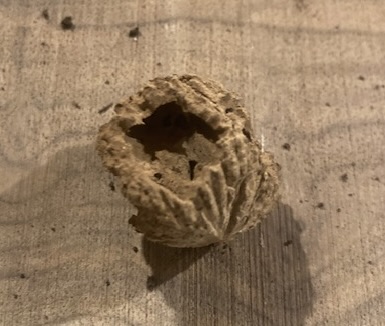
If beauty is in the eye of the beholder, then consider this from my childrens’ eyes. They remember when our loft was being framed, my son shoveled snow out the empty window openings. Just before COVID a friend helped me hang sheetrock, so when the shutdown began my wife had a home office. The nook wall is built of 325 year old boards, given a new life. Friends have loaned tools, John Hart built a bookcase then helped inlay the bowtie joint, my son helped clean out the many divots and found a walnut! The wild wood grain shouts out, and the hole speaks of the unknown where the “unusable” has been made beautiful in a community effort.
And what about that hole at the center? It screams of the void. Our zeitgeist, it seems, is a call to leap into the void. Musashi, the 16th century Samurai Master and strategist, considered a “sword saint” in Japan, taught that one must “strike from the void.” This means to strike using a calm, natural, intuitive approach, free of tension and over analysis. When stillness and clarity coincide, the body and spirit are in harmony.
And so our Anti-Readymade now stands ever ready, willing and able to remind us that stillness and clarity are keys to navigating these turbulent times.



___________________________________
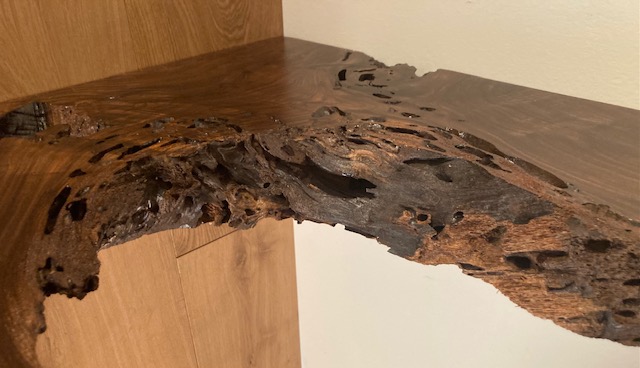
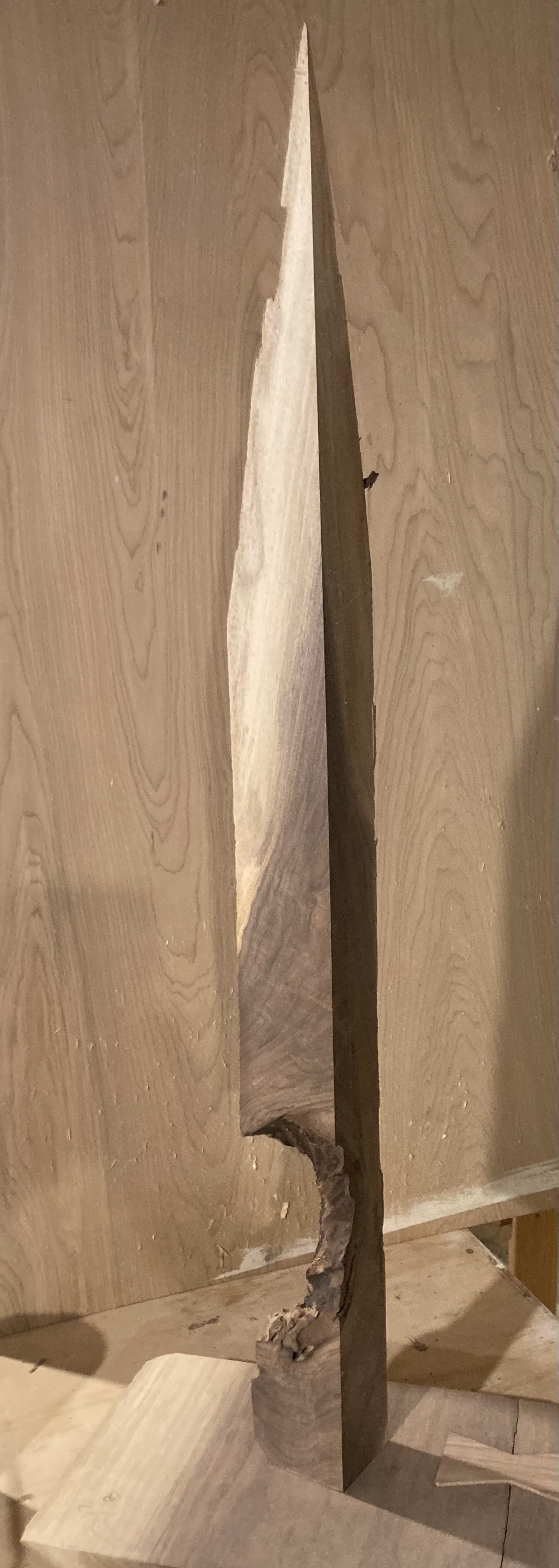
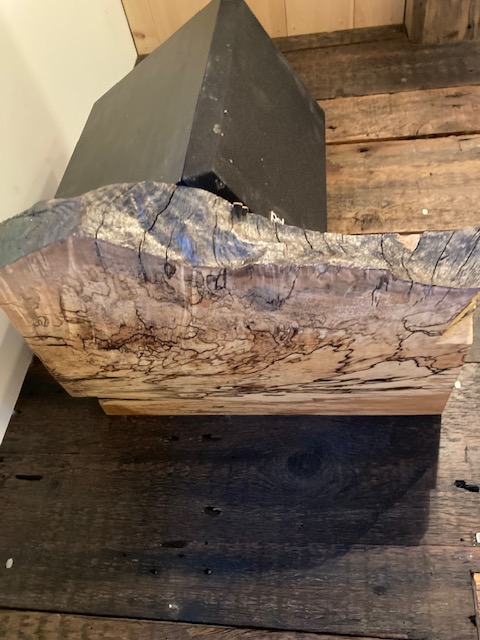
Even the slab cutoffs are sculptural. When squaring the slab’s end, this piece was cut off, which sings of Brancusi. It will become yet another piece in our mix-it-up loft.

Aloft in the Loft
Posted: January 24, 2025 Filed under: Art & Healing, Chronicles of a First Time Parent, Gallery - Visual, Portfolio - David's work, What is an Art Farm | Tags: kimchi, Martin Luther King 4 Comments
Working on this Greek Revival New England farmhouse I have learned important lessons, especially the frugality of the Yankee makers. When everything was hand hewn, nothing was wasted.
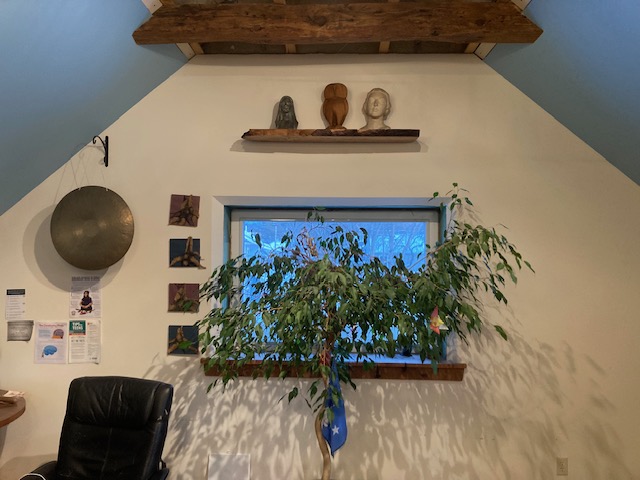
The knee wall is a paragon of thrift; by adding 4’ to the exterior walls, the roof is raised enough to gain a room that otherwise would be a dark attic. In 2018 we rebuilt the barn and I used this trick to gain – for the price of some 2×4 studs – 529 square feet of additional space. I call this the loft, and built it with no specific use in mind. Intuitively it made sense, and then covid came, the sheetrock having just been hung, so the loft became an office for my wife’s therapeutic counseling work. It was unfinished but providential.
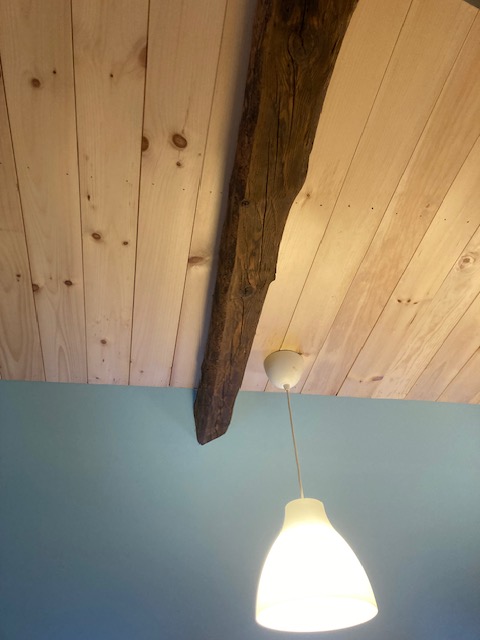
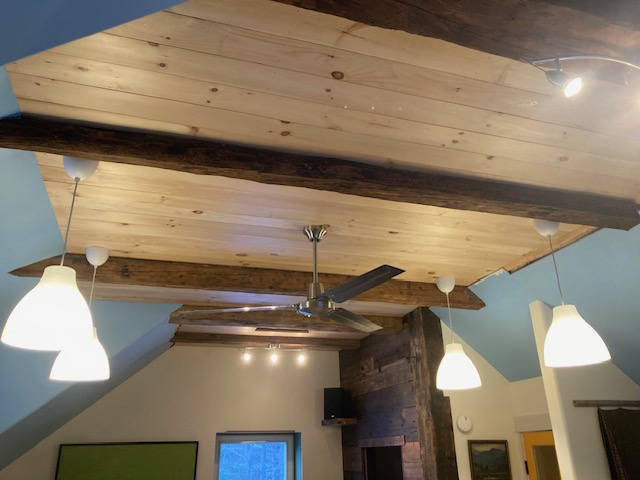
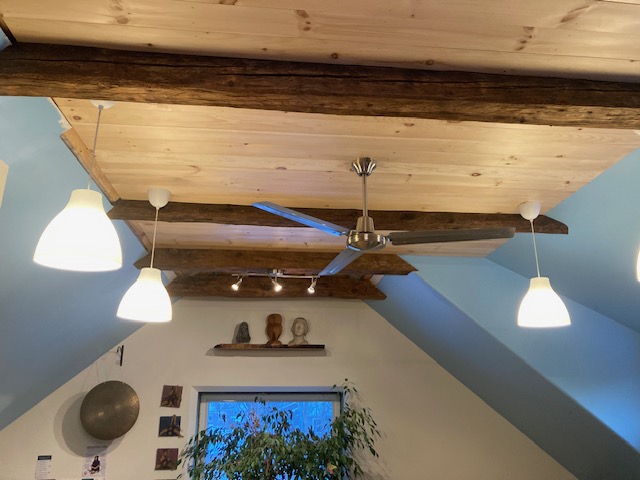
Lately I have pursued the finish work and the loft has been transformed. I put pine boarding on the ceiling, which required custom cuts around some of the original barn beams. Using old boards triples my labor but it seems worth the effort.
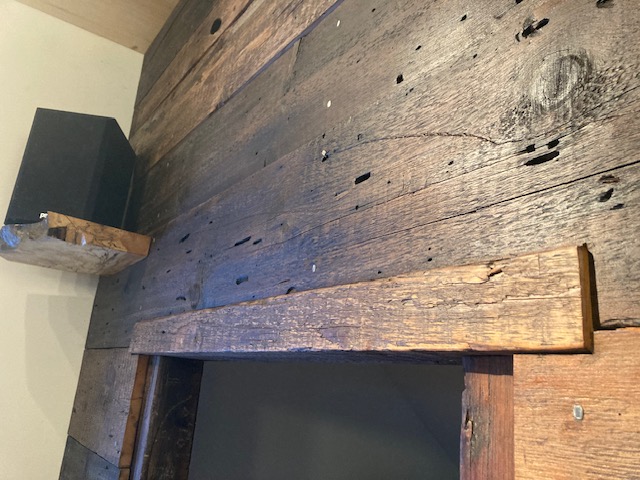
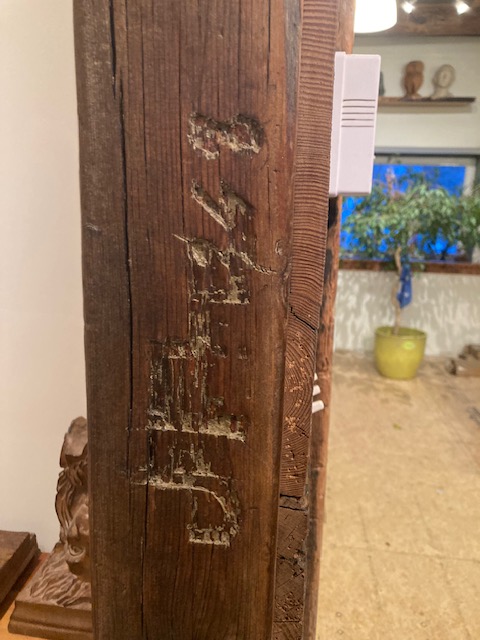
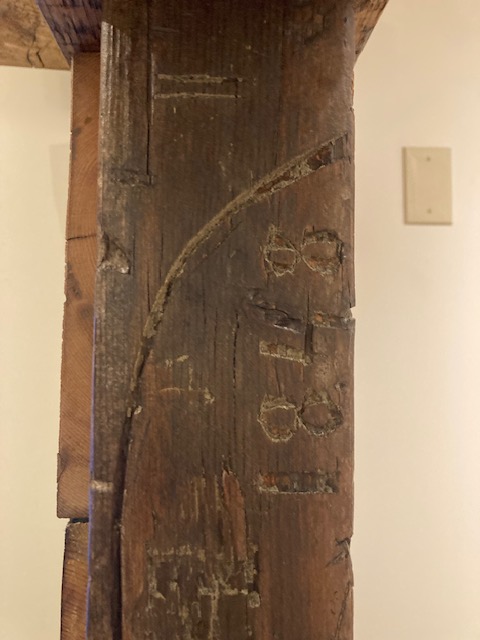
To create a storage nook, I built a wall with its door framed using a barn beam carved by the makers and dated 1848. The barn boards on that wall come from trees cut down then, which means those trees sprouted from seed circa 1700. George Washington was not yet born when our barn had taken root!
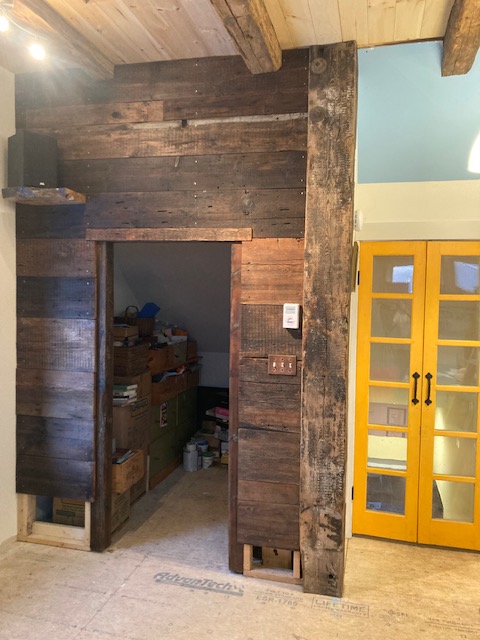
The barn boards are weathered and rough, with knots and worm holes; a poetry of the material. Several years ago I built furniture for Thos Moser, whose solid black cherry tables and chairs are American classics. Tom uses the heartwood only and rejects any sap wood, thus throwing 40% of his material away. An extravagant waste and testimony to the vanity of the buyer who seeks an unblemished life. If only that were possible, but as a colleague often said to me, “How do you know you’ve been alive if you don’t have scars to show for it?!!!”
I bought odd lot leftovers of prefinished flooring, a random mixture of five species – Ash, Cherry, White Oak, Maple, Douglas Fir – with varying stains and sheen. The floor will not be typically uniform but more like a smorgasbord charcuterie. I paid about $0.15 on the $1.00 so the savings are substantial. That is the next task.

For a window sill I made end-grain parquet, cutting a stout old beam – 12″ x 6″ – into thin slices, reglued them like a checkerboard, then planed down and used epoxy to fill the aged cracks, until finally I had a board that I could cut to fit the sill opening. It is aged and rough and wildly elegant. May I age so, too.
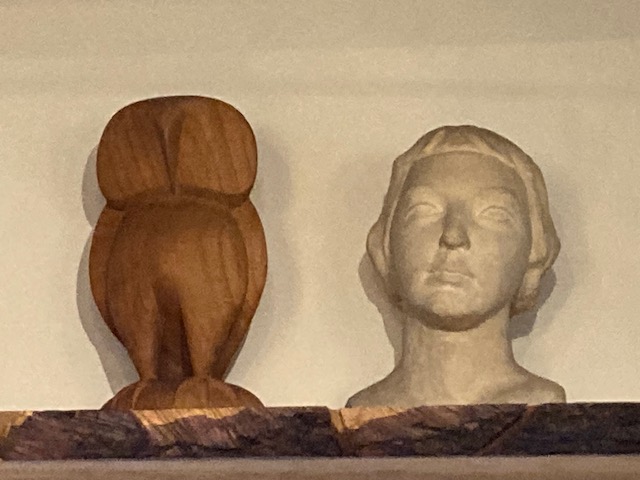
High overhead, in pride of place, is the pièce de résistance, a floating shelf of a burled Alder slab that I hauled East when we moved from Chicago decades ago. Sitting upon the shelf is the self portrait of an artist made when she was 19-years old, and a second bust that she made as well. That artist has long nurtured my own interest, encouraged me along this very winding path of making. I saved her pieces when the family home was sold last autumn, and now they – she, symbolically – watches from high overhead, a sentry to our making in the loft art studio of our Art Farm.




_______________________________
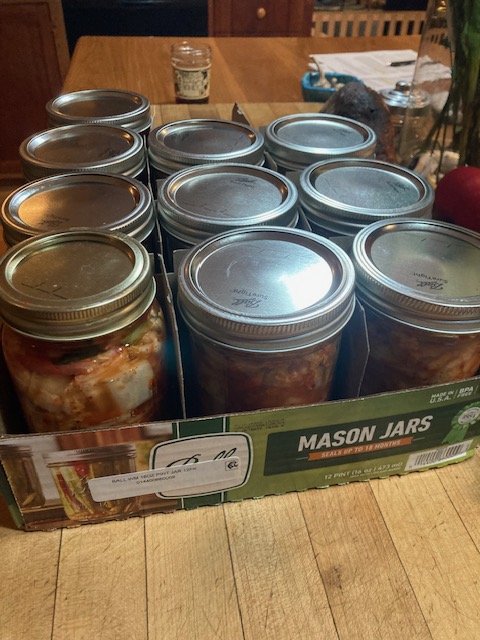
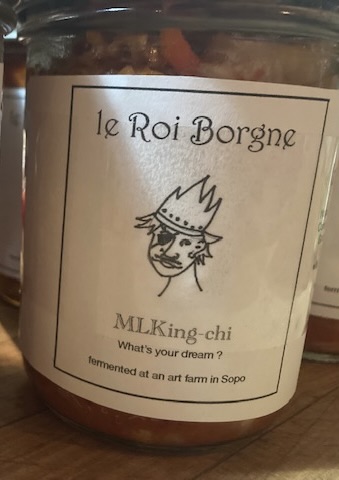
In other news, this week we did more fermenting to make a le Roi Borgne special batch “MLKing-chi.” My son and I delivered them as night fell, a random act of kindness in times of darkness. Indeed, “What’s your dream?”



Sea Monsters a/k/a Carousel Cosmos
Posted: September 6, 2024 Filed under: Art & Healing, Child Centered Activities, Gallery - Visual, Portfolio - David's work | Tags: cosmic carousel, new paradigm design workshop 2 Comments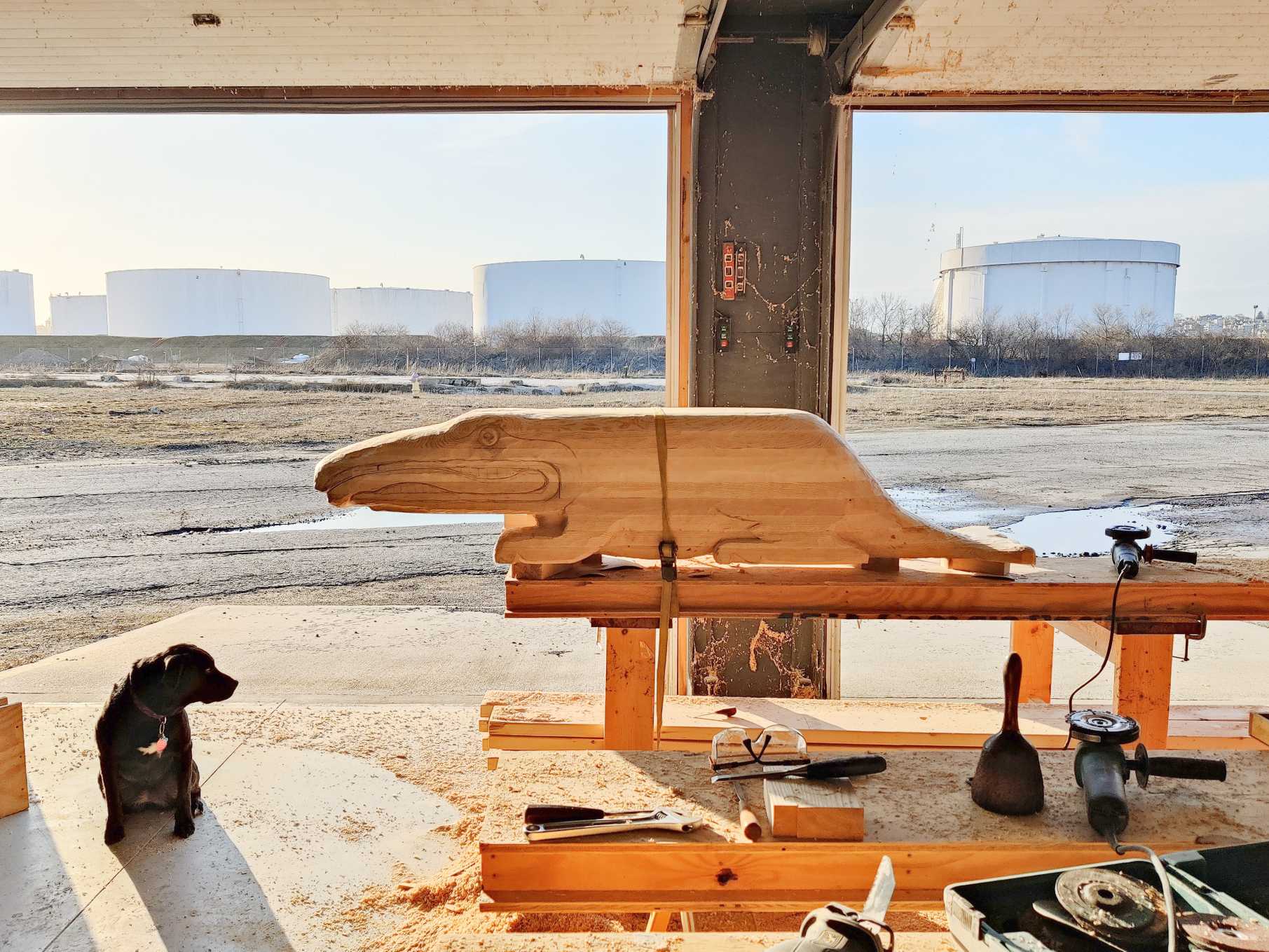
In April 2023 I had the pleasure of making Sea Monsters for a public art display in Portland’s West End. Chris Miller, the polymath maker, received the commission and hired me to help build seven creatures which likely could have lived on Portland’s Peninsula over the past 250-million years, give or take a few millennia, or even “just last Tuesday.”
“Carousel Cosmos” is the official title and the seven creatures are a Polar Bear, Humpback Whale, Saber Toothed Cat, Walrus, Rhyncosaur (an extinct herbivorous Triassic archosauromorph reptile), Dragon, Crenatocetus (an extinct genus of protocetid early whale).
Chris wrote, “They are dragons, lions, bears and sea monsters, the usual suspects in the greatest bedtime stories of all time. They have many names in many languages. They’ve made cameos as constellations that might be older than writing, older than the first cities, or the wheel. Some are mythological, some are just misunderstood. They invite you to explore the cosmos starting right here, on a journey to greater understanding.”
One really must visit the installation, but at the least you can visit them online: http://npdworkshop.com/carousel-cosmos

We built the creatures using a “stack laminate” process just as carousel horses have been built since 1799: layers of 8/4 ash (2” thick) were stacked then glued to create the three-dimensional form, which we then carved and painted. With as many as nine layers per creature, Chris used computer modeling software to draw the final shape, then “deconstruct” it to show the shape of each successive layer.

The son of a carpenter, Chris studied sculpture at the Art Institute of Chicago, and then architecture at MIT. His vision is a unique combination of those three influences.

The word “genius” normally is defined in terms of sheer intellectual horsepower – Newton and Einstein, the commonplace exemplars – but a more insightful meaning is in the derivation of the word, from Latin, which means “guiding spirit.”
For having walked the hallowed halls among the MIT Masters, Chris has retained the childlike wonder of growing up amidst the flora and fauna, woods and water of Fifty Lakes, Crow Wing County, Minnesota. His sterling genius guided him not only to conceive, design and build, but also to write this summary of the Carousel Cosmos:
“This carousel is inspired by kindness, adventure, outer space, bedtime stories, dinosaurs and ice cream. It’s inspired by the Western Promenade’s endless views, spectacular sunsets and contemplative atmosphere. It spins the way that the earth spins when the sun sets, in a place where trolleys used to stop, in a small picturesque city with a school community that speaks more than sixty different languages.”
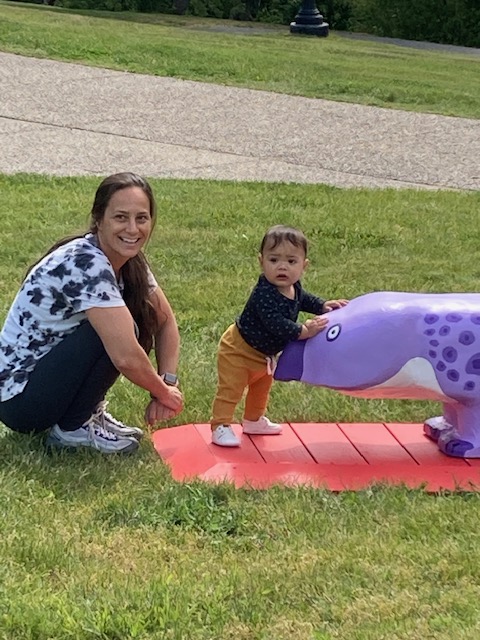
Lest anyone think my statements are grandiose rather than grounded, I submit this photo as Exhibit A:
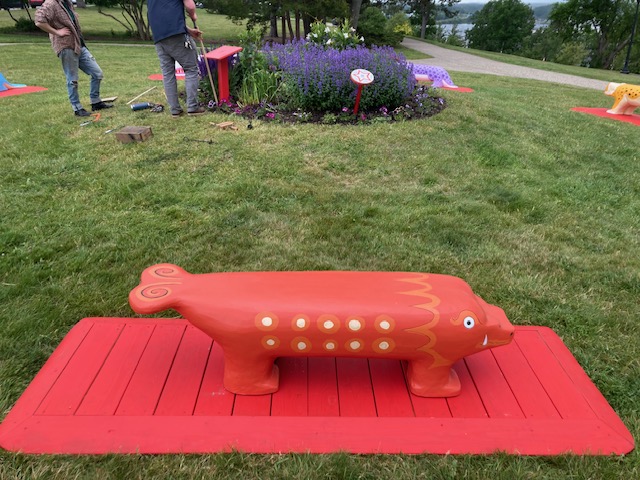


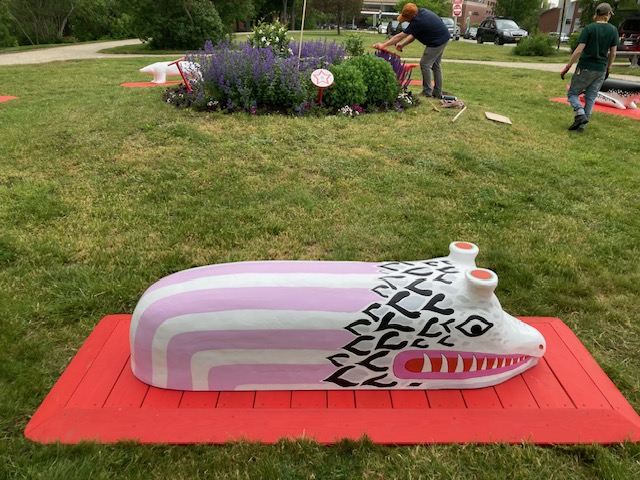


Climb aboard! Let’s go for a spin!!
School of Sharks
Posted: August 16, 2024 Filed under: Child Centered Activities, Gallery - Visual, Portfolio - David's work | Tags: ceiling mural, one percent for art, sharks 1 Comment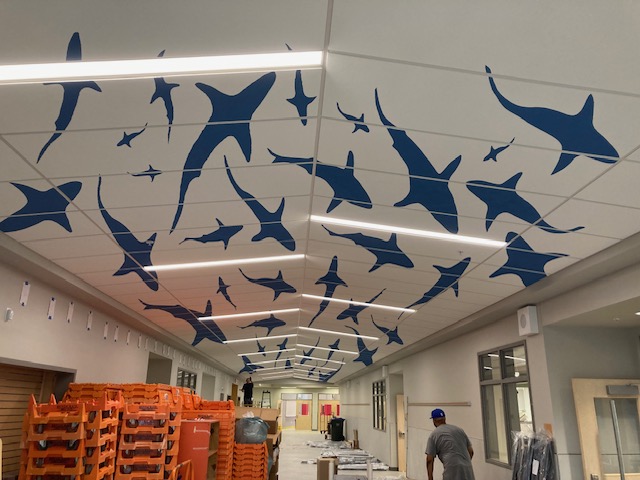
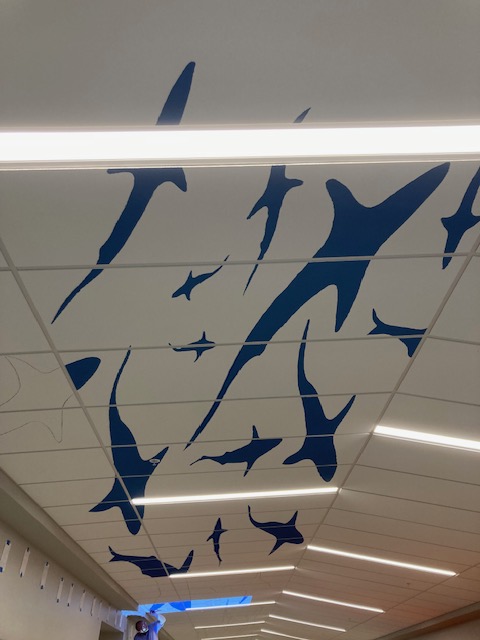
One year ago, summer of 2023, I worked on painting a ceiling mural at the new South Portland Middle School. Chris Miller, a polymath maker, very good friend and father of two young boys had received a commission and needed help. I gladly answered the call.
His design originally called for a pod of humpback whales in silhouette painted on the ceiling of the school’s central corridor. The Principal held a vote and the students selected “Sharks” as the new school’s mascot, and so a last minute change was called for. Chris complied and the whales became sharks, swimming overhead. http://npdworkshop.com/pod-cosmos
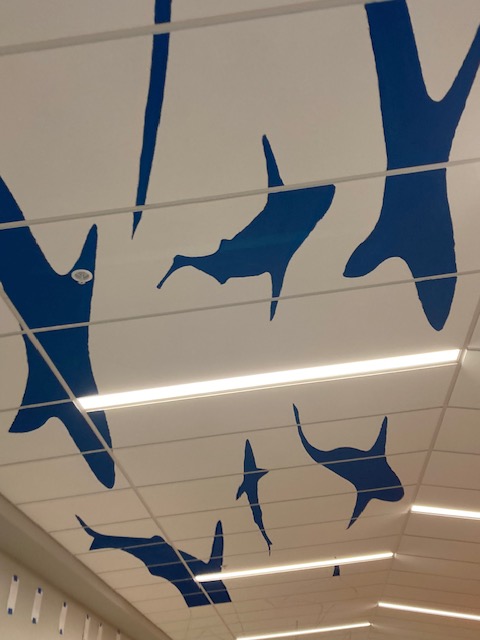
In designing the mural he envisioned the school of sharks swimming in outer space, then he mapped the sharks onto the central corridor ceiling, from the point of view of a fifth grade child, standing at the school’s entrance. His goal was to capture awe and wonder, with distortion a part of the design. The technique he used is called anamorphosis, which he described as follows:
“Anamorphosis is an optical illusion by which an image appears distorted but becomes clear when viewed from a key viewpoint, unique angle or through a particular lens. I want my kids and their classmates to learn to listen to people who have different perspectives and espouse different beliefs. I want them to be curious, open and inquiring- to strive for agreement and consensus through informed discussion.
“The mural’s key image will appear completely clear and undistorted from just one point of view. Someone just under five feet tall would see it, if they stood just inside the corridor with their back to the wall between the two lobby doors. From other viewpoints and as students travel down the length of the corridor, these silhouettes will appear increasingly stretched, and distorted to varying degrees of abstraction.
“The root of the word cosmopolitanism is Cosmos. It’s an ancient Greek concept of the universe as a well-ordered system. It presumes that all things can in theory, be made clear. I want my kids and their classmates to be relentless in search of both questions and answers. I also want them to cultivate a sense of wonder, though childhood, adolescence and into adulthood.”
These ideas carried the day, and Chris was awarded the commission. In Maine the “Percent for Art” law provides for art in public buildings, by setting aside one percent of the construction budget to purchase original works of art for new or renovated buildings receiving state funds. Some may say this is progressive waste, but I say it is arch-conservative, given that art predates agriculture and mark-making on cave ceilings shows that art is at the core of humankind’s quest for meaning. Maine has simply acknowledged same.
The Middle School budget was $69 Million, so art was heavy on the docket. The architects were so taken with his idea that they moved his mural onto the central corridor of the school, where every child every day will pass among the building entrance, the library, cafeteria and gym. Pride of place indeed.
Chris handled the design and layout. I handled the brush. It was a marvelous project with which to be involved. Best of all, how often in life do you get the chance to write to your Mother: “Michelangelo ain’t got nothing on me!! I am painting a ceiling mural in the new SoPo Middle School!!”




0, 1, 1, 2, 3, 5, 8…
Posted: July 4, 2024 Filed under: Farming off the Farm, Gallery - Visual, Little Green Thumbs, Permaculture & Home Renovation | Tags: fibonacci sequence, golden ratio, phi 2 Comments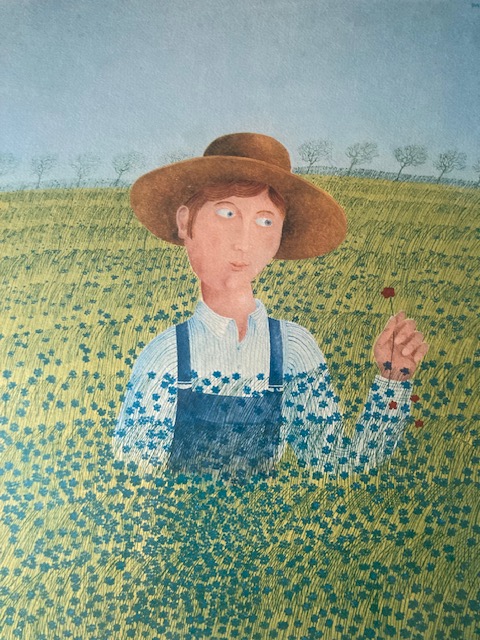
Donald J. Glaser was a rare bird, a beautiful soul, who loved beauty, and traveled the world in its search. My uncle, he was born in August 1924, studied at the Parsons School of Design in NYC, then entered the seminary but dropped out, remained a “permanent bachelor” and in 1951 found his calling as a buyer of art and antiques. In the golden age, when department stores were locally owned paragons of regional taste, at Stewart Dry Goods, in Louisville, Kentucky, he ran the home furnishings boutique.
For more than 45 years he circumnavigated the globe, annually, from East to West buying the best: silks in Hong Kong, brass in Bombay, furniture in Italy, paintings in England. “Good things last” was his motto. In 1972 Associated Dry Goods bought the regional company, and Don became the buyer, and had furniture made, for an entire national chain.
He was my Godfather, and sometime in the 1970s while traveling in the South of France, Don saw in a gallery a portrait that reminded him of me. It arrived at our house, an unannounced surprise from afar.
A truer portrait never was made. How many times I have pondered its meanings. It hangs now in the stairs to my son’s room. The young boy gazes into a flower, and what does he see in his hand, but the universe in stunning mathematical order. I speak, of course, of the Fibonacci sequence.
The Fibonacci numbers were first described in Asian Indian mathematics circa 200 BC by Pingala on possible patterns of Sanskrit poetry formed from syllables of two lengths. The Italian mathematician Leonardo of Pisa, also known as Fibonacci, introduced the sequence to Western European mathematics in 1202. Because the West has been dominant, his name has reigned supreme.
The Fibonacci sequence is a pattern wherein each number is equal to the sum of the preceding two numbers. The sequence begins 0, 1, 1, 2, 3, 5, 8, 13, 21, 34, 55, 89, 144, 233 … and goes on to infinity.
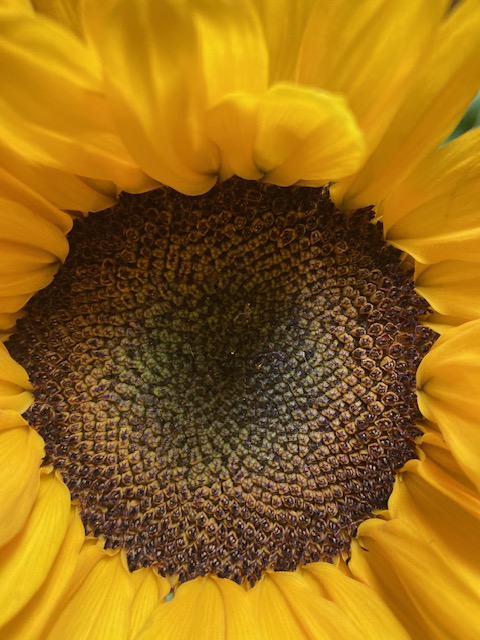
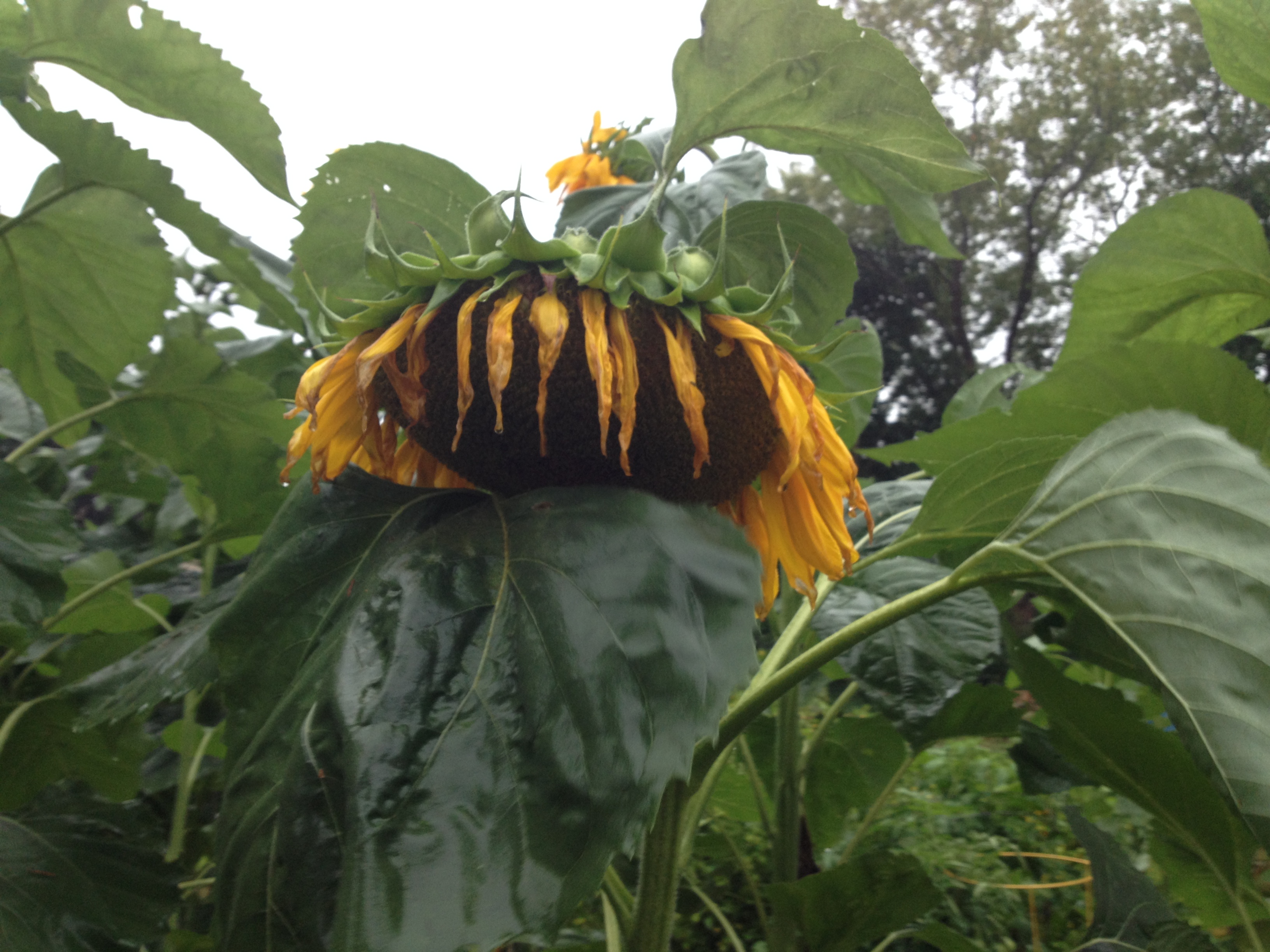
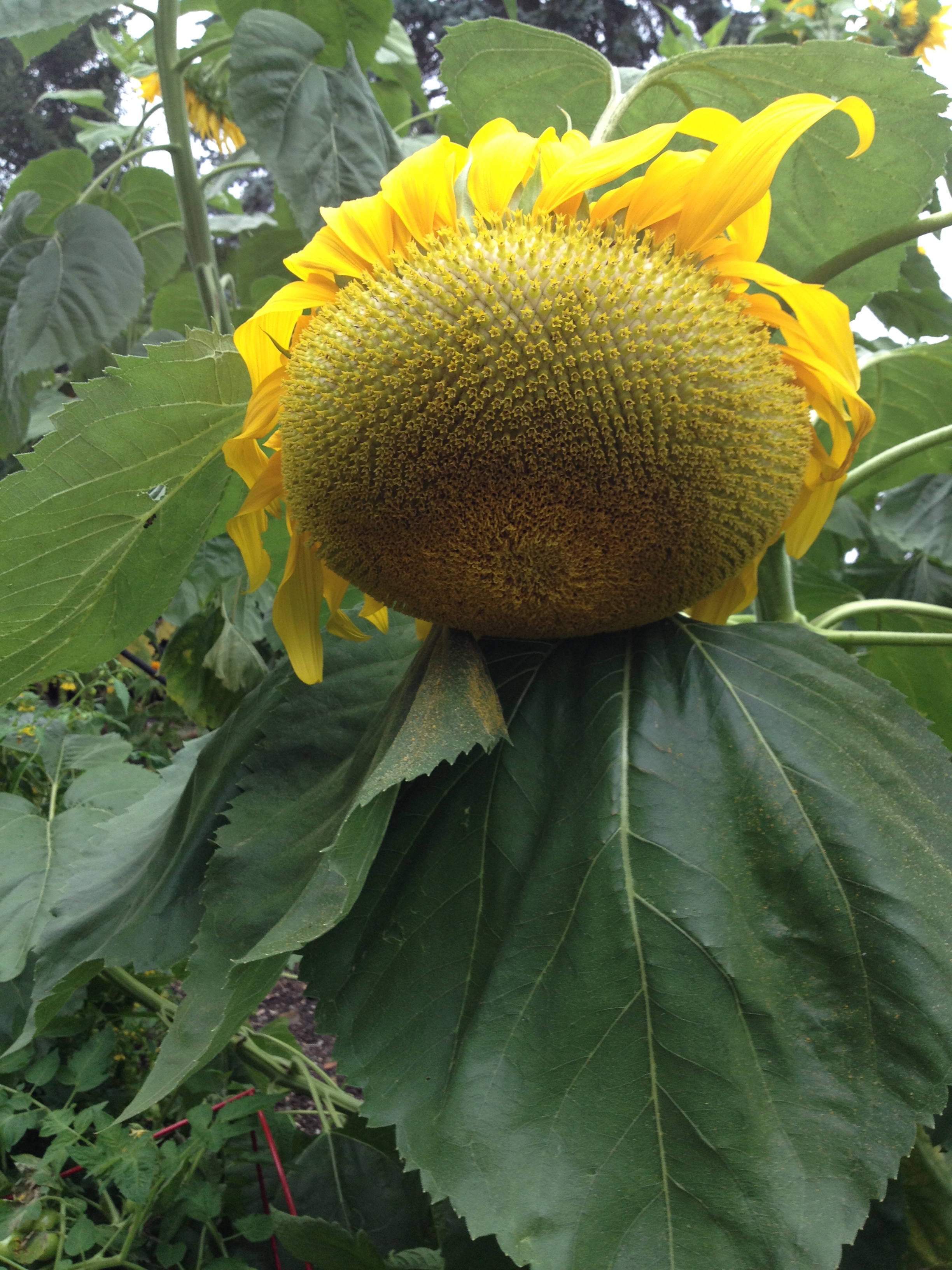
The Fibonacci sequence is manifest throughout nature, prominently in the spirals of Sunflower seed heads, that radiate from the center. The numbers of these spirals, when counted in opposite directions, are often consecutive Fibonacci numbers. The sequence also appears in the branching of trees, the arrangement of leaves on a stem, fruit sprouts of a pineapple, an artichoke, in pine cone bracts; a tiling of Fibonacci squares forms the nautilus shell, which appears also in the spiral of a hurricane and galaxies across the cosmos. The sequence does not appear everywhere but its presence is abundant.

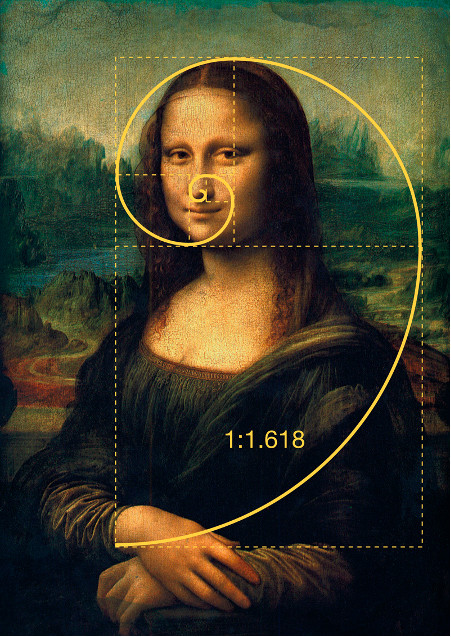
Fibonacci is related, mathematically, to the golden ratio – 1.618 – which is ubiquitous, though hidden in plain sight; credit cards and every drivers license replicate this rectangular form, based on reciprocal numbers of height to width.
The Golden Ratio, also known as Phi, is found throughout art and architecture. Many find the ratio in the Great Pyramid of Giza, and the Greek Parthenon in Athens (although a mathematician at the University of Maine has challenged that). In Renaissance art it was present among many of the master works, notably in Leonardo de Vinci’s Mona Lisa. In the modern era, the golden ratio has informed the art of Seurat, Picasso, Gris, Duchamp, Debussey, Le Corbusier, and Mondrian, to name but a few.
When gathering flowers for a bouquet, pause to ponder the breadth of universal beauty, ever present, bundled within your arms.
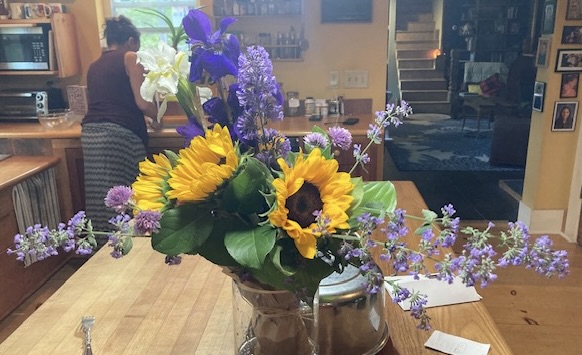
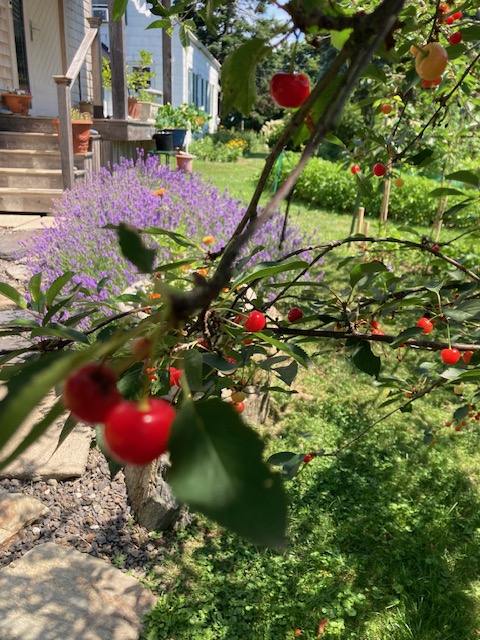
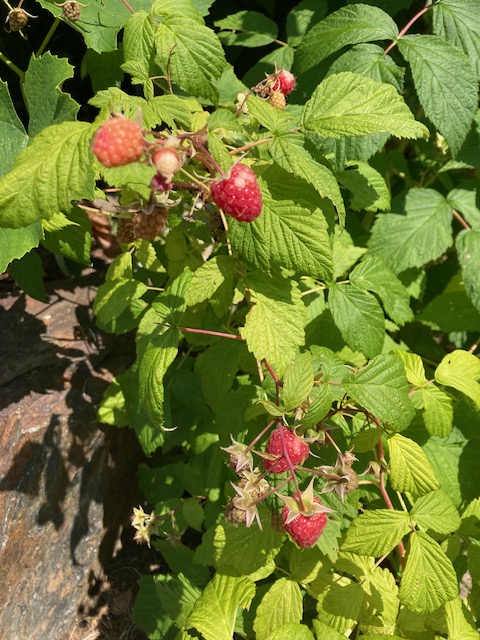
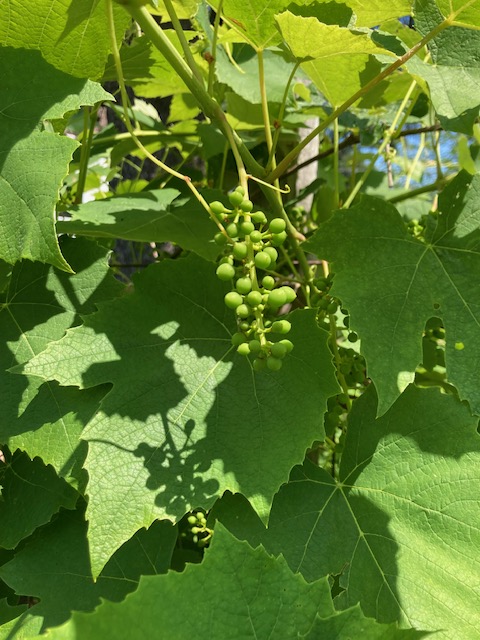
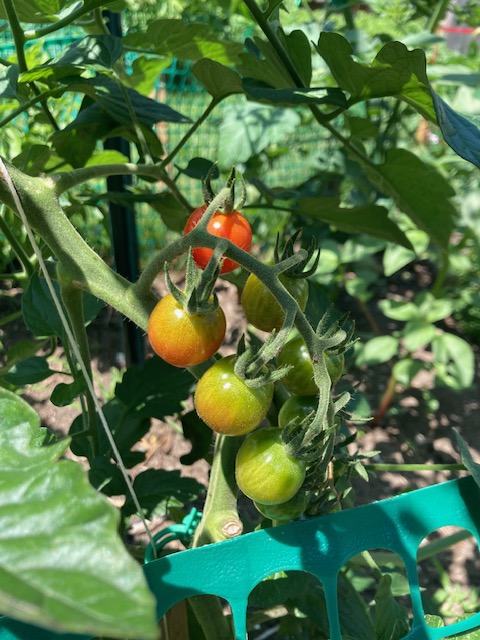
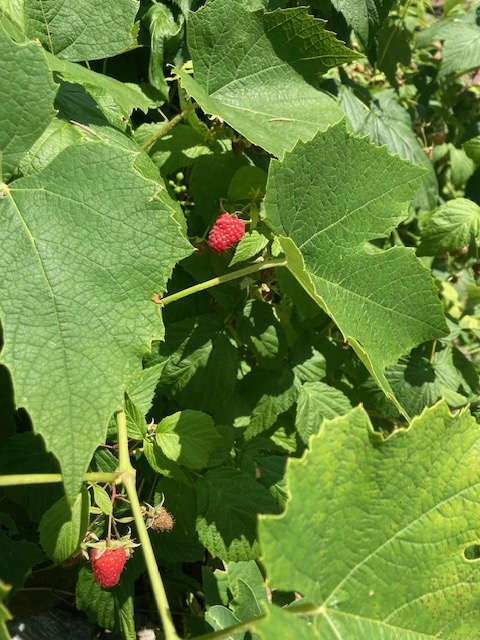
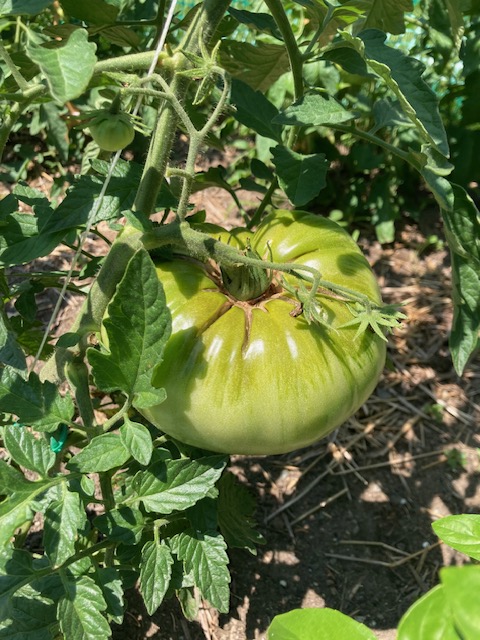
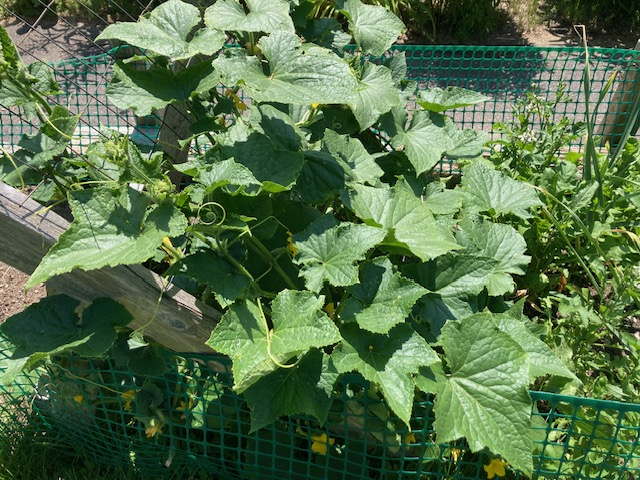
Here at an art farm, our gardens are lush and due to the heat, fruits ripen almost two weeks ahead of schedule.
Growing up, the Midwestern mantra was corn “knee high by the 4th of July.” In Zone 5 coastal Maine, the snap peas tower at 5′ tall, tomatoes ripen, cucumbers flower while the grapes fatten; raspberries and cherries – radiant red – hang for the picking, while the coneflower and echinacea proudly display their Fibonacci ways.
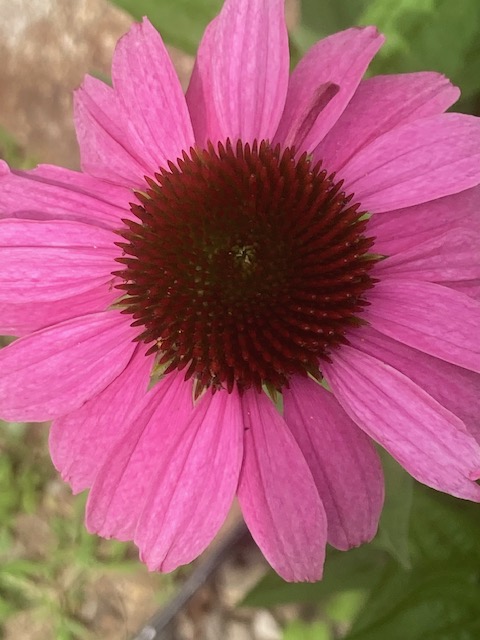
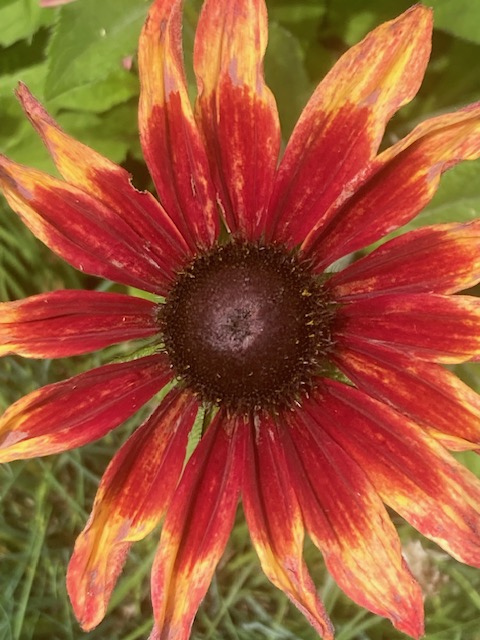
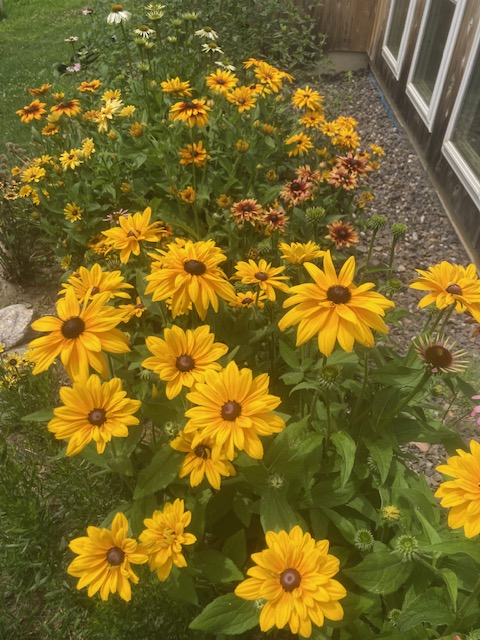

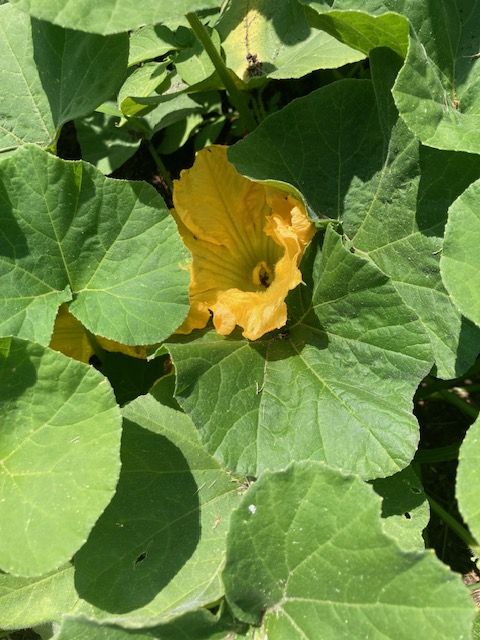
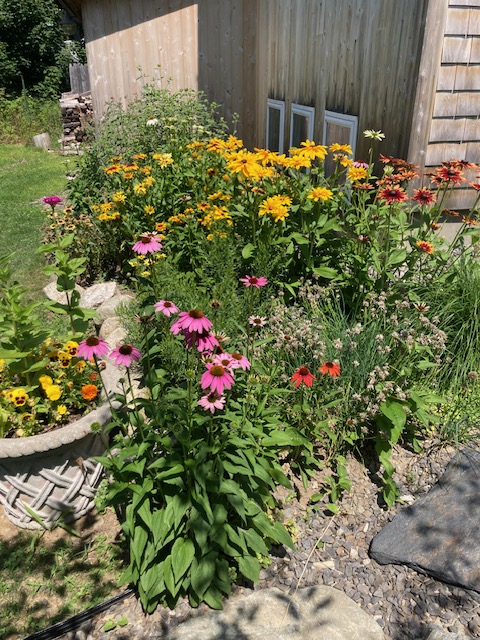
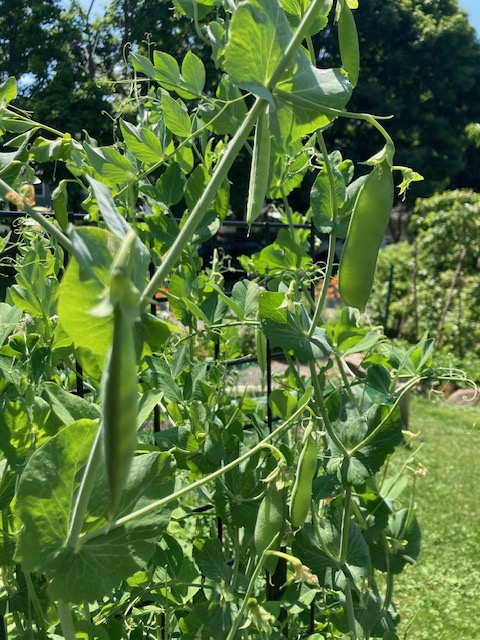

NOTE: Credit here need be shared with Richard M. Neumann, a mensch and lover of mathematics, who shared valuable insights to Fibonacci and phi, including gifting me the book “The Golden Ratio: the story of phi, the world’s most astonishing number” written by Mario Livio, (c)2002.
Removing Obstacles
Posted: November 24, 2019 Filed under: Art & Healing, Gallery - Visual 1 Comment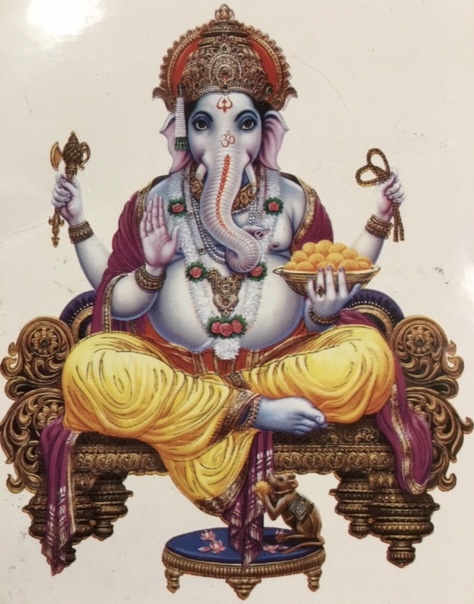

Ganesha has become a comforting figure to me. He is the remover of obstacles and master of wisdom and knowledge. A beloved friend attended the festival of Ganesha in India. She brought with her, an item from our home and placed it on an altar during the festival. I’ve continued to find him in lots of places, or maybe it’s the other way around.
Since my last post, regrettably over a year ago, I have struggled with how to incorporate my surgical screws into some creative effort.
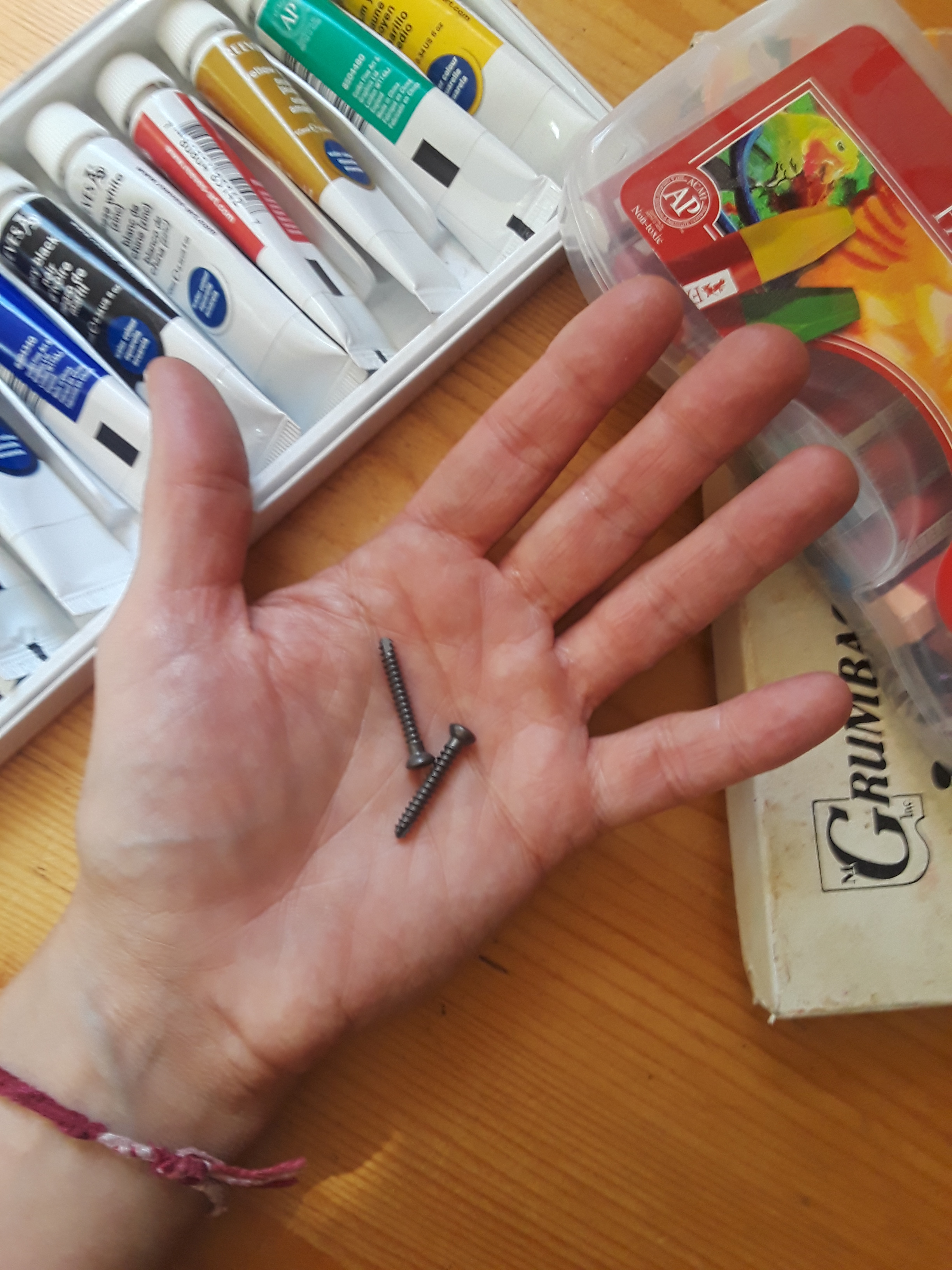
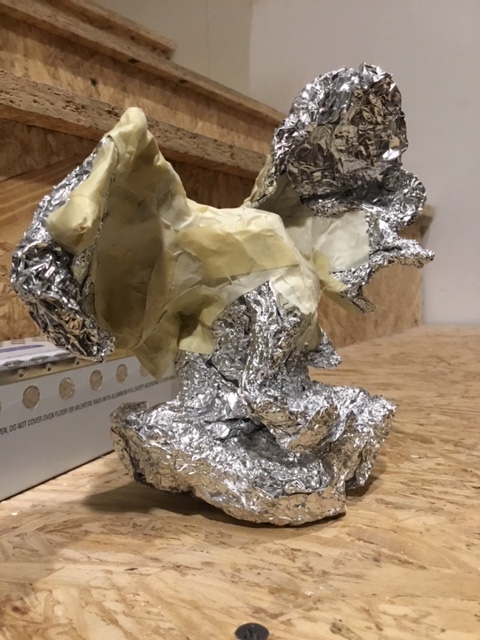
Recently, I’ve been experimenting with clay and simple sculpture materials to recreate my perception of Ganesha, holding symbols of personal obstacles.

To be continued…

Witnessing Resilience and the Will to Survive
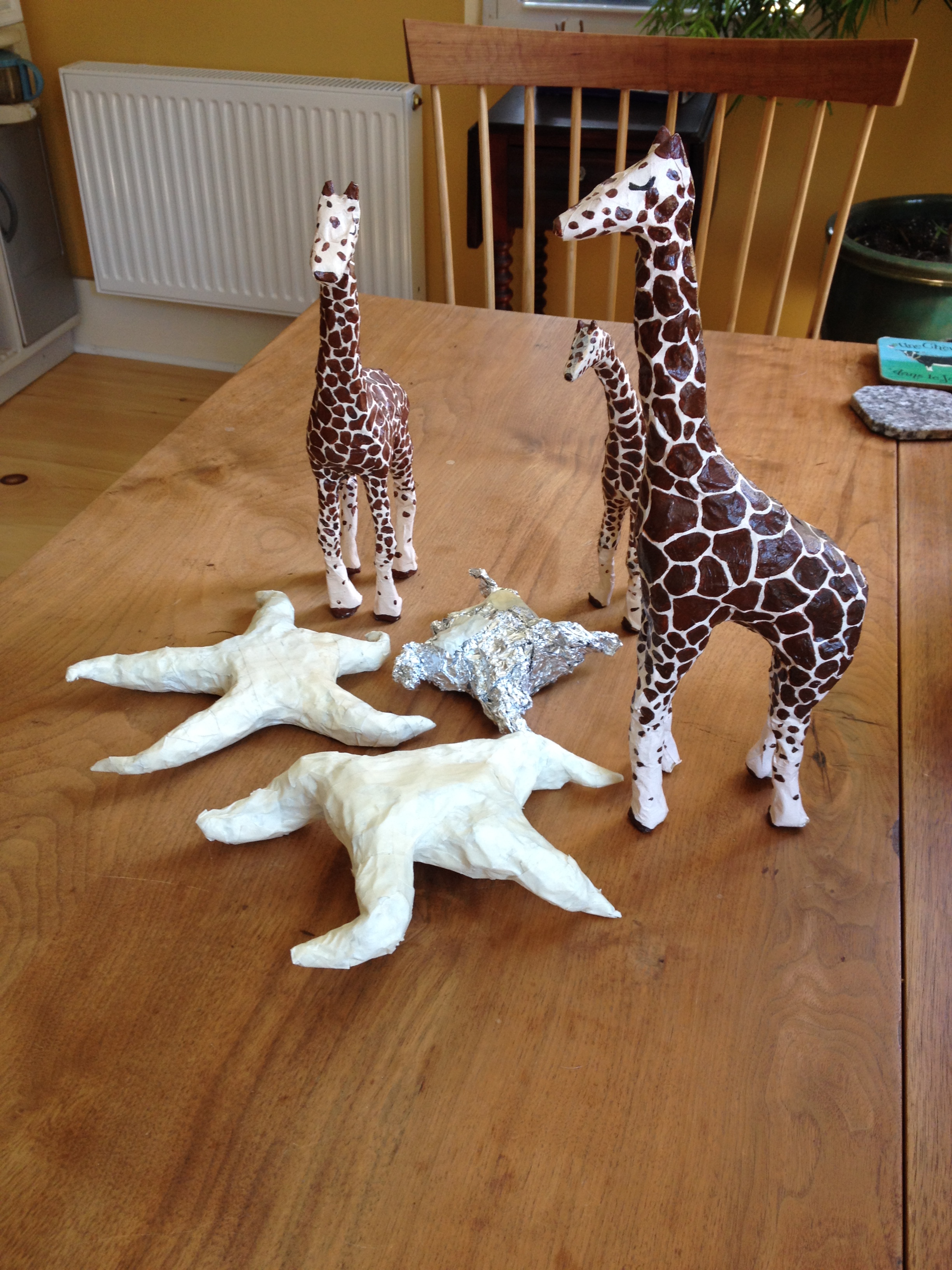
Posted: August 13, 2015 Filed under: Art & Healing, Gallery - Visual 1 CommentI’ve created a scene using sculpture to reflect the process I often experience when working with children and adults.The giraffes are watching the birth of starfish in varying stages of loss, pain and regrowth. The resilience and determination is often so great that one can only give thanks for being allowed to witness such spirit.

Altered Selves
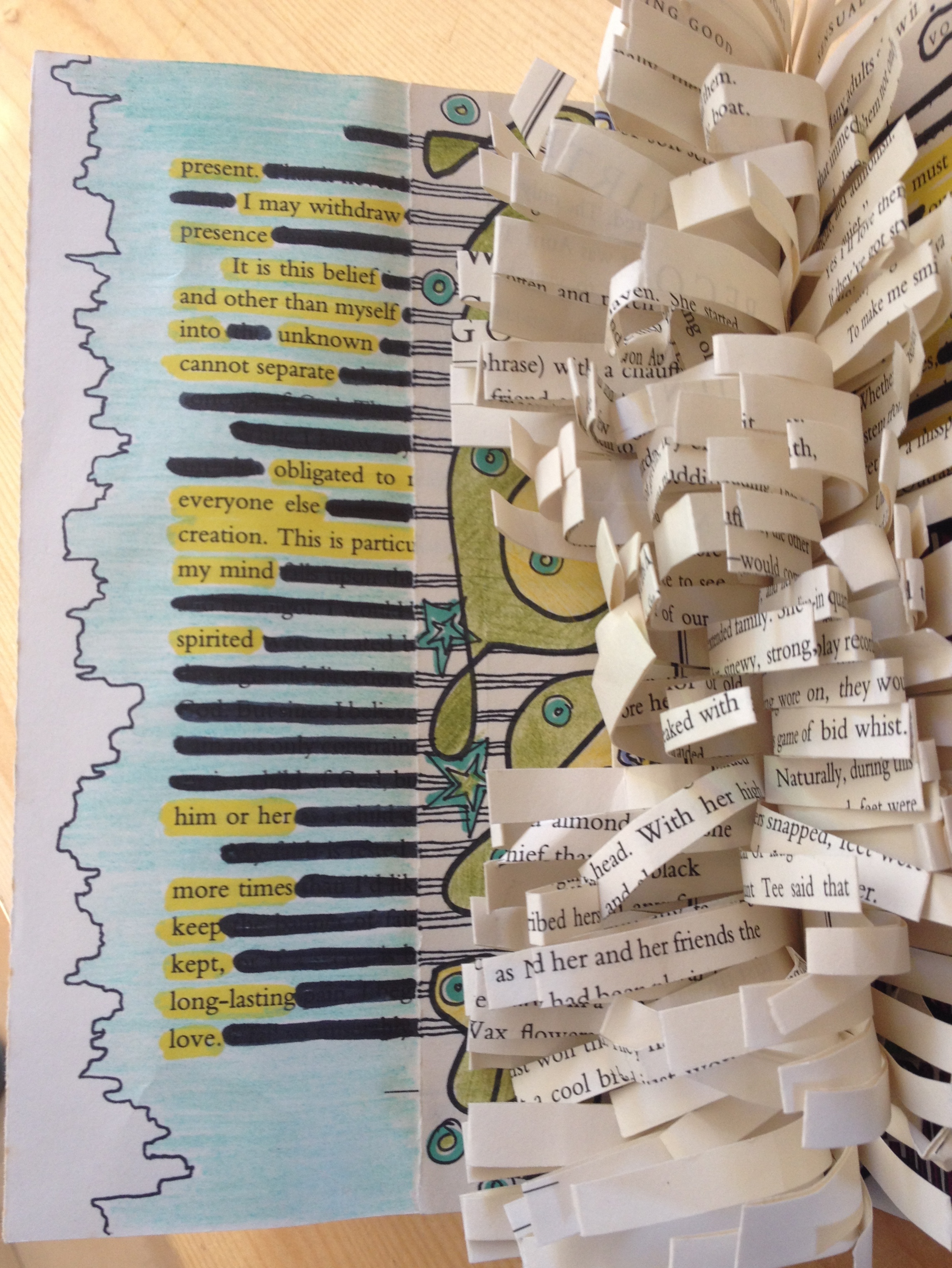
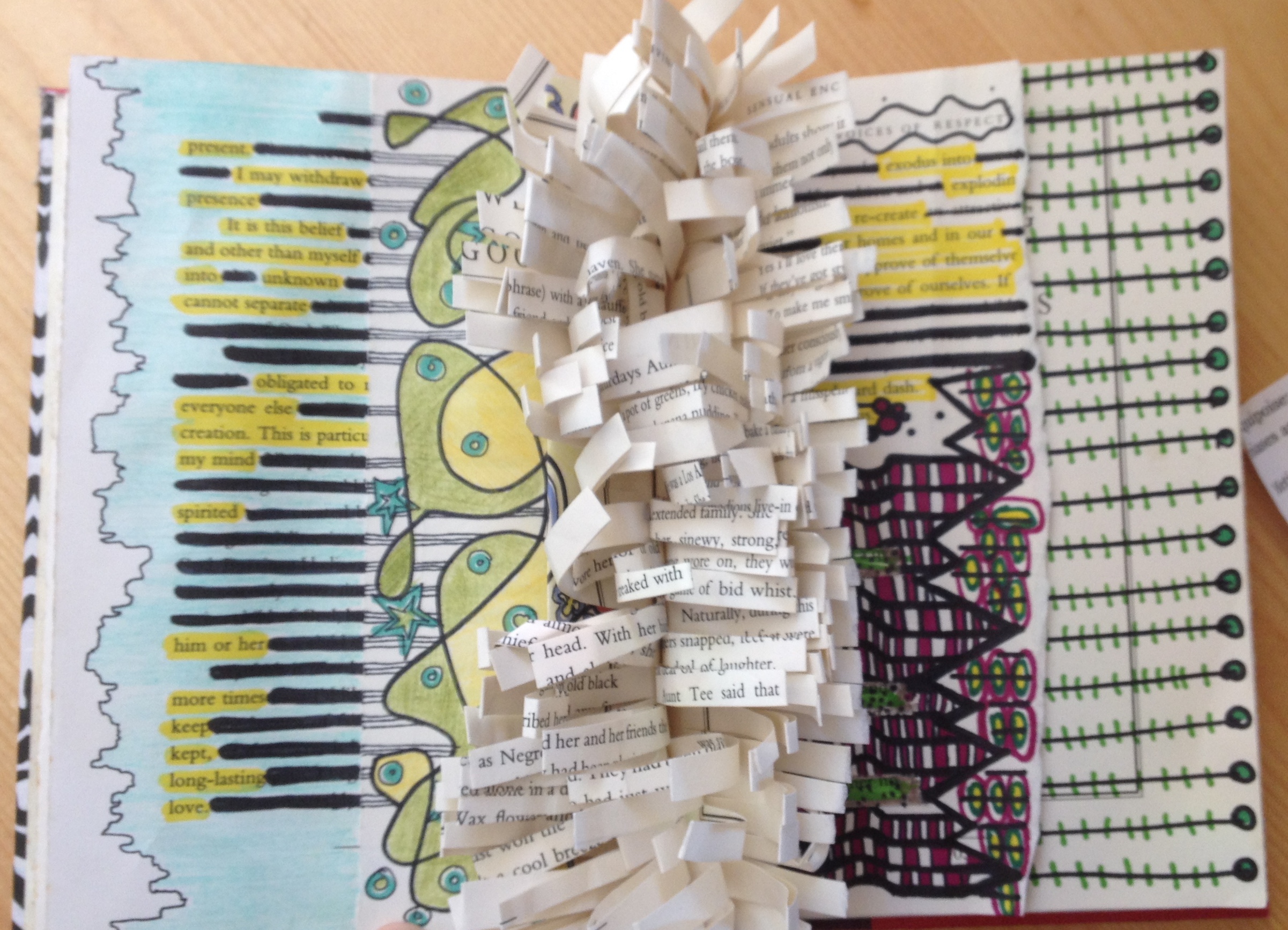
Posted: March 29, 2015 Filed under: Art & Healing, Gallery - Visual 3 CommentsIn my work as an Art Therapist and Licensed Counselor, I am helping adolescents and adults dealing with substance abuse issues. We have been creating “altered books” as a means for journaling and self-expression. I have come to see the altered book as a metaphor for the physical body, and its alteration from substance abuse.
I am using hardcover books – cast-offs gathered from friends and the local Goodwill thrift store – that my clients have reinvented and redefined to hold words, images and transformed paper; the altered book releases feelings and communicates ideas. Covers are collaged and fixed with Mod Podge, and then about 1/3 of the existing pages are torn out from the book to relieve the binding and allow space to add new works.
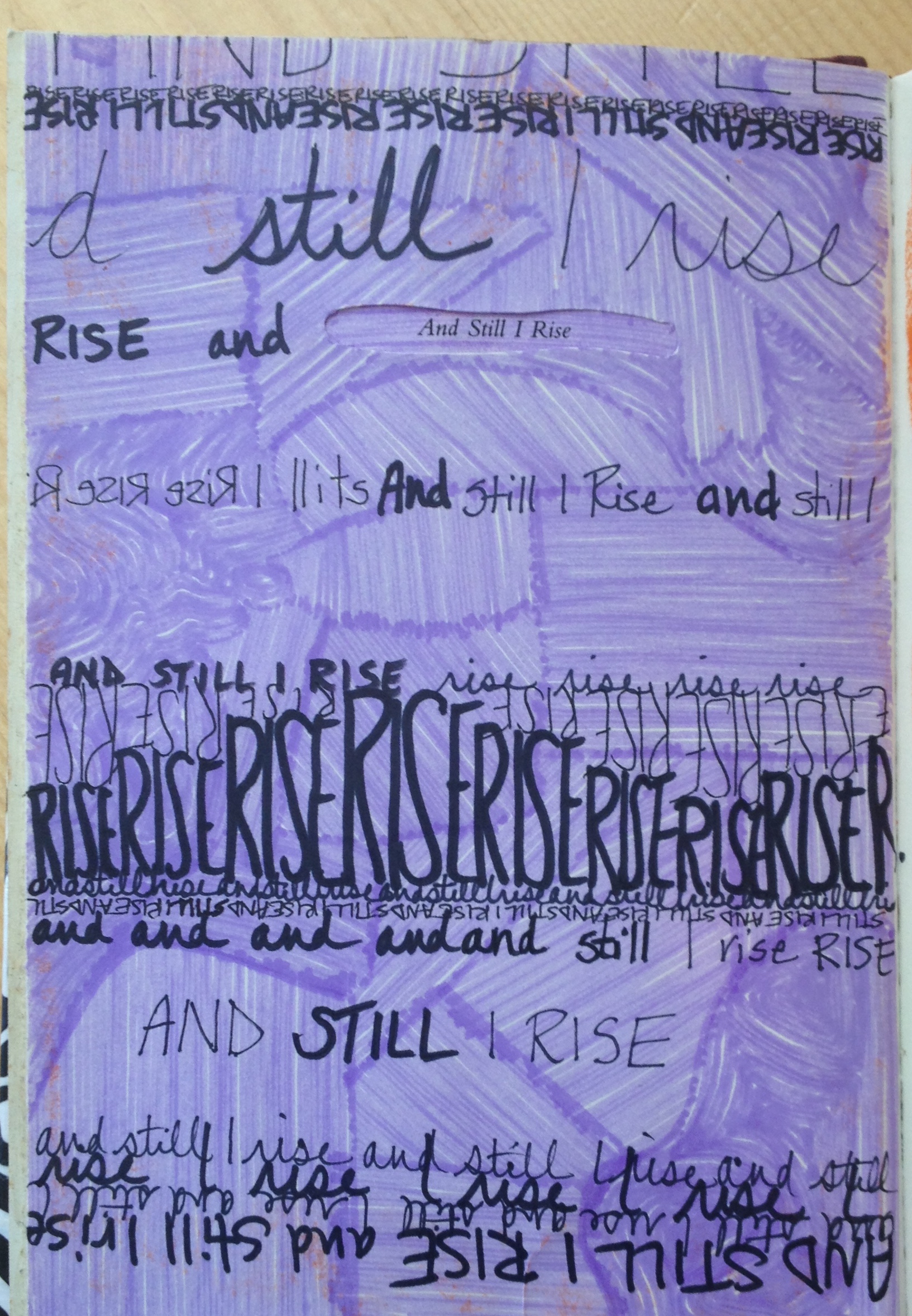
This has been a powerful art experience for everyone. While there are wildly creative and endless possibilities, here are a few images from my own journal just to give the idea. A special thanks to those friends who have rallied to collect books for this ongoing project.




 an Art Farm