Dough Letters and Sculptures
Posted: January 12, 2012 Filed under: Child Centered Activities, In the Kitchen 5 CommentsI used to refer to this activity as pretzel letters, but it’s really bread dough, and we seldom end up with anything that resembles letters – but we DO have a WHOLE lot of fun!
You can either make or purchase bread dough ahead of time.
Preheat oven to 400. Throw out bit of flour on work surface to minimize sticking. Break off golf-ball size pieces of dough and roll, smoosh, twist, work into letters, whatever works!


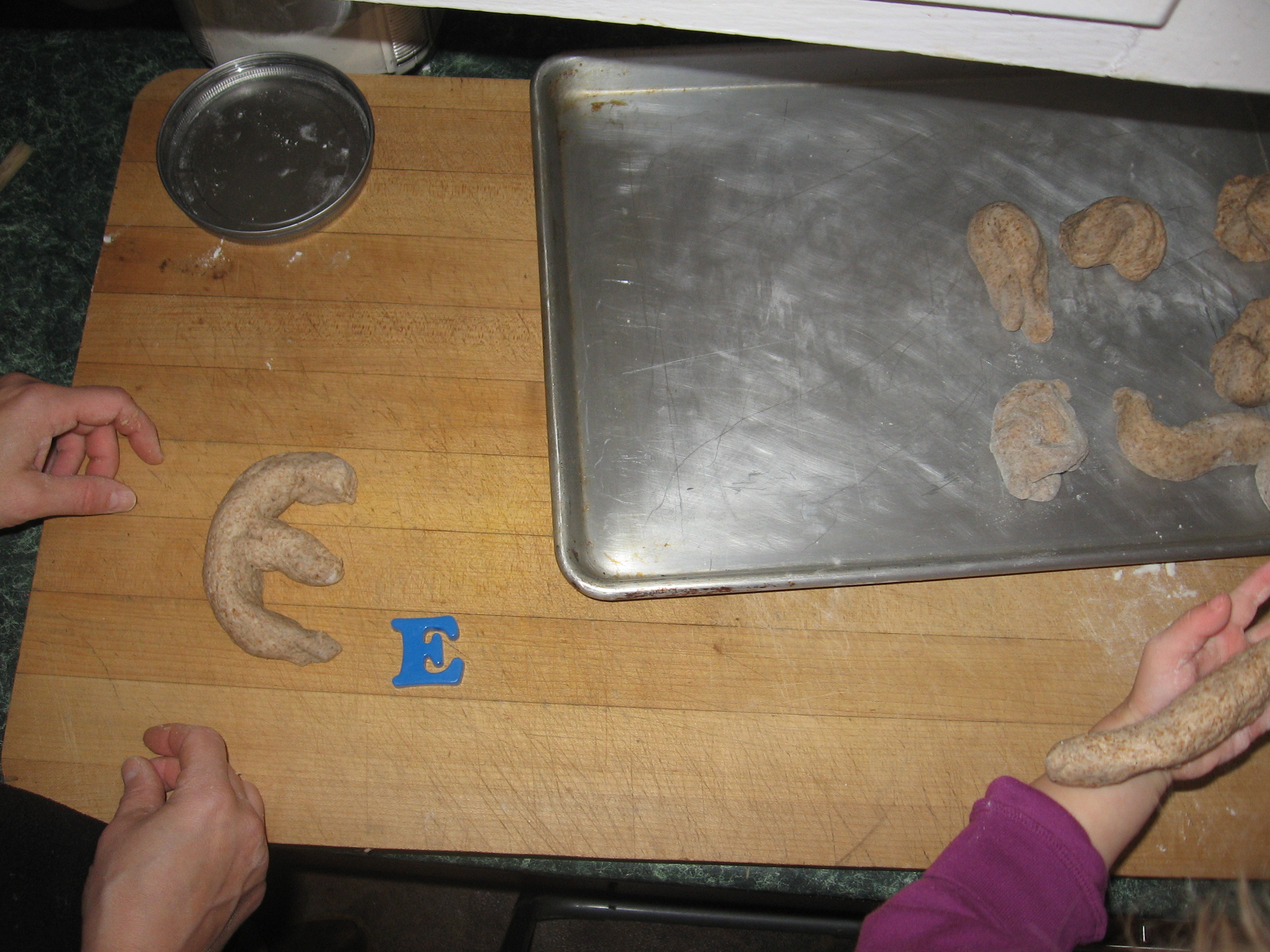
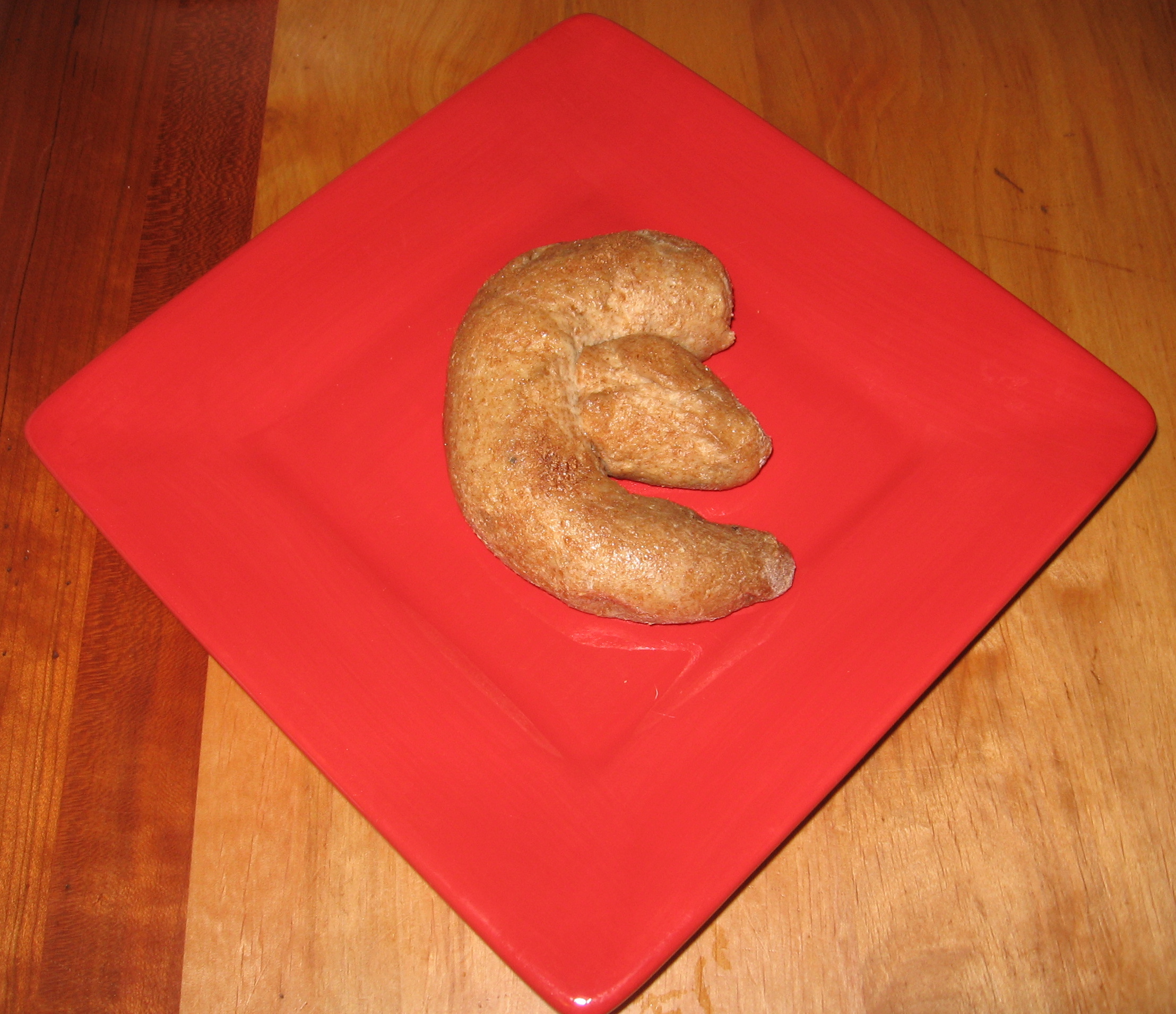
Place on baking sheet and brush on coat of beaten egg. Top with cinnamon, parmesan cheese or sea salt. Bake for about 20-30 minutes depending on thickness of dough pieces.


The Seven Sisters
Posted: January 10, 2012 Filed under: Art & Healing 5 CommentsI’m convinced that the appearance of the “seven sisters” (a group of seven, wild, female turkeys) during my recent recovery from surgery, was a sign. There they were upon our porch, pecking at fallen bird seed, cocking their heads and looking in the window.  Over two months later, they are still passing through our yard, sometimes staying for a visit (the extra cracked corn and birdseed hasn’t hurt).
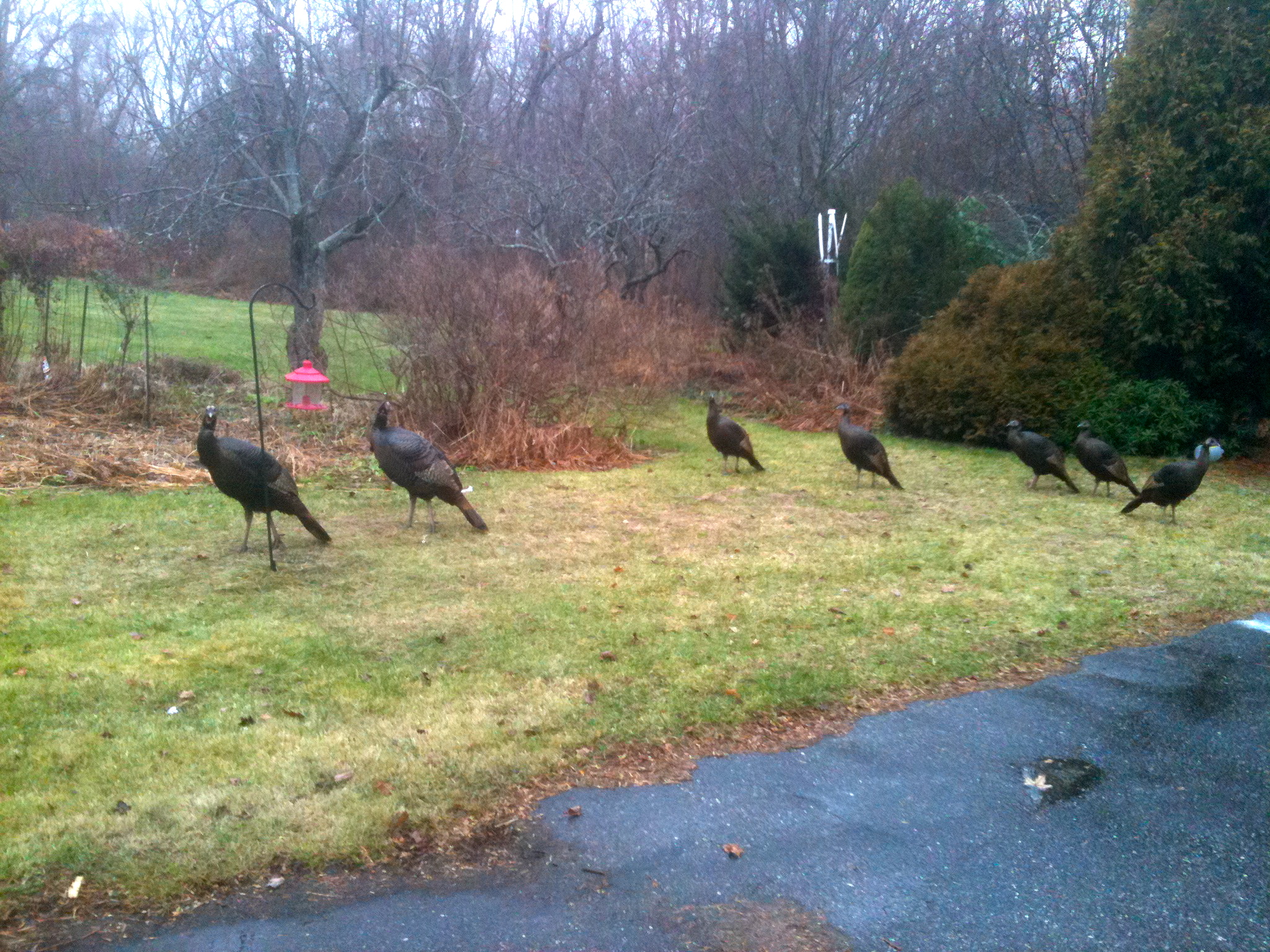
While I’ve been musing on the meaning of these visits, I can’t help get stuck on the timing. During my recovery I had great desire to make artful objects which were then shared here on anartfarm (feel free to peruse the Art & Healing and Child Centered Activities categories). To me, there seems to be some connection between the energy I felt during the healing process, and through which I worked with my hands, and the arrival of these wild females. Perhaps it’s reinforcement for anartfarm as place for all things/energies wild and creative.
Making Banana Bread for Grandpa
Posted: January 8, 2012 Filed under: Child Centered Activities, In the Kitchen 3 CommentsWe’re going to see Grandpa and decided to make some banana bread. I go the ole Joy of Cooking route with a couple of tweaks:
Preheat oven to 350
1 3/4 C all-purpose flour (I use half whole wheat, half all-purpose)
2 1/4 tsp double-acting baking powder
1/2 tsp salt (I skip)
Sift above ingredients together (anyway you choose to sift!)

Blend together:
1/3 C shortening
2/3 C sugar (I use 1/4 C)
3/4 tsp grated lemon rind (I use 1 tsp)
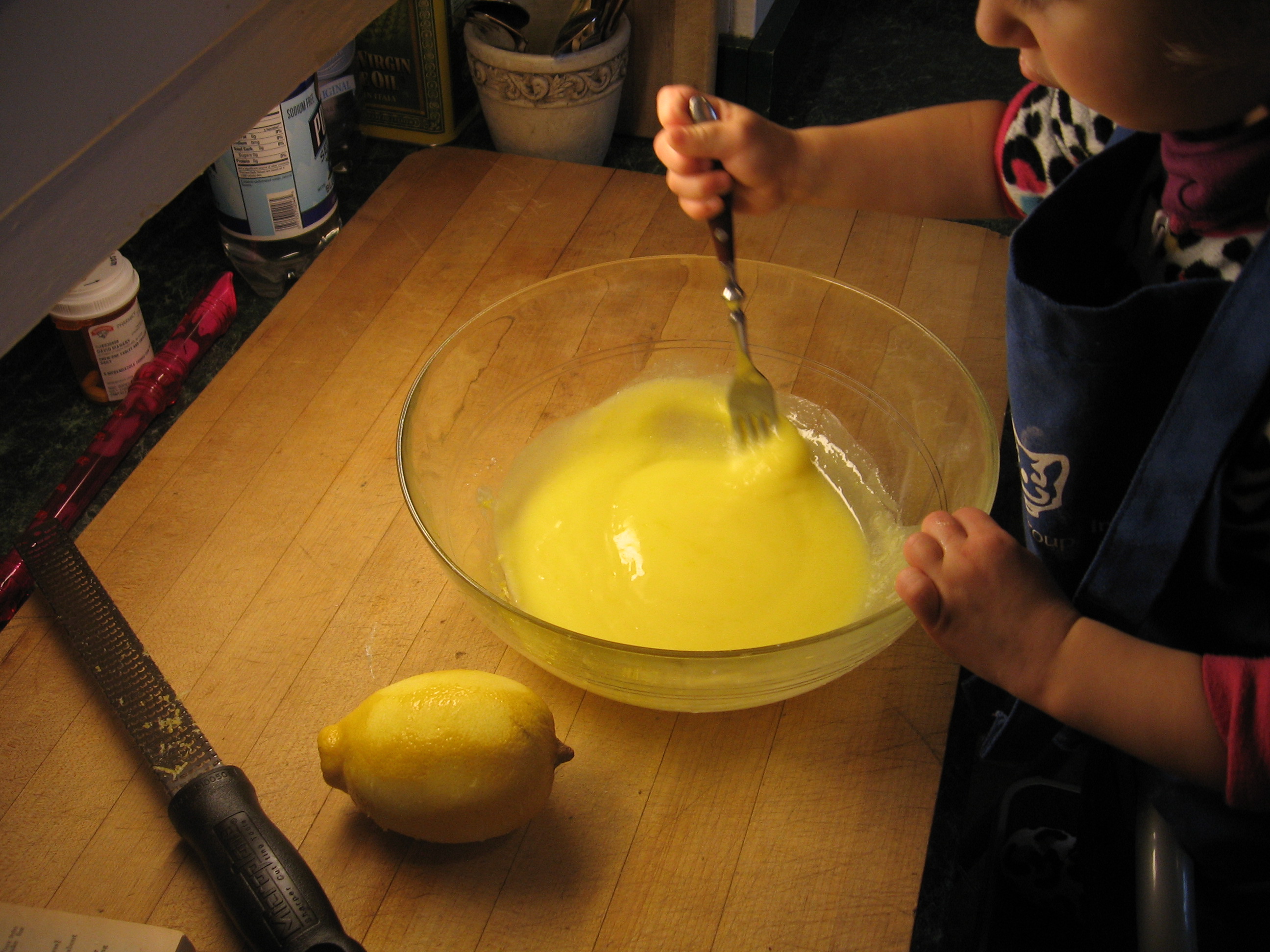
Beat in 1-2 eggs and 1- 1 1/4 C ripe, mashed banana (mashing the banana is the BEST part)
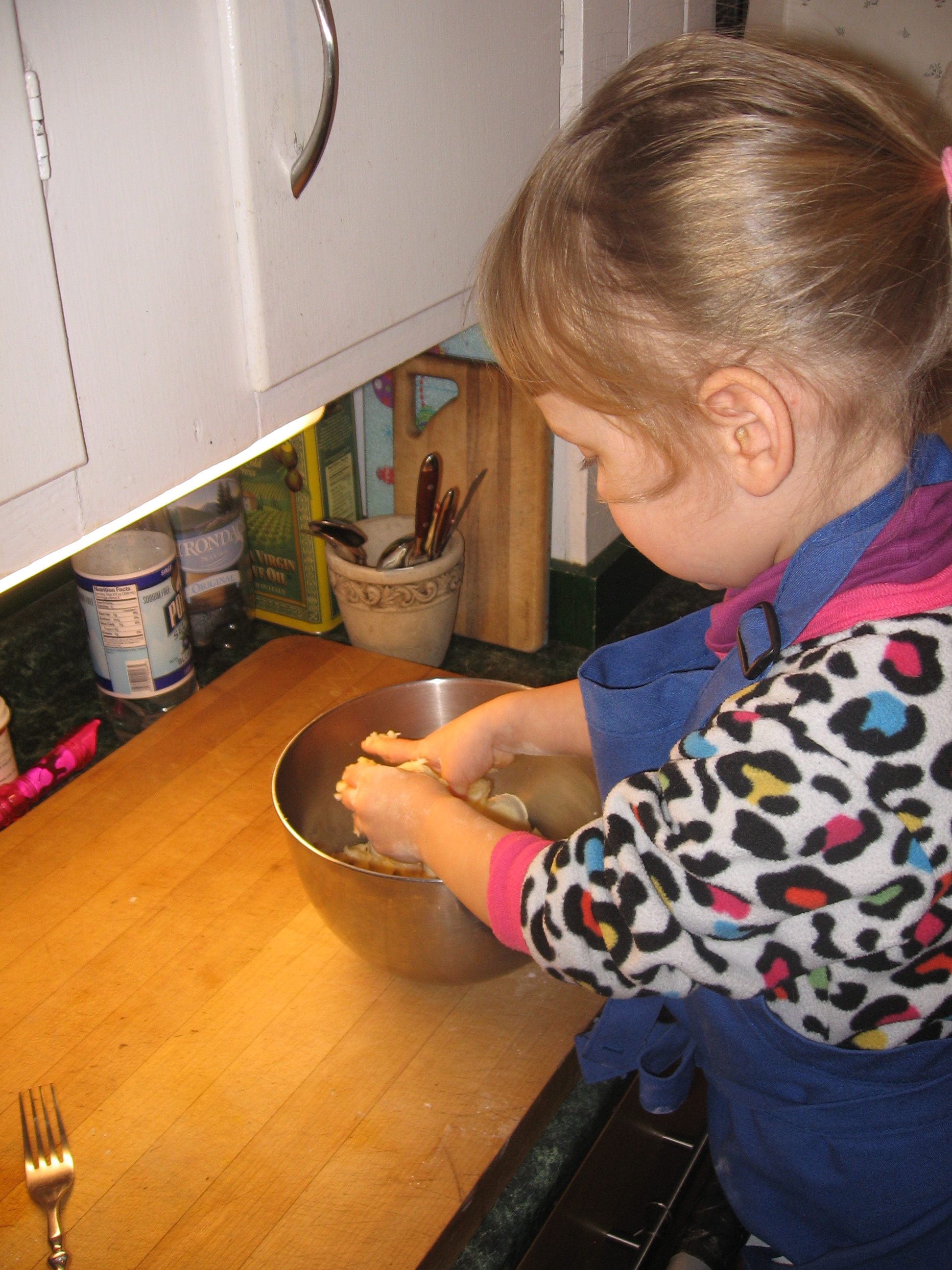
Add sifted ingredients to the egg mixture in increments and stir (or smoosh) until smooth.
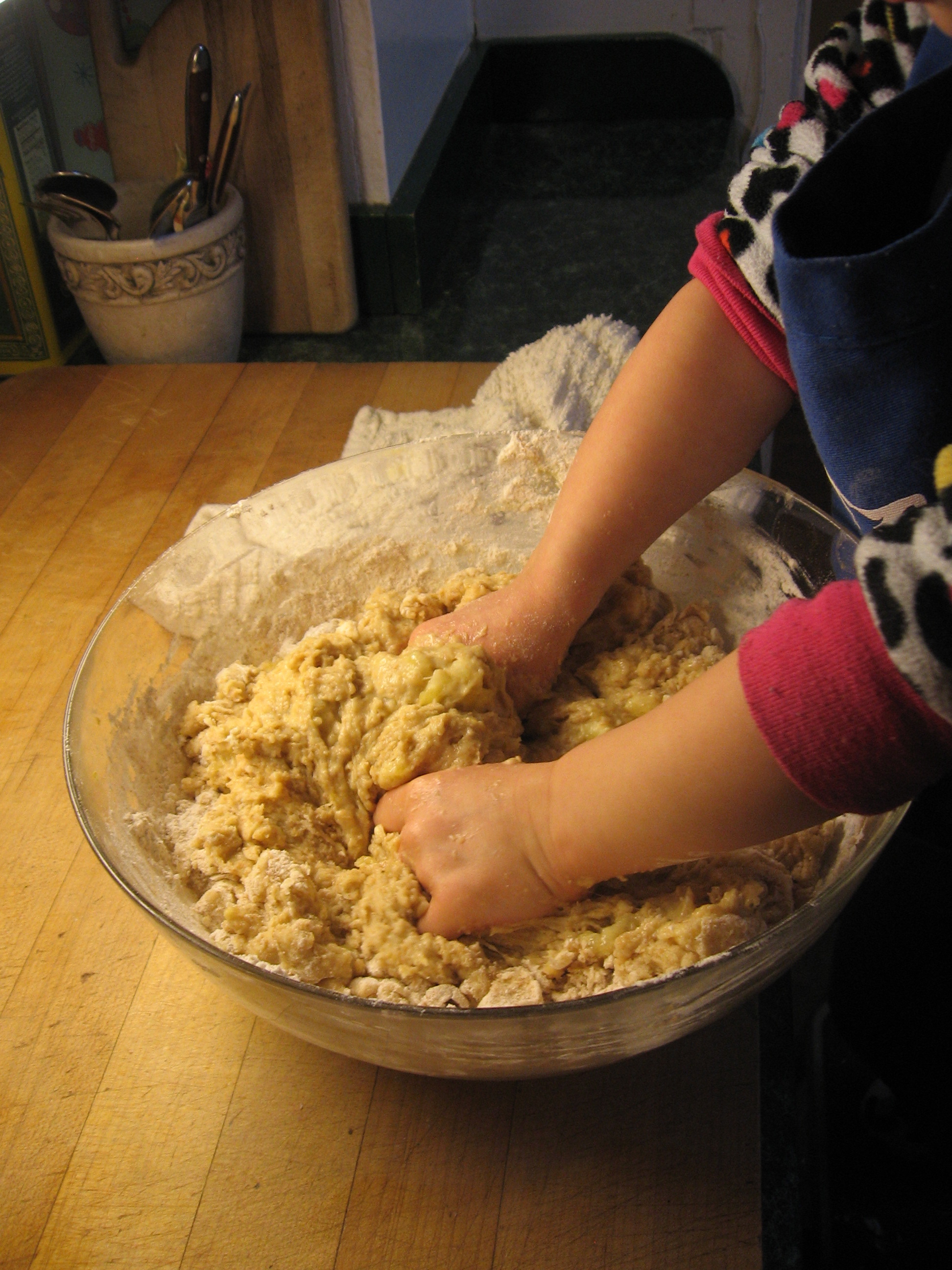
Put batter in greased bread pan and bake about 1 hour. 

Top with cream cheese and enjoy!!

Planning Playful Learning Spaces for Children
Posted: January 6, 2012 Filed under: Art & Healing, Child Centered Activities 3 Commentsfrom Mariah Bruehl’s Playful Learning
“While engaging in learning experiences provides great opportunities for you and your child to learn and grow together, there is nothing that fosters independence and inspires creativity within children more than a thoughtfully prepared environment. While working as both a teacher and an administrator, I was profoundly aware of how the physical environment shapes children’s behavior. In my own experience with designing classrooms, I have witnessed firsthand how thoughtful design can influence children’s ability to learn. Every decision about presentation, organization, and selection of materials will have an impact on how children interact with their surroundings. The same principles hold true for the home. I am sure that many of you have observed how your children engage with different toys in different ways after their play areas have been cleaned up or organized. By applying the principles of good classroom design to your home, you can open up new avenues of exploration for your children, foster independence, and nurture self-esteem – and maybe even gain some precious time for yourself in the process.”
I really learned the importance of organizing and preparing spaces while working with youth in school settings in several public housing developments in Chicago. So often these youth would come to me (for either individual or group art therapy sessions) filled with anxieties which either manifested as acting out or withdrawn behaviors. The arrangement and presentation of the private space we used was a powerful, non-verbal message to them stating that all things are respected here – including you; everything has a place here – including you; and everything you will need to have a successful experience is here – starting with you.
Bruehl offers some questions to ask when designing a space for your own child:
- Can your child access the materials in the play space independently? Are they organized in baskets or bins that are clearly labeled so your child knows how and where to put things away when finished with them?
- Are the materials presented in an attractive manner that invites your child to use them?
- Do the materials, toys, and games represent a balance between your child’s and your own preferences? Do they represent what you value and thus encourage your child to engage in activities that you feel good about?
- What is your child currently interested in? If your child no longer plays with dinosaurs, but has been talking a lot about birds, make sure that the play space reflects this current passion. Rotating toys is a great way to keep your child interested in play space activities and ultimately prolongs the life of your child’s playthings. It never ceases to amaze me how excited my girls get about a toy that comes back into rotation. The nostalgia they feel toward a toy they have not seen in a while is almost more than their delight over a brand-new toy.
- Is the play space a calming environment that allows one to focus on the task at hand without distracting colors, decorations, or objects?
- Are you seeing things from you child’s perspective? Put yourself in your child’s shoes to determine the right height for displaying and storing materials and hanging art.
- Is this a space that makes you want to make art, explore science, write stories, and more? If so, would you have everything you need to do what you want to do? What else would you add to enrich and deepen your child’s learning experience in the play space?
Leave it to a Child
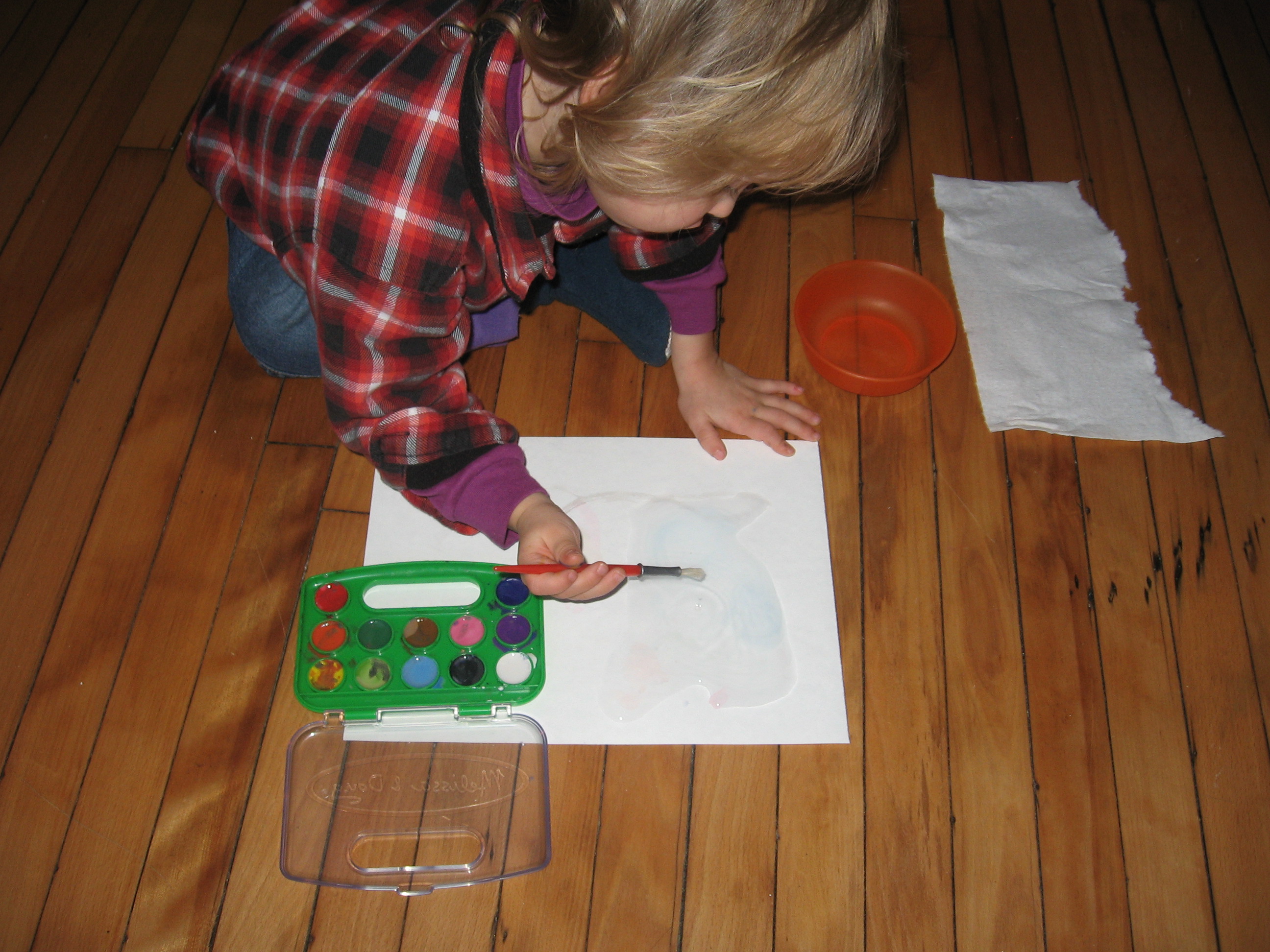
Posted: January 4, 2012 Filed under: Child Centered Activities, Chronicles of a First Time Parent | Tags: painting with watercolors 3 Comments…to come up with new ways of doing things. That’s one of the cool things about making art – the possibilities for solving problems are endless. It should not have surprised me when my 2 1/2 year old decided that she could get BETTER results from painting with watercolors if she first poured the entire bowl of water onto the paper. She dabbed colors into the pool with her brush and then watched the swirls of color move throughout the puddle. Totally fascinated her and reminded me to keep an open mind…and a roll of paper towels. 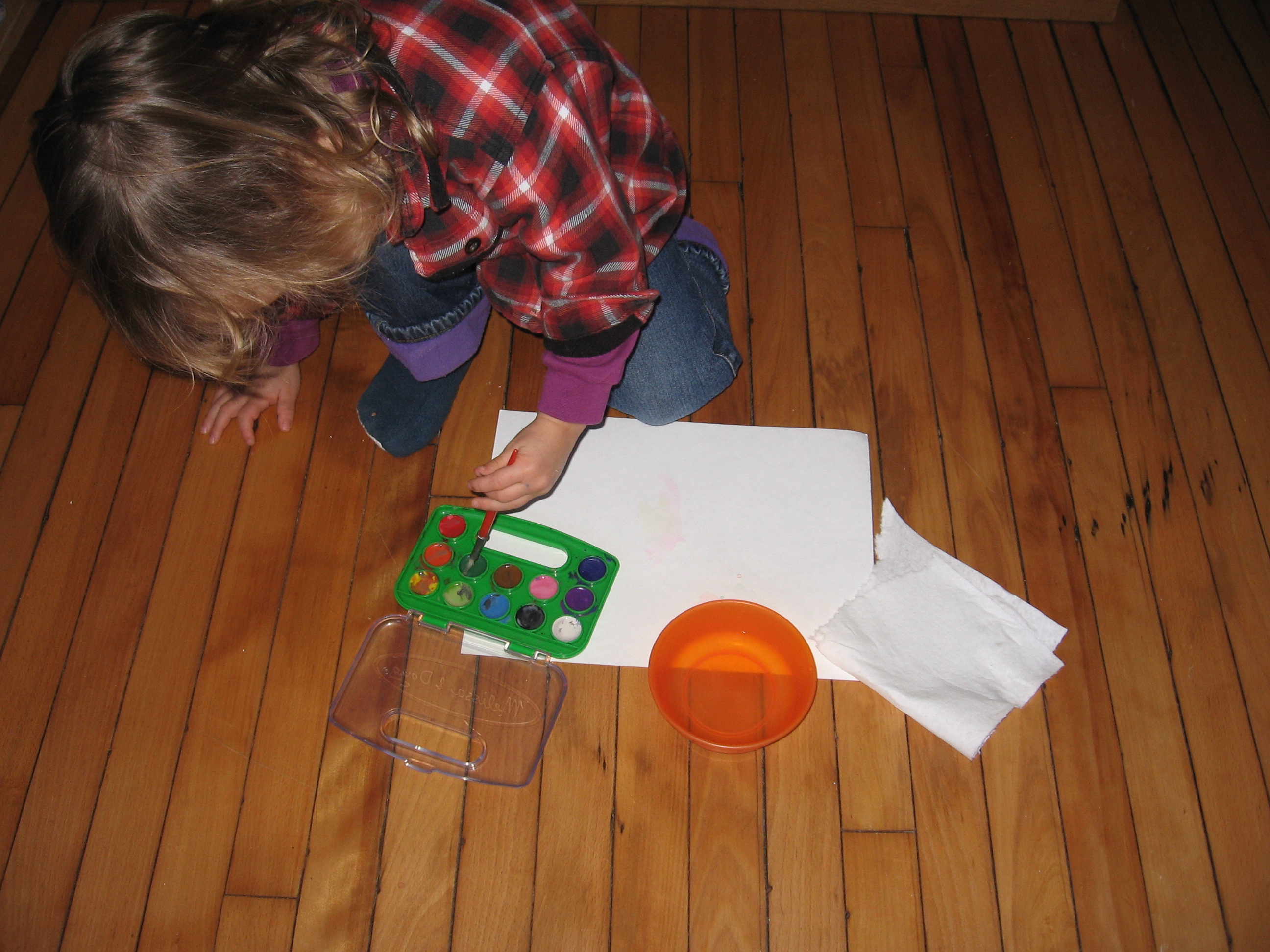

Foundation of Love
Posted: January 2, 2012 Filed under: Chronicles of a First Time Parent, Gallery - Quotes 4 Comments“If we do not know how to take care of ourselves and to love ourselves, we cannot take care of the people we love. Loving oneself is the foundation for loving another person.” from Thich Nhat Hanh’s Your True Home
As a parent, I’m role modeling self-care to my daughter. I cannot expect her to learn from just my words alone. I must show her how it is done – or not done. The behavior must match the words. This is not a simple task.
Happy New Year
Posted: January 1, 2012 Filed under: Gallery - Visual 3 CommentsSouth Portland, Maine

Creative With the Cousins
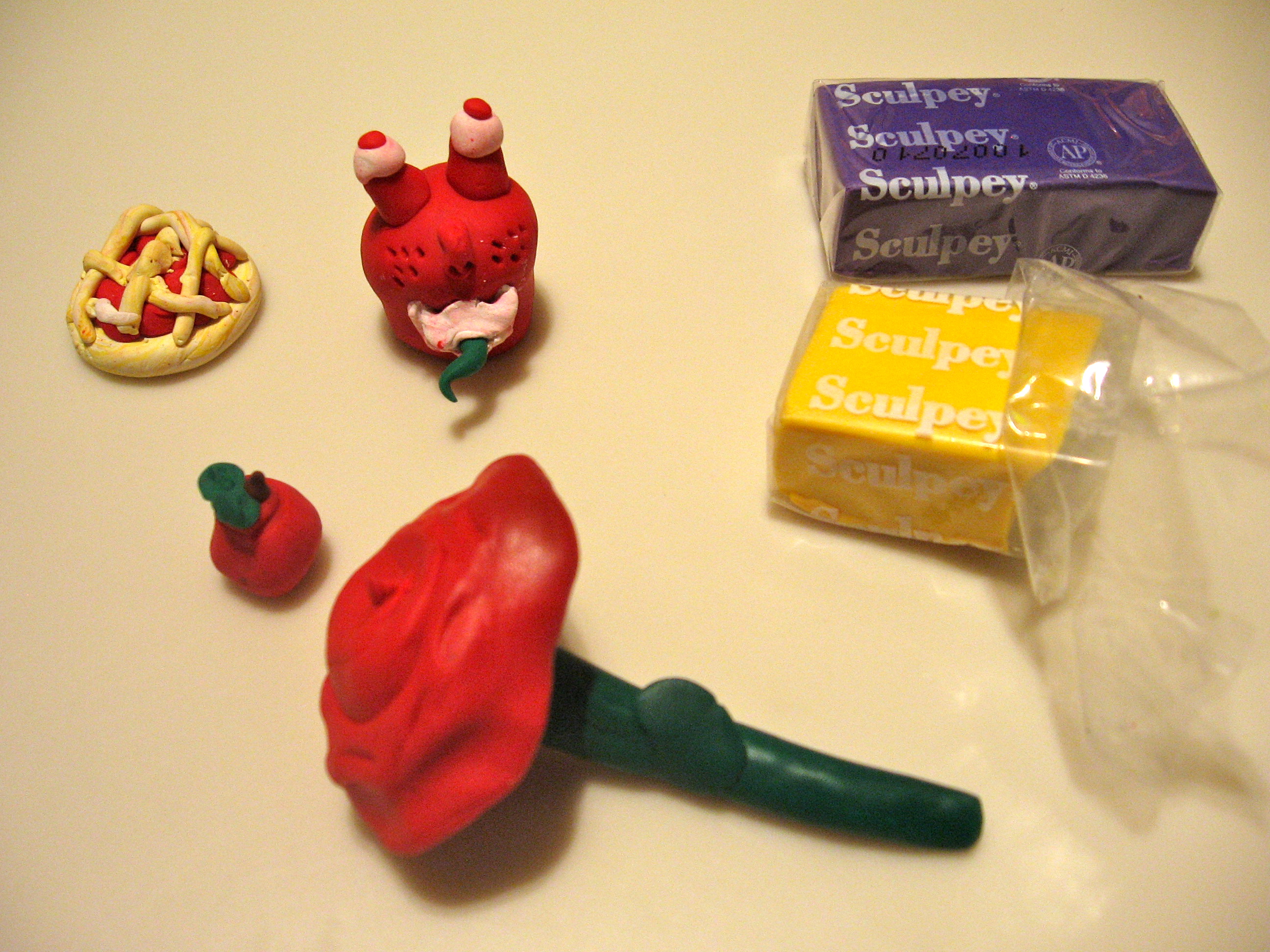
Posted: December 29, 2011 Filed under: Art & Healing, Child Centered Activities 4 CommentsWe spent the holidays with E’s cousins (beautiful, smart girls aged 9 and 11) who were up visiting from Florida. We gave them some Sculpey Clay for Chistmas and they created some fun objects for E to play with.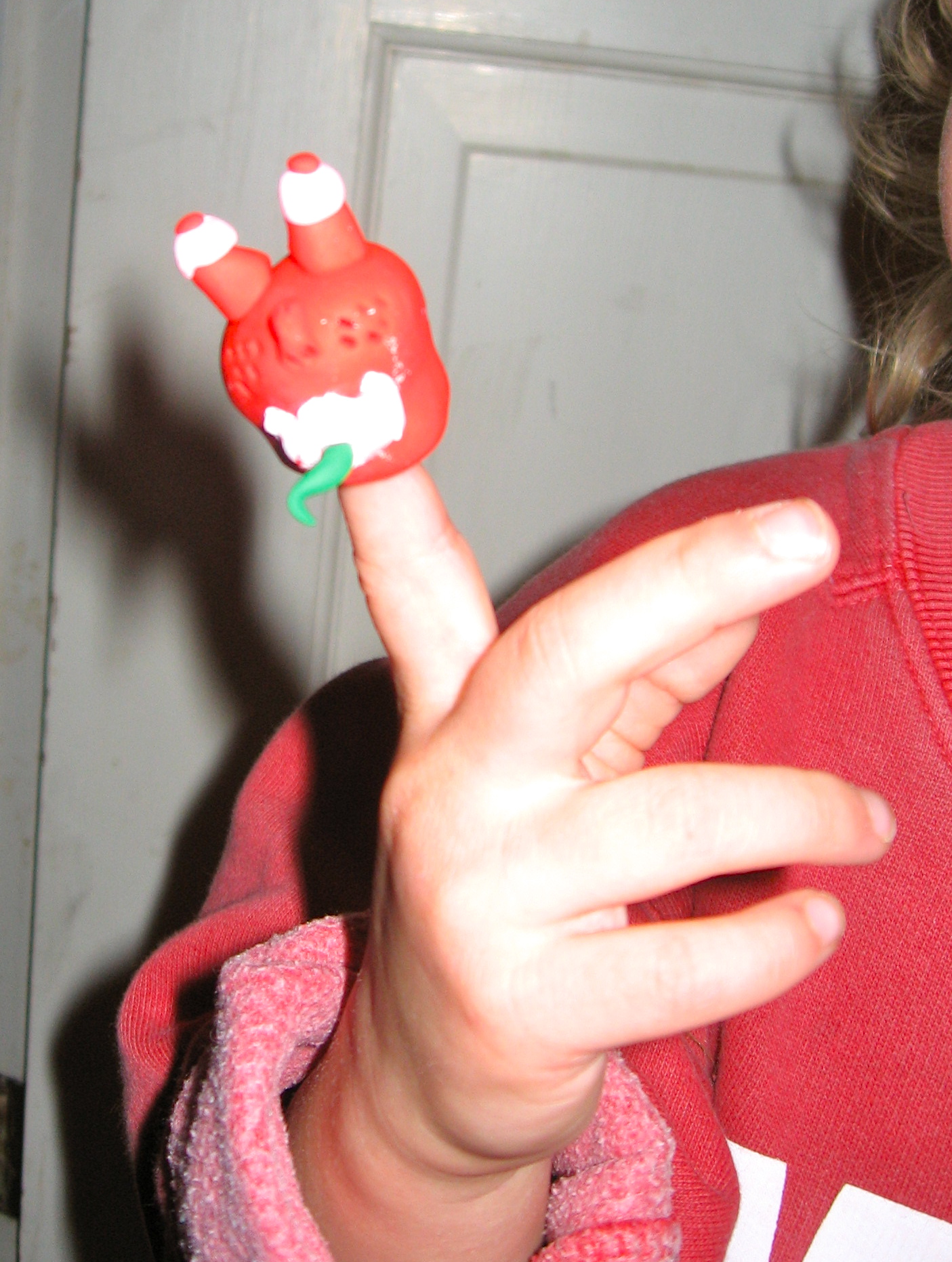 The great thing about Sculpey is its availability, relatively low price, broad range of colors, and ease of baking at home (make sure you follow directions closely).
Cherry Pie, Finger Puppet, Rose, Apple
Multicolored Bracelet

Inspiring Gifts
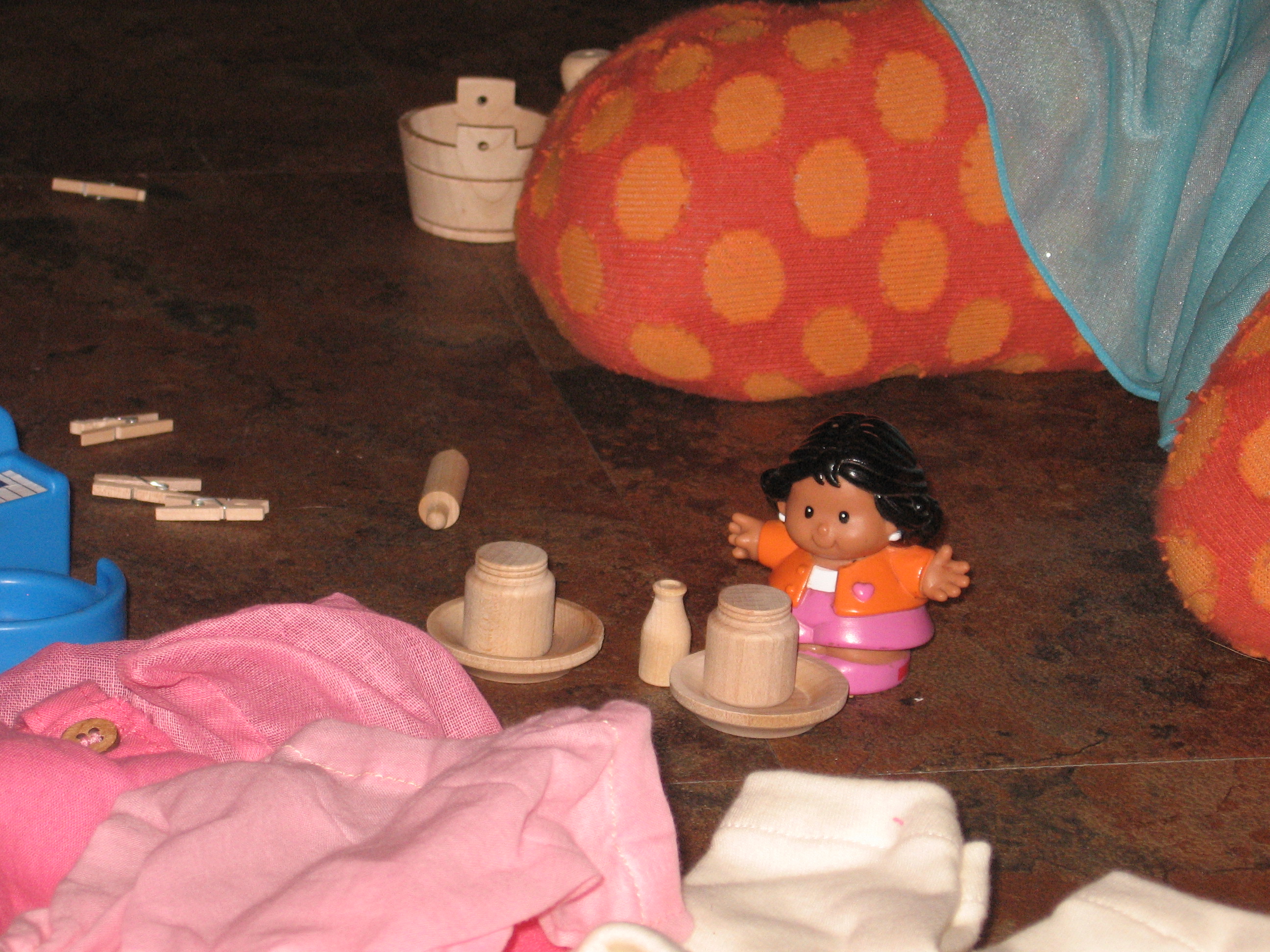
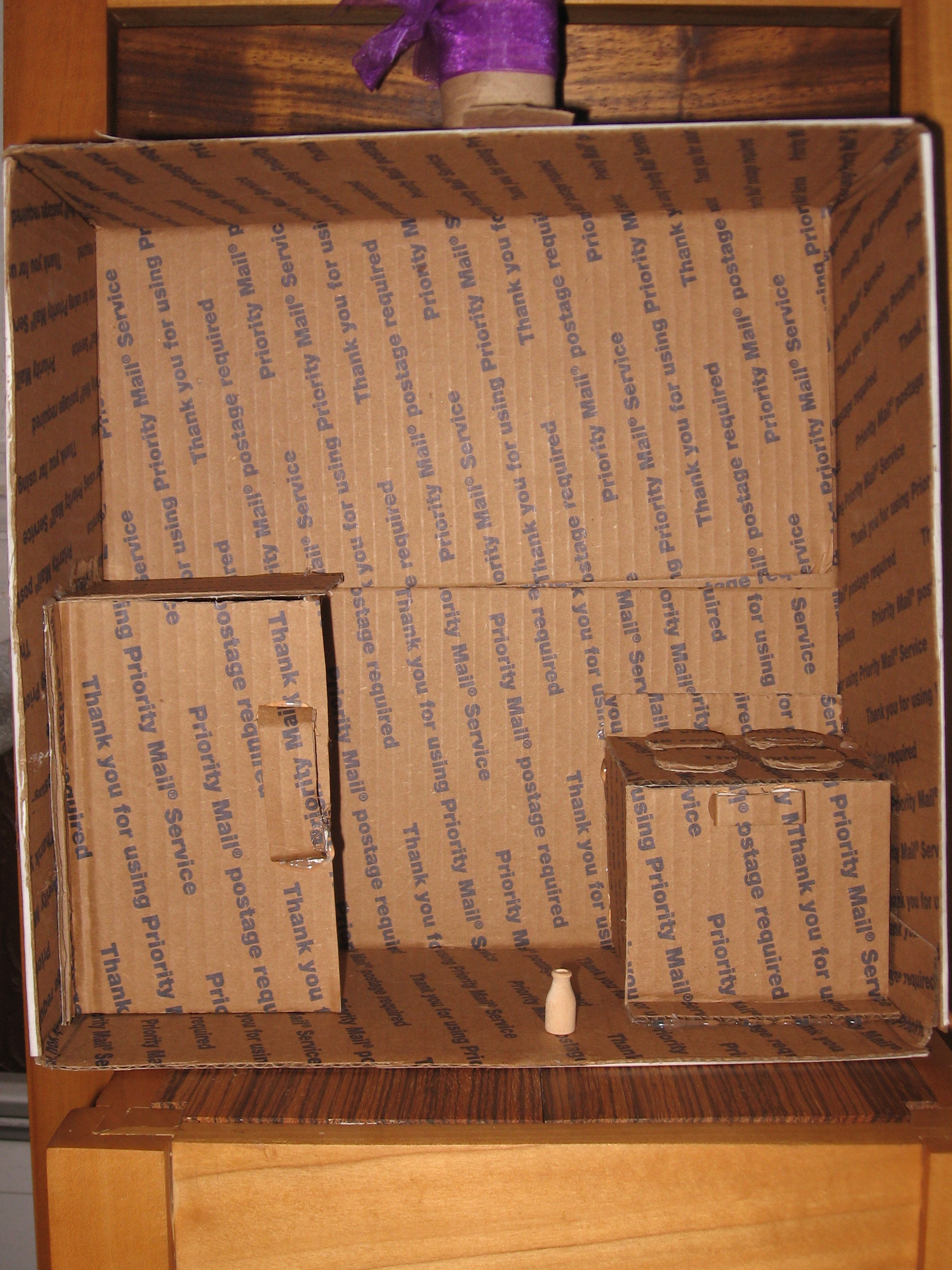
Posted: December 23, 2011 Filed under: Art & Healing, Child Centered Activities, Chronicles of a First Time Parent 2 CommentsMy daughter received some beautiful, wooden play items from sweet Auntie Baps for Christmas. During E’s pretend cooking session, she explained to me that she needed to put the milk bottles in the refrigerator.
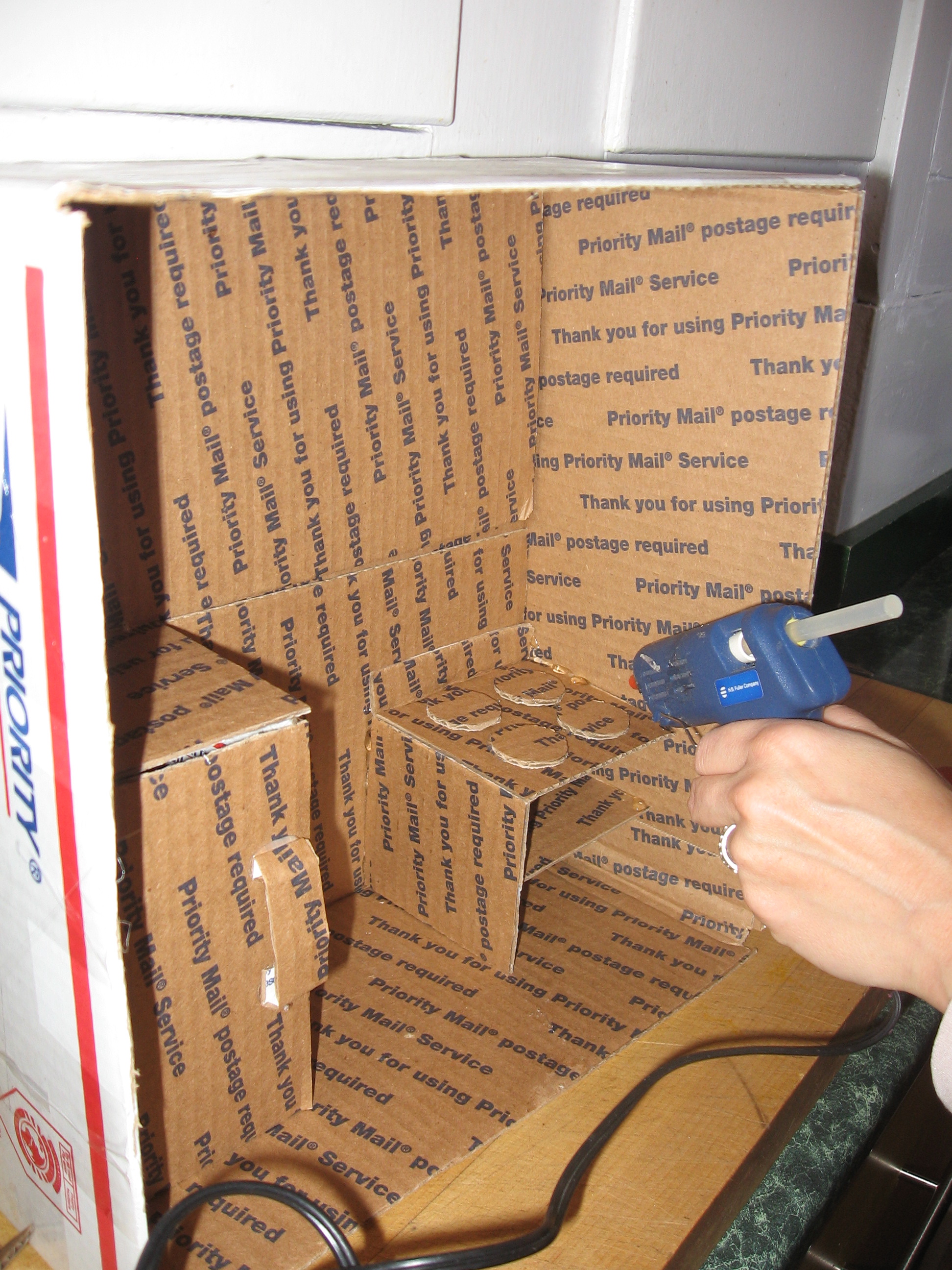
 We pulled out some cardboard scraps, hot glue gun and went to work. I did the cutting and gluing while she stayed close and watched.
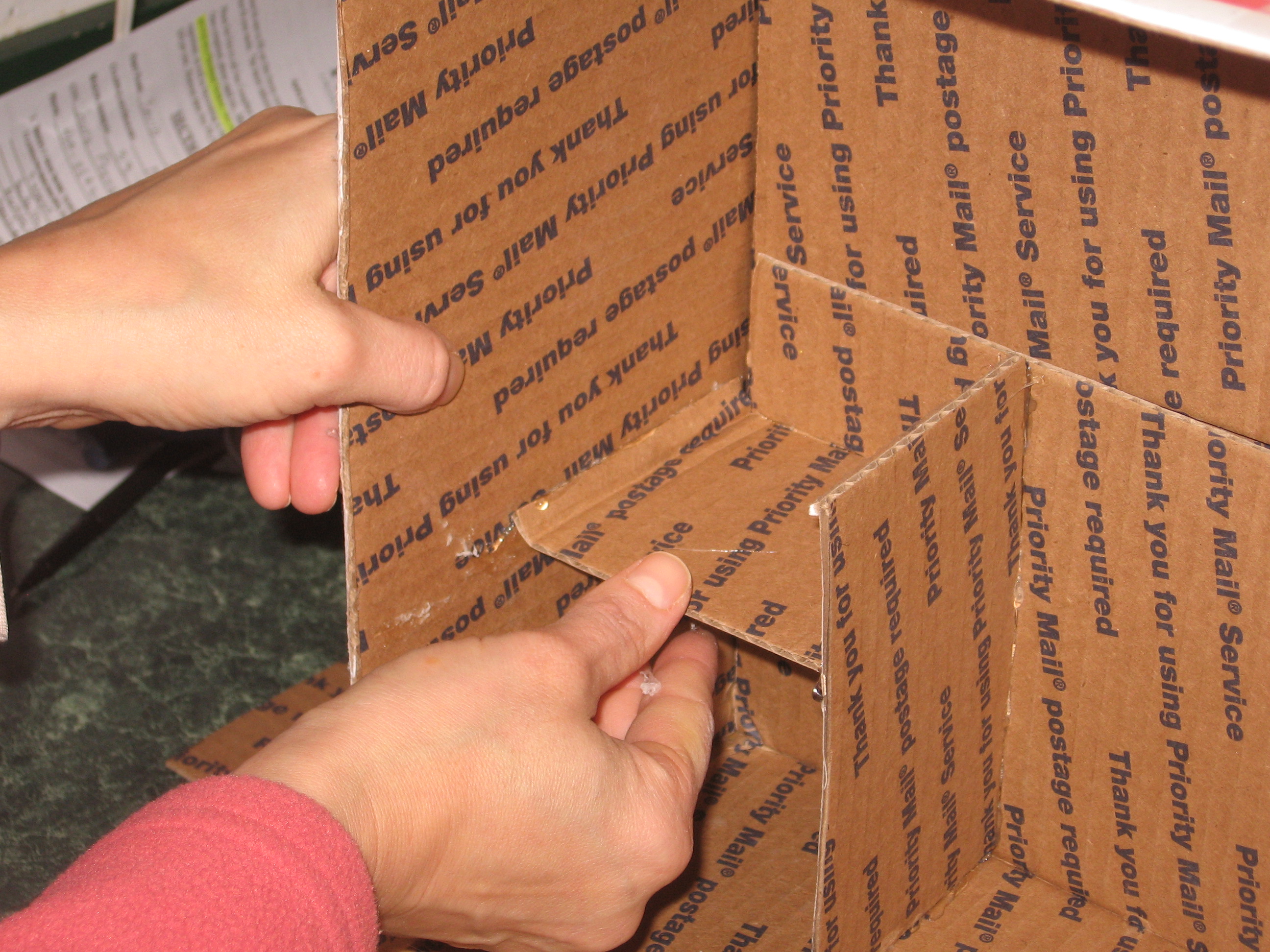


And if you’re going to have a refrigerator, you have to have an oven…
Balance
Posted: December 21, 2011 Filed under: Art & Healing, Chronicles of a First Time Parent, Gallery - Quotes, What is an Art Farm 1 CommentNicole Foss is an author whose focus is the crossroads of peak oil, real politik and global finance; her question is ultimately about sustainability. Writing under the pseudonym “Stoneleigh” she is the Senior Editor at the Automatic Earth [www.theautomaticearth.blogspot.com].
She travelled through Maine recently and I helped organize a presentation in Portland. With less than two weeks notice, we were able to get seventy people to attend on a Monday night. The discussion lasted four hours.
Nicole’s thesis is that the bursting credit bubble will result in a severe retraction of the money supply. By reducing or even eliminating credit, only cash will remain and become extremely scarce, thus reducing the velocity of money; the pendulum will swing away from “the orgy of consumption” toward “austerity on a scale we cannot yet imagine. …As a much larger percentage of the much smaller money supply begins to chase essentials, those [essentials]…will be the least affordable of all.”
This scenario is not, she says, just financial, but compounded by decreasing supplies of oil, with increasing costs of production. “The future is at our doorstep,” she writes, “and it does not look like the past as we have known it.”
No one can know for certain whether Nicole’s scenario will play out. But that provocative message caused us to wonder about what, as a parent, we need to do to prepare our little one for a future so uncertain.
Our response:
Embrace practical skills – planting a garden, baking bread, fixing a flat tire, living within a budget, to name but a few – because they are fundamentally necessary while also teaching self-reliance and help maintain freedom of action.
Live as close to the earth as practical and possible, and build social capital in our community. Personal integrity is the most enduring asset.
Play is essential. Especially in dark times, we need to create joy in our home. Art-making can fit within that, while also teaching resourcefulness and creative problem solving. That is what our art farm is really about.
Everything has its counterbalance. Even amidst dark and dire times, there is hope and light. That is not a pollyanna notion, but something essential; as a balance sheet must have assets to the liabilities, as yin has its yang.
A New England saying is “a rising tide lifts all boats.” But any Yankee fisherman also knows the tide always goes out. The real and natural cycle has both ebb and flow.
Therein lies the balance.

