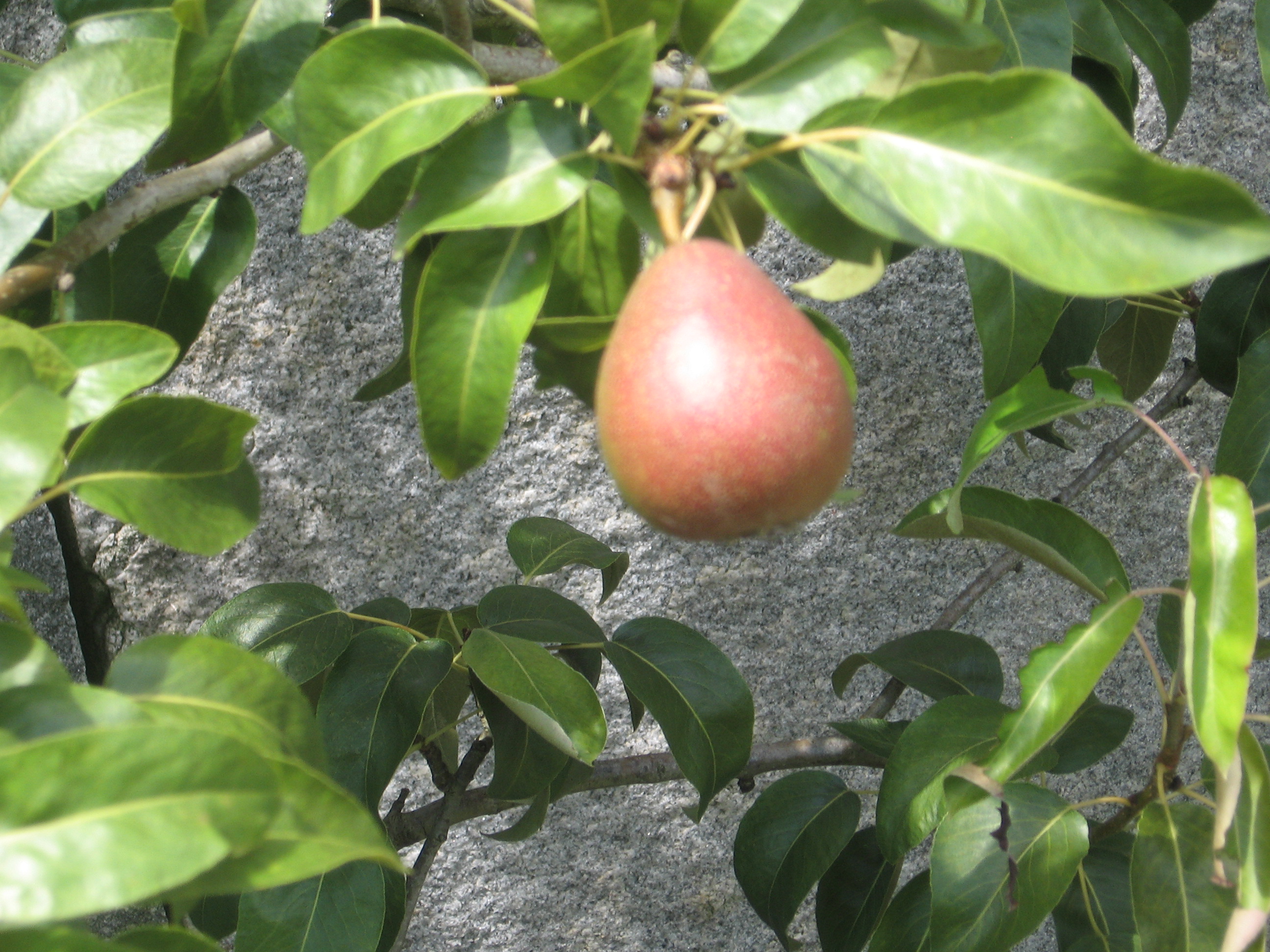
Mid August
Posted: August 15, 2011 Filed under: Child Centered Activities, Farming off the Farm, Little Green Thumbs Leave a comment


The Last Time I Chewed My Food
Posted: August 10, 2011 Filed under: Chronicles of a First Time Parent 1 CommentI like to eat – I would definitely consider myself a foodie. Following the massive nausea during my first trimester, eating became a pleasure again. When else can you eat just about anything (missed the sushi) and in any quantity you want (well just about). I didn’t realize how good I had it until very soon after I gave birth.
Eating was now a marathon sprint between breastfeedings, diaper changes, laundry, dishes, bathroom runs, you name it. I’m quite serious when I say that I did not chew my food for the first couple months. Nope, I inhaled and I’m not ashamed to admit it. I didn’t realize how good I had it at THIS point, until a short while later.
At 2 months, my breastfeeding daughter developed an intolerance to the dairy protein in my diet, so I changed to soy products. OK, we’ll live. Some time after that, soy became suspect. Doc said to try rice products and to avoid all dairy and soy. Hmmmm, I had a Whole Foods down the street, so that shouldn’t be a big deal, right? I never realized how many foods have either dairy and/or soy ingredients. Now, having forgotten what it was like to chew, I missed the fleeting taste of soy during inhaling. Let me tell you folks, as far as I’m concerned you CANNOT get rice cheese down your palate fast enough.
Around my girl’s first birthday, the sensitivity to dairy and soy cleared and we’ve been fine ever since. Hallelujah and praise cheese.

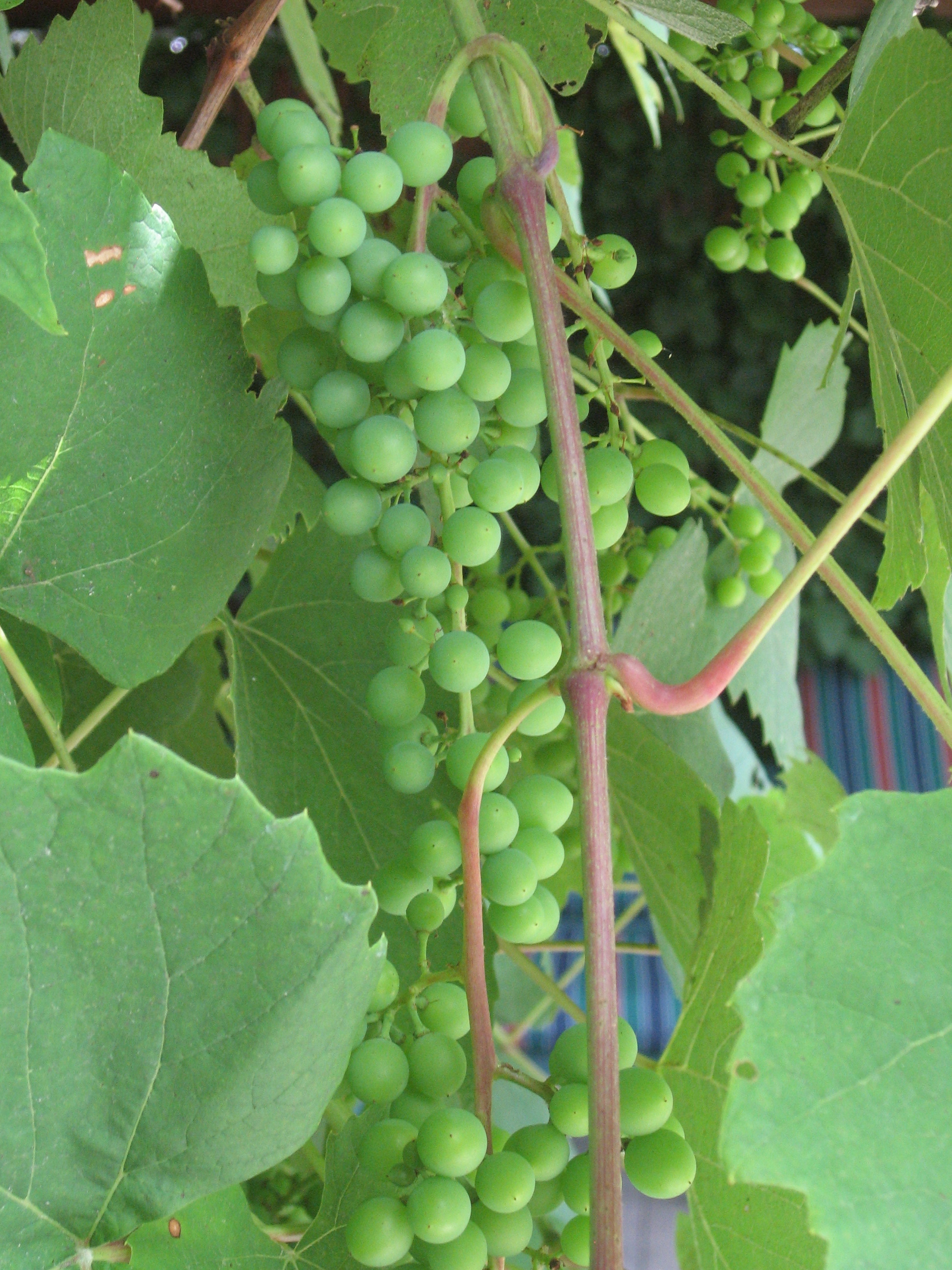
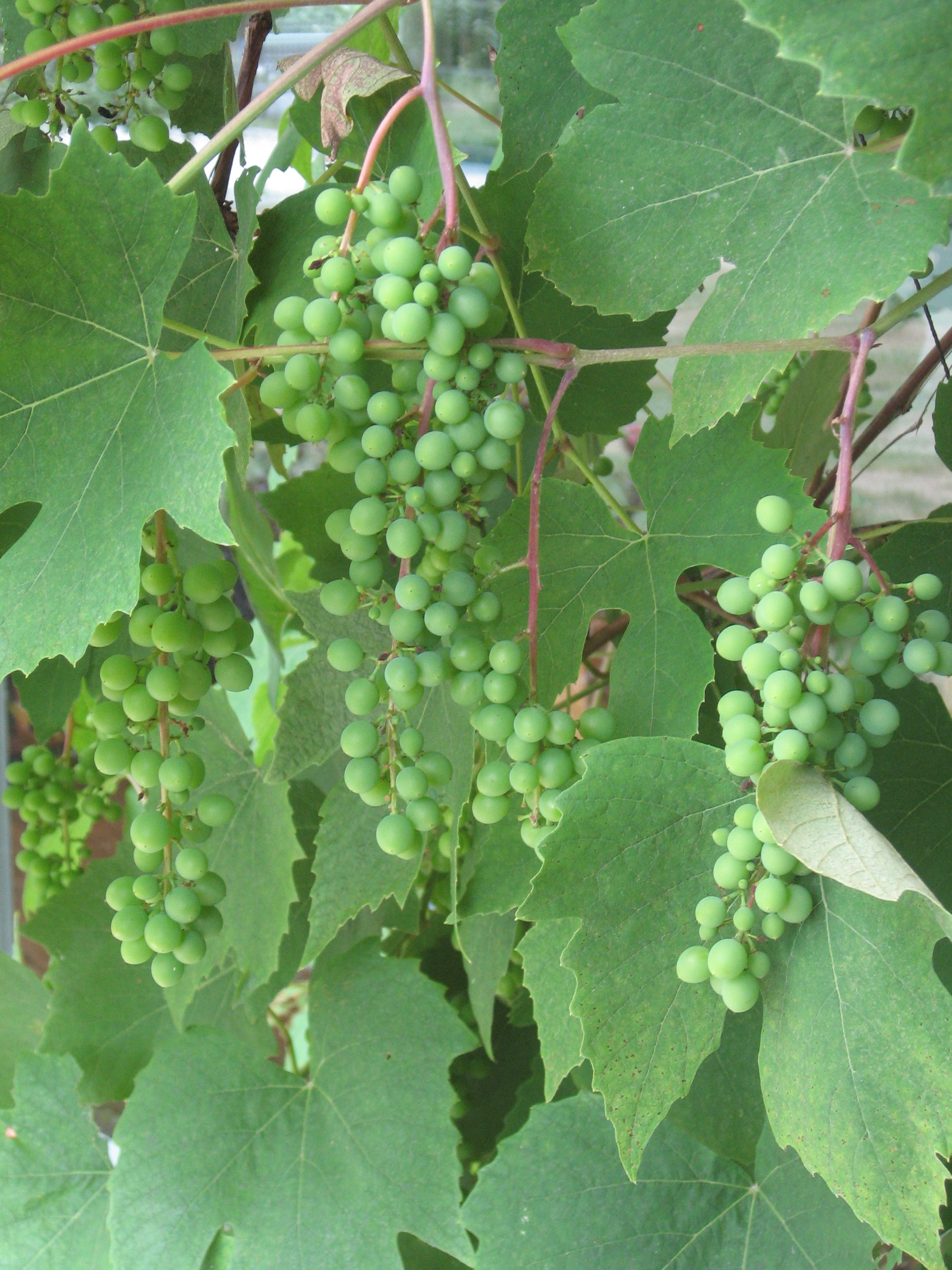
Eckhart Tolle: The Power of Now – A Guide to Spiritual Enlightenment
Posted: August 7, 2011 Filed under: Gallery - Quotes Leave a commentAccessing the Power of the Now
Be present as the watcher of your mind – of your thoughts and emotions as well as your reactions in various situations. Be at least as interested in your reactions as in the situation or person that causes you to react. Notice also how often your attention is in the past or future. Don’t judge or analyze what you observe. Watch the thought, feel the emotion, observe the reaction. Don’t make a personal problem out of them. You will then feel something more powerful than any of those things that you observe: the still, observing presence itself behind the content of your mind, the silent watcher.

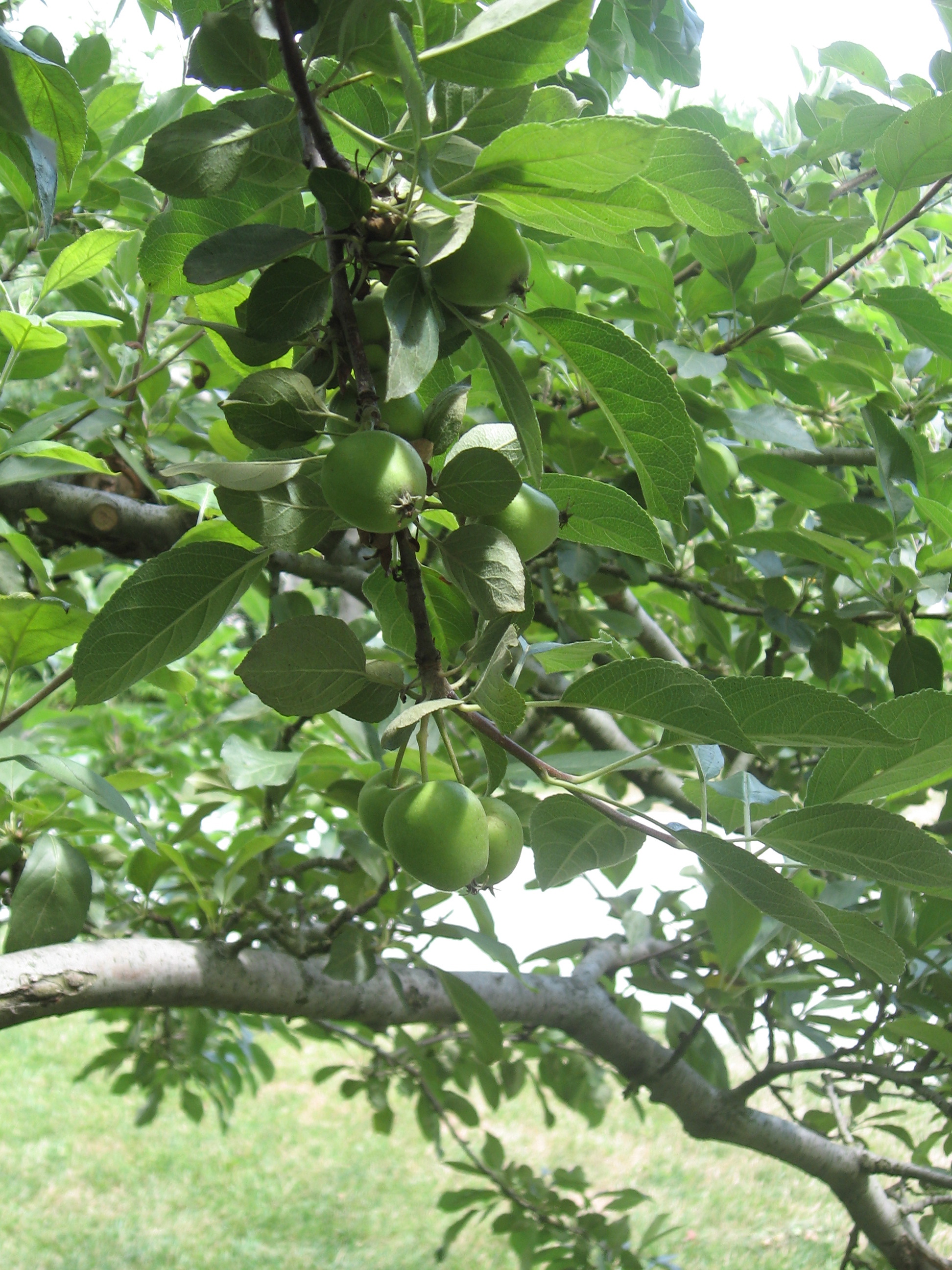
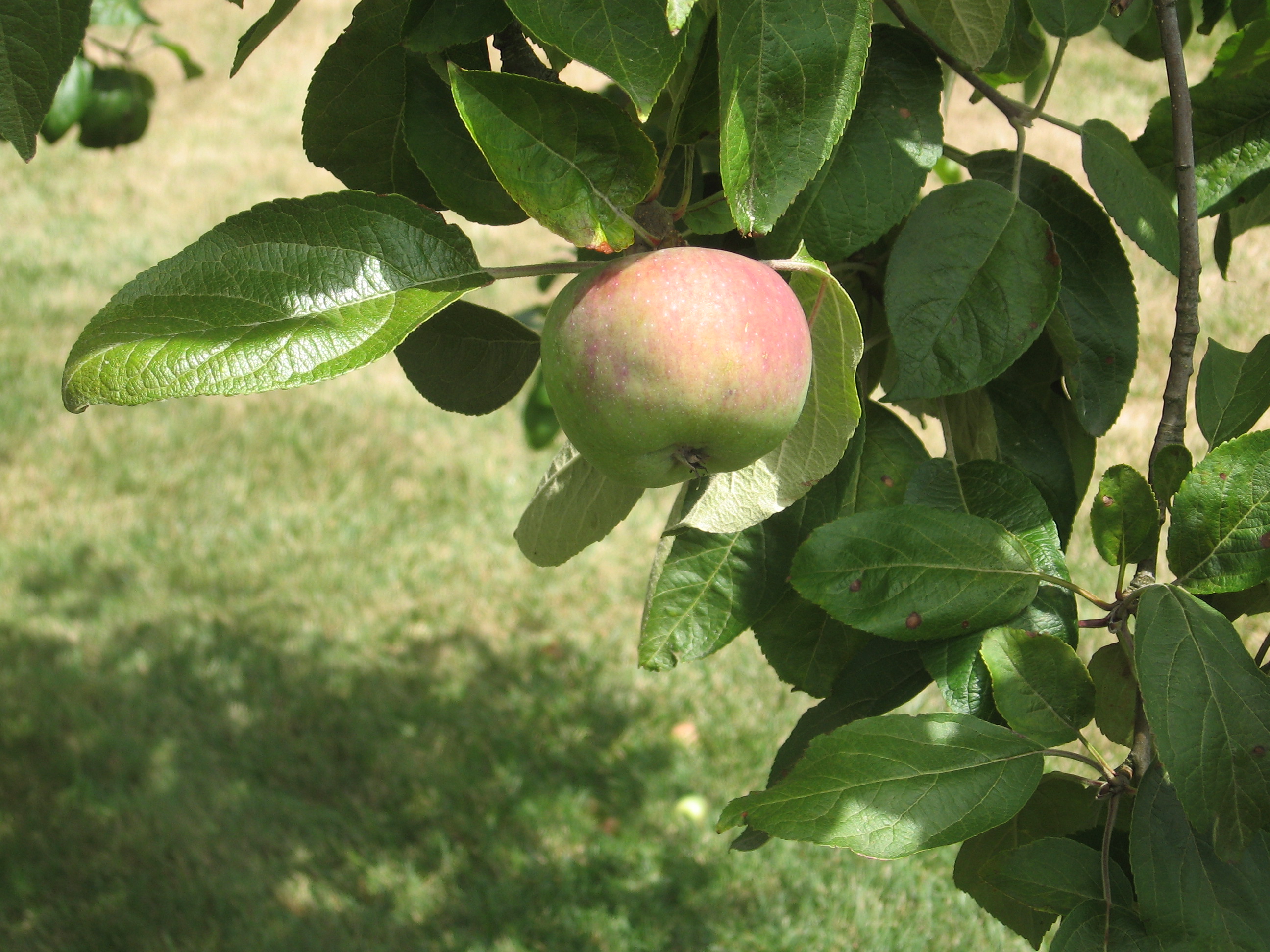
David Abram: “Becoming Animal”
Posted: August 1, 2011 Filed under: Gallery - Quotes 1 Comment“This old notion, deeply layered into our Western language, neatly orders the things of the experienced world into a graded hierarchy – “the great chain of being” – wherein these phenomena composed entirely of matter are farthest from the divine, while those that possess greater degrees of spirit are closer to the absolute freedom of God. According to the dispensation of spirit, stones have no agency or experience whatsoever; lichens have only a minimal degree of life; plants have a bit more life, with a rudimentary degree of sensitivity; “lower” animals are more sentient, yet still stuck in the instincts; “higher” animals more truly aware – while humans alone in this material world, are really intelligent and awake.
This way of ordering existence, which depends upon an absolute distinction between matter and spirit, has done much to certify our human dominion over the rest of nature. Although it originates in the ancient Mediterranean and reaches its height in medieval Christianity, this old notion was never really displaced by the scientific revolution. Instead it was translated into a new, up-to-date form by a science still tacitly reliant on the assumption of a limitless human mind (or spirit) investigating a basically determinant natural world (or matter).
Yet as soon as we question the assumed distinction between spirit and matter, then this neatly ordered hierarchy begins to tremble and disintegrate. If we allow that matter is not inert, but is rather animate (or self-organizing) from the get-go, then the hierarchy collapses, and we are left with a diversely differentiated field of animate beings, each of which has its gifts relative to the others. And we find ourselves not above, but in the very midst of this living field, our own sentience part and parcel of the sensuous landscape. “
Richard Manning: “Against The Grain”
Posted: August 1, 2011 Filed under: Gallery - Quotes 1 Comment“The effects of modern industrial agriculture range from pesticide pollution to freshwater depletion, energy consumption, erosion, and salinization. We can, nevertheless, trace the Green Revolution’s swath across the planet, especially in marine systems, by focusing on a single element – nitrogen. Beginning in about 1950, the use of nitrogen fertilizer ballooned from less than five million tons annually worldwide to about eighty million tons today….
Most of the nitrogen leaves farm fields with runoff, so the most apparent damage is to rivers, wetlands, estuaries, and seas where it causes eutrophication, anoxia, and hypoxia, various types of oxygen depletion as a result of excess nitrogen. Dots of these water-borne problems pock the globe, wherever farming touches water, but the problem is most easily read in the Gulf of Mexico, which now bears a twenty-thousand square-kilometer hypoxic Dead Zone. Fish and shrimp have disappeared from this area; 85 percent of the gulf’s estuaries are affected. The nitrogen causing this all comes from the Mississippi River, which drains a vast region of the United States, but an Army Corps of Engineers study was quite specific about the source. Seventy percent of the Mississippi’s nitrogen comes from a relatively small six-state area that is the heart of the nation’s corn belt.”
Ann Lewin-Benham: Infants & Toddlers at Work – Using Reggio-Inspired Materials to Support Brain Development
Posted: July 29, 2011 Filed under: Art & Healing, Child Centered Activities, Gallery - Quotes 2 CommentsMark-Making
Mark-making triggers brain functions that merge eye, hand, and other networks of neurons, enlarging the ability to focus, sustain attention, plan, analyze, and other high-level cognitive functions that are important components of critical thinking. Often fat markers and crayons are the only tools provided for infants and toddlers. Yet, mark-making is an imperative as strong as movement and language. Therefore it warrants an equal abundance of materials that are varied, provocative, and challenging. It merits the same emphasis as blocks, paint, clay, and other staples of infant/toddler programs. And mark-making exemplifies the trove of ideas that can be sparked and skill that can be acquired when a fertile context nurtures an innate human imperative.
Rope Embellished Trash Can – Peaks Island, Maine
Posted: July 28, 2011 Filed under: Gallery - Visual 2 Comments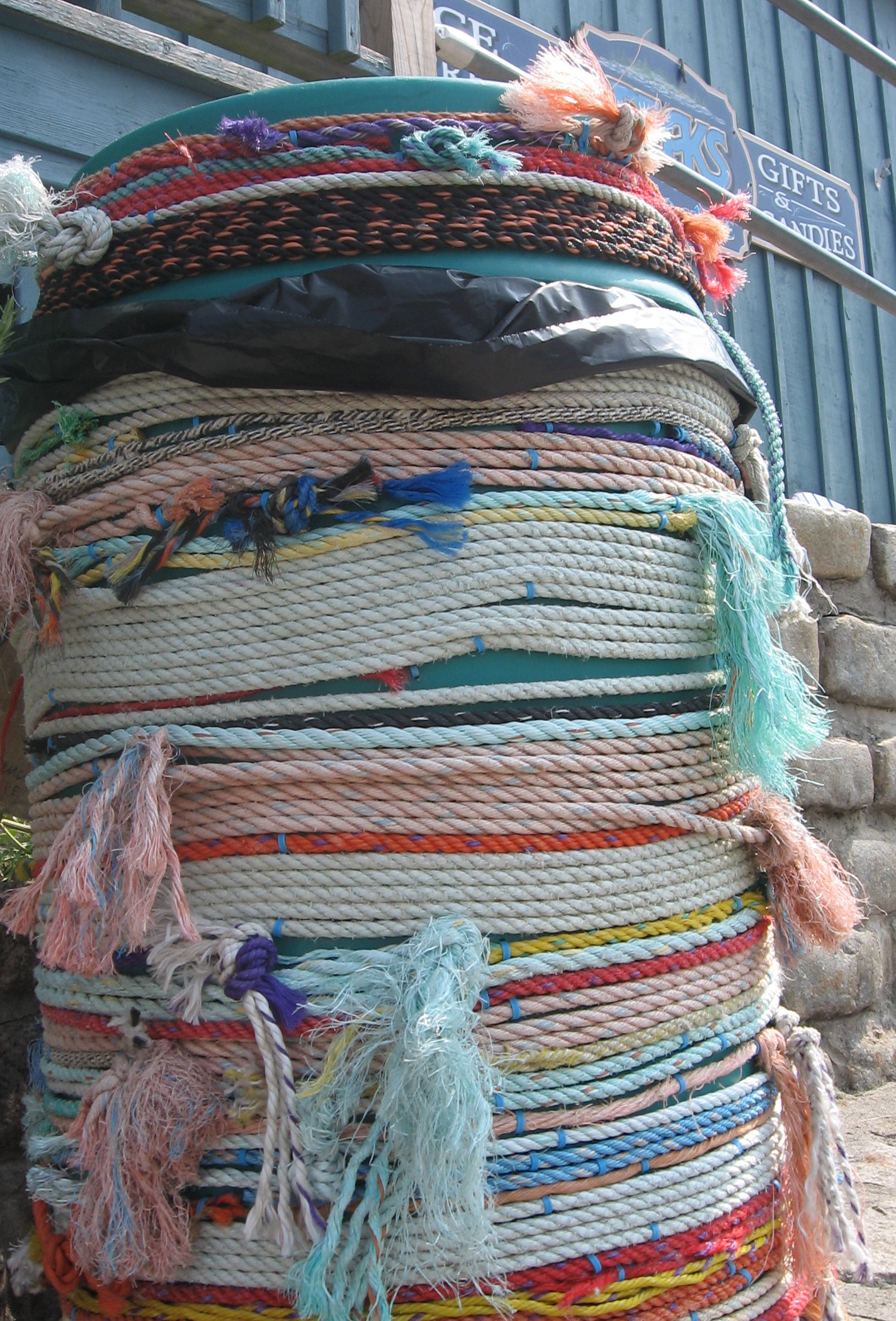
 an Art Farm