Removing oil tanks
Posted: September 24, 2012 Filed under: Permaculture & Home Renovation 2 Comments A basement with three oil tanks: one containing 65 gallons of K1 and two very old tanks each containing about 50 gallons of #2 heating oil.
The kerosene was from the last heating season. We confirmed that. But the #2 oil was of unknown age. Years back, when the house was converted first to natural gas and then more recently to kerosene no one had bothered to remove those. And with good reason.
We are converting to natural gas and have no use for those fossil fuels. More importantly, I really want them out of the house. Our fear was that the oil had turned to sludge in the bottom of a rusting tank. As a potential environmental hazard, my first thought was to call the local office of Clean Harbors, the massive hazardous waste company.
Their Rep was friendly but the costs were exorbitant: $350 minimum charge to pump out the tanks, plus $500 per tank to remove, clean and dispose. Fines for improper disposal can be significant – well into the $1,000s – but they were talking $1,800 minimum. I would not consider pouring the oil down the drain, but there was no room in the budget for an environmental disposal.
We decided to get creative. I have heard of people turning oil tanks into a meat smoker, and we wondered if we could turn the other tanks into planters. An odd look, but why not? I would still have to clean out the tanks, and get the contents pumped out, but at least I would save $1,500.
The problem, however, is that oil companies only want to pump out a tank when you will buy new oil from them. They are not in the disposal business, but that was my goal. So we got really creative.
I bartered the Kerosene and the #2 oil with Caleb, a member of our crew. He heats his home with Kerosene, and his oil fired furnace can burn a blend of #2 and K1. In fact, the blend will prevent the oil from congealing in cold weather. So he was happy to take ALL of the fuels. And the tanks have value as scrap metal, so he wanted those as well.
So that solved the question of disposal. Now we had to tackle pumping out the tanks.
At my local Ace hardware I found a “drill pump” that fits on an electric drill and creates suction. $10. It worked great, but after 25 gallons the seals wore out. The K1 literally degraded them. But we were half way done, so I bought another. It worked for another 25 gallons and then burned out. But the Kerosene tank was empty.
For the oil tanks, I decided to let gravity finish the job. Slow, but 100% effective.
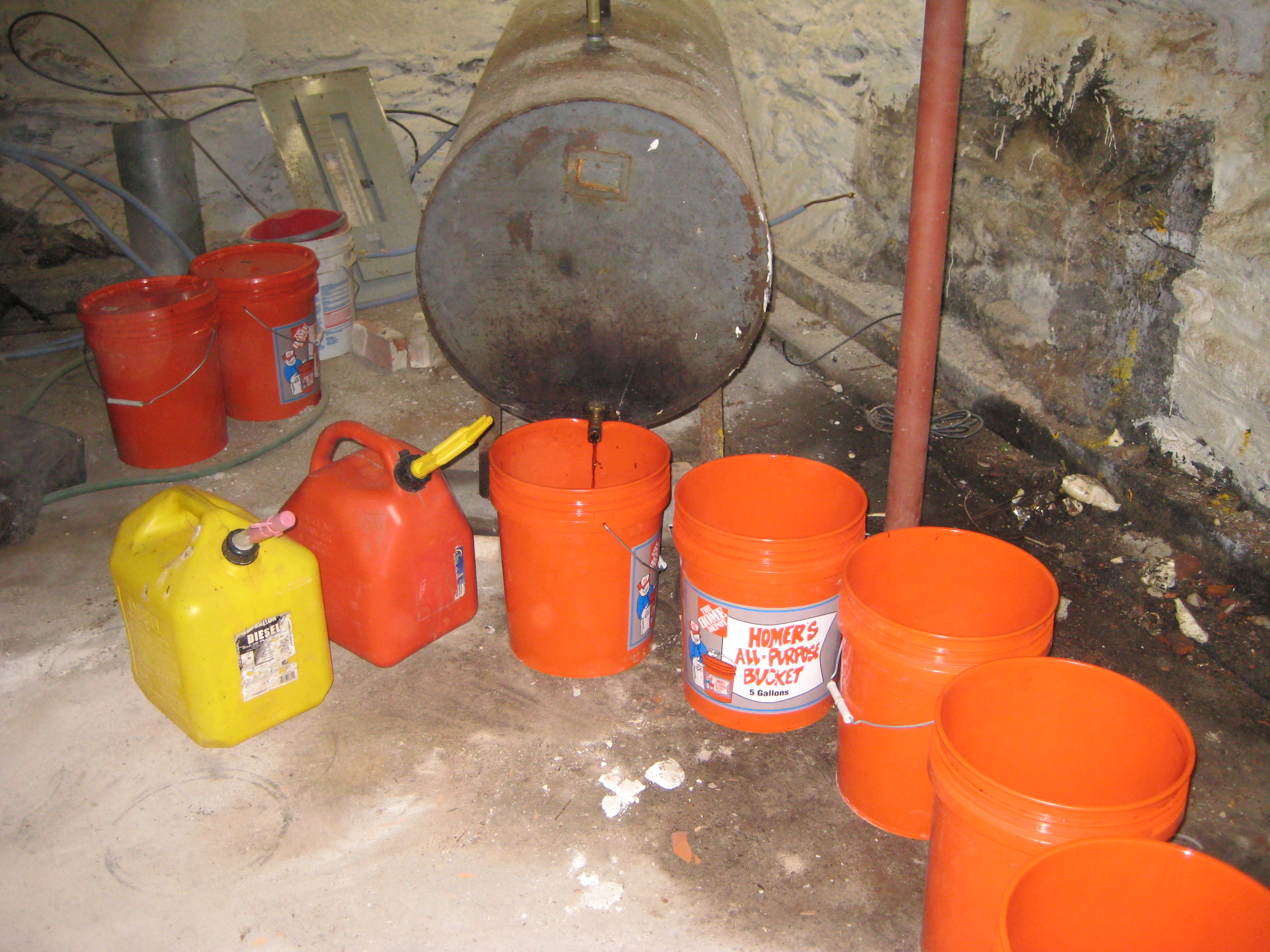
We raised each tank up on bricks and set up a brigade of 5 gallon buckets. Nine of them, with tight fitting lids. Caleb would haul one load home in his car, and then return the next day when I would let gravity finish the job. To my great surprise the oil had not turned to sludge but was still a smooth flowing liquid. Black gold, as some have called it.
With the pumping out finished, we were $350 ahead. And Caleb was 150 gallons ahead – almost $500 in value – and a strong start on his winter heating season.
But we still had to get the tanks – now empty – out of the basement. We had planned to use a come along, lag screwed to the door frame, and then ratchet the tanks up and out. But our framing crew had some carpenters who were big guys and we just lifted the tanks up and out.
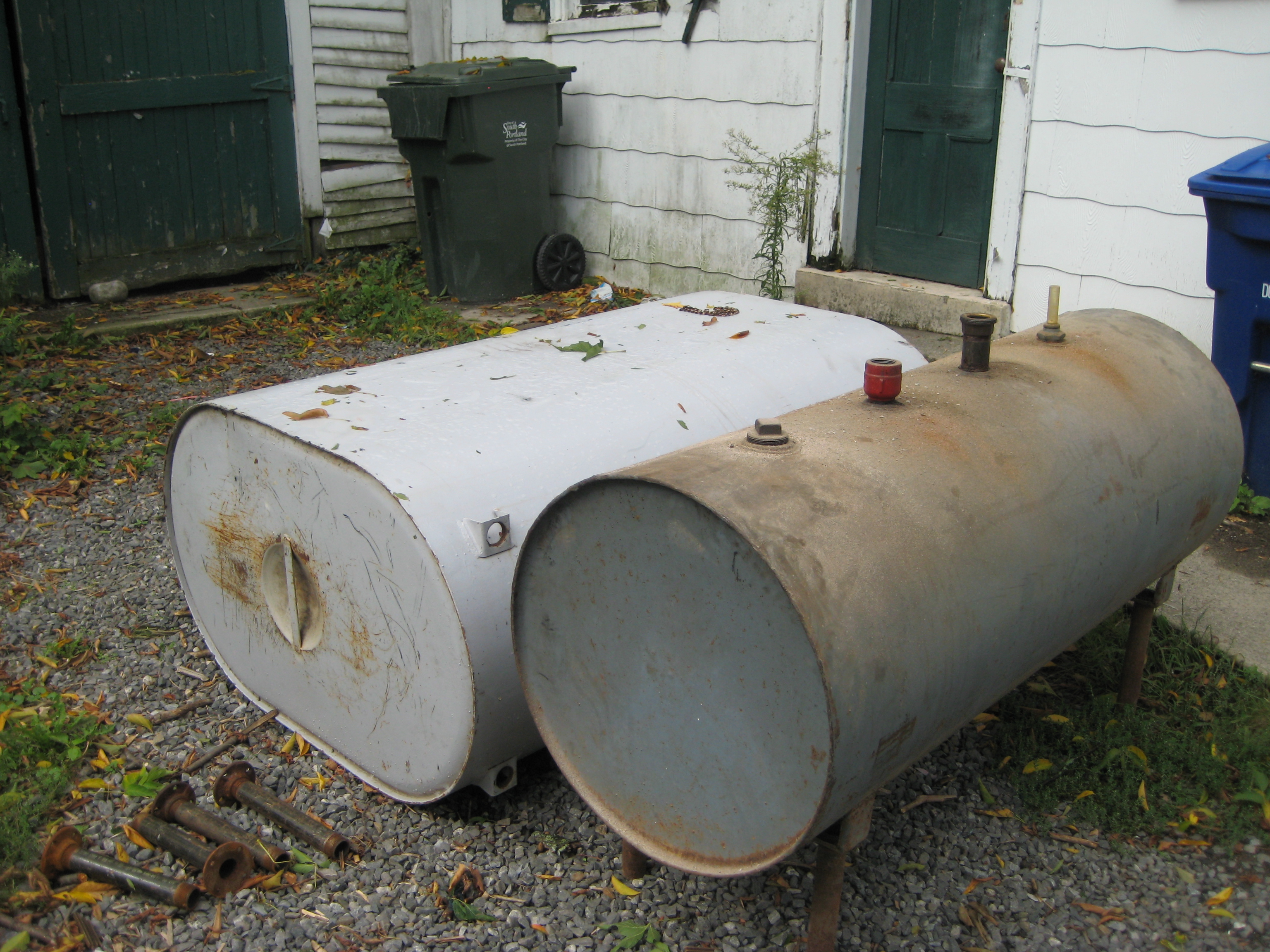
A simple solution. Caleb will bring a trailer and with his brother Cain will haul the tanks home. A clean solution and our basement is emptied of the old fossil fuels. We couldn’t be happier. Sometimes, barter is the way to go!
Foolish
Posted: September 22, 2012 Filed under: Permaculture & Home Renovation 2 Comments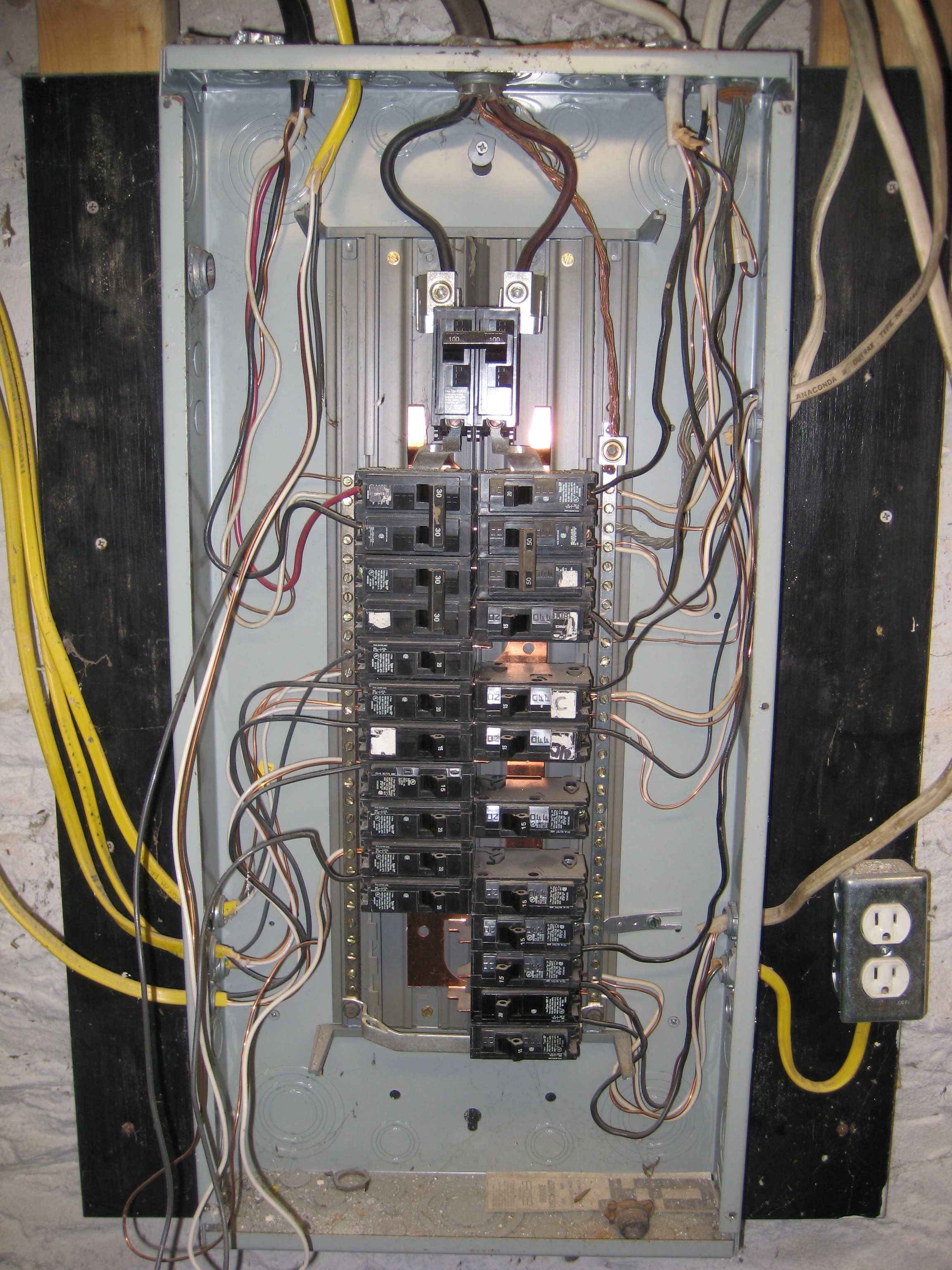
We bought our home in “as is” condition. Multiple inspections turned up no major issues; the roof, eaves, foundation and sewer are in solid condition.
Going in, we knew there would be issues, and lots of work, but nothing seemed beyond what we could tackle.
So far, that premise has been right and we remain on track. What has been our surprise is the extent of work undoing what the previous tenant had done.
It’s an odd tale. He made major changes to the house. New walls, remodeled the kitchen, rewired the entire house. He did it all himself. Nothing was done to code. No permits were taken out. Nothing was done, in fact, with either the permission or knowledge of the owner.
And so the “as is,” it seems, to a large degree is the condition in which the tenant left the house. Exhibit A would be the electric panel. A hairshirt of wires, exposed and overloading circuits. The cover tossed aside. The barn was wired – more than 20 lights and outlets, and a subpanel – all off one outlet from the main house. The kitchen sink drain is unsupported and sags, forcing water to pool rather than drain out. The walls were painted only to shoulder height. That one is cosmetic, but a good example of work stopped only 70% of the way
A do-it-yourself attitude is wonderful, but unchecked, it can become a safety hazard. The building code is not an intrusion but common sense.
Resourceful
Posted: September 19, 2012 Filed under: What is an Art Farm 2 Comments
Something about Maine, perhaps. Tales of derring do, and a “git ‘er done” attitude.
A friend, of Finnish descent, once told of his grandparents, fishermen, who decided to relocate the family from Bangor to Criehaven Island. By row boat. Down the mighty Penobscot River they rowed, by hand, their worldly possessions stowed into that boat, out into the Gulf of Maine some 15 miles.
That pluck abounds today. I am glad to say.
Down at the big house, we are staining the exterior. Glen, the primary painter, lost his driver’s license the other day. I don’t mean he misplaced it, but that his license was impounded. (A long story that, in which Officer Nappi, the local constable on patrol, let him off easy – i.e. did not throw him in jail – after hearing that he was working for us at the big house. Glen was free to go, but he could no longer drive.)
I happened to be driving along and saw Glen, there, stranded. And not too troubled by it all. I returned, riding a fat tired beach bicycle, which I tossed into the back of his pick-up and drove him on to work. The job must go on, and he put in almost a full day’s work.
But, no longer was he able to drive to work. And we have lots of work to be done.
Now, as it turns out, Glen lives across the Saco Bay, and so, he wondered, why not commute to work on his Jet Ski? An easy 8-minute dash (it takes about 40 minutes by auto). I thought it a smashing idea, and now he ties up at the yacht club, and walks straight into the big house yard and climbs up his ladder.
“Like working in paradise,” he says.
The only problem is his ladder remains on his truck, across the bay. But I am sure we can resolve that little issue.
destruction creation
Posted: September 17, 2012 Filed under: Permaculture & Home Renovation 2 Commentsat the end of the second week (pregnancy week 26) the demolition is mostly finished. we have removed the perimeter walls in the main house, some of the interior walls, the kitchen/dining room floor, and the chimney. here are some before and after shots.


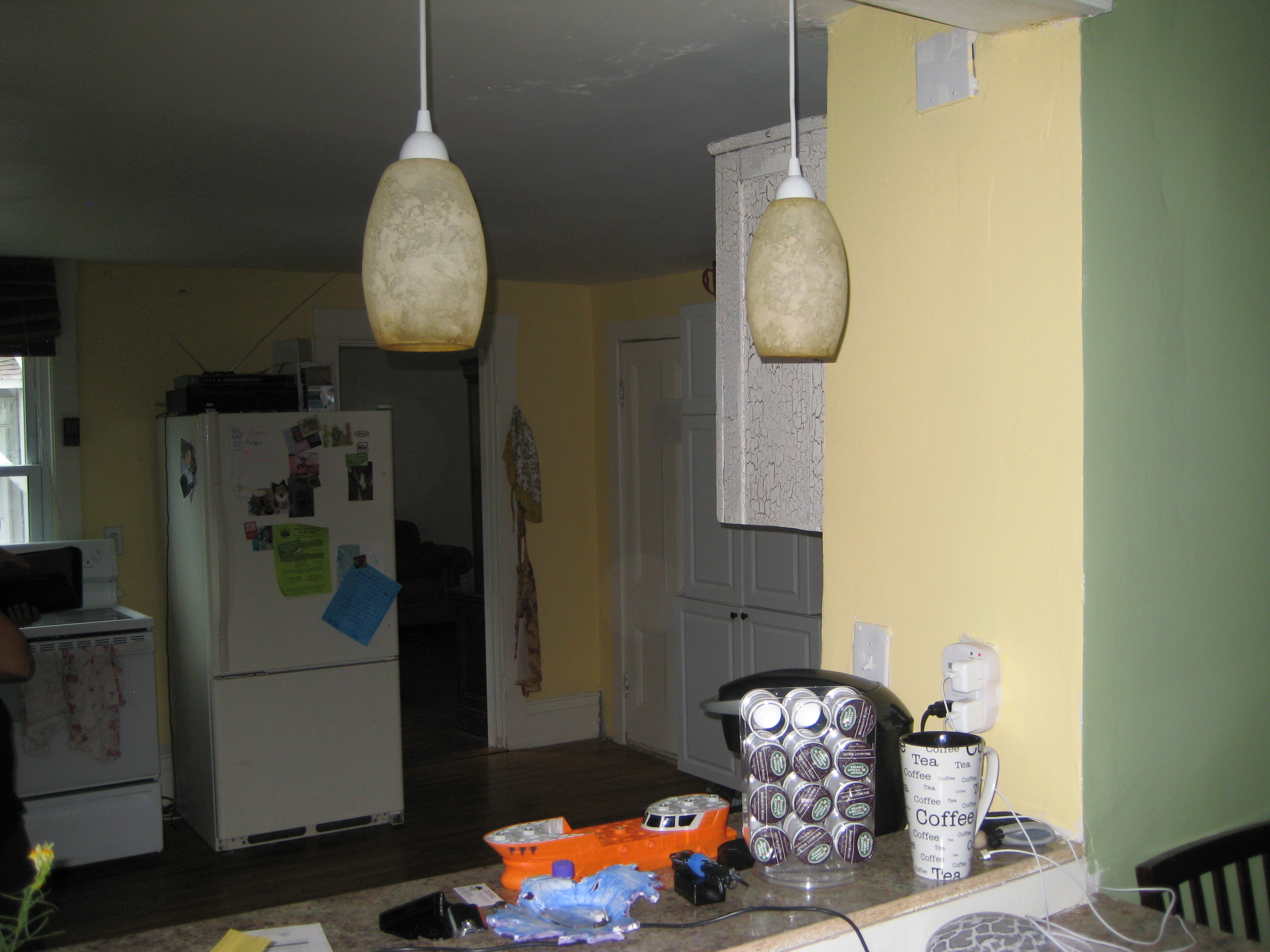

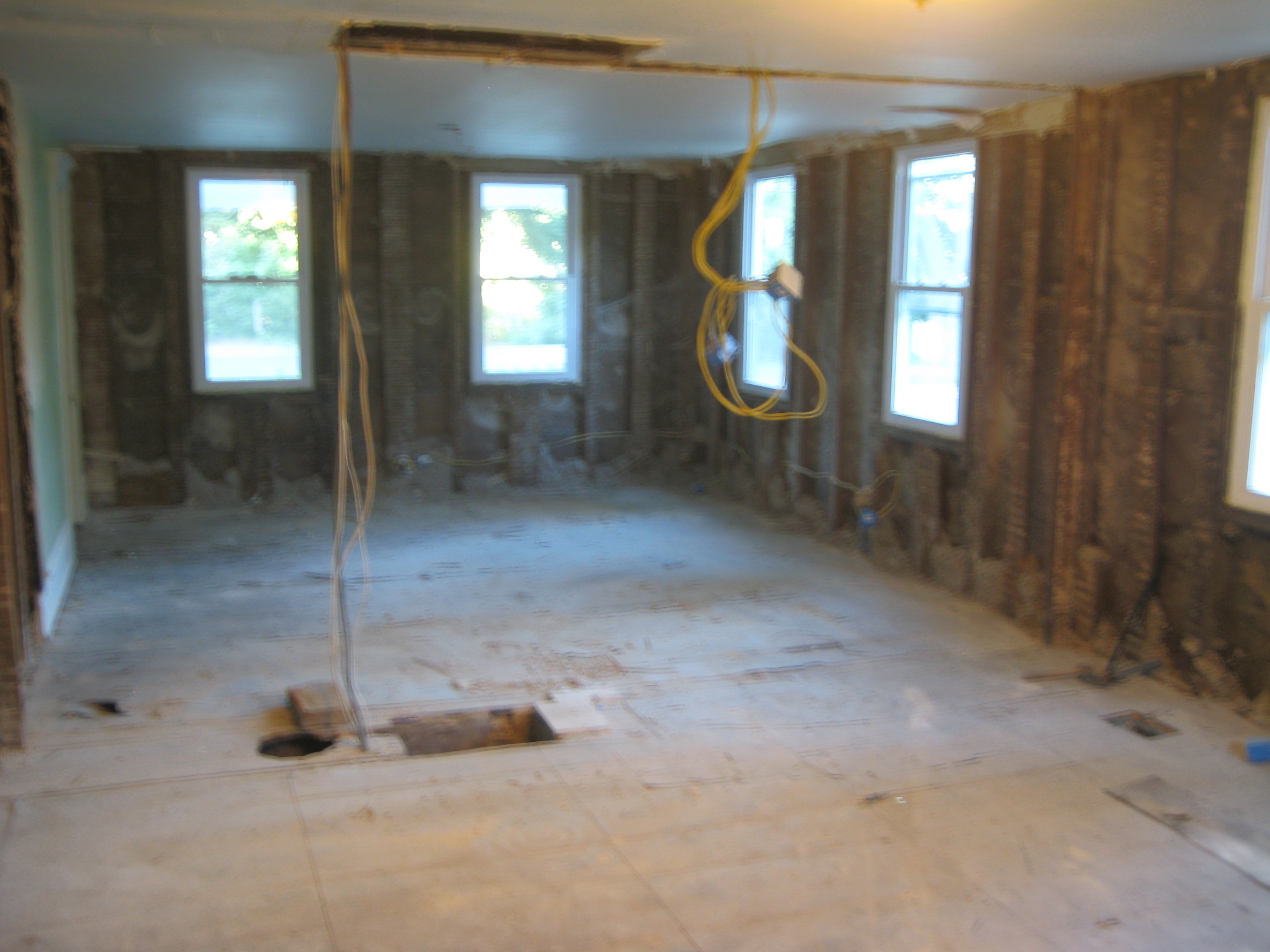

so far no surprises, other than extra holes in the floor! putting down a new subfloor will help to tighten up the house and eliminate drafts. this week we will add supporting columns in the basement and sister some of the beams. this will help to remove the “springiness” from the ground floor and reduce sagging. also this week we will reframe the perimeter walls. those exposed studs (in the first demo photo above) will be removed and a beam from the barn will be inserted where that wall had been.
the chimney has come down, and the bricks will be repurposed (someday) as a patio. The char marks on the bricks are telling.


Barn Beams
Posted: September 1, 2012 Filed under: Permaculture & Home Renovation 4 Comments
In 1830, Andrew Jackson was the President of the United States. Emily Dickenson was born. Three years earlier, in Germany, Beethoven had died.
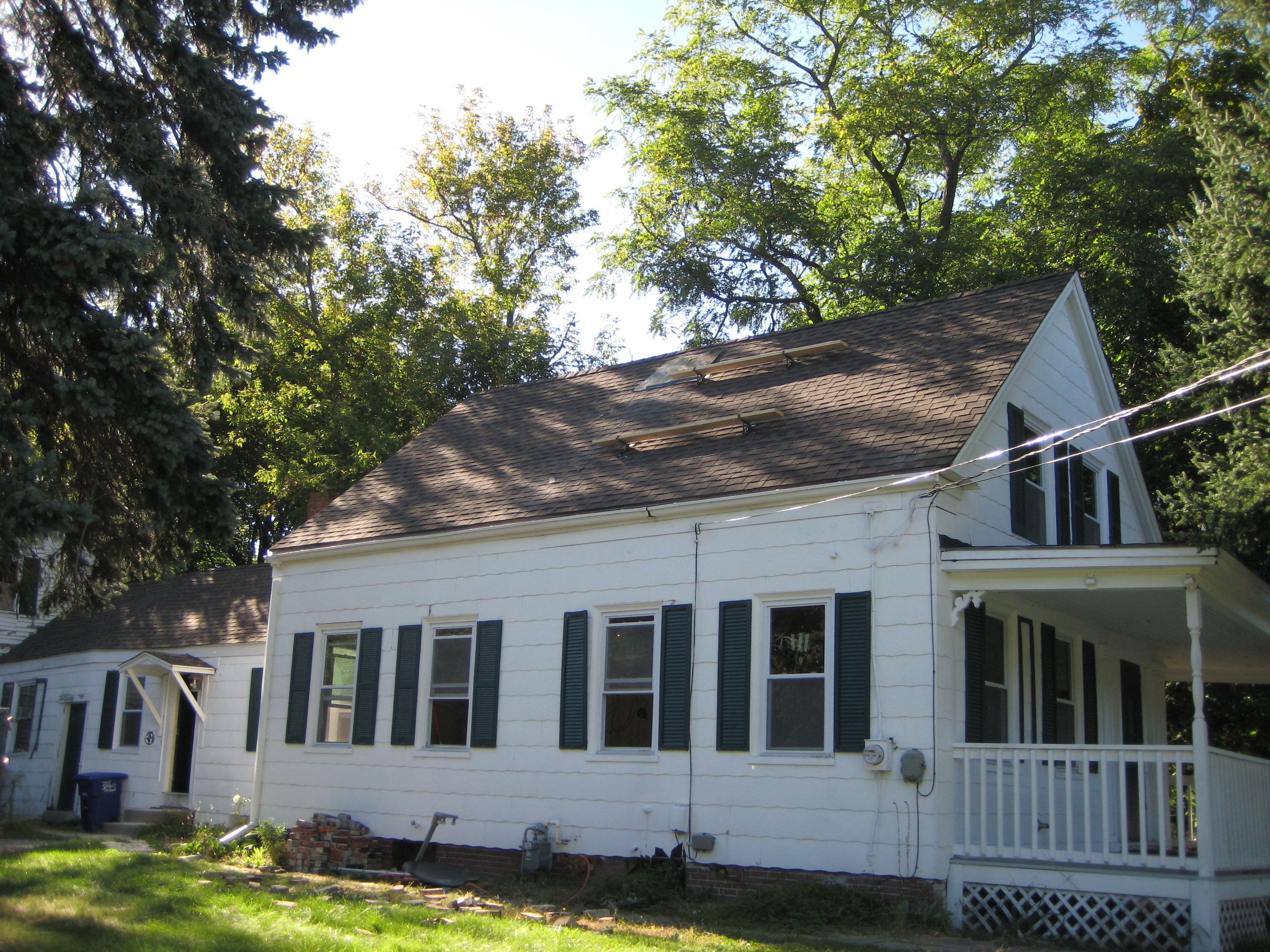
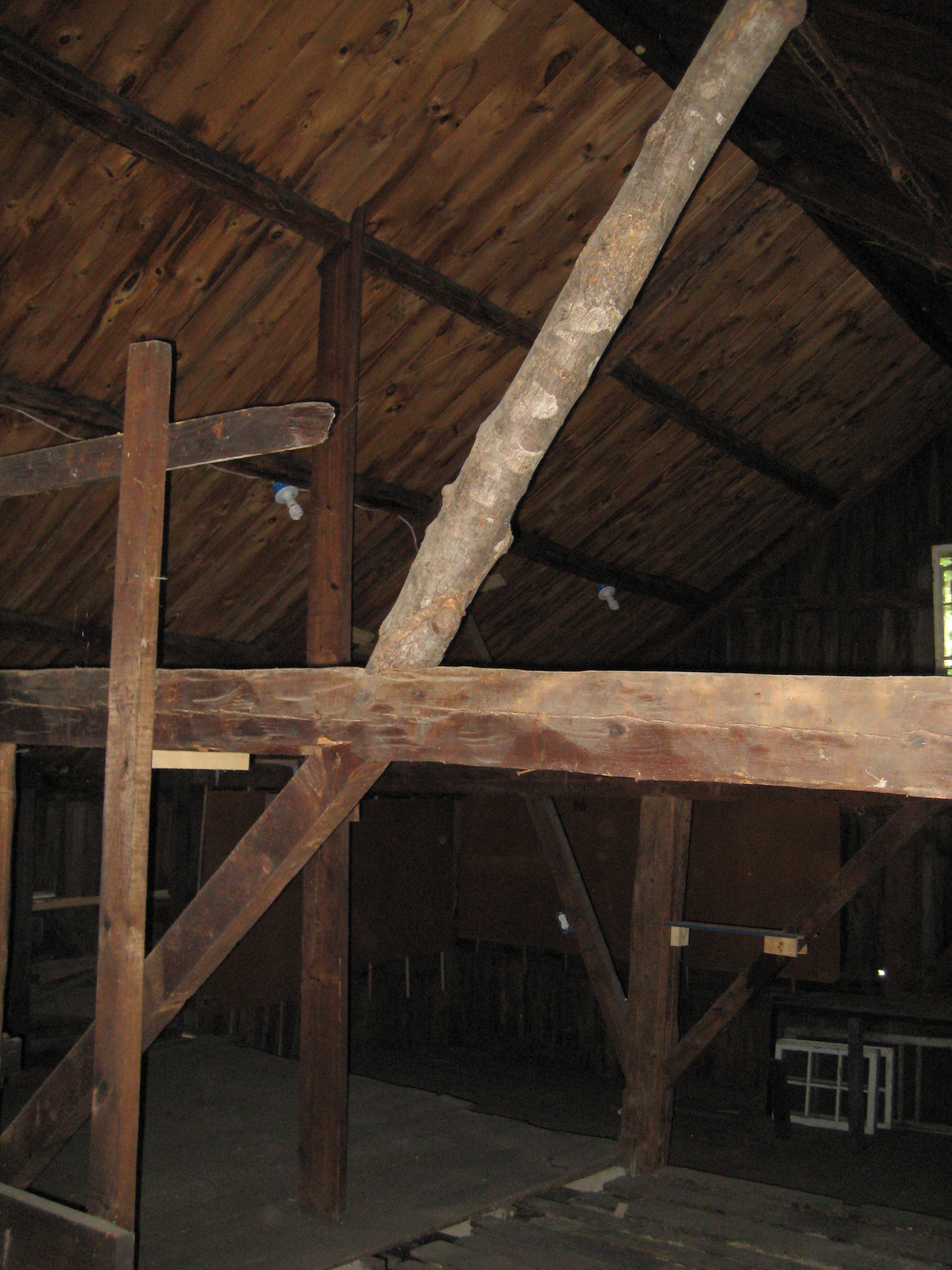
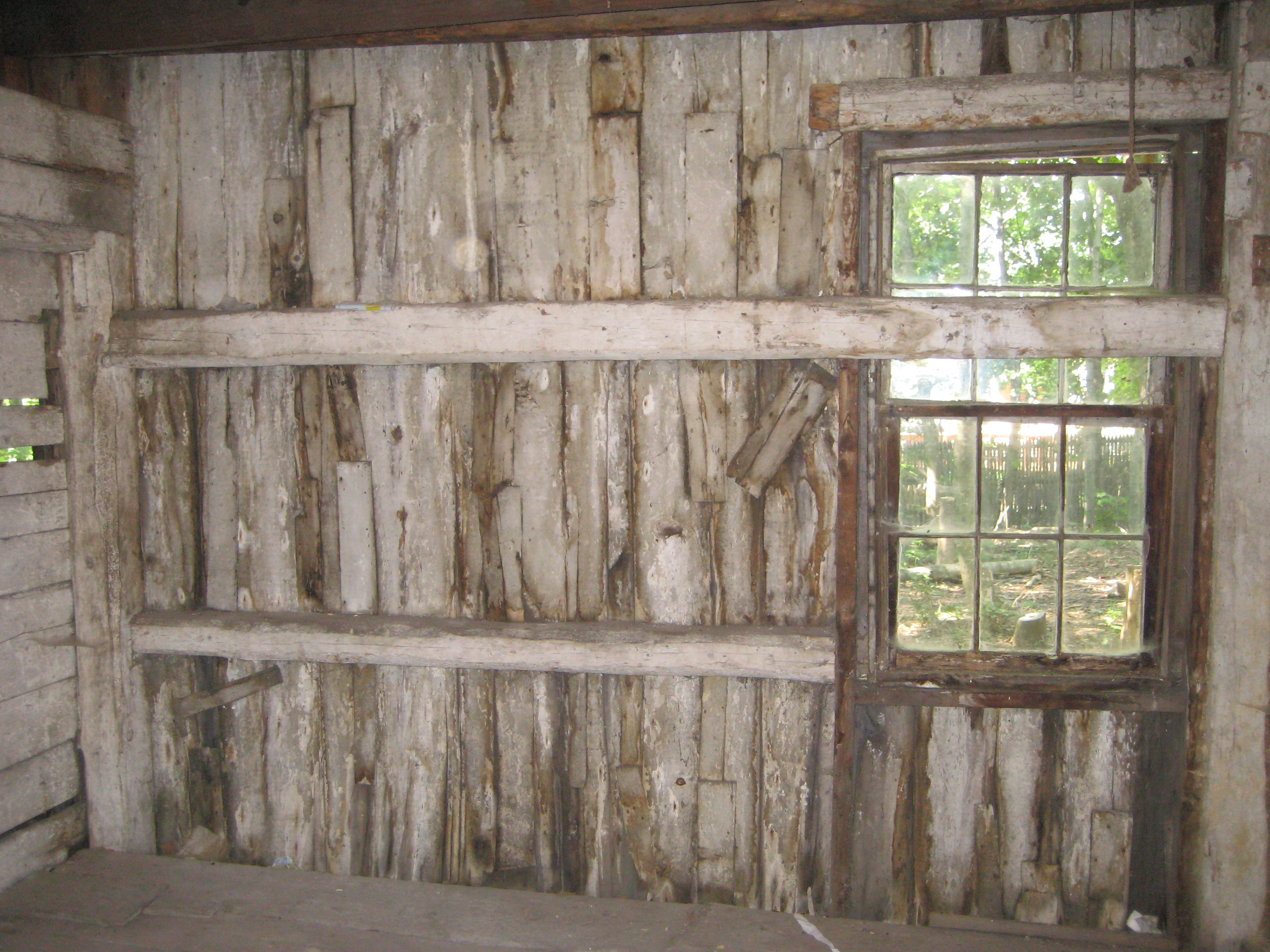
On some acreage not far from the Fore River Estuary, in what is present day South Portland, a barn was erected, with an Ell connecting it to the owner’s 3-bedroom farmhouse. In those days when horsepower was a literal measurement, you would have to assume that the boards and beams were hand milled from trees that grew very close to the barn’s location. The granite foundation stones would also have been site specific.
One hundred eighty years later, in 2010, that property – much of which had been subdivided, leaving one-half acre (still large by South Portland standards) – went into foreclosure. A young couple purchased the lot, but in July 2012, they put it back on the market. Pretty much at the foreclosure price.
As of 30 August 2012, we now own that barn. The house and ell too. And an overgrown untended one-half acre lot. Last night was a blue moon, a double dragon full moon, no less. What have we begun?!!
An Art Farm began as a virtual operation, because we have been renting, and our landlord would not allow us to garden on the 1.5 acre property. But limitation spawned creativity (as it often does) and we decided to start our farm as ideas and images. Now we have set terra firma beneath our feet.
We have a project on our hands. The house has been unloved, and the last tenant pretty much used blunt tools to make curious renovations. We will undo those, but our first priority is heat and weatherization.
Autumn winds now blow, the sun’s zenith daily drops lower, we move nearer to the solstice; sometime on or before mid-December, our second child will join us. So for many reasons our priorities are made clear, and our focus is simple: a tight warm main house, made ready for winter. The ell will be tackled in a later season. The barn, regrettably, will need to come down. Now.
We would love to restore it, but that cost is prohibitive. Not even an option. We would love to dismantle and save the wood. A difficult task to arrange. Tales are told of “guys who will come and barter their labor for the wood” but the closest we found was a salvager who would charge $10,000 and take the wood. “Those beams are not the premium beams, you see,” they told us, via email, and thereby not having the courage to say that with a straight face.
I do have a friend, the owner of heavy equipment and a dumptruck, who will help us tear down the barn, salvage some wood, then haul the rest off to the dump. Perhaps not my first choice, and somewhat prickly about adding more to the landfill, but circumstances seem to conspire us in that direction.
Our renovation interest is less about historic and all about forward looking. In the coming weeks we will blog often on the topic of home renovation. Issues of heating choice – Kerosene, Heating Oil, Natural Gas or wood-burning stove – will be weighed heavily. The cost-benefits of dense-pack cellulose insulation and the steps toward achieving a “super-insulated” home will be thoroughly described. The chemistry, properties and remediation of radon – an inert gas that can be cancerous – will be tackled. All of these are real world issues that we must act upon as we move to our designated goal: occupying our 1,360 square foot house on or before pregnancy week 36.
In equal measure, I am optimistic and, admittedly, overwhelmed. I have never tackled any project of this scale. When Becca was pregnant with E, I built two cabinets and a chest of drawers. I felt mighty proud!
My day job, however, managing a 24,000 square foot home, plus a 3,000 sf ski chalet, has given me some facility in this area, and a great retinue of tradesmen to help out.
We have found what seems to be the ideal contractor: a farmer, who who also builds super efficient homes, often using straw bales for insulation. The homes are beautiful – sparing clean lines, organic, tactile – and consume such low amounts of fuel that the energy companies have actually sent representatives to complain that the homes were confounding their scheduled fuel delivery.
So we begin. I can’t help but to recall my inaugural blog, (“What is An Art Farm?”) when I wrote about ““place and participation/cultivating knowledge, participation, food in the age of monoculture/practical and critical processes for the hungry, lost and restless.” Place and participation, indeed!
I hope to document this home renovation well enough, and in detail enough, to help others who might consider a small house renovation. Or follow their path to an art farm of their own…
no blight this year
Posted: August 27, 2012 Filed under: Farming off the Farm 2 Comments
today’s harvest. a great tomato year in maine!
Ripening fruit
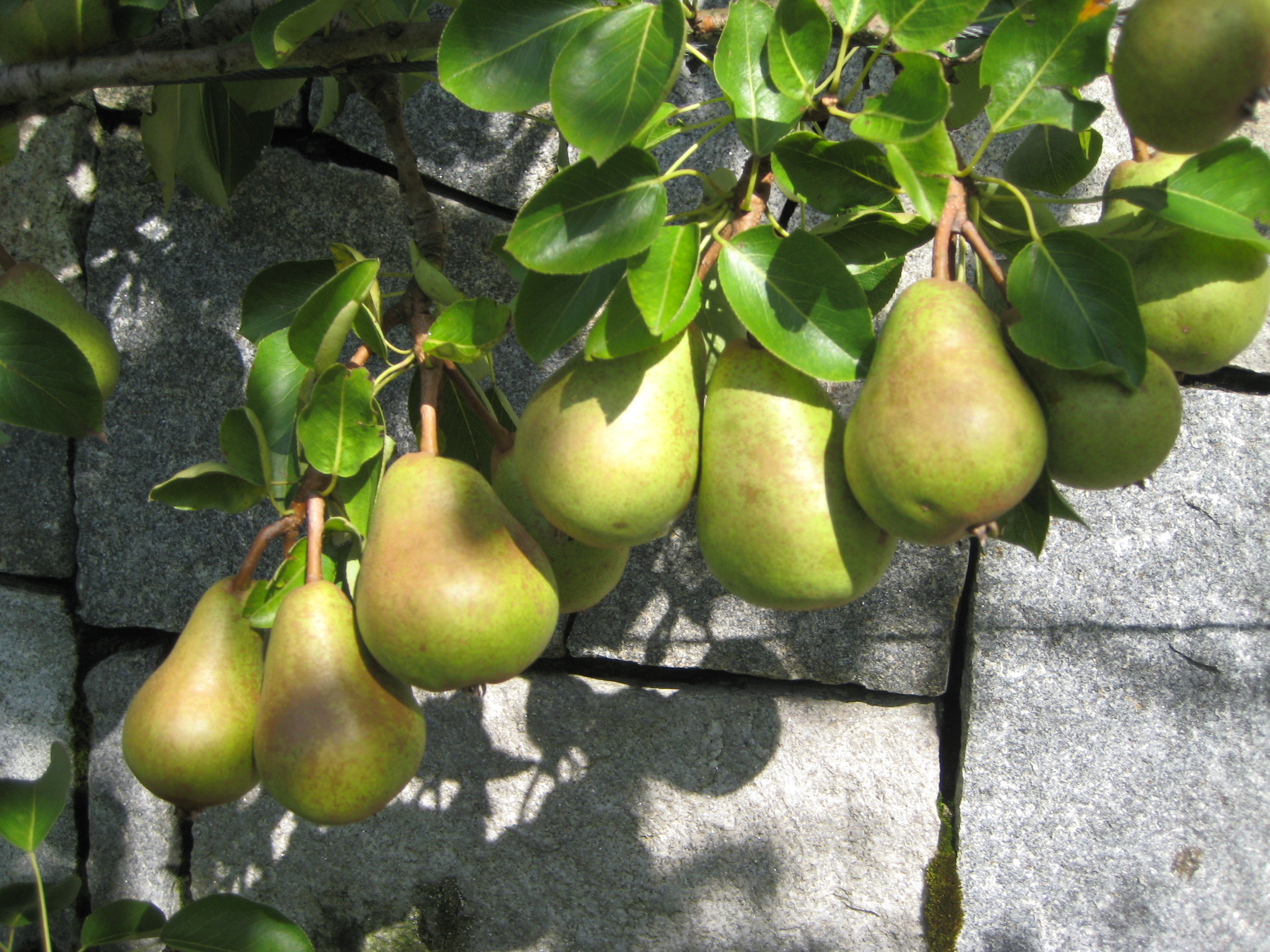
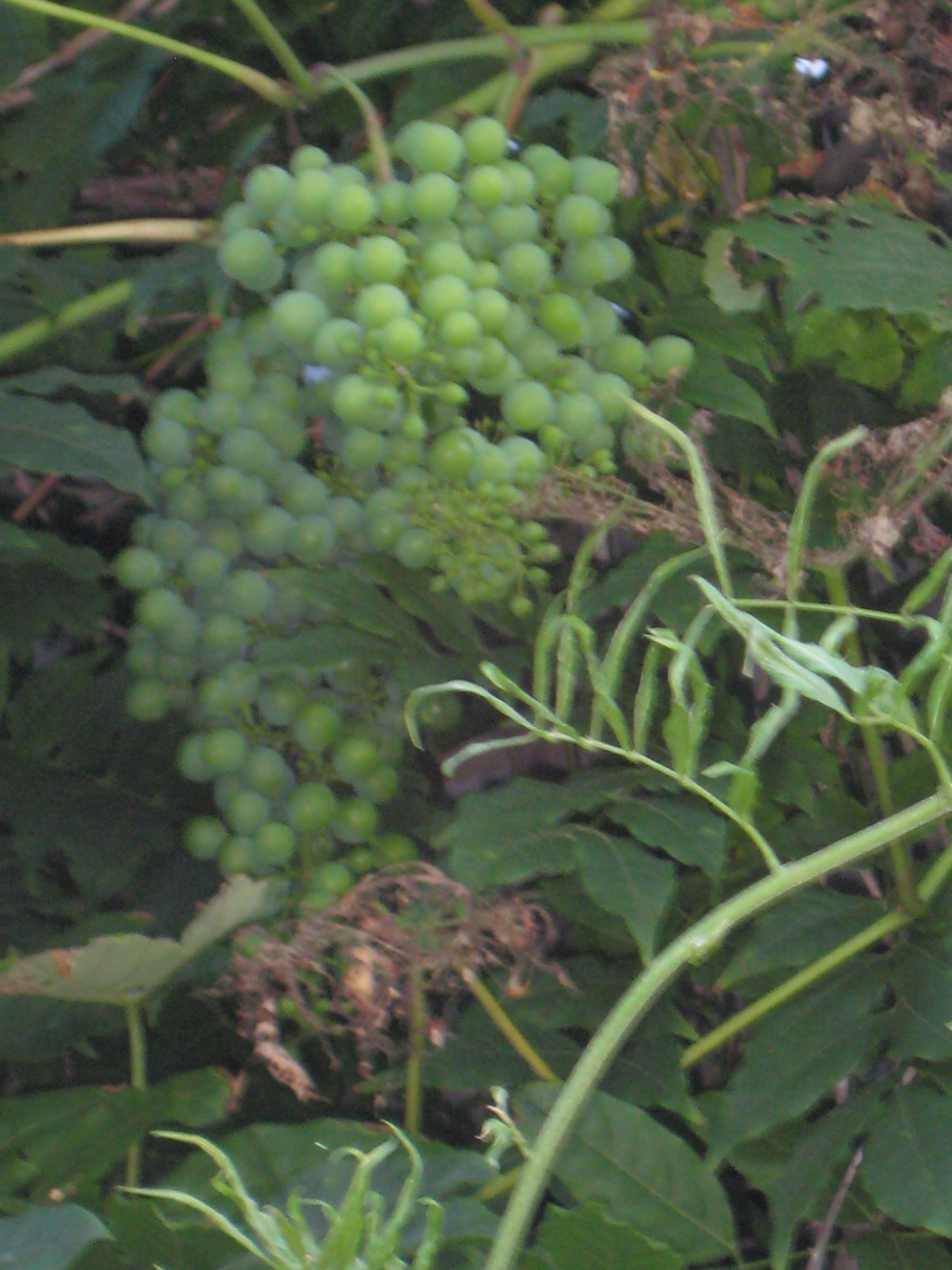
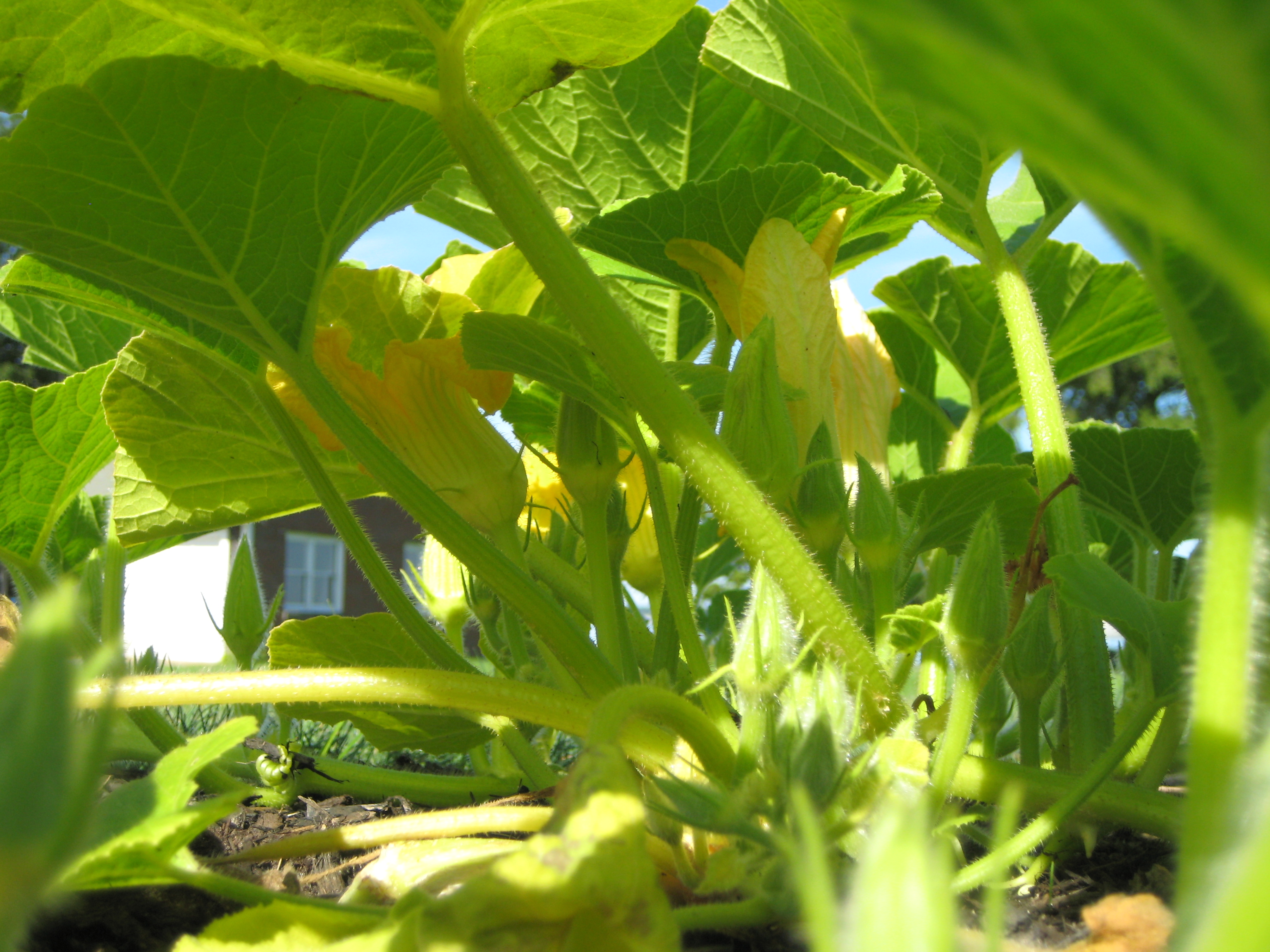
Posted: August 15, 2012 Filed under: Farming off the Farm 1 CommentHere are some photos taken at the estate. The various fruits are ripening nicely; the pears always come first, followed by the grapes, then the apples and quince. The pumpkin vines are robust but no fruits yet. I have never grown pumpkins so I am not sure what the timing should be.





“Drunk With Pines”, Neruda
Posted: August 12, 2012 Filed under: Art & Healing, Gallery - Quotes Leave a commentCould Neruda be the contemporary descendant of Sappho?
Drunk with pines and long kisses, / like summer I steer the fast sail of the roses, / bent towards the death of the thin day, / stuck into my solid marine madness.
Pale and lashed to my ravenous water, / I cruise in the sour smell of the naked climate, / still dressed in gray and bitter sounds / and a sad crest of abandoned spray.
Hardened by passions, I go mounted on my one wave, / lunar, solar, burning and cold, all at once, / becalmed in the throat of the fortunate isles / that are white and sweet as cool hips.
In the moist night my garment of kisses trembles / charged to insanity with electric currents, / heroically divided into dreams / and intoxicating roses practicing on me.
Upstream, in the midst of the outer waves, / your parallel body yields to my arms / like a fish infinitely fastened to my soul, / quick and slow, in the energy under the sky.
“Afroditi of the Flowers at Knossos”, Sappho
Posted: August 11, 2012 Filed under: Art & Healing, Gallery - Quotes 1 CommentIn this poem, Sappho invites the Goddess of Love to partake in the celebration.
Afroditi of the Flowers at Knossos
“Hermis at a Wedding”, Sappho
Posted: August 10, 2012 Filed under: Art & Healing, Gallery - Quotes Leave a commentThere a bowl of ambrosia
was mixed, and Hermis
took the jug and poured wine for the gods
and then they all
held out cups and poured
libations and prayed for all blessings
for the groom.

