Worry Dolls
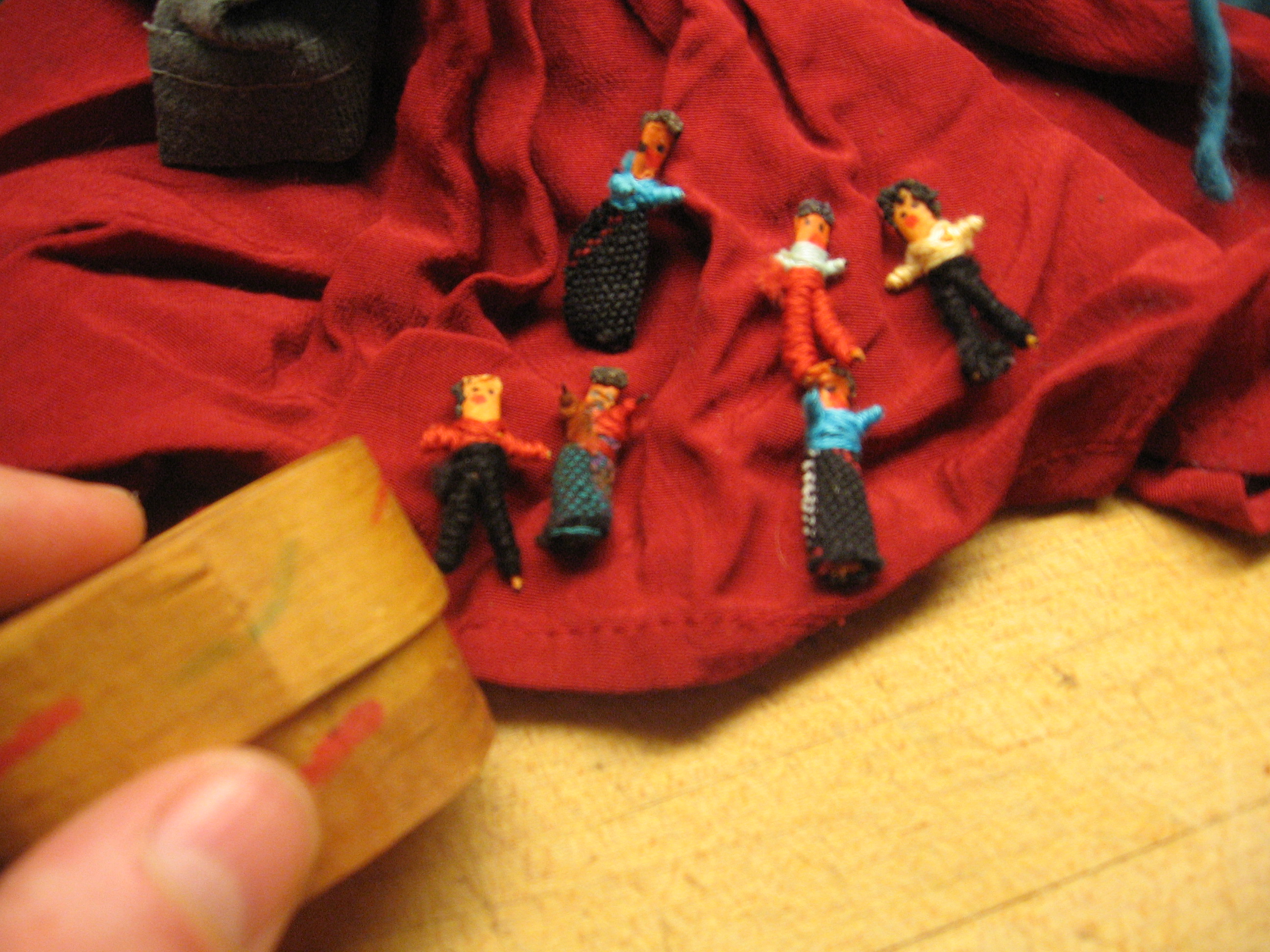
Posted: May 14, 2012 Filed under: Art & Healing, Child Centered Activities 5 CommentsThis month I am fortunate to provide enrichment groups for some K-5th grade students at a nearby elementary school. The principal shared with me her concern for some of the students and issues of anxiety. Many factors can contribute to a child’s feelings of anxiety such as troubles at home, social issues, academics and a million others. I got to thinking about Guatemalan Worry Dolls. The legend goes that before you go to bed, you whisper one worry to each doll then put them under your pillow. While you are sleeping, the dolls will take away your worries.
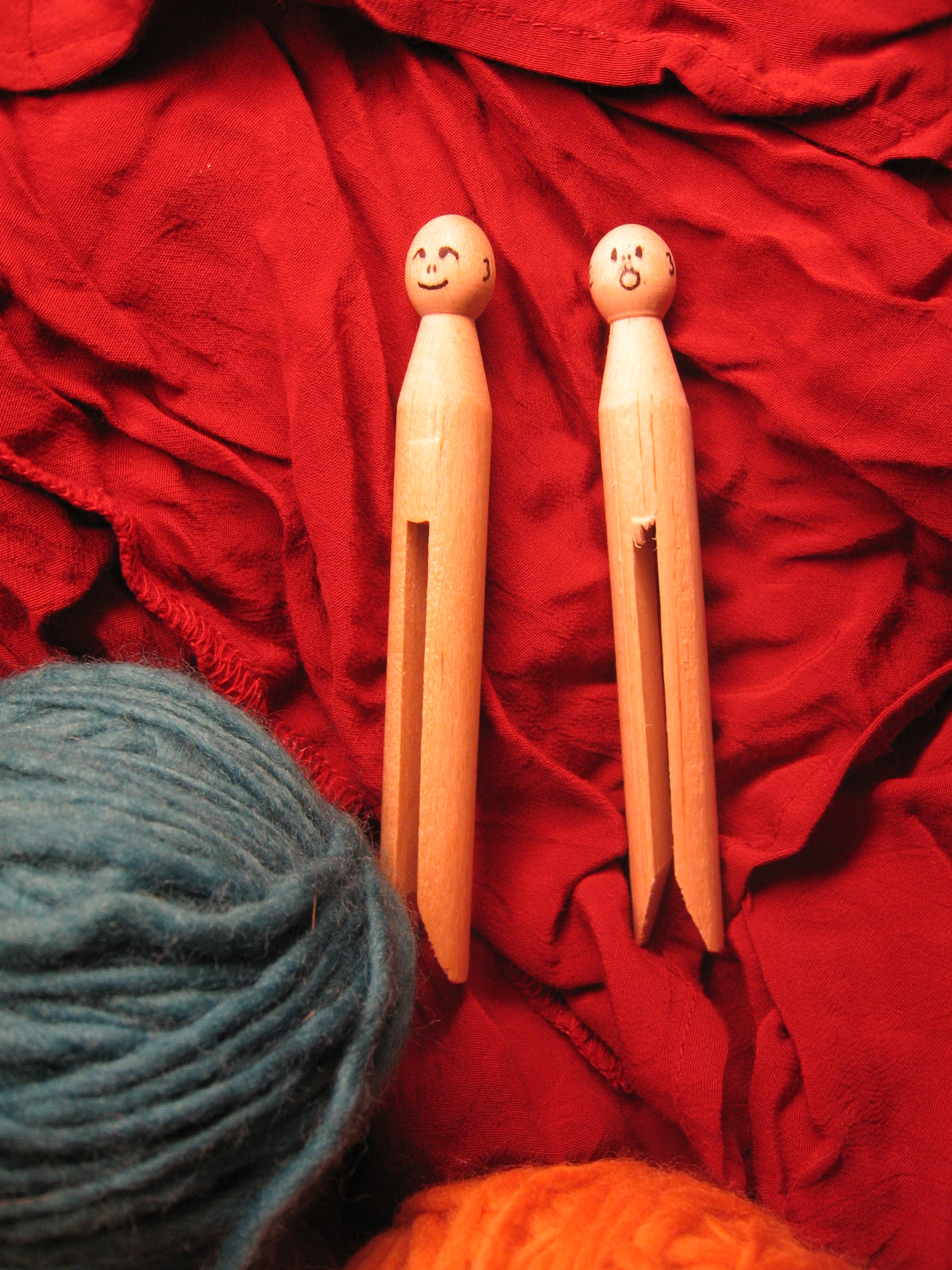
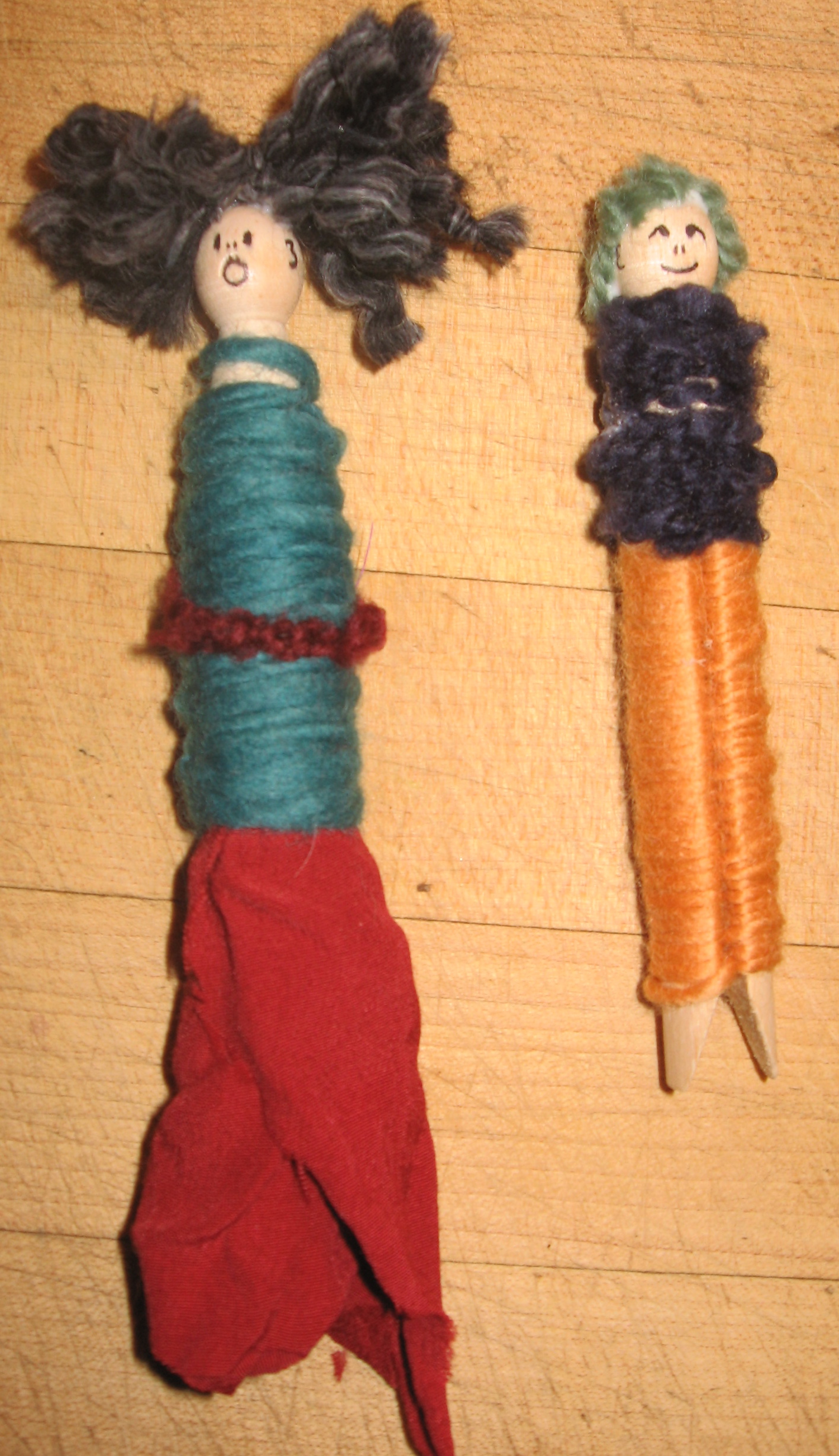
Emma Hardy has a wonderful “Peg Dolls” project from her Green Crafts for Children. Using wooden clothing pegs, fabric scraps, yarn, marker, scissors and glue, we will create worry dolls to help the children find an outside place to put their concerns.
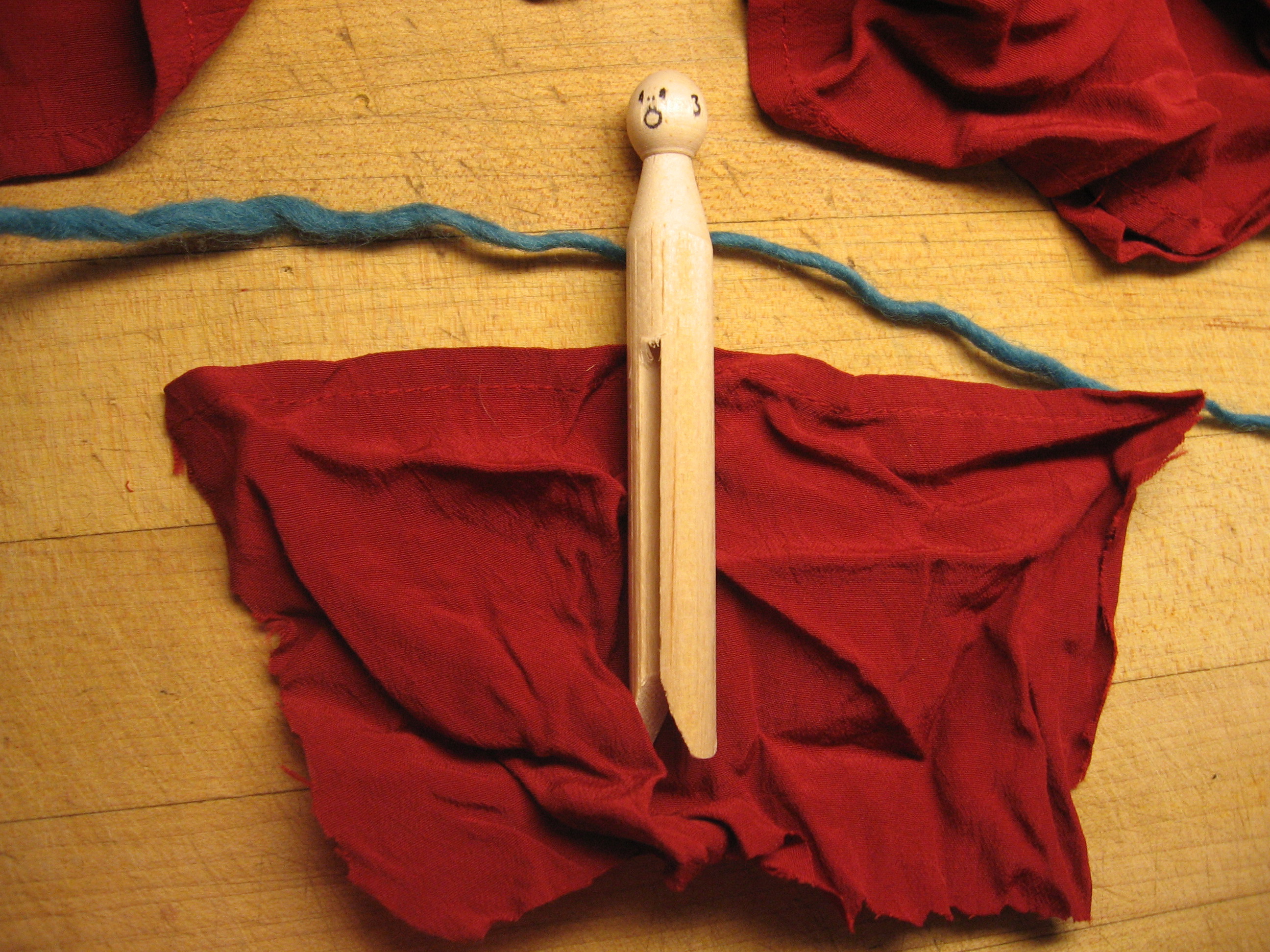
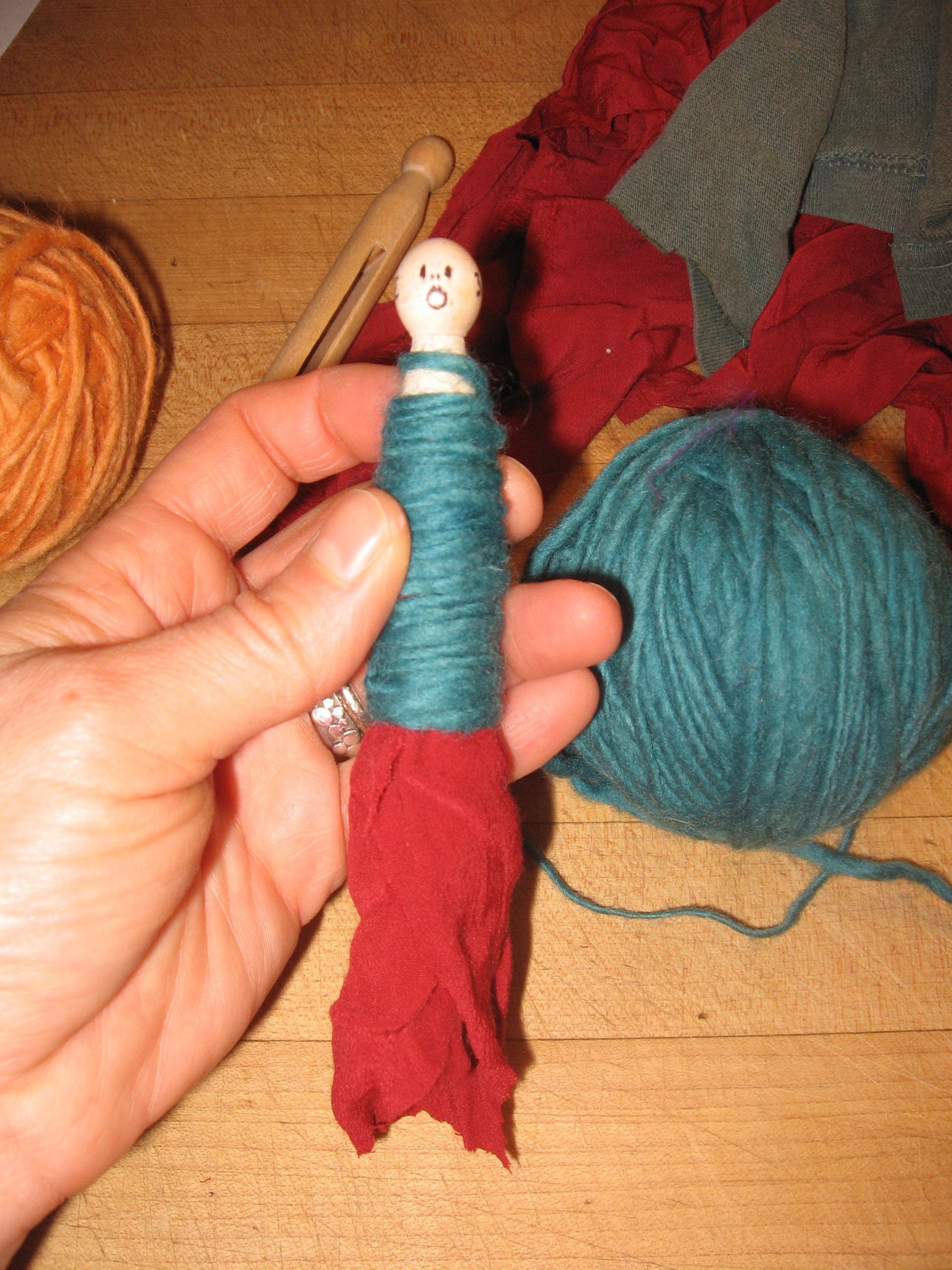
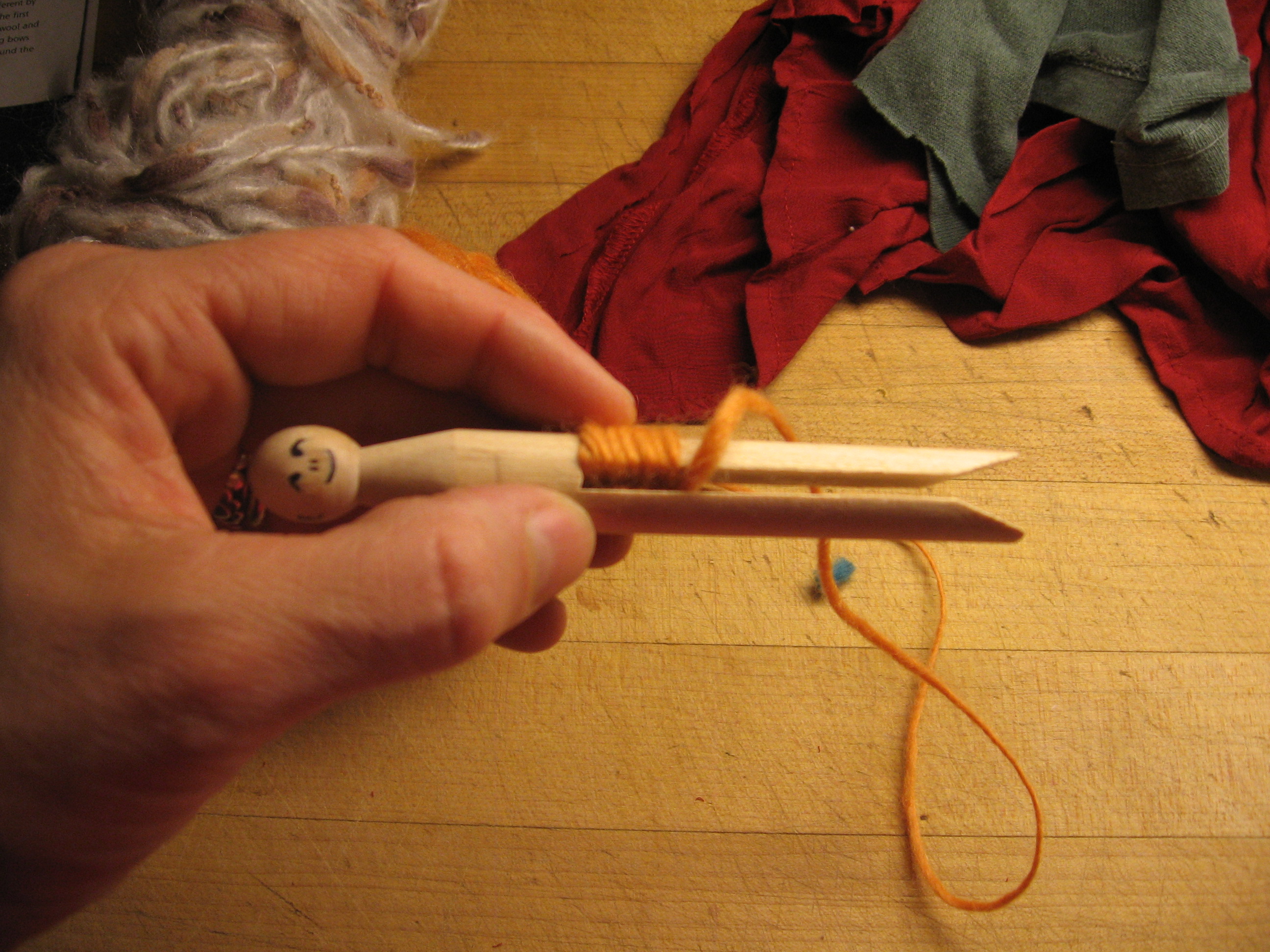
The process of creating these dolls is cathartic and soothing, in addition to the use of the dolls once completed. For example, the repetition of wrapping can help to settle a racing mind.
spring pageant
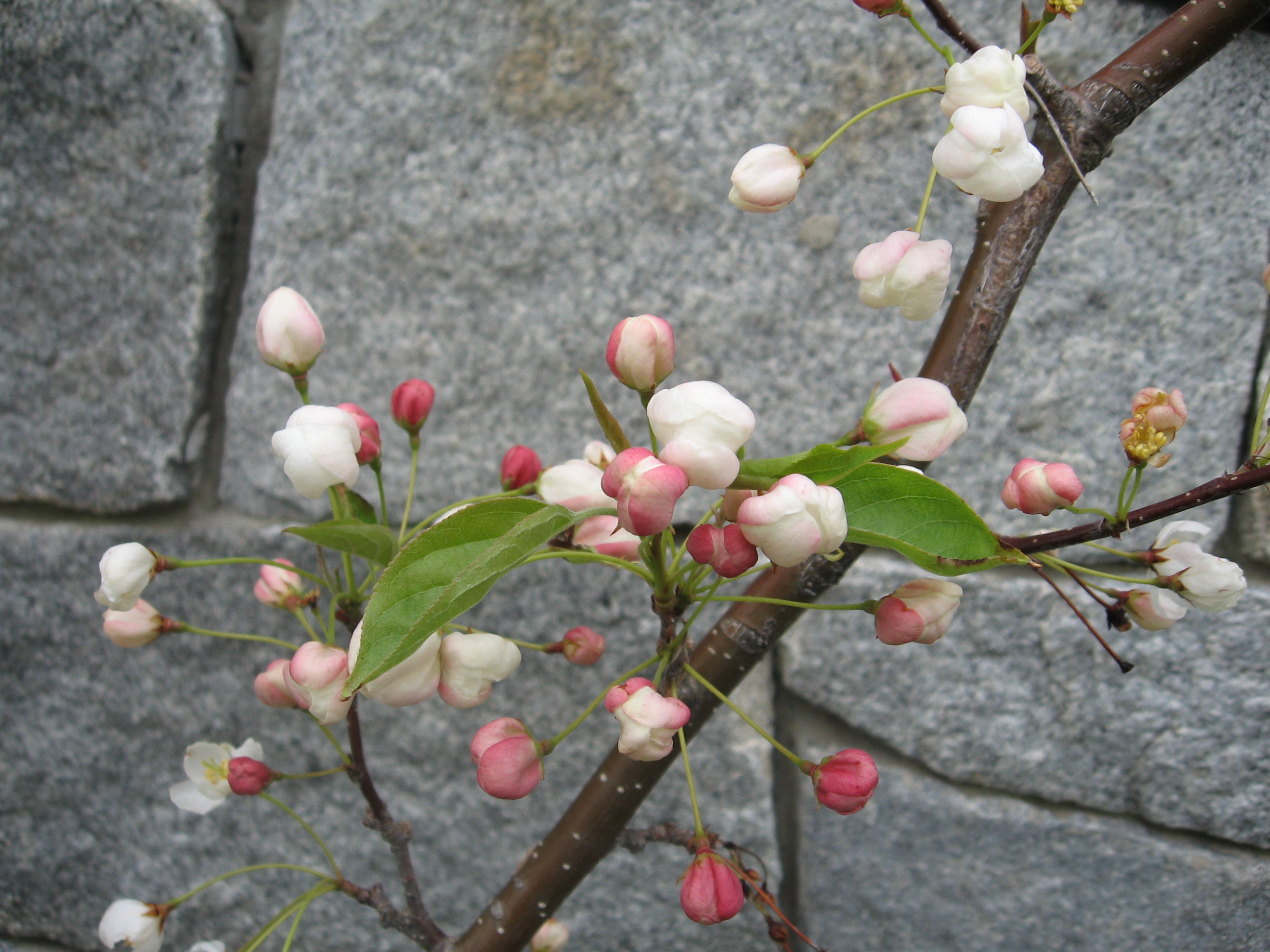
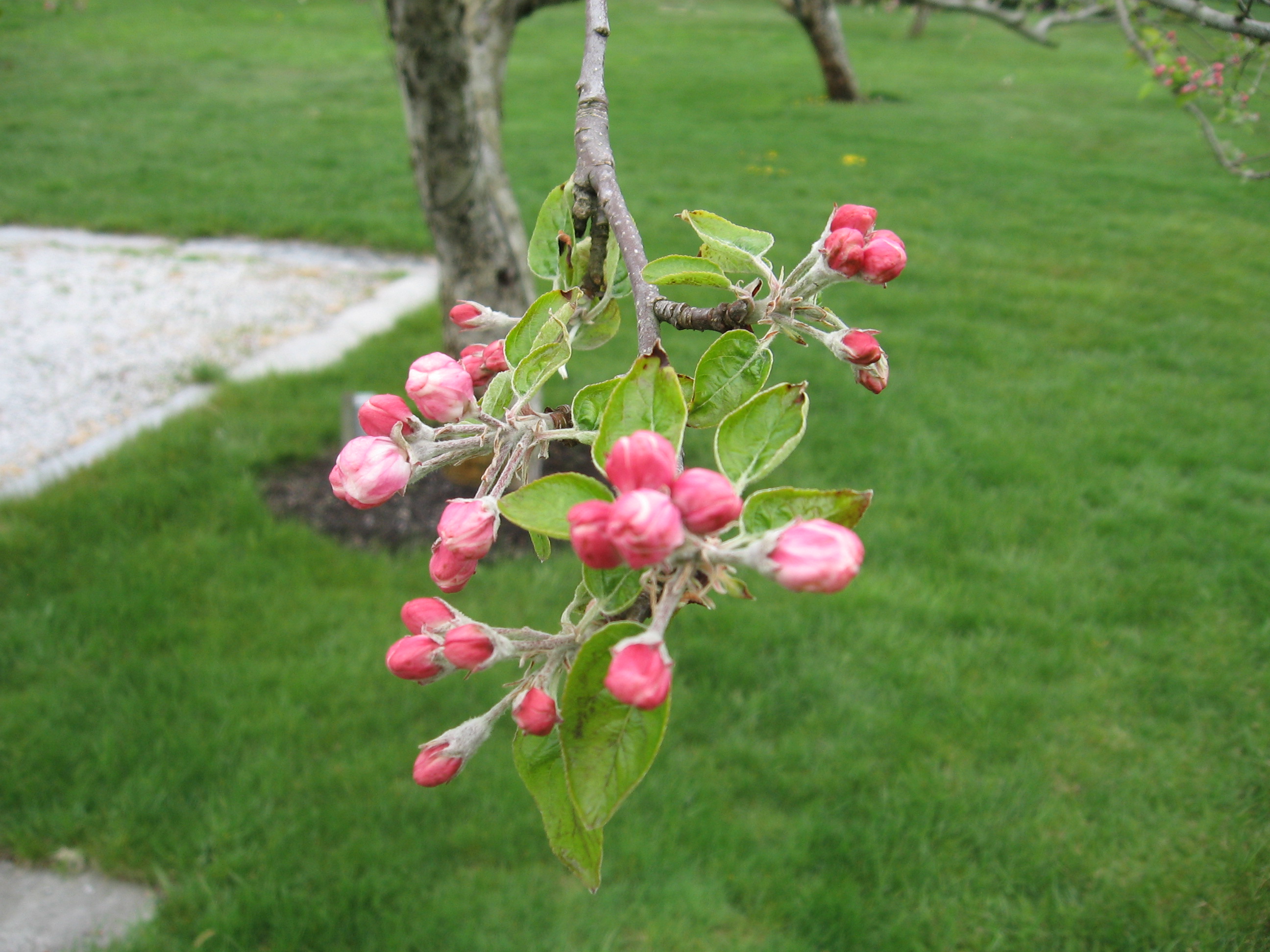
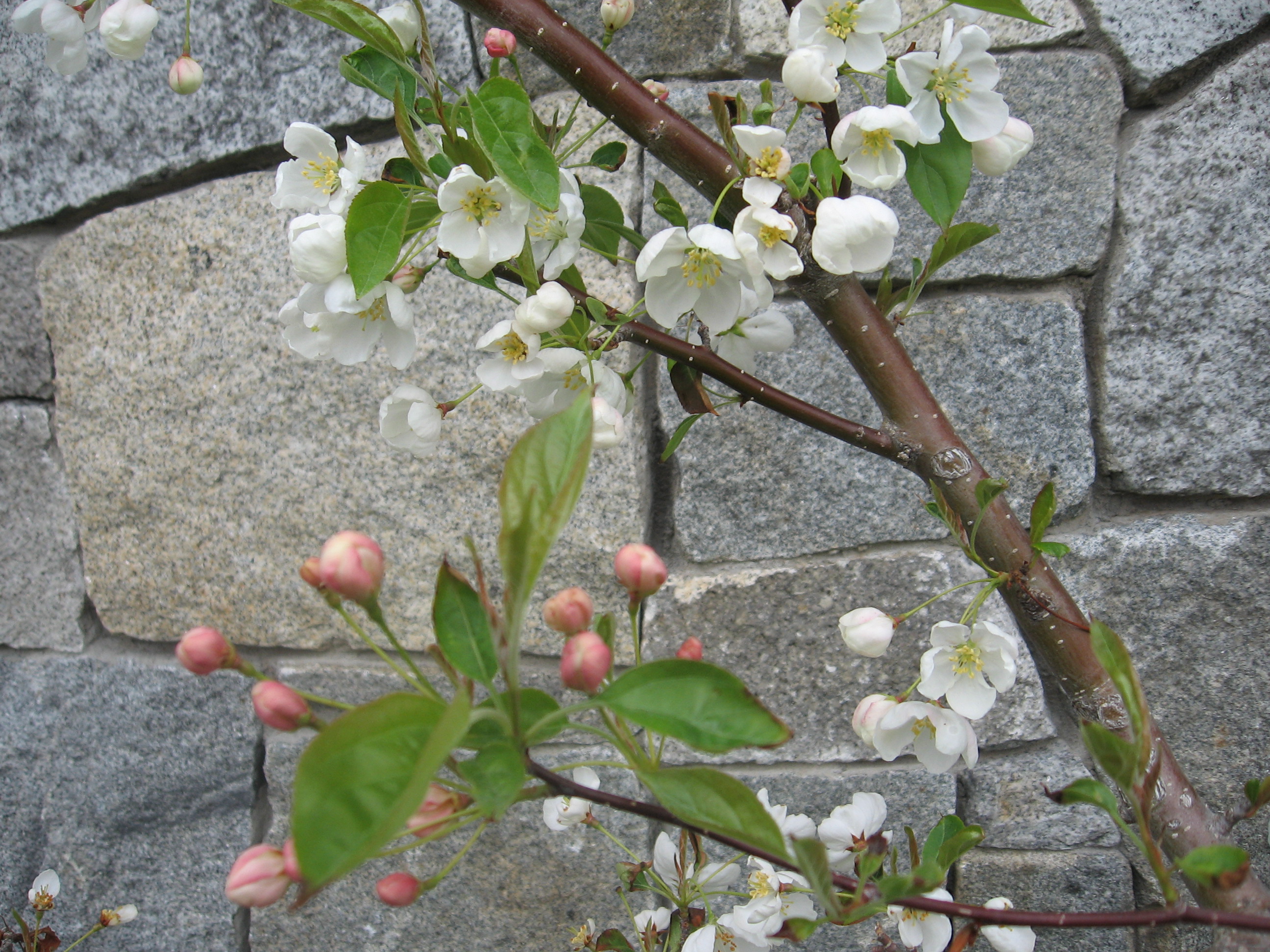
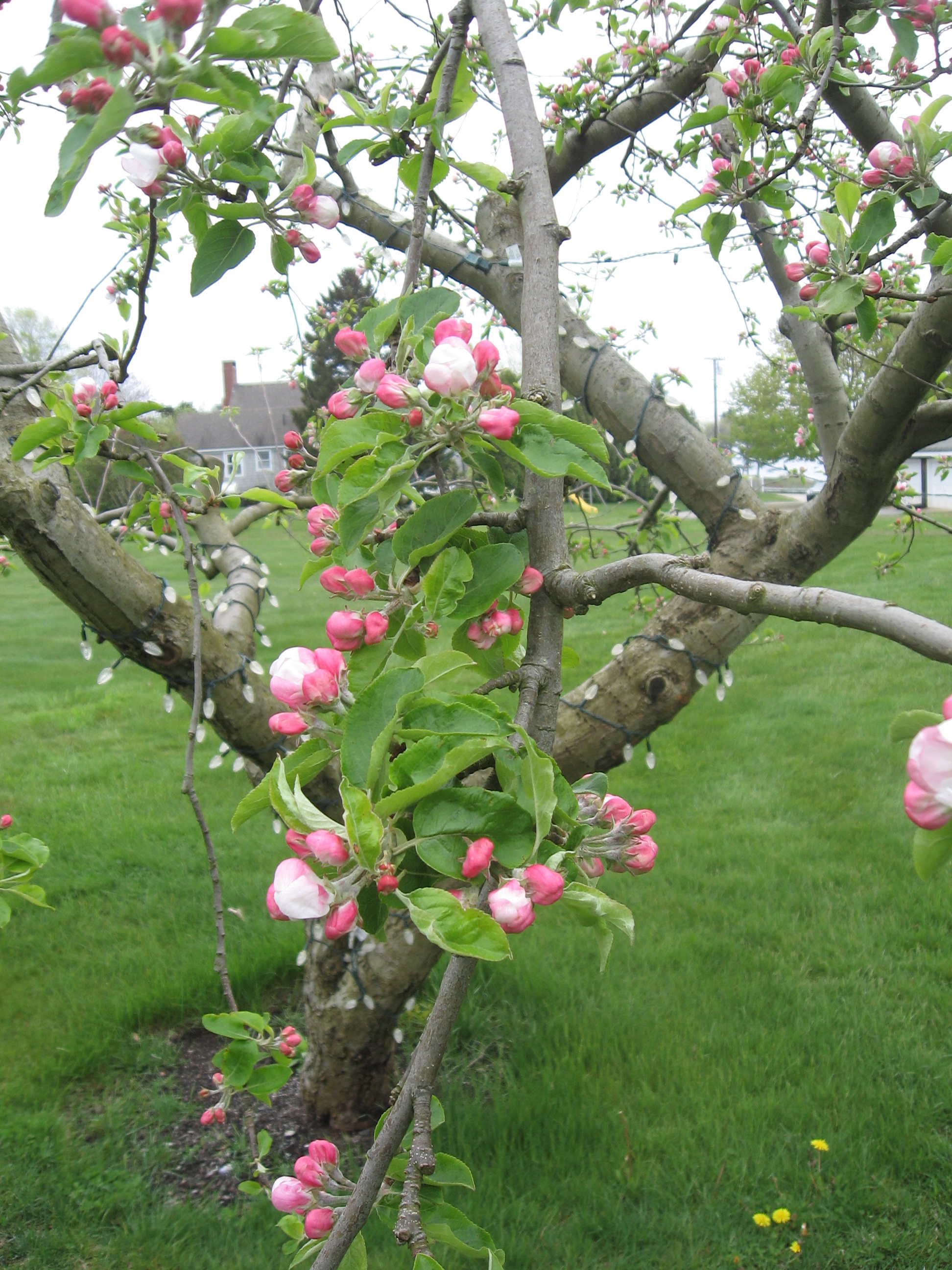
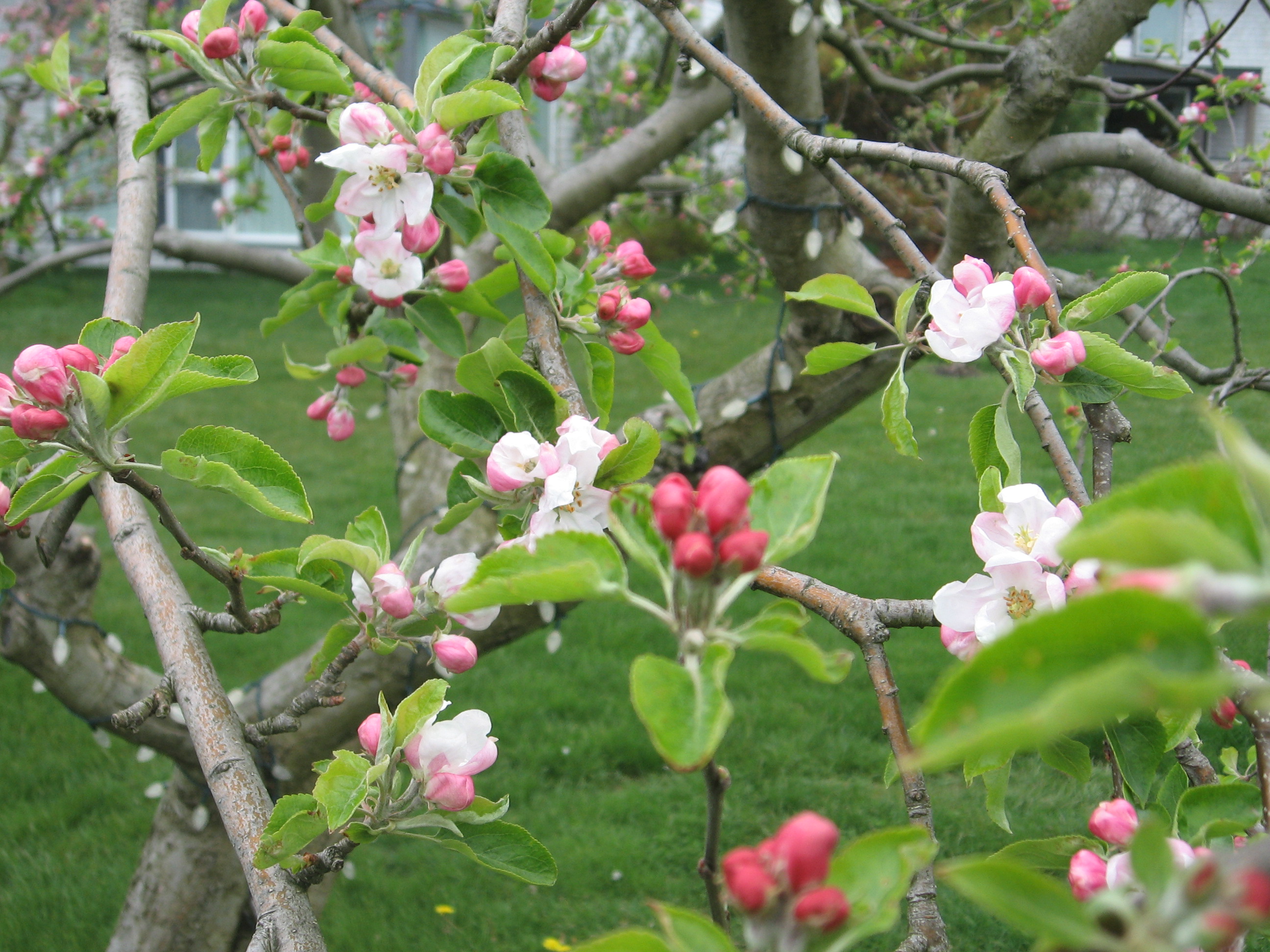
Posted: May 9, 2012 Filed under: Art & Healing, Gallery - Visual 2 CommentsHere in zone 6, on the ocean, there have been two weeks of cool, damp days. The trees and shrubs are happy, with buds ready to burst. This is the magic time, and with a day or two of sunshine, the apple orchard will be resplendent!





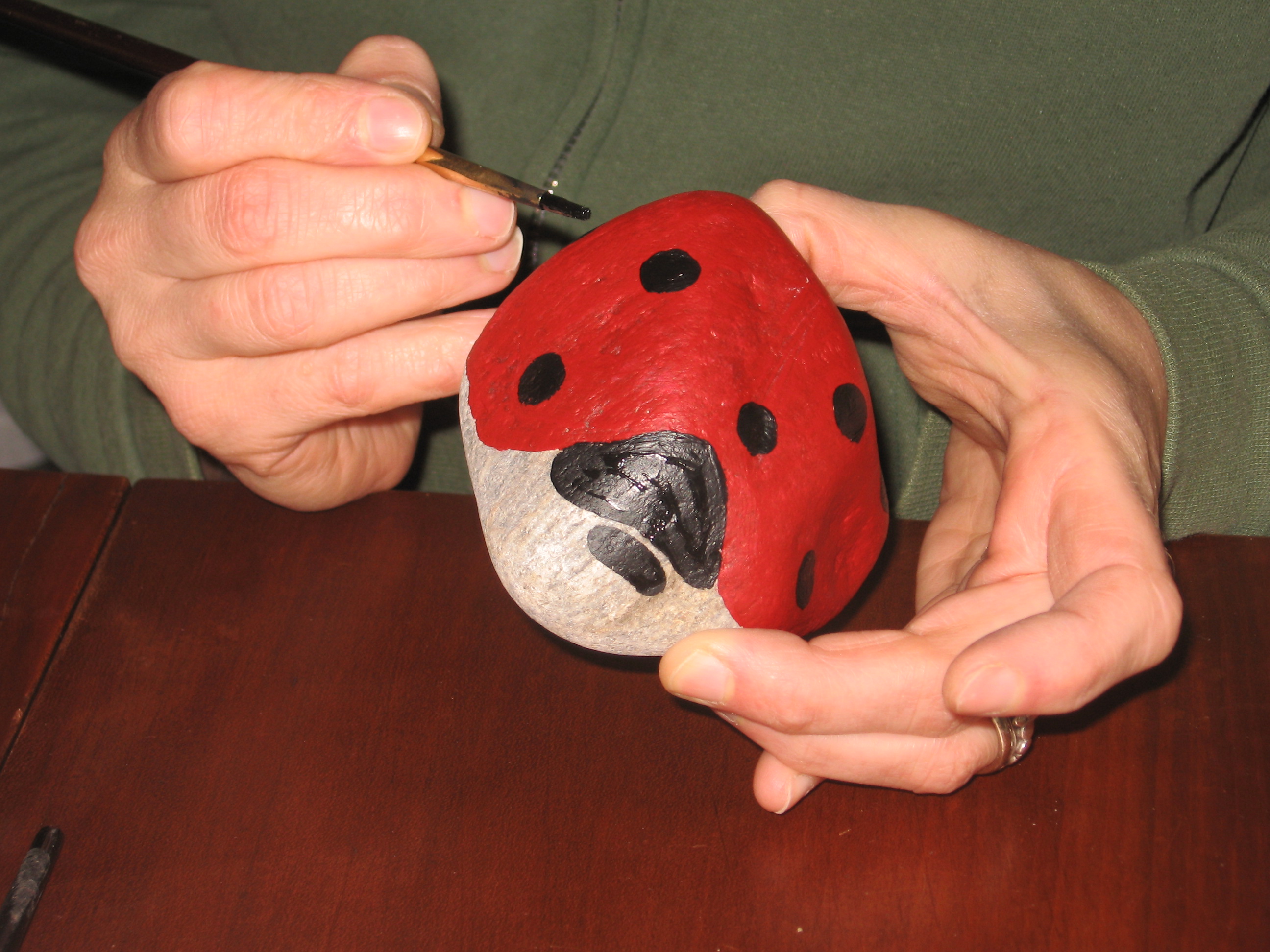
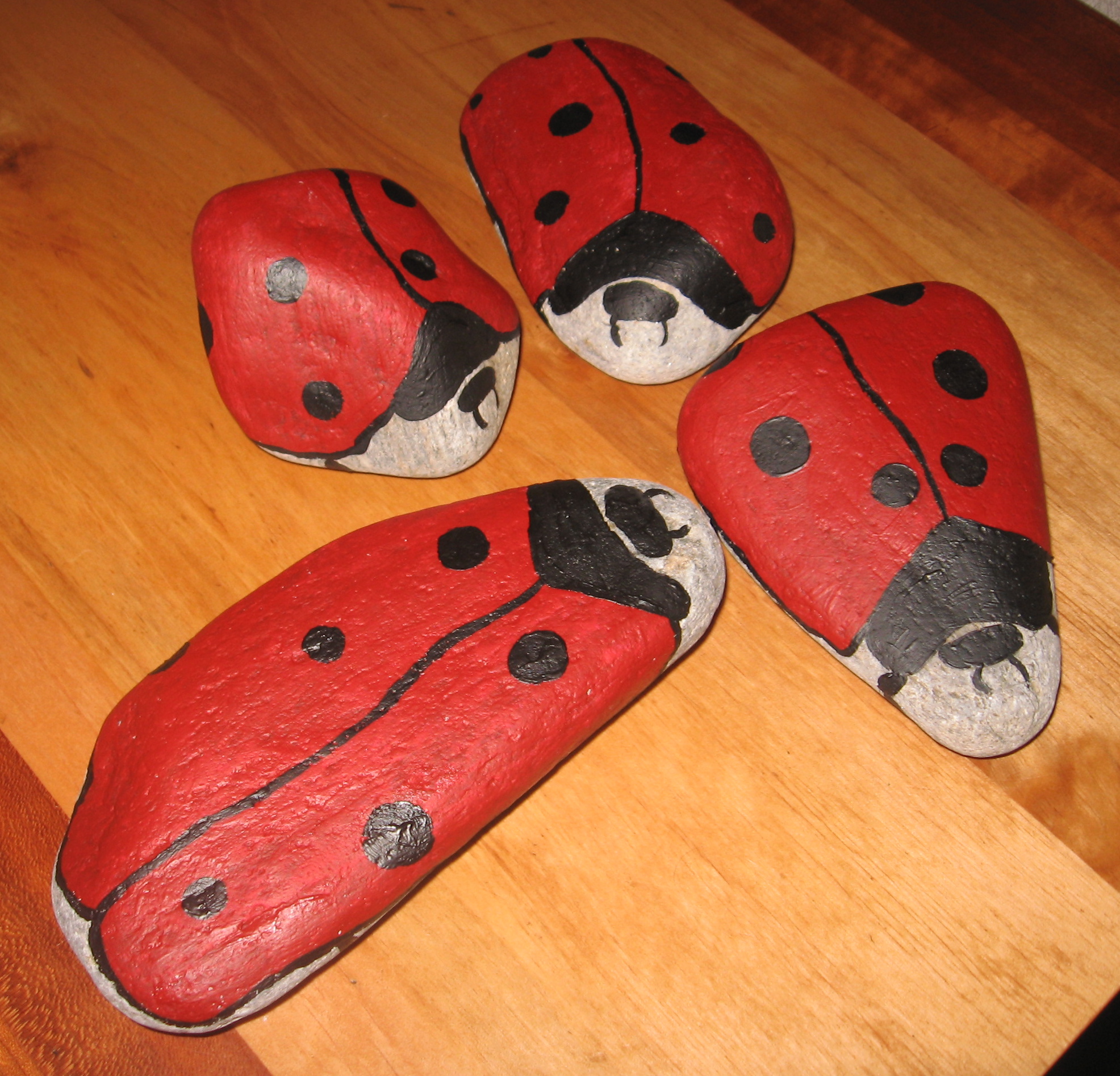
Beach Rocks = Garden Art
Posted: May 6, 2012 Filed under: Art & Healing 3 Comments On a recent play-date at the beach, a friend gave me this idea. Soon we will begin work at the community garden and these critters will help decorate the space.

Spring Still Life
Posted: March 18, 2012 Filed under: Art & Healing, Child Centered Activities 6 Comments

Art & the Brain
Posted: February 26, 2012 Filed under: Art & Healing Leave a commenthttp://www.self-help-healing-arts-journal.com/art-benefits-brain.html
Learning Shapes With Stencils
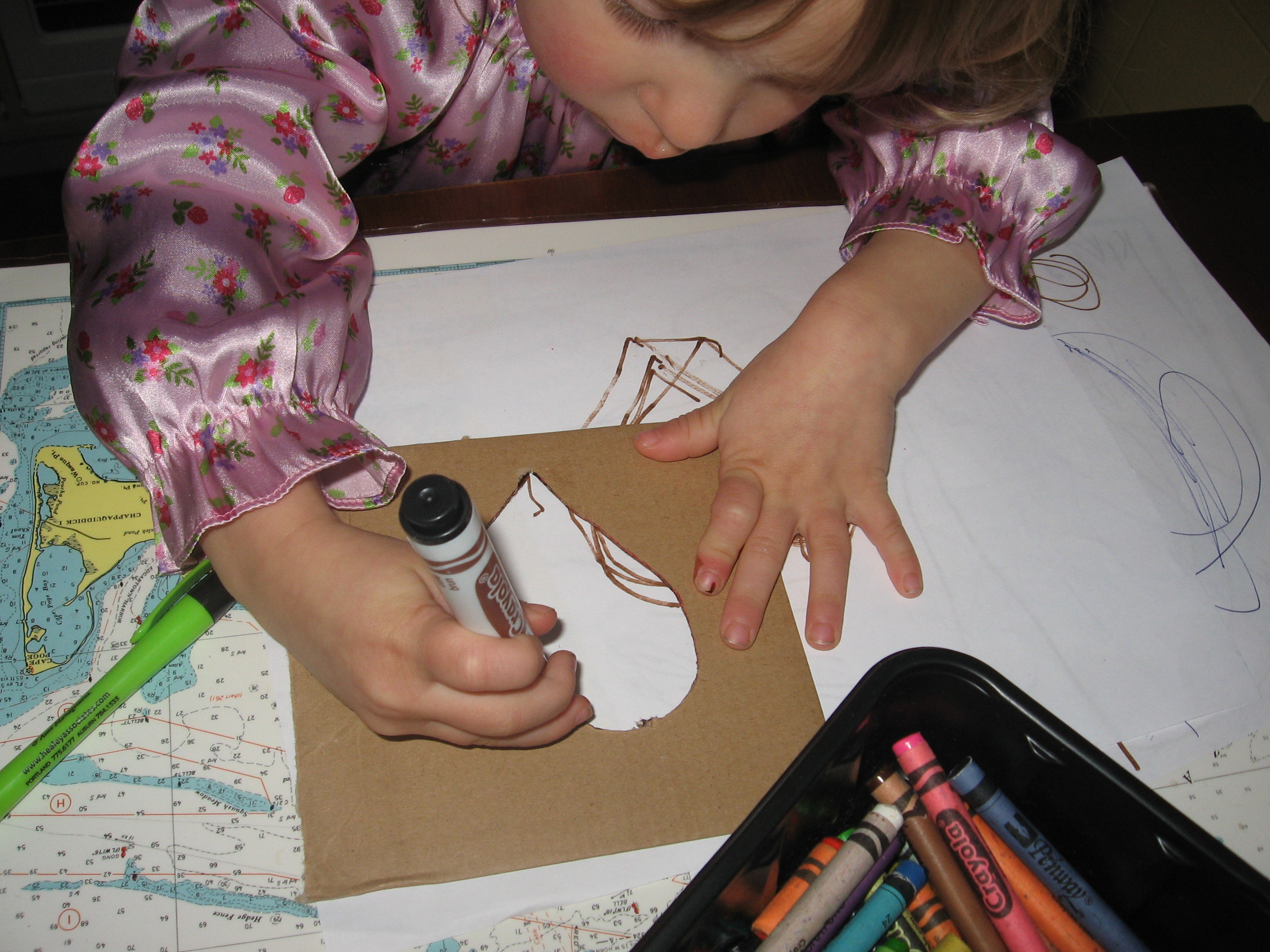
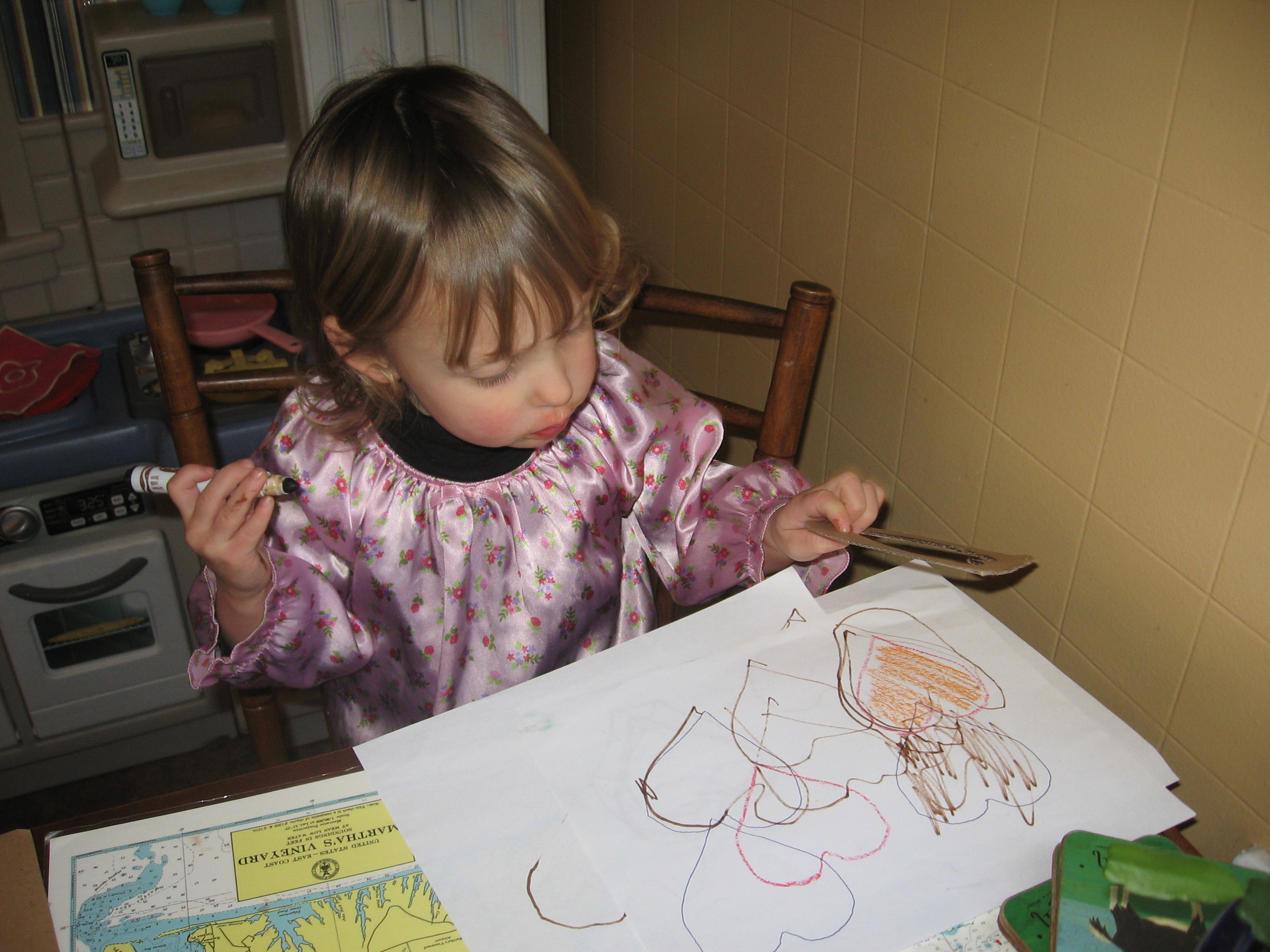
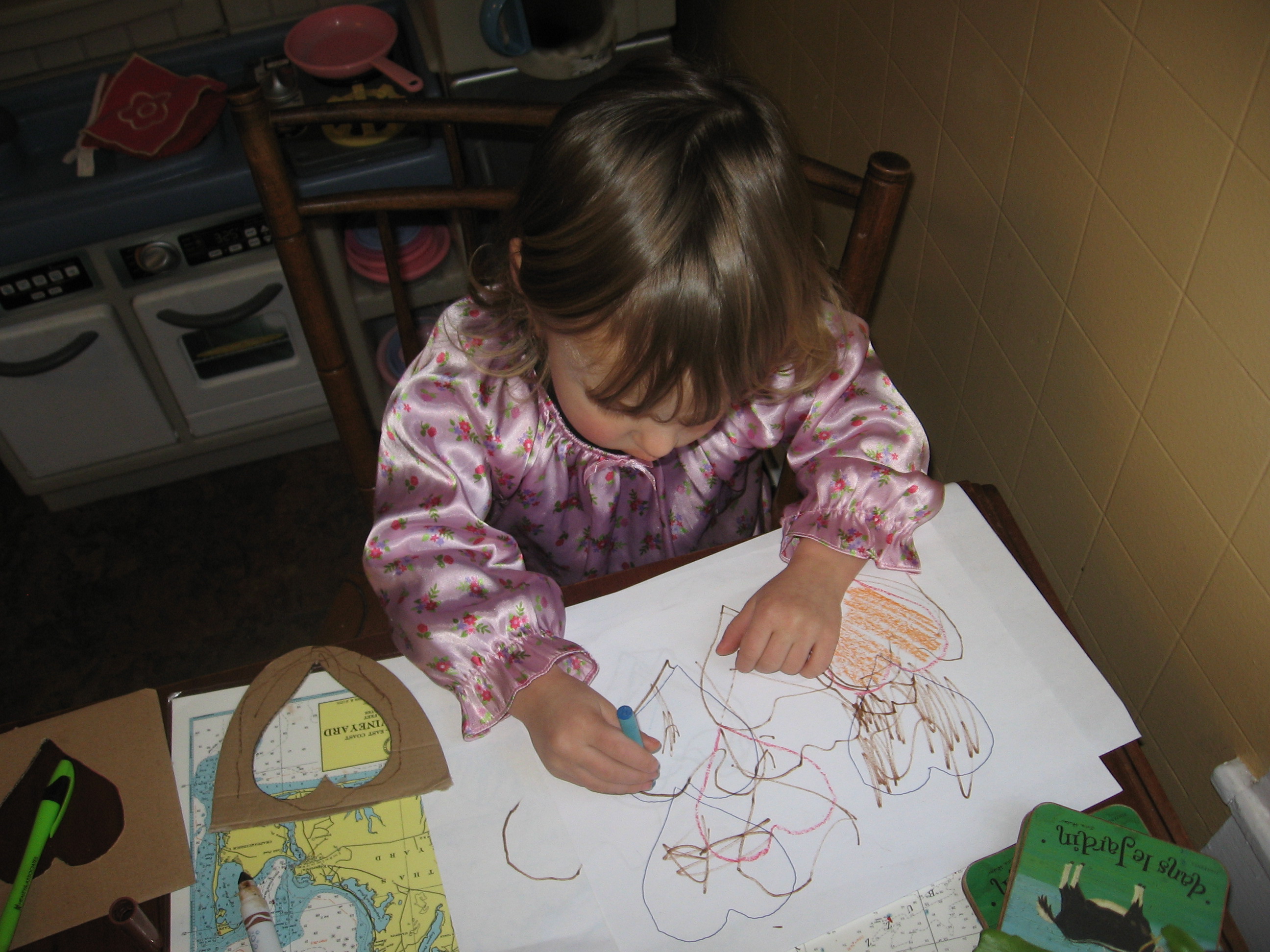
Posted: February 8, 2012 Filed under: Art & Healing, Child Centered Activities 5 CommentsUse some recycled cardboard scraps and trace simple shapes to cut out. I suggest using an x-acto knife up and out of reach of your little one. The nice thing about creating a stencil from corrugated cardboard is that it’s thick enough for your toddler to push against with his or her marker or crayon, without tearing easily. Encourage your child to hold stencil with one hand while following the edge with drawing tool in the other hand. Your toddler’s desire for repetition is just what you want here!!
Happy Valentine’s Day by the way!
Nutcracker, Anyone?
Posted: January 31, 2012 Filed under: Art & Healing, Child Centered Activities 4 CommentsIt’s been 3 months since David took our daughter to the Nutcracker performance in town. We are still listening to the music, dancing in dress-up clothes, singing the melodies and now making art together.
Working in her Nutcracker coloring book from Gramma Jane. Beautifully detailed depiction of all the characters. The music is playing in the background. 
Buttons & Beads
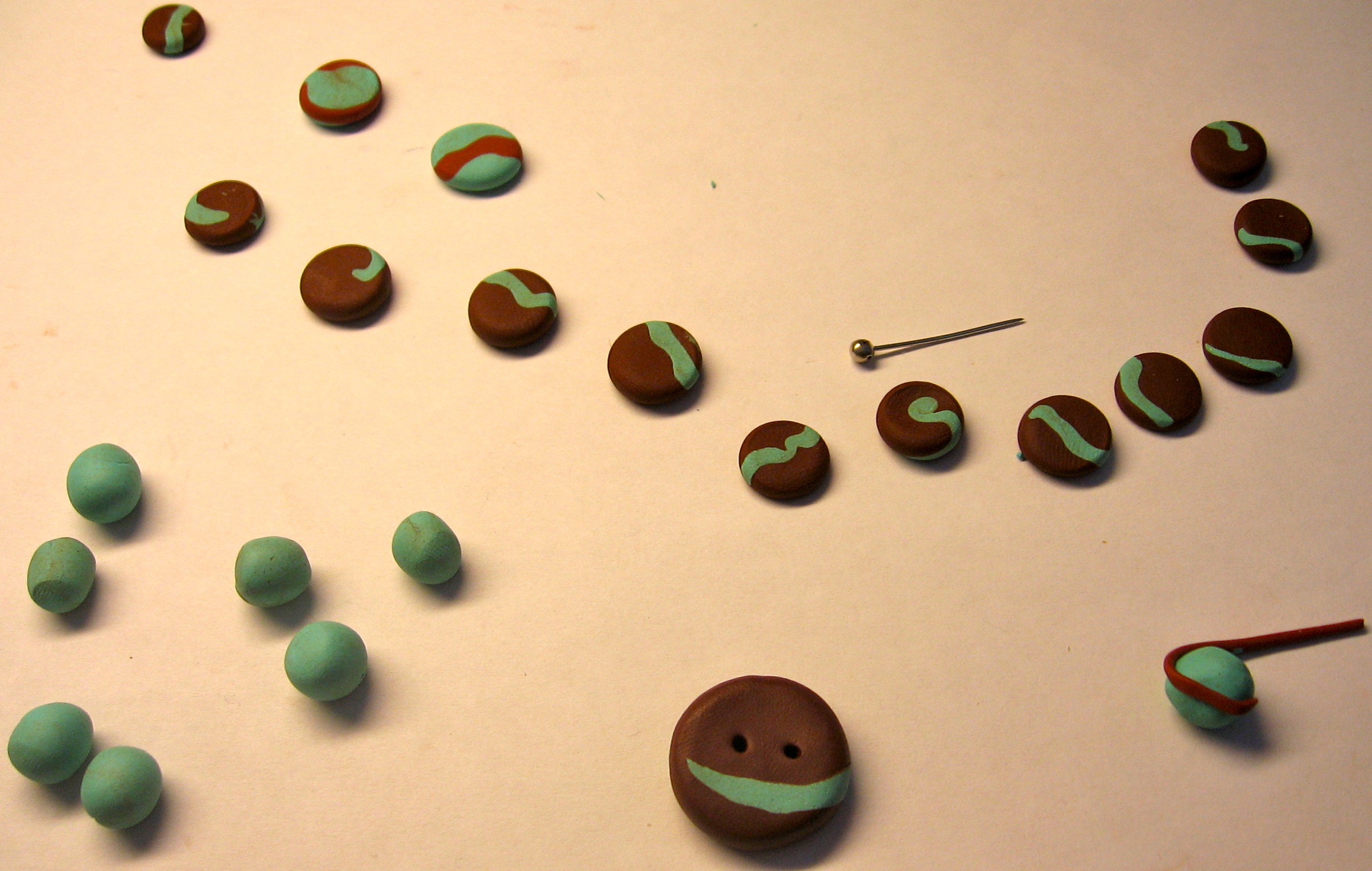
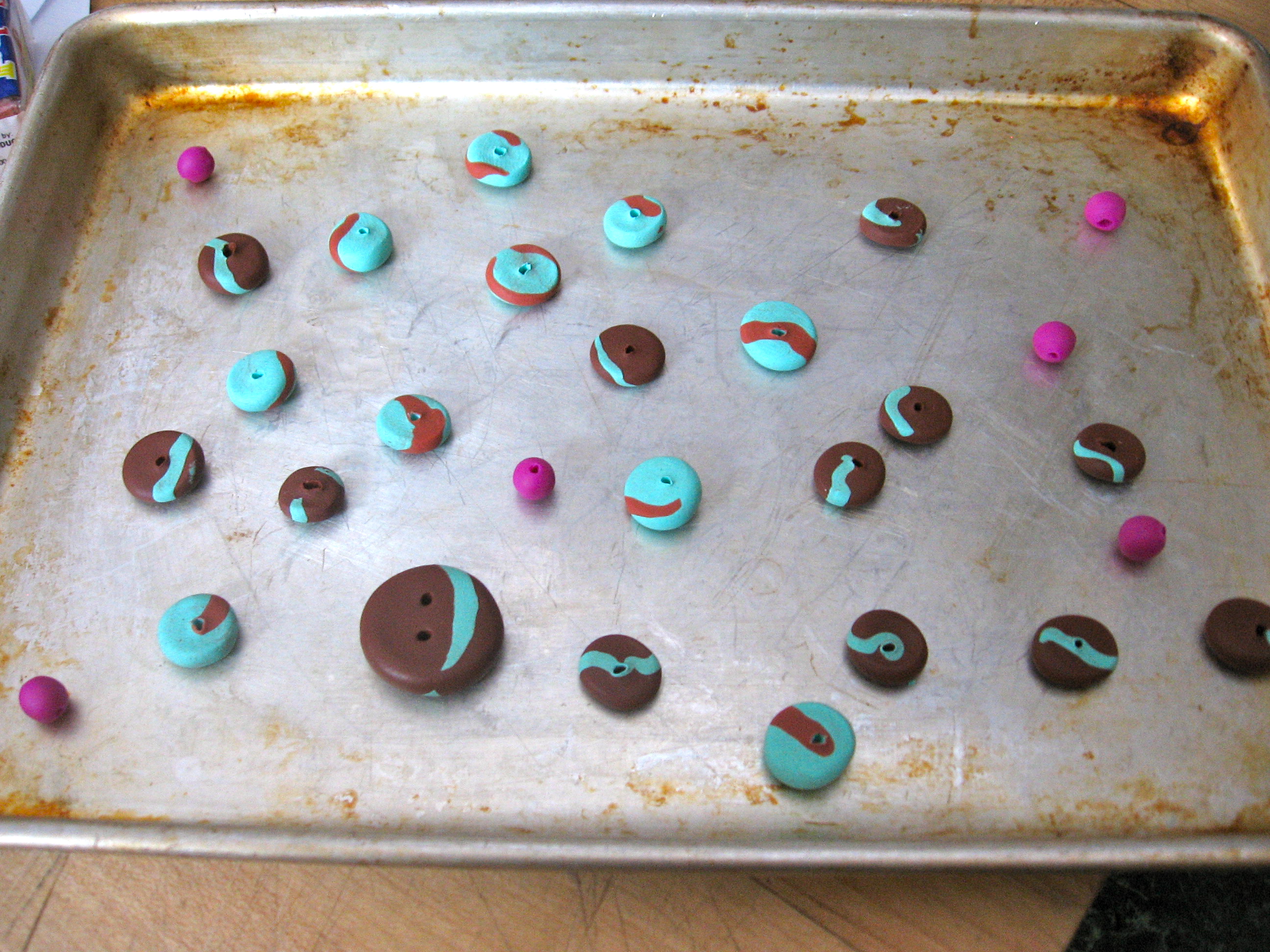
Posted: January 22, 2012 Filed under: Art & Healing, Child Centered Activities 4 CommentsHere’s some more fun with Sculpey Clay and a great project for helping your little one with fine motor development. I made some beads ahead of time. There are a million ways you can make beads and I used a very simple method. Knead the clay with your fingers until it warms up. Roll small amounts into ball shapes between your hands. One way to add color without blending is to roll out a small snake shape, then attach it to the ball and roll between hands until it’s incorporated – but not blended. Pierce with pin or other fine tool for hole and place them on smooth cooking pan. Be careful NOT to let pieces touch each other while cooking. Cook according to thickness in a preheated oven at 275 degrees. Sculpey packaging suggests 15 minutes for every 1/4″ thickness. You must be careful not to over-bake.
Remembrance Memory Wire is great fun to use as it holds it’s shape. Using some wire cutters and needle nose pliers I cut off a section and curled the end to keep beads from falling off. 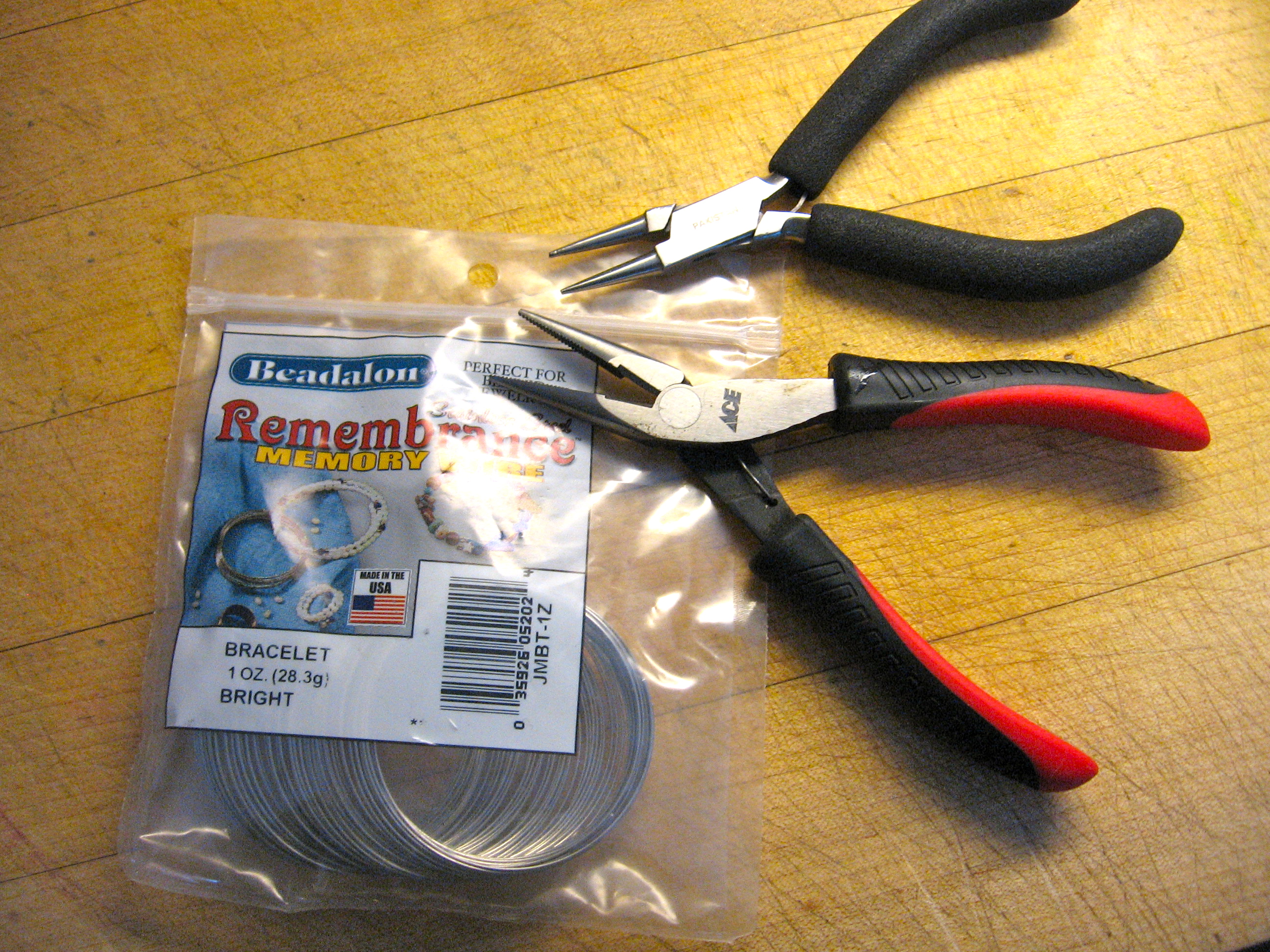


Once finished stringing the beads, I trimmed the excess wire with my cutters leaving about 1/2″ to curl with the needle nose pliers.
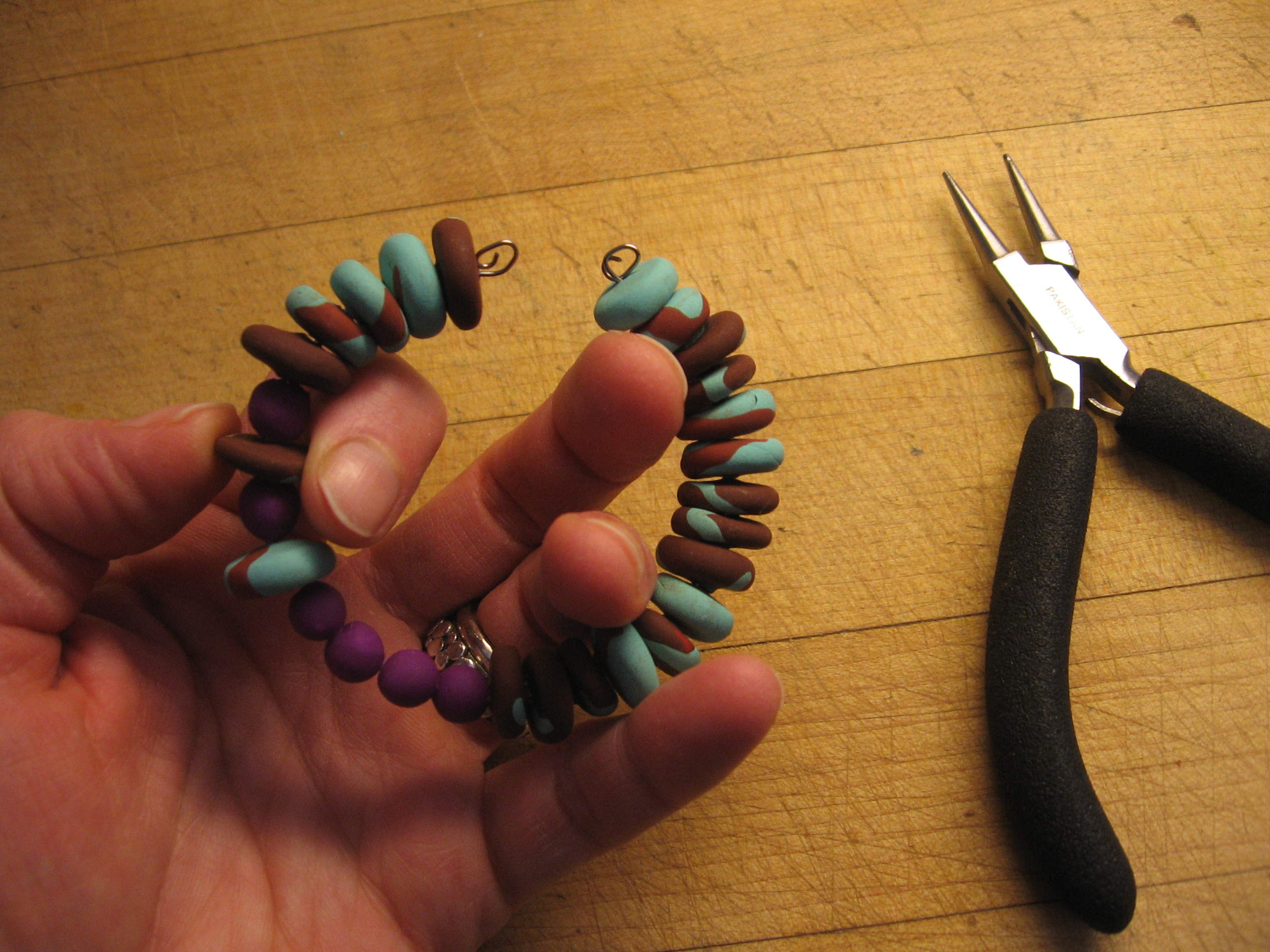
Et Voila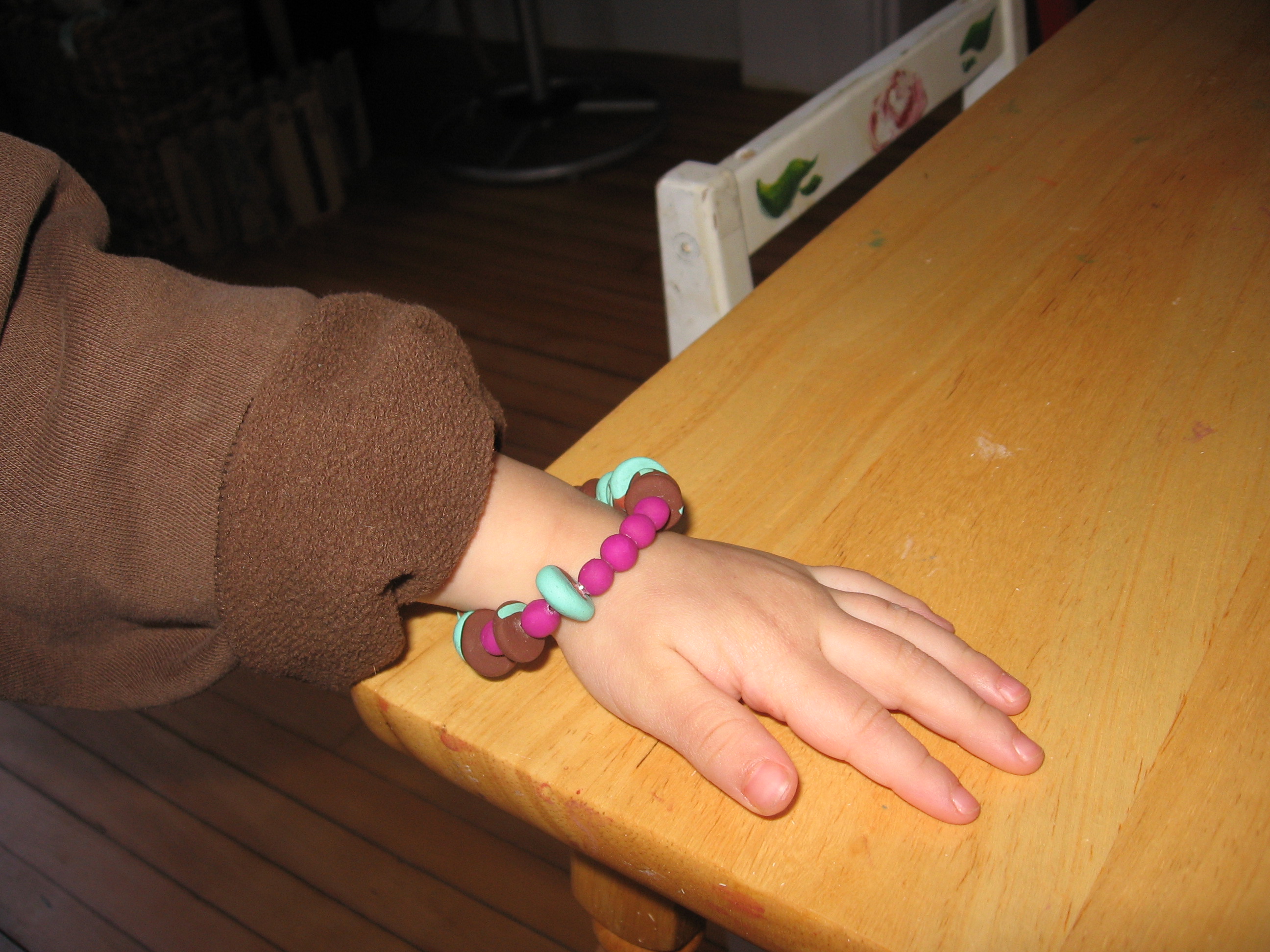
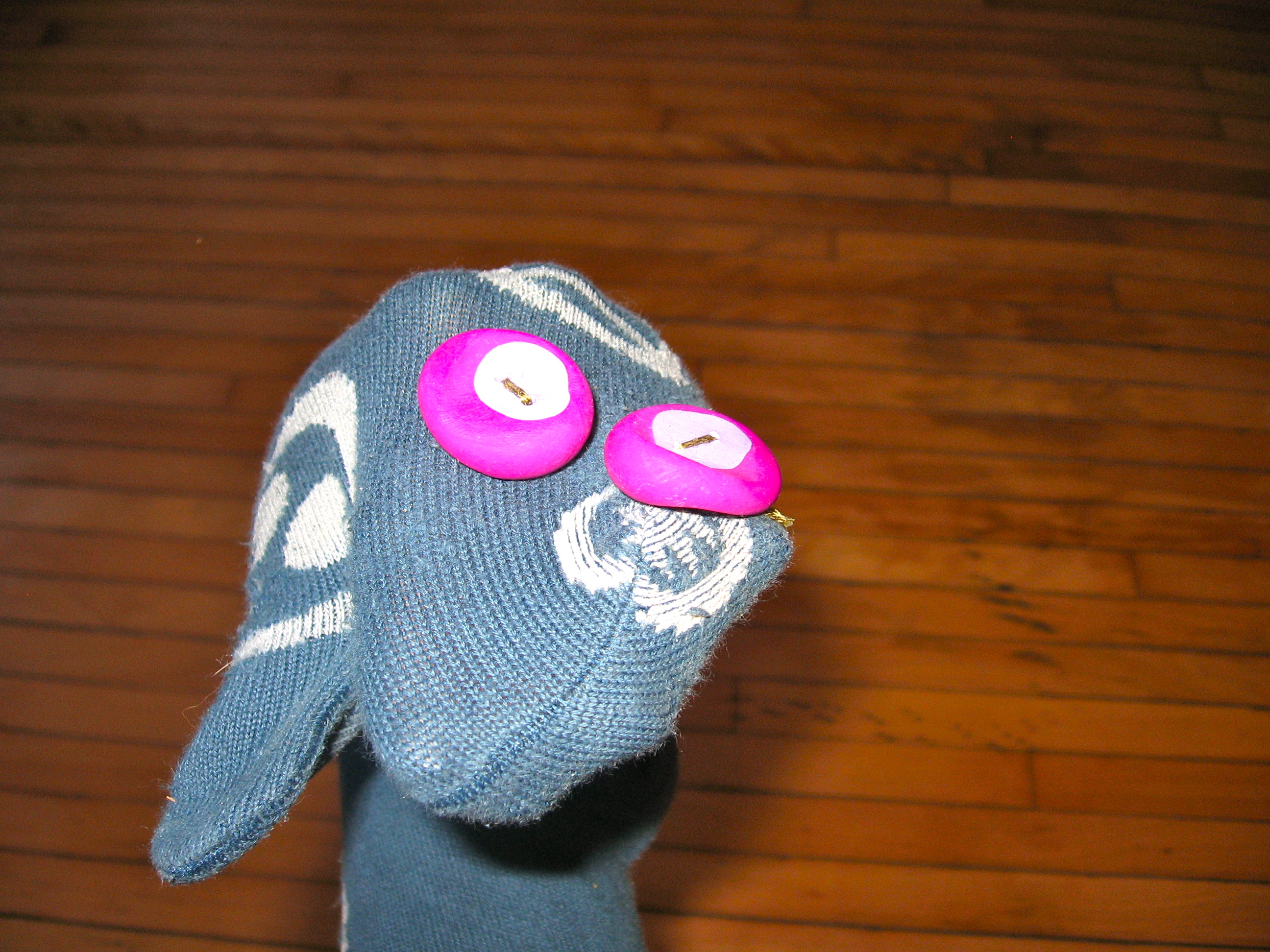
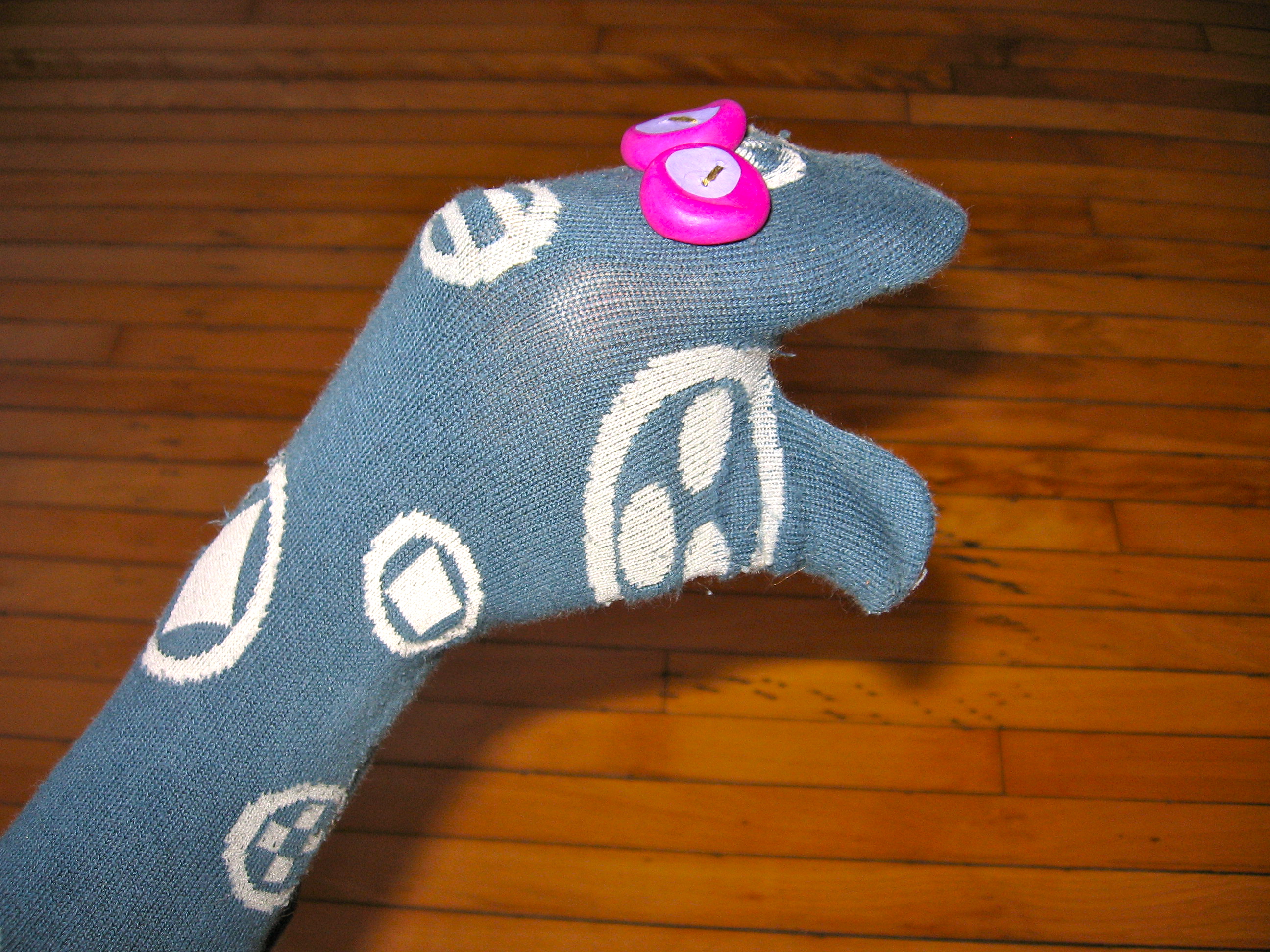
Below are some Sculpey buttons which became eyes for a sock puppet. I expect you could use them on clothing but you’d want to coat them with a waterproof varnish to protect them during laundering.
The Wounded Child
Posted: January 14, 2012 Filed under: Art & Healing, Gallery - Quotes 3 Commentsfrom Thich Nhat Hanh’s Your True Home
“When we speak of listening with compassion, we usually think of listening to someone else. But we must also listen to the wounded child inside of us. Sometimes the wounded child in us needs all of our attention. That little child might emerge from the depths of your consciousness and ask for your attention. If you are mindful, you will hear his or her voice calling for help. At that moment, instead of paying attention to whatever is in front of you, go back and tenderly embrace the wounded child.”
We all need to be acknowledged and heard. It is a basic need. Most people were not heard as children by the important guardians/caregivers/role models in their lives. To a child, not being heard translates to not being important, not being worthy of love and not being good. When the child grows up he or she feels inadequate and searches for either proof that he or she is worthy, or reinforcement that he or she is not. We all have wounds and it’s important to acknowledge them and to listen.
The Seven Sisters
Posted: January 10, 2012 Filed under: Art & Healing 5 CommentsI’m convinced that the appearance of the “seven sisters” (a group of seven, wild, female turkeys) during my recent recovery from surgery, was a sign. There they were upon our porch, pecking at fallen bird seed, cocking their heads and looking in the window.  Over two months later, they are still passing through our yard, sometimes staying for a visit (the extra cracked corn and birdseed hasn’t hurt).
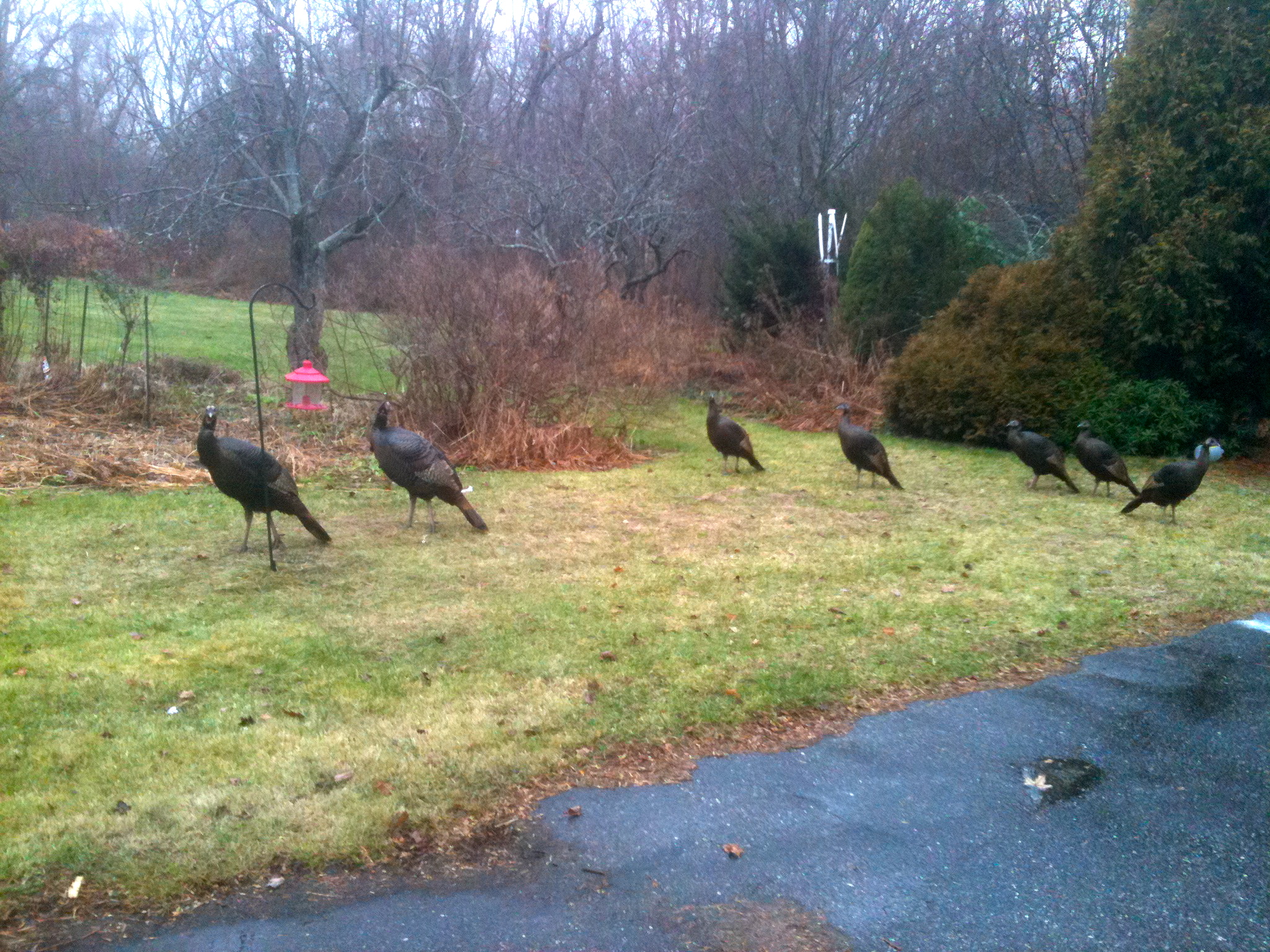
While I’ve been musing on the meaning of these visits, I can’t help get stuck on the timing. During my recovery I had great desire to make artful objects which were then shared here on anartfarm (feel free to peruse the Art & Healing and Child Centered Activities categories). To me, there seems to be some connection between the energy I felt during the healing process, and through which I worked with my hands, and the arrival of these wild females. Perhaps it’s reinforcement for anartfarm as place for all things/energies wild and creative.