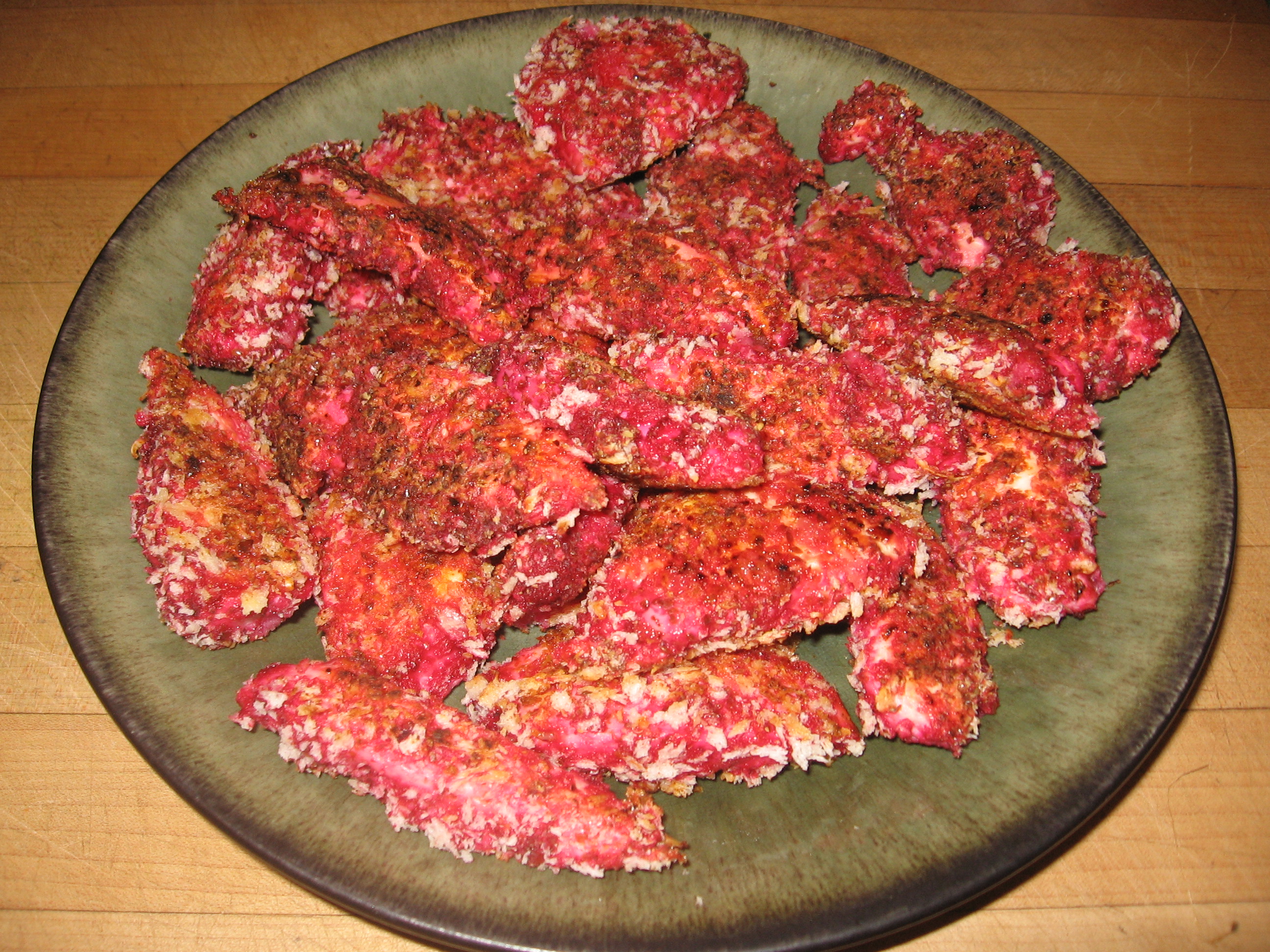
Homemade Chicken Nuggets with Beet Puree Batter
Posted: February 22, 2012 Filed under: In the Kitchen 3 CommentsHere is a fabulous recipe (and one we’ve had great success with our increasingly picky eater) from Jessica Seinfeld’s Deceptively Delicious, Simple Secrets to Get Your Kids Eating Good Food.
 1 C whole-wheat, white, or panko (Japanese) breadcrumbs
1/2 C flaxseed meal
1 Tb grated Parmesan
1/2 tsp paprika
1/2 tsp garlic powder
1/2 tsp onion powder
1 C broccoli or spinach or sweet potato or beet puree (easy to make ahead of time when produce is fresh, then freeze in small batches until you’re ready to use)
1 large egg, lightly beaten
1 pound boneless, skinless chicken breast or tenders, rinsed, dried, and cut into small chunks
1/2 tsp salt
non-stick cooking spray
1 Tb olive oil
1. In a bowl, combine the breadcrumbs, flaxseed meal, Parmesan, paprika, garlic and onion powder, mixing well with fingers.
2.In a shallow bowl, mix the vegetable puree and egg with a fork and set the bowl next to the breadcrumb mixture.


3. Sprinkle the chunks with the salt. Dip the chunks into the egg mixture and then toss them in the breadcrumbs until completely coated.
4. Coat a large nonstick skillet with cooking spray and set over medium-high heat. When the skillet is hot, add the oil. Place the chicken nuggets in the skillet in a single layer, bring careful not to crowd the pan and cook until crisp and golden on one side, 3-4 minutes. Then turn and cook until the chicken is cooked through, golden brown and crisp all over, 4-5 minutes longer. (Cut into a piece to check that it’s cooked through.) Serve warm.
-I find it makes sense to make a large batch at once and then freeze individual servings for your little one. This makes for an easy, quick and healthy meal.

Saints
Posted: February 18, 2012 Filed under: Gallery - Quotes 2 Commentsfrom Thich Nhat Hanh’s Your True Home
Sometimes you encounter people who are so pure, beautiful, and content. They give you the impression that they are divine, that they actually are saints or holy beings. What you perceive in them is their awakened self, their Buddha nature, and what they reflect back to you is your own capacity for being awake.
“Agriculture and Creativity” by Paulo Coelho
Posted: February 15, 2012 Filed under: What is an Art Farm 2 Commentspaulocoelhoblog.com February 11, 2012
Ploughing the field
The moment the soil is turned, oxygen penetrates places it was unable to previously. This process of interior revolution is very important – because, just as the field’s new look will see sunlight for the first time, a new assessment of our values allow us to see life innocently, without ingenuity. A good creator must know how to continually turn over his values, and never be content with that which he/she believes he/she understands.
Sowing
All work is the fruit of contact with life. He/she never knows, at the outset, which things will be important to him in the future, so the more intense his life is, the more possibilities he/she will create for an original language. If he/she tries to imitate or control his inspiration, he/she will never obtain that which he/she desires. He/she must allow his life to sow the fertile soil of his unconscious.
Growth
There is a time in which the work writes itself, freely, at the bottom of the author’s soul – before it dares show itself. The creator must respect the time of gestation, although he/she knows – just like the farmer – that he/she is only partially in control of his field; it is subject to drought and floods. But if he/she knows how to wait, the stronger plants, which can resist bad weather, will come to light with great force.
The Harvest
The moment when a person manifests on a conscious plane he/she sowed and allowed to grow. If he/she harvests early, the fruit is green, if he/she harvests late, the fruit is rotten. Every artist recognizes the arrival of this moment; although some aspects may not have matured fully, some ideas not be crystal clear, they reorganize themselves as the work is produced. Without fear and with great discipline, he/she understands that he/she must work from dawn to dusk, until the work is finished.
Sharing
And what to do with the results of the harvest? Again, we look to Mother Nature: she shares everything with everyone. An artist who wishes to keep his work to himself, is not being fair with that which he/she received from the present moment, nor with the inheritance and teachings of his forefathers. If we leave the grain stored in the granary, it will go bad, even though it was harvested at the right time. When the harvest is over, the time comes to share, without fear or shame, your own soul.
Happy Valentine’s Day
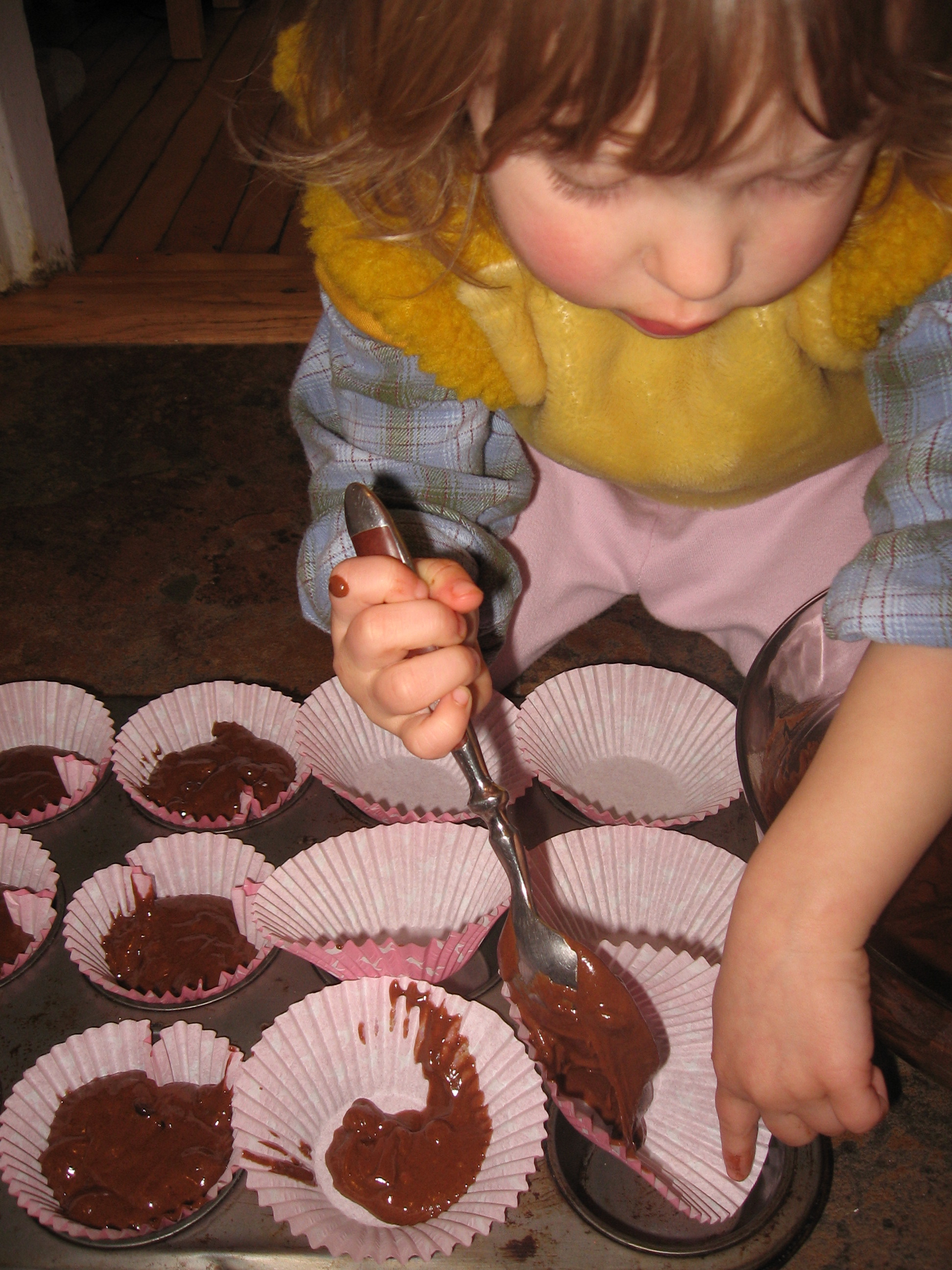
Posted: February 13, 2012 Filed under: Child Centered Activities, In the Kitchen 5 Comments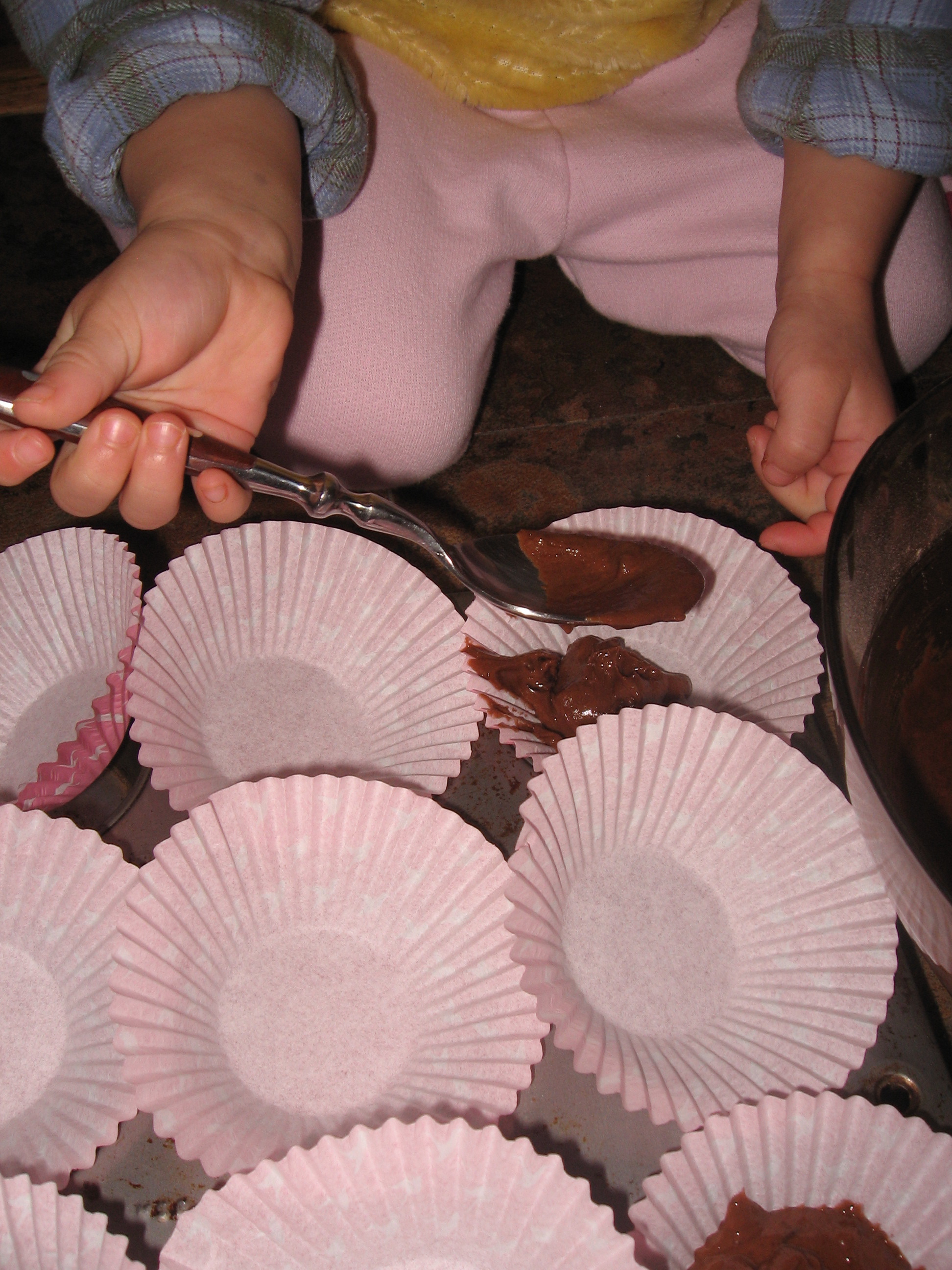


Farm Day
Posted: February 11, 2012 Filed under: Child Centered Activities 6 CommentsPregnant mama Mia
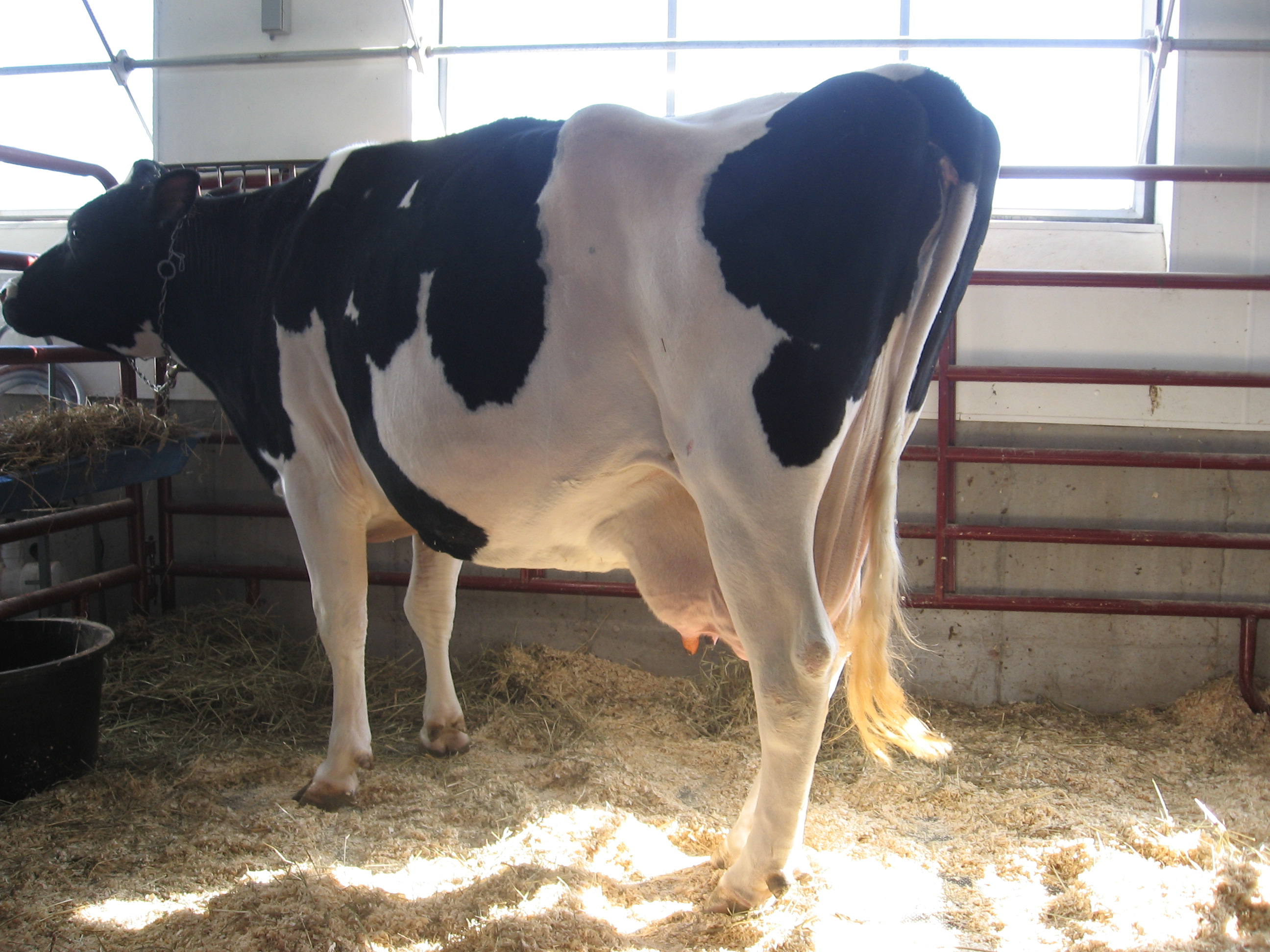
Learning how to milk

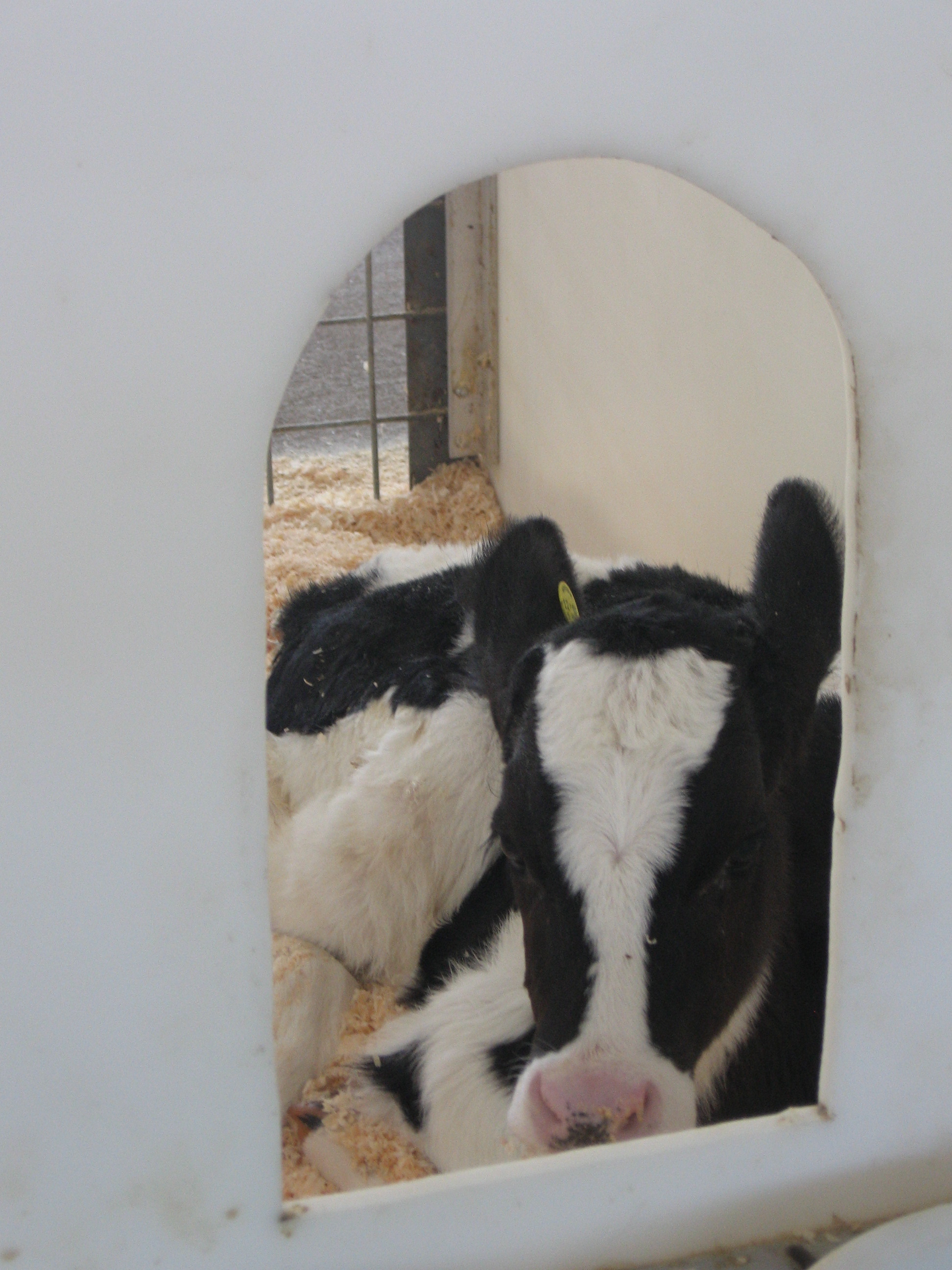
A two day old calf
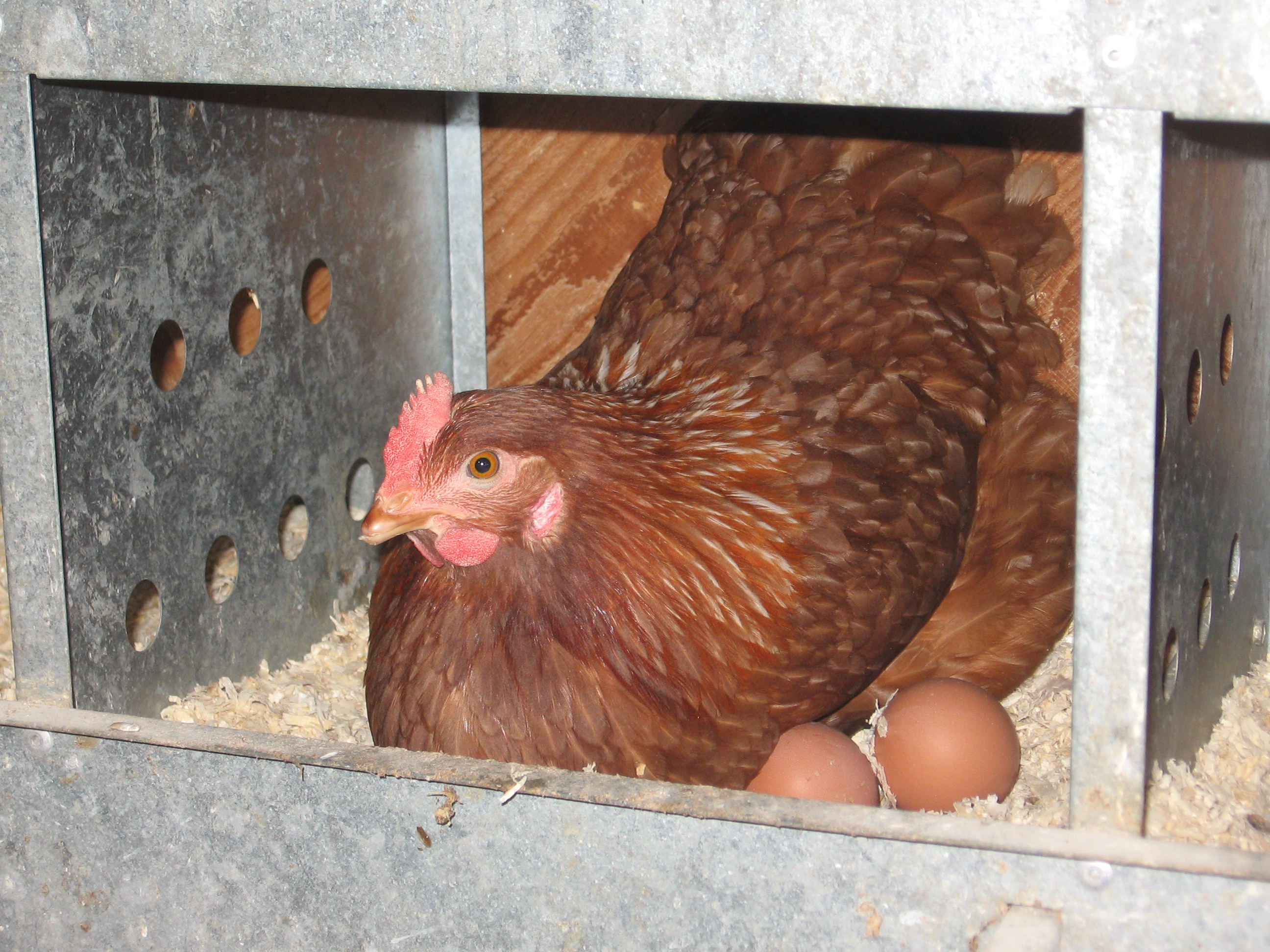
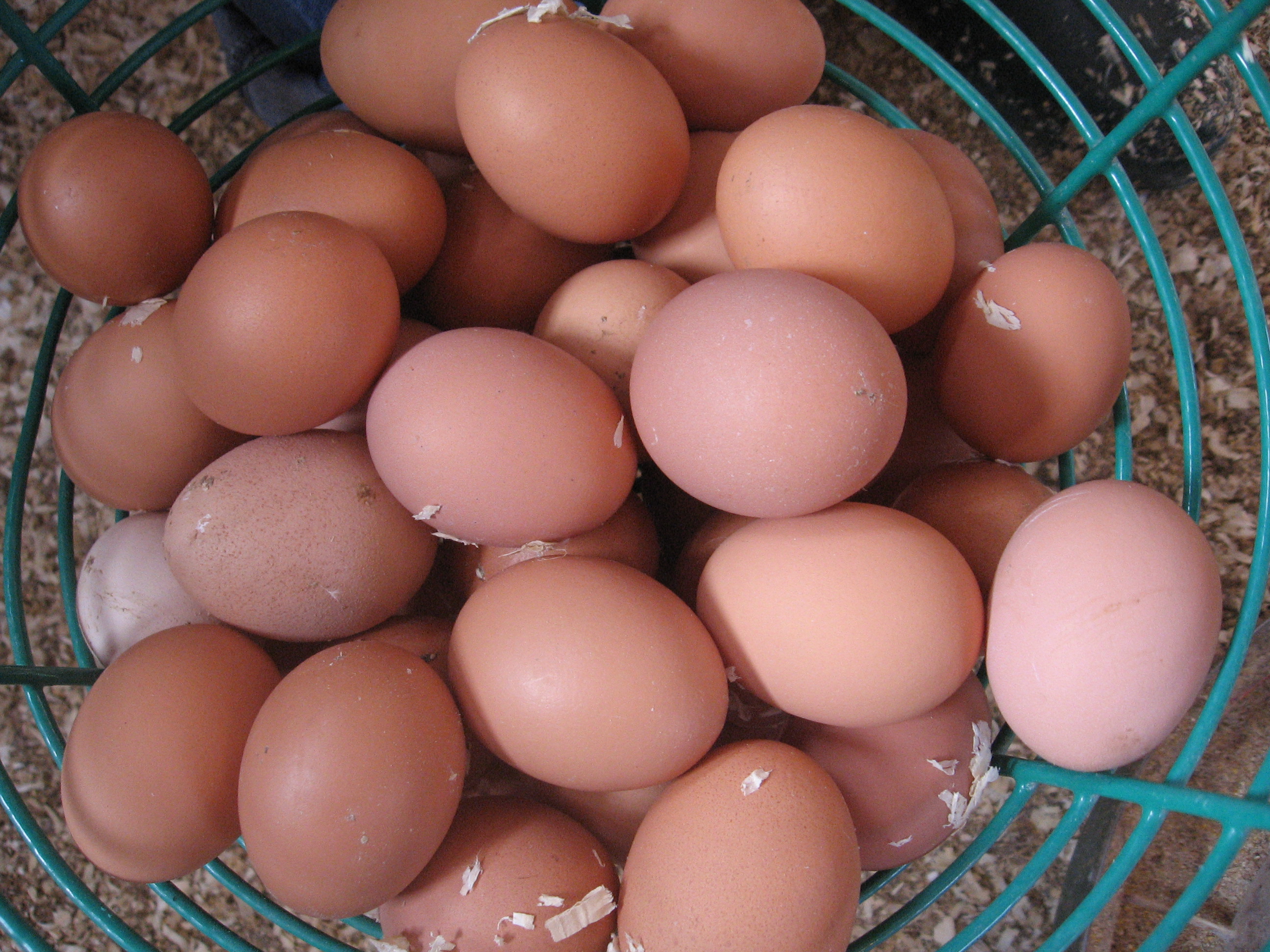
Collecting eggs
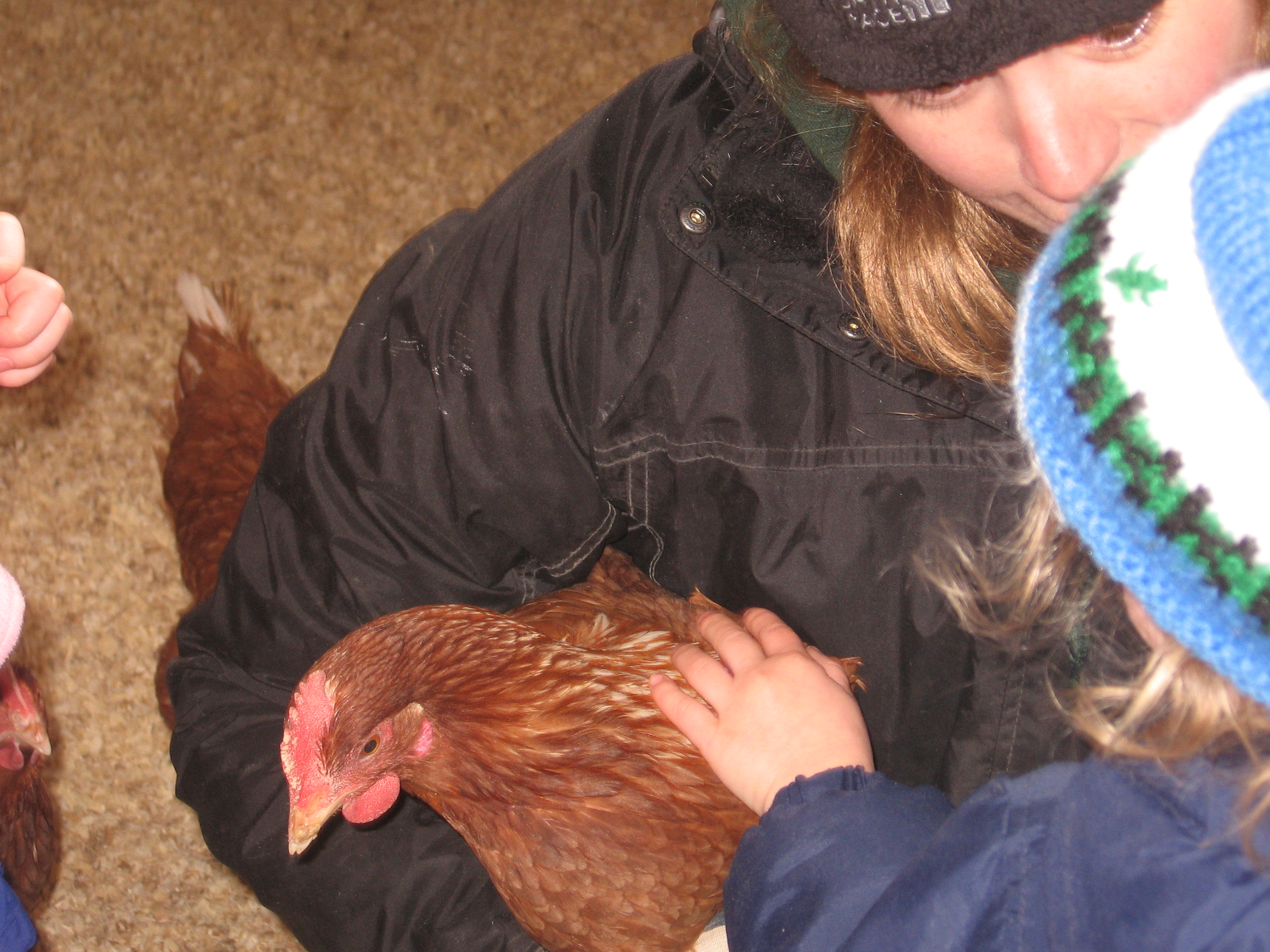
Learning to use gentle hands
Learning Shapes With Stencils
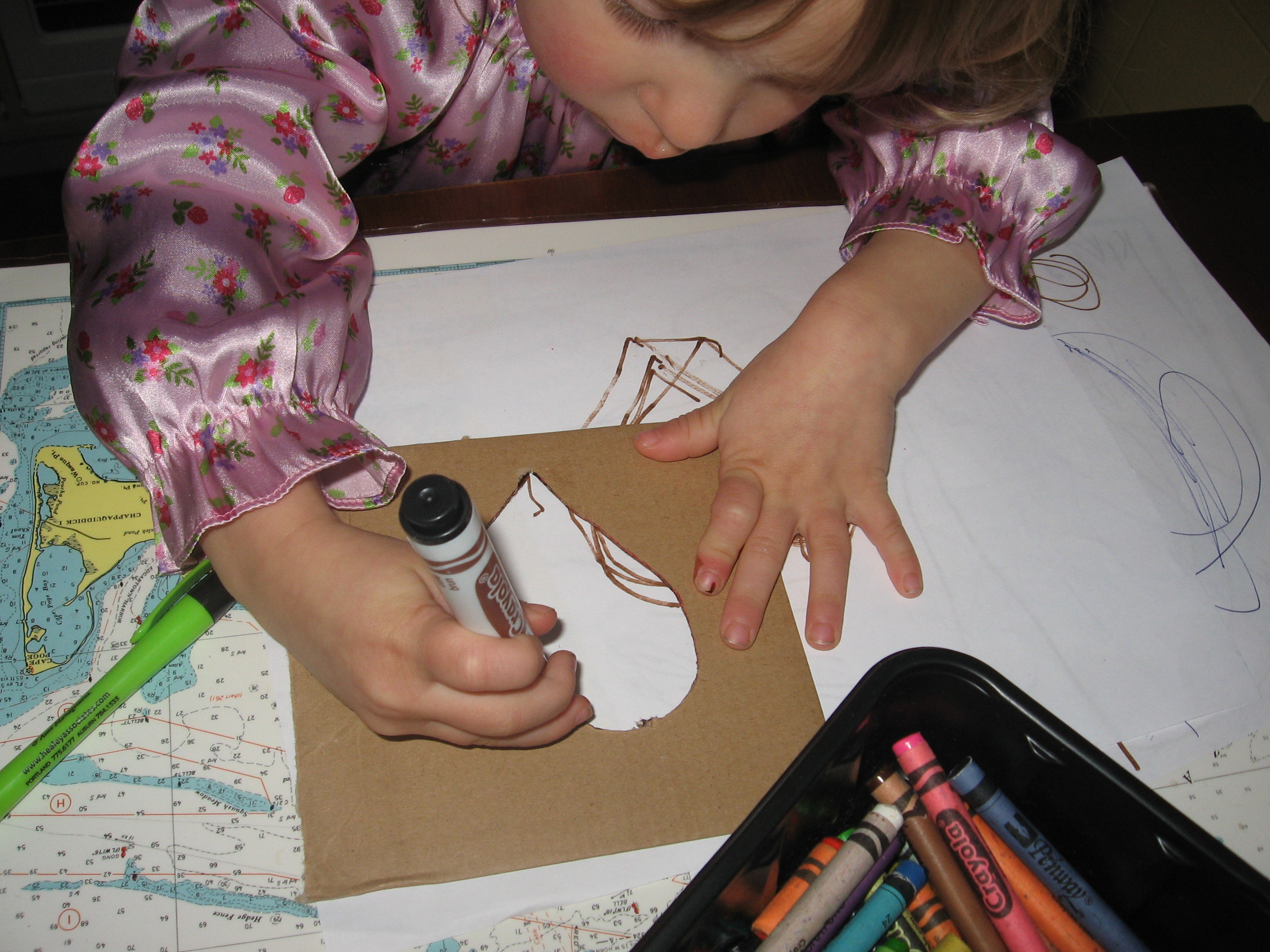
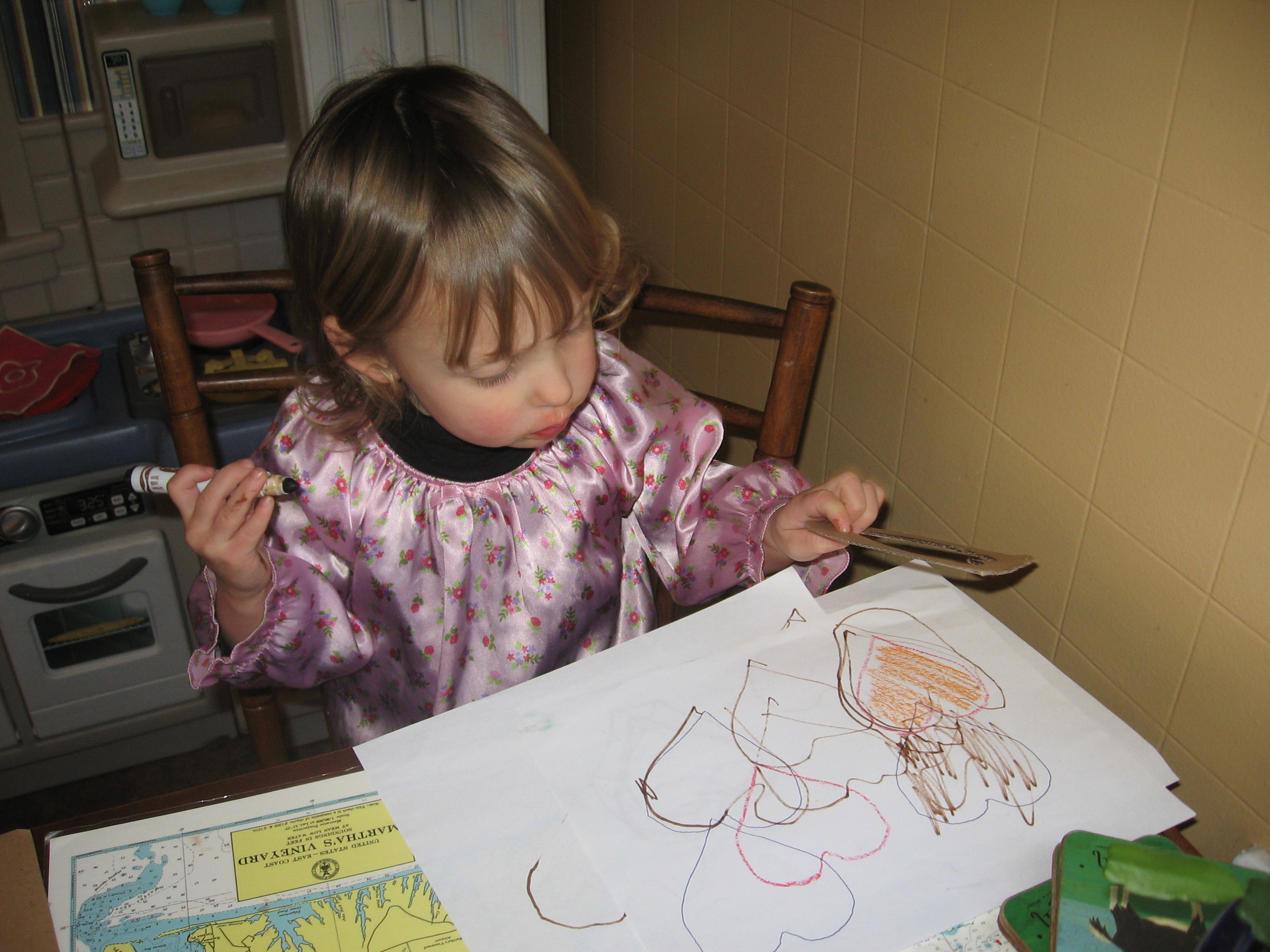
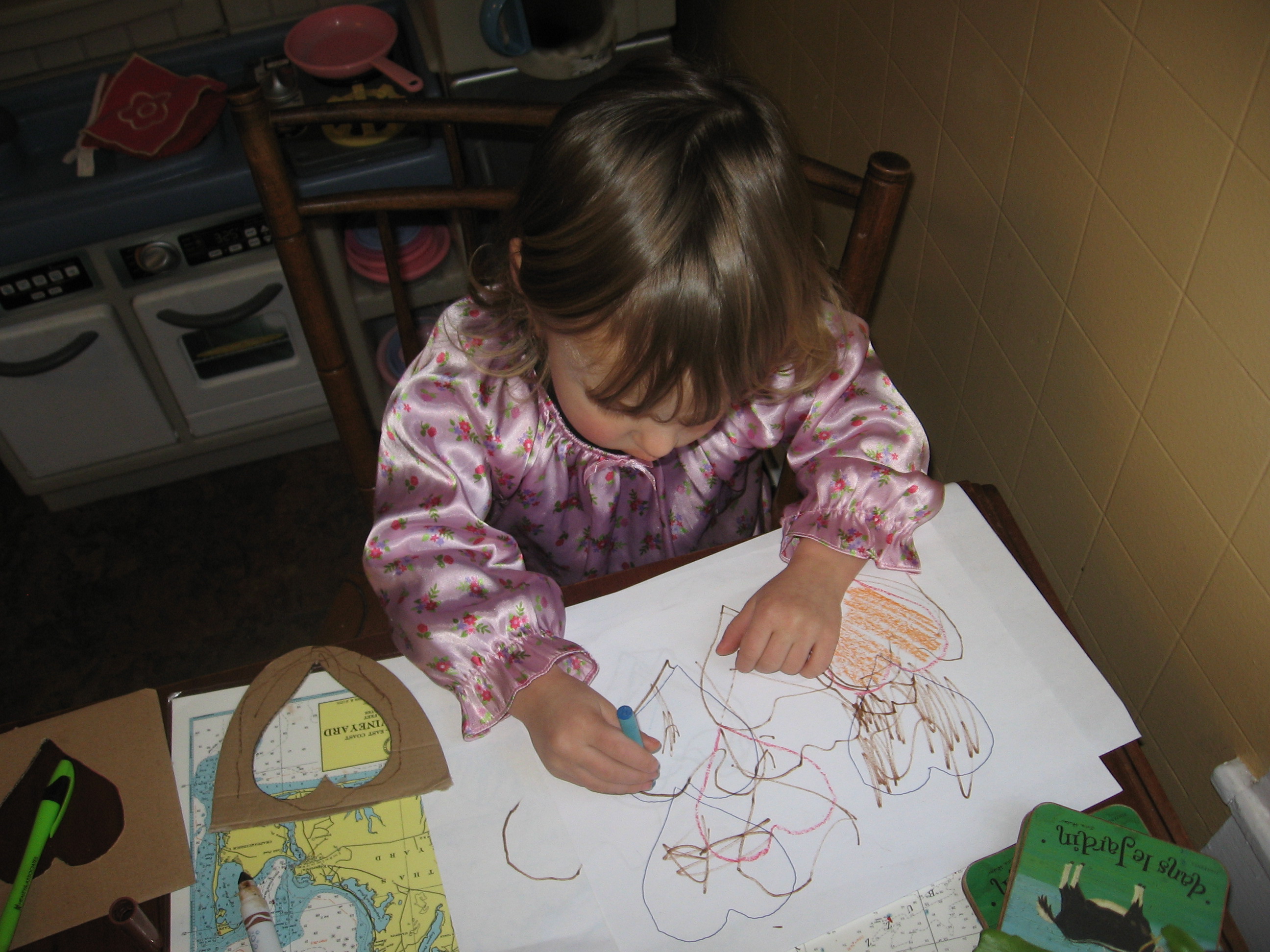
Posted: February 8, 2012 Filed under: Art & Healing, Child Centered Activities 5 CommentsUse some recycled cardboard scraps and trace simple shapes to cut out. I suggest using an x-acto knife up and out of reach of your little one. The nice thing about creating a stencil from corrugated cardboard is that it’s thick enough for your toddler to push against with his or her marker or crayon, without tearing easily. Encourage your child to hold stencil with one hand while following the edge with drawing tool in the other hand. Your toddler’s desire for repetition is just what you want here!!
Happy Valentine’s Day by the way!
“Good things last”
Posted: February 2, 2012 Filed under: In the Kitchen 3 CommentsOur Great Uncle Don lives by that mantra. And he knows, having been, for almost four decades, a buyer of furniture and art. From Louisville, Kentucky – home of the Mint Julip and a refined southern comfort – he travelled the world each year, from Asia to Africa and all the way across Europe. He has a finely tuned eye. And his mantra makes sense.
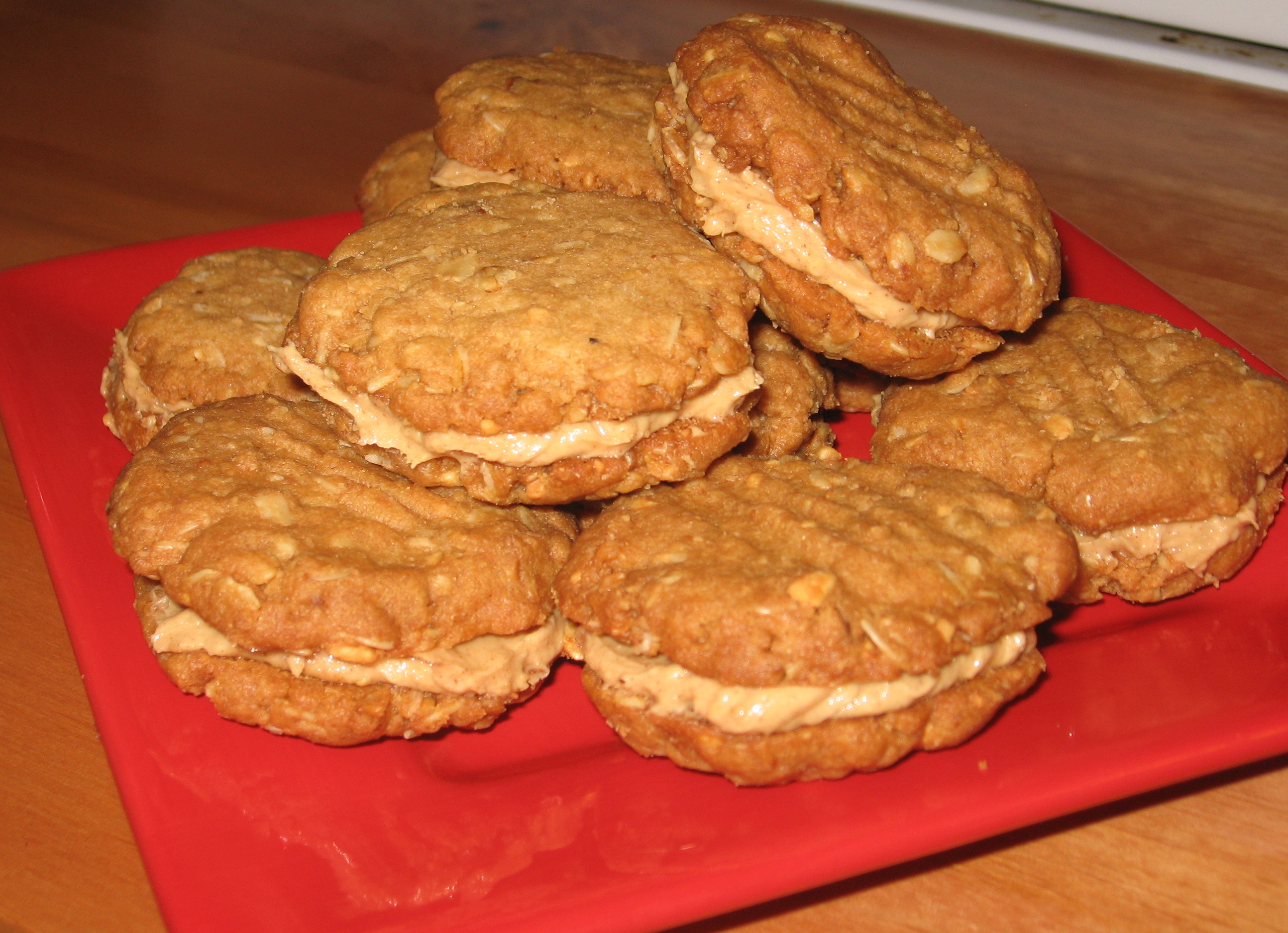
In his eighties now, he doesn’t travel with the same aplomb. But he loves Peanut Butter Cookies and we baked and sent to him some treats: good things that won’t last.
This recipe for peanut butter sandwich cookies is an adaptation of “Not Nutter Butter” from Nancy Silverton’s Sandwich Book. It made 52 individual cookies, or 26 sandwich cookies.
In a medium skillet combine: 4 oz unsalted butter, 1 vanilla bean (or about 1 tsp vanilla extract), and 2 Cups rolled oats and toast them over a medium heat until they are becoming caramelized:
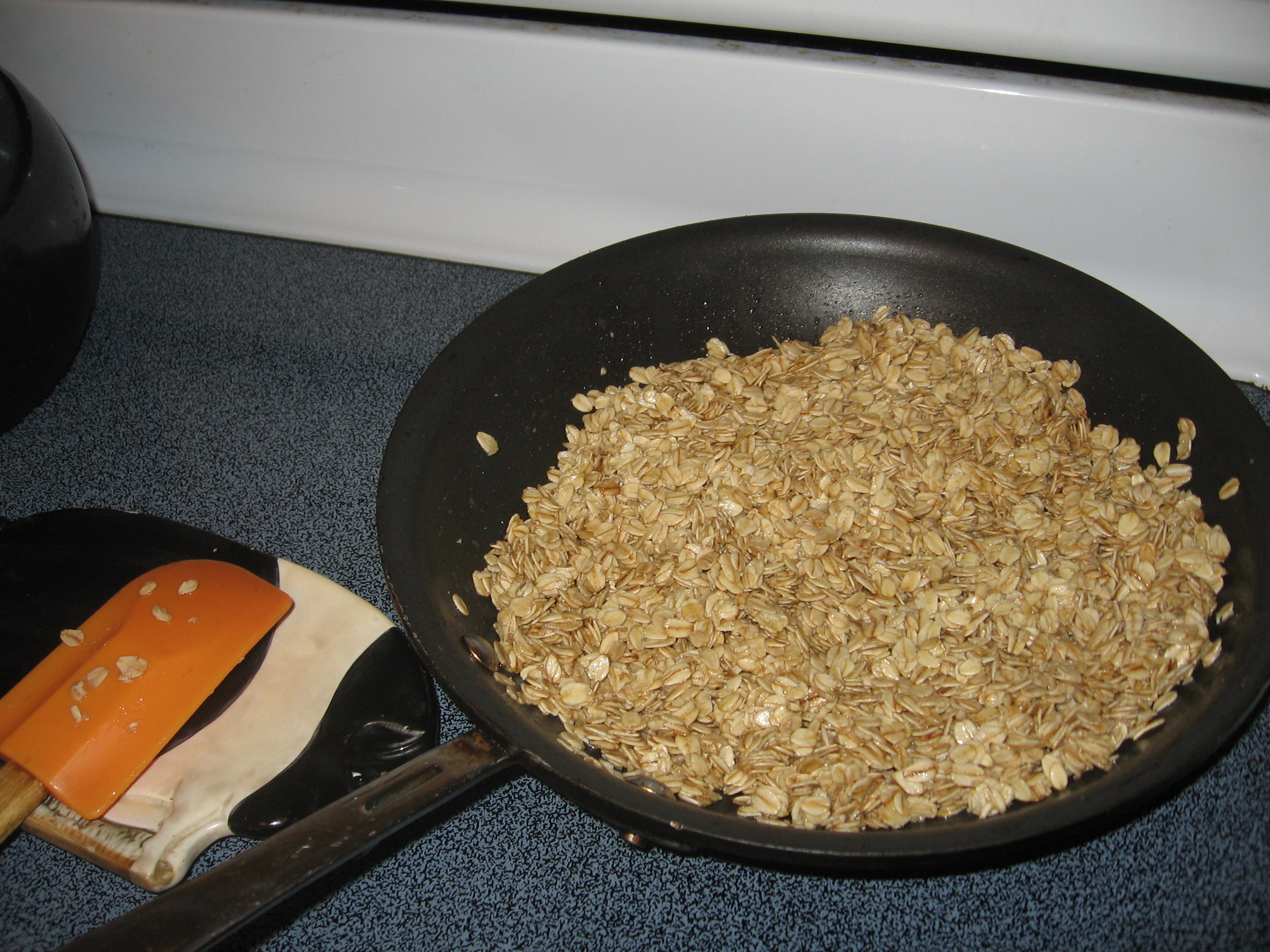
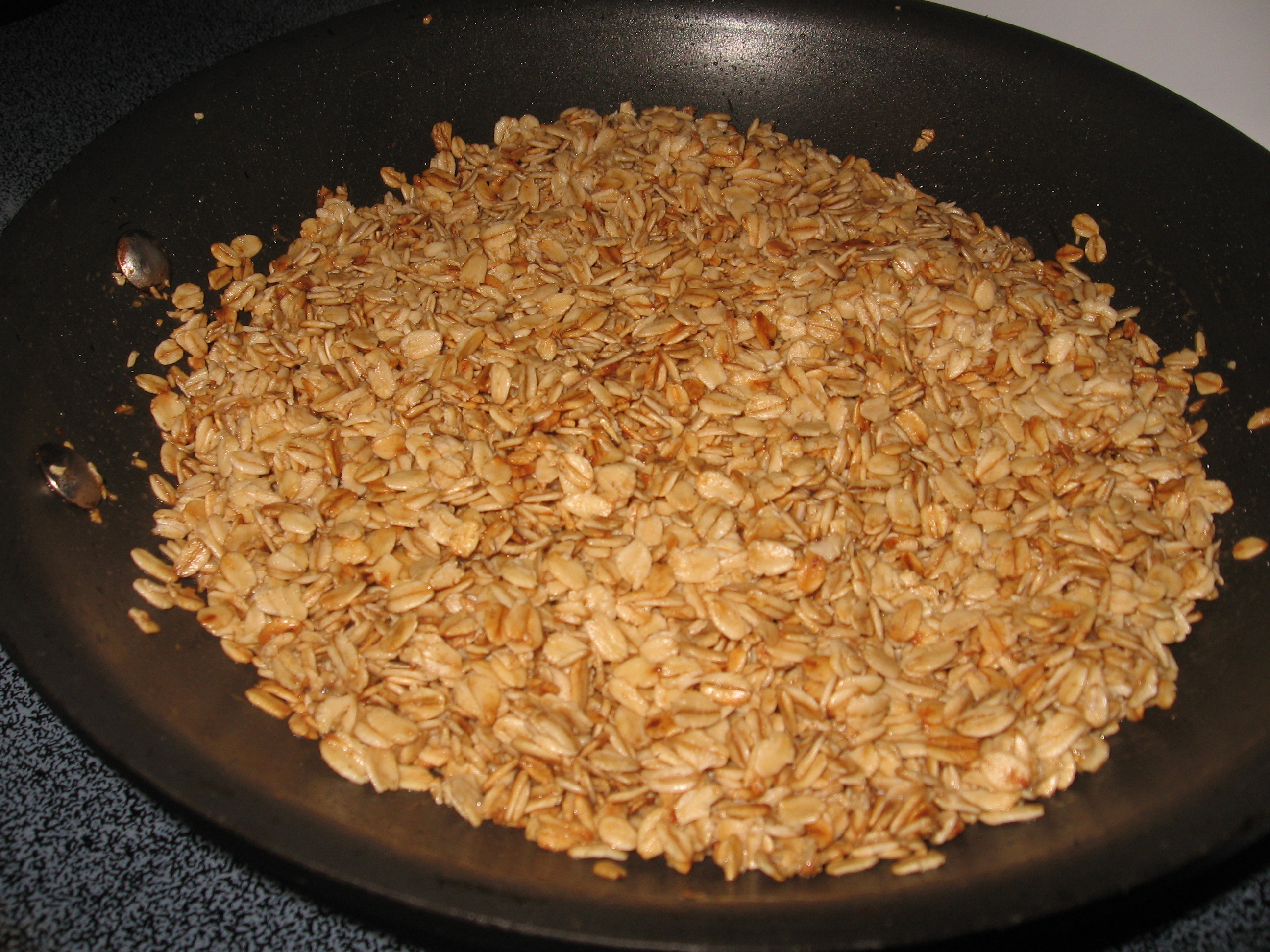
Meanwhile, cream together: 8 ounces unsalted butter, 2 tsp baking soda, and 2 tsp kosher salt until the butter is softened. Then add 3/4 Cup white sugar and 3/4 Cup brown sugar and mix until light and fluffy.
Next add 3/4 cup peanut butter (we used Whole Foods No Salt bulk peanut butter, but you could use any other brand. If using natural peanut butter pour off the excess oil before adding.) And then mix in the toasted oats and 2 1/4 Cup unbleached all-purpose flour. Blend until just combined.
Using a coffee scoop we portioned the cookies and then pressed them down, gently, to flatten them out:
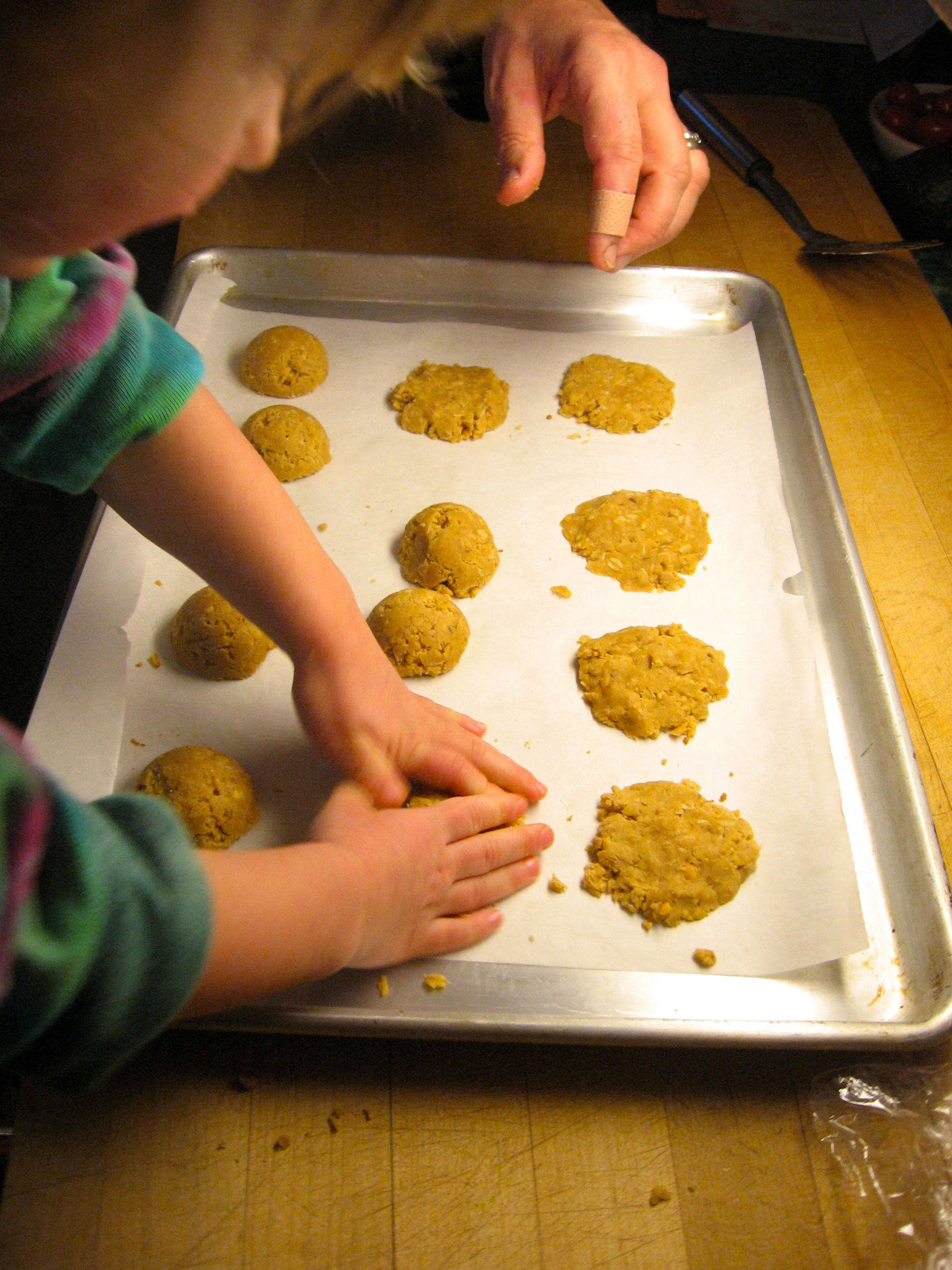
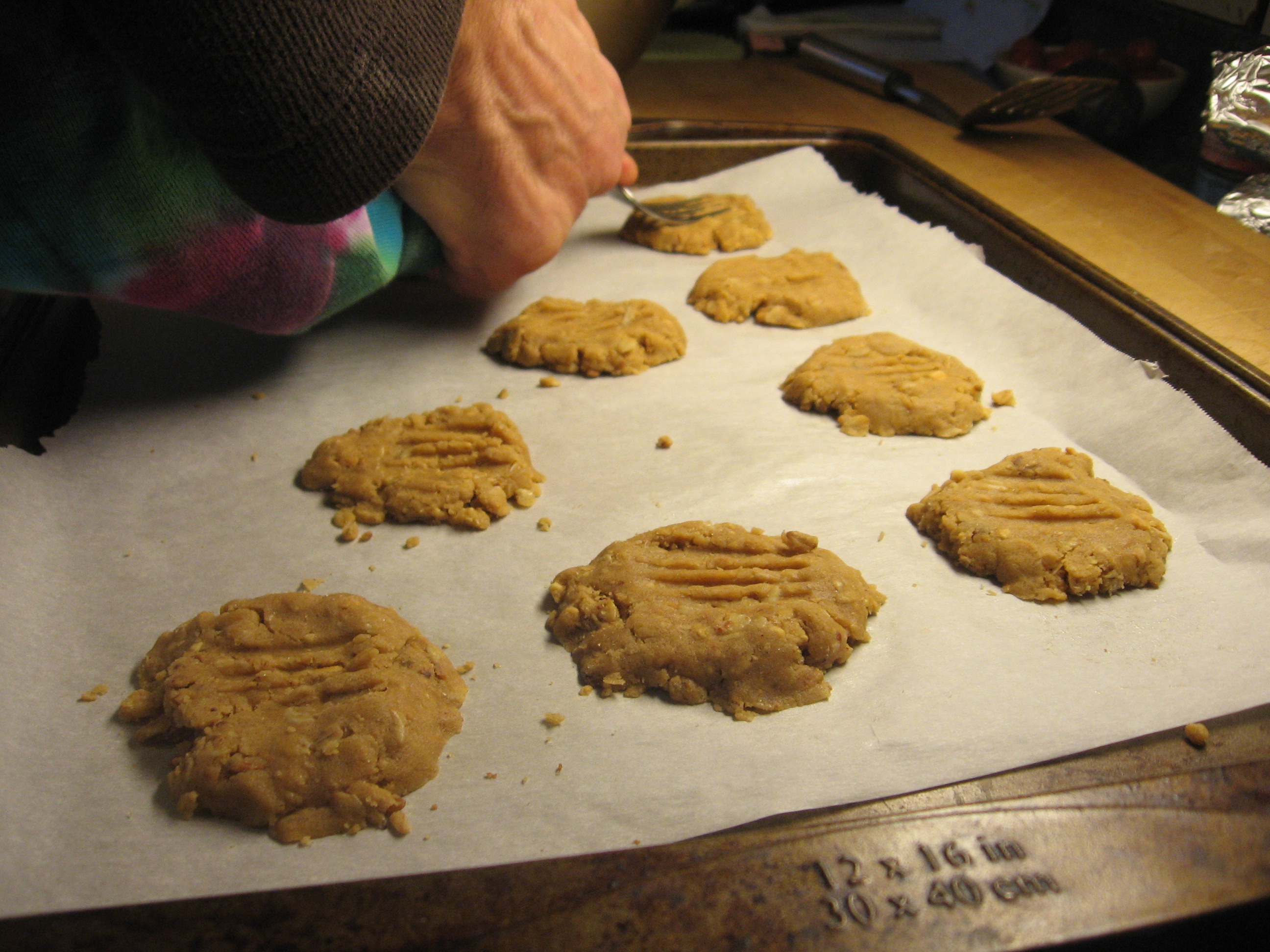
You might add the cross-hatch marks with a fork.
Bake the cookies on parchment paper at 350 degrees for about 17 minutes, or until just beginning to darken on the edges; we like them best when still just chewy in the middle. They will firm up as they cool.
For the filling, combine 3 ounces unsalted butter, 2 tsp kosher salt, 1/2 Cup + 2 Tbsp powdered sugar, 1/2 Cup bulk all natural no-salt peanut butter, and 1/2 Cup + 2 Tbsp almond butter, unsalted. Blend until smooth and creamy, and then spread the filling between two cookies.
Nutcracker, Anyone?
Posted: January 31, 2012 Filed under: Art & Healing, Child Centered Activities 4 CommentsIt’s been 3 months since David took our daughter to the Nutcracker performance in town. We are still listening to the music, dancing in dress-up clothes, singing the melodies and now making art together.
Working in her Nutcracker coloring book from Gramma Jane. Beautifully detailed depiction of all the characters. The music is playing in the background. 
 an Art Farm