Jingle Bell Skirt
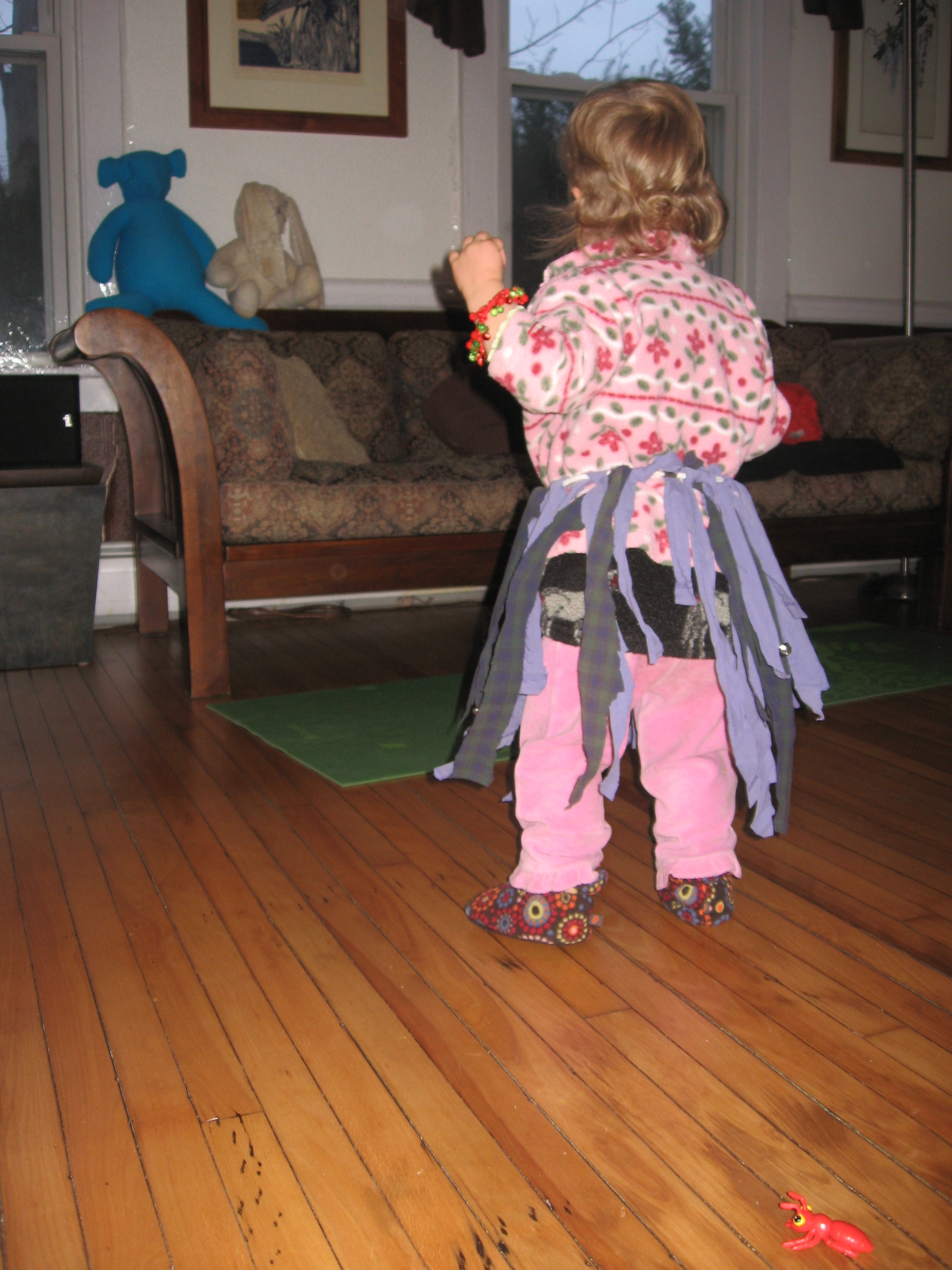
Posted: November 17, 2011 Filed under: Child Centered Activities 3 CommentsI cut strips of scrap fabric and tied them once to a piece of elastic. Next I sewed bells to the ends of some of the strips. Simple and tons of fun!!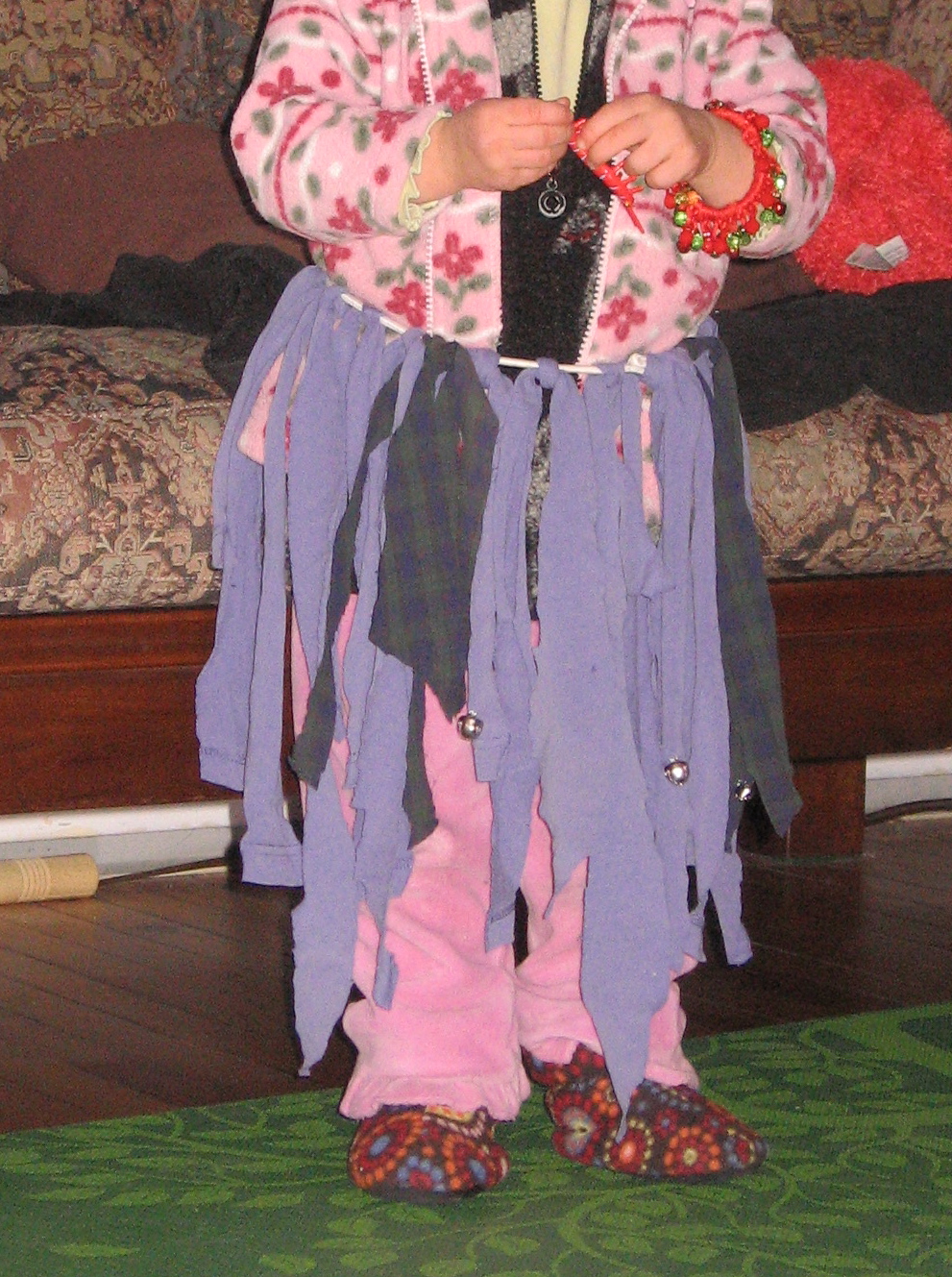
Giraffe Base Coat
Posted: November 16, 2011 Filed under: Art & Healing 3 CommentsI’m mixing multi-surface acrylic paints for the base coat. 


Work-in-progress
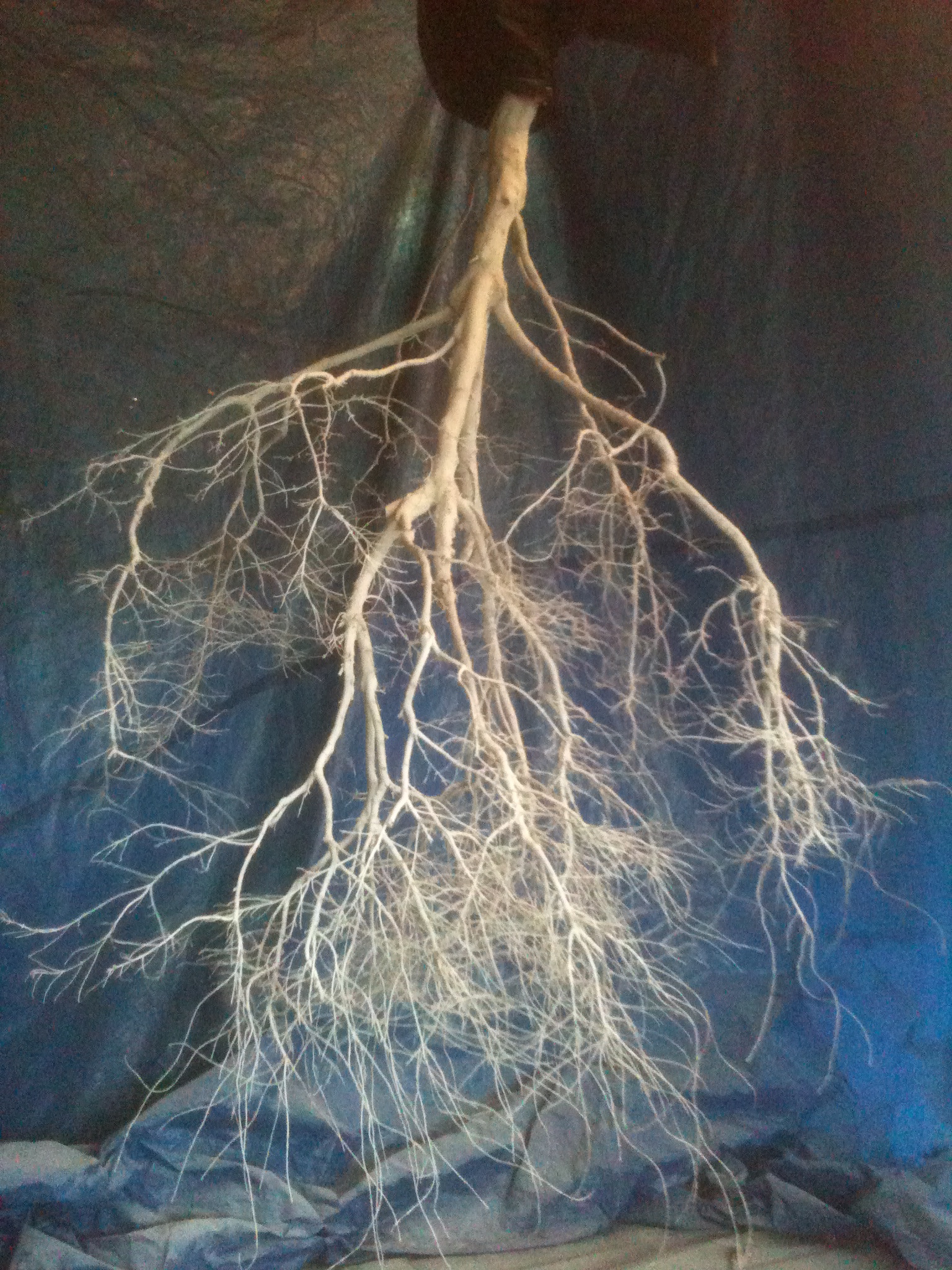
Posted: November 15, 2011 Filed under: Art & Healing, Gallery - Visual 1 CommentI am turning a Japanese Maple tree into a sculpture, spraying it with Chinese Red oil paint, with lacquer to follow. The piece will be mounted on a metal bracket attached to the wall. The roots will be left unpainted and dipped in thinned out lacquer. While painting, the tree hangs from the roots to allow me easily to turn it while I spray the color. These photos show the tree after three coats of primer, and then two successive coats of color. I anticipate several more coats will be needed to reach full color.


All Aboard!
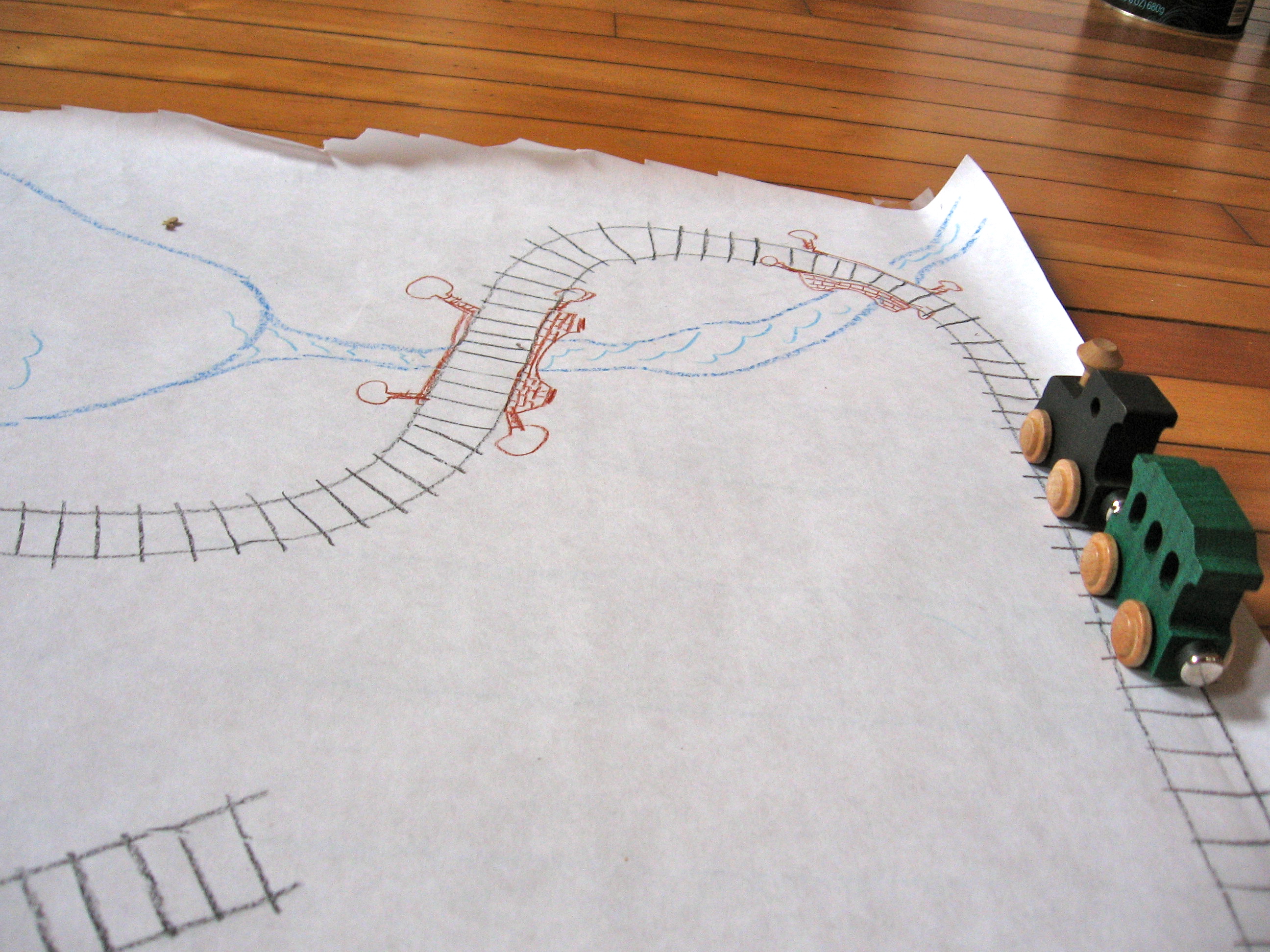
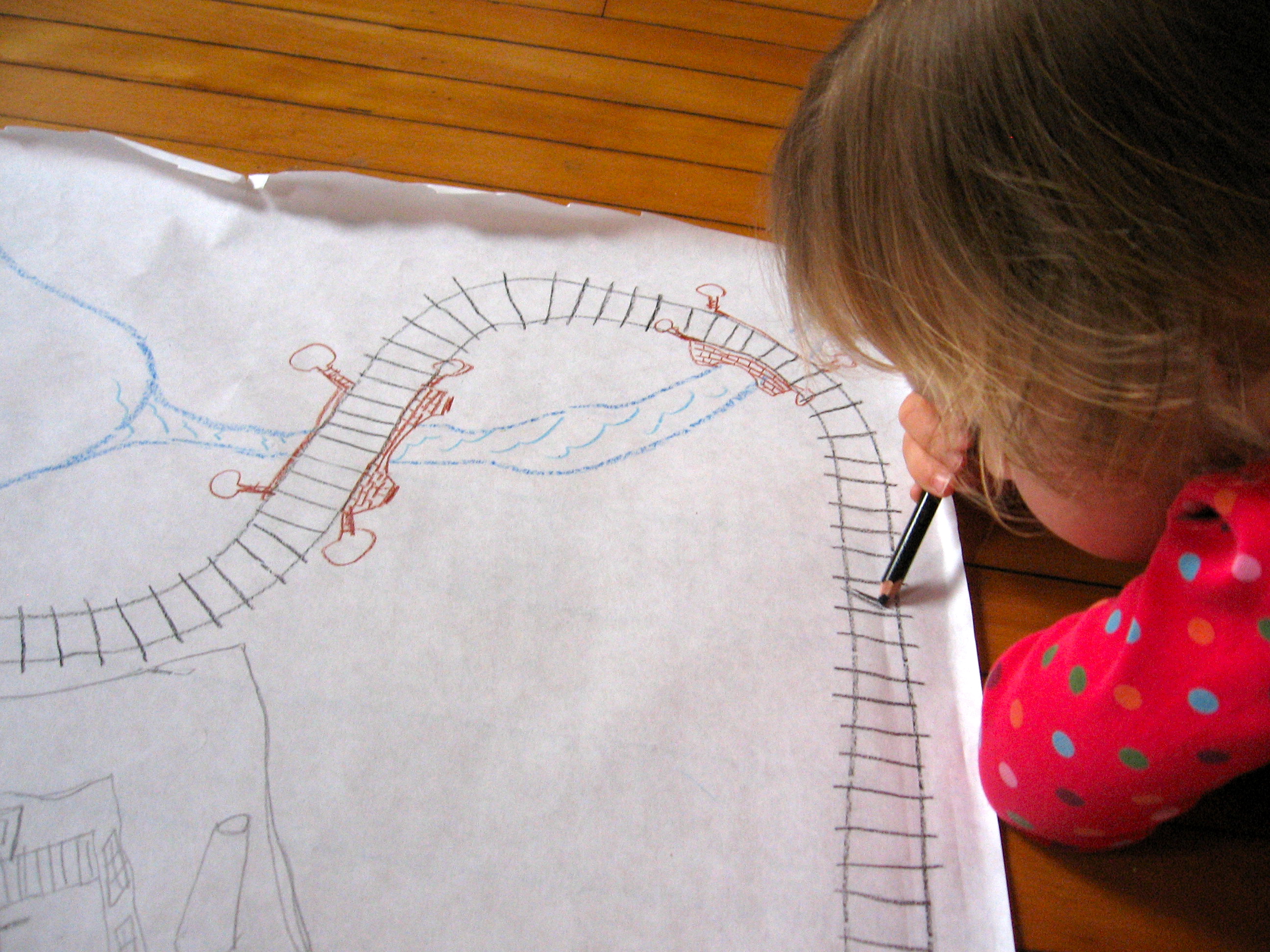
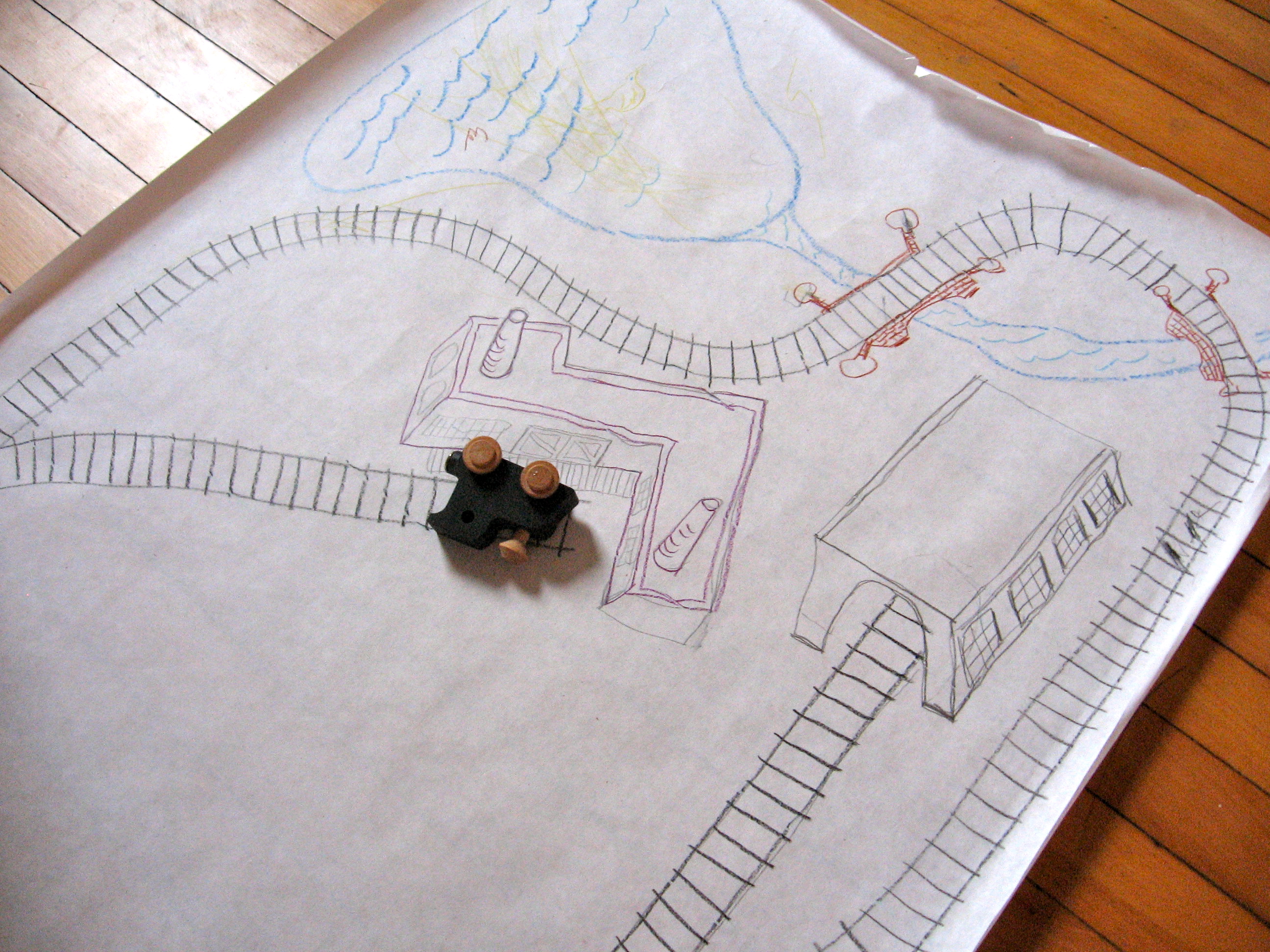
Posted: November 13, 2011 Filed under: Child Centered Activities 2 CommentsA roll of paper and colored pencils…
New Supplies!
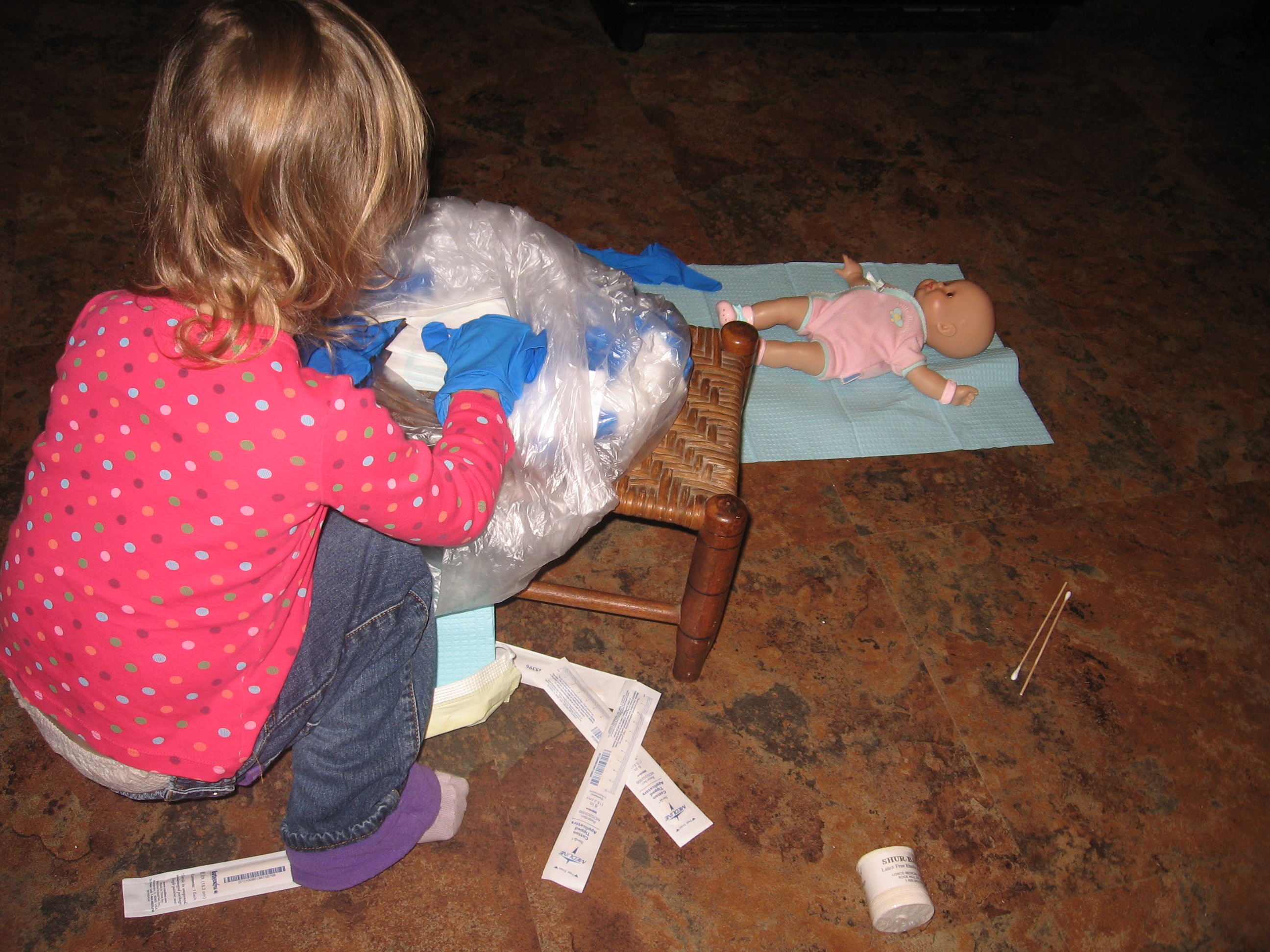
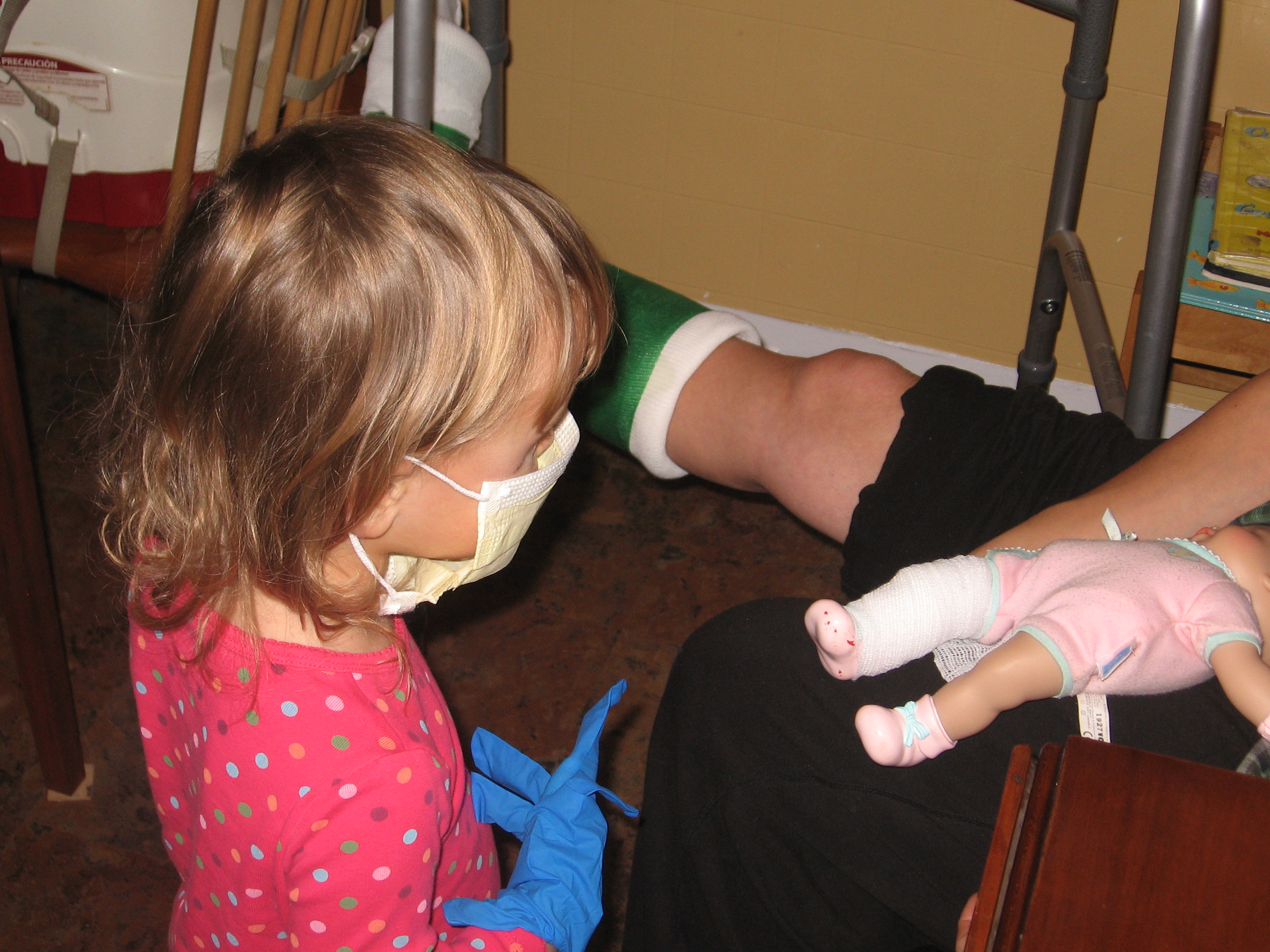
Posted: November 11, 2011 Filed under: Child Centered Activities 2 CommentsMy cast was changed today and we brought my daughter to watch the process. It’s only fitting as she is now a bandaging expert at home! Our beloved nurse hooked E up with a bag of hospital items to add to her “Doctor Kit”.
Prepping Surface
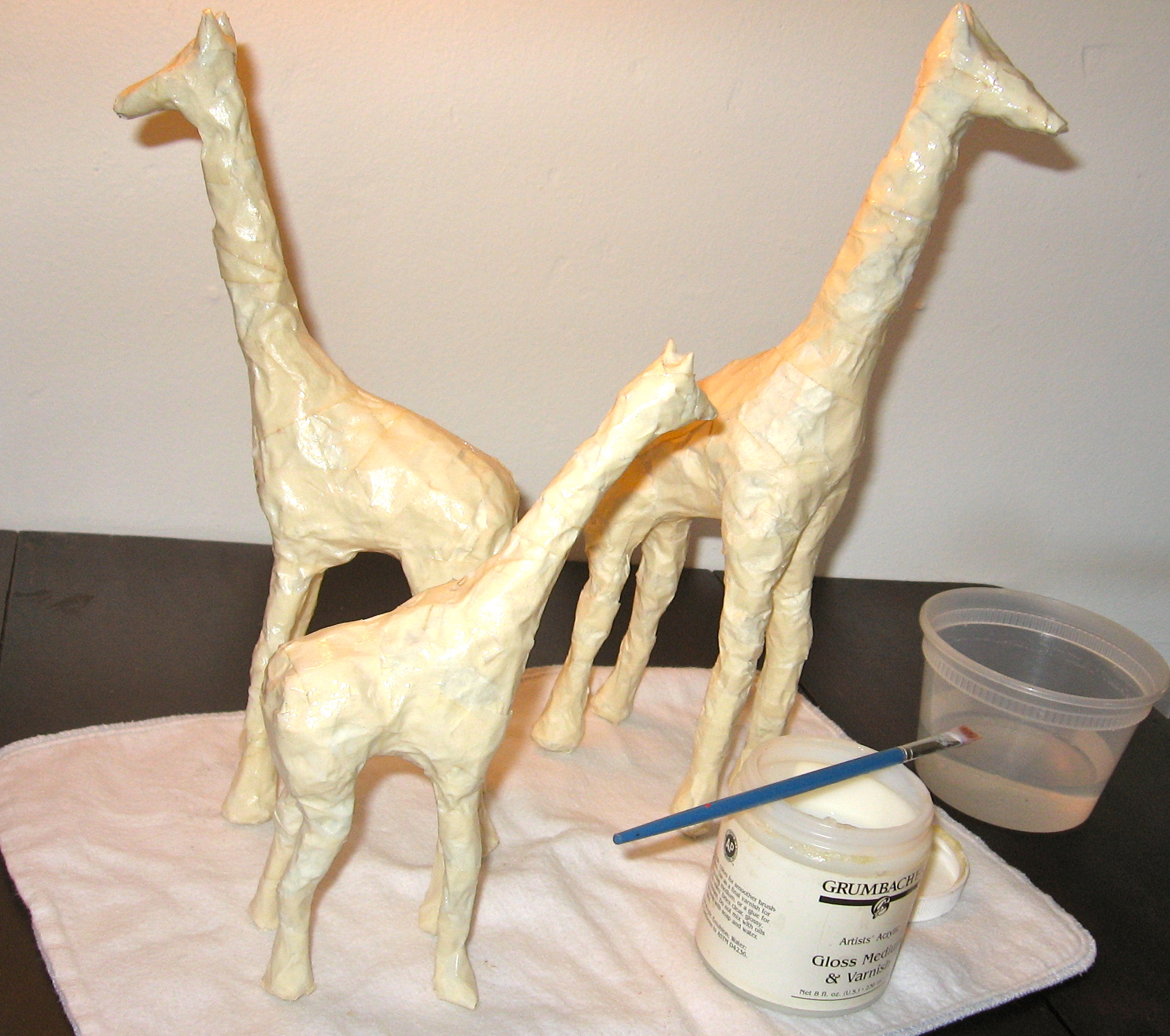
Posted: November 10, 2011 Filed under: Art & Healing 3 CommentsApplying a varnish to help seal the tape. 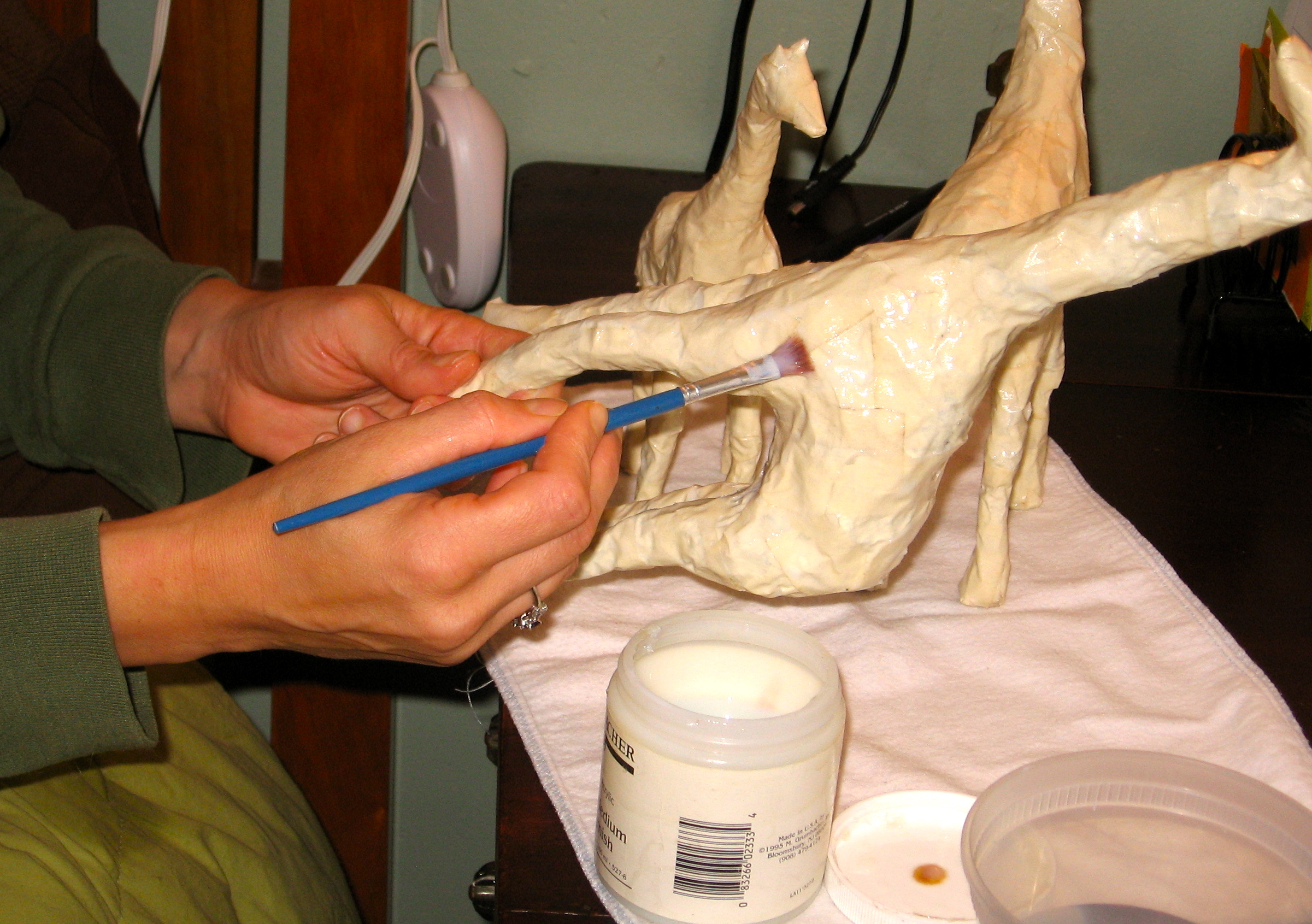
Time = Love
Posted: November 8, 2011 Filed under: Child Centered Activities, Chronicles of a First Time Parent 3 CommentsYesterday we had a caregiver come to the house and help with my daughter while David worked. She said that in all her years being a nanny, she has learned the most loving gift you can give your child is your time. Makes sense to me.
“Confrontation with the Unconscious”
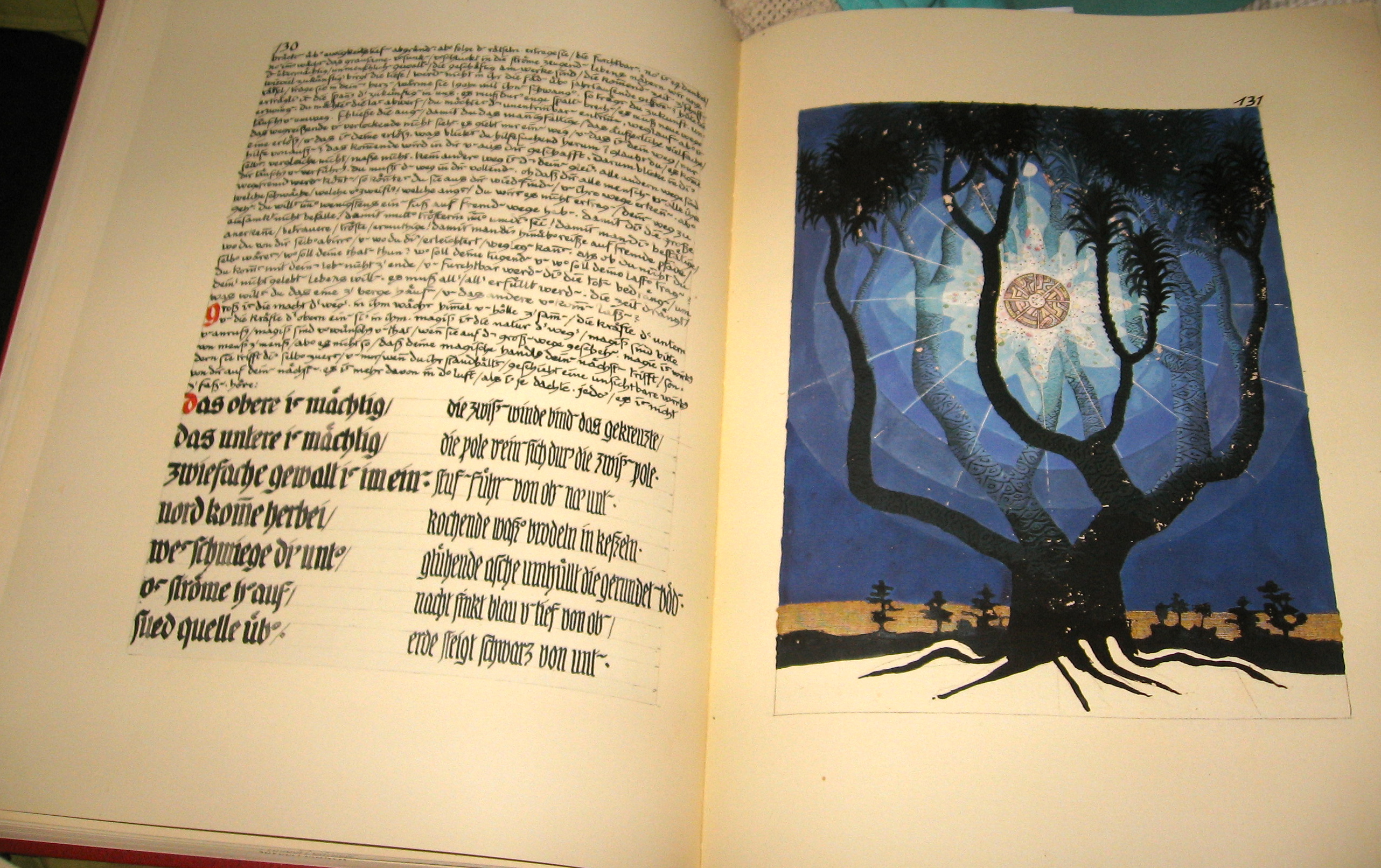
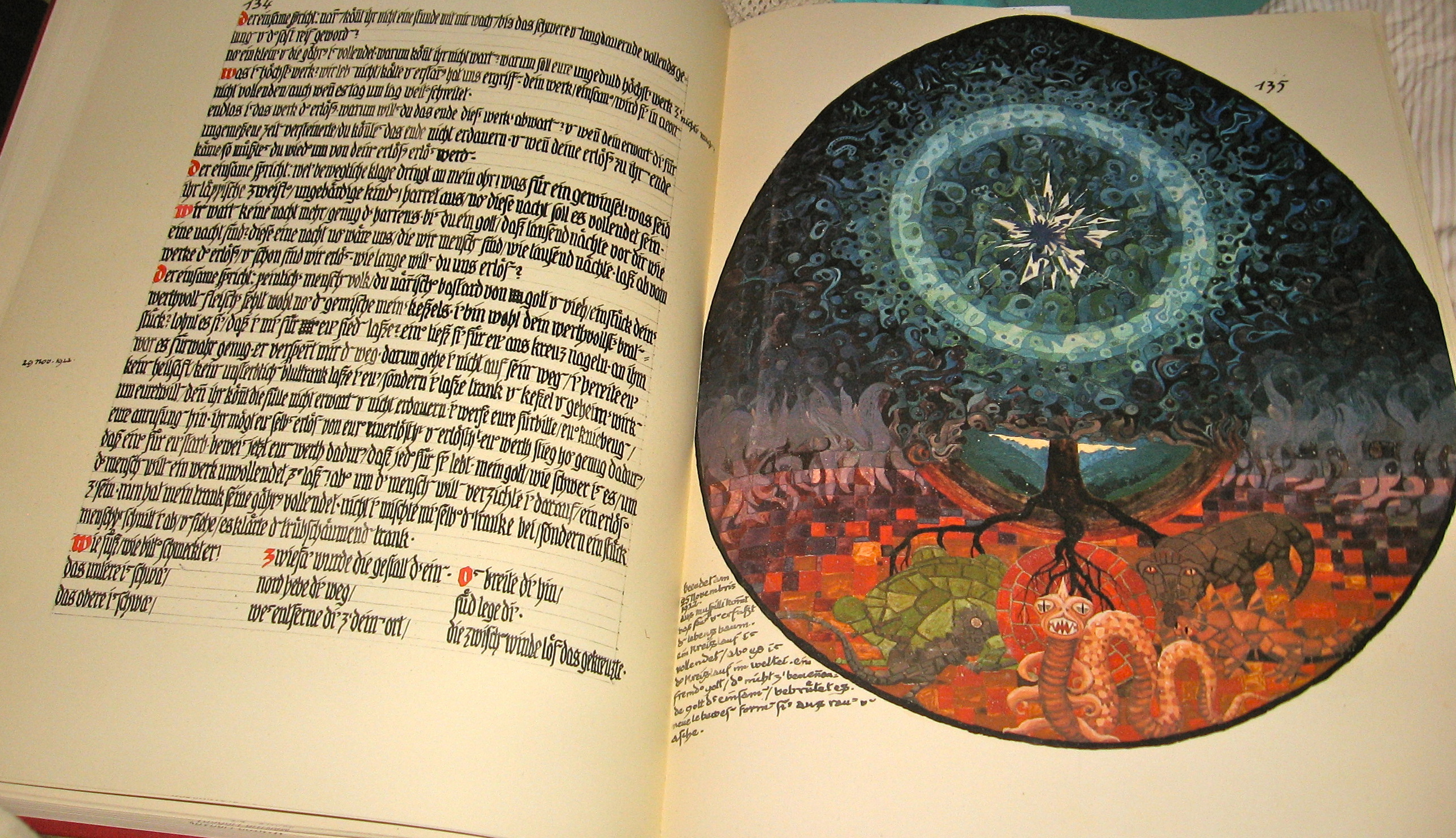
Posted: November 7, 2011 Filed under: Art & Healing 4 CommentsC.G. Jung’s Liber Novus or the Red Book is a recently published documentation of his “self experiment” from 1913-1930 where he attempted to translate his emotions into images. It is believed that this nearly two decades of inquiry, became the basis of his later works. After his death, the book was considered by the family to be private until a new committee of executives decided (due to the way in which Jung was addressing the reader) it was in fact intended to be shared.
The book itself is oversized, must weigh 5 lbs and is not by any means a quick, light read! It is however a beautifully rendered account of his quest for insight, both visually and through text. Sonu Shamdasani, Mark Kyburz and John Peck provide notes and translation. The below photos are from this 2009, Foundation of the Works of C.G. Jung text.

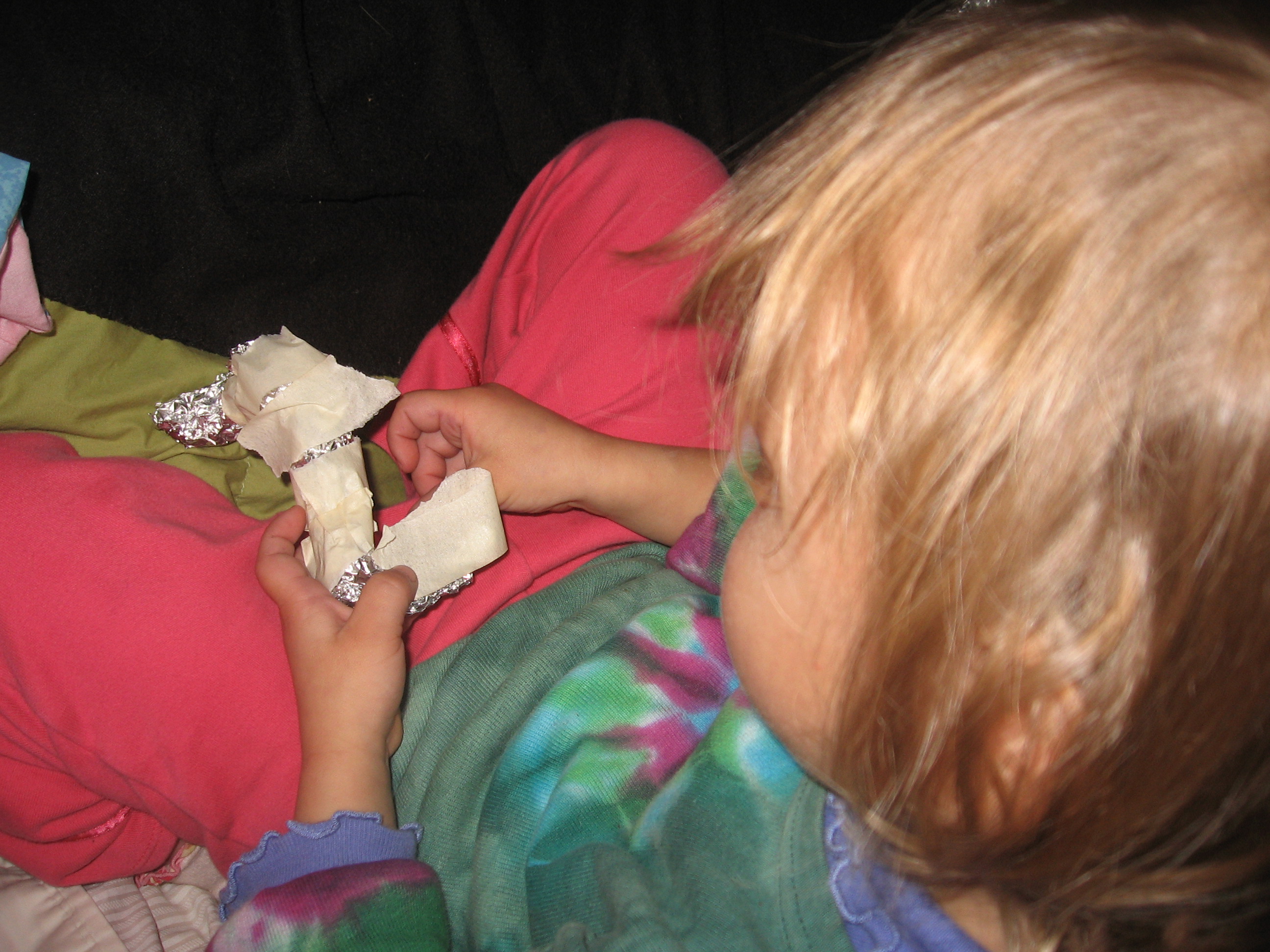
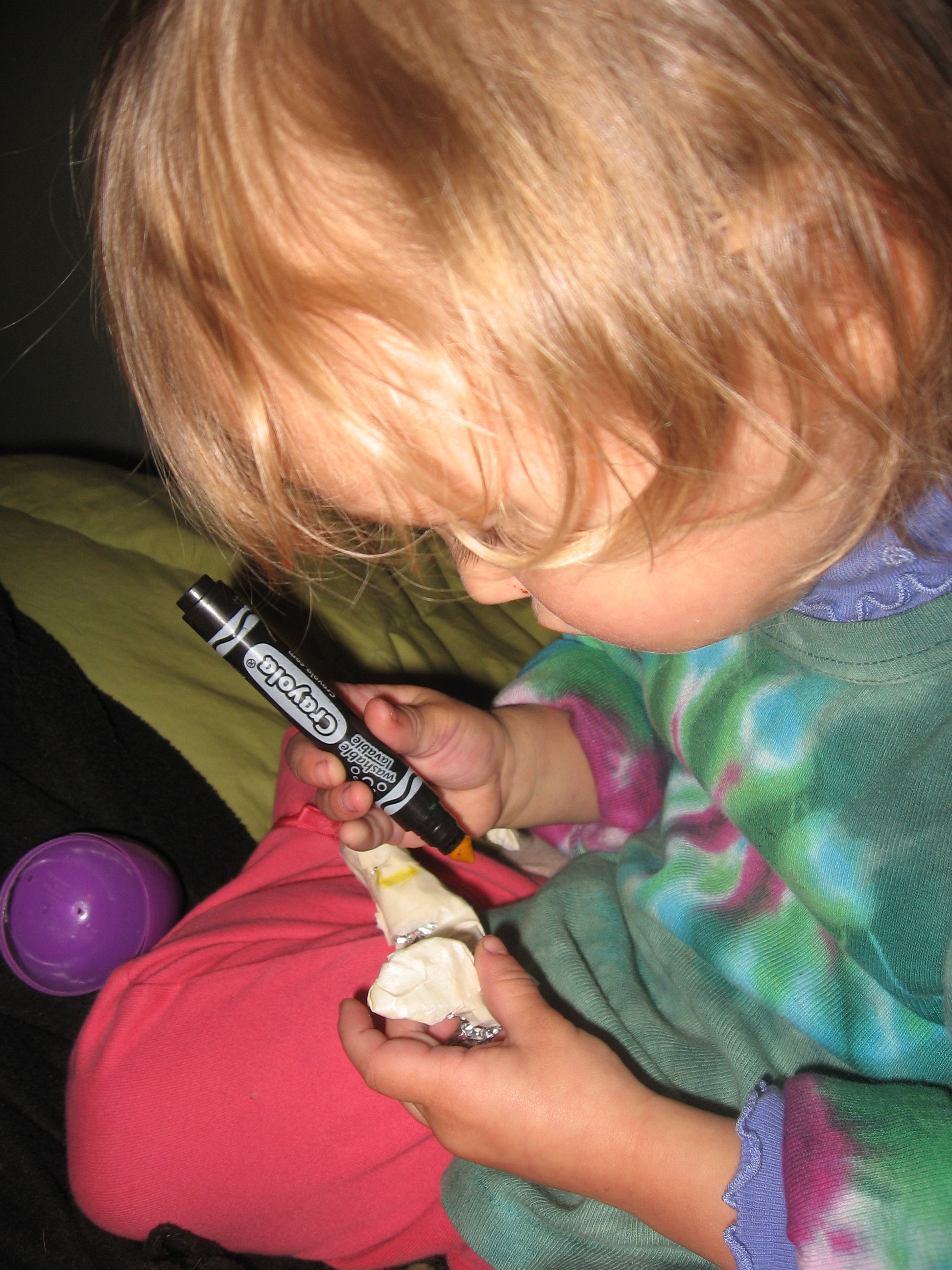
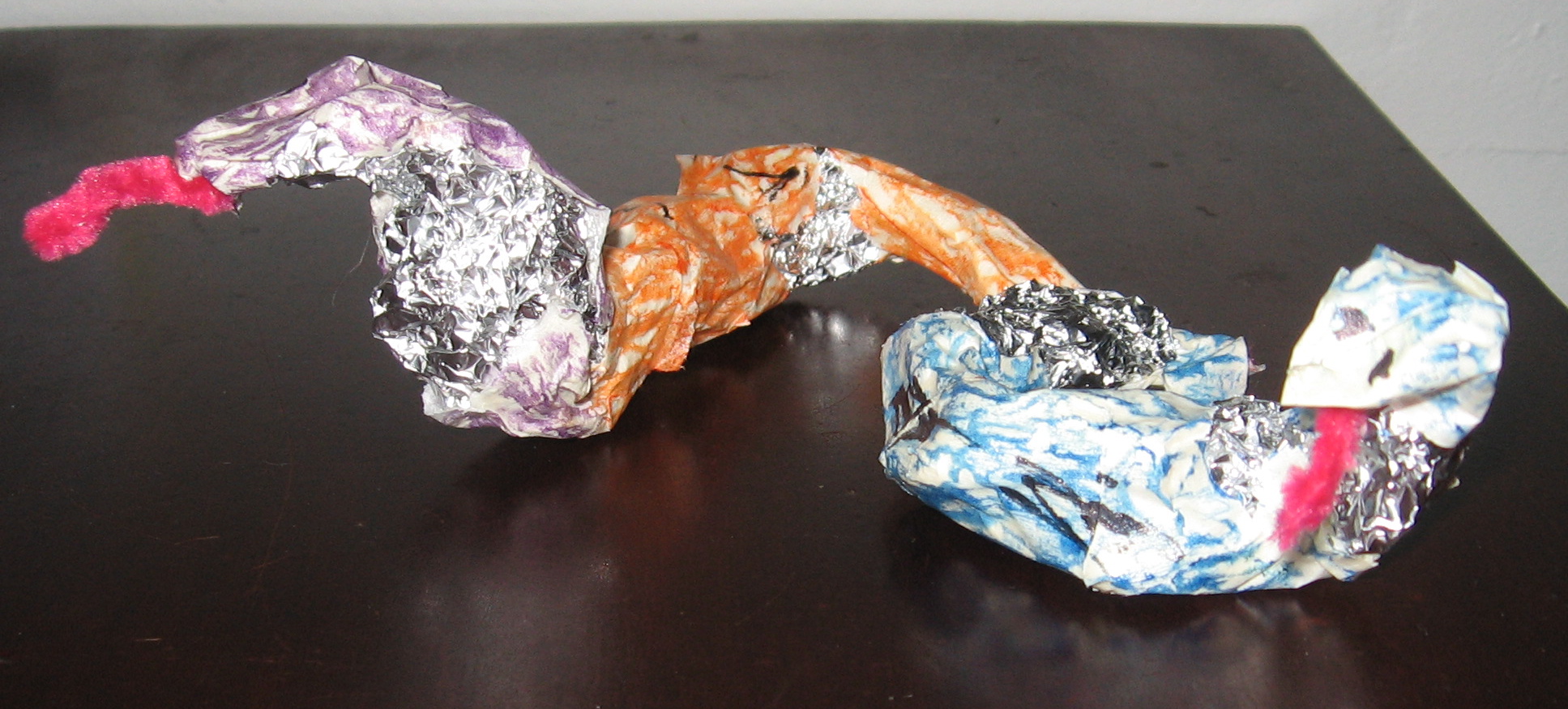
Snake Sculptures
Posted: November 5, 2011 Filed under: Art & Healing, Child Centered Activities 4 Comments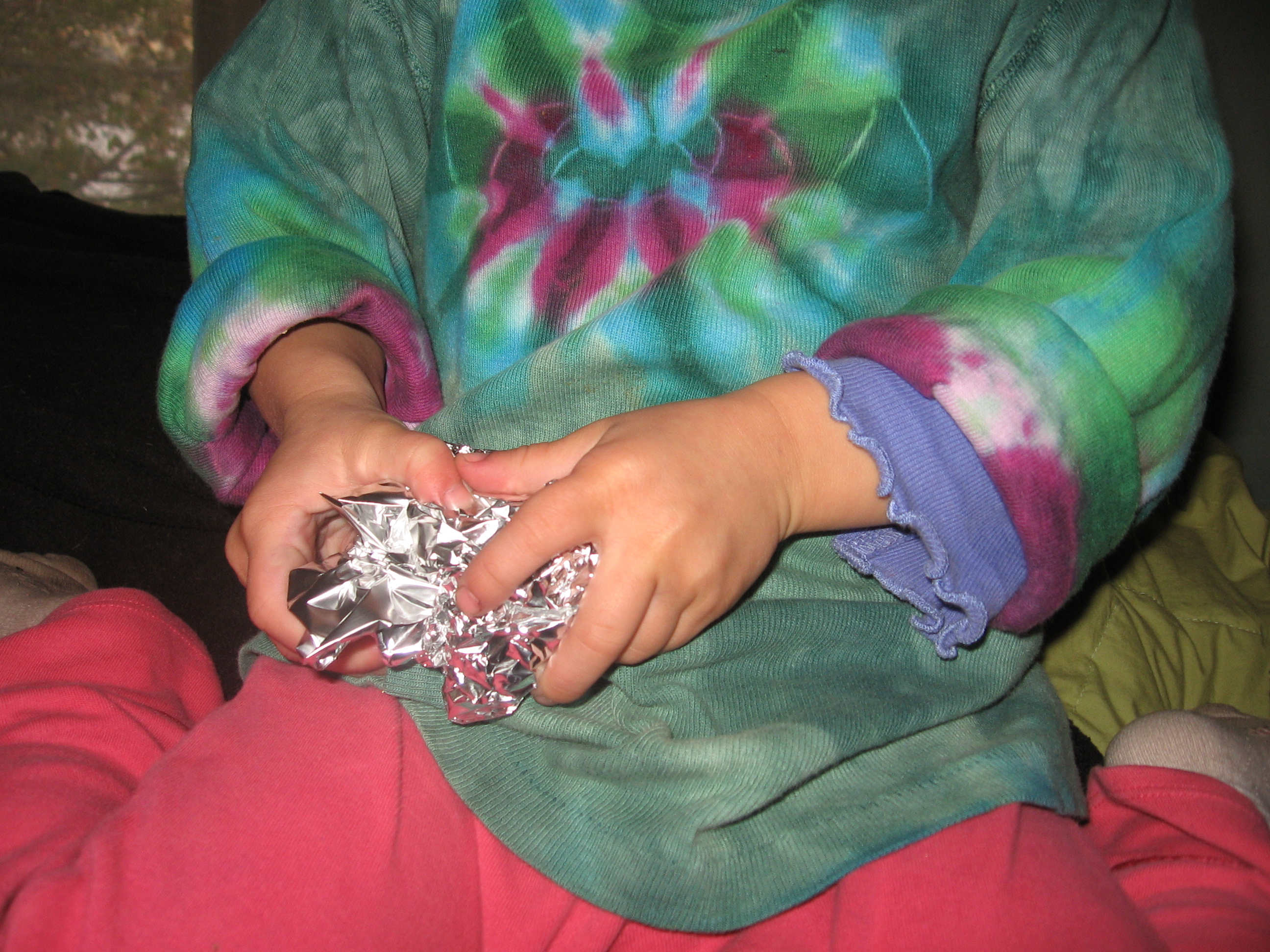
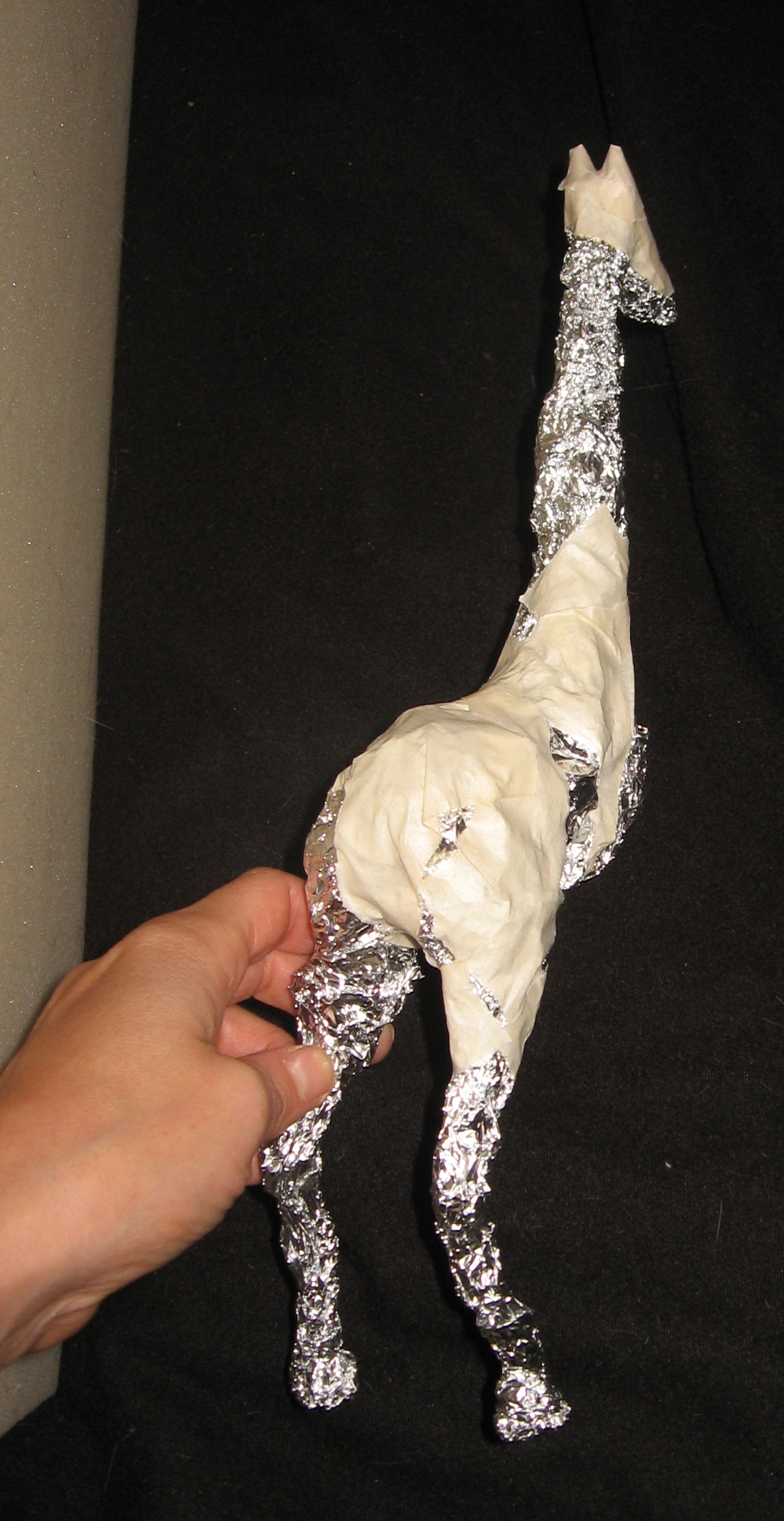
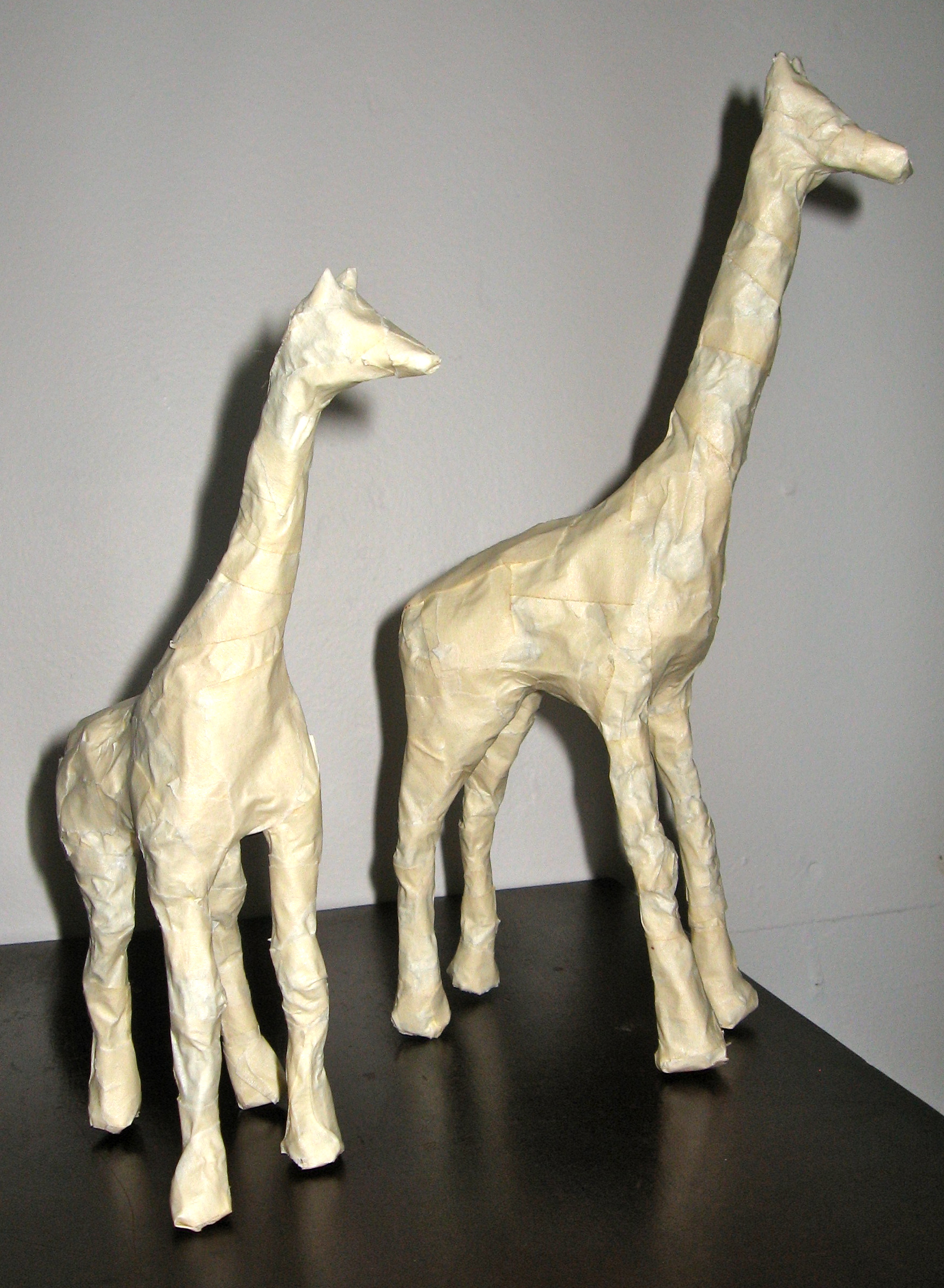
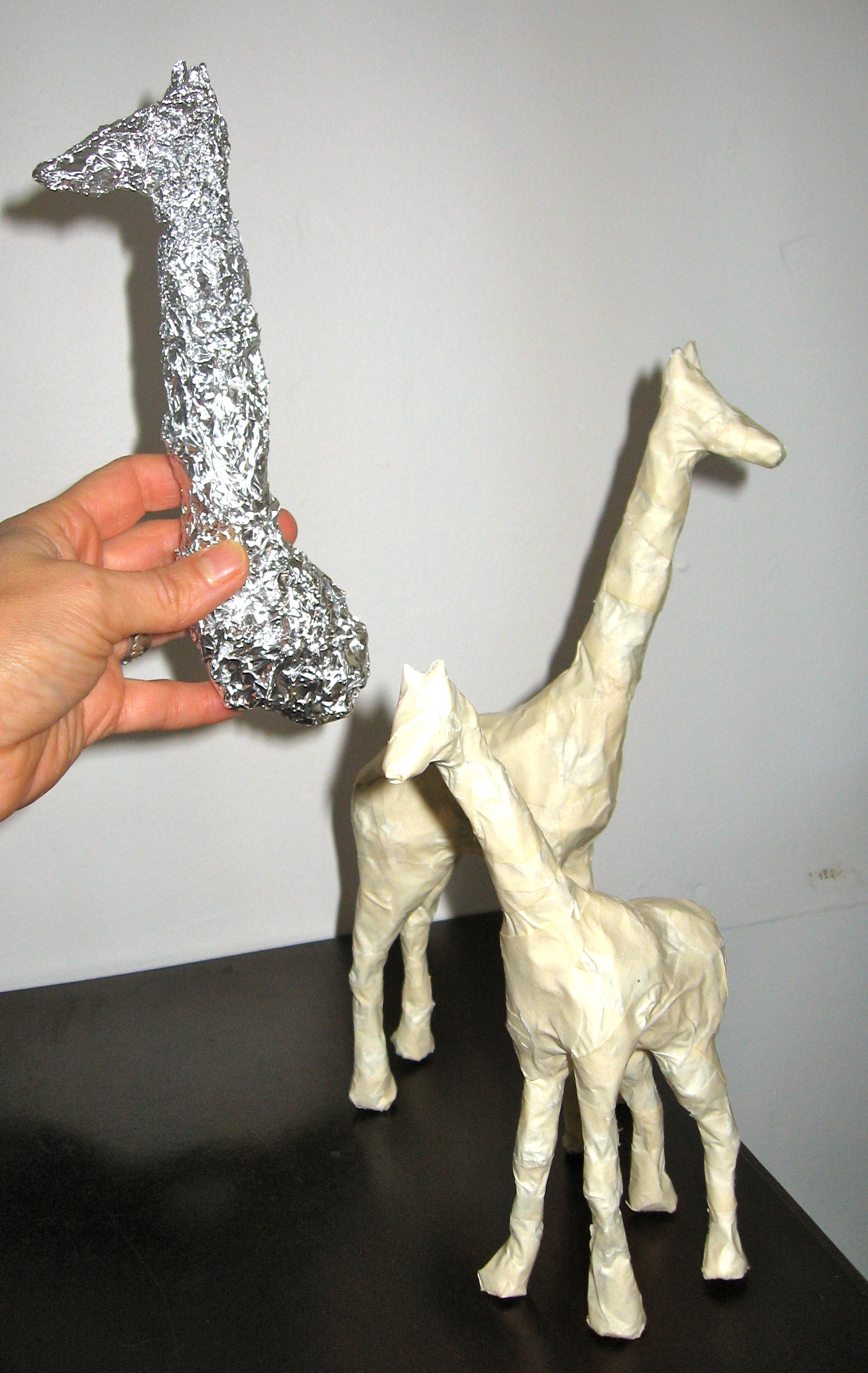
Giraffe Sculptures Continued
Posted: November 3, 2011 Filed under: Art & Healing, Child Centered Activities 4 Comments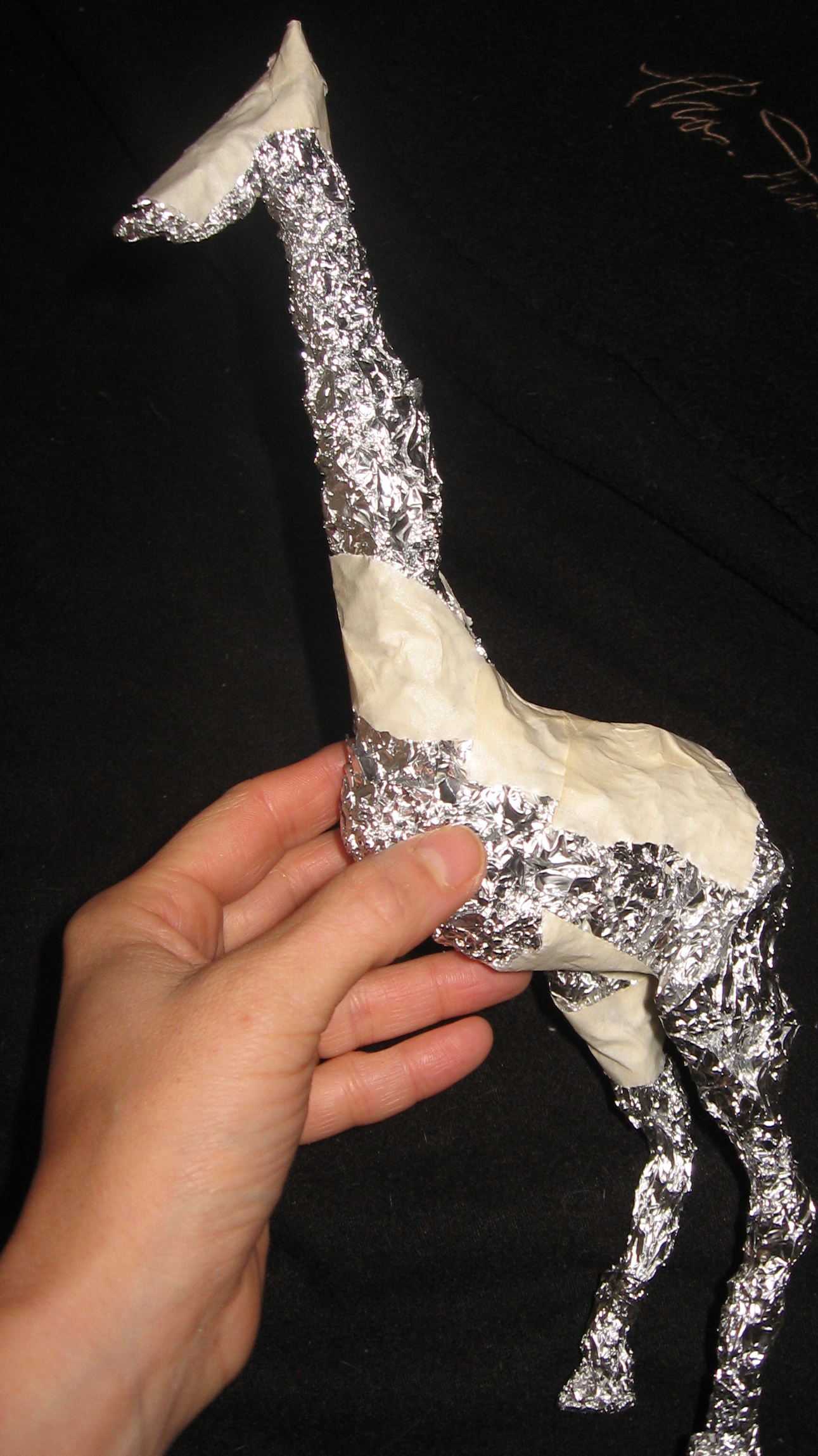
 an Art Farm