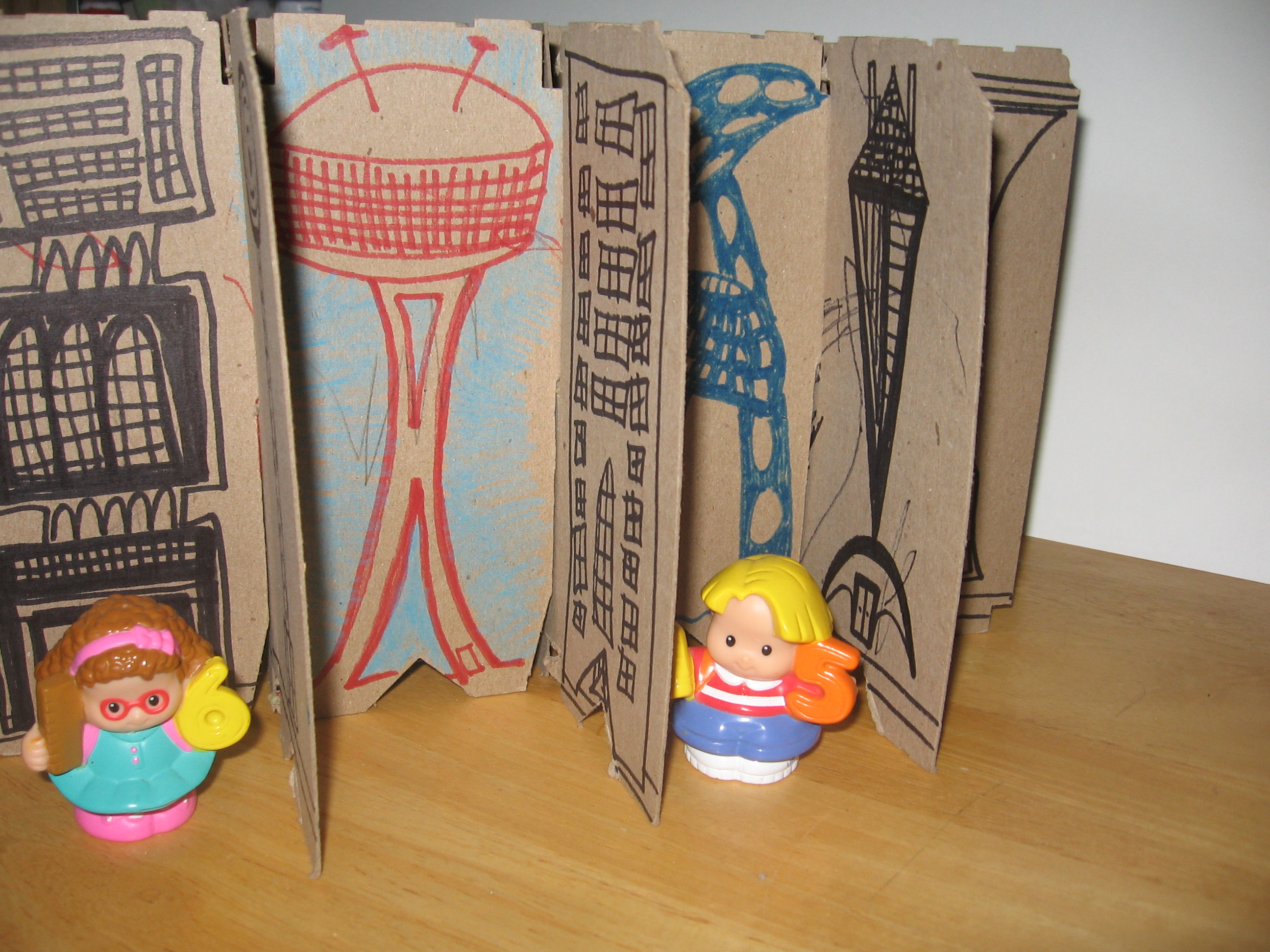
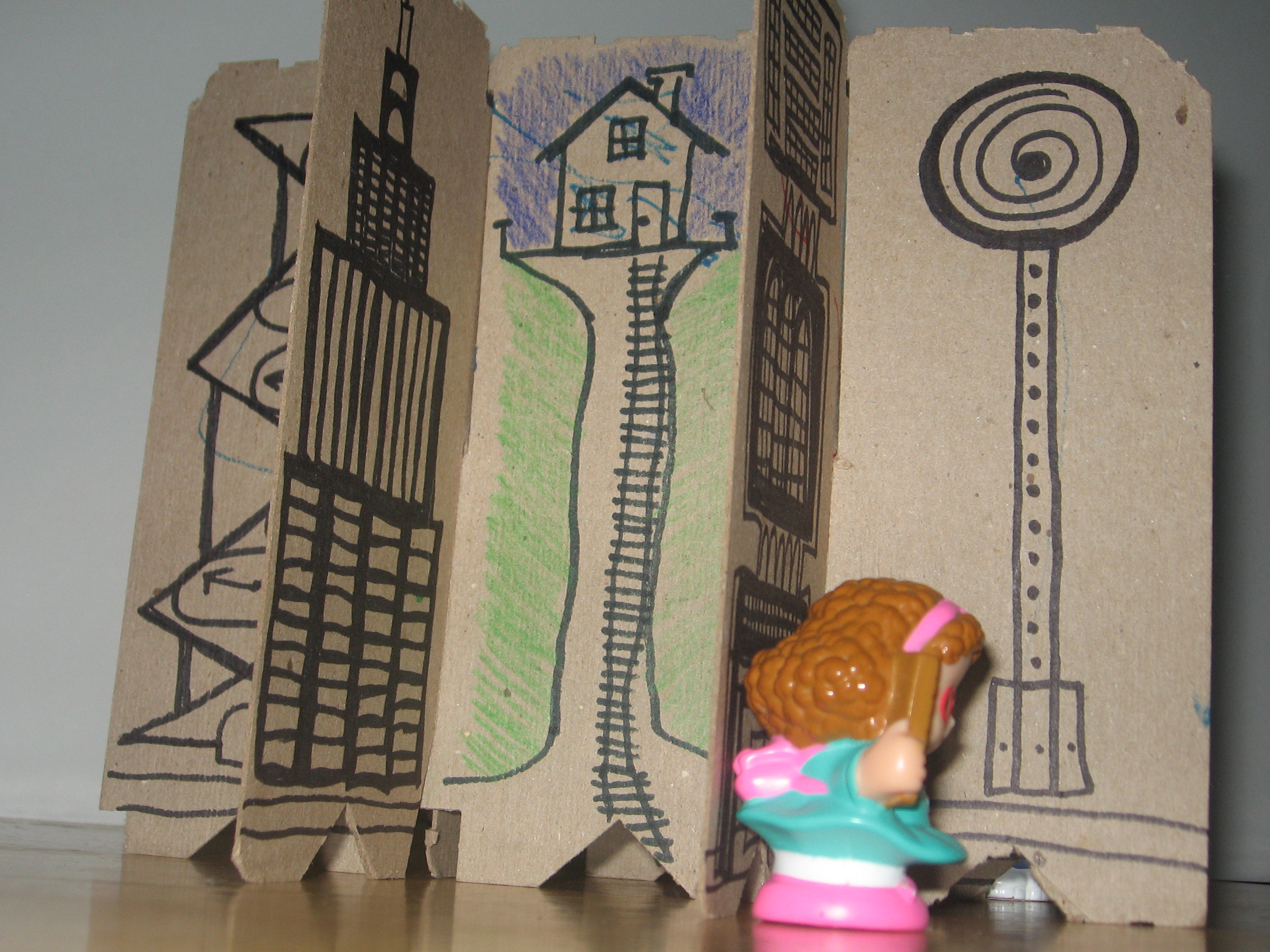
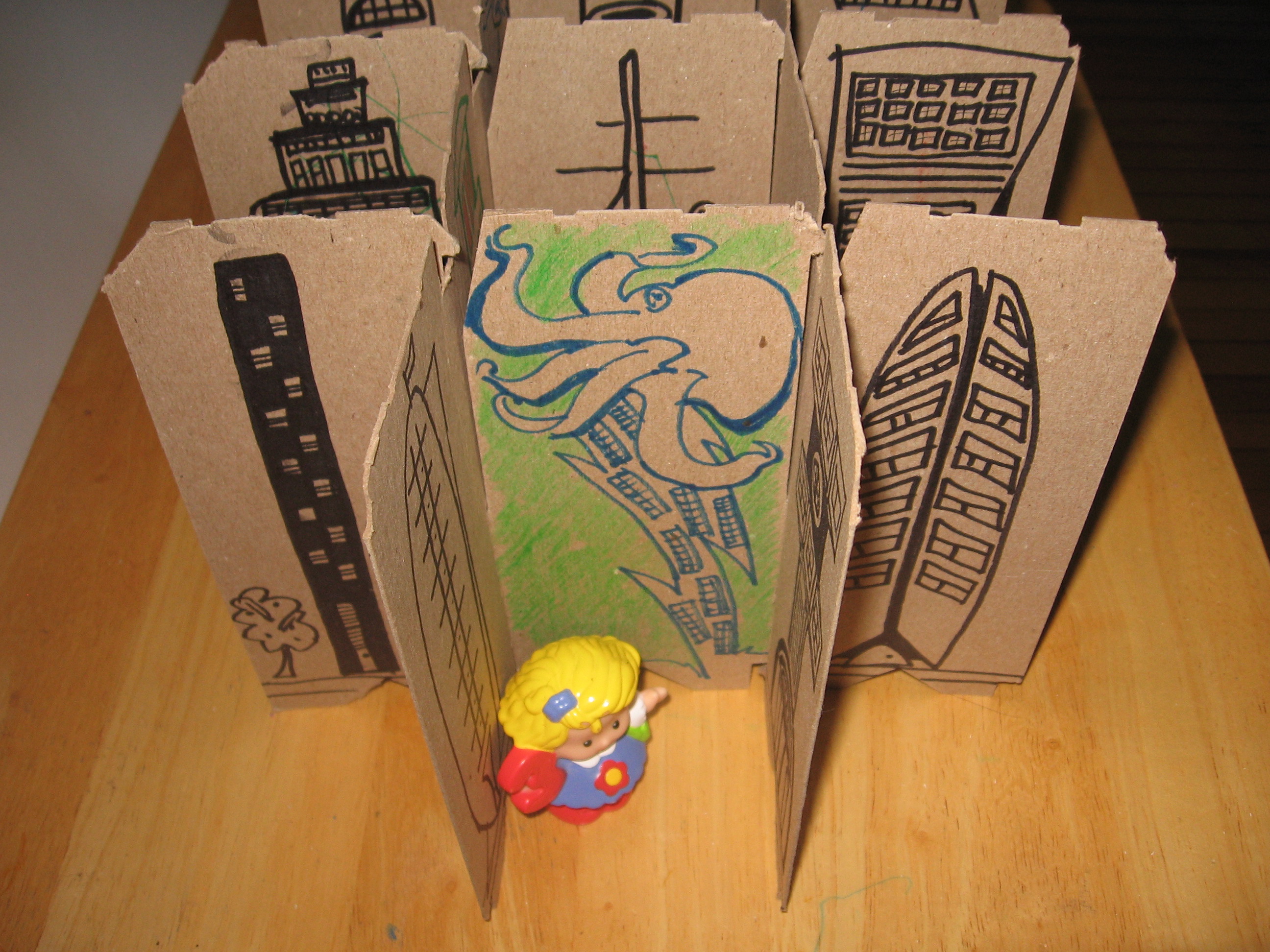
Cityscapes for Little People
Posted: August 30, 2011 Filed under: Child Centered Activities 3 Comments

Purple Eggs & No Ham
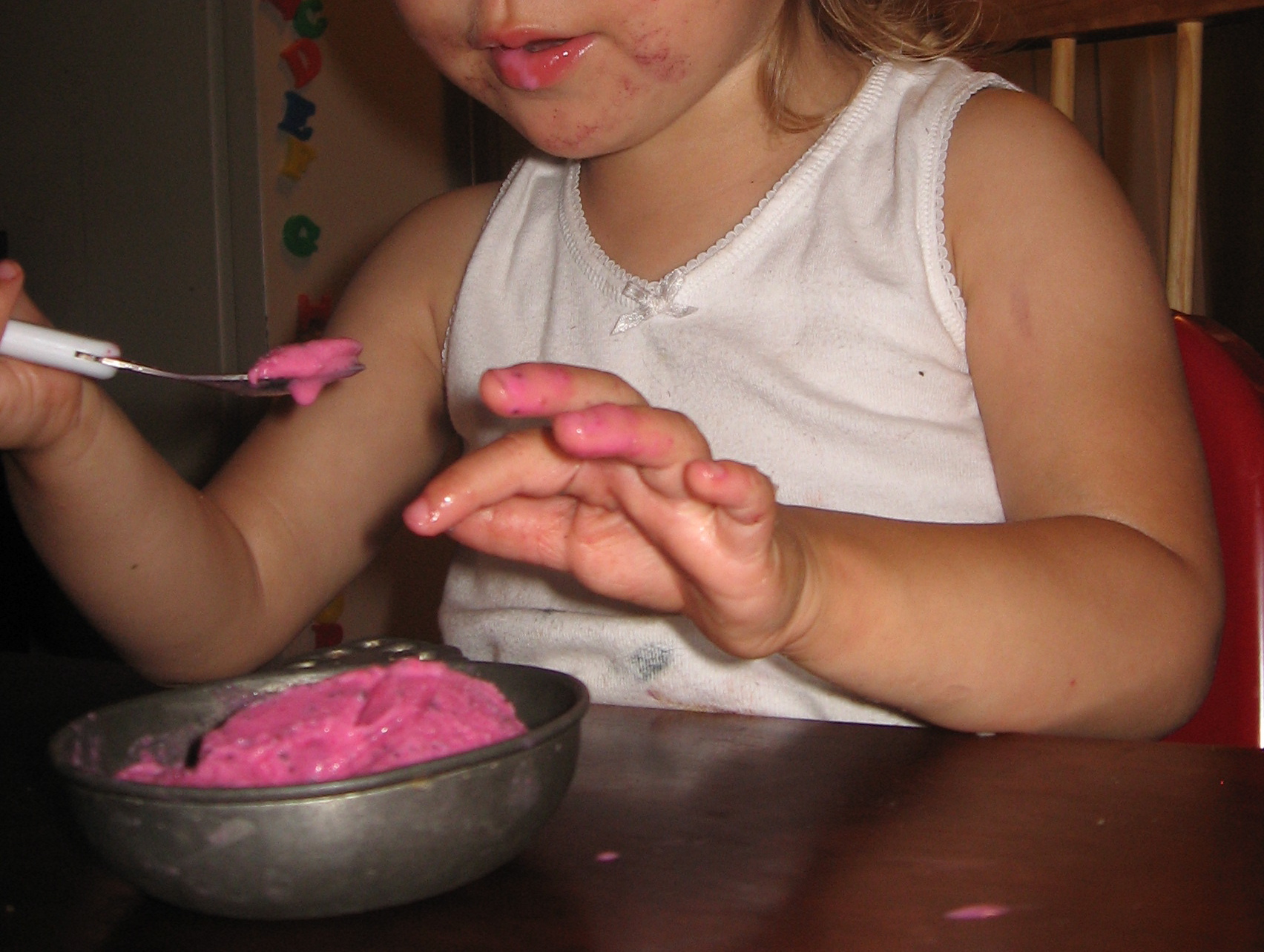
Posted: August 26, 2011 Filed under: Chronicles of a First Time Parent, In the Kitchen Leave a commentMy poor kid, we’re still finding uses for the leftover beet puree! Nothing like a monochromatic meal of purple eggs (once she saw it she asked for green eggs and ham) and smoothie! 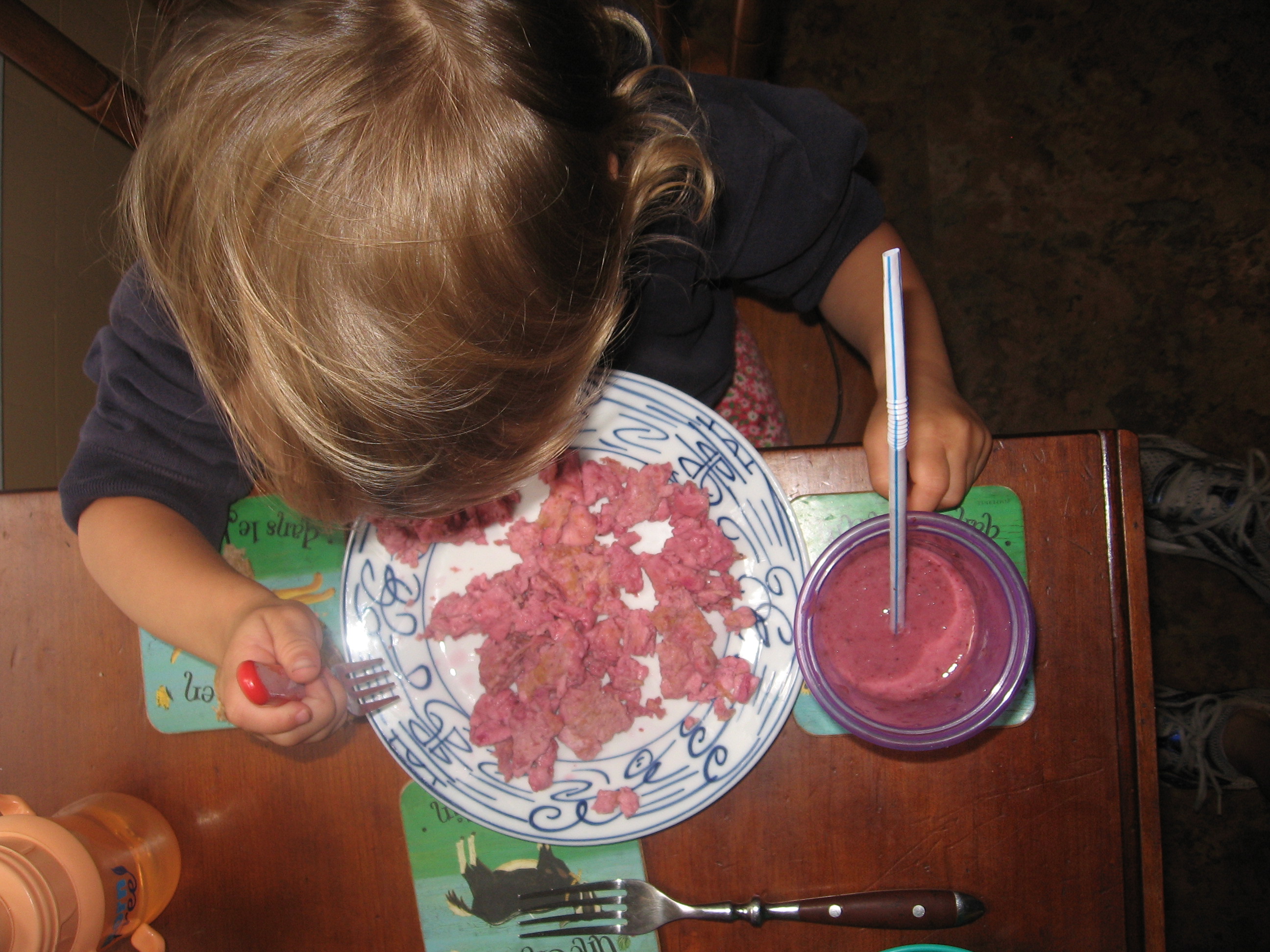
leftover beet puree?
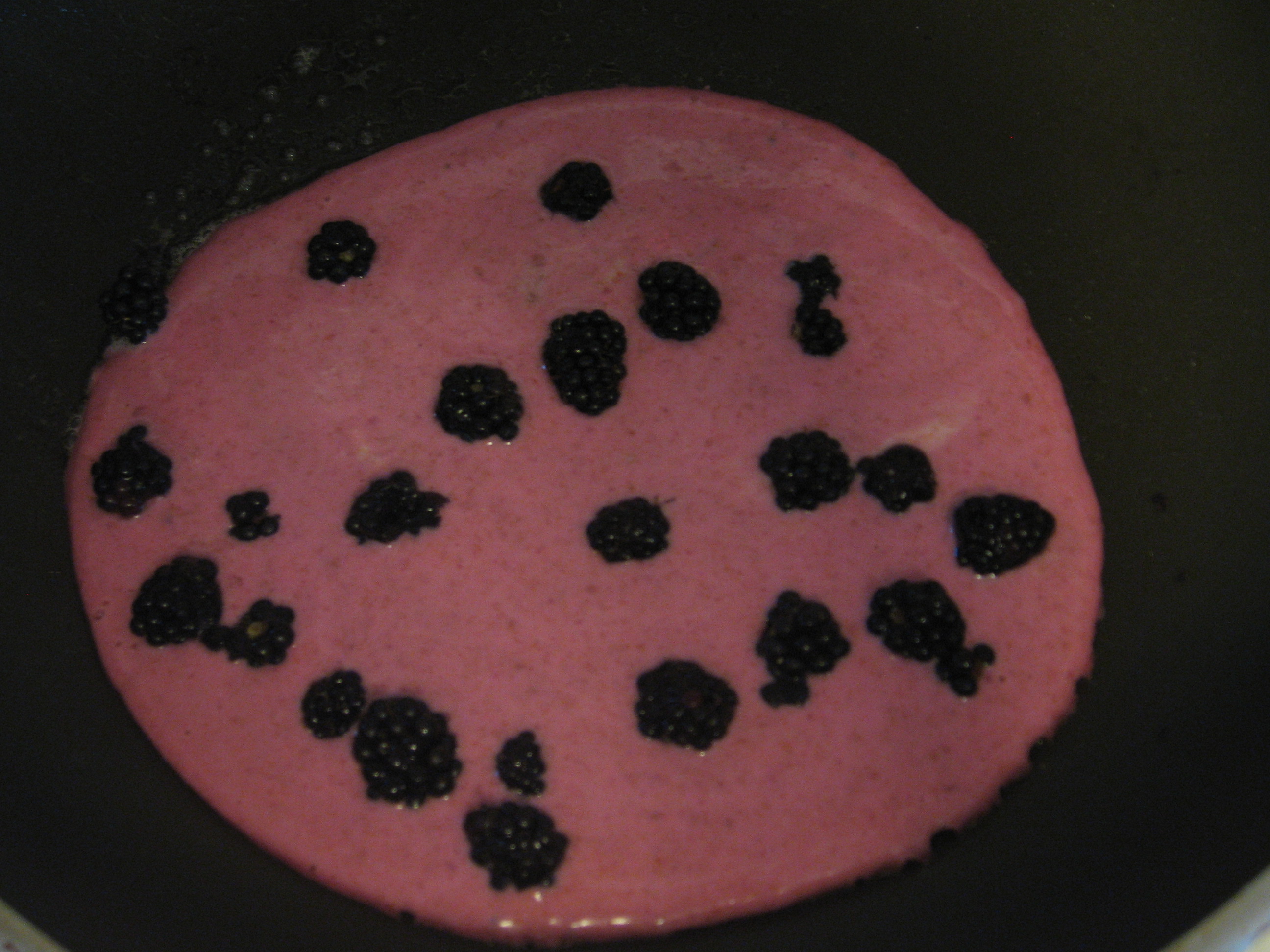
Posted: August 24, 2011 Filed under: In the Kitchen 1 CommentWe had some leftover from the beet ice cream recipe (see previous posting), threw 1 – 1 1/2 TB into some pancake batter we had, and topped off with blackberries. Gorgeous and not too sweet! I got the idea from Jessica Seinfeld’s “Deliciously Deceptive” cookbook – a gift from Aunt Carol.
Beet Ice Cream, with Orange Zest, Mascarpone, and Poppy Seeds
Posted: August 21, 2011 Filed under: Child Centered Activities, In the Kitchen 3 CommentsThis recipe comes from “Jeni’s Splendid Ice Creams at Home.” Thanks go to June Gillis, who gifted the book to me.
Wrap two medium beets in aluminum foil and roast, at 400 degrees, until very soft, about 90 minutes.

When cool to the touch, peel and chop, and then puree in a food processor. Press the puree through a sieve, and combine 1/2 cup puree with 2 tablespoons sugar and set aside.
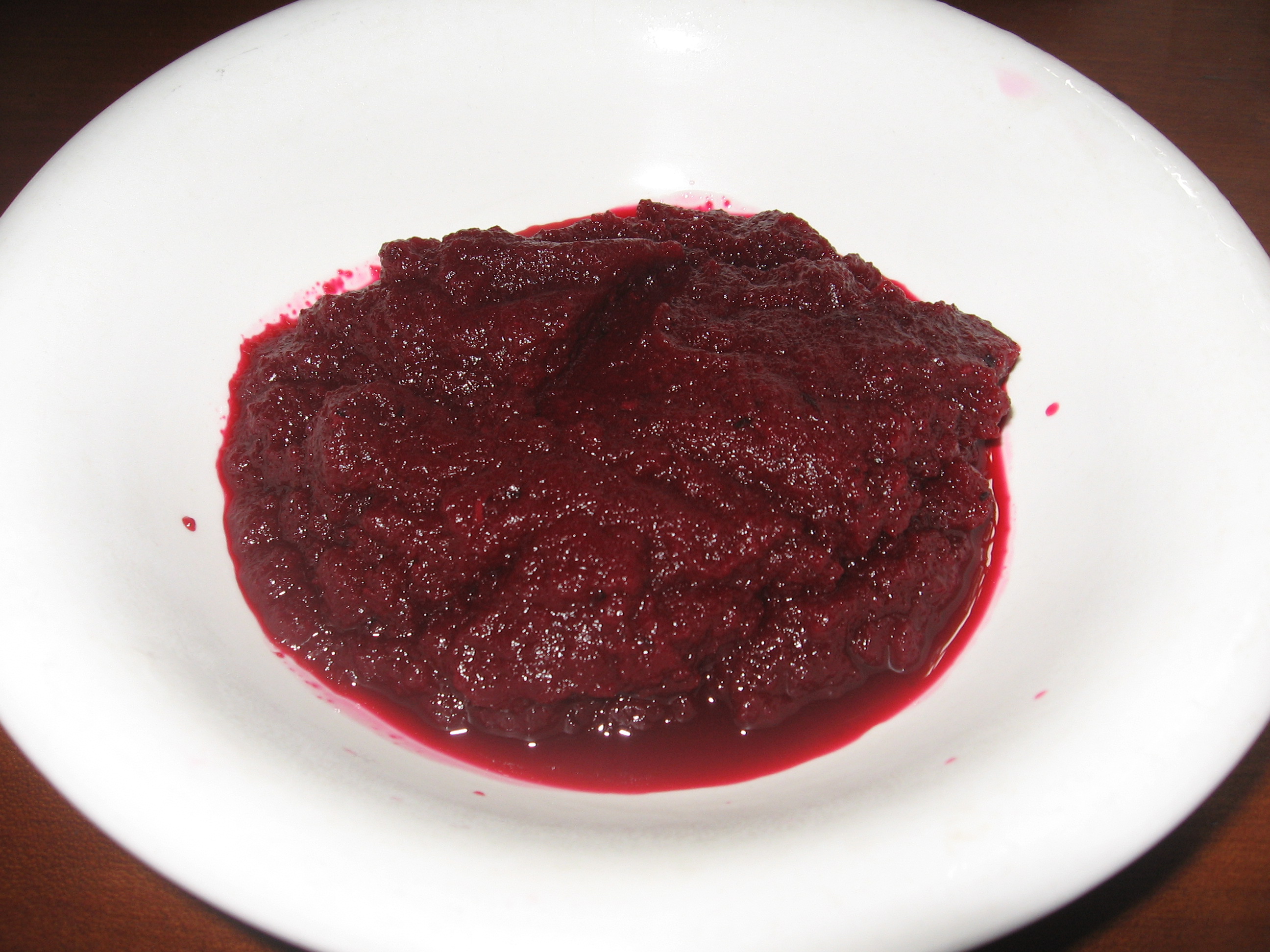
To the beet puree, add 2 tablespoons mascarpone cheese and 1/2 teaspoon sea salt. Mix until smooth and set aside.
Combine 2 tablespoons whole milk with 1 tablespoon plus 1 teaspoon corn starch to make a slurry. Set aside.
Combine 2 cups whole milk, 1 and 1/4 cup heavy cream, 2 tablespoons light corn syrup (or 1 tablespoon Agave Nectar), and zest of one orange (use a vegetable peeler so the zest is large pieces) and bring to a rolling boil for four minutes. Remove from the heat and wisk in the slurry, return to the heat and boil for one minute, until it thickens.
Remove the thickened base from the heat and slowly wisk in the beet/mascarpone mixture.

Pour the mixture into a one gallon zip-lock bag and submerge in an ice bath for 30 minutes, or until chilled.
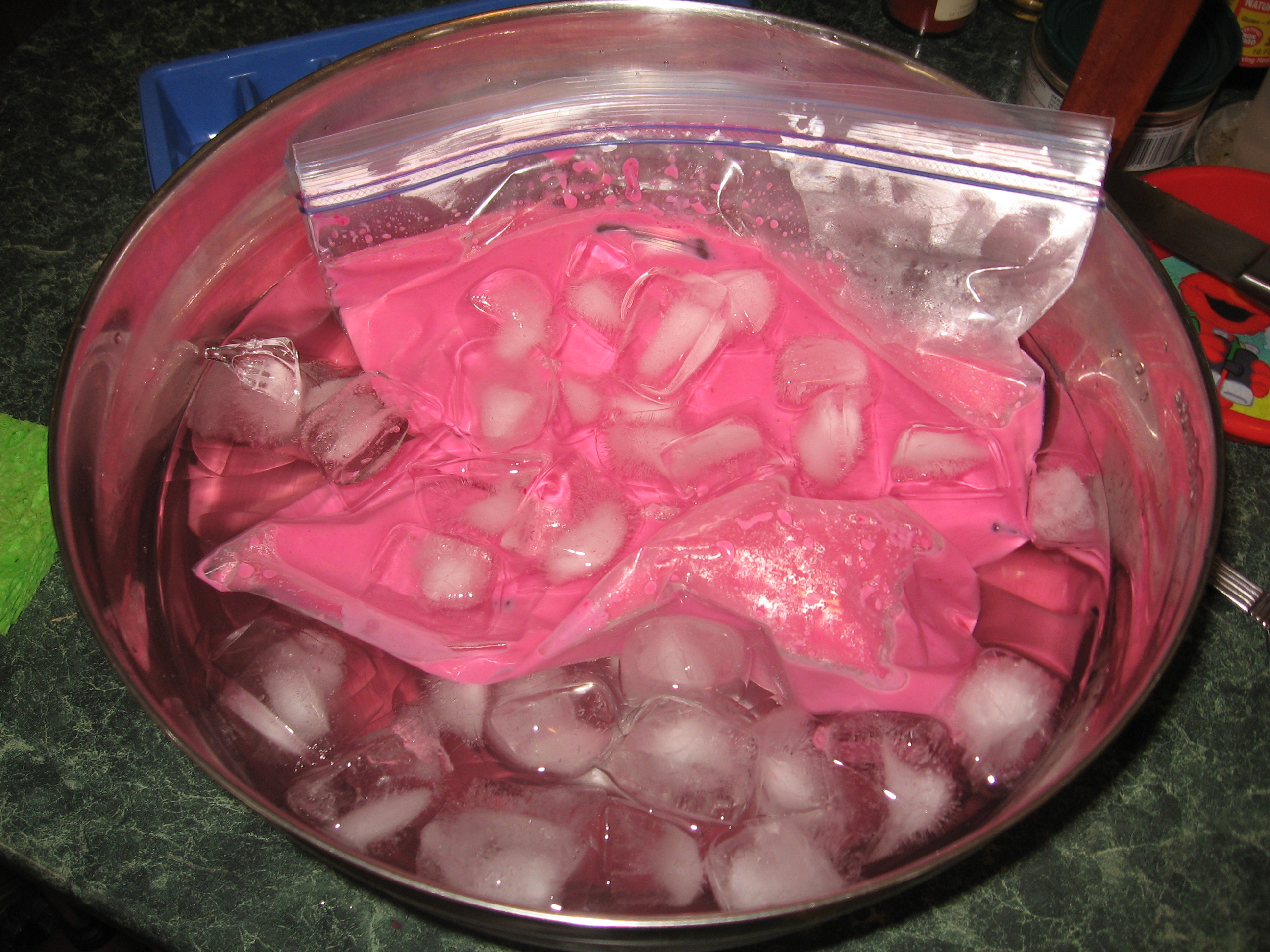
Once chilled, remove the orange zest and pour into an ice cream cannister. Add 2 tablespoons of poppy seeds and churn according to the manufacturers instructions. Once the ice cream has the thickness of soft serve, put into a one-quart container, cover with parchment paper and freeze, in the coldest part of your freezer, until firm, at least four hours.
Sure to please!
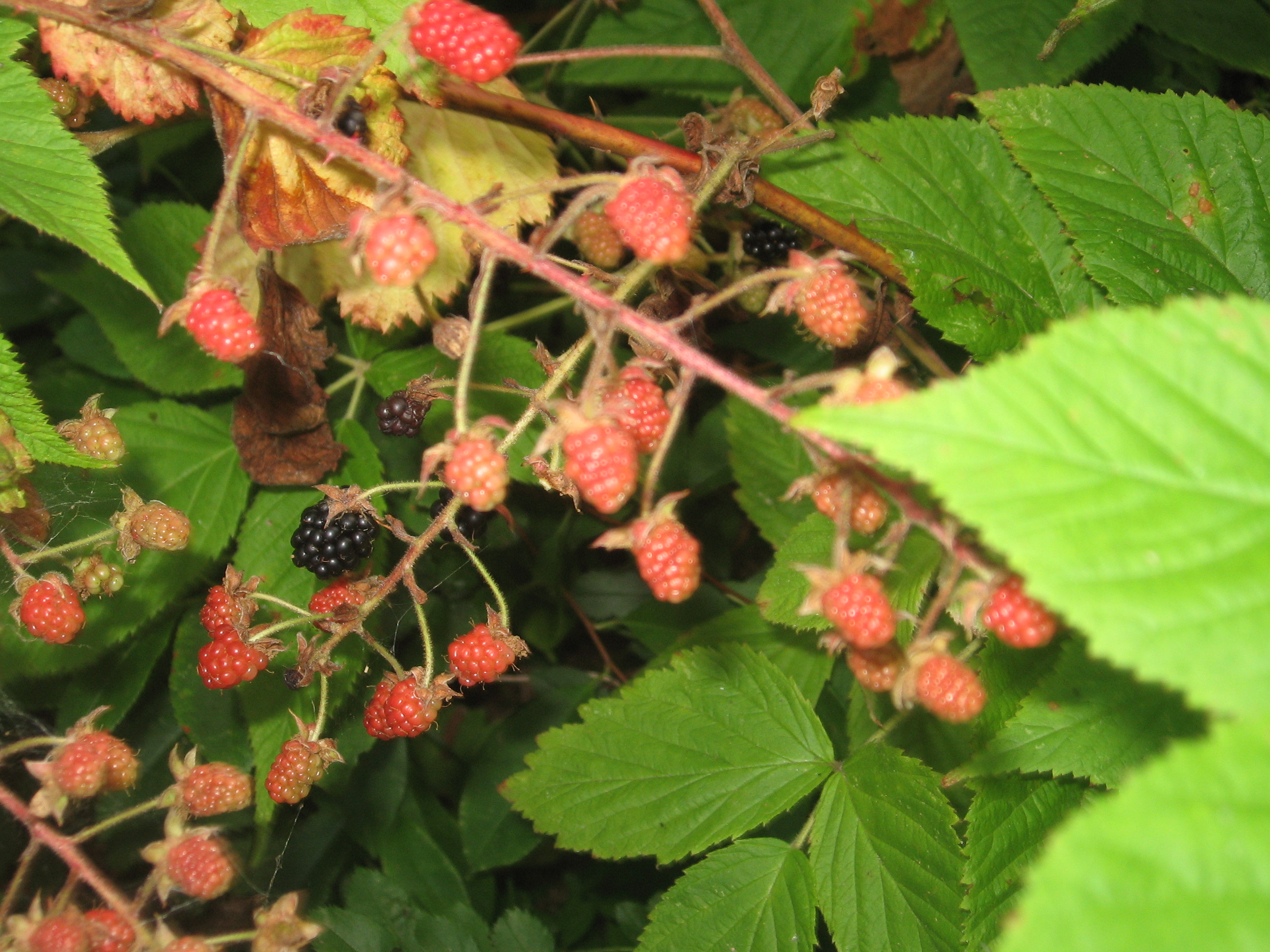
August means Blackberries
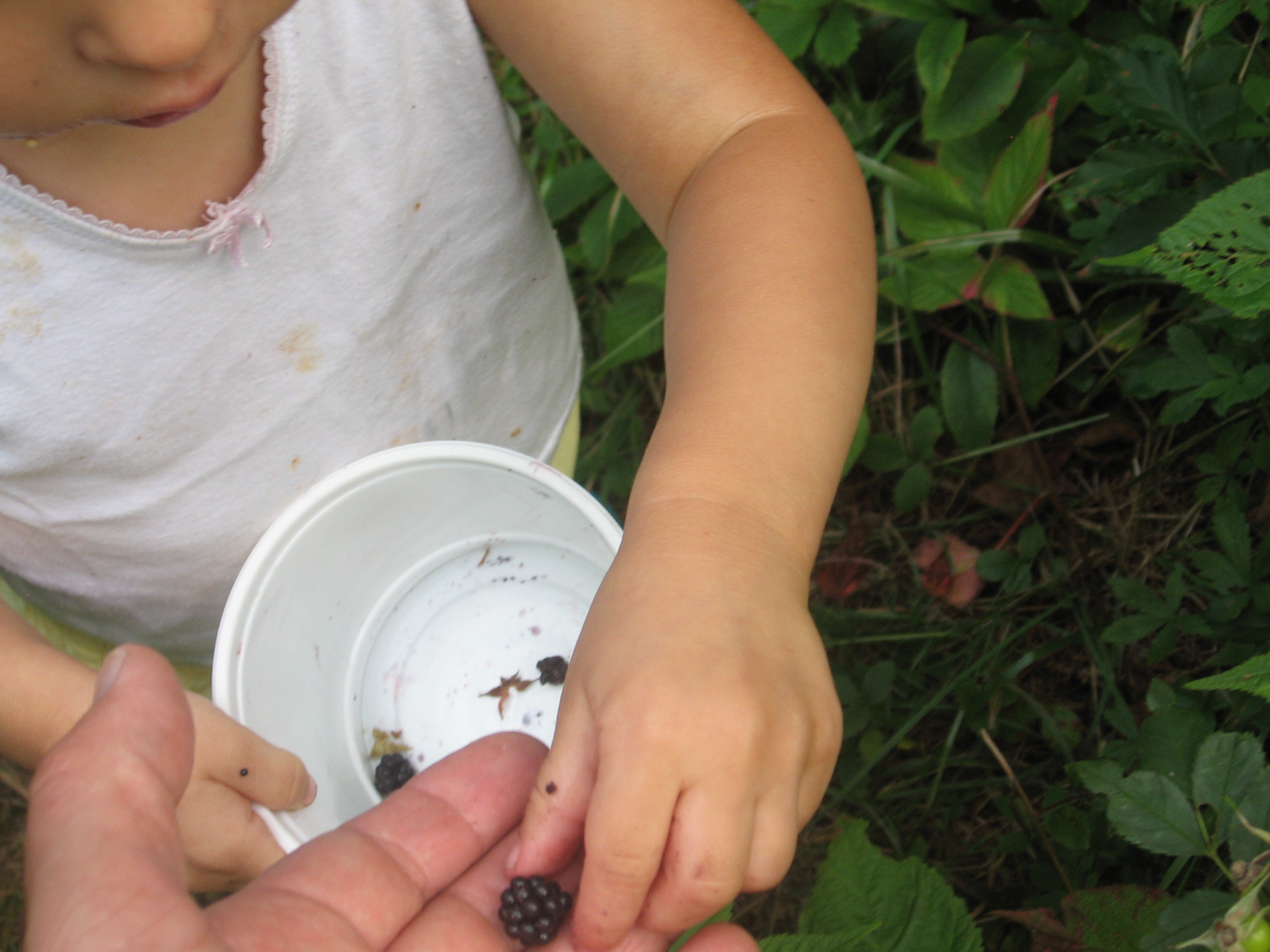
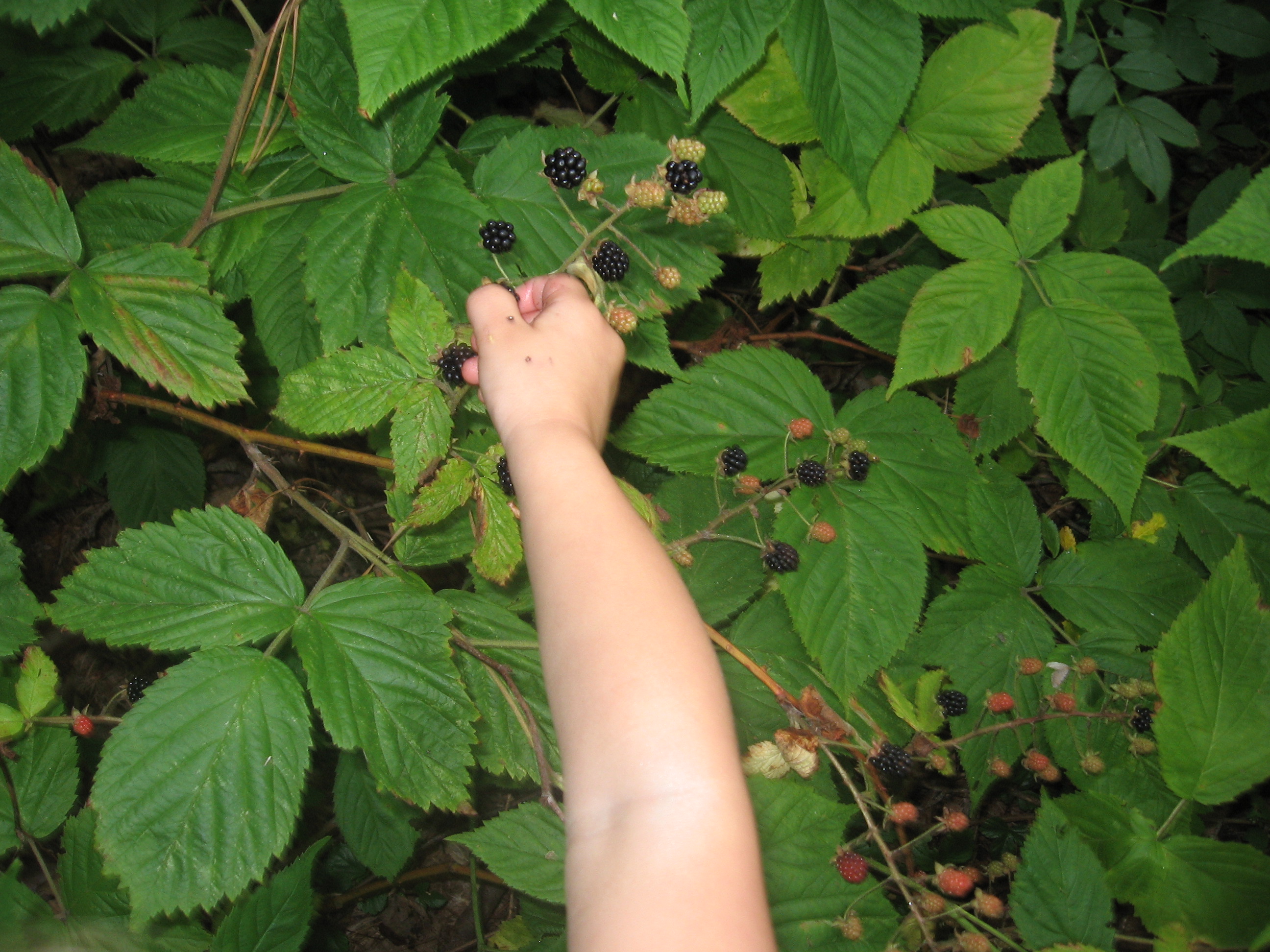
Posted: August 20, 2011 Filed under: Farming off the Farm, Gallery - Visual, Little Green Thumbs 1 CommentOn our way to the beach we foraged…


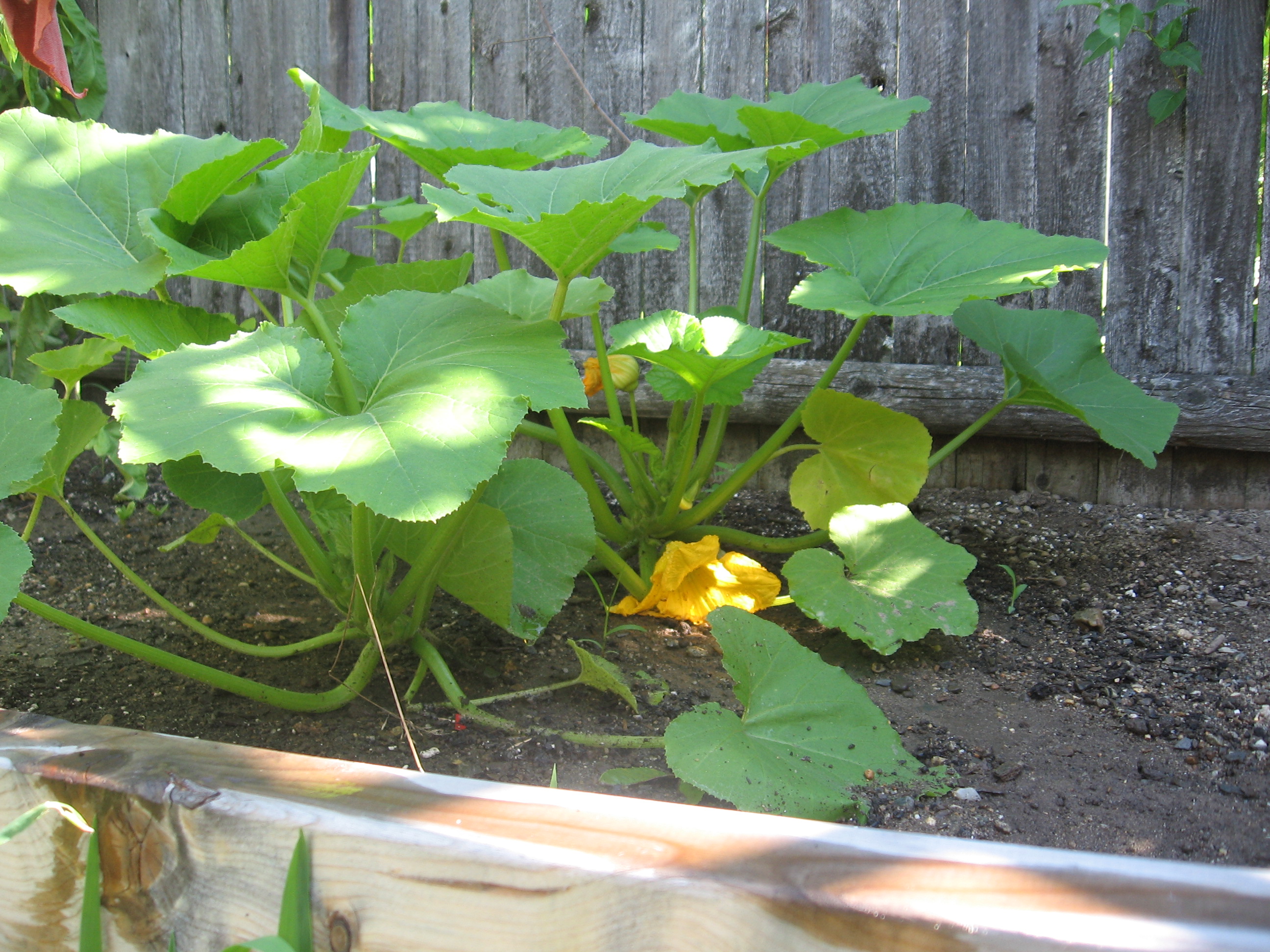
Little Helpers
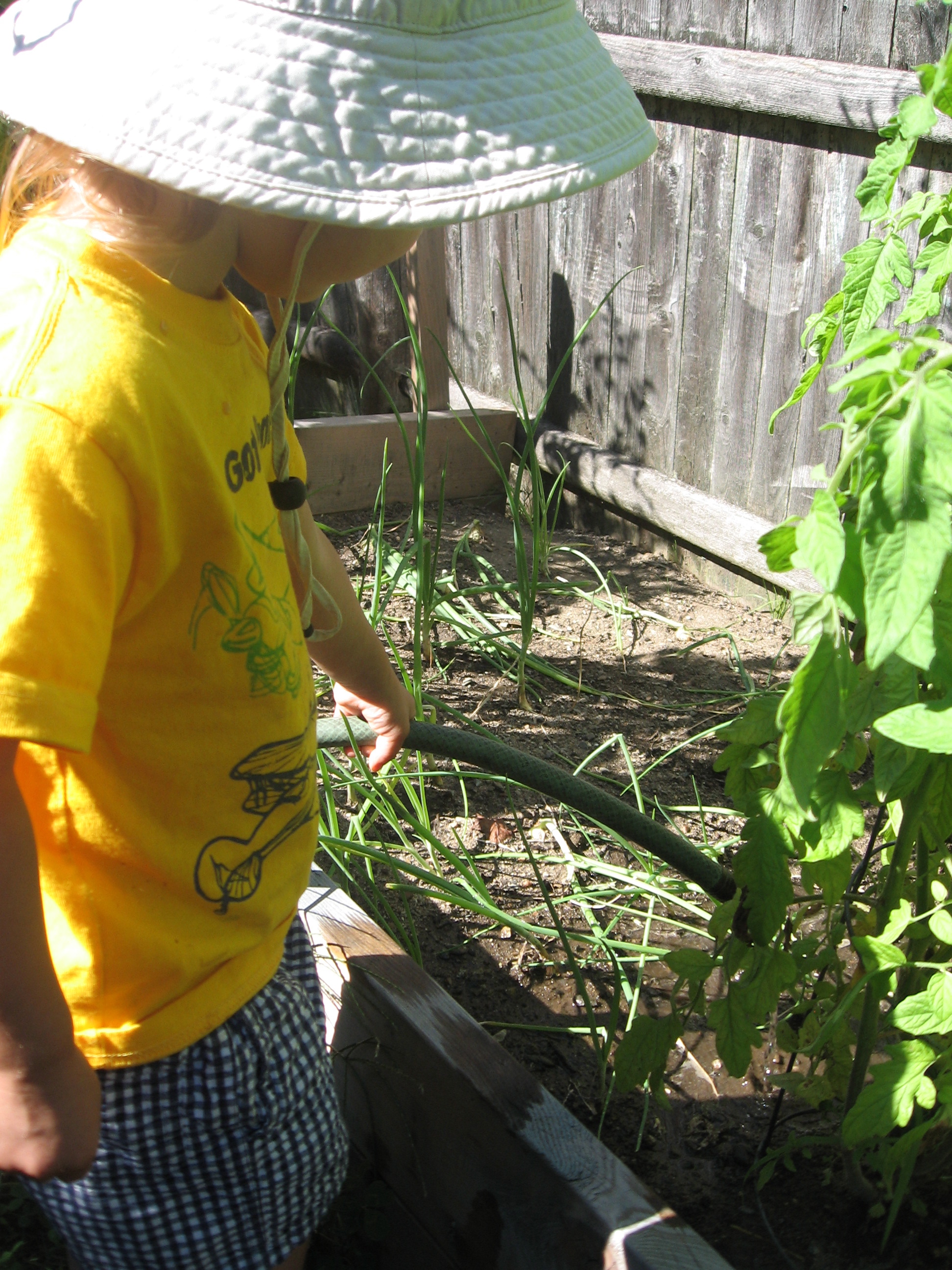
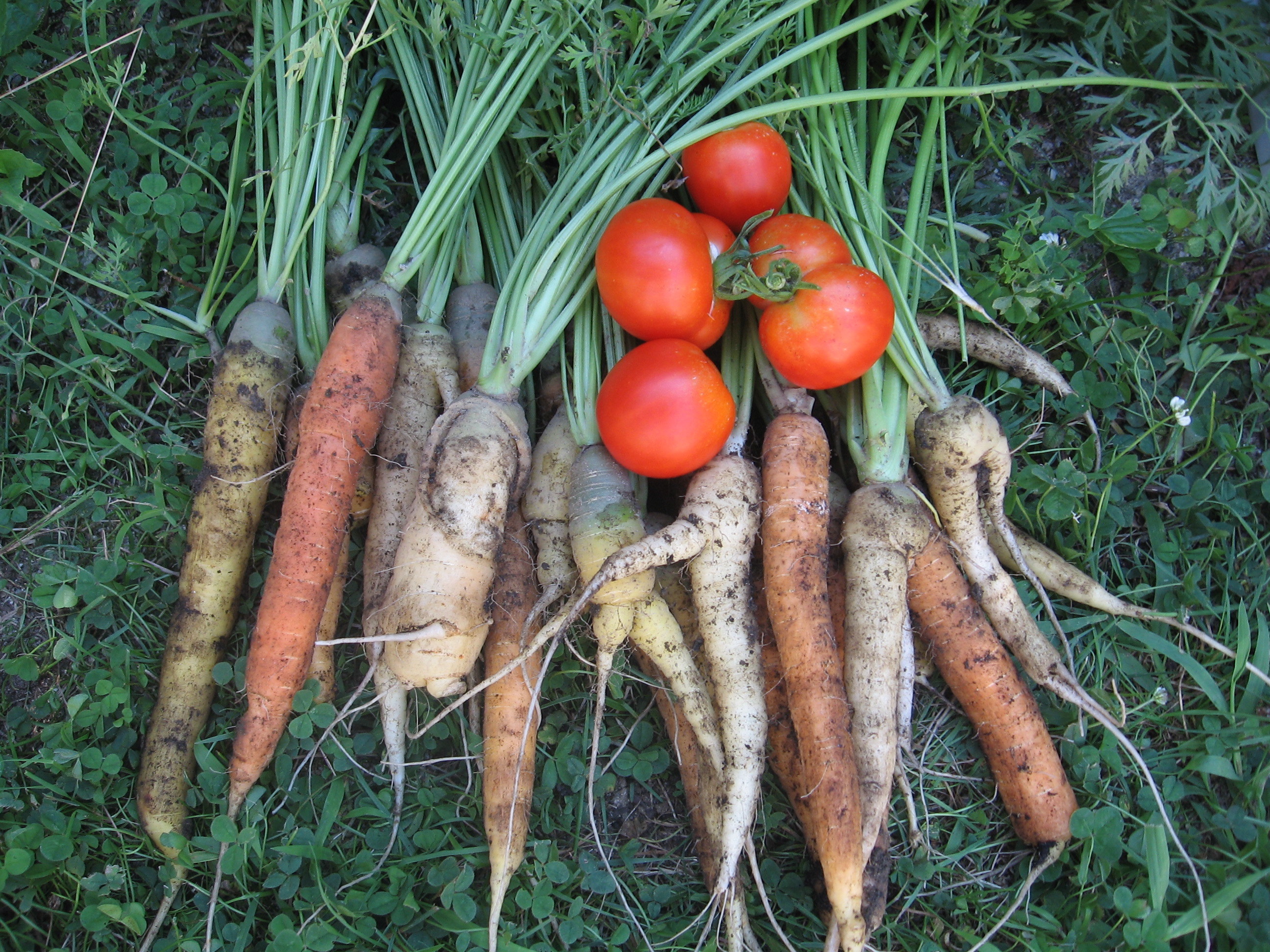
Posted: August 19, 2011 Filed under: Child Centered Activities, Farming off the Farm, Little Green Thumbs 1 CommentThree little helpers tended garden today.


Richard Manning, “Against The Grain”
Posted: August 17, 2011 Filed under: Gallery - Quotes Leave a comment“There is a story in my family about my paternal grandfather, a respected and successful, albeit bullheaded, farmer in Northern Michigan. The story…occurred during the Great Depression, in a period of poor prices. Then, my grandfather raised mostly potatoes. That fall, he loaded a truck full of potatoes and took them to the local selling shed, where buyers offered him a price he thought pathetic. So he refused to sell, backed the truck across the road, dumped the potatoes in the ditch, and then drove the truck over them to crush them, as the buyers looked on. To this day, farmers are offered pathetic prices for crops, but no one in his right mind would do what my grandfather did.
As far as I know, he was in his right mind, and besides his potatoes, he also had at home cattle, hogs, chickens, eggs my grandmother used or sold, milk and cream from cows, apples, seed potatoes saved, and manure piling up to fertilize next year’s crop. A wood lot gave him lumber and fuel to heat the house. Neighbors supplied him with labor when he needed it, and he repaid them in kind. He had alternatives and could get through a year without selling his potatoes. His was the last generation of farmers to have that independence, before it got traded away for efficiency.”
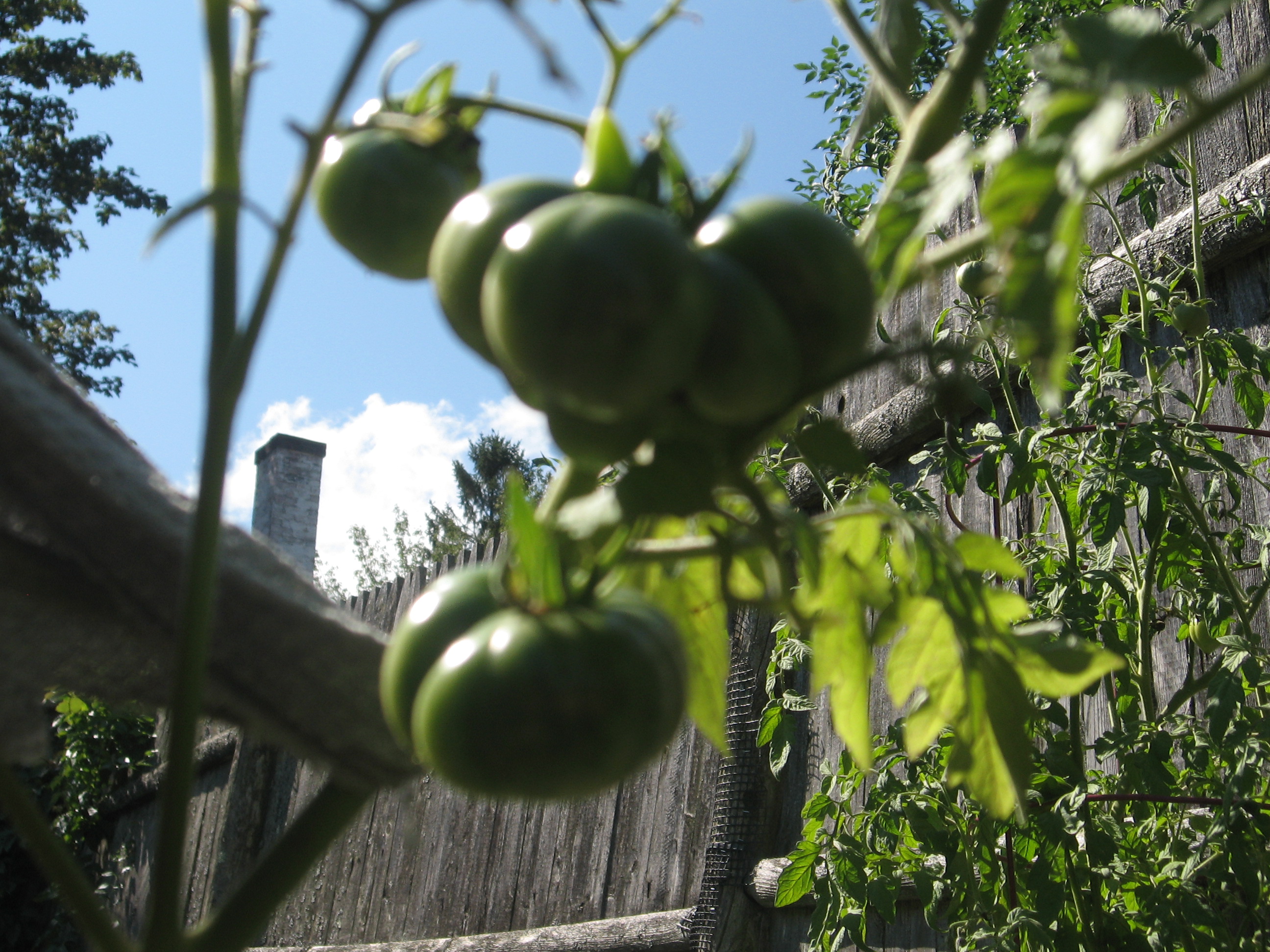
Mid August
Posted: August 15, 2011 Filed under: Child Centered Activities, Farming off the Farm, Little Green Thumbs Leave a comment