Emotions as Central: John Medina’s “Brain Rules for Baby”
Posted: July 13, 2011 Filed under: Chronicles of a First Time Parent, Gallery - Quotes 3 CommentsEmotions must be central
Parents face many issues on a daily basis in the raising of kids, but not all of them affect how their children will turn out. There is one that does. How you deal with the emotional lives of your children – your ability to detect, react to, promote, and provide instruction about emotional regulation – has the greatest predictive power over your baby’s future happiness.
Fifty years of research, from Diana Baumrind and Haim Ginott to Lynn Katz and John Gottman, have come to this conclusion…The critical issue is your behavior when your children’s emotions become intense…enough to push you out of your comfort zone. Here are the six spices that go into this parental rub:
- a demanding but warm parenting style
- comfort with your own emotions
- tracking your child’s emotions
- verbalizing emotions
- running towards emotions
- two tons of empathy
Rosemary & Garlic Sea Salts
Posted: July 8, 2011 Filed under: In the Kitchen 3 CommentsA very gifted culinary friend introduced us to Celtic Sea Salts a while back in Chicago. We’ve been big fans ever since. She made several varieties but the rosemary/garlic blend (we call rosie salts) is what we use regularly. Once per year I purchase a 5 lb bag of the coarse, light grey salt from http://www.celticseasalt.com – about $21.

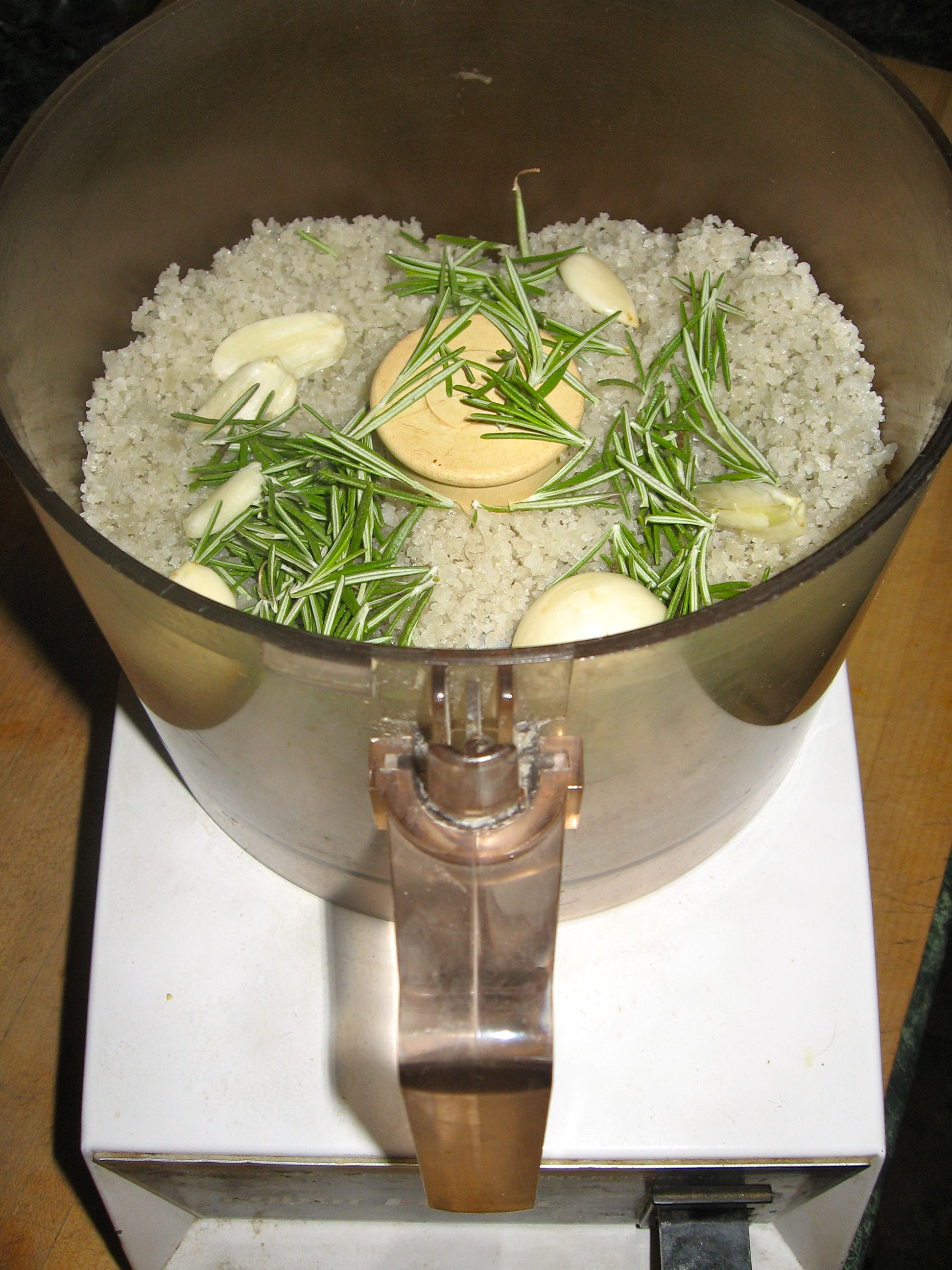
As needed, I put 3 or so cups of salt in a food processor with 5-6 fresh rosemary sprigs (leaves picked from stem) and 4-5 garlic cloves, smashed with skins removed. Pulse but do not blend.
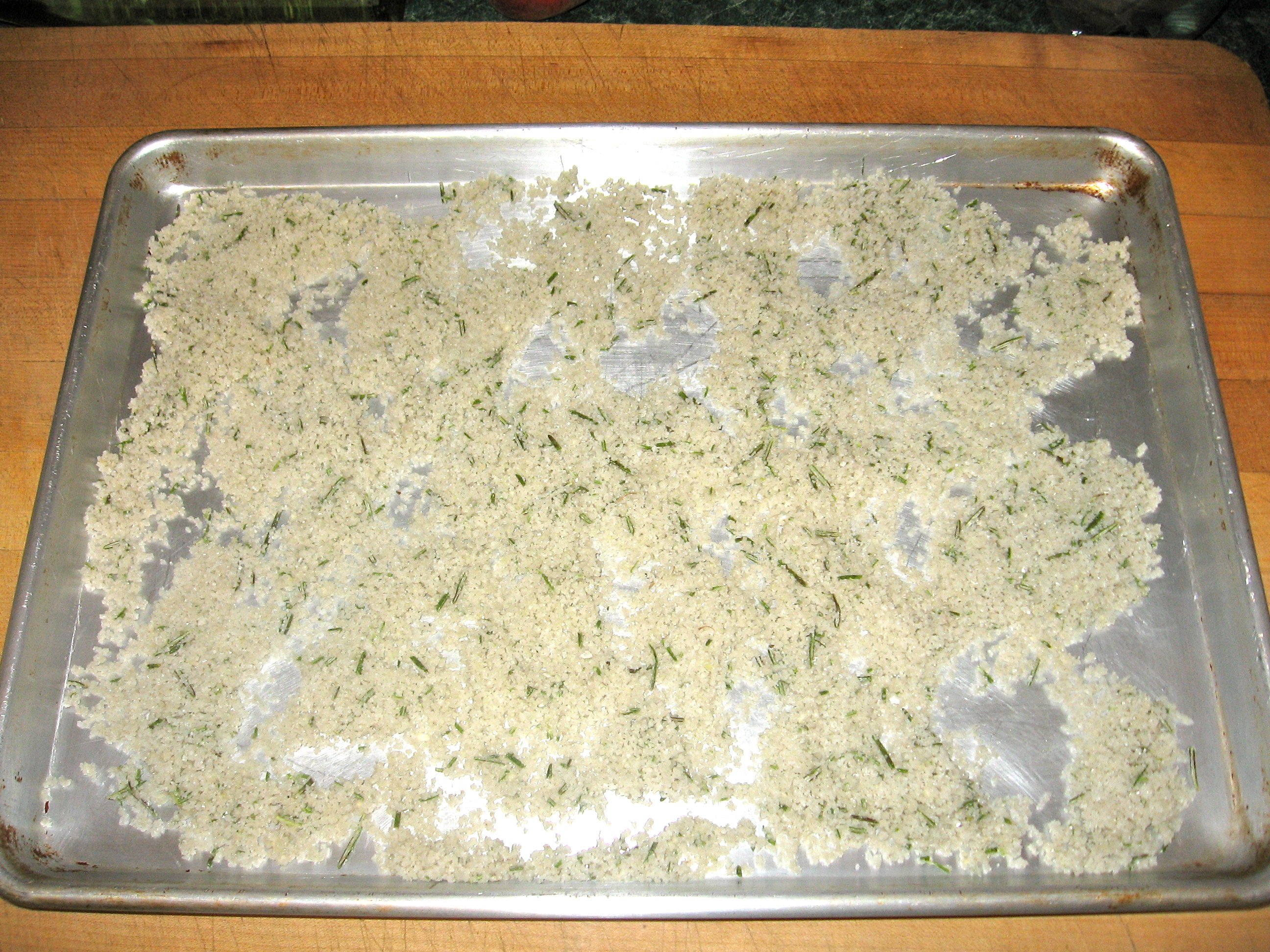
You then spread the contents onto a cookie/baking sheet and let air dry overnight as the mixture will be damp. You will pulse salt mixture again the next day, several times. Let air dry a second night.
According to the source, you may store it in a ceramic or glass container with a loose lid to allow the salts to breathe. I have a small jar right by stove always filled and ready for cooking. We use these salts for garlic bread, salads, and in general cooking. The flavor is superb.

John Medina’s “Brain Rules for Baby”
Posted: July 6, 2011 Filed under: Chronicles of a First Time Parent, Gallery - Quotes 2 CommentsThe brain’s day job is not for learning
First, I need to correct a misconception. Many well-meaning moms and dads think their child’s brain is interested in learning. That is not accurate. The brain is not interested in learning. The brain is interested in surviving. Every ability in our intellectual tool kit was engineered to escape extinction. Learning only exists to serve the requirements of this primal goal. It is a happy coincidence that our intellectual tools can do double duty in the classroom, conferring on us the ability to create spreadsheets and speak French. But that’s not the brain’s day job. That is an incidental byproduct of a much deeper force: the gnawing, clawing desire to live to the next day. We do not survive so that we can learn. We learn so that we can survive.
This overarching goal predicts many things, and here’s the most important: If you want a well-educated child, you must create an environment of safety. When the brain’s safety needs are met, it will allow its neurons to moonlight in algebra classes. When safety needs are not met, algebra goes out the window.
Anger Management
Posted: July 5, 2011 Filed under: Child Centered Activities, Chronicles of a First Time Parent 1 CommentWell, at 2 years old, there seems to be something of a daily roller-coaster ride between cuddling in mama’s arms, and running as fast as she can towards the busy street (despite my screams for her to stop). Have mercy. I’ve come to expect the split personality – “no I don’t want that, take it away” followed immediately by “it’s MINE, you cannot have it”.
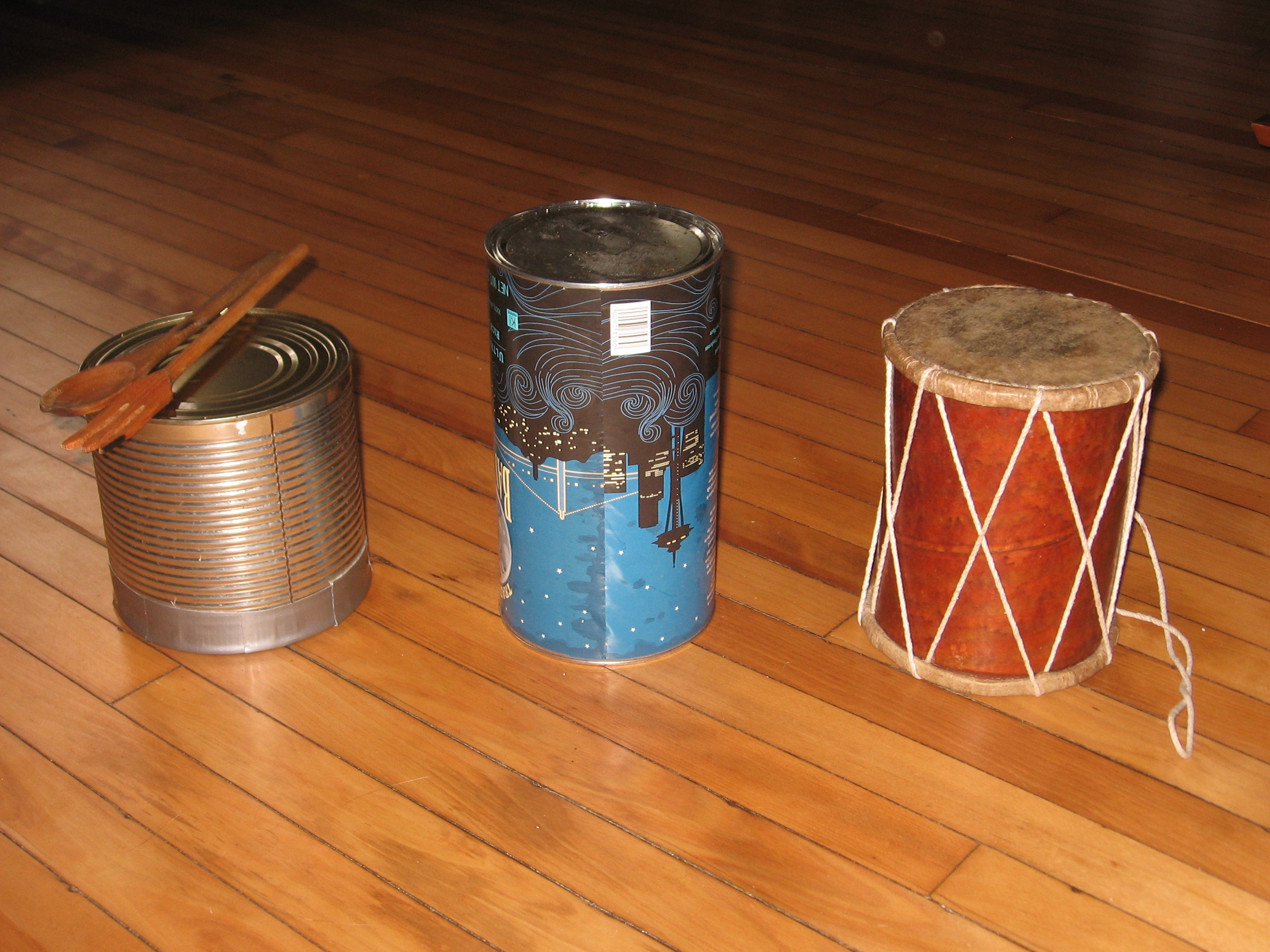
She is a passionate one, bellowing out her thoughts with such fervor, someone in earshot might think she’s protesting. Her fury has the same intensity. We’ve started a mini collection of drums and noise makers to go to when we “need to bang” on something. When she is having a moment, I suggest she choose a drum to “bang on until you feel better”. I act it out sporting a mad face. Between my looking silly impersonating a mad toddler, her feelings being acknowledged, and an outlet being offered, the drums haven’t been needed to diffuse the situation (yet).
“…the softly focused gaze of Pissarro…”
Posted: July 2, 2011 Filed under: Art & Healing, Farming off the Farm, What is an Art Farm 1 Comment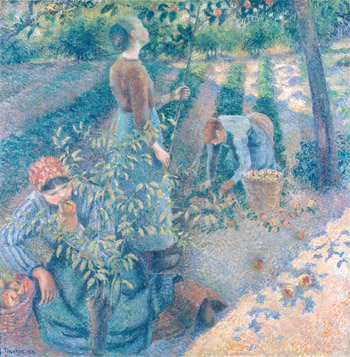
Late June
Posted: June 29, 2011 Filed under: Child Centered Activities, Farming off the Farm, Little Green Thumbs 1 Comment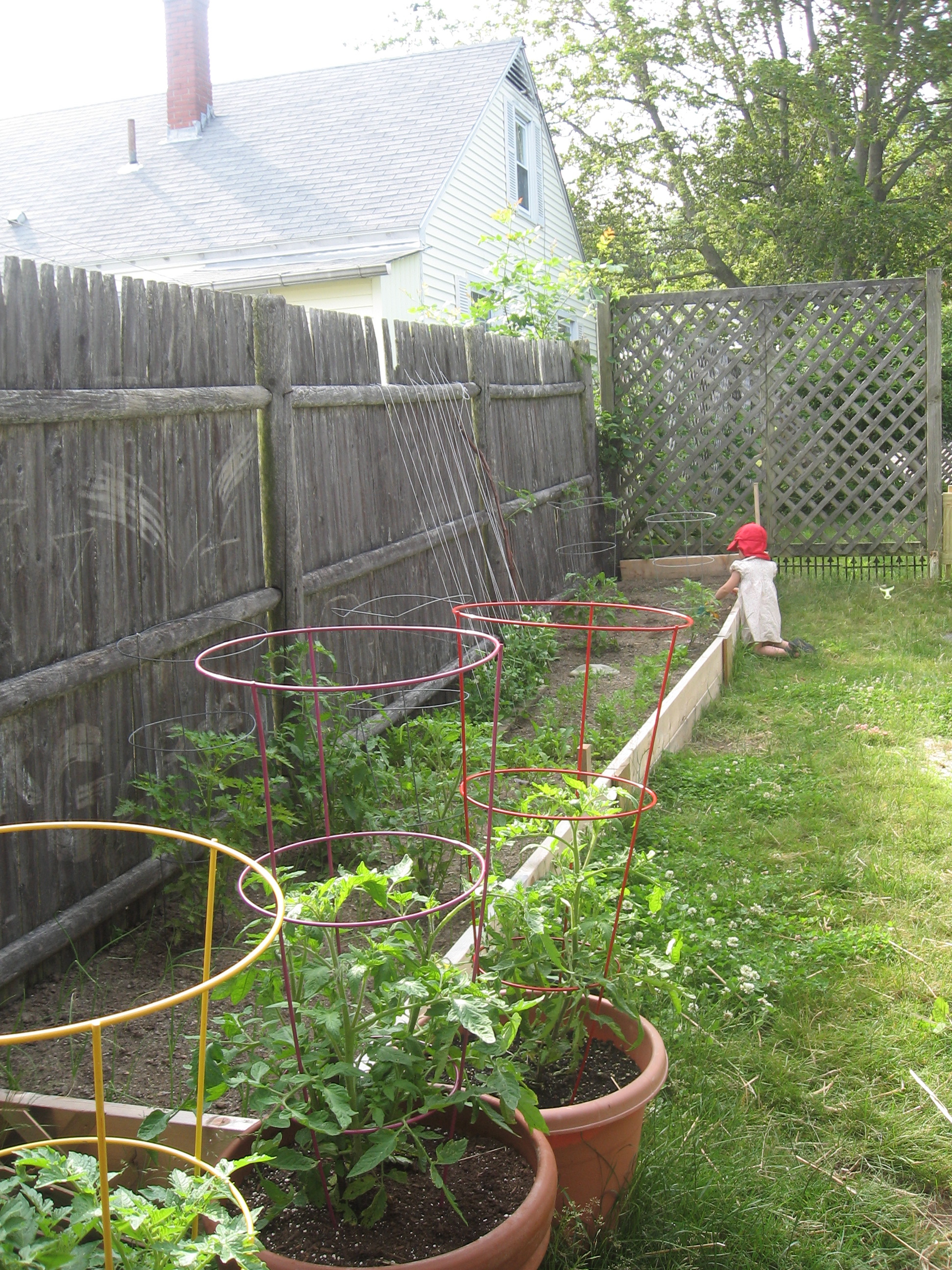

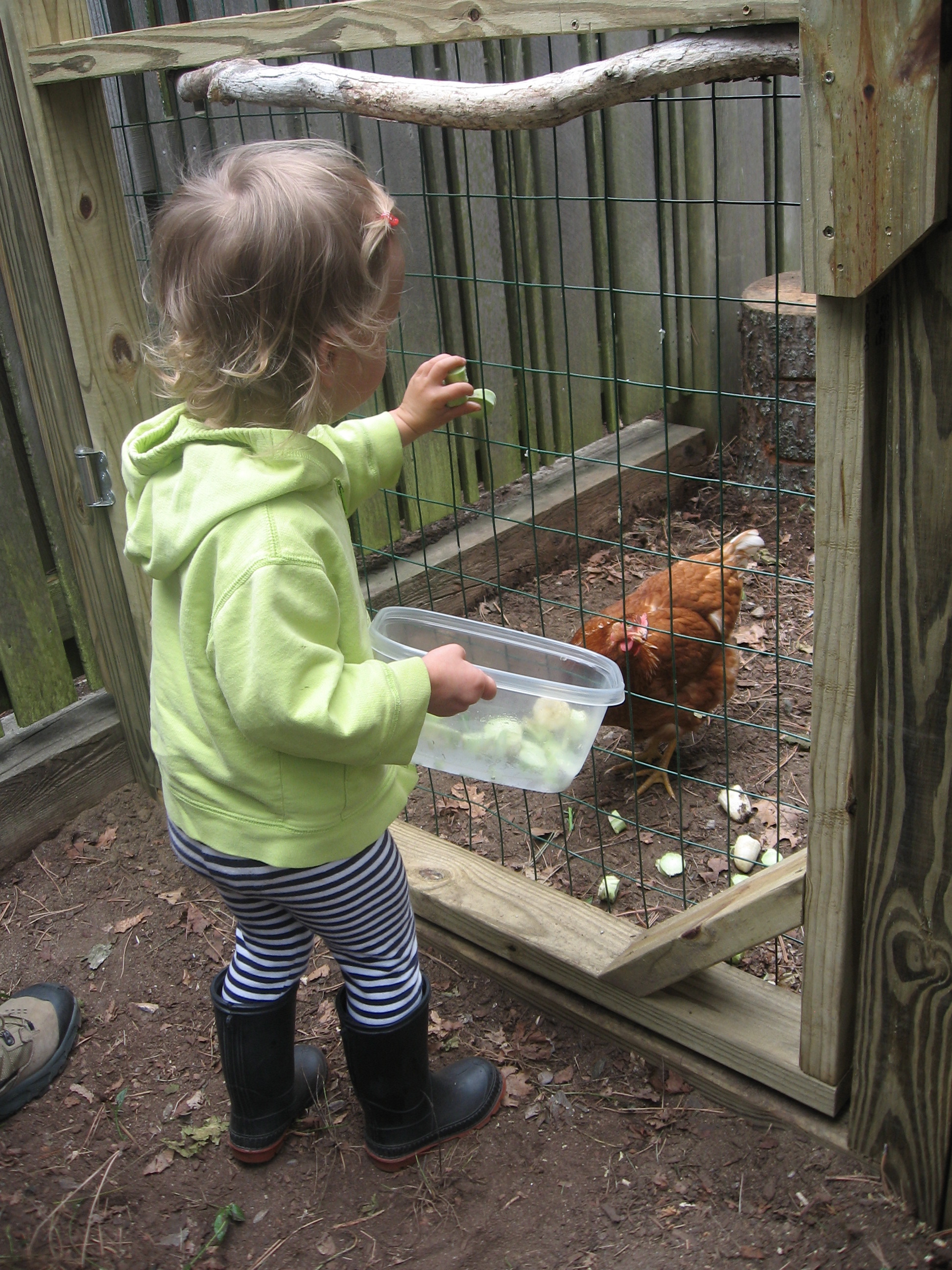
Feeding the Chickens
Posted: June 23, 2011 Filed under: Child Centered Activities, Farming off the Farm 1 Comment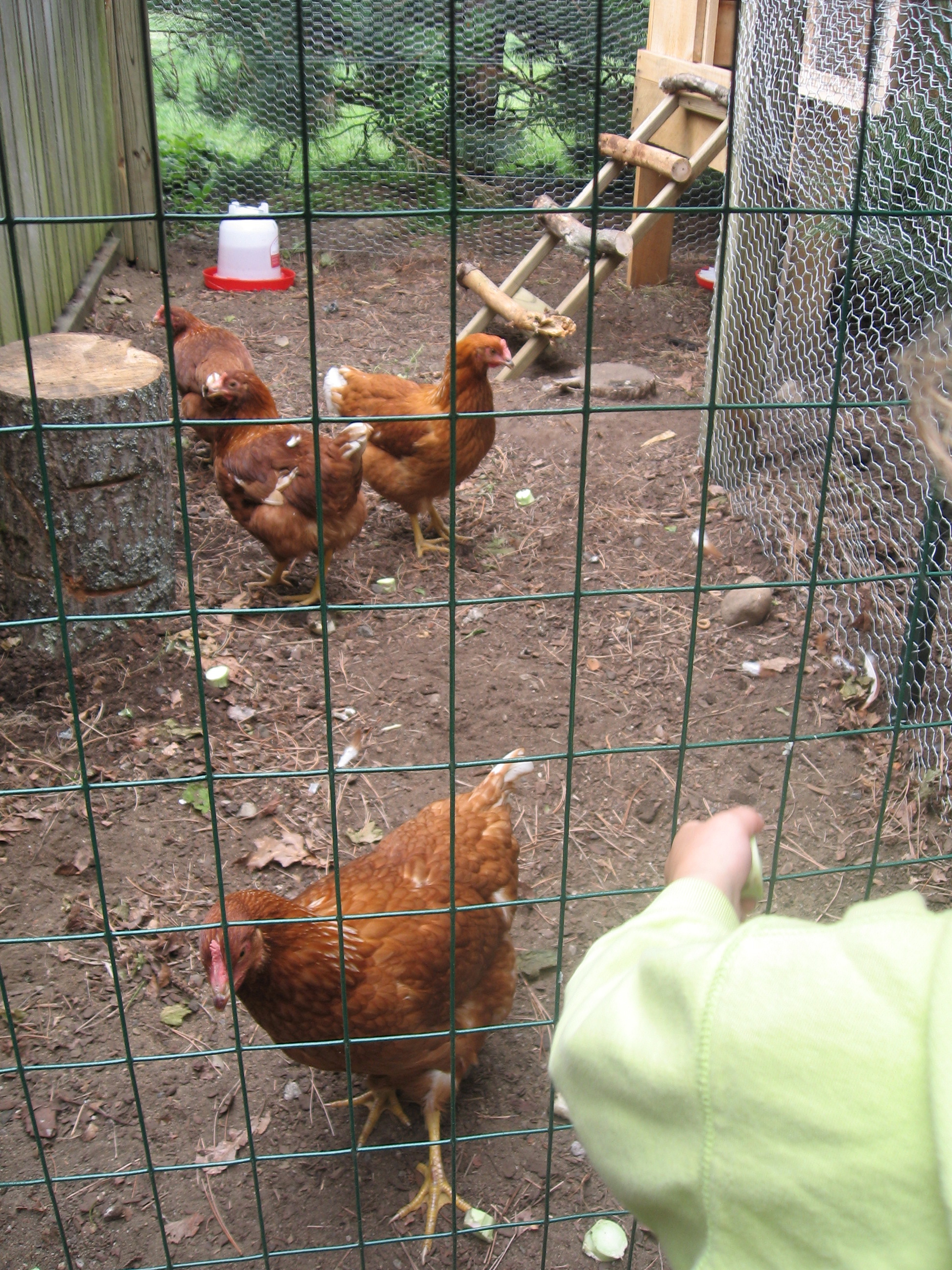
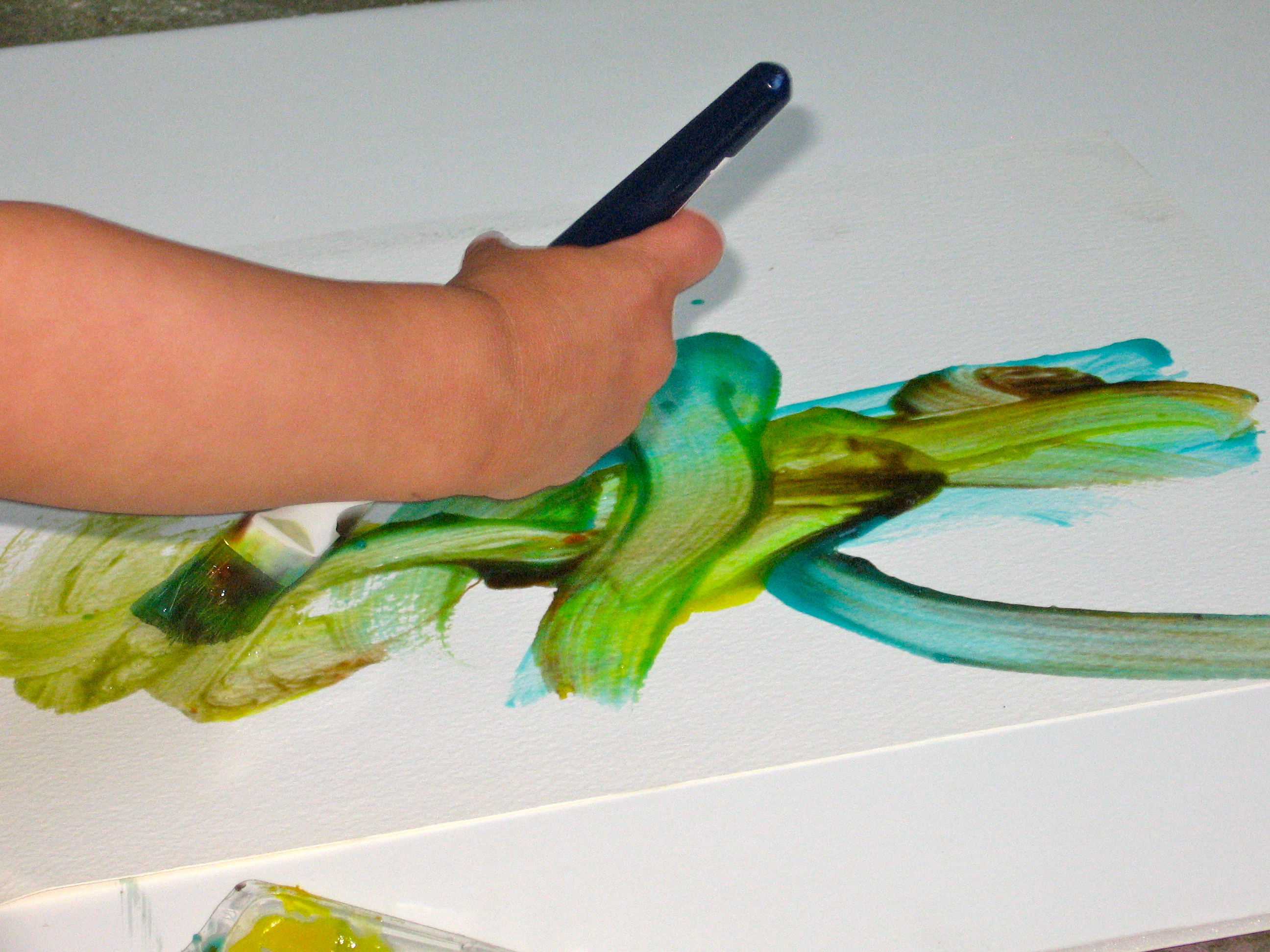
Homemade Finger Paints
Posted: June 19, 2011 Filed under: Art & Healing, Child Centered Activities, In the Kitchen 1 CommentA great recipe I found online – with my own tweaks added in:
2 TB sugar
1/3 C cornstarch
2 C cold water
1/4 C clear liquid dish soap
food coloring or food gel
Mix sugar with cornstarch and slowly add water. Cook over medium heat for 15-20 minutes or until mixture thickens and becomes semi-translucent. Once cooled, add dish soap (helps keep colors from staining – though still take precautions with clothes, etc.), then portion into desired containers and mix in the colors. In addition to fingers and paintbrush, collect some non-traditional tools (feathers, sticks, Q-tips, etc.) for your little one to explore with.



Ellen Dissanayake: “What Is Art For?”
Posted: June 19, 2011 Filed under: Art & Healing, Gallery - Quotes, What is an Art Farm Leave a commentMy own notion of art as a behavior…rests on the recognition of a fundamental behavioral tendency that I claim lies behind the arts in all their diverse and dissimilar manifestations from their remotest beginnings to the present day. It can result in artifacts and activities in people without expressed ‘aesthetic’ motivations as well as the most highly self-conscious creations of contemporary art. I call this tendency making special and claim that it is as distinguishing and universal in humankind as speech or the skillful manufacture and use of tools.
Making special implies intent or deliberateness. When shaping or giving artistic expression to an idea, or embellishing an object, or recognizing that an idea or object is artistic, one gives (or acknowledges) a specialness that without one’s activity or regard would not exist.
…From very early times it seems evident that humans were able to recognize and respond to specialness – at least this would seem to be the explanation for Acheulean people of 100,000 years ago selecting a piece of patterned fossil chert and flaking from it an implement that utilized the pattern, or carrying about with them an unusual but “useless” piece of fossil coral.
…Perhaps the proclivity to make special existed even a quarter of a million years ago in the use of shaped pieces of yellow, brown, red, and purple ocher found among the human remains in a sea-cliff cave in southern France. It might be supposed that these were chosen for the “special” color, and thus suitable for “special” purposes (Oakley, 1981). Red haematite was brought from a source twenty-five distant toan Acheulean dwelling site in India, probably for use as a coloring material (Paddayya, 1977). The presumably very ancient practice by humans of applying ornamental designs to their bodies can be interpreted as a way of adding or imparting refinement to what is by nature plain and uncultivated, of imposing human civilizing order upon nature – that is, making special.
Recognizing the ubiquity of making special, and its apparently effortless integration into the day-to-day life of many unmodernized societies (so that the sacred and profane coexist, the spiritual suffuses the secular), points out to us the degree to which art is divorced from life in our own society. It helps us to understand why art, which according to the modern notion is autonomous and “for its own sake,” is still conceptually stained with the residues of essential activities and predilections.
From an ethological perspective, art, like making special, will embrace a domain extending from the greatest to the most prosaic results. Still, mere making or creating is neither making special nor art. A chipped stone tool is simply that, unless it is somehow made special in some way, worked longer than necessary, or worked so that an embedded fossil is displayed to advantage. A purely functional bowl may be beautiful, to our eyes, but not having been made special it is not the product of a behavior of art. As soon as the bowl is fluted, or painted, or otherwise handled using considerations apart from its utility, its maker is displaying artistic behavior…. The housewife who puts down cups and plates any which way is not exercising artistic behavior; as soon as she consciously arranges the table with an eye to color and neatness, she is doing so. The functional, empty, unremarkable wall may be enlivened by a mural, or bas relief, or even graffito.
NB: These passages are taken from Ellen’s book, “What Is Art For?”, Chapter 4, “Making Special: Toward a Behavior of Art”, pages 92 – 101, published by the University of Washington Press, Seattle, (c) 1988.
 an Art Farm